Content Menu
● What Are Custom Foil Stickers?
● Why Use Foil Stickers for Product Packaging?
>> Improve shelf appeal
>> Reinforce premium positioning
>> Create flexible branding assets
● Popular Custom Foil Sticker Materials
● Foil Colors and Surface Effects
>> Gold foil stickers
>> Silver foil stickers
>> Rose gold and copper foil
>> Holographic foil
>> Specialty effects
● Foil Printing Methods Explained
>> Hot foil stamping
>> Cold foil printing
>> Digital UV foil
● How to Prepare Artwork for Custom Foil Stickers
>> Recommended file setup
>> Bleed and safe zone
>> Avoid excessively fine details
● A Practical Design Strategy for Better Results
>> Expert insight: design for the viewing distance
● Adhesive Selection and Application
>> Common adhesive options
● Protective Finishes for Foil Stickers
● Custom Foil Stickers for Different Industries
>> Cosmetics and skincare
>> Candles and home fragrance
>> Food and beverage
>> Gift boxes and retail packaging
>> Events and promotional products
>> Security and authentication
● OEM and ODM Manufacturing with XingKun
● Quality-Control Checklist
● Conclusion
● FAQ
>> What are custom foil stickers used for?
>> What is the difference between foil stickers and metallic ink stickers?
>> Are gold foil stickers waterproof?
>> Can foil stickers be made on clear material?
>> Which foil color is best for packaging?
>> Can I use a complex logo for foil printing?
>> What artwork format should I provide?
>> Should I choose paper or synthetic foil stickers?
>> Can XingKun manufacture other packaging products?
● References
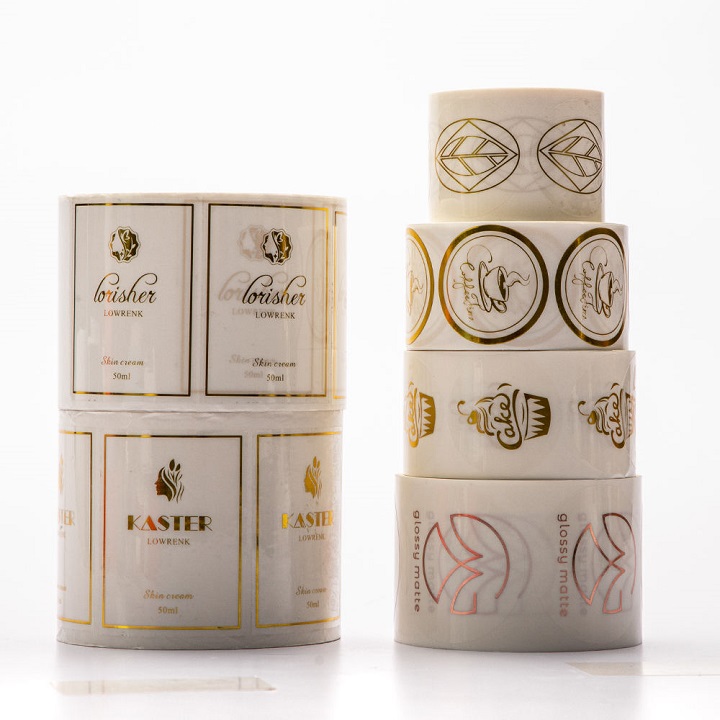
Custom foil stickers combine printed artwork with a reflective metallic finish to create a stronger visual impression on product packaging, promotional materials, and branded merchandise. For cosmetics, candles, wine, specialty food, gift boxes, and luxury goods, custom gold foil stickers, silver foil labels, and metallic logo stickers can help a product look more distinctive before a customer reads the packaging copy.
For international brands, wholesalers, and manufacturers, the real value of foil stickers is not simply their shine. The result depends on the correct combination of material, adhesive, foil color, artwork, printing process, protective coating, and application environment. This guide explains how to choose and manufacture custom foil stickers and how Shenzhen XingKun Packing Products Co., Ltd. supports OEM and ODM packaging projects.
What Are Custom Foil Stickers?
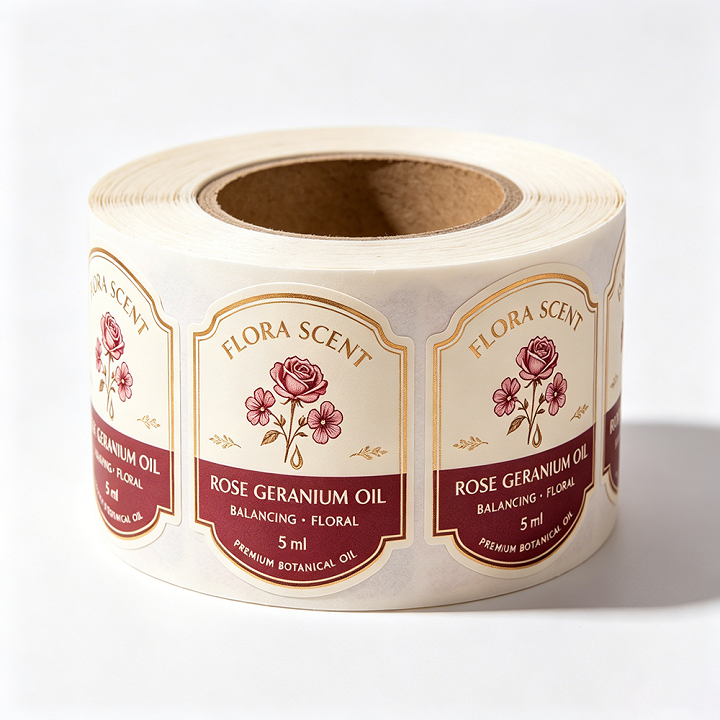
Custom foil stickers are self-adhesive labels decorated with a metallic or specialty foil layer. The foil may be applied to selected elements, such as a logo, product name, border, icon, or pattern, rather than covering the entire sticker.
Unlike ordinary metallic-colored ink, genuine foil creates a reflective surface that changes with the angle of light. Foil is commonly transferred through heat and pressure, adhesive-based processes, or digital UV foil technology. The production method depends on the order quantity, artwork, substrate, finish, and required precision. [printshop.paperlust]
A typical custom foil sticker may contain:
- A face material, such as paper, BOPP, PET, kraft paper, or textured stock.
- Printed CMYK artwork.
- A separate foil layer for metallic areas.
- Permanent, removable, or specialty adhesive.
- Optional laminate, varnish, embossing, or raised UV.
- A release liner for convenient application.
The foil can be applied to a small logo or used across a larger decorative area. However, selective foil usually produces a more sophisticated result because the contrast between the metallic detail and the non-metallic background attracts attention without overwhelming the design.
Why Use Foil Stickers for Product Packaging?
Packaging often has only a few seconds to communicate quality, positioning, and brand identity. A well-designed foil label can make a standard package feel more premium without requiring a complete change to the box, bottle, pouch, or container.
Improve shelf appeal
Gold, silver, rose gold, copper, holographic, and other foil effects catch light in retail and display environments. This can help a package stand out among products with ordinary matte or glossy labels.
Foil is especially effective when paired with dark colors such as:
- Black.
- Navy blue.
- Burgundy.
- Forest green.
- Deep purple.
- Charcoal gray.
These backgrounds create strong contrast and allow the metallic details to remain visually clear. [printshop.paperlust]
Reinforce premium positioning
A foil logo can communicate craftsmanship, exclusivity, celebration, or higher perceived value. This makes custom foil labels suitable for:
- Luxury cosmetics.
- Perfume and skincare.
- Wine and spirits.
- Premium coffee and tea.
- Handmade candles.
- Chocolate and specialty food.
- Jewelry and accessories.
- Boutique apparel.
- Corporate gifts.
- Wedding and event products.
Foil does not automatically make a product premium. Poor color contrast, inaccurate registration, weak adhesive, or excessive decoration can reduce the perceived quality. The best results come from treating foil as part of the complete packaging system.
Create flexible branding assets
Custom foil stickers can be applied to many existing products and packaging formats. A brand may use the same foil logo sticker on:
- Folding cartons.
- Rigid boxes.
- Shipping boxes.
- Glass jars.
- Plastic bottles.
- Paper bags.
- Envelopes.
- Tissue paper.
- Product cards.
- Gift wrapping.
- Promotional merchandise.
This flexibility makes stickers a practical solution for product launches, seasonal packaging, limited editions, and brands that need to upgrade packaging without investing in a new mold.

Popular Custom Foil Sticker Materials
Choosing the right face material is one of the most important manufacturing decisions. The material influences appearance, durability, adhesion, moisture resistance, and application performance.
| Material | Main advantages | Suitable applications |
| White paper | Economical, printable, natural appearance | Boxes, envelopes, candles, gift packaging |
| Kraft paper | Organic and handmade visual character | Eco brands, artisan food, natural cosmetics |
| White BOPP | Smooth, durable, moisture-resistant | Food, cosmetics, bottles, retail packaging |
| Clear BOPP | Transparent “no-label” appearance | Glass jars, bottles, clear containers |
| PET | Strong and dimensionally stable | Durable labels, premium packaging, industrial use |
| Textured paper | Tactile and luxury appearance | Wine, perfume, candles, boutique products |
| Metallic stock | Strong reflective base | High-impact metallic designs and decorative labels |
Paper is often chosen when texture and a natural appearance matter. Synthetic materials such as BOPP and PET are more suitable for products exposed to moisture, oil, refrigeration, handling, or condensation. Clear film can create a clean appearance, but it requires careful planning for white ink and color opacity.
For clear foil stickers, ask the manufacturer whether the project requires:
- White ink under the printed artwork.
- White ink under the foil.
- A transparent or opaque color effect.
- A specific adhesive for glass, plastic, or coated surfaces.
A supplier should evaluate the entire construction rather than quoting only the sticker material. The correct specification includes the face stock, adhesive, ink system, foil process, coating, liner, and die-cut format. [digitemb]
Foil Colors and Surface Effects
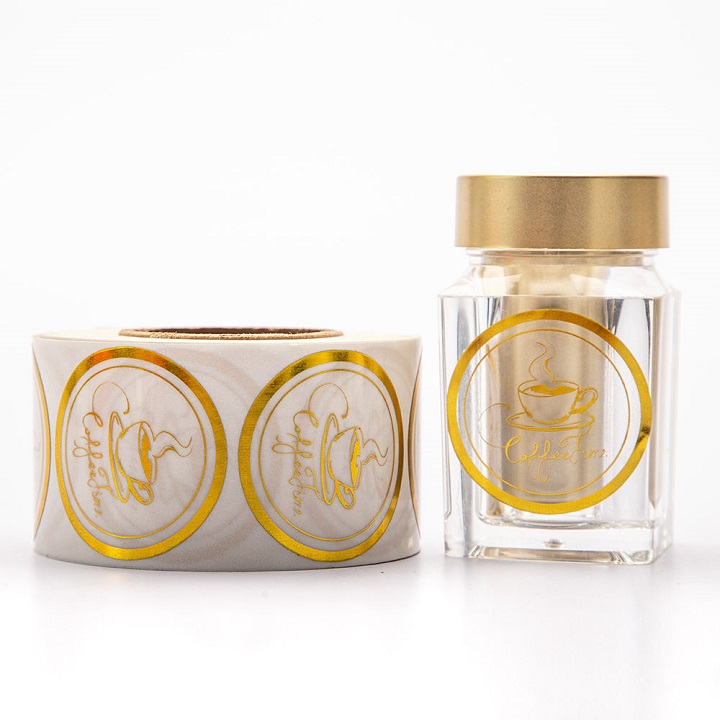
Gold and silver remain the most widely used options, but modern foil sticker printing offers many visual directions.
Gold foil stickers
Gold foil is associated with luxury, celebration, premium quality, and tradition. It works well on black, white, cream, green, red, and dark blue backgrounds.
Common applications include:
- Wine labels.
- Chocolate packaging.
- Beauty products.
- Wedding stationery.
- Gift boxes.
- Premium certificates.
Silver foil stickers
Silver foil has a cooler and more contemporary appearance. It is suitable for technology products, cosmetics, beverages, automotive accessories, and modern minimalist brands.
Silver can also provide a reflective base for color effects. Depending on the printing method, transparent inks over metallic material may create customized metallic colors.
Rose gold and copper foil
Rose gold offers a softer, fashion-oriented appearance, while copper creates warmth and a handcrafted or premium-industrial feeling. Both are popular for cosmetics, candles, wedding products, coffee, and lifestyle brands.
Holographic foil
Holographic foil produces changing rainbow or geometric reflections. It can be used for promotional products, entertainment merchandise, security-related applications, children's products, and limited editions.
Because holographic foil is visually active, it usually works best when the printed design is simple. Too many colors and patterns may make small text difficult to read.
Specialty effects
Depending on the production method and supplier capabilities, brands may also request:
- Matte foil.
- Colored foil.
- Black foil.
- Brushed metallic foil.
- Iridescent foil.
- Patterned foil.
- Raised foil.
- Foil combined with spot UV.
- Foil combined with embossing.
The availability of a specific foil color may depend on the manufacturer's material inventory, minimum order quantity, and process. Always request a physical sample when color accuracy and surface appearance are commercially important.
Foil Printing Methods Explained
Different printing processes produce different balances of appearance, cost, minimum order quantity, and production flexibility.
Hot foil stamping
Hot foil stamping uses a heated die and pressure to transfer foil onto the sticker surface. It is widely used for sharp metallic decoration and consistent repeat production.
Advantages include:
- Strong metallic reflectivity.
- Clear decorative effects.
- Suitable for premium packaging.
- Good repeatability for larger orders.
The process may require tooling or a stamping die. This can make it less economical for very small orders or frequently changing artwork, but the unit cost may become attractive at higher quantities.
Cold foil printing
Cold foil uses adhesive and pressure rather than a heated stamping die. It can be integrated with conventional printing processes and may support more detailed or flexible designs.
Cold foil is useful when the brand requires:
- Foil combined with full-color printing.
- Large production runs.
- Detailed decorative effects.
- Efficient inline manufacturing.
The final result depends heavily on adhesive control, registration accuracy, ink compatibility, and surface protection.
Digital UV foil
Digital UV foil systems apply a specialized varnish or adhesive to selected artwork areas before transferring foil. The process can support variable data, small quantities, and personalized designs.
A typical workflow includes:
1. Prepare separate artwork layers for CMYK, white ink, varnish, and foil.
2. Print the base artwork.
3. Apply foil adhesive or foil varnish to designated areas.
4. Transfer the metallic film.
5. Remove excess foil.
6. Add lamination or protective coating.
7. Die-cut the finished stickers.
Digital UV foil is particularly useful for prototypes, short runs, personalized labels, and designs that do not justify traditional tooling. Production parameters such as curing level, temperature, pressure, and film compatibility must be controlled carefully. [textek]
How to Prepare Artwork for Custom Foil Stickers
Artwork preparation directly affects the accuracy of the finished product. A professional print file should make the intended foil areas unambiguous.
Recommended file setup
For most custom foil sticker projects, provide:
- AI, EPS, SVG, or print-ready PDF files.
- CMYK color mode.
- Raster images at approximately 300 DPI at final size.
- Fonts converted to outlines.
- Embedded images.
- Clearly named layers.
- A separate foil layer or spot color.
- Bleed and safe margins.
- Vector artwork for logos and fine brand elements.
A dedicated spot color named FOIL, HOT FOIL, or another agreed production name helps the prepress team identify which areas require metallic transfer. The exact naming convention should be confirmed with the factory before submission. [labelsagent]
Bleed and safe zone
Unless otherwise specified, many print suppliers recommend approximately 3 mm bleed beyond the cut line and keeping important text or logos at least 3 mm inside the trim line. The exact requirement may vary with sticker size, shape, cutting method, and supplier equipment. [printshop.paperlust]
Avoid excessively fine details
Very thin lines, tiny serif fonts, and intricate patterns may lose definition during foil transfer. For reliable production:
- Use bold, clean shapes.
- Avoid extremely small foil text.
- Increase the thickness of delicate lines.
- Avoid placing foil directly beside a critical cut edge.
- Request a preproduction proof for complex artwork.
One industry guide recommends a minimum foil line thickness of approximately 0.5 pt, or 0.176 mm, but the practical limit depends on the substrate, process, foil type, and machine setup. [labelsagent]
A Practical Design Strategy for Better Results
A common mistake is to use foil everywhere. Although a fully metallic sticker can be eye-catching, excessive foil may reduce hierarchy and readability.
A more reliable design approach is:
1. Use the brand name or logo as the primary foil element.
2. Add one supporting feature, such as a border, icon, or product name.
3. Use a matte or low-gloss background to create contrast.
4. Reserve high-reflective finishes for areas that deserve attention.
5. Check readability under both bright and subdued lighting.
6. Produce a physical sample before approving a large order.
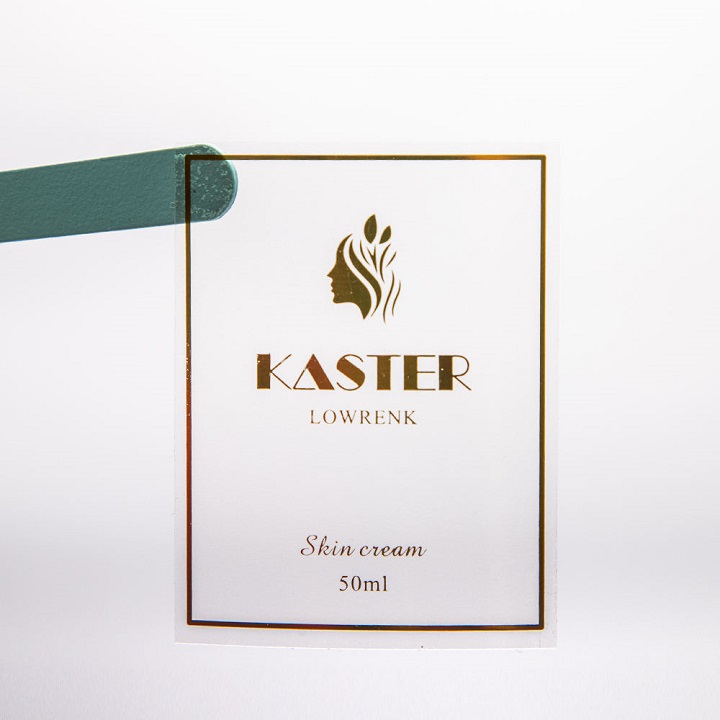
For example, a black candle box could use a matte black sticker with a gold foil logo, a small gold border, and white product information. The limited metallic area looks intentional, while the white text remains readable.
Expert insight: design for the viewing distance
Foil artwork should be evaluated at the distance where customers will see the product. A label that looks impressive at 10 centimeters may become unreadable on a retail shelf.
For packaging, test:
- The logo at normal shelf distance.
- Small mandatory information.
- The contrast between foil and background.
- Reflections caused by store lighting.
- The appearance after application to a curved surface.
The goal is not maximum shine. The goal is fast recognition, clear hierarchy, and a premium impression.
Adhesive Selection and Application
The adhesive is as important as the decorative finish. A visually attractive sticker can fail if it lifts at the edges, slides on the surface, bubbles, or cannot withstand the product environment.
Common adhesive options
- Permanent adhesive: Designed for long-term bonding to suitable surfaces.
- Removable adhesive: Useful for temporary promotions, event packaging, or repositionable applications.
- High-tack adhesive: Better for difficult surfaces or long-term use, subject to testing.
- Freezer-grade adhesive: Intended for cold or frozen conditions when appropriately specified.
- Specialty adhesive: May be needed for textured, oily, coated, or low-energy surfaces.
Before mass production, provide information about:
- The application surface.
- Surface curvature.
- Temperature range.
- Exposure to water or oil.
- Expected application period.
- Whether the label must be removable.
- Manual or automatic application.
The surface should generally be clean, dry, and free from dust, grease, and release agents. For bottles and jars, a test should be performed on the actual container because glass, plastic, varnished paper, and powder-coated surfaces can behave differently.
Protective Finishes for Foil Stickers
A protective finish can improve the sticker's resistance to scuffing, moisture, and handling. Options may include:
- Gloss lamination.
- Matte lamination.
- Soft-touch lamination.
- Spot UV varnish.
- Raised UV varnish.
- Protective overprint varnish.
A matte laminate can provide a refined contrast against bright metallic foil. Gloss lamination can intensify reflectivity and provide a more polished appearance. Soft-touch lamination may add a tactile effect, but compatibility with the foil and adhesive should be tested.
For food, cosmetics, or products exposed to water and oil, confirm the intended use with the manufacturer. A decorative finish should never be assumed to provide unlimited chemical, abrasion, or moisture resistance.
Custom Foil Stickers for Different Industries
Cosmetics and skincare
Foil stickers help distinguish creams, serums, soaps, perfumes, and beauty gift sets. Gold and rose gold work well with minimalist typography, while silver supports a clean and modern aesthetic.
Candles and home fragrance
Textured paper combined with copper, gold, or black foil can create a handcrafted luxury appearance. A matte background often works especially well for candle branding.
Food and beverage
Foil labels can be used for specialty coffee, tea, chocolate, wine, spirits, sauces, and gift foods. For refrigerated or moist environments, synthetic materials and suitable adhesives may be more appropriate than standard paper.
Gift boxes and retail packaging
A foil logo sticker can seal tissue paper, close a gift box, or upgrade a plain carton. This is a cost-effective way to add a branded touch to existing packaging.
Events and promotional products
Custom foil stickers are suitable for invitations, certificates, wedding favors, event envelopes, merchandise, and limited-edition campaigns.
Security and authentication
Holographic or specialty foil effects may support visual authentication. However, foil alone should not be presented as a complete anti-counterfeit system. Brands requiring meaningful security features should discuss serialized data, tamper-evident constructions, microtext, QR verification, or other controlled solutions with a qualified supplier.
OEM and ODM Manufacturing with XingKun
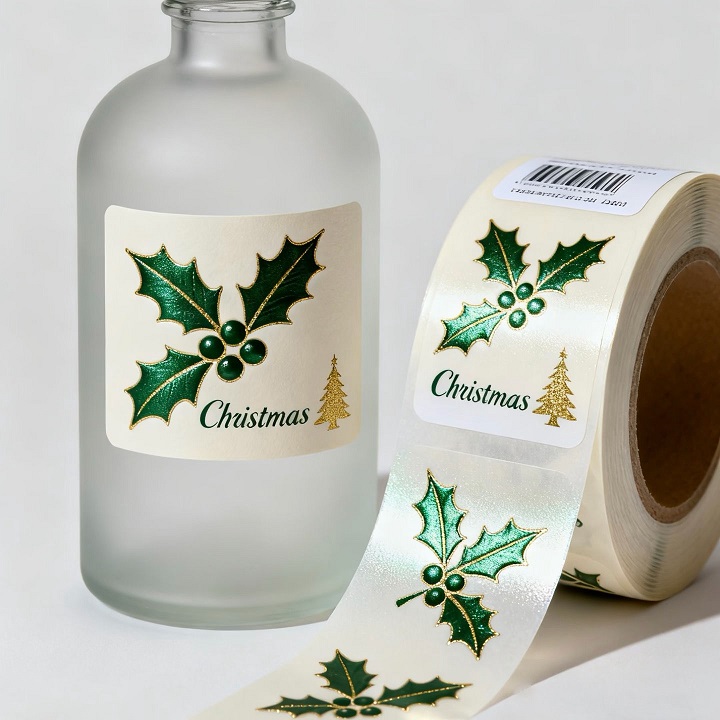
Shenzhen XingKun Packing Products Co., Ltd. provides OEM and ODM support for international brands, wholesalers, and manufacturers seeking customized printed packaging products.
For a custom foil sticker project, the development process can include:
1. Requirement review: Confirm size, shape, quantity, material, adhesive, foil color, and application.
2. Artwork inspection: Check file structure, foil layers, bleed, small text, and color requirements.
3. Material recommendation: Match the stock and adhesive to the packaging surface and environment.
4. Sampling: Produce a digital or physical sample when the appearance requires approval.
5. Production planning: Select an appropriate foil and printing process.
6. Quality control: Inspect color, cutting, foil coverage, registration, surface finish, and packing.
7. Export packing: Prepare the order for international shipment according to the buyer's requirements.
XingKun also focuses on other customized printed products, including packaging boxes, playing cards, jigsaw puzzles, printed books, stickers, labels, badges, folders, and packaging bags. This can be useful for brands that want to coordinate their stickers with a wider packaging system.
When requesting a quotation, send a complete specification rather than only the phrase "custom foil stickers." Include:
- Finished dimensions.
- Shape and corner radius.
- Quantity.
- Sheet, roll, or individual format.
- Material.
- Adhesive type.
- Foil color.
- Printing colors.
- Lamination or varnish.
- Packaging requirements.
- Delivery destination.
- Artwork format.
- Intended application surface.
A complete brief reduces quotation revisions and helps the factory recommend a more suitable manufacturing route.
Quality-Control Checklist
Before approving the final order, inspect the following points:
- Foil color matches the approved sample.
- Foil is applied only to the intended areas.
- Registration between print and foil is acceptable.
- Small text remains readable.
- Die-cut edges are clean.
- Corners do not lift from the liner.
- Adhesive bonds properly to the target surface.
- Lamination has no bubbles, wrinkles, or delamination.
- Roll or sheet winding is consistent.
- Quantity and packaging are correct.
- Labels are protected from humidity and excessive heat during shipping.
For high-volume packaging, conduct a trial application on the actual products. This is more reliable than evaluating the sticker alone because the final result depends on the container shape, surface energy, temperature, and application method.
Conclusion
Custom foil stickers are a practical way to add metallic impact, improve packaging recognition, and support premium brand positioning. The strongest results come from a complete technical approach: select the right face material, adhesive, foil process, protective coating, and artwork structure.
Use foil selectively on logos, product names, borders, or key visual elements. Test the finished sticker on the actual packaging surface, especially when the product is exposed to moisture, oil, refrigeration, curved containers, or frequent handling.
For OEM and ODM buyers, Shenzhen XingKun Packing Products Co., Ltd. can help transform artwork into custom foil stickers and coordinated printed packaging products. Send your dimensions, quantity, material preference, foil color, artwork, and application requirements to request a professional quotation and production recommendation.
FAQ
What are custom foil stickers used for?
Custom foil stickers are used for product packaging, branding, gift boxes, bottles, jars, envelopes, candles, cosmetics, food products, promotional merchandise, and event materials. They are particularly useful when a brand wants a metallic accent without redesigning the complete package.
What is the difference between foil stickers and metallic ink stickers?
Foil stickers use a reflective metallic film transferred to selected areas of the sticker. Metallic ink contains reflective particles but generally produces a different level of shine and visual depth. Foil is often preferred for logos and premium decorative details.
Are gold foil stickers waterproof?
Water resistance depends on the face material, adhesive, laminate, and production construction. A paper sticker may not be suitable for wet environments, while BOPP or PET with appropriate adhesive and protection can provide better resistance. The complete specification should be tested for the actual application.
Can foil stickers be made on clear material?
Yes. Clear BOPP or other transparent films can be used to create a no-label appearance. White ink may be needed to control opacity and color brightness, and the manufacturer should confirm how the foil will appear against the underlying product or container.
Which foil color is best for packaging?
Gold is commonly associated with luxury and tradition, silver creates a modern appearance, rose gold feels soft and fashion-oriented, copper provides warmth, and holographic foil creates a high-impact effect. The best choice depends on the brand identity, background color, product category, and lighting environment.
Can I use a complex logo for foil printing?
Complex logos can often be produced, but extremely thin lines, small serif text, and intricate details may lose definition. Use vector artwork, separate the foil layer clearly, and request a sample when the design contains fine elements.
What artwork format should I provide?
Vector files such as AI, EPS, SVG, or editable PDF are generally preferred. Convert fonts to outlines, embed images, use CMYK colors for printed artwork, and identify foil areas with a separate named layer or spot color. [labelsagent]
Should I choose paper or synthetic foil stickers?
Choose paper when tactile texture, natural appearance, or cost efficiency is the priority. Choose BOPP or PET when the sticker requires stronger resistance to moisture, oil, handling, or environmental exposure.
Can XingKun manufacture other packaging products?
Yes. XingKun's product scope includes customized packaging boxes, playing cards, jigsaw puzzles, printed books, stickers, labels, badges, folders, and packaging bags. Buyers can discuss coordinated packaging requirements for multiple printed products.
References
1. [XingKun Packing Products — Foil Stickers]
2. [Pixartprinting — 3D and Foil Sticker Printing]
3. [LabelsAgent — Foil Label Artwork Guide]
4. [Meikei — How Are Foil Labels Made?]
5. [LabelsAgent — Foil Labels for Premium Product Packaging]
6. [Paperlust — Foil Labels]
7. [Paperlust — Foil and Metallic Print Finishes]
8. [Paperlust — Foil Stickers: The Complete Guide]
9. [Hanrun Paper — Creating Custom Foil Stickers with UV Printers]
10. [Tradeprint — Foil Stickers]


