Content Menu
● What Is a PR Package?
● Why PR Packaging Matters
● PR Package vs. Retail Packaging
● Who Should Receive a PR Box?
>> Content Creators and Influencers
>> Journalists, Editors, and Publication Teams
>> Existing Customers and Brand Advocates
>> Business Partners and Event Guests
● What Should Be Inside a PR Package?
>> The Hero Product
>> The Information Card
>> Personalized Elements
>> Brand-Building Details
● How to Design a PR Package Step by Step
>> 1. Define One Campaign Objective
>> 2. Match the Box Structure to the Product
>> 3. Design the Unboxing Sequence
>> 4. Choose Materials and Print Finishes Purposefully
● A Manufacturer's Checklist Before Production
● Measure PR Package Performance
● Disclosure and Trust Considerations
● Common PR Package Mistakes
● Create a PR Package That Represents Your Brand
● FAQs
>> What is the difference between a PR box and a PR package?
>> What type of box is best for a PR package?
>> How many items should be included in a PR package?
>> Should every PR package include a personalized note?
>> How can a brand make a PR package more sustainable?
>> Do creators have to post after receiving a PR package?
>> How can I track the results of a PR package campaign?
>> What information should I provide to a packaging manufacturer?
● References
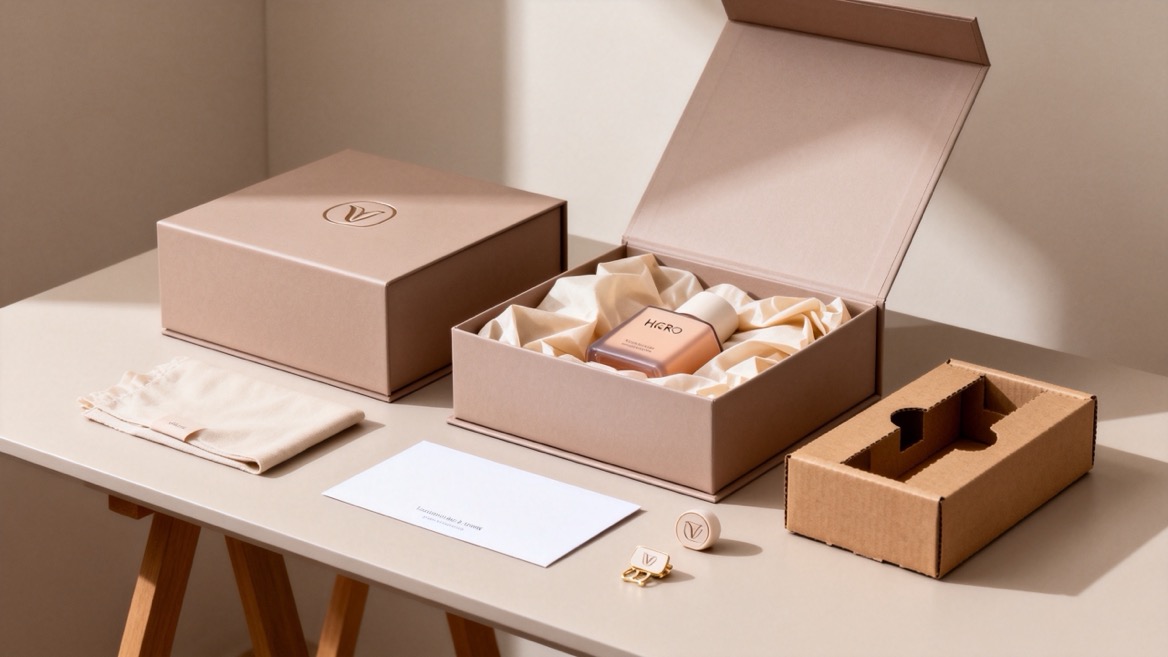
A PR package is a carefully curated branded box sent to creators, journalists, editors, customers, distributors, or business partners to introduce a product, support a launch, and create a memorable physical brand experience. The best PR boxes do more than look premium: they protect the product, communicate a focused story, and make it easy for the recipient to understand, photograph, film, and discuss what makes the brand different.
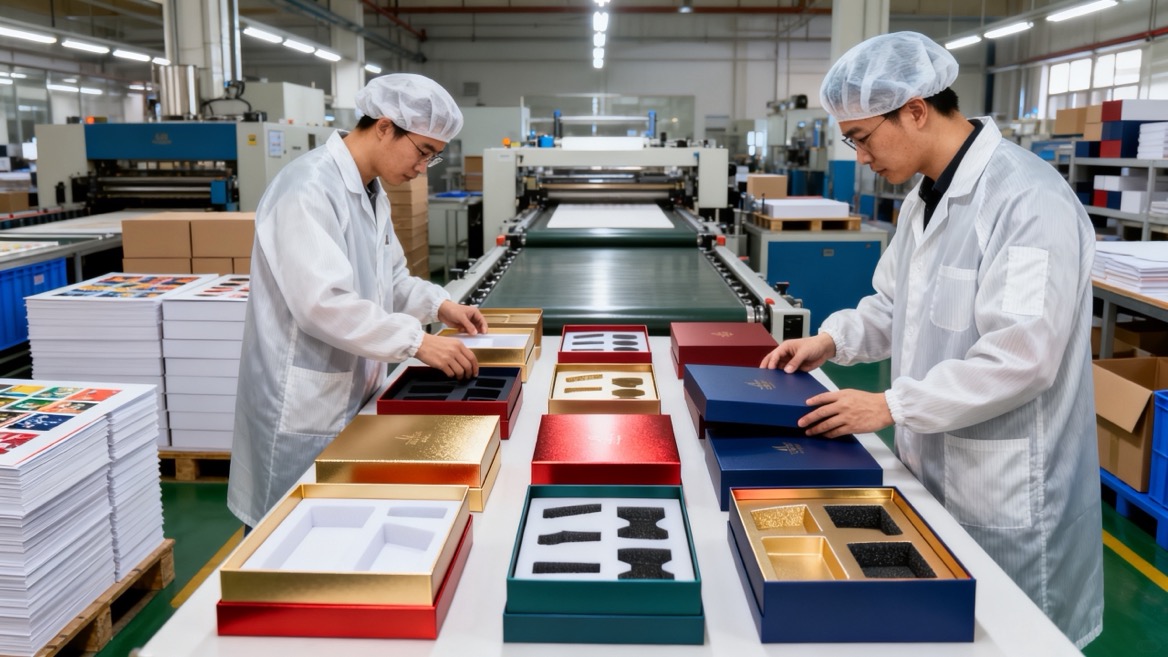
For more than 20 years, Shenzhen XingKun Packing Products Co., Ltd. has produced custom packaging boxes and printed materials for brands and distributors in over 30 countries and regions. From a packaging manufacturer's perspective, a successful PR package is not simply a gift box with a logo. It is a planned communication tool where structural design, print quality, product protection, inserts, and presentation all work together.
What Is a PR Package?
A PR package, also called a PR box, influencer box, media kit, or promotional package, is a branded shipment created to generate awareness around a company, product, campaign, event, or collaboration.
Unlike ordinary retail packaging, a PR package is designed for a specific recipient and moment. It may be sent before a product launch, during a seasonal campaign, as part of a media outreach program, or to strengthen a relationship with a high-value customer or business partner.
The contents may include:
- A hero product or product sample
- A custom-made PR box or mailer box
- Brand story cards or product information sheets
- A personalized note
- Printed lookbooks, catalogs, or campaign cards
- Custom tissue paper, stickers, ribbons, sleeves, or thank-you cards
- Product inserts, foam trays, paperboard dividers, or molded pulp holders
- Limited-edition gifts or campaign-related items
- A QR code linking to a product page, video, digital catalog, or media assets
At its core, a PR package gives the recipient something more useful than a standard product shipment: a complete, easy-to-share brand experience.
A well-constructed package answers the essential questions quickly:
1. What is this product?
2. Why does it matter?
3. Who is it designed for?
4. What makes it different?
5. How should it be used, reviewed, or shared?
When the answers are clear, creators and media contacts can communicate the value of the product more accurately. When the experience is visually appealing, it also becomes more likely that the package will appear in photos, short videos, product reviews, unboxings, and social posts.
Why PR Packaging Matters
Digital promotion may begin on a screen, but physical packaging can make a brand feel real. A box creates a sequence: it arrives, is opened, reveals the product, and leaves an impression that may continue long after the unboxing is over.
This matters because creator recommendations influence consumer behaviour. Sprout Social reported that 49% of consumers made purchases daily, weekly, or monthly because of influencer posts, while 30% said they trusted influencers more than they had six months earlier.
For brands, this does not mean sending expensive packages to anyone with followers. It means building a relevant, measurable, and well-presented campaign.
A thoughtfully designed PR package can help a business:
- Introduce a new product with stronger visual impact
- Create a more memorable first impression
- Encourage authentic product demonstrations and unboxing content
- Supply creators with accurate brand information
- Support relationships with editors, retailers, distributors, and partners
- Produce reusable user-generated photos and videos, with permission
- Differentiate the brand from competitors using tactile details
- Improve recall through consistent colors, materials, typography, and structure
The box itself is often visible on camera. That means the packaging is not merely a shipping container. It becomes part of the campaign's visual language.
PR Package vs. Retail Packaging
PR packaging and retail packaging can share the same brand identity, but they solve different business problems.
| Feature |
PR Package |
Retail Packaging |
| Primary purpose |
Storytelling, product introduction, relationship building, shareability |
Product protection, merchandising, logistics, repeatable consumer experience |
| Main recipients |
Creators, media contacts, VIP customers, partners, event guests |
Retail buyers, distributors, end consumers |
| Production volume |
Low-volume, limited editions, targeted campaigns |
Medium- to high-volume production |
| Personalization |
Often includes recipient names, tailored notes, or selected products |
Usually standardized for broad market use |
| Unboxing design |
Built around a reveal sequence and visual presentation |
Built around usability, protection, storage, and shelf display |
| Typical contents |
Product, inserts, branded extras, campaign materials |
Product, instructions, mandatory information, standard inserts |
| Cost focus |
Impact per recipient |
Efficiency per unit |
For example, a skincare company may use a folding carton for its daily retail product line. For a launch campaign, it may send selected creators a rigid box with a magnetic closure, a printed brand story card, a custom insert holding the products in place, and a personalized note.
The product remains the same. The presentation strategy changes.
Who Should Receive a PR Box?
The strongest PR campaigns prioritize fit rather than follower count. A large audience can create reach, but a smaller and highly relevant audience may produce stronger engagement, more credible discussion, and better-quality content.
Consider building recipient lists around the following groups.
Content Creators and Influencers
Choose creators whose audience, visual style, product category, and communication style match your brand. A beauty creator may suit a cosmetics launch, while a packaging reviewer, designer, chef, gamer, parent, or industrial specialist may be more appropriate for a niche product.
Before sending a box, review:
- Their content themes and visual style
- Audience location and language
- Typical engagement quality
- Previous brand partnerships
- Product-category relevance
- Whether their audience matches your buyer profile
- Their willingness to receive gifted products
A relevant creator can explain your product naturally. An irrelevant creator may create attractive content but generate little meaningful interest.
Journalists, Editors, and Publication Teams
Editors and journalists may use PR packages for product reviews, seasonal gift guides, trade features, or launch coverage. Their time is limited, so your package should make factual information easy to find.
Include a concise media card with:
- Product name and key benefits
- Suggested retail price, if applicable
- Available colors, sizes, or variants
- Launch date and sales channels
- Brand contact details
- High-resolution asset access through a QR code or landing page
- Clear product claims supported by evidence
Existing Customers and Brand Advocates
Loyal customers can become powerful advocates because they already understand the product. A seasonal appreciation box, referral kit, or early-access package can strengthen retention and encourage genuine feedback.
For B2B brands, this may include distributors, procurement contacts, retail buyers, or long-term clients. A professionally produced package can reinforce confidence before an important launch, exhibition, or contract renewal.
Business Partners and Event Guests
PR boxes also work well for:
- Trade show invitations
- New distributor onboarding
- Product sampling programs
- Corporate gifting
- Event attendee kits
- Collaboration launches
- Press conferences
- Retailer presentations
For these uses, packaging must balance visual quality with shipping reliability. A premium box that arrives damaged creates the opposite of the intended impression.
What Should Be Inside a PR Package?
A high-impact PR box does not need to be overloaded. In fact, too many unrelated items can distract from the main product and make the campaign feel unfocused.
The most effective approach is simple: one central message, one hero product, and a clear unboxing path.
The Hero Product
The hero product should be the focal point. Position it so the recipient sees it early in the opening sequence.
Use a tray, divider, EVA foam insert, cardboard insert, molded pulp insert, or paperboard compartment to keep it stable and visually centered. The goal is not only protection; it is presentation.
Avoid excessive empty space. A small item placed in an oversized box can appear careless unless the extra space is deliberately used for a meaningful visual reveal.
The Information Card
A short product card is essential. Creators may receive many packages, so they should not need to search for basic details.
A useful card may include:
- Product name
- Key features
- How to use it
- Why it is relevant now
- Important campaign dates
- Brand social handles
- Website or campaign QR code
- A concise statement of the product's distinguishing value
Use clear language. Avoid long paragraphs and vague claims such as "the best," "revolutionary," or "unmatched" unless you can substantiate them.
Personalized Elements
Personalization turns a shipment into a relationship-building gesture.
Examples include:
- A printed card addressed to the recipient by name
- A handwritten thank-you note
- A custom sleeve with a campaign message
- An insert featuring a product selection tailored to the recipient
- A short note explaining why the brand chose that person
Even modest personalization can make the package feel more intentional. It shows that the recipient was selected for a reason rather than added to a mass mailing list.
Brand-Building Details
Small printed components often make a significant difference in the unboxing experience:
- Custom tissue paper
- Branded stickers
- Foil-stamped seals
- Printed ribbons
- Hang tags
- Die-cut cards
- Product instruction leaflets
- Thank-you cards
- Custom envelopes
- Presentation sleeves
- Mini lookbooks
These elements should reinforce the same campaign message. If the product represents simplicity and clean design, the packaging should not be crowded with unrelated graphics, too many colors, and multiple competing slogans.
How to Design a PR Package Step by Step
A visually attractive box is important, but effective PR packaging begins before artwork and printing. The planning stage determines whether the final package feels strategic or merely decorative.
1. Define One Campaign Objective
Begin with a single, measurable goal. Do not try to make one PR box achieve every possible marketing objective.
Common objectives include:
- Building awareness for a new product
- Generating unboxing content
- Supporting a seasonal collection
- Driving traffic to a launch page
- Introducing a brand to editors or distributors
- Gathering product feedback
- Re-engaging loyal customers
- Supporting a trade show or event
For instance, a launch package for a new candle collection should emphasize scent, mood, materials, and the reveal experience. A B2B sample kit for packaging buyers should prioritize material samples, print finishes, structural options, and technical information.
2. Match the Box Structure to the Product
The packaging structure should be selected according to the product's weight, dimensions, fragility, shipping method, and desired positioning.
| Box Style |
Best Use |
Key Advantage |
| Rigid magnetic box |
Cosmetics, apparel, premium gifting, launch kits |
High-end feel and controlled opening experience |
| Drawer box |
Small products, accessories, jewelry, samples |
Layered reveal and elegant presentation |
| Folding carton |
Lightweight products and scalable campaigns |
Efficient, versatile, and cost-conscious |
| Corrugated mailer box |
E-commerce shipments and creator seeding |
Strong protection with printable branding |
| Lid and base box |
Luxury products, corporate gifting, retail presentations |
Classic premium appearance |
| Book-style box |
Story-led launches and multi-item kits |
Large printable interior panels for messaging |
| Tube packaging |
Bottles, snacks, posters, premium accessories |
Distinctive form and compact protection |
A packaging expert will assess the product before recommending materials and construction. A glass bottle, electronics accessory, luxury skincare item, apparel kit, or food product each has different requirements.
The box should be tested for:
- Product fit
- Compression resistance
- Drop protection
- Insert stability
- Ease of opening
- Print durability
- Shipping weight
- Outer-carton compatibility
3. Design the Unboxing Sequence
An unboxing should unfold naturally. The recipient should not need to guess what to open first, remove excessive filler, or struggle with poorly fitted components.
A practical sequence could be:
1. Exterior logo or campaign message
2. Opening mechanism or seal
3. Welcome card or personalized note
4. Tissue paper, printed insert, or visual layer
5. Hero product presented securely
6. Supporting samples or accessories
7. QR code, instructions, or next-step message
The first visual moment matters. If a package is likely to be filmed, consider how it appears from above, how the colors look under indoor lighting, and whether the key message is readable on a mobile screen.
Avoid tiny text, highly reflective surfaces, and crowded visual layouts. Matte finishes, controlled contrast, and large readable type often perform better in video than overly glossy or complicated designs.
4. Choose Materials and Print Finishes Purposefully
Materials influence both perception and performance. Premium does not always mean expensive; it means the packaging feels appropriate for the product and campaign.
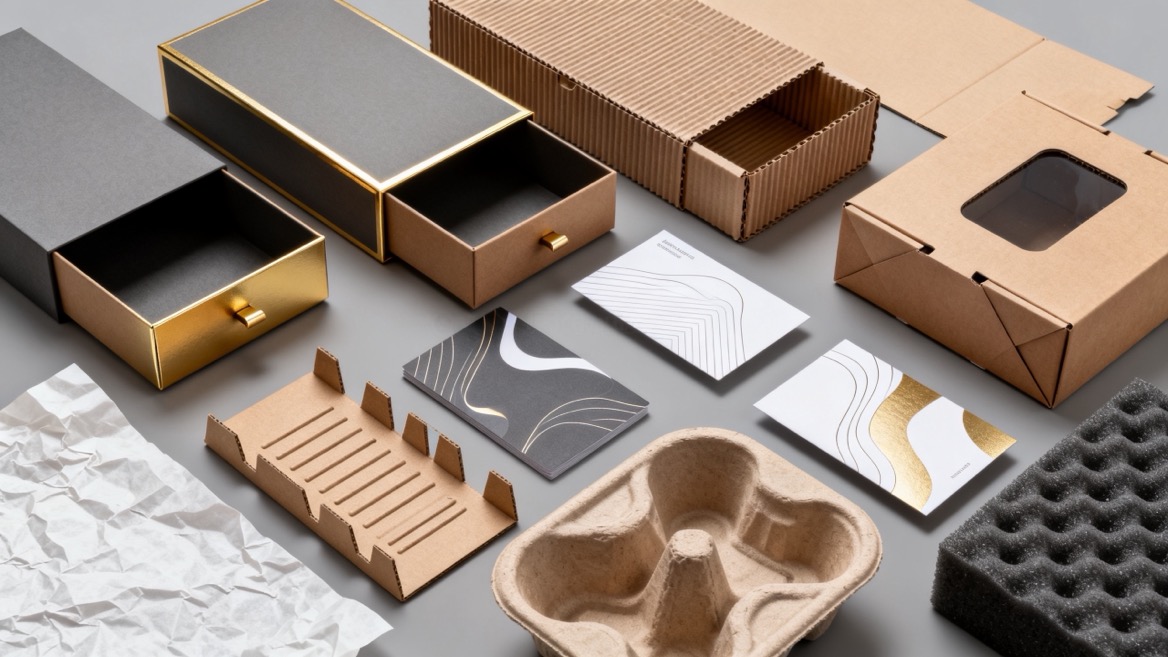
Common options include:
- Coated paperboard for sharp full-color printing
- Uncoated paper for a natural, tactile look
- Greyboard for rigid box structures
- Corrugated board for protective mailer packaging
- Recycled paperboard for sustainability-focused campaigns
- Kraft paper for a natural and minimal visual style
- EVA foam or cardboard inserts for product security
- Molded pulp inserts for lower-plastic protection options
Print finishes can add distinction when used selectively:
- Matte lamination for a smooth, understated appearance
- Gloss lamination for brighter color and surface protection
- Soft-touch lamination for a velvety premium feel
- Foil stamping for logos, names, or limited-edition details
- Embossing or debossing for texture
- Spot UV for controlled contrast and highlight effects
- Window patching when product visibility is important
The best finish should support the product story. A sustainable homeware brand may choose recycled board, soy-based inks where available, simple one-color printing, and minimal plastic. A luxury fragrance launch may use a rigid board box, textured paper, embossed logos, and a custom insert.
A Manufacturer's Checklist Before Production
From a production standpoint, many avoidable problems begin when a design moves into manufacturing without enough practical review. Before confirming your PR box order, prepare the following details.
| Item |
Questions to Confirm |
| Product dimensions |
What are the exact length, width, height, and weight? |
| Product fragility |
Does it need cushioning, dividers, foam, or reinforced corners? |
| Quantity |
Is this a 50-piece creator campaign, a 500-piece launch, or a larger rollout? |
| Box structure |
Do you need a mailer, drawer, rigid box, lid-and-base box, or custom die-cut design? |
| Print artwork |
Are logos, colors, fonts, barcodes, and dielines production-ready? |
| Finishing |
Will you use lamination, foil, embossing, spot UV, or specialty paper? |
| Inserts |
How will each product be held securely and presented neatly? |
| Shipping |
Will the package travel internationally, by courier, or in bulk to an event? |
| Timeline |
When must samples, production, quality inspection, and delivery be completed? |
| Sustainability |
Are recycled, recyclable, reusable, or plastic-reduced materials required? |
A physical prototype or pre-production sample is highly recommended for premium, fragile, or complex packages. It allows your team to evaluate box fit, product stability, color appearance, opening experience, and print details before full production begins.
Measure PR Package Performance
A beautiful PR box is not automatically a successful campaign. Brands should decide how they will measure results before sending the package.
Use tracking tools that connect activity to outcomes. Mailchimp recommends setting up unique tracking mechanisms, such as UTM parameters, personalized discount codes, or dedicated landing pages for each creator, then reviewing both engagement and conversion data.
Useful measurements include:
- Number of packages delivered
- Response and acceptance rate
- Content creation rate
- Number of posts, videos, stories, or mentions
- Reach and engagement
- Website visits from unique links
- Discount code redemptions
- Affiliate conversions
- Product samples requested
- New customer inquiries
- Media coverage
- Cost per meaningful engagement
- Sales attributed to the campaign
A simple measurement formula is:
Campaign Return=[(Attributed Revenue−Total Campaign Cost)/Total Campaign Cost]×100
Total campaign cost should include products, packaging, inserts, fulfillment, shipping, creator fees if applicable, and campaign management.
Not every PR campaign should be judged only by immediate sales. A launch package may be intended to build awareness, collect product feedback, create visual assets, or begin long-term creator relationships. The important point is to define success before production begins.
Disclosure and Trust Considerations
Brands should handle creator relationships transparently. If a creator receives free products, payment, discounts, affiliate commissions, or another item of value and then endorses the product, the relationship may need to be clearly disclosed to viewers.
The U.S. Federal Trade Commission states that a material connection can include free or discounted products and that disclosures should be clear, easy to notice, and placed with the endorsement message itself.
For brands working internationally, requirements vary by market. A practical approach is to provide creators with clear campaign information while allowing them to maintain their own voice.
Your creator briefing can state:
- Whether the package is gifted, paid, or affiliate-based
- Whether content is optional or contractually required
- Required disclosure expectations for the target market
- Product facts that should be described accurately
- Any prohibited claims
- Campaign timing and approved tags
- Permission requirements for reposting content
Transparency protects both the brand and the creator. It also helps audiences understand the context behind product recommendations.
Common PR Package Mistakes
Even an expensive package can underperform when the campaign lacks relevance or clarity.
Avoid these common mistakes:
- Sending generic boxes to recipients who do not fit the product category
- Choosing large follower counts over audience relevance
- Packing too many unrelated gifts into one box
- Making the product difficult to find or remove
- Using inserts that contain unclear or unsupported claims
- Selecting a box that looks premium but fails during shipping
- Over-designing with too many colors, messages, and finishing effects
- Forgetting practical details such as product instructions or contact information
- Failing to track links, codes, coverage, and conversions
- Treating a gifted product as a guarantee of positive coverage
- Pressuring creators to make claims they do not genuinely support
The most persuasive PR packages feel confident, useful, and respectful. They give the recipient enough information and visual value to form an authentic opinion without turning the unboxing into a scripted advertisement.
Create a PR Package That Represents Your Brand
A successful PR package combines branding, product protection, print craftsmanship, and thoughtful storytelling. Whether you are launching cosmetics, fashion accessories, food products, electronics, home goods, corporate gifts, or industrial samples, the right packaging can help your product arrive with clarity and impact.
Shenzhen XingKun Packing Products Co., Ltd. supports brands with custom packaging boxes, paper boxes, rigid boxes, mailer boxes, folding cartons, printed inserts, stickers, tissue paper, catalogs, and other tailored printing solutions. With more than two decades of manufacturing experience and service experience across over 30 countries and regions, our team can help turn a campaign concept into a practical, production-ready PR package.
Ready to create a PR box that protects your product and makes your campaign memorable? Contact XingKun with your product size, quantity, box style, artwork requirements, and delivery timeline to discuss a custom packaging solution.
FAQs
What is the difference between a PR box and a PR package?
A PR box is the physical box or packaging structure. A PR package refers to the complete promotional shipment, including the box, product, inserts, personalized materials, and any supporting gifts or campaign information.
What type of box is best for a PR package?
The best box depends on the product, campaign budget, shipping conditions, and brand position. Rigid magnetic boxes are popular for premium launches, drawer boxes suit smaller products, and corrugated mailer boxes work well for protective e-commerce-style creator shipments.
How many items should be included in a PR package?
There is no fixed number. Start with one hero product and add only items that support the campaign message. A focused box with three meaningful items is often more effective than a large box filled with unrelated products.
Should every PR package include a personalized note?
Whenever possible, yes. A note addressed to the recipient by name makes the package feel selected rather than mass-sent. Even a short printed message can strengthen the relationship and provide context for the campaign.
How can a brand make a PR package more sustainable?
Use recyclable or recycled paperboard, eliminate unnecessary plastic, right-size the box, choose paper-based inserts where practical, reduce excessive filler, and design components that can be reused or easily separated for recycling. Sustainability claims should match the actual materials and disposal options available to recipients.
Do creators have to post after receiving a PR package?
Not necessarily. A gifted package does not automatically guarantee a post. If content is required, the brand and creator should agree on deliverables, timelines, payment, usage rights, and disclosure requirements before the package is sent.
How can I track the results of a PR package campaign?
Assign each creator or recipient a unique UTM link, discount code, affiliate link, or dedicated landing page. Then track deliveries, posts, engagement, clicks, conversions, inquiries, and the quality of content produced.
What information should I provide to a packaging manufacturer?
Provide product dimensions and weight, desired box quantity, preferred box structure, artwork files, material preferences, insert needs, finishing requirements, packing method, shipping destination, and required delivery date. A clear brief helps the manufacturer recommend the right structure and avoid production delays.
References
1. [Custom Box Makers — What Is a PR Box? Complete Guide to PR Packages]
2. [Federal Trade Commission — Endorsements, Influencers, and Reviews]
3. [Federal Trade Commission — Disclosures 101 for Social Media Influencers]
4. [Mailchimp — Influencer Collaboration Strategies That Work]
5. [Sprout Social — New Research Reveals Influencers Significantly Drive Purchasing Decisions]
6. [Mailchimp — What Is Influencer Marketing?]


