| Availability: | |
|---|---|
| Quantity: | |
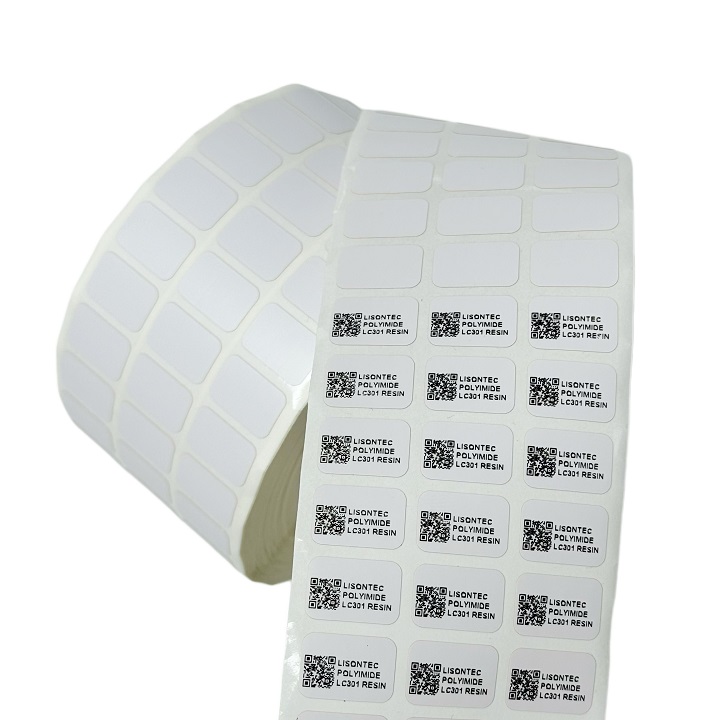
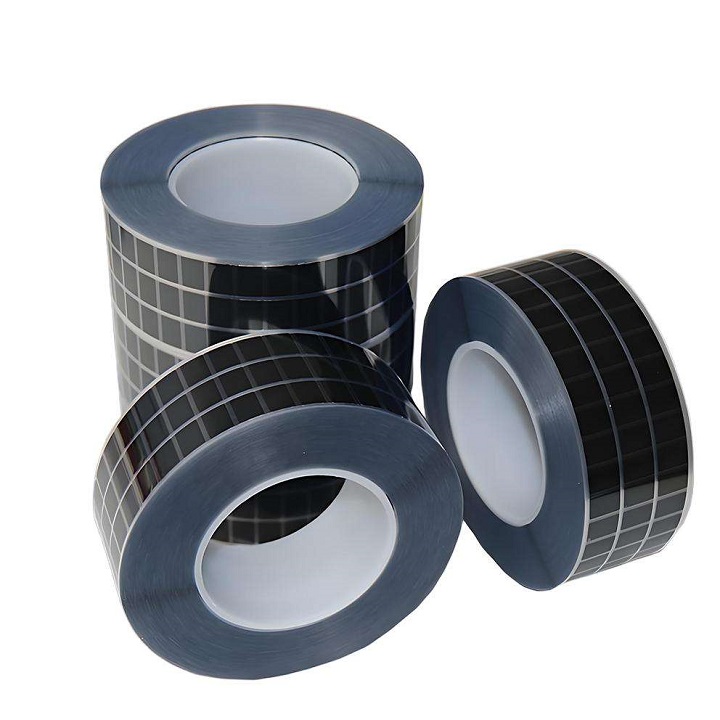
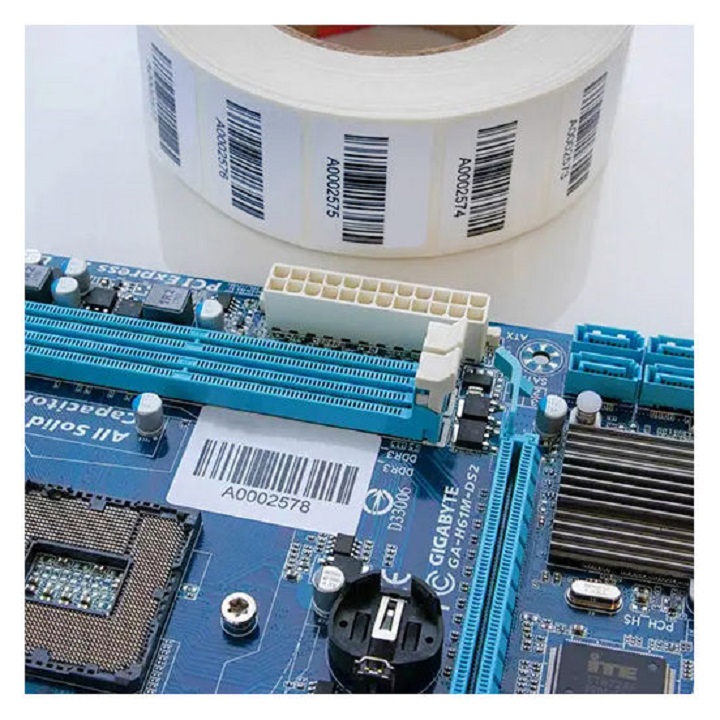
![]() | Exceptional Temperature Resistance One of the primary advantages of Polyimide High Temperature Labels is their exceptional temperature resistance. These labels are engineered to perform effectively in environments that experience extreme heat, maintaining adhesion and print integrity at temperatures exceeding 500°F (260°C). This makes them ideal for use in industries like aerospace, where high-performance materials are crucial. Engineers and manufacturers can rely on these labels to withstand thermal cycling, ensuring that critical information remains visible and legible throughout the lifecycle of the product. The ability to resist thermal degradation also means that companies can avoid costly re-labeling or equipment downtimes, contributing to overall operational efficiency and reliability. |
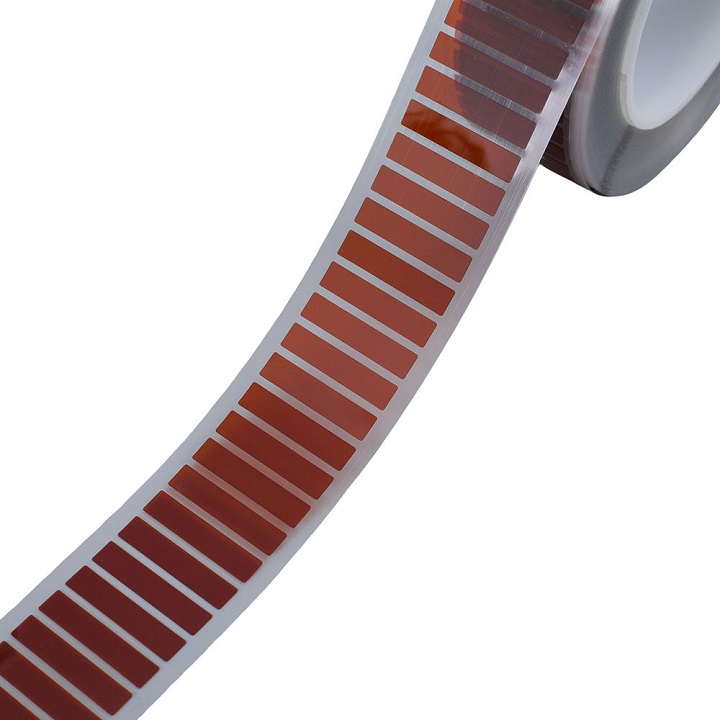
Chemical and Abrasion Resistance Another significant benefit of Polyimide High Temperature Labels is their remarkable chemical and abrasion resistance. These labels can endure exposure to a wide range of solvents, oils, and cleaning agents without losing adhesion or compromising print quality. This feature is particularly important in industrial settings where chemical spills or harsh cleaning agents are common. Additionally, the abrasion resistance of these labels ensures that they do not wear away or become unreadable even when subjected to friction, wear, or rough handling. As a result, organizations can trust that their labeling systems will remain intact and fully functional—enhancing safety, compliance, and traceability in production environments. | ![]() |
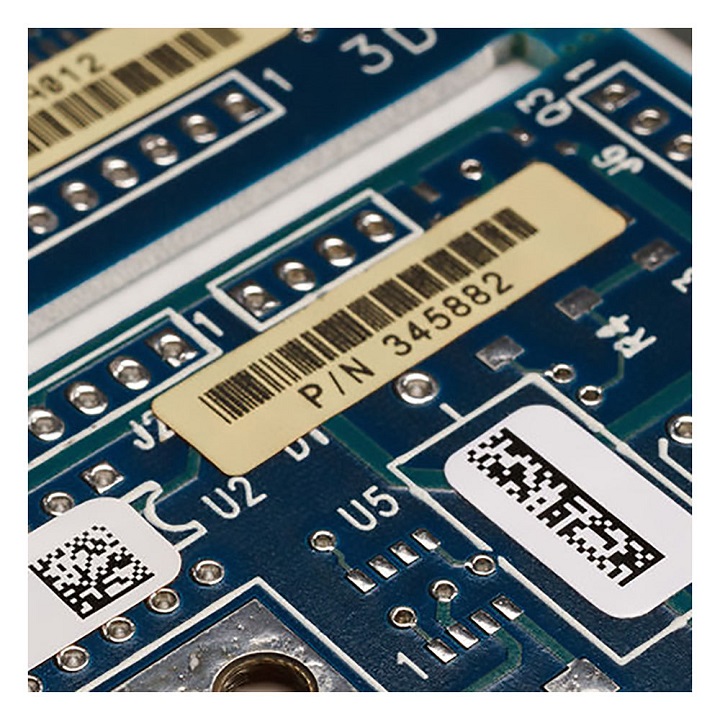
![]() | Versatile Adhesive and Surface Compatibility Polyimide High Temperature Labels come with a versatile adhesive that ensures strong bonding to various substrates, including metals, plastics, and ceramics. This compatibility allows for widespread application across different industries and surfaces, making them suitable for labeling circuit boards, machinery, tools, and more. The strong adhesive ensures that the labels stay in place, even under challenging conditions, alleviating concerns about labels peeling or falling off. This versatility simplifies inventory management, as one type of label can be used for diverse applications, ultimately streamlining the labeling process and reducing procurement efforts. With accurate labeling, companies can enhance organization and efficiency, essential for maintaining productivity in high-stakes environments. |
Hot tags: polyimide labels for PCB, high temperature resistant labels, heat resistant industrial labels, polyimide barcode labels, thermal transfer polyimide labels, high heat labels for electronics, custom polyimide labels, solvent resistant high temperature labels, industrial heat resistant barcode labels, custom polyimide high temperature labels, wholesale, cheap, discount, manufacturers, suppliers, factory, made in China
| Materials | ![]() | ![]() | ![]() | ![]() |
| HDPE | LDPE | PET | PLA | |
![]() | ![]() | ![]() | ![]() | |
| PP | HIPS | PETG | White Kraft | |
![]() | ![]() | ![]() | ||
| Aluminum Foil | Holographic | Natural Brown Kraft | ||
| Printing Methods | ![]() | ![]() | ![]() | ![]() |
| Digital Print | Flexography Print | Gravure Print | UV Print | |
| Inks | ![]() | ![]() | ![]() | ![]() |
| Water-based Inks | Soy-Vegetable Based Inks | Fluorescent Color Inks | Oil Based Inks | |
![]() | ![]() | |||
| Pantone | Pantone Metallic | |||
| Finishing | ![]() | ![]() | ![]() | ![]() |
| Hot Foil Stamping | Lamination | Spot Gloss UV | UV Coating |
Discover how shelf-ready packaging improves retail replenishment, product visibility, transport protection, and shopper convenience. Learn SRP formats, design steps, materials, printing options, common mistakes, and custom packaging solutions for retail brands.
This guide reviews 10 China-based nameplate manufacturers for global buyers sourcing custom metal, plastic, printed, and packaging-integrated nameplates. Compare capabilities, MOQ, certifications, OEM/ODM flexibility, quality-control priorities, and verification steps before placing an order.
Etched name plates and printed name plates serve different product-identification needs. Etched metal plates offer recessed graphics, strong abrasion resistance, and reliable long-term performance in industrial, outdoor, and high-wear applications. Printed name plates provide flexible full-color branding, detailed graphics, and cost-effective production. The best choice depends on environment, material, lifespan, installation, compliance needs, and brand goals.
Discover what paperboard is, how it differs from corrugated board, and which paperboard types suit folding cartons, rigid boxes, cosmetics, food, and retail packaging. Learn how to select materials, thickness, finishes, and structures for custom packaging.
Learn how to choose the right jewelry box dimensions for rings, earrings, necklaces, bracelets, watches, and gift sets. This practical guide covers internal versus external sizing, inserts, materials, shipping protection, sustainable packaging options, and custom jewelry box specifications for premium brand presentation.
Compare indoor nameplates vs weatherproof outdoor nameplates by material, printing method, UV resistance, moisture protection, durability, installation, and cost. Learn how to choose custom name plates for equipment, products, control panels, machinery, appliances, and outdoor industrial applications.
Matte finish vs mirror finish on metal name plates: compare readability, glare, durability, fingerprints, materials, marking methods, and real-world applications. Learn how to choose the right finish for industrial equipment, consumer products, luxury packaging, outdoor labels, and custom brand identification plates.
Learn how to turn a photo into a custom jigsaw puzzle with professional-quality results. This guide covers image selection, resolution, puzzle sizes, piece counts, artwork bleed, safe areas, materials, printing methods, die-cutting, packaging, quality control, and compliance planning. Whether you are creating a personalized gift, branded promotional product, museum souvenir, children’s puzzle, or retail collection, these practical steps will help you develop a durable, visually appealing, and enjoyable custom photo puzzle.
Choosing reliable custom stickers suppliers is essential for brands that need durable, high-quality, and visually consistent labels or promotional stickers. This expert guide explains how to compare suppliers, select suitable materials and adhesives, evaluate printing methods, manage quality control, avoid unsupported sustainability claims, and prepare an effective RFQ. It is designed for brand owners, wholesalers, manufacturers, and e-commerce sellers sourcing OEM or ODM custom stickers from China and international markets.
Discover how to create a premium custom hardcover book that performs as beautifully as it looks. This practical guide explains hardcover book materials, case binding methods, interior paper options, cover styles, foil stamping, embossing, dust jackets, and sustainable sourcing considerations. Learn how to match specifications to your project—whether you are producing a corporate profile, art book, catalogue, children’s book, or luxury gift edition—and avoid common production, design, and freight-cost mistakes before placing your order.
How many cards are in a standard deck? The short answer is 52, but a typical retail pack often includes two Jokers, bringing the total to 54 cards. This guide explains the structure of a standard playing-card deck, including suits, face cards, colors, Jokers, sizes, and common deck variations. It also gives brands, game publishers, wholesalers, and event planners practical guidance for designing, sourcing, packaging, and manufacturing custom playing cards.
Looking for jewellery box manufacturers near me? Learn how to choose a reliable OEM/ODM custom jewellery box supplier, compare materials and finishes, protect delicate jewellery, improve unboxing, control costs, and request the right custom packaging quote for your brand.
This guide evaluates leading Brass Name Plates manufacturers in China for international buyers seeking stable quality, custom OEM support, reliable lead times, and scalable production. Compare supplier strengths, materials, processes, MOQs, certifications, sampling methods, and hidden procurement risks before placing an order.
Discover why premium hotels choose brass name plates for room numbers, wayfinding, suites, spas, and guest areas. Compare brass with acrylic, aluminum, stainless steel, and printed labels, explore finishes, accessibility, maintenance, and practical sourcing tips.
Learn what flexographic printing is, how flexo printing works, its advantages, limitations, materials, and applications for packaging boxes, labels, corrugated cartons, and flexible packaging. Discover how to choose the right printing method for your custom packaging project.
Learn what cardstock is, how cardstock weight, gsm, caliper, finishes, and paperboard grades differ, and how to choose the right material for custom packaging boxes, cards, sleeves, inserts, tags, and premium printed products.
Learn what the Pantone Matching System is, how PMS color codes work, and when to choose Pantone spot color or CMYK for custom packaging boxes. Explore practical proofing steps, material effects, finishing considerations, and expert tips for consistent brand color.
Compare custom office name plates and standard name tags for workplaces, events, reception areas, and employee identification. Learn the differences in materials, durability, branding, accessibility, costs, and ordering options to choose the right solution for your business.
Magnetic name plates vs adhesive name plates: compare durability, surface compatibility, reusability, installation, cost, and industrial applications. Learn which custom name plate works best for warehouses, machinery, product labels, asset tags, safety markings, packaging, and changing workplace identification needs.
Custom embossed labels help brands turn ordinary packaging into a tactile brand experience. By raising a logo, product name, border, or decorative pattern, embossing adds depth that customers can see and feel. These premium labels are widely used for cosmetics, wine, candles, gourmet food, gifts, and luxury retail products. This guide explains materials, embossing finishes, artwork requirements, production costs, application testing, sustainability considerations, and OEM manufacturing options so international brands can choose the right custom embossed label solution with greater confidence.