Content Menu
● What Are Corrugated Crates and Why Are They Replacing Wood?
● Key Shipping Efficiency Benefits of Corrugated Crates
>> 1. Lower Transport Weight and Freight Costs
>> 2. Faster Assembly, Packing, and Handling
>> 3. Optimized Cube Utilization and Palletization
● Sustainability Advantages of Corrugated Crates and Packaging Boxes
>> 1. Recyclability and Circular Material Flows
>> 2. Lower Environmental Footprint Compared with Wood and Mixed Materials
>> 3. Support for Retail and E‑commerce Sustainability Initiatives
● Why Design Quality Matters: From Structure to Printing
>> Engineering for Protection and Performance
>> High‑Impact Graphics and Brand Communication
● Shenzhen XingKun: 20+ Years of Custom Packaging and Printed Matters
● How Corrugated Crates Work with Custom Inner Boxes
● Practical Steps: How to Transition from Wood to Corrugated Crates
>> Step 1: Map Your Current Packaging and Damage Data
>> Step 2: Engage a Packaging Engineering Partner
>> Step 3: Test, Iterate, and Optimize for Cost
● New Industry Trends: Automation, Digital Printing, and Smart Packaging
● Why Work with Shenzhen XingKun for Your Corrugated Packaging and Boxes?
● Example Use Case: Optimizing Export Packaging for Electronics
● How to Get Started with XingKun
● Call to Action: Turn Your Packaging Into a Shipping and Sustainability Advantage
● Frequently Asked Questions (FAQ)
● References
In global logistics, the right packaging is no longer "just a box" – it is a cost lever, a risk-control tool, and a sustainability asset all in one. Corrugated crates and well‑engineered custom packaging boxes now sit at the center of this transformation, offering shippers a practical way to reduce damage, cut freight costs, and lower their environmental footprint. [smithers]
As a packaging specialist who has worked with brands and distributors across more than 30 countries, I've seen how the shift from traditional wooden crates to smart corrugated solutions can unlock real efficiency in day‑to‑day operations. In this article, we will unpack the real‑world mechanics behind that efficiency, explore sustainability gains, and show how partners like Shenzhen XingKun Packing Products Co., Ltd. support brands with custom, export‑ready packaging boxes and printed materials. [xkdisplay]
What Are Corrugated Crates and Why Are They Replacing Wood?
Corrugated crates are heavy‑duty structures made from multi‑layer corrugated board designed to replace or complement wooden crates in shipping and storage. Instead of solid timber, they use fluted paperboard sandwiched between linerboards to create strength, cushioning, and stacking performance suitable for export shipments. [blog.cspackaging]
Unlike traditional wooden crates, corrugated crates are lighter, easier to customize and more recyclable, while still capable of protecting industrial, consumer, and e‑commerce products throughout long and complex supply chains. When combined with custom internal packaging boxes, inserts, and labels, they form an integrated packaging system that optimizes space and protects each SKU inside the outer crate. [diapkg]
Key Shipping Efficiency Benefits of Corrugated Crates
1. Lower Transport Weight and Freight Costs
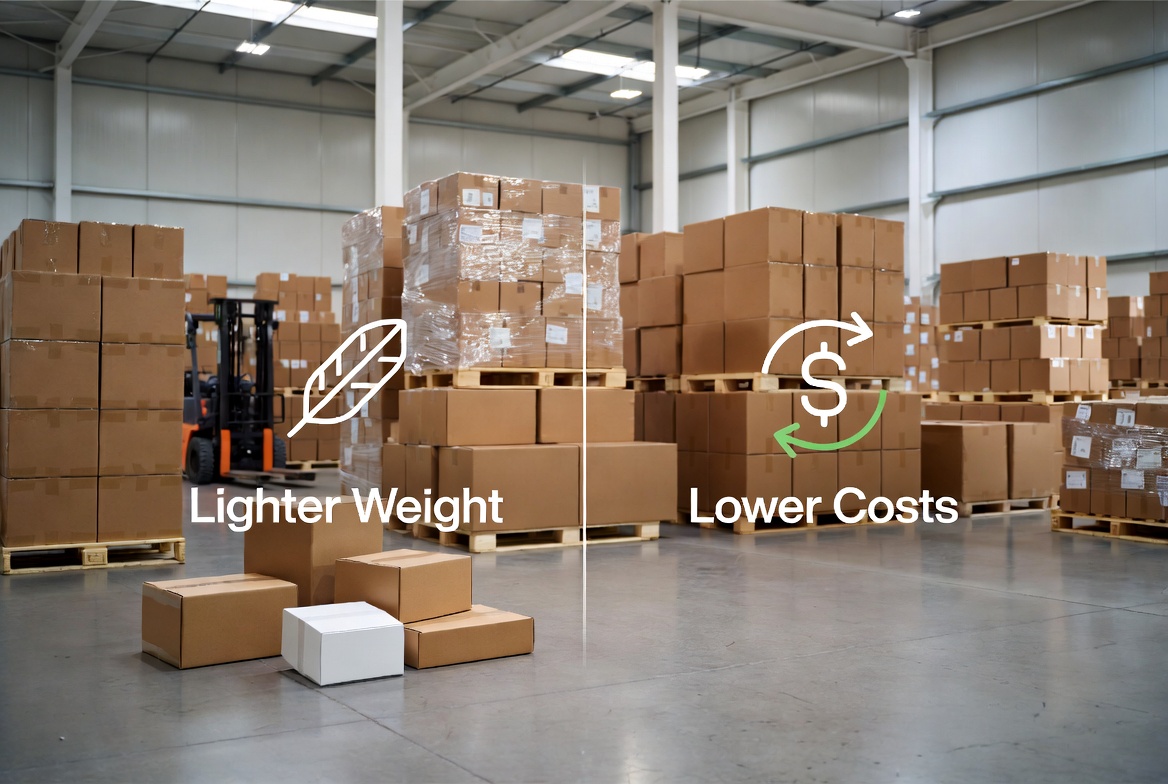
One of the first things customers notice when switching from wood to corrugated is the reduction in package weight. Corrugated crates use engineered paper‑based structures that typically weigh far less than equivalent wooden crates, while still meeting stacking and compression requirements. [blog.cspackaging]
This lower weight delivers a direct efficiency gain:
- Reduced air freight and parcel costs because carriers charge based on actual or dimensional weight.
- More units per truck or container, improving load factor and reducing cost per shipped unit. [supplychainbrain]
- Easier manual handling, which can lower labor time and reduce worker fatigue or injury risk.
When brands work with an experienced converter, the corrugated crate is engineered to hit a minimum safe strength rather than an arbitrary overbuilt level, so material and freight costs are not wasted. [smithers]
2. Faster Assembly, Packing, and Handling
Corrugated crates are often designed to be knocked down flat, then quickly assembled on‑site using die‑cut locking features, strapping, or minimal hardware. This contrasts with wooden crates, which may require nailing, drilling, or additional carpentry skills. [diapkg]
In practice, this leads to:
- Shorter packing time per pallet, especially for repeat shipments.
- Simplified training for warehouse teams, because procedures are standardized.
- Lower tool dependency, improving safety and reducing noise and dust in packing areas.
When the inner packaging – such as custom boxes, trays, and dividers – is designed together with the outer corrugated crate, packers can follow a clear step‑by‑step workflow instead of improvising on the floor. [diapkg]
3. Optimized Cube Utilization and Palletization
Corrugated crates lend themselves well to fit‑to‑product design, an important trend in modern packaging. Because board can be cut and creased with high precision, crates can be sized to closely match your product and pallet dimensions. [smithers]
This helps brands:
- Reduce empty space inside cartons and containers, improving cube efficiency.
- Limit product movement during transport, lowering damage rates.
- Standardize pallet patterns, which improves warehouse slotting and automated handling.
Using a packaging partner with CAD capabilities and export experience means structural designs can be simulation‑tested and prototyped before mass production, ensuring the crate behaves as expected under real logistics conditions. [smithers]
Sustainability Advantages of Corrugated Crates and Packaging Boxes
1. Recyclability and Circular Material Flows
Corrugated board is widely recognized as one of the most recyclable packaging materials on the market. In most regions, used corrugated packaging can be collected, baled, and reprocessed into new paper‑based products multiple times without a major loss in fiber performance. [blog.cspackaging]
For shippers and brand owners, this means:
- Easier compliance with retailer and national recycling requirements.
- A clearer sustainability story for annual ESG and CSR reporting.
- Better alignment with customer expectations around plastic and waste reduction. [supplychainbrain]
2. Lower Environmental Footprint Compared with Wood and Mixed Materials
Modern corrugated packaging often includes recycled fiber and is produced using energy‑efficient processes, sometimes powered partly by renewable energy sources. Life‑cycle analyses show that right‑sized, fully recyclable corrugated packaging can deliver a smaller overall environmental footprint when compared to heavier, mixed‑material, or non‑recyclable solutions. [supplychainbrain]
In addition, replacing heavy wooden crates with lighter corrugated structures can reduce the transport carbon footprint, because trucks and aircraft consume less fuel per unit shipped when loads are lighter and better optimized. [supplychainbrain]
3. Support for Retail and E‑commerce Sustainability Initiatives
Large retailers, marketplaces, and B2B procurement platforms increasingly require suppliers to use packaging that is:
- Easily recyclable at the point of receipt.
- Right‑sized to reduce shipping air.
- Free from unnecessary plastics and difficult‑to‑separate laminates. [smithers]
Corrugated crates and custom packaging boxes allow brands to comply with these guidelines while still delivering high performance in protection, printing, and branding. With proper structural and graphic design, a corrugated solution can tick all three boxes: efficiency, sustainability, and brand impact. [diapkg]
Why Design Quality Matters: From Structure to Printing
Engineering for Protection and Performance
Not all corrugated crates are created equal. Board grade, flute profile, stacking strength, burst strength, and humidity performance all influence how a crate behaves in actual transit. A poorly specified crate might look similar to a well‑engineered one but fail under compression or impact. [diapkg]
This is why working with a specialist packaging manufacturer is critical:
- They can select the right paper combination for your load, route, and storage conditions.
- They run samples and transit tests to validate performance before full rollout.
- They can integrate internal cushioning and dividers to protect each SKU.
High‑Impact Graphics and Brand Communication
Beyond structure, printing quality on corrugated crates and boxes has become a strategic asset. High‑resolution printing supports:
- Clear handling and recycling instructions, which reduce errors and encourage proper disposal. [diapkg]
- Strong brand visibility in warehouses, stores, and unboxing moments.
- Regulatory and compliance labelling for sectors such as electronics or industrial products.
Manufacturers equipped with advanced Heidelberg presses and modern finishing lines can deliver consistent color, fine text, and complex artwork across large production runs, which is essential for global brands and distributors. [diapkg]
Shenzhen XingKun: 20+ Years of Custom Packaging and Printed Matters
With over 20 years of experience in packaging design and printing, Shenzhen XingKun Packing Products Co., Ltd. helps brands transform packaging from a cost center into a competitive advantage. Based in Shenzhen's Baoan District, the company serves customers in more than 30 countries and regions, supporting export‑oriented manufacturers, importers, and brand owners. [shippingonline]
XingKun's portfolio covers:
- Packaging boxes (gift boxes, macaron boxes, bakery boxes, wine boxes, electronics packaging).
- Display stands (cardboard, sticker, acrylic, collectible displays).
- Cards, books, puzzles, paper bags, labels, and tags, enabling full‑range printed brand collateral. [diapkg]
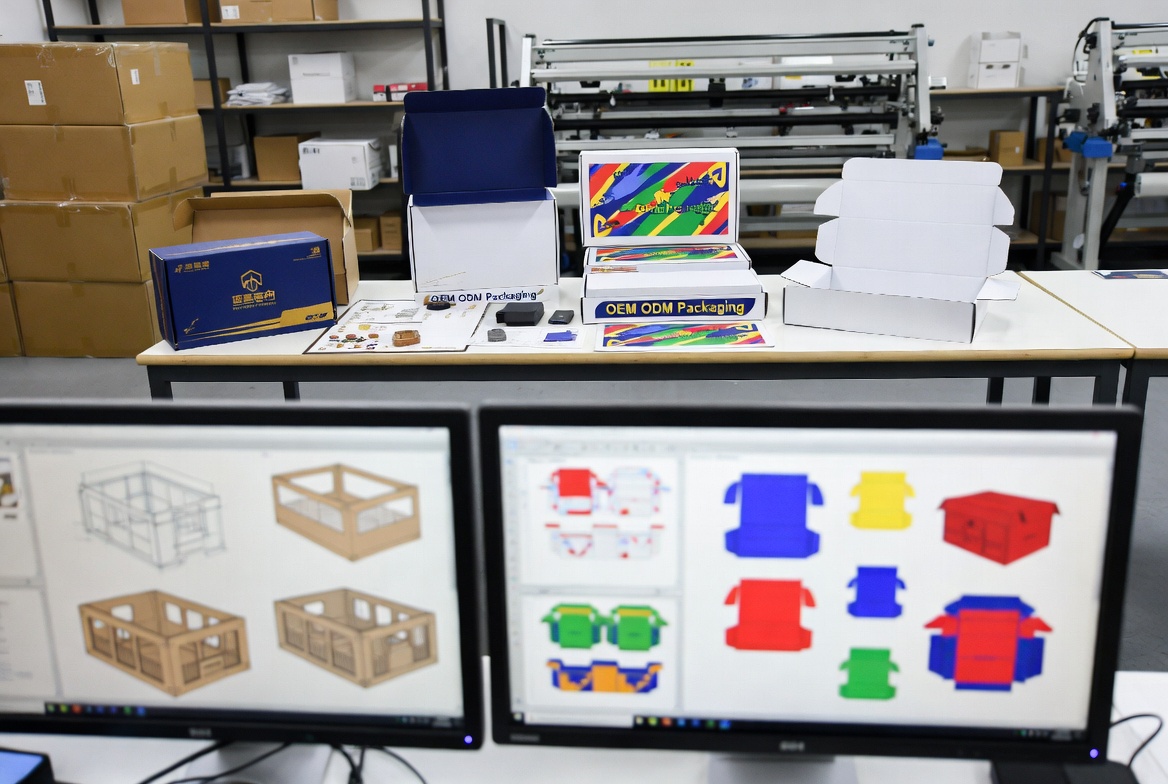
By combining structural engineering, graphic design, and high‑precision printing, XingKun offers a one‑stop OEM/ODM service – from concept and sampling to mass production and export packing. [xkdisplay]
How Corrugated Crates Work with Custom Inner Boxes
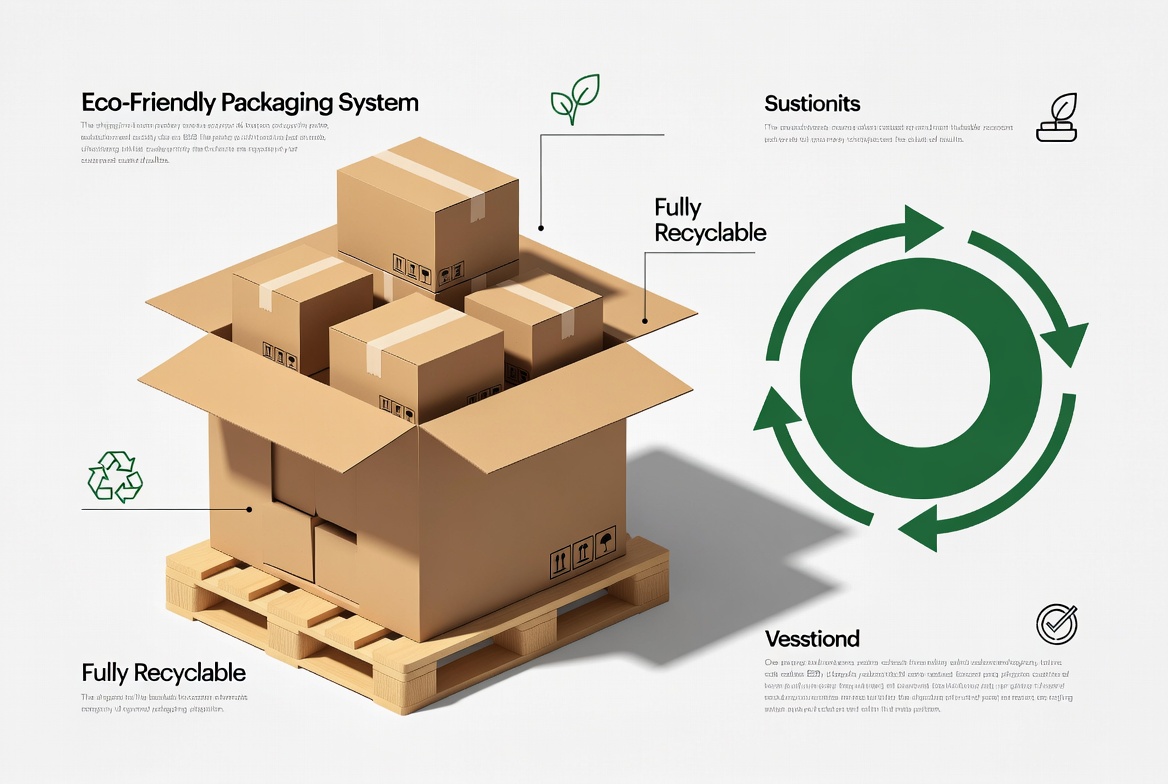
In many real projects, corrugated crates are only the outer layer of a holistic packaging system. Inside the crate, you often find carefully engineered custom boxes and inserts that organize and protect individual items.
A typical export setup might include:
- An outer corrugated crate designed for palletization and stacking.
- Multiple custom packaging boxes arranged inside to fit the crate footprint.
- Die‑cut dividers or foam‑free paper inserts to keep each product stable.
This "system thinking" approach increases efficiency by reducing:
- Repacking and rework at distribution centers.
- Mixed cartons and messy SKUs that slow down picking.
- Damage caused by internal collision or vibration.
A manufacturer like XingKun, with expertise in both crates and high‑end printed boxes, can co‑design these elements so they work together visually and structurally. [xkdisplay]
Practical Steps: How to Transition from Wood to Corrugated Crates
If your organization still relies heavily on wooden crates, transitioning to corrugated can feel risky. The key is to follow a structured, data‑driven process.
Step 1: Map Your Current Packaging and Damage Data
Start by collecting information on:
1. Product dimensions, weights, and fragility.
2. Current crate specifications and materials.
3. Historical damage rates, claims, and typical failure modes.
4. Transportation modes and routes (sea, air, road, mixed). [supplychainbrain]
This baseline allows you and your packaging partner to define performance targets for the new corrugated solution.
Step 2: Engage a Packaging Engineering Partner
Next, work with a packaging specialist who can:
- Propose board grades and crate designs suitable for your conditions.
- Design matching inner boxes and inserts.
- Produce prototypes in 3–5 days for testing and stakeholder review. [diapkg]
XingKun, for example, offers rapid prototyping and can simulate the final print quality even at sample stage, with digital printing that approximates production colors. [diapkg]
Step 3: Test, Iterate, and Optimize for Cost
Once you have prototypes, run small‑scale pilots and measure:
- Assembly and packing time.
- Load stability and warehouse handling feedback.
- Damage rates and customer satisfaction.
Use this data to fine‑tune crate dimensions, board strength, and inner packaging, aiming to reduce material usage while maintaining or improving performance. Over time, this continuous optimization can deliver meaningful savings across freight, materials, and operations. [supplychainbrain]
New Industry Trends: Automation, Digital Printing, and Smart Packaging
Corrugated packaging is evolving quickly, and modern crate and box designs increasingly integrate with automation, digital workflows, and sustainability programs.
Key trends include:
- Fit‑to‑product automation: On‑demand cutting and creasing systems that create custom‑sized corrugated boxes and crates for each shipment, reducing void fill and shipping air. [akers-pkg]
- Advanced digital printing: Short‑run, high‑variation printing for seasonal promotions, market‑specific artwork, or serialized codes, without the setup times of traditional methods. [smithers]
- Smarter sustainability metrics: Using data on material use, return rates, and recyclability to track packaging's contribution to overall supply‑chain emissions. [supplychainbrain]
Manufacturers that invest in modern presses, CAD, and quality control systems, like XingKun, are well placed to help brands capitalize on these trends while keeping unit costs under control. [xkdisplay]
Why Work with Shenzhen XingKun for Your Corrugated Packaging and Boxes?
Choosing the right partner determines how much value you actually capture from a corrugated crate strategy. Shenzhen XingKun offers several advantages for global brands and distributors:
- 20+ years of printing and packaging experience across consumer, industrial, and e‑commerce products. [shippingonline]
- A comprehensive product range covering packaging boxes, display stands, cards, books, labels, puzzles, and more – ideal for unified brand execution. [xkdisplay]
- Advanced Heidelberg printing equipment and strict quality control for consistent color and detailed graphics, even on large runs. [diapkg]
- Rapid prototyping (3–5 days) and mass production lead times of around 7–15 days, supporting fast product launches and marketing campaigns. [diapkg]
- Flexible OEM/ODM service and low minimum order quantities, enabling both pilot projects and large‑scale rollouts. [xkdisplay]
- Certifications such as BSCI, ISO 9001, and FSC, demonstrating commitment to quality, compliance, and responsible sourcing. [diapkg]
For export‑focused companies, XingKun's experience with international brands, including highly recognized names like Schneider Electric and Honeywell, provides additional confidence when rolling out new packaging globally. [diapkg]
Example Use Case: Optimizing Export Packaging for Electronics
To illustrate how corrugated crates and custom boxes work together, consider a mid‑size electronics brand shipping sensitive devices from China to Europe.
Challenges:
- Products are fragile and sensitive to shock.
- Freight costs are high and air shipments are common.
- Retailers demand recyclable, plastic‑reduced packaging.
Working with a partner like XingKun, the brand could:
- Replace heavy wooden crates with engineered corrugated crates using suitable board grades for stacking and humidity. [diapkg]
- Design ESD‑safe inner packaging boxes and paper‑based inserts to hold each device securely.
- Print clear regulatory, handling, and branding information on both crates and retail boxes using high‑precision presses. [diapkg]
- Run small pilots, measure damage rates and freight costs, then refine dimensions to hit an optimal balance of weight and protection. [supplychainbrain]
The result is a packaging system that is lighter, safer, more compliant, and visually stronger, without sacrificing sustainability commitments.
How to Get Started with XingKun
If you are exploring corrugated crates or want to upgrade your current packaging boxes and printed materials, the most efficient approach is to start with a focused pilot project.
You can:
1. Prepare your product details, current packaging specs, and target markets.
2. Share design ideas, brand guidelines, and any sustainability requirements.
3. Request structural and graphic proposals plus sample crates or boxes for testing.
XingKun's team can be contacted directly via their official website and listed emails and phone numbers, and they are experienced in managing global OEM and ODM packaging projects from Shenzhen to markets worldwide. [shippingonline]
Call to Action: Turn Your Packaging Into a Shipping and Sustainability Advantage
If your business is still treating packaging as an afterthought, you are likely leaving money and efficiency on the table. Corrugated crates and custom packaging boxes can:
- Cut freight costs through lower weight and better cube utilization.
- Reduce damage and returns by aligning structure with real‑world logistics.
- Support ambitious sustainability goals with recyclable, right‑sized solutions.
Partner with an experienced manufacturer like Shenzhen XingKun Packing Products Co., Ltd. to evaluate your current packaging, engineer smarter corrugated solutions, and build a packaging system that supports your next phase of export growth. [xkdisplay]
Frequently Asked Questions (FAQ)
1. Are corrugated crates strong enough to replace wooden crates for heavy products?
Yes, when correctly engineered, corrugated crates can handle significant stacking loads and long‑distance transport, especially when board grades and internal supports are matched to product weight and route conditions. [smithers]
2. How do corrugated crates improve sustainability compared with traditional options?
Corrugated crates are made from recyclable, paper‑based materials and often include recycled fibers, which supports circular material flows and reduces overall environmental footprint compared with heavier, mixed‑material or non‑recyclable packaging. [blog.cspackaging]
3. Can I use corrugated crates and boxes for high‑end branded products?
Absolutely. With modern printing technologies and high‑quality board, brands can achieve premium finishes, sharp graphics, and consistent colors that meet the expectations of luxury, electronics, and specialty retail sectors. [diapkg]
4. How fast can a custom packaging project be developed and delivered?
With a streamlined process, prototypes can typically be produced in 3–5 days, and mass production can often be completed within 7–15 days, depending on complexity and order volume. [diapkg]
5. What should I prepare before contacting a packaging supplier like Shenzhen XingKun?
Prepare basic product information (dimensions, weight, fragility), current packaging photos or drawings, shipping methods and destinations, and any branding or sustainability requirements; this enables the supplier to design an efficient, compliant solution from the outset. [xkdisplay]
References
1. Diapkg. "Why Corrugated Boxes Are Ideal for Sustainable Shipping."
<https://diapkg.com/blog/the-role-of-corrugated-boxes-in-sustainable-packaging-solutions/> [diapkg]
2. CS Packaging. "Are Corrugated Boxes Eco-Friendly?"
<https://blog.cspackaging.com/blog/are-corrugated-boxes-eco-friendly> [blog.cspackaging]
3. Smithers. "Five trends changing the corrugated packaging market."
<https://www.smithers.com/resources/2019/jan/trends-changing-the-corrugated-packaging-market> [smithers]
4. SupplyChainBrain. "Driving Efficiency and Sustainability in Packaging."
<https://www.supplychainbrain.com/articles/42841-driving-efficiency-and-sustainability-in-packaging> [supplychainbrain]
5. Shenzhen XingKun Packing Products Co., Ltd. Official Website.
<https://www.xkdisplay.com> [xkdisplay]
6. XingKun company listing – Shipping Yellowpages.
<http://www.shippingonline.cn/yellowpages/temp1/index.asp?solid=fdehdhi> [shippingonline]


