Content Menu
>> Why Pet Food Pouches Matter More Than Ever
● What Makes Pet Food Pouches Effective
● Key Types of Pet Food Pouches
● Material and Barrier Choices
● Compliance and Labeling Requirements
● What Brands Should Look For in 2026
● A Practical Selection Process
● Why OEM and ODM Support Matters
● How XingKun Can Support Your Project
● Conclusion
● FAQ
>> 1. What are Pet Food Pouches used for?
>> 2. Why are high-barrier films important for pet food packaging?
>> 3. What label information is required on pet food packaging in the U.S.?
>> 4. Are sustainable Pet Food Pouches possible?
>> 5. Which pouch style is best for premium pet food?
>> 6. How can a brand choose the right pouch?
● References
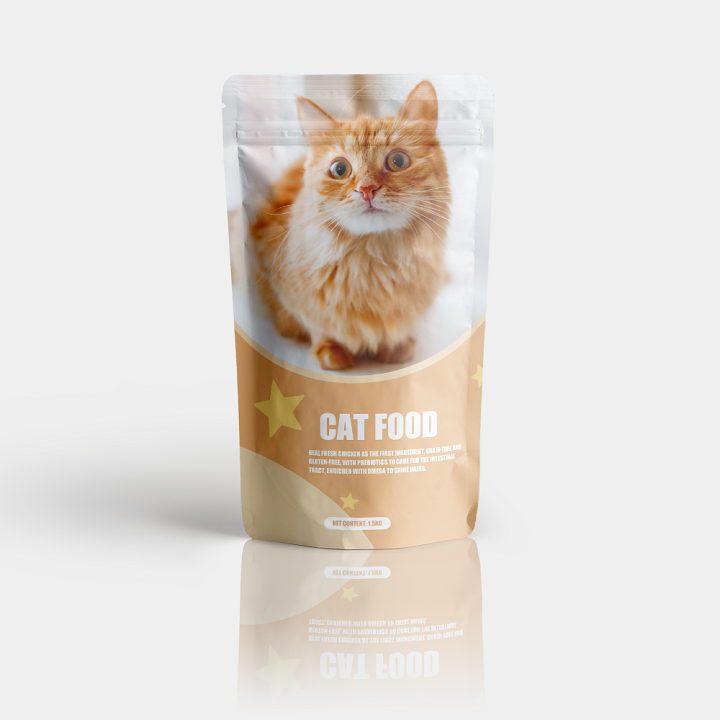
Pet Food Pouches have become one of the most effective packaging formats for brands that want to balance freshness, convenience, shelf appeal, and sustainability. For pet food companies, the right pouch is no longer just a container; it is a performance tool that protects product quality, supports regulatory compliance, and strengthens consumer trust. [grandviewresearch]
Why Pet Food Pouches Matter More Than Ever
The pet food packaging market is expanding steadily, with one major research report estimating a value of USD 12.87 billion in 2025 and projecting growth to USD 19.78 billion by 2033. That growth reflects rising pet ownership, premiumization, and higher expectations for packaging that preserves quality while telling a clear brand story. [grandviewresearch]
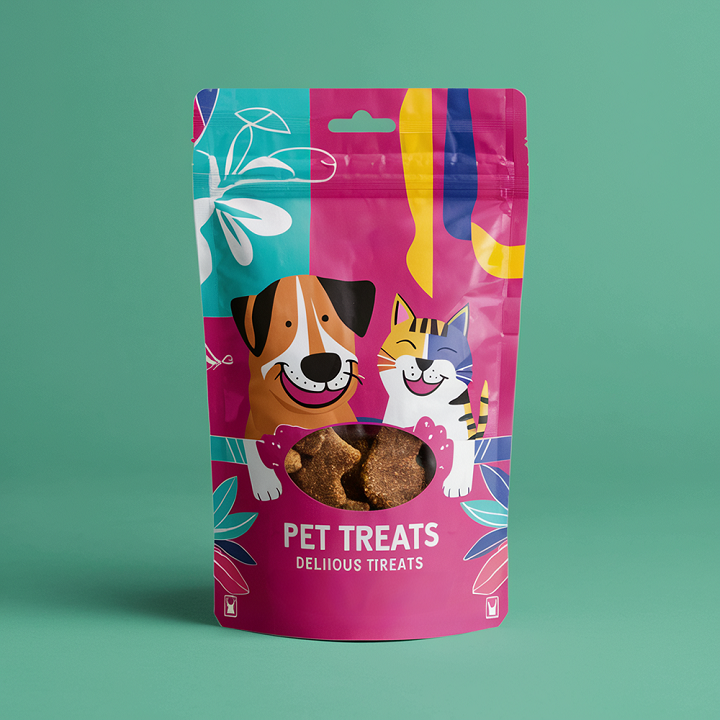
For brand owners, Pet Food Pouches are attractive because they are lightweight, printable, and highly adaptable across dry food, treats, supplements, and even some wet or semi-moist applications. They also allow brands to combine practical features such as resealability and barrier protection with premium visual design. [epacflexibles]
What Makes Pet Food Pouches Effective
A high-performing pouch must do more than look good on a retail shelf. It must protect the product from oxygen, moisture, light, contamination, and rough handling throughout storage and transport. Barrier properties are especially important because oxygen and water vapor can accelerate flavor loss, nutrient degradation, and texture problems. [cloudflexfilm]
In practice, the best Pet Food Pouches combine the right film structure with functional features such as:
Resealable zippers for daily feeding convenience. [epacflexibles]
High-barrier laminations for moisture and oxygen protection. [multiplastics.co]
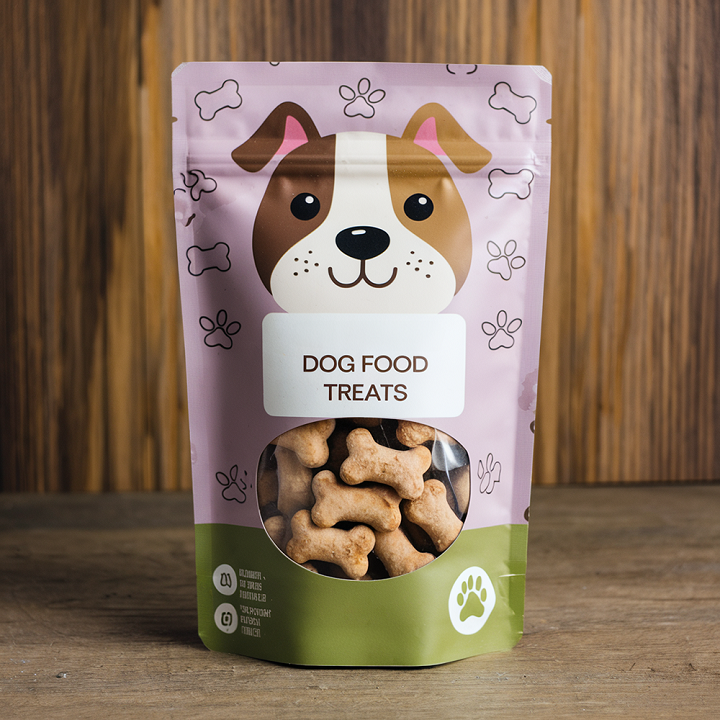
Clear windows to improve product transparency and shelf confidence. [epacflexibles]
Strong seals and durable structures for handling and transport. [printpack]
Custom print surfaces to support brand positioning and SKU differentiation. [dexincheng.goldsupplier]
Key Types of Pet Food Pouches
Different products need different pouch structures. A single format will not work equally well for kibble, freeze-dried treats, powder supplements, or wet pet food. Choosing the right style early reduces waste, improves shelf life, and makes production easier. [gdokpackaging]
| Pouch Type | Best For | Main Benefit |
| Stand-up pouch | Dry food, treats, supplements | Strong shelf presence and convenient storage. epacflexibles |
| Flat-bottom pouch | Premium dry food, larger formats | Better stability and upscale appearance. packagingvendor.made-in-china |
| Side-gusset pouch | Bulk dry food | Efficient filling and space-saving logistics. gdokpackaging |
| Window pouch | Treats and premium mixes | Product visibility builds trust. epacflexibles |
| Zipper pouch | Repeated daily use | Easy reseal and freshness retention. epacflexibles+1 |
For brands that sell across multiple channels, this flexibility is a major advantage. A pouch line can be scaled from small trial packs to larger family sizes while maintaining a unified brand identity. [gdokpackaging]
Material and Barrier Choices
Material selection is where packaging strategy becomes technical. If the barrier is too weak, the product may degrade before the consumer finishes the pack. If the material is too complex or non-recyclable, the brand may face sustainability pressure or retailer restrictions. [plastekgroup]
Common options include:
Recyclable plastics such as HDPE, PP, and PET for certain dry food applications. [plastekgroup]
High-barrier multilayer films for oxygen- and moisture-sensitive formulas. [cloudflexfilm]
Compostable materials for selected niche products, especially smaller-format or fresh-positioned items. [plastekgroup]
Foil laminates and EVOH-based structures where maximum protection is needed. [cloudflexfilm]
The practical rule is simple: match the material to the product's sensitivity, distribution route, and shelf-life target. Premium pet food often needs stronger protection than mass-market snacks because the brand promise depends on consistent freshness and aroma retention. [multiplastics.co]
Compliance and Labeling Requirements
Pet food packaging must support regulatory accuracy as well as marketing. In the United States, the FDA states that pet food labels must include proper product identification, a net quantity statement, the name and place of business of the manufacturer or distributor, and an ingredient list from most to least by weight. [printpack]
The Pet Food Institute also notes that pet food is among the most regulated foods, with federal oversight from FDA and additional state-level requirements that may include product registration and label review. That means packaging artwork should never be treated as a purely creative exercise; it is a compliance document as well. [printpack]
A practical compliance checklist for Pet Food Pouches includes:
1. Product name and intended species. [printpack]
2. Net weight statement. [printpack]
3. Ingredient list in descending order by weight. [printpack]
4. Manufacturer or distributor name and address. [printpack]
5. Feeding directions and other required usage information. [printpack]
6. Any claims that can be substantiated and do not mislead consumers. [printpack]
For export brands, this is especially important because the same pouch may need to satisfy different market rules. Planning for compliance at the design stage is far cheaper than reprinting packaging after a label correction. [printpack]
What Brands Should Look For in 2026
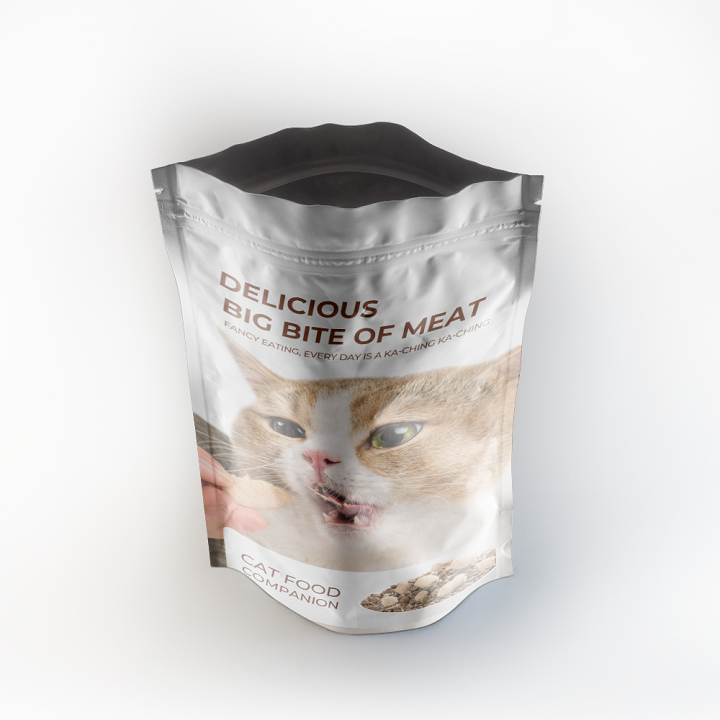
Current pet packaging trends show that shoppers are paying more attention to transparency, sustainability, personalization, and emotional storytelling. Packaging is expected to communicate product quality quickly, especially in crowded online and retail environments. [paramountglobal]
Three developments matter most right now:
Transparency features such as windows, QR codes, and sourcing information. [epacflexibles]
Sustainable packaging claims that are credible and backed by real material choices. [paramountglobal]
Flexible packaging design that works across multiple feeding occasions and product lines. [printpack]
This means a modern pouch should not only preserve freshness. It should also help answer the buyer's unspoken questions: What is inside? Is it safe? Is it premium? Is it responsibly made? [epacflexibles]
A Practical Selection Process
If a brand is sourcing Pet Food Pouches, the smartest approach is to evaluate packaging in a structured order. Too many companies start with print design first and only later discover that the film structure, seal strength, or compliance details are not suitable. [cloudflexfilm]
Use this sequence instead:
1. Define the product type, size, and shelf-life target.
2. Identify the needed barrier level.
3. Confirm filling method and sealing requirements.
4. Decide whether zipper, window, or gusset features are needed.
5. Review all regulatory copy before artwork finalization.
6. Test samples under real shipping and storage conditions.
7. Approve final production only after functional and visual validation.
This process reduces risk and improves launch speed. It also aligns packaging engineering with brand strategy, which is exactly how strong consumer brands are built. [printpack]
Why OEM and ODM Support Matters
For overseas brands, working with an experienced OEM/ODM packaging partner can simplify both execution and scale. A factory that already understands structure selection, print preparation, barrier requirements, and export packaging standards can help shorten development time and reduce trial-and-error costs. [dexincheng.goldsupplier]
This is especially valuable when the brand needs multiple SKUs, such as:
Dry food pouches.
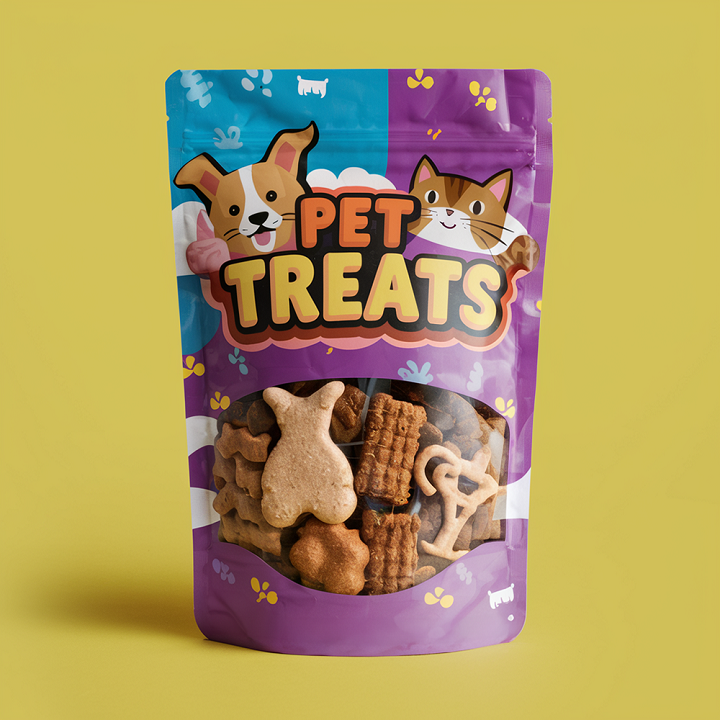
Treat pouches.
Supplement pouches.
Seasonal or promotional pouch runs.
Private-label packaging for distributors and wholesalers. [dexincheng.goldsupplier]
A capable supplier should not only produce the pouch, but also help guide material choices, decoration methods, and packaging formats based on the product's market position. That is where a packaging manufacturer becomes a strategic partner rather than a simple vendor. [gdokpackaging]
How XingKun Can Support Your Project
Shenzhen XingKun Packing Products Co., Ltd. focuses on custom packaging solutions for overseas brands, wholesalers, and manufacturers. For pet food packaging, that means helping clients develop pouches that are visually strong, structurally reliable, and better aligned with export market expectations. [dexincheng.goldsupplier]
If your brand needs custom Pet Food Pouches, the most effective next step is to define your product category, target pack size, and required features such as zipper, window, matte finish, or high-barrier protection. Once those basics are clear, packaging development becomes much faster and more accurate. [gdokpackaging]
Conclusion
Pet Food Pouches are no longer a simple packaging choice. They are a commercial, technical, and branding tool that affects freshness, compliance, shelf appeal, and consumer trust. Brands that treat pouch development strategically can improve product protection, strengthen differentiation, and support long-term growth in a competitive market. [grandviewresearch]
The strongest results come from combining the right pouch structure, barrier material, label compliance, and brand storytelling. That is why the best packaging decisions are made early, with both marketing and technical requirements in mind. [cloudflexfilm]
FAQ
1. What are Pet Food Pouches used for?
Pet Food Pouches are used to package dry food, treats, supplements, and some semi-moist or specialty pet products in a convenient, resealable format. [epacflexibles]
2. Why are high-barrier films important for pet food packaging?
High-barrier films help block oxygen and moisture, which protects flavor, texture, aroma, and nutrient stability over the product's shelf life. [multiplastics.co]
3. What label information is required on pet food packaging in the U.S.?
The FDA requires proper product identification, net quantity, manufacturer or distributor information, and ingredient listing from most to least by weight. [printpack]
4. Are sustainable Pet Food Pouches possible?
Yes, brands can use recyclable plastics, compostable materials for certain applications, or other sustainable structures depending on product needs and market requirements. [paramountglobal]
5. Which pouch style is best for premium pet food?
Flat-bottom pouches and stand-up pouches are often preferred for premium products because they offer better shelf presence, structure, and branding space. [packagingvendor.en.made-in-china]
6. How can a brand choose the right pouch?
Start with product sensitivity, shelf-life target, distribution method, and compliance needs, then select the pouch structure and material that best fit those requirements. [cloudflexfilm]
References
[FDA — Pet Food]
[Pet Food Institute — How Pet Food Is Regulated]
[Grand View Research — Pet Food Packaging Market]
[Printpack — 4 Pet Food Packaging Trends Shaping 2026]
[Plastek Group — Sustainable Pet Food Packaging: What Are Your Options?]
[Paramount Global — 7 Sustainable Pet Food Packaging Trends]
[EPAC Flexibles — The Top 6 Trends in Pet Food Packaging You Need to Know About]
[CloudFlex Film — High Barrier Films for Moisture and Oxygen Protection]


