Content Menu
● Introduction
● Understanding the Basics of Pokémon TCG
>> Objective of the Game
>> Types of Cards
>> Deck Composition
● Setting Up the Game
>> Preparing for Play
>> Starting the Game
● Gameplay Structure
>> Turn Phases
>> Attacking Opponent's Pokémon
● Winning the Game
● Advanced Strategies
>> Deck Building Tips
>> Understanding Matchups
>> Practice Makes Perfect
● Special Rules and Formats
>> Expanded vs Standard Format
>> Special Events and Tournaments
● Common Mistakes to Avoid
● Conclusion
● Frequently Asked Questions
>> 1. What is a mulligan in Pokémon TCG?
>> 2. How many Prize cards do I need?
>> 3. Can I play multiple Trainer cards in one turn?
>> 4. What happens when my Active Pokémon is knocked out?
>> 5. How do I know how much damage my attack does?
● Citations:
Introduction
The Pokémon Trading Card Game (TCG) is a strategic card game that has captivated millions of players around the world since its inception. It combines elements of strategy, luck, and collection, allowing players to build their decks and engage in exciting battles. This article will provide a comprehensive guide on how to play the Pokémon TCG, covering everything from the basic rules to advanced strategies.
Understanding the Basics of Pokémon TCG
Objective of the Game
The primary goal in Pokémon TCG is to be the first player to either:
- Collect all of your Prize cards.
- Knock out all of your opponent's Pokémon.
- Deplete your opponent's deck so they cannot draw a card at the start of their turn.
Types of Cards
There are three main types of cards in Pokémon TCG:
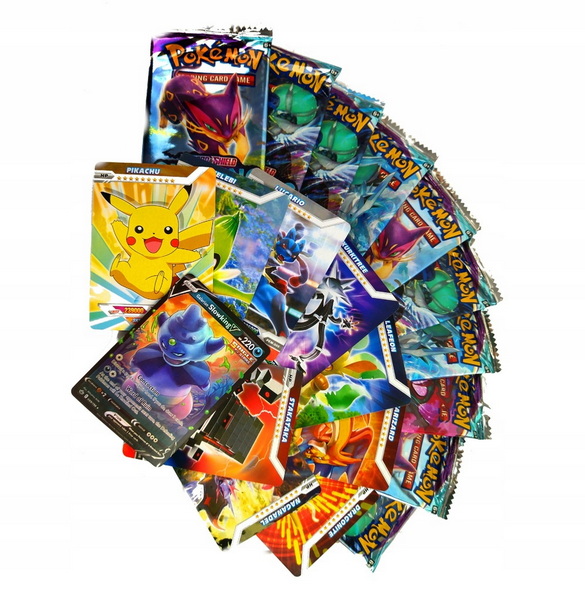
- Pokémon Cards: These are the creatures that battle for you. They come in three stages: Basic, Stage 1, and Stage 2.
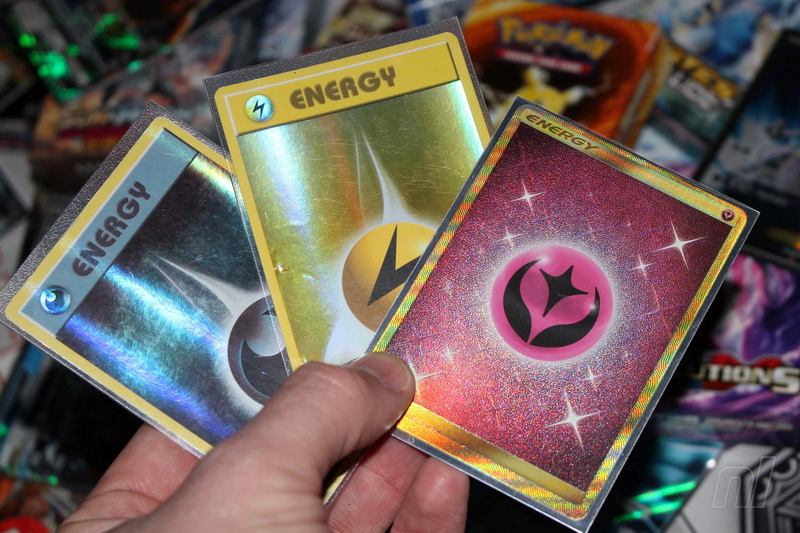
- Energy Cards: These cards provide the energy necessary for Pokémon to perform attacks. They can be Basic Energy or Special Energy.
- Trainer Cards: These include items, supporters, and stadiums that can help you during your turn.
Deck Composition
Each player must have a deck consisting of exactly 60 cards. Players can include up to four copies of any card with the same name (except for Basic Energy cards, which can be included in any quantity). A deck must contain at least one Basic Pokémon card.
Setting Up the Game
Preparing for Play
To set up a game of Pokémon TCG:
1. Shuffle Your Deck: Each player shuffles their deck thoroughly.
2. Draw Your Hand: Each player draws seven cards from their deck.
3. Check for Basic Pokémon: Ensure you have at least one Basic Pokémon in your hand. If not, you must reshuffle and draw again (this is called a mulligan).
4. Place Your Pokémon: Place one Basic Pokémon face down in the active spot and up to five additional Basic Pokémon on your bench.
5. Set Prize Cards: Each player sets aside six cards from their deck as Prize cards, placed face down.
Starting the Game
Once both players have set up their Pokémon, they flip their active and benched Pokémon face up, and the game begins.
Gameplay Structure
Turn Phases
Each player's turn consists of three main phases:
1. Draw Phase: Draw one card from your deck.
2. Action Phase: You can perform several actions in any order:
- Play a Basic Pokémon onto your bench.
- Evolve a Pokémon (if you have the appropriate stage card).
- Attach an Energy card from your hand to one of your Pokémon.
- Play Trainer cards (Items, Supporters, or Stadiums).
- Retreat your Active Pokémon (swap it with a benched Pokémon).
- Use abilities of your Pokémon.
3. Attack Phase: Attack your opponent's Active Pokémon using one of your own's attacks.
Attacking Opponent's Pokémon
When attacking:
- Ensure you have enough Energy attached to perform the attack.
- Declare which attack you are using and calculate damage based on the attack's description.
- Place damage counters on your opponent's Active Pokémon according to the damage dealt.
If a Pokémon's total damage equals or exceeds its HP, it is knocked out and sent to the discard pile along with any attached cards.
Winning the Game
The game continues with players alternating turns until one player fulfills one of the victory conditions mentioned earlier:
- Collecting all Prize cards.
- Knocking out all opponent's Pokémon.
- Forcing an opponent to run out of cards in their deck.
Advanced Strategies
Deck Building Tips
Building an effective deck requires careful consideration:
- Balance Between Card Types: A well-rounded deck typically includes around 20–25 Pokémon, 15–20 Energy cards, and 15–20 Trainer cards.
- Include Evolved and Basic Pokémon: While Basic Pokémon are essential for starting play, evolved forms often provide stronger attacks and abilities that can turn the tide in battle.
- Synergy Among Cards: Some Trainer cards may enhance specific abilities or types of Pokémon; for example, if you are using Fire-type Pokémon, including Trainer cards that boost Fire-type attacks can be advantageous.
Understanding Matchups
Familiarize yourself with common strategies used by other players:
- Aggressive Decks vs. Defensive Decks: Aggressive decks aim to knock out opponents quickly by dealing high damage early on, while defensive decks focus on stalling and healing strategies.
- Meta Awareness: Stay informed about popular decks in competitive play (known as "the meta"). Understanding what types of decks are prevalent can help you build a counter-strategy.
Practice Makes Perfect
Engage in practice matches with friends or online opponents to improve your skills and understand various strategies better:
- Use online platforms like PTCGO (Pokémon Trading Card Game Online) for virtual matches against players worldwide.
- Join local tournaments or leagues to gain experience in competitive settings.
Special Rules and Formats
Expanded vs Standard Format
The Pokémon TCG has different formats that dictate which sets are legal for play:
- Standard Format: This format allows only recent sets (usually from the last few years) to be played, making it more accessible for new players while keeping gameplay fresh.
- Expanded Format: This format allows older sets to be included, offering more card options but also increasing complexity.
Special Events and Tournaments
Participating in special events or tournaments can enhance your experience:
- Look for local game shops hosting tournaments; these often include prizes and opportunities to meet other players.
- Major events like Regionals or Worlds offer competitive play against top-tier opponents.
Common Mistakes to Avoid
While learning how to play, new players often make common mistakes that can hinder their performance:
- Neglecting Energy Management: Ensure you attach enough Energy each turn; running out can leave you vulnerable.
- Ignoring Bench Management: Keep an eye on your benched Pokémon; having strong backups ready can save you during critical moments.
- Failing to Read Opponent's Abilities: Always check what abilities or effects opposing Pokémon have; this knowledge can inform better strategic decisions during play.
Conclusion
The Pokémon Trading Card Game offers an engaging blend of strategy and luck that appeals to players of all ages. By understanding the rules, setting up correctly, and employing effective strategies, players can enjoy countless hours battling against their friends or in competitive play.
As you embark on your journey in the world of Pokémon TCG, remember that practice is key to mastering this intricate game.
Frequently Asked Questions
1. What is a mulligan in Pokémon TCG?
A mulligan occurs when a player does not have any Basic Pokémon in their initial hand; they must reshuffle their hand back into their deck and draw seven new cards until they have at least one Basic Pokémon.
2. How many Prize cards do I need?
Each player sets aside six Prize cards at the beginning of the game from their deck.
3. Can I play multiple Trainer cards in one turn?
You can play as many Item Trainer cards as you want during your turn, but you can only play one Supporter card per turn and only one Stadium card if there isn't already one in play.
4. What happens when my Active Pokémon is knocked out?
When an Active Pokémon is knocked out, it is sent to the discard pile along with any attached cards; you then move a benched Pokémon into the active spot if available.
5. How do I know how much damage my attack does?
The damage amount is indicated next to each attack on your Pokémon card; ensure you have enough Energy attached to perform that attack.
Citations:
[1] https://economictimes.indiatimes.com/news/international/us/pokmon-trading-card-game-how-to-play-what-are-the-basics-of-pokemon-how-each-card-works-heres-all-you-need-to-know/articleshow/101992216.cms
[2] https://groups.google.com/g/cngamedesign/c/tm40Vg0TkQY
[3] https://www.youtube.com/watch?v=8cbHjCWZZn0
[4] https://github.com/spytensor/Spiders/blob/master/leifeng/leifeng/spiders/ciyun.text
[5] https://www.pokemon.com/us/pokemon-tcg/rules
[6] https://www.cnblogs.com/apachecn/p/18522037
[7] https://www.pokemon.com/static-assets/content-assets/cms2/pdf/trading-card-game/rulebook/par_rulebook_en.pdf
[8] https://huggingface.co/openbmb/VisCPM-Chat/raw/main/vocab.txt


