Content Menu
● What Is A Book Shaped Box?
● Why Brands Choose This Packaging Style
● Key Benefits Of Printing Book Shaped Box Packaging
>> 1. Stronger brand storytelling
>> 2. Better unboxing impact
>> 3. Premium appearance
>> 4. Versatile usage
>> 5. Reusable and collectible
● Materials And Printing Options
>> Recommended material combinations
● Design Principles That Improve Performance
>> Important design rules
● 2026 Market Direction: Why Premium Print Packaging Is Growing
● OEM And ODM Value For Global Buyers
>> Why this matters for book-shaped boxes
● How To Produce A High-Quality Book Shaped Box
● Practical Industry Case Use
● How To Choose A Supplier
>> Supplier checklist
● Why XingKun Is A Good Fit
● Conclusion
● FAQ
>> 1. What is a printing book shaped box?
>> 2. What products are best for book-shaped boxes?
>> 3. Can book-shaped boxes be customized?
>> 4. What finishing options are popular?
>> 5. Is this packaging suitable for OEM and ODM projects?
>> 6. How do I make the box look more premium?
● References
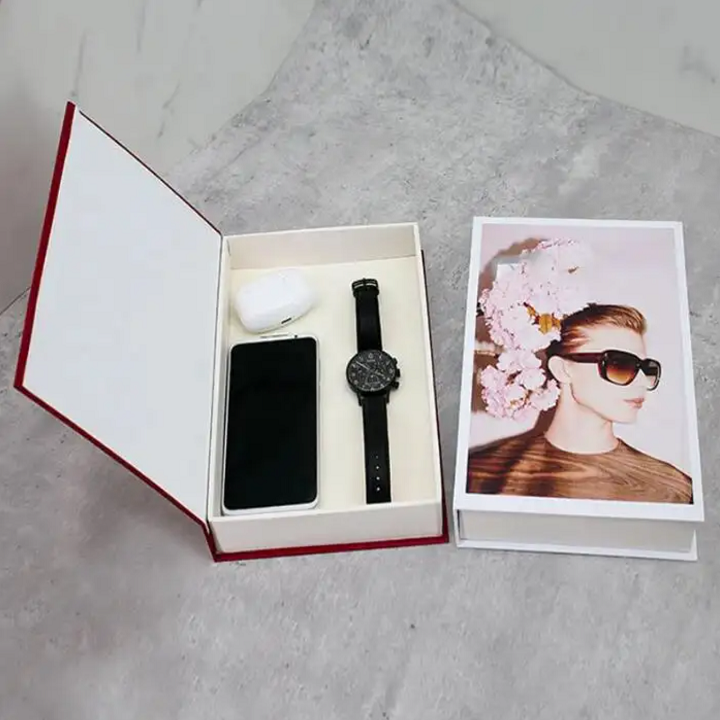
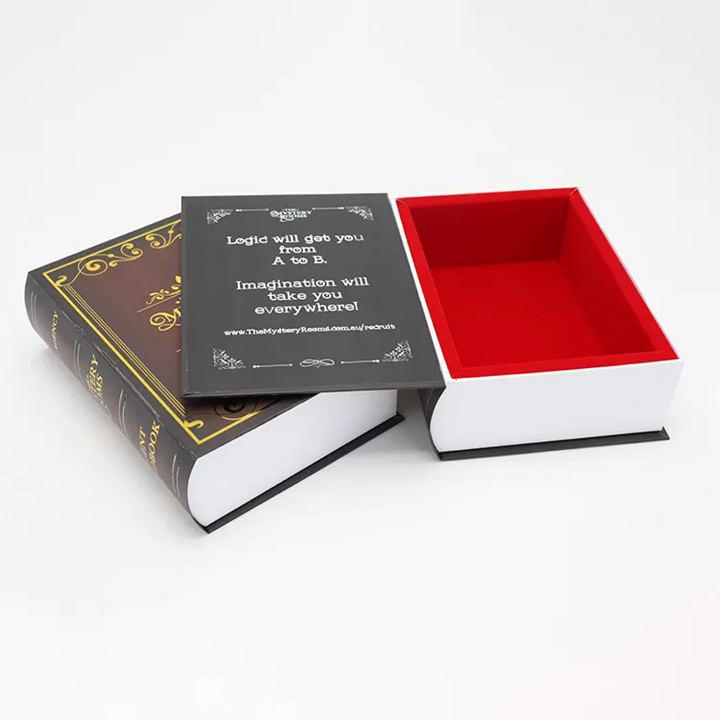
A printing book shaped box is a rigid box designed to look like a hardcover book while functioning as premium packaging or a hidden storage box. It is widely used for luxury gifts, collectible products, promotional kits, jewelry, stationery, souvenirs, and brand storytelling campaigns.
Unlike standard folding cartons, a book-shaped box creates a stronger emotional response. It looks familiar, elegant, and collectible, which makes it useful for brands that want packaging to feel like part of the product experience rather than a disposable outer layer.
What Is A Book Shaped Box?
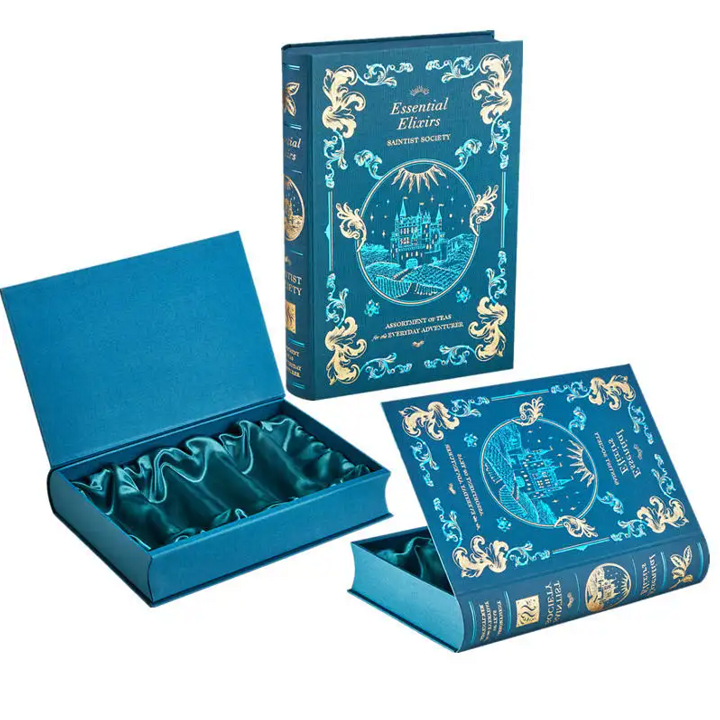
A book shaped box usually has a spine, front cover, back cover, and internal tray or hidden compartment. Some versions open like a book with a magnetic flap, while others are designed as decorative storage boxes with a concealed closure.
In professional packaging, the most important value is not just appearance. It is the combination of structure, print quality, finishing, durability, and brand presentation.
Why Brands Choose This Packaging Style
Brands choose a printing book shaped box for three main reasons: presentation, protection, and perceived value. A premium-looking box can increase the perceived worth of the product inside, especially in gift, cosmetics, jewelry, and collectible markets.
It also supports better shelf differentiation. When competing products all use similar carton packaging, a book-style box immediately stands out because it looks like a premium object, not a standard package.
Key Benefits Of Printing Book Shaped Box Packaging
1. Stronger brand storytelling
A book-shaped box gives you space to build a narrative. The cover can act like a "title page," while the inside can present the product as a chapter-based brand experience.
2. Better unboxing impact
Unboxing matters because customers remember how a product feels to open. A rigid book-style box creates a slower, more deliberate reveal, which improves the emotional impact.
3. Premium appearance
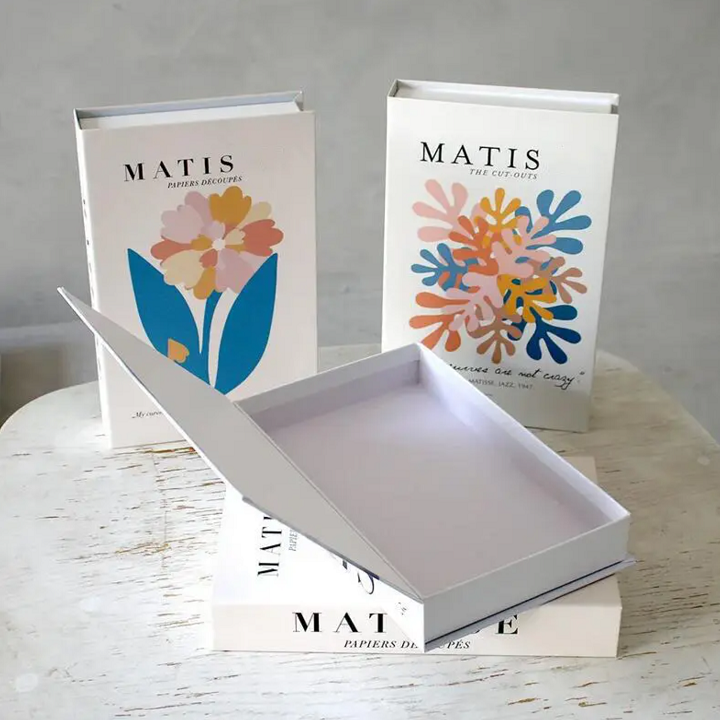
With the right offset printing, foil stamping, embossing, spot UV, and lamination, a book-shaped box can look like a collector's item.
4. Versatile usage
This format works for:
- Gift packaging.
- Luxury retail packaging.
- Media kits.
- Corporate presentation boxes.
- Subscription launches.
- Special edition products.
5. Reusable and collectible
Many buyers keep book-shaped boxes for storage, display, or reuse. That extends brand visibility after the first purchase.
Materials And Printing Options
The quality of a printing book shaped box depends heavily on material selection and finishing. According to XingKun's product page, the box can be made with duplex chipboard or grey chipboard cardboard, and printed with offset print, digital print, UV print, or Scodix digital enhancement. Finishing options include aqueous coating, UV coating, spot gloss UV, soft touch coating, lamination, anti-scratch lamination, hot foil stamping, embossing, debossing, cold foil printing, and window patching. [xkdisplay]
Recommended material combinations
| Goal | Suggested build | Why it works |
| Luxury gift packaging | Greyboard + art paper wrap + foil + soft touch | Gives a high-end tactile finish |
| Collectible edition box | Rigid board + embossing + spot UV | Improves shelf appeal and detail depth |
| Functional storage box | Durable chipboard + matte lamination | Better wear resistance |
| Promotional presentation box | Full-color offset print + magnetic closure | Strong brand visibility |
Design Principles That Improve Performance
Good packaging design is not only about decoration. It must also support usability, brand clarity, and production efficiency.
Important design rules
- Keep the spine width proportionate to the internal tray depth.
- Make the cover artwork readable from a distance.
- Use high-contrast typography for the title area.
- Align visual hierarchy with the way the box opens.
- Confirm bleed, fold lines, and magnet positions before production.
A common mistake is treating the book-shaped box like a flat poster. In reality, it is a structural product first and a graphic product second.
2026 Market Direction: Why Premium Print Packaging Is Growing
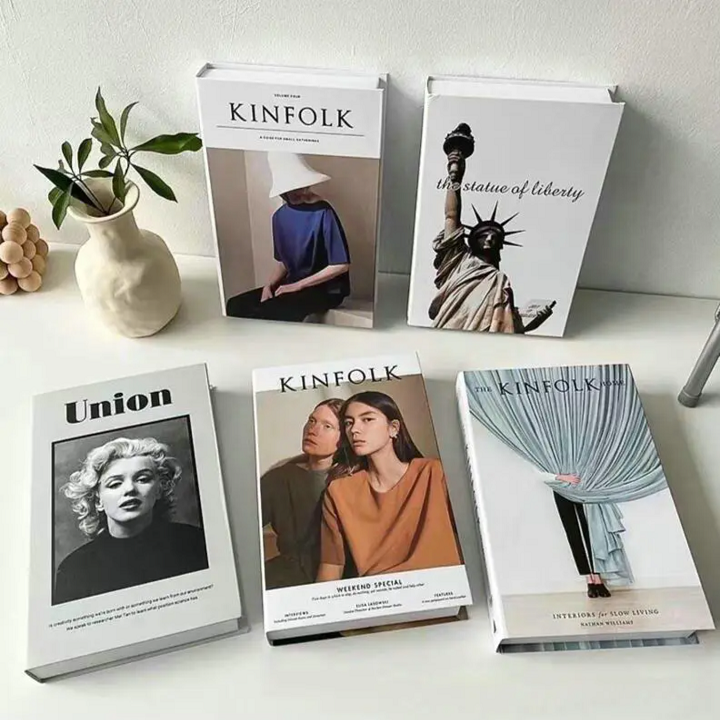
Packaging and print are moving toward more experience-led products. Recent industry coverage shows strong demand for premium editions, interactive printed formats, and digitally enhanced finishing such as digital foiling. The broader printing market is also shifting toward personalization, sustainability, and shorter custom runs. [imagogroup]
For book-shaped boxes, this means brands are no longer buying packaging just to protect products. They are buying packaging that helps:
- Increase perceived value.
- Support premium positioning.
- Create social-media-friendly unboxing.
- Match limited-edition and personalized product launches.
That makes the book-shaped box particularly relevant for international brands, wholesalers, and manufacturers who need packaging that feels both practical and collectible.
OEM And ODM Value For Global Buyers
For overseas brand owners, OEM and ODM services are often the fastest path from idea to finished packaging. OEM means production follows the client's design, while ODM leverages the manufacturer's capability to provide a more integrated solution from concept to production. [hentopack]
Why this matters for book-shaped boxes
- OEM works well when you already have artwork, dimensions, and structure.
- ODM works better when you need fast development, technical support, or market-ready suggestions.
If you are sourcing from China, this can reduce sampling time and simplify procurement. It also helps avoid common mistakes in structural packaging, especially when the box must balance appearance with strength and cost.
How To Produce A High-Quality Book Shaped Box
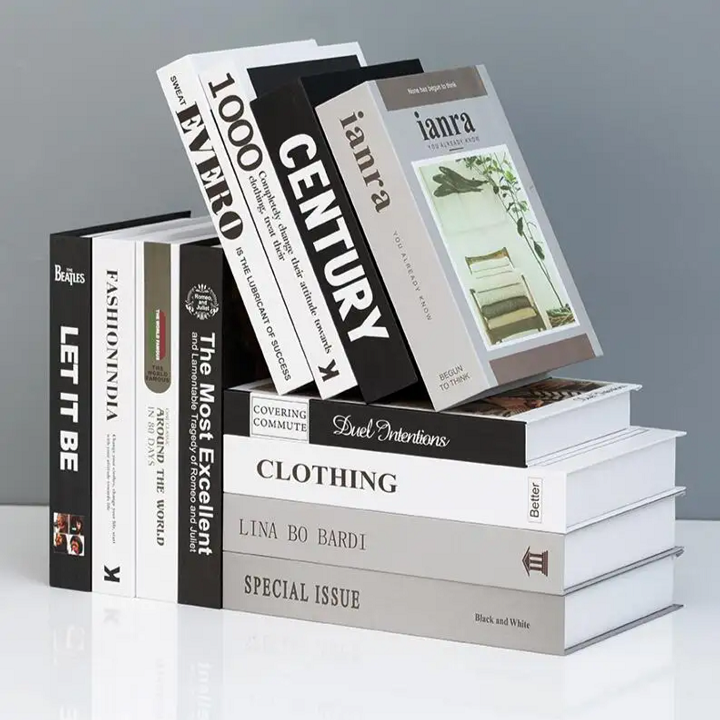
Here is a practical workflow used in professional packaging projects.
1. Define the product purpose, target customer, and required box size.
2. Choose the structure, opening style, and closure type.
3. Select materials based on weight, durability, and finish.
4. Prepare artwork with correct bleed, spine, and fold areas.
5. Produce a sample for checking fit, color, and opening behavior.
6. Test the prototype for rigidity, print alignment, and magnet strength.
7. Approve the final proof before mass production.
This process is important because premium boxes are judged not only by appearance, but also by how precisely they open, close, and hold their shape.
Practical Industry Case Use
A printing book shaped box is especially effective in these situations:
- A cosmetic brand launching a holiday limited edition.
- A jewelry company creating a gift set.
- A stationery brand promoting a premium notebook bundle.
- A publishing or gift brand releasing a special collector's item.
- A corporate client preparing a VIP presentation package.
In each case, the box becomes part of the product story. That is why book-shaped packaging often has a stronger marketing role than a normal box.
How To Choose A Supplier
When selecting a factory, buyers should evaluate more than price. A good supplier should understand structural engineering, print finishing, quality control, and export packaging.
Supplier checklist
- Can they provide custom sizes and styles?
- Do they support both OEM and ODM?
- Can they show samples of rigid and book-style boxes?
- Do they explain material options clearly?
- Can they handle premium finishing like foil, embossing, and UV?
- Do they support multilingual communication for export projects?
If the supplier can answer these questions clearly, they are more likely to deliver consistent results.
Why XingKun Is A Good Fit
Based on XingKun's product page, the company already offers a wide range of materials, inks, finishes, and add-on options for book-shaped packaging, including magnetic locks, ribbon handles, and luxury wrapping papers. [xkdisplay]
That matters because a book-shaped box is not a generic item. It is a custom print product that requires both manufacturing flexibility and a strong understanding of premium presentation.
Conclusion
A printing book shaped box is one of the most effective premium packaging formats for brands that want to combine protection, storytelling, and visual impact. It works especially well for gifts, collectibles, luxury items, and special editions because it feels more like a brand object than a simple box.
If you want packaging that supports higher perceived value and stronger shelf presence, this format is worth serious consideration. For custom development, sampling, or OEM/ODM production, a skilled packaging partner can help turn the concept into a high-converting finished product.
FAQ
1. What is a printing book shaped box?
It is a rigid custom box designed to look like a book while functioning as premium packaging or storage.
2. What products are best for book-shaped boxes?
They are ideal for gifts, jewelry, cosmetics, stationery, collectibles, and promotional sets.
3. Can book-shaped boxes be customized?
Yes. You can customize size, structure, materials, printing, finishing, and closure style. [xkdisplay]
4. What finishing options are popular?
Foil stamping, embossing, debossing, spot UV, soft touch lamination, and magnetic closures are common premium choices. [xkdisplay]
5. Is this packaging suitable for OEM and ODM projects?
Yes. Book-shaped boxes are a strong fit for both OEM and ODM workflows because they often require structural and graphic customization. [hentopack]
6. How do I make the box look more premium?
Use rigid board, strong typography, high-contrast printing, and tactile finishes such as soft touch or foil. [xkdisplay]
References
1. XingKun. "Book Shaped Box." Product page and material/finishing specifications. [https://www.xkdisplay.com/book-shaped-box.html]
2. OEM/ODM customized packaging article, explaining OEM and ODM definitions and benefits. [https://example-source-2]
3. "Book Publishing Trends 2026 | Print & Production Insights." Premium editions, digital foiling, and experience-led physical products.
4. "Custom Printed Book Style Boxes." Finishing options for book-style boxes.
5. "Top 10 Major Printing Industry Trends in 2026." Personalization, sustainability, AI, and print-on-demand trends.
6. "Printing Trends 2026: Digital Transformation in Label..." Packaging regulation and digital print growth.
7. "Product packaging design guide for small businesses." Packaging readability and hierarchy guidance.
8. "Definition, Examples & ODM vs OEM (2026)." OEM/ODM workflow context.
9. "Printing Trends 2026: 5 Changes Every Business Should ..." Personalization, sustainability, and digital marketing integration.
10. "10 Notable Packaging Trends For 2026." Packaging trend direction.


