Content Menu
● Why the Retail Sales Life Cycle Matters
● The Four Core Retail Stages
● Awareness: Winning Attention Fast
● Consideration: Helping Shoppers Evaluate
● Conversion: Removing Purchase Friction
● Loyalty: Turning Buyers Into Repeat Customers
● What the Original Article Missed
● 2026 Retail Display Expectations
● Packaging and Display Work Together
● Practical Display Strategy by Stage
● Expert Insights for Manufacturers
● How to Apply This to Your Brand
● Conclusion
● FAQ
>> 1. What is the retail sales life cycle?
>> 2. Why should display stands match the customer journey?
>> 3. How do packaging and displays support each other?
>> 4. What display type works best for new product launches?
>> 5. What makes a retail display more effective in 2026?
● References
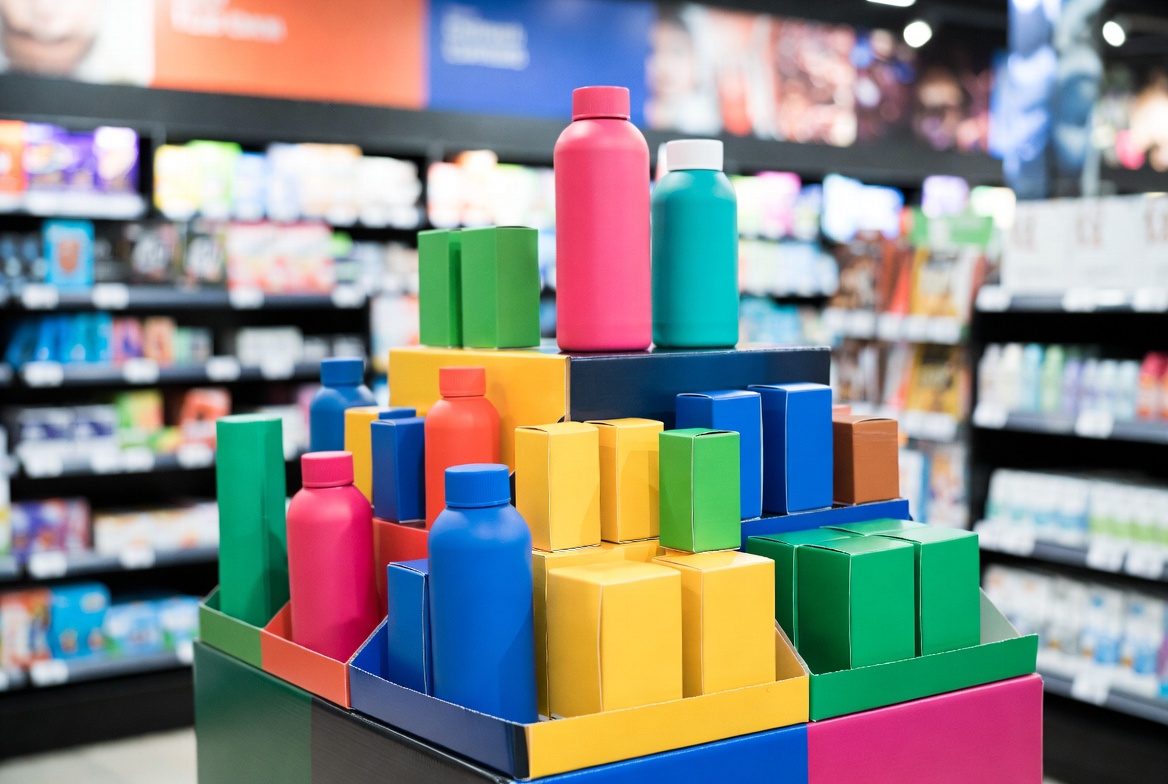
In retail, the best display is not just attractive. It helps move shoppers from first awareness to repeat purchase, and eventually to brand loyalty. For a display and packaging manufacturer like Shenzhen XingKun Packing Products Co., Ltd., understanding the customer's sales life cycle is the foundation of smarter retail display design, stronger conversion, and better long-term value.
Why the Retail Sales Life Cycle Matters
Every shopper is in a different state of intent. Some are only noticing your brand for the first time, while others are comparing products, ready to buy, or deciding whether to return. A display that matches that stage can reduce friction, answer questions faster, and create a better buying experience.
For manufacturers serving brands and distributors across global markets, this matters even more. The same product can need different display messages, materials, or formats depending on whether the buyer is browsing, evaluating, converting, or returning for another purchase.
The Four Core Retail Stages
The retail customer journey can be simplified into four practical stages: awareness, consideration, conversion, and loyalty. Each stage calls for a different display strategy, different content, and different on-site behavior.
| Stage | Customer mindset | Display goal |
| Awareness | "What is this?" | Capture attention quickly |
| Consideration | "Why should I care?" | Educate and build trust |
| Conversion | "Is this the right choice?" | Remove hesitation and simplify purchase |
| Loyalty | "Should I buy again?" | Encourage repeat buying and advocacy |
Awareness: Winning Attention Fast
At the awareness stage, the customer is not yet comparing every detail. They are reacting to shape, color, visibility, placement, and first impression. This is where a display stand must do more than hold a product; it must stop movement and create curiosity.
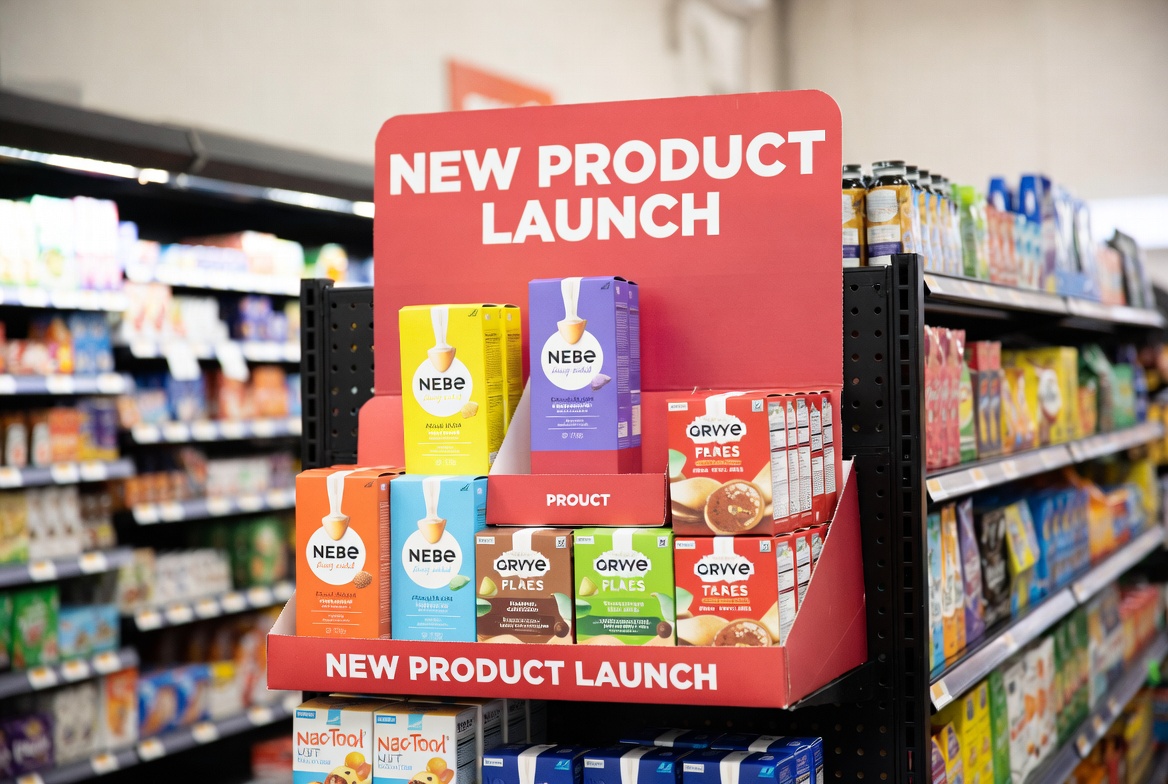
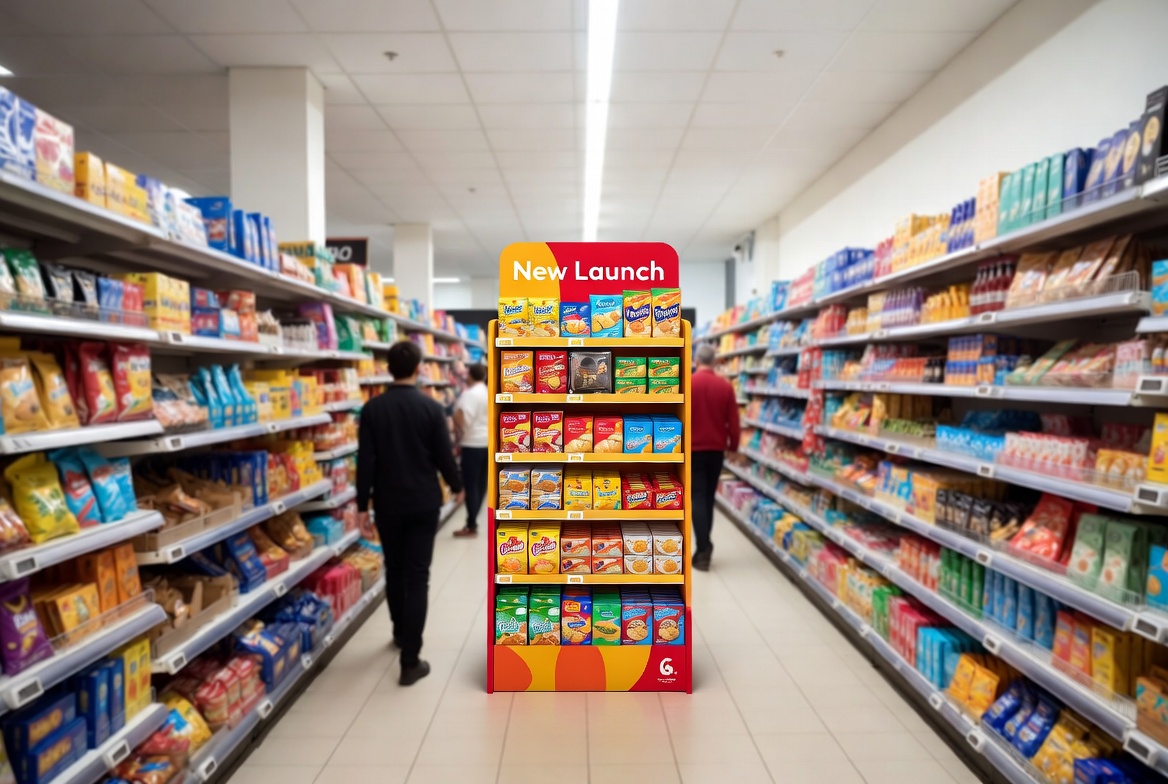
Strong awareness-stage displays usually rely on bold visual hierarchy, clear branding, and immediate product recognition. For example, a branded counter display or floor stand can introduce a new item without overwhelming the shopper with too much information.
Consideration: Helping Shoppers Evaluate
Once attention is captured, the shopper wants reassurance. They may compare materials, uses, price points, quality signals, or brand credibility before committing. This is where display content should become more informative and more persuasive.
For packaging and display manufacturers, this stage is a major opportunity. Add simple benefit statements, QR codes, shelf talkers, sample holders, brochure pockets, or structured product explanations that answer the shopper's likely questions before a salesperson has to.
Conversion: Removing Purchase Friction
At the conversion stage, the customer is close to buying, but even small obstacles can break the sale. Confusing pricing, weak product visibility, poor accessibility, or cluttered layouts can cause hesitation.
This is why conversion-focused display design should emphasize clarity and convenience. Use easy-to-reach structures, clear pricing zones, compact format choices, and product presentation that makes the next step obvious.
Loyalty: Turning Buyers Into Repeat Customers
The loyalty stage is where a product becomes part of the customer's routine and the brand starts earning repeat business. Loyal customers are more likely to repurchase, recommend the brand, and respond positively to new launches.
Display strategy still matters here. Seasonal refreshes, limited-edition packaging, campaign-driven endcaps, and membership or promotion messaging can all help bring customers back. Loyalty is not only built after purchase; it is reinforced every time a shopper sees the brand again.
What the Original Article Missed
The original chapter provides a clear lifecycle overview, but it stays mostly at a conceptual level. It explains the stages well, yet it offers limited guidance on how displays should change by stage, how packaging contributes to buying behavior, or how current retail expectations are shifting in 2026.
It also lacks a more operational framework for brand teams, distributors, and display buyers. Modern retail now rewards flexible, modular, sustainable, and digitally enhanced solutions, so a stronger article should connect lifecycle thinking with actual display planning and customer experience design.
2026 Retail Display Expectations
Retail displays are no longer judged only by appearance. In 2026, brands are leaning toward digital integration, sustainability, modularity, and immersive presentation because shoppers expect more engaging in-store experiences.
That means a display stand should be designed to do at least one of three things well: communicate quickly, adapt easily, or create a stronger emotional response. For many manufacturers, the best solution is a modular system that can be rebranded, resized, or updated for different regions and campaigns.
Packaging and Display Work Together
Packaging is part of the shelf conversation, not separate from it. Research and industry reporting continue to show that visual packaging design can shape purchase decisions, which means display and packaging should be planned as one experience rather than two isolated assets.
This is especially important for export-focused manufacturers. A display that supports the box design, brand colors, and product hierarchy can improve recognition, reinforce trust, and make the buying decision feel easier.
Practical Display Strategy by Stage
Use the table below as a simple planning tool when developing retail displays for different customer stages. It can help teams align visual design, messaging, and merchandising goals before production starts.
| Stage | Best display type | Recommended content |
| Awareness | Floor stand, endcap, counter display | Brand name, hero visual, short headline |
| Consideration | Brochure holder, sample display, shelf display | Benefits, materials, use cases, QR code |
| Conversion | Checkout display, impulse display, compact stand | Price, offer, clear CTA, product variant choice |
| Loyalty | Refill display, seasonal display, loyalty promo stand | Repeat-buy message, new arrivals, rewards |
Expert Insights for Manufacturers
From a production perspective, the most effective display projects are built on clarity, durability, and adaptability. If a display must work in multiple markets, it should be easy to assemble, easy to ship, and easy to refresh without rebuilding the entire unit.
A practical rule is this: if the customer is early in the journey, the display should create curiosity; if the customer is late in the journey, the display should reduce effort. That single principle can guide material choice, size, structure, and messaging.
How to Apply This to Your Brand
For Shenzhen XingKun Packing Products Co., Ltd., the best content angle is not only "we make display stands." It is "we help brands match display design to customer stage, buying intent, and retail environment." That positioning is more useful to B2B buyers and more credible to procurement teams.
This approach also supports stronger lead quality. When a buyer sees that your company understands lifecycle marketing, packaging influence, and retail presentation, they are more likely to trust you as a strategic manufacturing partner rather than a simple supplier.
Conclusion
The retail sales life cycle is the roadmap behind better display decisions. When a display matches the shopper's stage, it becomes easier to earn attention, explain value, close the sale, and keep the customer coming back.
If you want your retail displays to do more than decorate a shelf, design them around the customer journey. Use each display to guide the next buying step, not just to showcase the product.
FAQ
1. What is the retail sales life cycle?
The retail sales life cycle describes the stages a customer moves through from first awareness to repeat purchase and loyalty. It helps brands align marketing and display strategy with customer intent.
2. Why should display stands match the customer journey?
Because each stage needs different information and different persuasion. A display that works for awareness may not work for conversion if it does not reduce friction or answer key questions.
3. How do packaging and displays support each other?
Packaging creates visual and functional cues at shelf level, while displays frame those cues and direct attention. Together, they can improve product recognition and influence purchase decisions.
4. What display type works best for new product launches?
Floor stands, endcaps, and counter displays often work best because they create visibility quickly and can support a strong brand story with limited space.
5. What makes a retail display more effective in 2026?
Flexibility, sustainability, digital support, and clear messaging are becoming more important. Displays that are modular and easy to refresh tend to perform better in changing retail environments.
References
- Creative Displays Now, "Chapter 1: Where Is Your Customer in the Sales Life Cycle?" [https://www.creativedisplaysnow.com/guides/understanding-the-retail-customer/chapter-1-understanding-where-your-retail-customer-is-in-the-sales-life-cycle/]
- shopPOPdisplays, "2026 Retail Display Trends: What's In and What's Out" [https://www.shoppopdisplays.com/blog/2025/11/06/2026-retail-display-trends-whats-in-and-whats-out/]
- Dovetail, "Understanding Customer Lifecycle: Definition, Stages, and …" [https://dovetail.com/customer-research/what-is-the-customer-lifecycle/]
- Amnet, "Packaging's Impact on Buying Decision" [https://www.weareamnet.com/blog/influence-packaging-decision-buy/]
- PMC, "The Impact of Visual Elements of Packaging Design on …" [https://pmc.ncbi.nlm.nih.gov/articles/PMC11851823/]
- shopPOPdisplays, "2026 Retail Display Trends: What's In and What's Out" [https://www.shoppopdisplays.com/blog/2025/11/06/2026-retail-display-trends-whats-in-and-whats-out/]
- Acrylic Design, "Six Retail Display Trends That Will Shape 2026" [https://www.acrylicdesign.com/blogs-news/six-retail-display-trends-to-watch-in-2026]


