Content Menu
● Why Beverage Display Stand Design Matters
● Core Design Elements That Drive Results
>> 1. Clear visual hierarchy
>> 2. Color discipline
>> 3. Product accessibility
>> 4. Simple, benefit-led copy
>> 5. Structural stability
● Layout Principles for Beverage Displays
● Materials and Sustainability Choices
● What Modern Beverage Trends Mean for Display Design
● A Practical Design Process for Brands and Manufacturers
● Expert Tips for Stronger Shelf Performance
● How Manufacturers Can Add Real Value
● Conclusion
● FAQ
● References
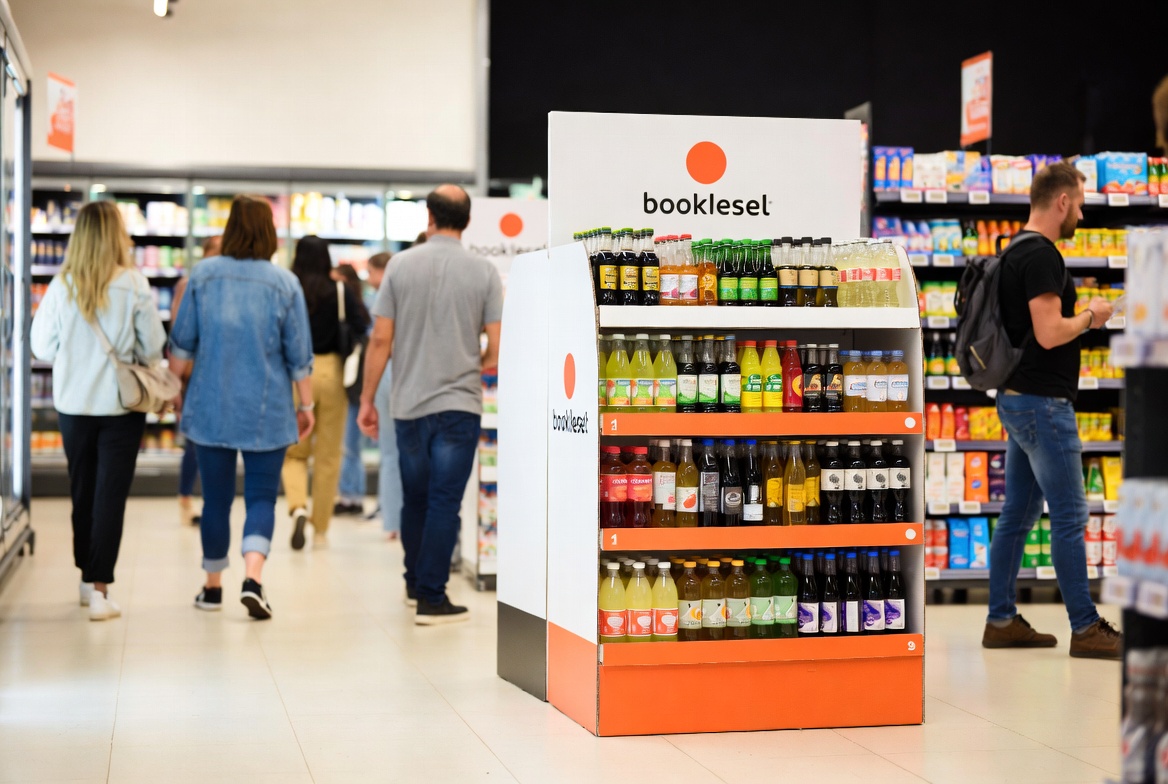
In beverage retail, a display stand is more than a container for products. It is a selling system that shapes attention, communicates value, and helps shoppers decide faster at the shelf. For brands, distributors, and retailers, the right beverage display stand design can improve visibility, support promotions, and create a cleaner in-store experience.
Why Beverage Display Stand Design Matters
Beverage categories are highly competitive. Shoppers often make quick decisions, so the display must communicate the brand message in seconds, not minutes. That is why display stands need strong structure, clear hierarchy, and a simple visual story.
A good display stand does three things at once:
- Stops traffic with strong visual contrast.
- Explains the product with simple messaging.
- Supports sales by making the shopping path easier.
When these elements work together, the display becomes part of the customer journey rather than just a storage unit.
Core Design Elements That Drive Results
1. Clear visual hierarchy
The most important message should be seen first. Place the logo, hero product, and promotion headline in the upper or middle focal area so the eye naturally lands there. Keep the design clean and avoid competing messages.
2. Color discipline
Use a limited palette of two or three main colors to reduce visual noise and strengthen brand recognition. High contrast between the background and packaging helps the products stand out more clearly.
3. Product accessibility
If a shopper can easily reach, lift, and return a product, the display feels more usable and more trustworthy. This is especially important for beverage items that are heavy, chilled, or sold in multipacks.
4. Simple, benefit-led copy
Display copy should be short and direct. Shoppers are usually passing by quickly, so the message should emphasize the main benefit, offer, or occasion instead of long explanations.
5. Structural stability
A display stand must safely handle the weight of the beverage assortment and stay stable during frequent restocking. Materials, shelf design, and load capacity should all match the channel and product type.
Layout Principles for Beverage Displays
A display works better when it follows the natural movement of shoppers. Start with the strongest product face at eye level, then guide attention downward with supporting SKUs and price cues. This makes the display easier to scan and faster to shop.
Use these layout principles:
1. Put the hero item at the focal point.
2. Group related products together.
3. Keep shelf spacing balanced.
4. Leave enough white space to avoid clutter.
5. Make pricing and callouts easy to read.
This approach helps the display feel organized and premium, even when the assortment is large.
Materials and Sustainability Choices
Material choice affects cost, durability, shipping, and brand image. For short-term promotions, corrugated cardboard and other lightweight structures can be efficient and easy to print. For longer-term use, modular and reusable systems may reduce waste and improve consistency across campaigns.
Here is a practical way to think about material selection:
| Use Case | Recommended Direction | Why It Works |
| Short promotions | Corrugated or paper-based structures | Fast production, good print impact |
| Multi-store rollouts | Modular reusable systems | Easier deployment and reuse |
| Premium beverage launches | Mixed materials with stronger finishes | Higher perceived value |
| Sustainability-led campaigns | Recyclable or reusable components | Better environmental alignment |
Sustainability is now part of brand storytelling, not just production planning.
What Modern Beverage Trends Mean for Display Design
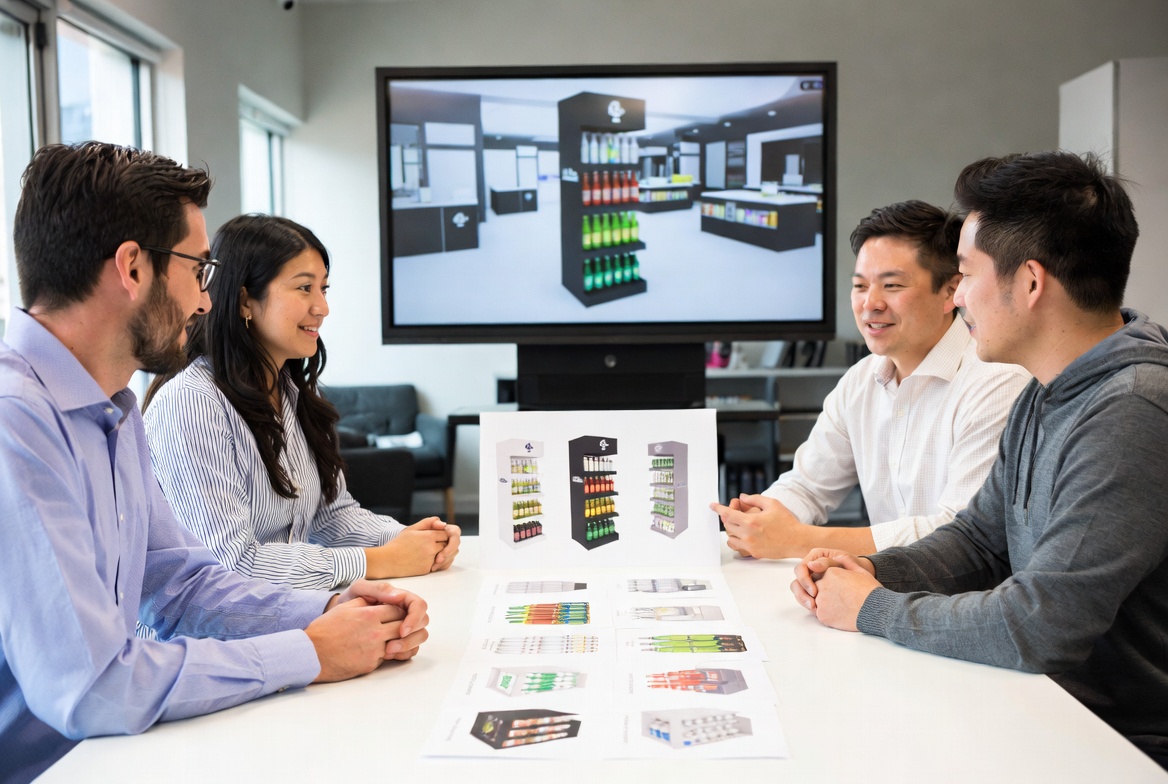
Beverage innovation is changing fast. Functional drinks, protein-added beverages, heritage-inspired flavors, and storytelling around authenticity are all shaping consumer interest in 2026. That means display stands must do more than present bottles or cans; they must help shoppers understand why the product is relevant now.
To match these trends:
- Use display graphics that highlight function, origin, or occasion.
- Create space for QR codes or digital content when the product story needs more detail.
- Design the stand so seasonal or limited-edition variants can be swapped quickly.
- Use messaging that supports discovery, such as "new," "functional," "limited," or "premium."
This is especially useful for beverage brands entering new markets or launching export-focused products with less local awareness.
A Practical Design Process for Brands and Manufacturers
A strong beverage display stand is easier to build when the process is clear. Based on real-world merchandising practice, the planning sequence should be simple and repeatable.
1. Define the goal.
- Is the display for launch, awareness, seasonal promotion, or permanent brand presence?
2. Define the channel.
- Is it for convenience stores, supermarkets, pharmacies, or food-service environments?
3. Choose the stand format.
- Counter display, floor display, pallet display, or sidekick unit.
4. Match materials to the campaign life cycle.
- Short-term, mid-term, or reusable?
5. Plan capacity and replenishment.
- How many facings, how many units per shelf, and how often will staff restock?
6. Finalize graphics and claims.
- Keep copy short, legible, and consistent with the product story.
7. Test before full rollout.
- Trial the design in selected stores, gather feedback, and improve the layout before scaling.
This process reduces waste and improves the odds that the final display will perform in real retail conditions.
Expert Tips for Stronger Shelf Performance
Many displays fail because they try to say too much. A better approach is to focus on one message, one product story, and one action for the shopper. That principle improves both clarity and speed of decision-making.
Practical expert tips include:
- Use one hero message only.
- Keep typography large and readable.
- Avoid too many decorative elements.
- Match the stand shape to the product size.
- Keep the brand story visible from a distance.
- Make restocking simple for store staff.
If the display is attractive but hard to maintain, it will lose performance quickly. If it is easy to use, it is more likely to stay looking good throughout the campaign.
How Manufacturers Can Add Real Value
For manufacturers, the best display stand is one that balances branding, print quality, logistics, and retail practicality. That means asking the right questions before production begins. What is the product weight? How long will the display stay in store? Will it ship flat or assembled? Can it be reused across multiple campaigns?
This is where an experienced production partner matters. A good manufacturer does not only print graphics. It helps with structure, material selection, assembly logic, and campaign consistency across regions and channels.
Conclusion
A high-performing beverage display stand is built on clarity, structure, and shopper convenience. When the design matches the product, the channel, and the promotion goal, it can improve attention and support better in-store results. The strongest displays are simple to understand, easy to maintain, and visually aligned with the brand story.
For beverage brands and distributors looking to upgrade their retail presence, the next step is to turn design into a production plan. A well-built display stand can become a repeatable sales asset across markets, seasons, and product launches.

FAQ
1. What is the most important design element in a beverage display stand?
Clear visual hierarchy is usually the most important element because it helps shoppers notice the product and promotion quickly.
2. Which materials are best for short-term beverage promotions?
Corrugated and other lightweight paper-based materials are often suitable for short-term campaigns because they are efficient to produce and print.
3. How can a beverage display stand improve sales?
It can increase product visibility, simplify the shopping decision, and support impulse purchases through stronger presentation.
4. Should beverage display stands include digital elements?
Yes, QR codes or digital touchpoints can help deliver product details, campaign content, or purchase links without overcrowding the stand.
5. How do I choose the right display format?
Choose based on channel, product weight, campaign length, and how much floor or counter space is available.
References
- [Designing High-Impact Beverage Display Stands: Expert Strategies From a 20-Year Display Manufacturer] [xkdisplay]
- [7 Visual Merchandising Tips for Your Retail Space] [mimeo]
- [10 Key Principles of Visual Merchandising for Retailers] [springfair]
- [7 Features of a High-Impact Retail Display] [smurfitwestrock]
- [How To Gather & Use Analytics For In-Store Retail Displays] [darkoinc]
- [The Top 10 Beverage Trends to Know for 2026] [datassential]
- [Drink Different: The Bold Beverage Trends Taking Over 2026] [graphicpkg]
- [Beverage Packaging Trends 2026: Key Innovations Shaping the Future] [datafa]
- [Best Materials for Sustainable Exhibition Stands: 2026 Guide] [ecostands]
- [15 Strategies for a Sustainable Exhibition Stand] [t3systems]
- [How to create sustainable exhibition stands] [quadrant2design]
- [Impact of different types of in-store displays on consumer purchase behavior] [sciencedirect]


