Content Menu
● Introduction: Why Retail Displays Matter More in 2026
● Retail Display Trends vs. Brand Priorities
● Trend 1: Modular Displays Are Replacing Static Fixtures
● Trend 2: Sustainability Is Becoming a Buying Requirement
● Trend 3: Digital Elements Are Now Part of Display Planning
● Trend 4: Experiences Are Replacing Simple Product Stacking
● Expert View: What Brands Often Miss
● Practical Selection Guide
● Why This Matters for Export Brands
● Conclusion
● FAQ
● References
Retail display trends are moving fast in 2026, but the brands winning attention are not simply chasing "new." They are comparing flexibility vs. permanence, physical impact vs. digital enhancement, and visual appeal vs. operational efficiency to build displays that sell more and waste less.
Introduction: Why Retail Displays Matter More in 2026
Retail display strategy has become a direct part of revenue planning, not just store decoration. In 2026, retailers are operating in a market shaped by value-seeking shoppers, tighter budgets, and a stronger demand for experiences that feel useful, memorable, and easy to shop. At the same time, the broader retail display market continues to expand, which shows that brands still see display investment as a competitive advantage rather than a cosmetic expense.
From a manufacturer's point of view, the best display is not the one that looks the most impressive in a mockup. It is the one that performs across brand visibility, shipping efficiency, installation speed, and campaign adaptability. For brands working with display partners like Shenzhen XingKun Packing Products Co., Ltd., the real question is how to choose the right display format for each store, product line, and campaign cycle.
Retail Display Trends vs. Brand Priorities
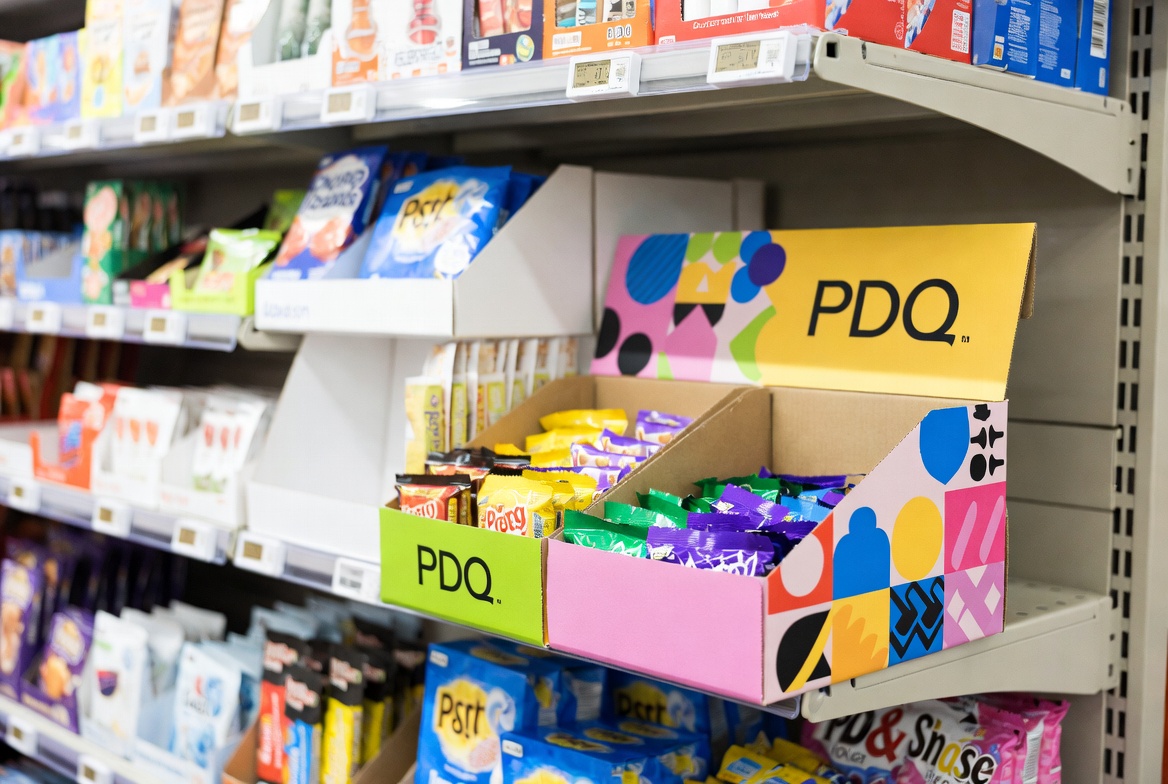
The retail display conversation in 2026 is not only about design trends. It is about how each trend supports a business priority, such as faster launches, stronger storytelling, or lower total cost of ownership. The table below shows the most important trade-offs brands are making.
| 2026 Retail Display Trend | Brand Goal It Supports | Best Fit Use Case |
| Modular and reconfigurable displays | Faster campaign refreshes | Seasonal promotions, multi-store rollouts |
| Sustainable and mono-material construction | Lower waste and stronger brand trust | Eco-conscious brands, premium retail, export markets |
| Digital and interactive integration | Higher engagement and measurable attention | Flagship stores, launches, retail media zones |
| Experiential and immersive storytelling | Stronger emotional connection | Beauty, lifestyle, electronics, premium FMCG |
| Flat-pack and transport-efficient fixtures | Lower logistics cost | Global distribution, fast-moving promotions |
This comparison matters because not every trend is right for every brand. A display that works well in a luxury boutique may be inefficient in a high-volume distributor showroom. The smartest brands now choose displays the same way they choose packaging: by balancing brand expression with operational reality.
Trend 1: Modular Displays Are Replacing Static Fixtures
One of the clearest shifts in 2026 is the rise of modular retail displays. These systems let brands update graphics, shelves, and product arrangements without replacing the entire unit, which improves campaign flexibility and reduces waste. For brands managing multiple launches per year, this is a major advantage because it supports local adaptation without rebuilding from scratch.
In practical terms, modularity means three things. First, store teams can set up displays faster. Second, brand managers can refresh messaging without a full production cycle. Third, the same base structure can support multiple product categories across different seasons.
This trend is especially relevant for exporters and manufacturers because it reduces the risk of overcommitting to one campaign design. A well-engineered modular display can be reused across markets, making it easier to support both short-term promotions and longer-term retail programs.
Trend 2: Sustainability Is Becoming a Buying Requirement
Sustainability is no longer an optional brand story. In 2026, brands are increasingly choosing eco-friendlier materials, reusable structures, and shipping methods that reduce freight volume and disposal costs. Reclaimed wood, recycled acrylics, recyclable steel, and mono-material designs are being used not just because they sound good, but because they align with procurement goals and customer expectations.
From a practical manufacturing perspective, sustainability also means designing for disassembly, repair, and flat-pack shipping. Those choices can cut transportation waste and make displays easier to store between campaigns. For global brands, this is especially important because sustainability requirements often differ by market, retailer, and channel partner.
A useful way to compare sustainable display options is this:
- Recyclable materials, best for high-volume campaigns where cost control matters.
- Reusable modular systems, best for brands running multiple seasonal launches.
- Premium long-life fixtures, best for flagship stores and permanent retail locations.
- Flat-pack structures, best for international shipping and distributor networks.
The strongest sustainability strategy is usually not one material choice. It is a system that reduces waste at every stage, from production to installation to reuse.
Trend 3: Digital Elements Are Now Part of Display Planning
Digital integration is one of the most visible shifts in retail displays for 2026. Brands are adding screens, connected content, and data-aware display systems to improve attention and create measurable shopper interaction. This is especially common in retail media environments, where the display is expected to do more than hold products.
The important comparison here is not "digital versus physical." It is digital plus physical versus static merchandising. Physical displays still matter because they shape first impressions, product access, and tactile trust. Digital layers work best when they support those functions, not replace them.
Brands that use digital displays well usually follow three rules:
1. Keep the message short and highly visible.
2. Use motion only where it improves clarity.
3. Match the content schedule to store traffic and campaign timing.
For manufacturers, this trend creates a new design responsibility. Displays must now account for cable routing, screen mounting, heat management, maintenance access, and update workflows. That means the best partners are those who can think about both structure and content delivery.
Trend 4: Experiences Are Replacing Simple Product Stacking
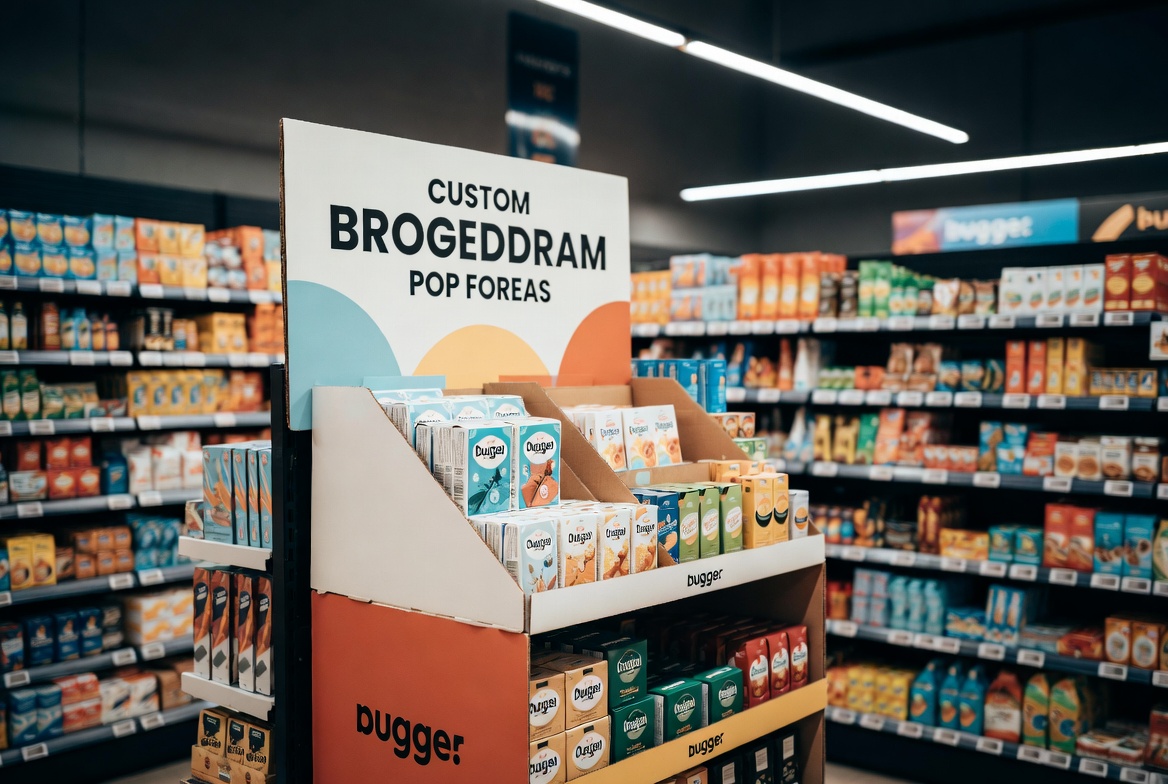
In 2026, brands are using displays to create retail moments, not just product rows. Experiential and immersive retail displays are becoming more common because shoppers increasingly expect stores to feel special, personal, and worth visiting. This is especially true in beauty, fashion, electronics, and premium consumer categories.
The most effective experiential displays usually contain one strong idea, not many. That idea could be a hero product spotlight, a touch-and-feel feature, a themed environment, or a story-led layout that connects the product to a lifestyle benefit. When done well, the display guides the shopper without requiring much explanation.
However, experience should not come at the cost of usability. If the display is too complex, too fragile, or too difficult to replenish, store performance suffers. That is why brands are now balancing visual drama with operational simplicity.
Expert View: What Brands Often Miss
From the production side, many brands focus too much on visual mockups and not enough on execution. A display that looks excellent on screen can fail in real stores if it is hard to ship, expensive to assemble, or too fragile for repeated use. The most successful retail display programs are built around real store conditions, not just creative concepts.
The most common mistakes are:
- Designing for appearance before logistics.
- Choosing materials that cannot survive repeated handling.
- Ignoring installation time in busy retail environments.
- Building displays that cannot be reused across markets.
- Forgetting that store staff need simple, clear instructions.
This is where a seasoned manufacturer adds real value. With more than 20 years of production experience and service across 30+ countries and regions, a supplier can help brands turn a good idea into a reliable retail asset. That is especially important for export-focused brands that need consistent quality across multiple markets.
Practical Selection Guide
Brands comparing retail display options in 2026 should evaluate each concept using the same framework. That makes it easier to decide which trend is truly useful and which is only visually appealing.
1. Define the campaign lifespan.
2. Confirm the store format and footprint.
3. Identify the product weight, size, and replenishment pattern.
4. Choose materials that fit budget, durability, and brand image.
5. Test assembly time before mass production.
6. Review shipping method and storage needs.
7. Confirm whether the structure can be reused or re-skinned.
A display should solve a business problem. If the main problem is speed, modularity matters most. If the main problem is brand prestige, finish quality and storytelling matter more. If the main problem is global rollout efficiency, flat-pack engineering and standardized components become critical.
Why This Matters for Export Brands
For export-oriented manufacturers and brands, retail display trends are also a sourcing decision. The right supplier should be able to support custom design, scalable production, stable quality control, and international logistics. That is particularly valuable for brands launching in multiple regions with different store sizes and merchandising requirements.
Shenzhen XingKun Packing Products Co., Ltd. is positioned for this kind of work because it combines printing, packaging, and display production in one supply chain. That matters because retail displays increasingly need coordinated graphics, structure, and packaging execution rather than isolated parts. In practice, this reduces handoff risk and helps brands move from design to shelf more efficiently.
Conclusion
The biggest retail display trends in 2026 are not just more digital, more sustainable, or more interactive. They are more adaptable, more efficient, and more closely tied to business outcomes. Brands that compare trends through the lens of lifecycle value will make better display decisions than brands that chase aesthetics alone.
For companies planning their next display rollout, the smartest next step is to evaluate modularity, material choice, logistics, and installation speed together. A display that supports all four will usually outperform one that only looks impressive in a presentation.
If your brand is planning a retail launch, seasonal promotion, or export-market rollout in 2026, build your next display around reuse, speed, and measurable store impact.
FAQ
1. What is the biggest retail display trend in 2026?
Modular, reusable, and reconfigurable displays are one of the biggest trends because brands want flexibility and lower waste.
2. Are sustainable retail displays more expensive?
Not always. Some sustainable options cost more upfront, but reusable and flat-pack systems can lower long-term costs through reduced freight, disposal, and replacement needs.
3. Do digital retail displays work for every brand?
No. Digital elements work best when they support a clear retail goal such as engagement, storytelling, or retail media placement.
4. Why are brands choosing modular displays?
Because they can update graphics and product arrangements without replacing the whole fixture, which saves time and improves campaign flexibility.
5. What should brands ask a display manufacturer before ordering?
They should ask about material options, installation time, shipping format, reuse potential, quality control, and whether the design can be adapted for different markets.
6. How can a display supplier support export brands better?
An experienced supplier can align design, printing, packaging, and production so the brand gets consistent results across regions and store formats.
References
- [Darko Inc. – The Top Retail Display Trends for 2026] [darkoinc]
- [Franklin Display – Keep An Eye On These 2026 Trends in Retail Displays] [new.franklindisplay]
- [Frank Mayer – The Benefits of Modular Retail Displays] [frankmayer]
- [shopPOPdisplays – 2026 Retail Display Trends: What's In and What's Out] [shoppopdisplays]
- [Acrylic Design – Six Retail Display Trends That Will Shape 2026] [acrylicdesign]
- [Frank Mayer – Building an Eco-Friendly Retail Display] [frankmayer]
- [Dataintelo – Global Retail Displays Market] [dataintelo]
- [Deloitte – 2026 Retail Industry Global Outlook] [deloitte]
- [Rockbot – Retail Media Trends 2026] [blog.rockbot]
- [MarketsandMarkets – Display Market Size, Share & Growth Analysis] [marketsandmarkets]
- [XingKun – Display Stands Manufacturer] [xkdisplay]
- [XingKun – Display Stands] [xkdisplay]


