Content Menu
● What Are Logistics Labels?
● Why Logistics Labels Matter in Supply Chains
>> Key business benefits
● Common Types of Logistics Labels
● What Makes a Good Logistics Label?
>> Core quality requirements
● Logistics Labels and Compliance
>> Common compliance-related needs
● Latest Trends in Logistics Labels
>> 1. Variable-data printing is becoming standard
>> 2. Sustainability is changing label materials
>> 3. Smart labels are expanding
● How to Choose the Right Logistics Label
>> Step-by-step selection guide
● Logistics Label Materials and Performance
● Expert Insights from the Packaging Side
● Industry Use Cases
>> Warehousing
>> E-commerce fulfillment
>> Export packaging
>> Manufacturing
● Best Practices for High-Performance Logistics Labels
● Why Logistics Labels Support SEO and Branding Too
● How XingKun Supports Logistics Label Projects
● Conclusion
● FAQ
>> 1. What are logistics labels used for?
>> 2. What information should a logistics label include?
>> 3. What is the best material for logistics labels?
>> 4. Why are GS1 standards important for logistics labels?
>> 5. Are logistics labels different from shipping labels?
>> 6. Can logistics labels be customized for OEM and ODM projects?
● References
In modern supply chains, logistics labels do far more than identify a box. They help brands track inventory, reduce shipping errors, support compliance, and improve delivery speed from the warehouse to the final destination.
For importers, exporters, wholesalers, and manufacturers, the right logistics label is not just a sticker. It is a data carrier, a compliance tool, and a critical part of operational efficiency.
What Are Logistics Labels?
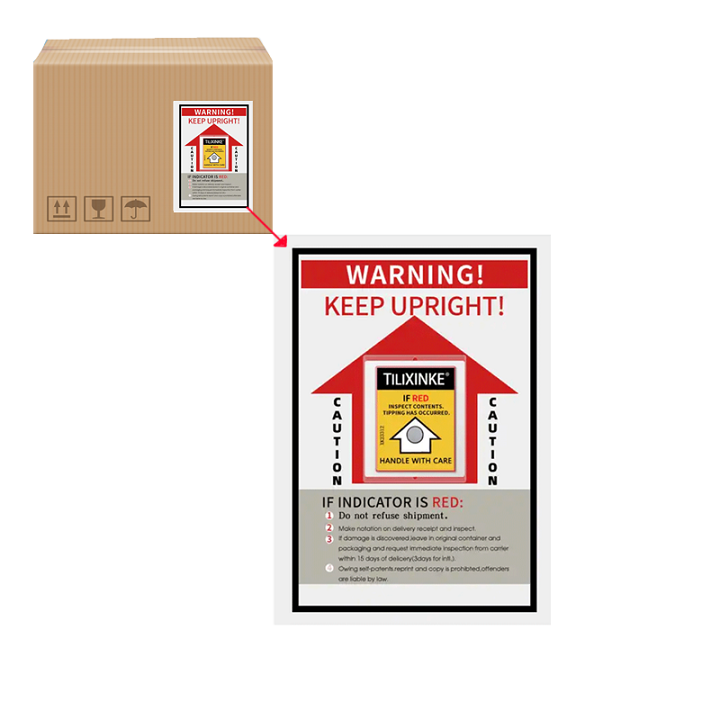
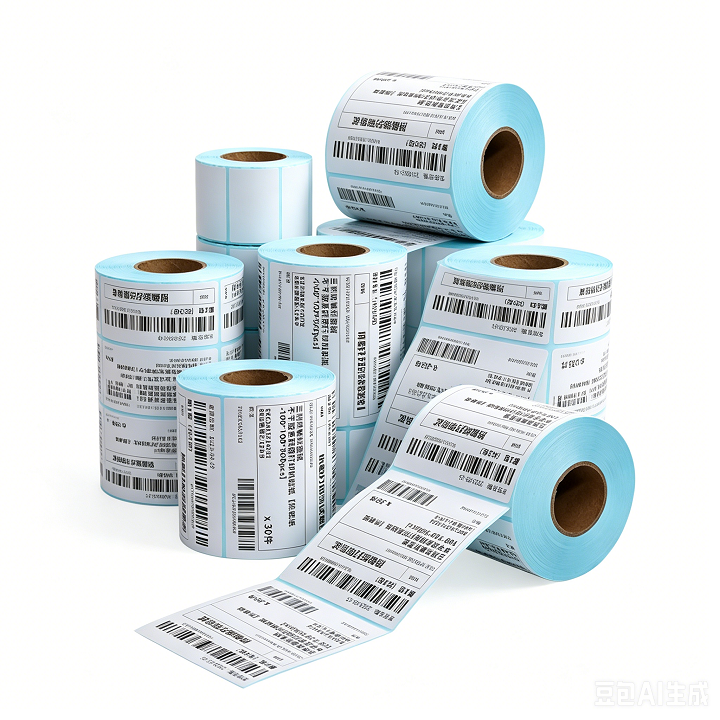
Logistics labels are printed labels used to identify, track, route, and manage goods throughout the supply chain. They are commonly applied to cartons, pallets, cases, parcels, bins, and containers.
These labels often include:
- Barcodes or QR codes.
- Item names or SKU codes.
- Batch or lot numbers.
- Serial numbers.
- Shipping addresses.
- Handling instructions.
- Hazard or compliance information.
In practice, logistics labels help different departments and partners "speak the same language," from production and warehouse teams to freight forwarders and last-mile carriers. That is why accurate labeling is a core requirement in supply chain efficiency and traceability. [labelvalue]
Why Logistics Labels Matter in Supply Chains
A well-designed logistics label improves visibility, accuracy, and speed. Without it, warehouses struggle with mispicks, delayed shipments, inventory mismatch, and avoidable returns.
Key business benefits
- Faster scanning and sorting at receiving and dispatch points.
- Improved inventory control through real-time tracking.
- Lower error rates in picking, packing, and shipping.
- Better compliance with industry and transport standards.
- Stronger customer trust through accurate and traceable delivery.
From a supply chain perspective, labels act as the communication bridge that keeps goods moving efficiently through each stage of handling and transport. [labelvalue]
Common Types of Logistics Labels
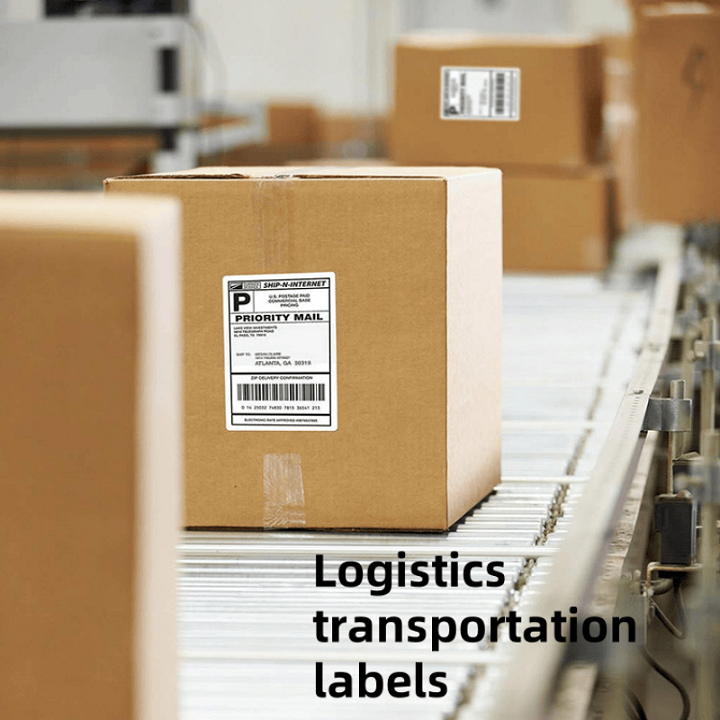
Different logistics workflows require different label constructions and print methods. Choosing the right format depends on the product, environment, surface, and scanning requirements.
| Label Type | Best For | Main Advantage |
| Thermal transfer labels | Warehouse, shipping, inventory | Durable and scannable |
| Direct thermal labels | Short-term parcel and shipping use | Fast and economical |
| Polypropylene labels | Moisture-prone or refrigerated goods | Water resistance |
| Polyester labels | Industrial, chemical, or harsh environments | High durability |
| Void or security labels | Tamper-evident applications | Anti-counterfeit protection |
| RFID labels | Advanced tracking and automation | Contactless identification |
For many companies, the right choice is not one "universal" label, but a label system built around use case, substrate, and operating conditions.
What Makes a Good Logistics Label?
A strong logistics label must be readable, durable, and compliant. It should survive handling, storage, transport, and scanning without fading or peeling.
Core quality requirements
- High barcode contrast for fast scanning.
- Strong adhesive matched to the carton or pallet surface.
- Resistance to moisture, abrasion, and temperature changes.
- Consistent print clarity for text and codes.
- Correct sizing for equipment and international shipping standards.
In our experience working with international packaging buyers, the most common logistics label failures are not design-related. They are usually caused by wrong material selection, poor adhesive performance, low print contrast, or incomplete data fields.
Logistics Labels and Compliance
For export-oriented businesses, logistics labels are often tied to compliance. In many industries, labels must follow standards for identification, traceability, and safety documentation.
Common compliance-related needs
- GS1 logistic label formats for global identification and traceability.
- Hazardous goods markings for regulated transport.
- Country-of-origin labeling for cross-border shipments.
- Batch and lot traceability for recall readiness.
- Industry-specific identifiers for food, pharma, automotive, and electronics.
GS1 guidance is especially important because it provides a globally recognized structure for logistic unit identification and supply chain interoperability. In regulated transport environments, incorrect labeling can cause shipment delays, fines, product recalls, or safety risks. [teklynx]
Latest Trends in Logistics Labels
The logistics label market is being shaped by three major forces: e-commerce growth, sustainability, and smart identification. Recent market reporting shows continued expansion in the broader label sector, with Asia-Pacific remaining the largest market and digital printing growing quickly. [mordorintelligence]
1. Variable-data printing is becoming standard
As parcel volume grows, brands need labels that can change quickly by SKU, destination, language, or destination channel. Digital inkjet and variable-data systems are increasingly important for same-day fulfillment and short-run logistics applications. [mordorintelligence]
2. Sustainability is changing label materials
Brands are under pressure to reduce liner waste, improve recyclability, and support circular packaging goals. This is pushing converters toward linerless formats, wash-off adhesives, and recycled-content facestocks. [mordorintelligence]
3. Smart labels are expanding
RFID and other connected-label technologies are helping companies improve visibility, authentication, and inventory control. These labels are especially useful where speed, traceability, and loss prevention matter.
How to Choose the Right Logistics Label
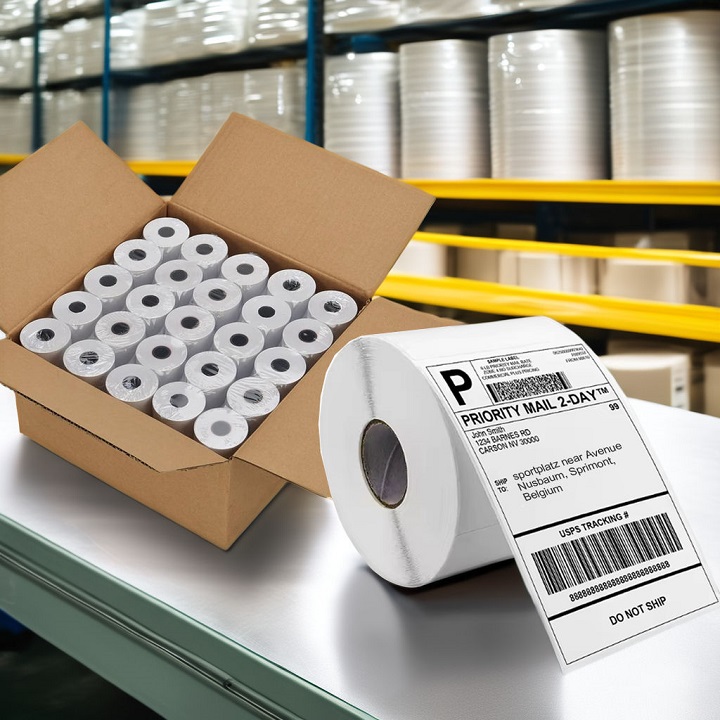
Selecting the right logistics label requires more than choosing a size and barcode. You need to match the label to the product flow, environment, and scanning process.
Step-by-step selection guide
1. Define the application: carton, pallet, parcel, bin, or return label.
2. Check the surface: corrugated board, plastic, film, metal, or rough texture.
3. Identify the environment: dry storage, cold chain, outdoor transport, or high abrasion.
4. Choose the print method: thermal transfer, direct thermal, flexo, or digital.
5. Confirm compliance needs: GS1, hazardous material, export, or industry standards.
6. Test for performance: adhesion, scan rate, rub resistance, and temperature tolerance.
7. Validate with real workflow conditions before mass production.
Logistics Label Materials and Performance
Different materials solve different operational problems. This is where many buyers save cost at the wrong stage and later pay more through reprints, damaged labels, or failed scans.
| Material | Strengths | Limitations |
| Paper | Low cost, suitable for dry cartons | Poor moisture resistance |
| PP | Water-resistant, good print quality | Less ideal for very rough handling |
| PET | Excellent durability and heat resistance | Higher cost |
| PE | Flexible and conformable | May stretch on some surfaces |
For export and warehouse operations, the best material is usually the one that keeps the barcode readable until the final handoff.
Expert Insights from the Packaging Side
At Shenzhen XingKun Packing Products Co., Ltd., we see logistics labels as part of a bigger packaging system. A label must work not only on paper, but also in real-world operations where cartons are stacked, handled, exposed to humidity, and scanned under time pressure.
That is why professional buyers should evaluate three things before ordering:
- Operational environment.
- Data accuracy and print consistency.
- Long-term supply stability.
In B2B packaging, small label defects can create large downstream costs. A weak adhesive can delay a shipment. A barcode with poor contrast can slow a warehouse. A label that fails under cold storage can trigger rework. Good logistics labeling prevents all three.
Industry Use Cases
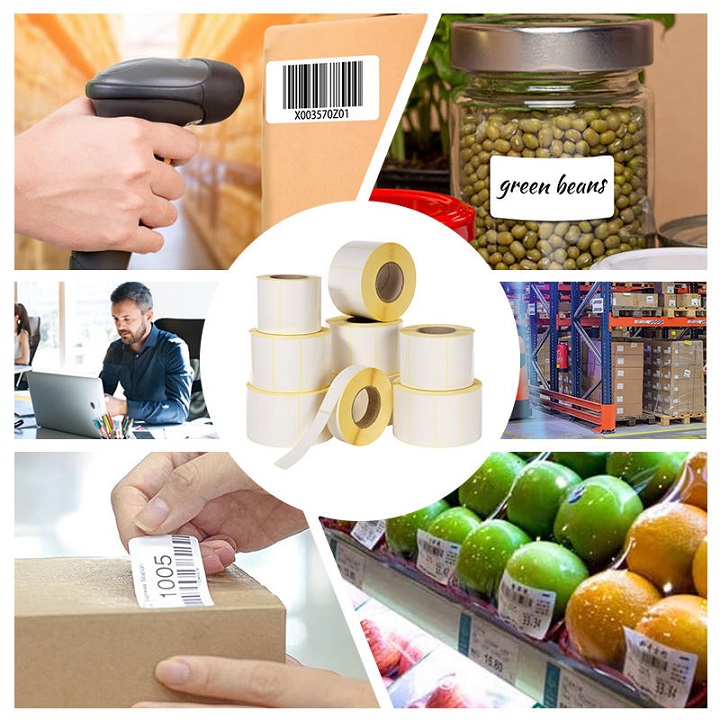
Warehousing
Logistics labels support bin location, stock rotation, and fast picking. They reduce confusion in high-volume facilities and help teams process inbound and outbound goods more accurately.
E-commerce fulfillment
Parcel labels must print quickly and scan reliably. For this reason, many e-commerce operations prefer variable-data labels with strong adhesive and clean barcode contrast.
Export packaging
Cross-border shipments often require destination data, handling instructions, and traceability fields. In export environments, the label becomes part of the documentation workflow.
Manufacturing
Factories use logistics labels to track work-in-progress, finished goods, pallets, and batch movement. This improves inventory accuracy and supports recall readiness when needed.
Best Practices for High-Performance Logistics Labels
To improve label performance across the supply chain, follow these proven practices:
- Use a standard label layout across products and plants.
- Keep barcode zones clean and uncluttered.
- Match adhesive to the surface, not just the size of the label.
- Use durable materials for cold chain or outdoor exposure.
- Test print quality regularly across printers and production lines.
- Maintain version control for label artwork and data fields.
- Train operators to inspect labels before shipment.
These steps reduce labeling errors and support a smoother supply chain workflow. [teklynx]
Why Logistics Labels Support SEO and Branding Too
For industrial buyers, logistics labels are often viewed as purely operational. But they also support brand consistency, especially when cartons move through distributors, retailers, and overseas warehouses.
A professional logistics label can:
- Present a cleaner supply chain image.
- Reduce disputes over missing or incorrect shipment data.
- Reinforce trust in your fulfillment process.
- Support OEM and ODM customers who expect accuracy and reliability.
That makes logistics labels both a functional asset and a brand-quality signal.
How XingKun Supports Logistics Label Projects
XingKun provides OEM and ODM packaging solutions for overseas brands, wholesalers, and manufacturers. For logistics labels, that means we can support projects that require:
- Custom sizes and layouts.
- Barcode and variable-data printing.
- Material selection based on use environment.
- Export-ready packaging integration.
- High-volume production consistency.
If your business needs logistics labels for cartons, pallets, shipping, or industrial identification, the best results usually come from working with a factory that understands both printing precision and packaging workflow.
Conclusion
Logistics labels are a small part of a package, but a major part of supply chain performance. When designed correctly, they improve traceability, reduce errors, support compliance, and help goods move faster from production to delivery.
For brands that want better efficiency and fewer labeling issues, the right approach is to choose the correct material, layout, and print standard from the beginning. If you need a custom logistics label solution for export packaging, warehouse tracking, or OEM supply chains, now is the right time to start.
CTA: Contact XingKun to discuss custom logistics labels for your cartons, pallets, and shipping operations.
FAQ
1. What are logistics labels used for?
Logistics labels are used to identify, track, and route goods through the supply chain. They help with shipping, warehousing, inventory control, and compliance.
2. What information should a logistics label include?
A logistics label usually includes product codes, barcodes, batch numbers, shipping data, handling notes, and sometimes compliance markings.
3. What is the best material for logistics labels?
The best material depends on the environment. Paper works for dry cartons, while PP, PET, or PE is better for moisture, abrasion, or industrial conditions.
4. Why are GS1 standards important for logistics labels?
GS1 standards help businesses create globally recognized logistic labels for better traceability, scanning accuracy, and supply chain interoperability. [gs1]
5. Are logistics labels different from shipping labels?
Yes. Shipping labels are usually a type of logistics label, but logistics labels can also include pallet labels, carton labels, warehouse labels, and internal tracking labels.
6. Can logistics labels be customized for OEM and ODM projects?
Yes. Logistics labels can be customized in size, material, barcode format, print method, and layout to fit different OEM and ODM supply chains.
References
1. LabelValue, "The Role of Labels in The Supply Chain Efficiency." [https://www.labelvalue.com/blog/the-role-of-labels-in-the-supply-chain-efficiency-keep-things-moving]
2. Google Search Central, "Creating Helpful, Reliable, People-First Content." [https://developers.google.com/search/docs/fundamentals/creating-helpful-content]
3. Mordor Intelligence, "Label Market Size, Growth Trends 2026 - Forecast Analysis." [https://www.mordorintelligence.com/industry-reports/global-label-market]
4. TEKLYNX, "Transportation and Logistics Labeling Solutions." [https://www.teklynx.com/en/blog/transportation-logistics-labeling-solutions]
5. Moz, "What is Google E-E-A-T? Guidelines and SEO Benefits." [https://moz.com/learn/seo/google-eat]
6. iO Digital, "Google E-E-A-T: creating content that puts people first." [https://www.iodigital.com/en/insights/blogs/google-e-e-a-t-creating-content-that-puts-people-first]
7. GS1, "GS1 Logistic Label Guideline." [https://www.gs1.org/standards/logistic-label-guideline]


