Content Menu
● Why Big-Box Stores Matter
● What Big-Box Buyers Really Want
● Build Retail Readiness First
● Research the Right Retailer
● Prepare a Pitch That Sells
● Packaging and Display Strategy
● 30-60-90 Day Launch Plan
>> First 30 Days
>> Days 31-60
>> Days 61-90
● Common Mistakes to Avoid
● Why Display Stands Can Help
● How to Improve Your Chances
● FAQ
>> 1. What is the first step to get a product into big-box stores?
>> 2. What do big-box buyers care about most?
>> 3. Do I need retail-ready packaging?
>> 4. Why are display stands important?
>> 5. How can a small brand compete with larger suppliers?
● References
Getting your product into big-box stores is not just about having a good item. It is about proving that your brand can sell, supply, and sustain at scale. For manufacturers, distributors, and growing brands, the opportunity is huge because big-box retailers bring traffic, trust, and volume—but only when your product is ready for the demands of large-format retail.
Why Big-Box Stores Matter
Big-box stores give products massive exposure and a chance to reach shoppers who may never find them online. They also help brands build credibility because many buyers associate major retail placement with quality, reliability, and market validation.
For manufacturers, the upside goes beyond visibility. A successful retail listing can open the door to repeat orders, larger production runs, stronger distributor relationships, and better brand recognition in new markets.
What Big-Box Buyers Really Want
A buyer is not only asking whether the product looks good. They are asking whether it can make money, move quickly, and create fewer problems than competing items.
Before any retailer says yes, they usually want clear answers to questions like:
- Does the product solve a real customer need?
- Is the price point competitive for the store's audience?
- Can the supplier deliver consistently?
- Will the product earn shelf space, end-cap space, or display placement?
- Is the packaging durable, compliant, and retail-ready?
If your answers are vague, the buyer's confidence drops fast. If your answers are specific, measurable, and easy to verify, your chances improve immediately.
Build Retail Readiness First
Before you pitch any large retailer, your operation needs to look dependable. That means stable manufacturing capacity, consistent lead times, clear QC standards, and the ability to handle both regular replenishment and seasonal spikes.
A strong retail-ready setup should include:
- Clear product specifications.
- Reliable inventory planning.
- Retail-compliant labeling and packaging.
- A sell sheet with pricing, dimensions, and order information.
- Proof that you can support volume without damaging quality.
This is especially important for display stands and packaging products, where structure, shipping protection, and visual presentation all affect performance at shelf.
Research the Right Retailer
Not every big-box store is the right fit. Your product should match the retailer's audience, price structure, category logic, and merchandising style.
A practical way to evaluate fit is to compare:
| Factor | What to Check |
| Customer profile | Who shops there, and why |
| Price range | Whether your product matches the store's value level |
| Category fit | Whether the store already sells similar items |
| Space potential | Whether your product can earn shelf or display placement |
| Supply expectations | Whether you can support the order volume |
The best retailer is not always the biggest one. It is the one where your product can fit naturally and stay profitable over time.
Prepare a Pitch That Sells
Your pitch should make the buyer's job easier. That means presenting the product, the margin story, the shelf appeal, and the supply plan in a clean, fast, and professional format.
A strong pitch package should include:
1. A short brand introduction.
2. Product photos or samples.
3. Product dimensions and materials.
4. Wholesale pricing and case pack details.
5. Proof of demand or market traction.
6. Retail display suggestions.
7. A contact person who can respond quickly.
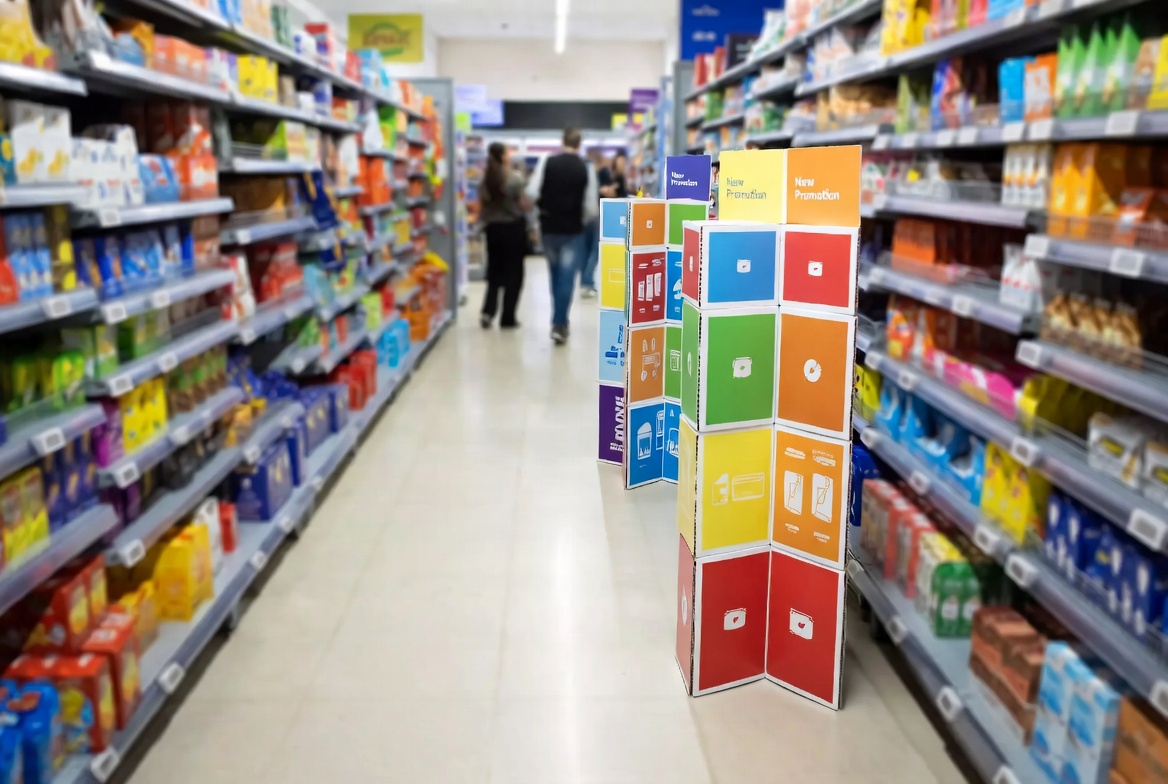
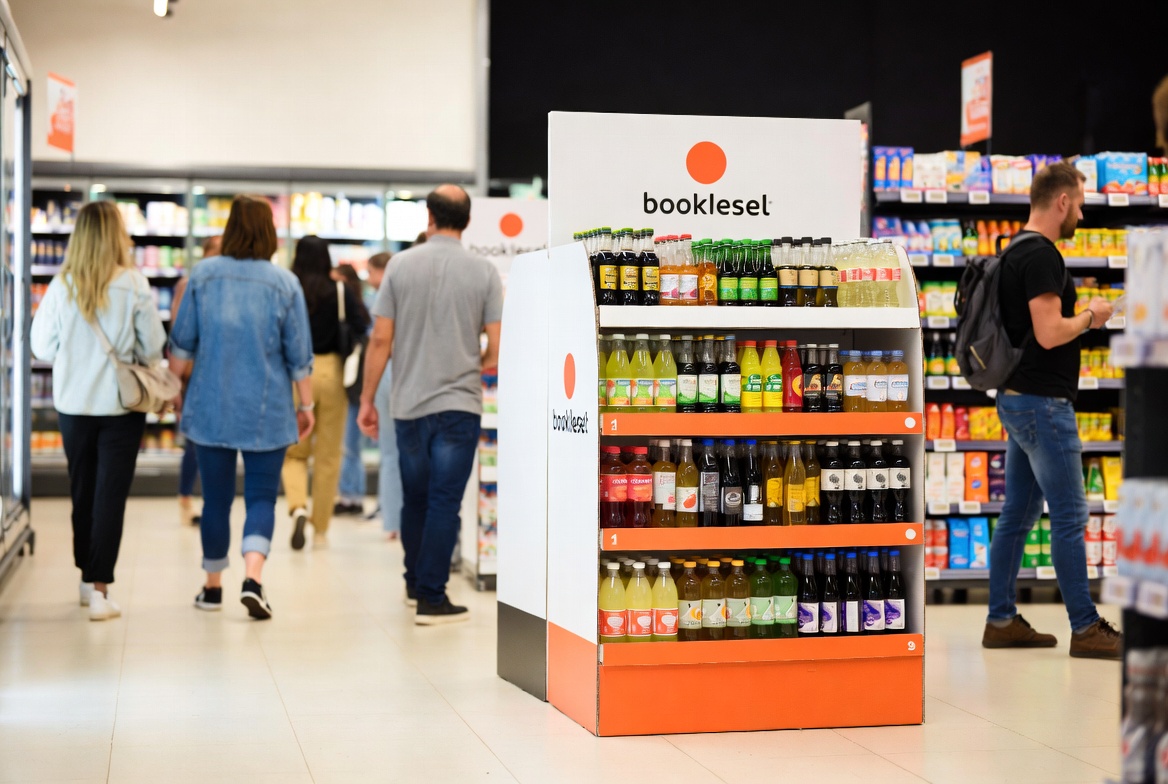
If possible, show how your product will look in the store. For display products, this is where custom stands, counter units, floor displays, and retail-ready packaging can make a major difference.
Packaging and Display Strategy
Packaging is not just protection. It is a sales tool. In big-box environments, the package must survive transport, fit store handling requirements, and still communicate value at a glance.
For display-driven products, your presentation strategy should answer three questions:
- Can the product be shipped safely?
- Can the store staff set it up quickly?
- Will it stand out in a crowded retail environment?
This is where display engineering matters. A strong structure improves visibility, supports conversion, and reduces store-level friction. For brands entering large retailers, a thoughtful display plan can be the difference between being stocked and being noticed.
30-60-90 Day Launch Plan
A better way to enter large retail is to treat it like a launch program, not a single pitch. That means building a 30-60-90 day plan before the first shipment goes out.
First 30 Days
Finalize packaging, pricing, compliance documents, and supply capacity. Confirm who owns replenishment, who handles issues, and how success will be tracked.
Days 31-60
Run the first retail shipment, monitor fill rates, and review how the product performs in-store. Track returns, display condition, and reorder signals.
Days 61-90
Adjust packaging, improve logistics, and refine your sell story based on what the retailer and shoppers actually respond to. If the launch works, build the case for expansion into more locations or more store formats.
This kind of execution plan reassures buyers that you are not just trying to get in—you are prepared to stay in.
Common Mistakes to Avoid
Many brands lose opportunities because they underestimate retail execution. The most common mistakes are easy to prevent once you know what to watch for.
Avoid these errors:
- Pitching before your supply chain is ready.
- Sending unclear pricing or case pack information.
- Ignoring packaging durability.
- Failing to show how the product creates store value.
- Treating the first meeting like a sales speech instead of a business discussion.
If you fix these issues early, you become easier to buy from—and that matters more than polished branding alone.
Why Display Stands Can Help
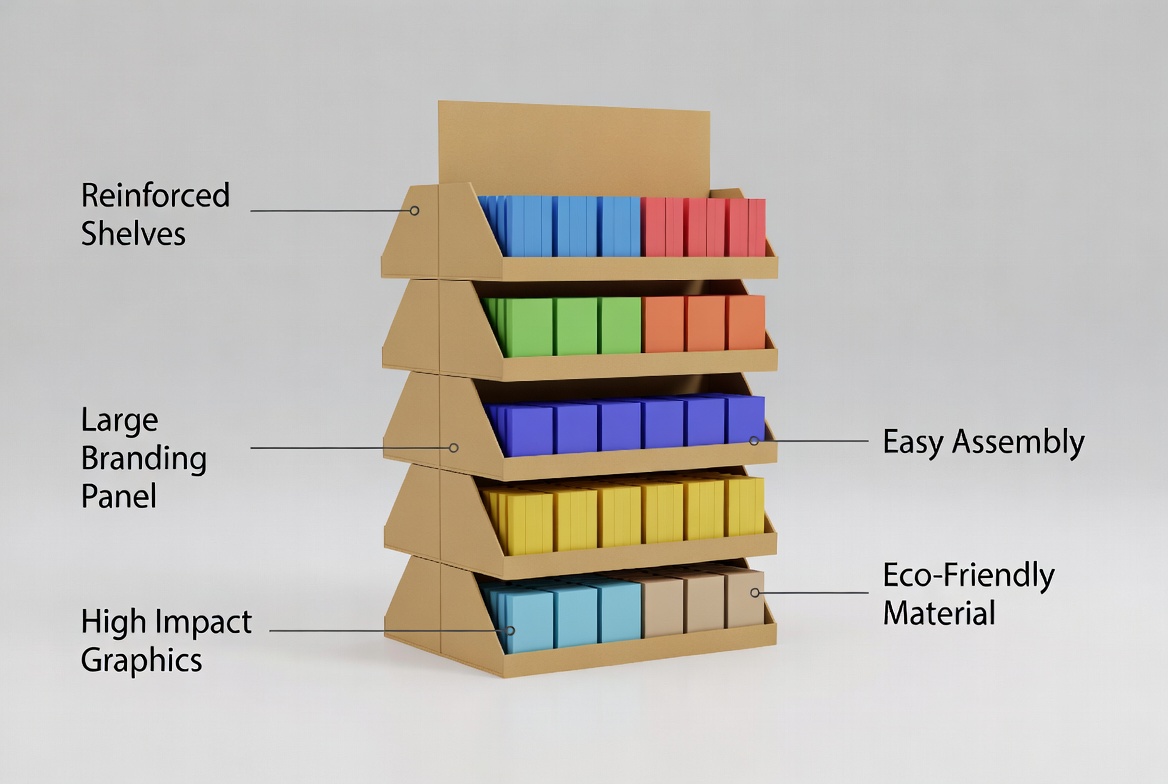
For products that rely on visibility, display stands are more than a merchandising tool. They are a practical way to improve attention, organize the assortment, and turn passive shelf space into active selling space.
A well-designed display stand can:
- Highlight new or seasonal products.
- Improve first-impression impact.
- Make setup easier for store staff.
- Support premium positioning.
- Increase impulse purchases.
For manufacturers and brands selling into large retail environments, display structure should be treated as part of the product strategy, not an afterthought.
How to Improve Your Chances
Success usually comes from preparation, not luck. The brands that win retail space are the ones that look reliable, profitable, and easy to execute.
Focus on these priorities:
- Make your offer easy to understand.
- Prove you can supply consistently.
- Show how your product fits the retailer's audience.
- Use packaging and display to strengthen shelf impact.
- Keep your follow-up professional and fast.
When the buyer sees low risk and clear value, your product becomes much easier to approve.
If you are preparing to enter big-box retail, now is the time to align your packaging, display, and supply strategy. A product with the right presentation and retail structure has a much better chance of earning attention, approval, and repeat orders. For brands and distributors that need custom display stands, retail-ready packaging, or structural solutions designed for large-format stores, a specialized manufacturing partner can turn a good pitch into a stronger retail opportunity.
FAQ
1. What is the first step to get a product into big-box stores?
The first step is to confirm that your product, pricing, supply capacity, and packaging are ready for retail review.
2. What do big-box buyers care about most?
They care about sell-through potential, margin, reliability, category fit, and whether the product creates less risk than competing options.
3. Do I need retail-ready packaging?
Yes. Packaging affects shipping protection, store handling, shelf appeal, and compliance expectations.
4. Why are display stands important?
Display stands improve visibility, help organize the product, and make it easier for shoppers to notice the brand in crowded retail spaces.
5. How can a small brand compete with larger suppliers?
By offering a clear value proposition, strong packaging, dependable supply, and a display strategy that helps the retailer sell more efficiently.
References
1. [Guide: How to Get Your Product Into Big Box Stores | CDN]
2. [Chapter 1: Why Market Your Products in Big-Box Stores?]
3. [How To Sell Directly To Big-Box Retail]
4. [Retail Distribution: Strategies and Best Practices for 2026]
5. [Best Practices for Setting Up Retail Displays | CDN]
6. [Supplier Requirements | Walmart Corporate]
7. [Suppliers | Target Corporate]
8. [Target Product Floor Display Guidelines]


