Content Menu
● Why packaging labels matter now
● What packaging labels are
● Packaging label types
● What buyers should consider
● Sustainability requirements
● Smart packaging labels
● Design principles that improve results
● A practical production workflow
● Why Chinese OEM suppliers are competitive
● Industry trends to watch
● Conclusion
● FAQ
>> 1. What are packaging labels used for?
>> 2. Which label type is best for custom packaging?
>> 3. Are sustainable packaging labels really necessary?
>> 4. Do packaging labels need QR codes or 2D barcodes?
>> 5. What should I check before ordering labels from a factory?
>> 6. Can one supplier handle labels and other packaging products together?
● References
Packaging labels are no longer just product identifiers. They now shape brand trust, shelf appeal, compliance, traceability, and sustainability in one small printed format. For brand owners, wholesalers, and manufacturers, the right label can improve conversion at retail and strengthen the entire packaging system. [marketresearch]
Why packaging labels matter now
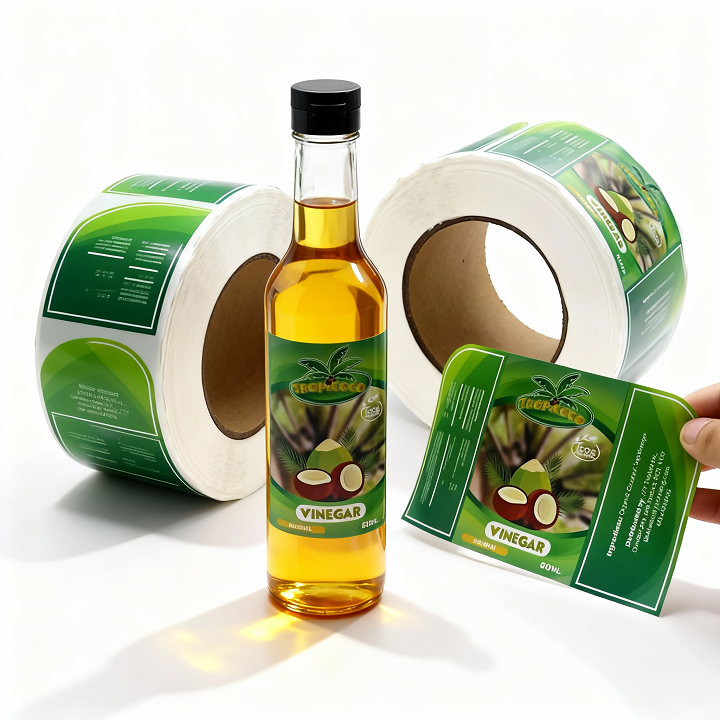
Packaging labels sit at the intersection of marketing and operations. On the front end, they help a product stand out; on the back end, they carry the information that retailers, regulators, and consumers increasingly expect. In 2026, the pressure on labels is rising because brands must balance visual impact with recyclability, variable data, and machine-readable codes. [gs1us]
From an OEM and ODM perspective, this matters even more. A label is not a standalone item; it must work with the package structure, printing process, distribution channel, and end-market regulations. At XingKun, we see packaging labels as part of a complete packaging strategy rather than a final decorative step. [xkdisplay]
What packaging labels are
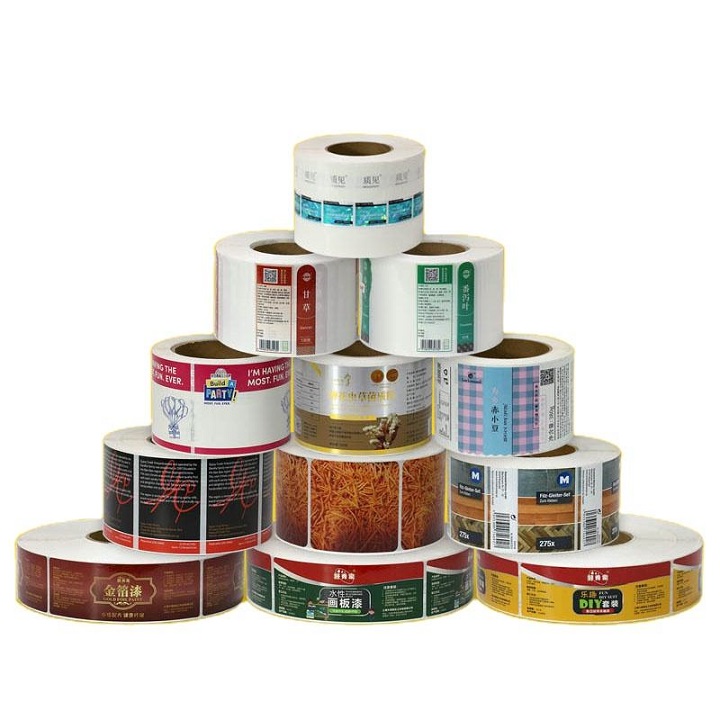
Packaging labels are printed or converted components attached to a package to communicate brand, product, legal, and logistics information. They can be decorative, informational, promotional, or compliance-driven, depending on the product category and market. Common formats include pressure-sensitive labels, shrink labels, stretch labels, linerless labels, and digitally printed variable-data labels. [futuremarketinsights]
A strong label system usually does four jobs at once:
- Identifies the product clearly.
- Reinforces the brand visually.
- Supports barcode or QR-based tracking.
- Helps the package comply with local labeling rules. [eprcompliance.co]
Packaging label types
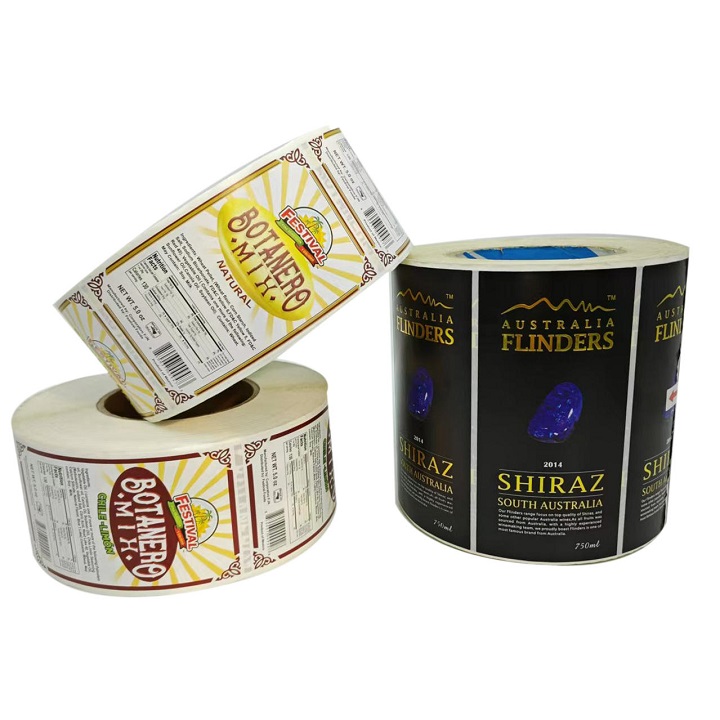
The best label type depends on the package material, product use, and supply-chain needs. For example, labels for cosmetics may require moisture resistance, while labels for shipping and logistics may prioritize scan reliability and speed. [lotuslabels]
| Label type | Best for | Main advantage |
| Pressure-sensitive labels | Bottles, jars, cartons, pouches | Easy application and broad compatibility futuremarketinsights |
| Shrink labels | Curved containers and full-body branding | 360-degree graphics and strong shelf presence marketresearch |
| Stretch labels | Reusable containers and certain beverage formats | Fast application and flexible fit marketresearch |
| Linerless labels | Logistics and high-volume operations | Less waste and better material efficiency marketresearch |
| Smart labels | Retail, pharma, anti-counterfeit, traceability | QR, GS1, NFC, or RFID data support |
What buyers should consider
Choosing the right packaging label is a technical decision, not just a design choice. The main factors are substrate compatibility, adhesive performance, print durability, regulatory text, and recycling impact. If the label fails in heat, moisture, cold chain, or transport, the whole packaging system can lose credibility. [lotuslabels]
Key questions to ask before production:
- Will the label need to survive refrigeration, condensation, or abrasion?
- Does the package need a removable, wash-off, or permanent adhesive?
- Will the product be sold in regions with recyclability labeling rules?
- Do you need variable data, batch coding, or serialized codes?
- Should the label support QR, GS1, or NFC for digital engagement? [qrcodekit]
Sustainability requirements
Sustainable packaging labels are now a commercial necessity, not a niche preference. Industry guidance increasingly favors mono-material thinking, recyclable constructions, and label designs that do not disrupt sorting or recycling systems. For example, labels should ideally match the material logic of the main package, and wash-off or removable solutions are often better than mixed-material structures. [marketresearch]
Important sustainability practices include:
- Use mono-material or recyclable-compatible label structures.
- Reduce label size and unnecessary film thickness where possible.
- Choose materials that do not interfere with recycling streams.
- Match compostable labels with compostable packaging.
- Avoid designs that confuse optical sorting or contaminate recyclate. [meyers]
This is especially relevant for brands selling into markets with mandatory recyclability labeling rules. UK packaging rules are moving toward standardized recyclability labels, and brands must prepare for package-component labeling requirements rather than only labeling the outer box. [clarity]
Smart packaging labels
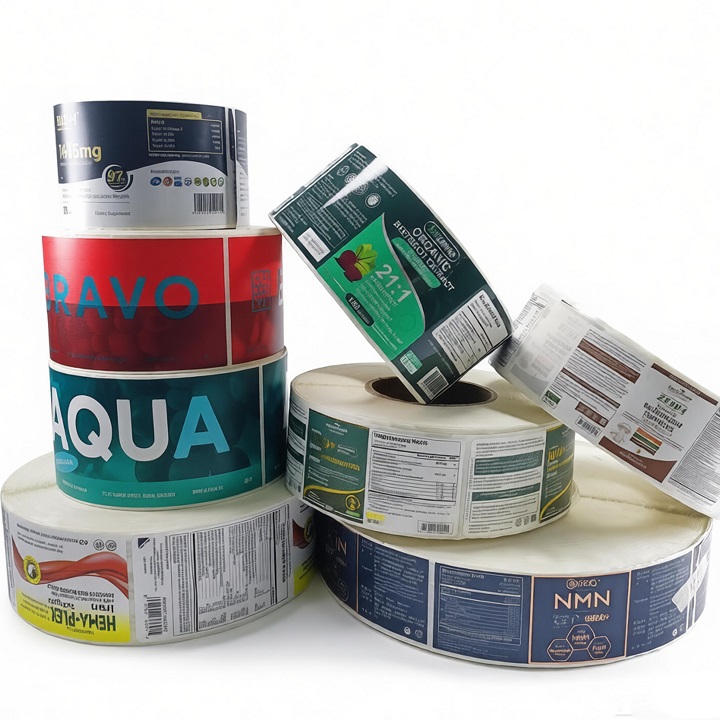
Smart packaging labels are becoming a major differentiator in 2026. Retail and supply-chain trends point to broader use of QR codes, GS1-enabled 2D barcodes, and digital product data because brands need richer traceability and more flexible product information. The GS1 Sunrise 2027 initiative is pushing the market toward 2D barcode readiness at retail point of sale by the end of 2027. [videojet]
Why this matters for brands:
- 2D codes can carry more product data than traditional linear barcodes. [gs1us]
- QR and digital link features can support consumer education and authentication. [qrcodekit]
- Dual labeling may be needed during transition periods so both 1D and 2D codes work across channels. [videojet]
For packaging buyers, smart labels are no longer just "nice to have." They are becoming a practical way to connect compliance, logistics, and customer engagement in one printed element. [gs1us]
Design principles that improve results
Good label design should make the product easier to buy, easier to trust, and easier to manage. A weak label usually fails in one of three ways: it looks generic, it prints poorly, or it does not communicate enough information quickly.
A high-performing packaging label usually follows these principles:
1. Keep the hierarchy clear: brand, product name, key claim, then details.
2. Use readable typography with strong contrast.
3. Reserve space for barcode, batch code, or QR code.
4. Match the label shape to the package geometry.
5. Protect print quality with the right coating or laminate.
6. Test the label under real shipping and storage conditions.
That last step is often overlooked. A label that looks perfect on screen may fail once it meets humidity, friction, oil, or cold-chain condensation.
A practical production workflow
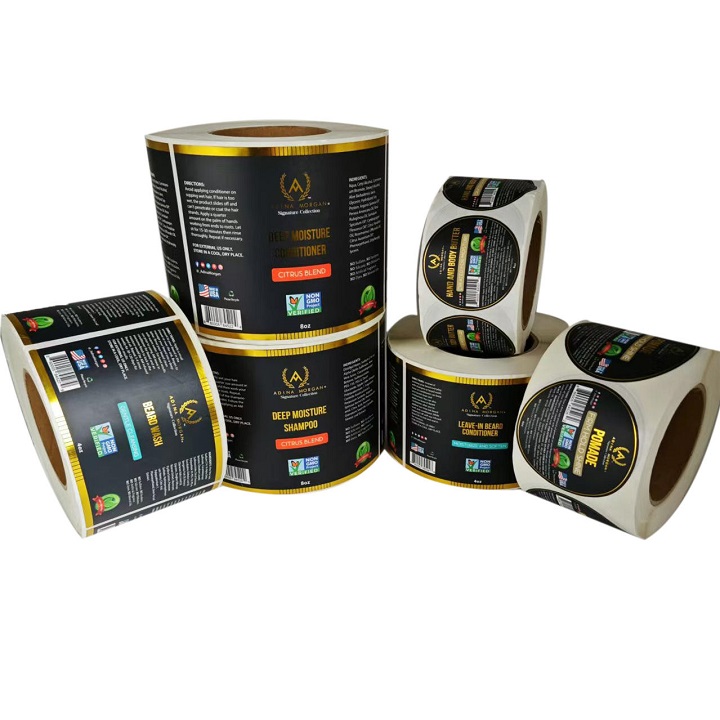
For buyers sourcing custom packaging labels, a disciplined workflow reduces rework and delays. The most efficient projects usually move through clear technical checkpoints before mass production.
Recommended process:
1. Define the package type, end market, and label purpose.
2. Confirm legal content, barcode requirements, and language versions.
3. Select the material, adhesive, finish, and print method.
4. Review the dieline and placement on the final package.
5. Produce a sample and test adhesion, color, and durability.
6. Approve the final version for production and shipping.
7. Recheck compliance when the market or regulation changes.
This workflow is particularly useful for international brands with multiple SKUs. It lowers the risk of inconsistent labeling across markets and helps maintain speed when new products launch.
Why Chinese OEM suppliers are competitive
For international buyers, China remains attractive because it combines customization depth, production flexibility, and export experience. XingKun, for example, positions itself as a printing and packaging manufacturer with custom solutions across boxes, labels, stickers, books, cards, and puzzles, supported by established printing equipment and export capability. The company states that it serves clients in more than 30 countries and offers faster turnaround for samples and urgent orders than many large-scale plants. [xkdisplay]
That matters when you need packaging labels that align with broader packaging programs. A supplier that understands labels, cartons, stickers, and inserts can usually manage better color consistency, faster coordination, and fewer compatibility problems across the full packaging set. [xkdisplay]
Industry trends to watch
Several label trends are shaping buying decisions right now. First, digital printing is gaining ground because brands need faster SKU changes and shorter runs. Second, compliance-driven labeling is rising as governments and retail systems push more structured recycling and traceability requirements. Third, premium tactile effects and smart features are being used to make packaging more memorable and more functional at the same time. [osakanaconsulting]
The practical implication is simple: labels must now do more jobs than before. A winning label strategy needs to handle aesthetics, machine readability, sustainability, and market compliance together. [marketresearch]
Conclusion
Packaging labels are now a strategic asset, not a minor finishing detail. The strongest brands use them to combine shelf appeal, regulatory readiness, supply-chain visibility, and sustainability in one well-planned system. If you are sourcing custom packaging labels for international markets, the best results come from choosing the right material, validating compliance early, and working with a supplier that understands both print quality and packaging integration. [eprcompliance.co]
For brands that want to improve packaging performance, the next step is to audit your current label structure, compare it against market and recycling requirements, and then align the design with your packaging format before scaling production. [lotuslabels]
FAQ
1. What are packaging labels used for?
Packaging labels identify the product, communicate brand information, support compliance, and help with logistics and traceability. [marketresearch]
2. Which label type is best for custom packaging?
There is no single best type. Pressure-sensitive labels are common, while shrink, stretch, linerless, and smart labels fit different package formats and business goals. [futuremarketinsights]
3. Are sustainable packaging labels really necessary?
Yes. Recyclability and material compatibility now affect brand reputation, compliance, and recycling performance in many markets. [eprcompliance.co]
4. Do packaging labels need QR codes or 2D barcodes?
More brands are adding them because 2D codes support richer product data, traceability, and retail readiness under Sunrise 2027. [videojet]
5. What should I check before ordering labels from a factory?
Check package material, adhesive strength, print durability, language requirements, barcode rules, and whether the label must meet recyclability or regulatory standards. [lotuslabels]
6. Can one supplier handle labels and other packaging products together?
Yes. That is often more efficient because it improves coordination across boxes, labels, stickers, inserts, and other printed packaging components. [xkdisplay]
References
1. MarketResearch.com, "Packaging Labels Market Outlook 2026-2034," [https://www.marketresearch.com/OG-Analysis-v3922/Packaging-Labels-Outlook-Share-Growth-42883282/] [marketresearch]
2. XingKun, "About Us," [https://www.xkdisplay.com/aboutus.html] [xkdisplay]
3. Lotus Labels, "Eco-Friendly Labels: A Guide to Sustainable Labelling," [https://www.lotuslabels.com/eco-friendly-labels-guide/] [lotuslabels]
4. GS1 US, "What is GS1 Sunrise 2027?," [https://www.gs1us.org/industries-and-insights/by-topic/sunrise-2027] [gs1us]
5. Videojet, "GS1 Sunrise 2027: What is it & How 2D Barcodes Impact Packaging," [https://www.videojet.com/us/homepage/resources/learn/gs1-sunrise-initiative.html] [videojet]
6. EPR Compliance, "EPR Mandatory Labelling 2027," [https://eprcompliance.co.uk/blog/epr-mandatory-labelling-2027/] [eprcompliance.co]
7. Clarity Environmental, "Update on Labelling Requirement Under EPR," [https://clarity.eco/news/update-on-labelling-requirement-under-epr/] [clarity]
8. QrcodeKit, "Smart packaging QR codes and connected products in 2026," [https://qrcodekit.com/news/smart-packaging-qr-codes/] [qrcodekit]


