Content Menu
● What E-Commerce Labels Do in the Customer Journey
● Main Types of E-Commerce Labels
● Design Principles That Improve Performance
● Materials and Adhesives That Survive Shipping
>> Common material options
● Barcode and QR Code Standards
● Sustainability and Consumer Expectations
● Latest Industry Trends Worth Using
● Practical Workflow for Better Labels
● Common Mistakes to Avoid
● Why Brands Choose Custom Solutions
● Expert View from Production
● Conclusion
● FAQ
>> 1. What are e-commerce labels used for?
>> 2. What is the best material for shipping labels?
>> 3. Why do barcode labels fail to scan?
>> 4. Are QR codes useful on e-commerce labels?
>> 5. How do I choose the right adhesive?
>> 6. Can e-commerce labels improve branding?
● References
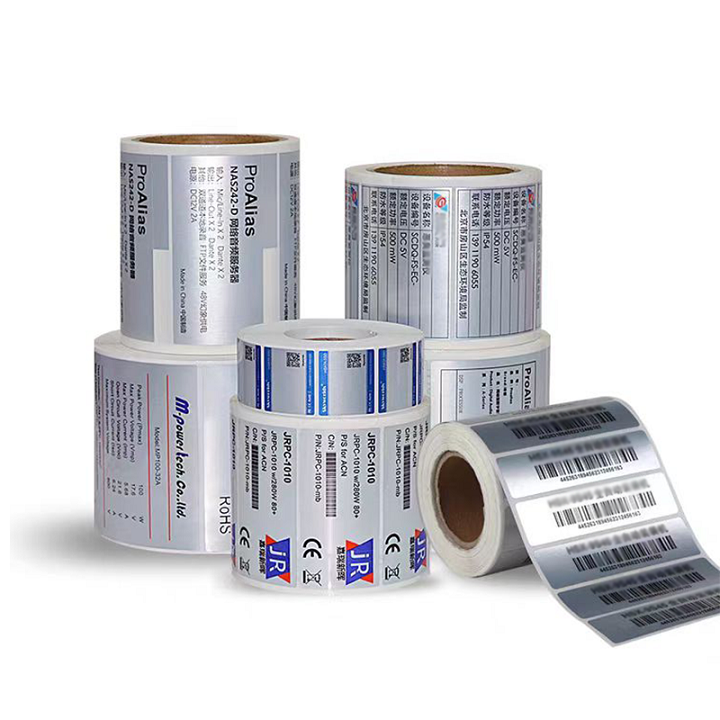
E-Commerce Labels are no longer just shipping stickers; they are a critical part of fulfillment accuracy, brand presentation, and customer trust. In modern online retail, the right label system can improve scan rates, reduce errors, support returns, and turn every parcel into a branded touchpoint. [gs1us]
For e-commerce brands, wholesalers, and manufacturers, labels must do two jobs at once: perform under logistics pressure and reinforce the brand experience. That is why businesses that treat labels as a strategic asset—not an afterthought—usually see better operational efficiency and stronger repeat purchase behavior. [labelpower.com]
What E-Commerce Labels Do in the Customer Journey
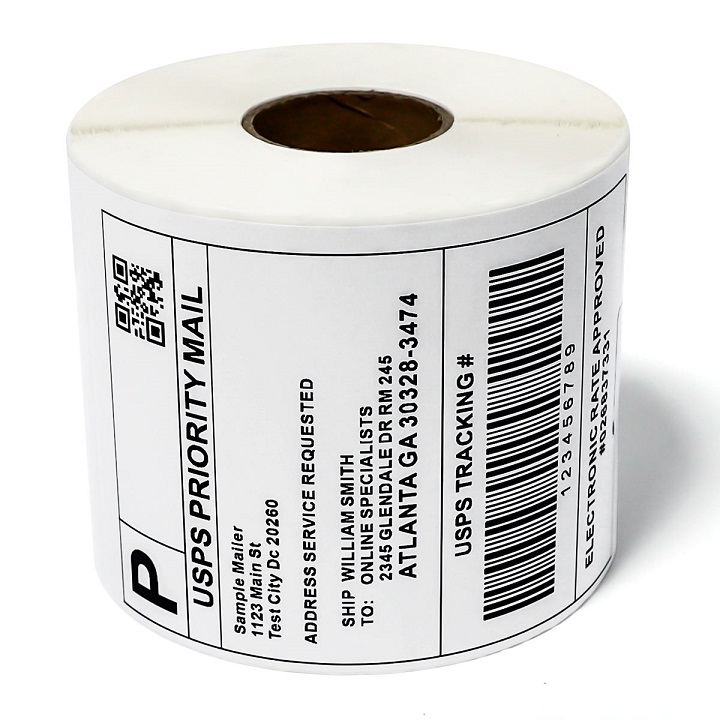
E-commerce labels are used across the order lifecycle, from warehouse picking to last-mile delivery and even post-purchase support. They help identify parcels, manage stock, communicate handling instructions, and make returns easier for the buyer. [abbeylabels.co]
A well-designed label can also influence perception before the customer opens the box. When a package looks organized, scannable, and branded, it signals professionalism and care, which matters especially in competitive categories such as beauty, supplements, electronics, gifts, and subscription products. [abbeylabels.co]
Main Types of E-Commerce Labels
Different business models require different label formats. Choosing the right type early prevents rework, scanning failures, and unnecessary costs. [labelpower.com]
| Label Type | Main Purpose | Best Use Cases |
| Shipping labels | Delivery address, tracking, barcode | Daily parcel fulfillment |
| Return labels | Simplify reverse logistics | DTC brands and cross-border retail |
| Branded product labels | Strengthen identity and unboxing | Gift boxes, premium packaging, private label products |
| Security and tamper-evident labels | Protect contents and build trust | Cosmetics, supplements, electronics |
| Barcode and inventory labels | Improve warehouse management | Multi-SKU operations and stock control |
Shipping labels are the most operationally sensitive because they must stay legible and machine-readable throughout transport. Branded labels, by contrast, are where design and marketing have the most room to create value without compromising function. [labelpower.com]
Design Principles That Improve Performance
Good label design starts with readability. Fonts should be clear, contrast should be strong, and essential data should remain visible at a glance, even under warehouse lighting or in motion. [alpinepackaging]
A practical design checklist includes:
- Keep the hierarchy simple: logo, order data, barcode, and handling info.
- Use high contrast between text and background.
- Leave enough quiet space around barcodes and QR codes.
- Avoid glossy finishes that create glare in scanning environments.
- Match label size to the package surface, especially for curved or textured surfaces. [gs1us]
The best labels do not try to say everything. They communicate only what the logistics team, courier, and customer actually need, while leaving visual space for brand elements to breathe. [alpinepackaging]
Materials and Adhesives That Survive Shipping
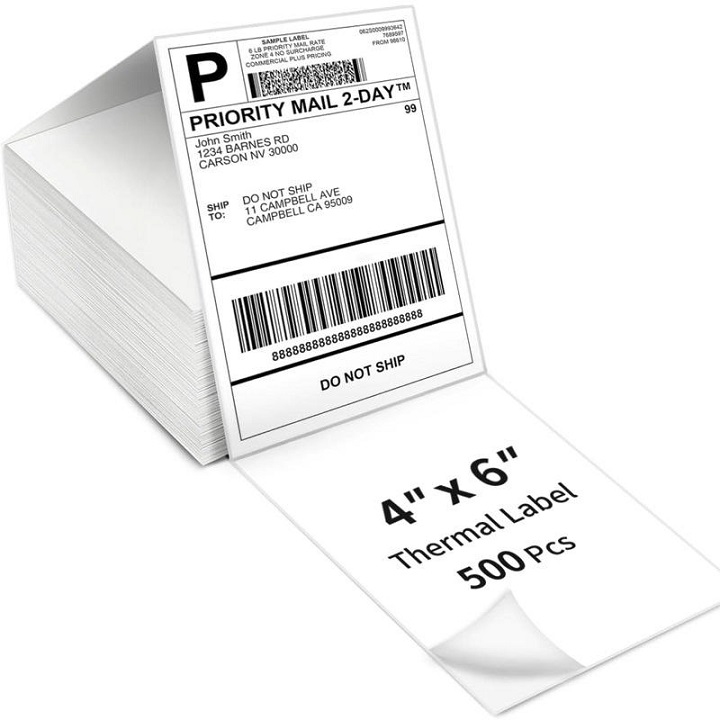
Material choice affects durability, print quality, and customer perception. Paper labels are cost-effective for decorative or short-duration use, while film labels such as PP or PET are better for waterproof and tear-resistant applications. [abbeylabels.co]
A useful rule is simple: if the parcel may face moisture, rubbing, cold storage, or long transit, use a more durable material and stronger adhesive. If the label is mainly for branding or internal use, paper may be enough. [abbeylabels.co]
Common material options
- Paper labels: Best for low-cost, dry, short-term applications.
- PP/PET film labels: Better for waterproof shipping and return labels.
- Laminated labels: Add abrasion and moisture resistance.
- Fluorescent stock: Useful for warehouse sorting, warnings, and color-coding. [labelpower.com]
Adhesive selection matters just as much as face stock. Cartons, polymailers, coated surfaces, and refrigerated packs all behave differently, so label testing on the actual packaging is essential before mass production. [labelpower.com]
Barcode and QR Code Standards
For e-commerce labels, scan reliability is non-negotiable. GS1 guidance emphasizes high-resolution artwork, proper print quality, correct placement, and adequate quiet zones to help barcodes scan correctly and efficiently. [gs1us]
Best practices include:
1. Use high-resolution barcode artwork and printing.
2. Keep barcodes in dark ink on a light background.
3. Avoid truncating barcode height.
4. Leave clear space on both sides of the code.
5. Test the barcode on the actual label material and packaging surface. [gs1us]
This matters because a visually attractive label is not useful if a courier cannot scan it. In operational terms, one unreadable label can create delays, manual intervention, customer complaints, and extra fulfillment cost. [gs1us]
Sustainability and Consumer Expectations
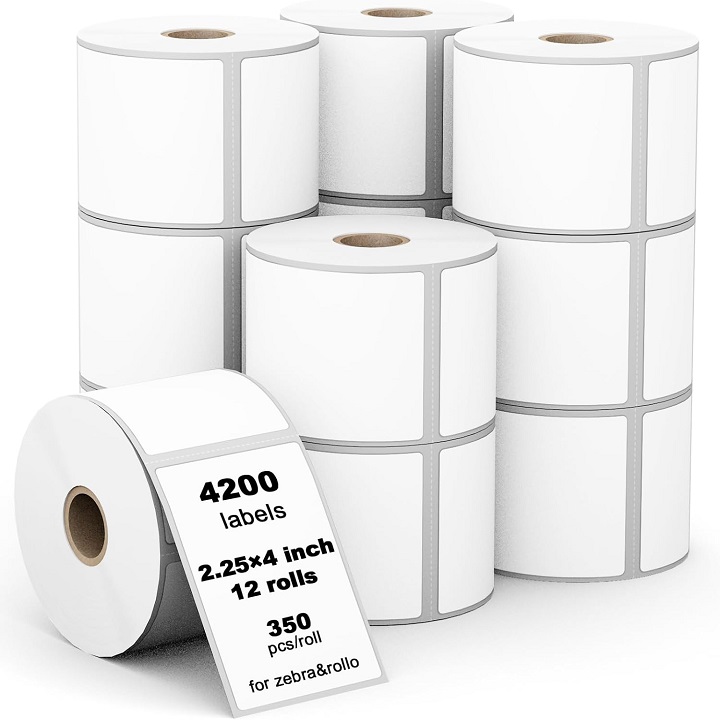
Sustainability is now a baseline expectation in packaging decisions, not a bonus feature. Market reports in 2026 continue to show healthy growth in the broader labels market, driven in part by demand for more efficient, compliant, and sustainable labeling solutions. [technavio]
For e-commerce brands, sustainability can be addressed through:
- Recyclable label substrates.
- Reduced material waste through right-sized label formats.
- Efficient print methods that minimize reprints and spoilage.
- Better package design that lowers the need for extra stickers and inserts. [junchengprintinglabel]
Sustainable labeling also supports brand storytelling. Buyers increasingly notice whether a package feels excessive or responsible, and labels are one of the easiest places to demonstrate that the brand is paying attention. [junchengprintinglabel]
Latest Industry Trends Worth Using
Three trends are shaping better e-commerce labels right now. First, sustainability labels are becoming more common as consumers expect recyclable or lower-impact packaging. Second, connected packaging is growing, especially through QR codes that link buyers to product stories, setup instructions, traceability data, or loyalty pages. Third, visual branding is becoming more important as online sellers try to create a premium unboxing moment that encourages social sharing. [junchengprintinglabel]
These trends matter because they connect operations with marketing. A QR code can reduce service friction, while a well-designed seal can make an ordinary parcel feel more intentional and premium. [junchengprintinglabel]
Practical Workflow for Better Labels
If your team wants a reliable label process, use a structured workflow rather than designing label by label. That reduces mistakes and makes scaling easier. [labelpower.com]
1. Define the label's job: shipping, return, branding, security, or inventory.
2. Choose the packaging surface: carton, mailer, pouch, bottle, or gift box.
3. Select material and adhesive based on transit conditions.
4. Place barcode, QR code, and essential text with clear hierarchy.
5. Print a sample and test scanning, adhesion, and abrasion.
6. Approve a master template for repeat production. [abbeylabels.co]
This workflow works especially well for brands managing multiple SKUs or multiple markets. It also reduces the hidden cost of bad label decisions, such as reprints, returns processing delays, and warehouse inefficiency. [abbeylabels.co]
Common Mistakes to Avoid
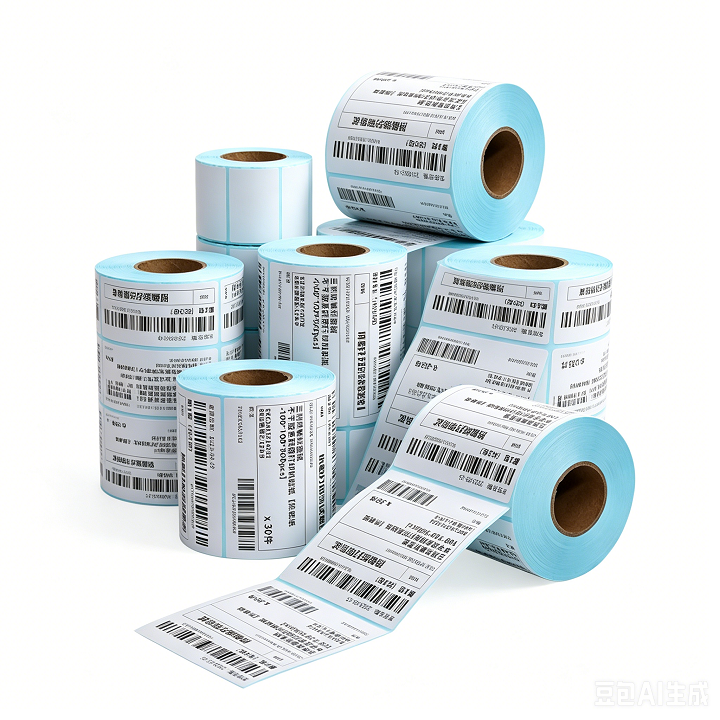
Even strong brands make labeling errors when growth is fast. The most common problems are easy to prevent once they are named clearly. [labelpower.com]
- Using labels that peel, smudge, or curl during transit.
- Printing barcodes too small or with poor contrast.
- Choosing the wrong adhesive for the package surface.
- Ignoring courier size or format requirements.
- Treating labels as plain logistics items instead of brand assets. [gs1us]
Avoiding these mistakes is one of the fastest ways to improve order accuracy and customer experience at the same time. That is why testing and standardization should be part of your packaging process, not a last-minute fix. [abbeylabels.co]
Why Brands Choose Custom Solutions
Custom e-commerce labels allow brands to align function with identity. Instead of using generic shipping stickers, businesses can add logos, brand colors, special handling cues, return information, and premium finishes that fit the product category. [labelpower.com]
For manufacturers and B2B suppliers, customization also supports OEM and ODM workflows. Different clients may need different label formats, languages, adhesives, and compliance elements, so a flexible manufacturing partner can save time and reduce coordination costs. [abbeylabels.co]
Expert View from Production
From a production standpoint, the smartest label projects are the ones that start with use-case clarity, not artwork first. Once the packaging surface, courier workflow, and storage conditions are defined, material and print decisions become much easier and more accurate. [gs1us]
In other words, the best label is not always the prettiest one. It is the one that still looks professional after fulfillment, transit, and delivery, while also helping the customer recognize and trust the brand. [labelpower.com]
Conclusion
E-Commerce Labels play a much larger role than most businesses realize. They support shipping accuracy, warehouse efficiency, returns, compliance, sustainability, and brand perception in one small but powerful format. [gs1us]
If your goal is to improve both operations and customer experience, the best approach is to treat labels as part of your packaging strategy, not just a print item. Focus on material choice, barcode reliability, adhesive performance, and clear design, then build a repeatable workflow that scales with your business. [gs1us]
FAQ
1. What are e-commerce labels used for?
E-commerce labels are used for shipping, returns, branding, barcode scanning, tamper evidence, and inventory control. They help parcels move through the supply chain accurately while improving customer experience. [abbeylabels.co]
2. What is the best material for shipping labels?
For most shipping applications, PP or PET film labels are better when moisture, rubbing, or longer transit is expected. Paper labels can work for dry, short-term, or decorative use. [labelpower.com]
3. Why do barcode labels fail to scan?
Barcode labels usually fail because of poor print quality, low contrast, incorrect sizing, missing quiet zones, or a bad label surface. GS1 recommends high-resolution artwork and proper placement to improve scan reliability. [gs1us]
4. Are QR codes useful on e-commerce labels?
Yes. QR codes can link to product information, order updates, traceability pages, review pages, or social media content. They are increasingly used as part of connected packaging strategies. [junchengprintinglabel]
5. How do I choose the right adhesive?
Choose adhesive based on the packaging surface and shipping condition. Cartons, polymailers, coated surfaces, and cold-chain packages all need different adhesion strength and testing. [abbeylabels.co]
6. Can e-commerce labels improve branding?
Absolutely. Branded labels can reinforce color, logo, and tone, making the parcel feel more premium and memorable during unboxing. That can support repeat business and word-of-mouth sharing. [labelpower.com]
References
1. Abbey Labels. "Custom Label Guide For E-commerce Packaging & Shipping."
[https://www.abbeylabels.co.uk/ecommerce-shipping-labels-guide] [abbeylabels.co]
2. Label Power. "Design Sticker Labels for E-Commerce Packaging."
[https://www.labelpower.com.au/blog/sticker-labels-ecommerce-packaging] [labelpower.com]
3. GS1 US. "Barcode Placement & Printing Guidelines."
[https://www.gs1us.org/upcs-barcodes-prefixes/how-to-use-your-upc-barcodes/place-barcodes-on-products] [gs1us]
4. Technavio. "Labels Market Analysis, Size, and Forecast 2026-2030."
[https://www.technavio.com/report/labels-market-industry-analysis] [technavio]
5. Mordor Intelligence. "Label Market Size, Growth Trends 2026 - Forecast Analysis."
[https://www.mordorintelligence.com/industry-reports/global-label-market] [mordorintelligence]
6. Juncheng Printing Label. "Top 3 Packaging Label Trends Shaping E-Commerce Today."
[https://www.junchengprintinglabel.com/news/top-3-packaging-label-trends-shaping-e-commerce-today/] [junchengprintinglabel]
7. Alpine Packaging. "Labels and Packaging Design Best Practices."
[https://www.alpinepackaging.com/labels-and-packaging-design-best-practices/] [alpinepackaging]


