Content Menu
● Why jigsaw puzzles factory matters
● What buyers should look for
● Custom puzzle manufacturing process
● Market trends shaping 2026
● How to evaluate suppliers
● Packaging and branding advantages
● Expert buying advice
● XingKun factory advantages
● FAQ
>> 1. What is a jigsaw puzzles factory?
>> 2. What materials are best for custom puzzles?
>> 3. What is the difference between OEM and ODM puzzle manufacturing?
>> 4. How do I check puzzle quality before bulk production?
>> 5. Why is packaging important for jigsaw puzzles?
>> 6. How do I choose the right factory for export orders?
● Conclusion
● References
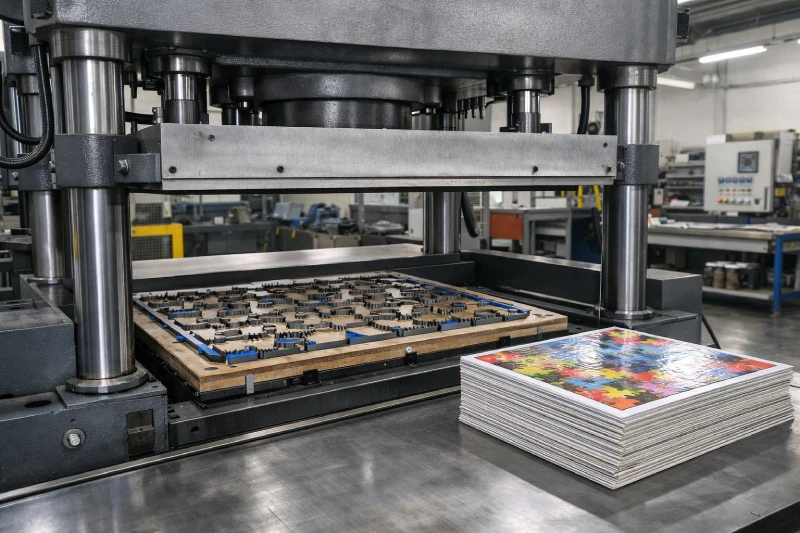
If you are searching for a jigsaw puzzles factory, the real question is not just who can print pieces and pack them into a box. The real question is which manufacturer can deliver consistent quality, scalable production, safe materials, and market-ready customization for your brand.
Why jigsaw puzzles factory matters
A strong jigsaw puzzles factory is more than a production site. It is a partner that affects your product quality, shipping cost, customer reviews, and repeat purchase rate. In today's market, puzzles are not just children's toys; they are also gifts, educational products, and premium lifestyle items sold through online and offline channels. The global jigsaw puzzle market is estimated at USD 2.42 billion in 2026 and is projected to reach USD 3.63 billion by 2033, showing steady growth for manufacturers that can combine quality with customization. [storeyourcode]
For brands, wholesalers, and private-label sellers, the factory you choose shapes both your margins and your brand perception. A low-cost supplier may save money upfront, but poor die-cutting, weak board, bad color accuracy, or unstable packaging can destroy trust fast. That is why E-E-A-T matters here: buyers want proof of experience, expertise, authoritativeness, and trustworthiness before placing large OEM or ODM orders.
What buyers should look for
A reliable puzzle supplier should be evaluated on capabilities, not just price. In practice, the best factories can support multiple puzzle formats, custom packaging, branded inserts, and different difficulty levels for children, adults, and gift buyers. [storeyourcode]
Use the checklist below when reviewing suppliers:
- Material options: paperboard, cardboard, recycled board, FSC-certified board, and premium specialty substrates. [storeyourcode]
- Printing quality: accurate color reproduction, clean cutting lines, and durable surface finishing.
- Customization depth: image personalization, box design, piece count, packaging style, and accessory add-ons.
- Compliance and safety: toy safety documentation, material traceability, and export-readiness.
- Production stability: consistent lead times, clear MOQ, and sample approval workflow.
A good factory should also show real production photos, sample cases, and order examples. If a supplier cannot clearly explain its process, it is usually a warning sign.
Custom puzzle manufacturing process
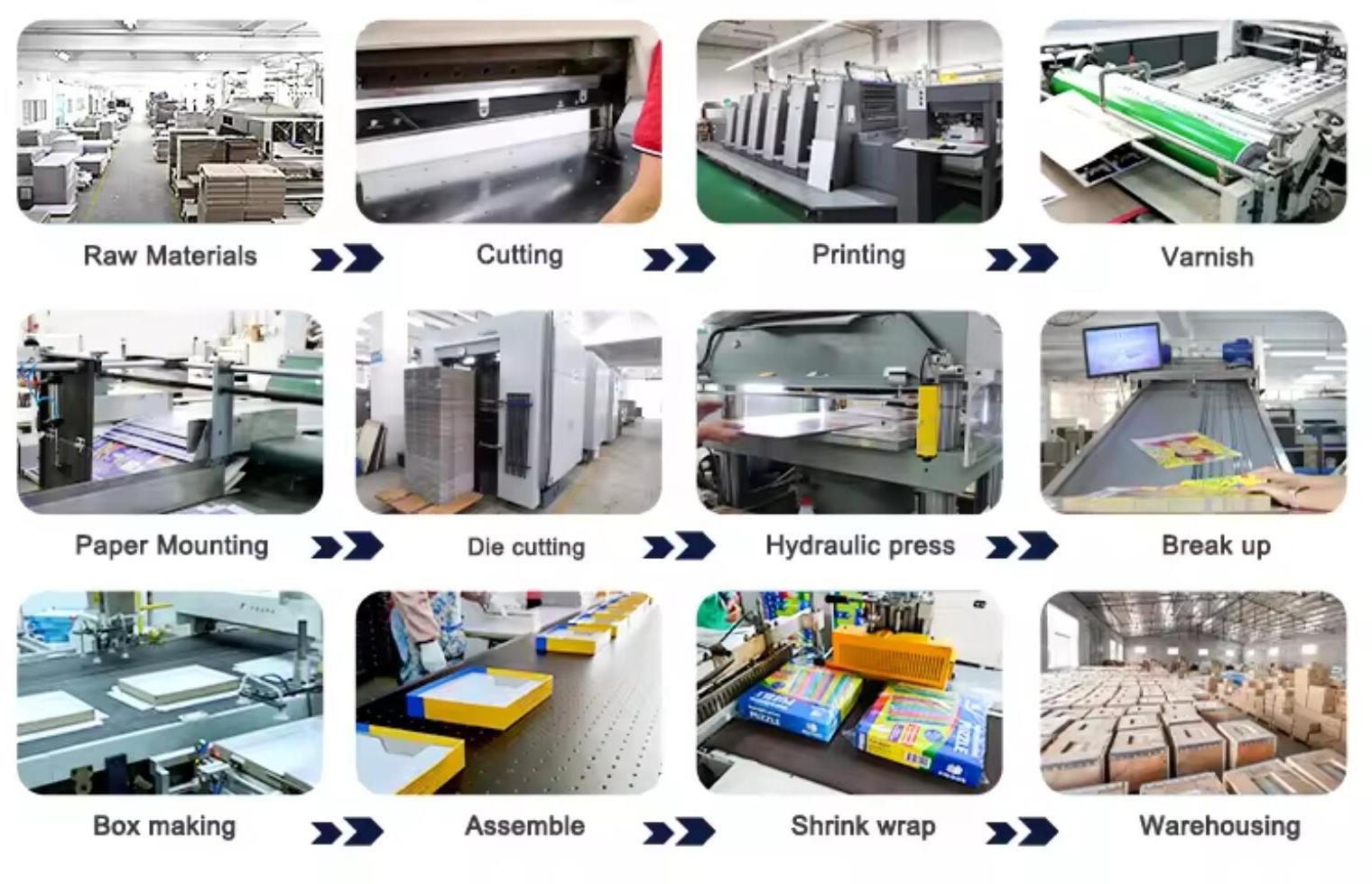
Custom jigsaw puzzle production usually follows a simple but highly controlled workflow. When the process is managed well, you get better consistency and fewer surprises during mass production.
1. Artwork review: the factory checks image resolution, layout, and bleed zones.
2. Prototype development: a sample is made for shape, cut pattern, and color verification.
3. Material confirmation: board thickness, surface finish, and packaging materials are finalized.
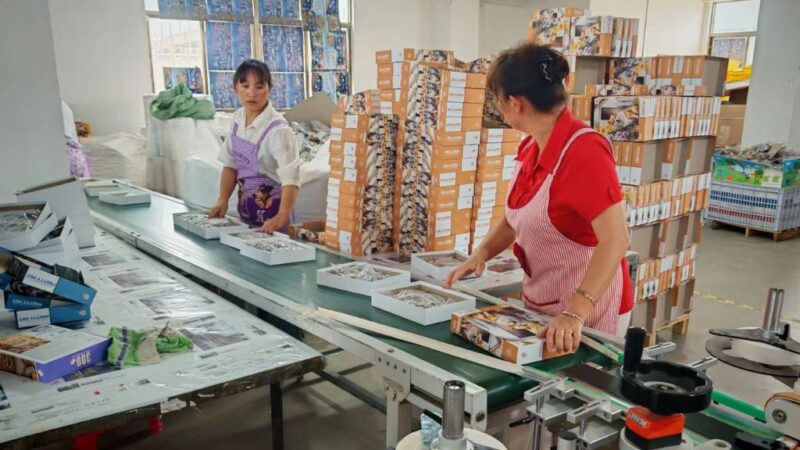
4. Mass production: printing, lamination, cutting, sorting, and packing take place.
5. Quality inspection: the factory checks missing pieces, color drift, box integrity, and transit protection.
6. Shipment preparation: cartons are labeled and packed for export.
This workflow is especially important for OEM and ODM buyers because each detail affects the final market outcome. A puzzle that looks good on screen can still fail if the pieces do not fit cleanly or the box is too weak for overseas shipping.
Market trends shaping 2026
The puzzle industry is being shaped by three strong trends: e-commerce growth, sustainable materials, and customization. Online marketplaces and D2C websites now carry more niche puzzle SKUs, limited editions, and personalized products than many traditional stores. This gives brands a bigger opportunity to test designs quickly, but it also raises competition and price transparency. [storeyourcode]
Sustainability is also becoming a purchase filter. Buyers increasingly expect recyclable packaging, plastic reduction, and board sourced from responsible supply chains. At the same time, paperboard and cardboard remain the dominant material category because they are cost-effective and environmentally practical. [sourcy]
The strongest factories are responding with:
- FSC-style material options.
- Plastic-reduced packaging.
- Gift-ready box designs.
- Smaller, ship-friendly box formats.
- Faster sampling for personalized products.
How to evaluate suppliers
The table below can help buyers compare factories more objectively.
| Evaluation factor | What to check | Why it matters |
| Material quality | Board thickness, surface finish, eco options | Affects puzzle feel, durability, and brand value |
| Print quality | Color accuracy, clarity, edge detail | Directly affects customer satisfaction |
| Customization | Box, pieces, insert cards, branding | Important for private label and retail success |
| MOQ and lead time | Sample time, bulk time, reorder speed | Impacts launch planning and cash flow |
| Quality control | Missing pieces, fit test, packaging checks | Reduces complaints and returns |
| Export support | Shipping cartons, documentation, incoterms | Essential for overseas buyers |
Use this framework before asking for a quote. It helps you compare factories on value instead of only on unit price.
Packaging and branding advantages
Puzzle packaging is not just protection. It is part of the product experience. A strong box design can make a puzzle feel like a gift, a collectible, or a premium educational item. That matters because many puzzle purchases are impulse-driven, seasonal, or gift-related.
XingKun's product positioning is especially relevant here because the company already works across packaging boxes, playing cards, printed books, stickers, and related printed products. That cross-category experience can help a factory create stronger visual consistency across a brand's product line. When packaging, inserts, and printed materials are managed by the same production partner, the final result often looks more professional. [xkdisplay]
Expert buying advice
From a procurement and branding perspective, the best puzzle suppliers do four things well. They reduce risk, shorten development cycles, protect margins, and support long-term brand building. This matters even more in the current market, where online sales channels and niche themes are creating faster product turnover. [storeyourcode]
Here are practical buying tips:
- Start with a sample before any bulk order.
- Ask for board, print, and packaging specifications in writing.
- Confirm whether the supplier supports OEM, ODM, or both.
- Request photos or videos of factory equipment and packaging lines.
- Verify lead time and reorder capacity before launch.
If you are building a private-label puzzle line, consider starting with a smaller piece-count range and a gift-ready box design. That gives you a better balance of price, usability, and shelf appeal.
XingKun factory advantages
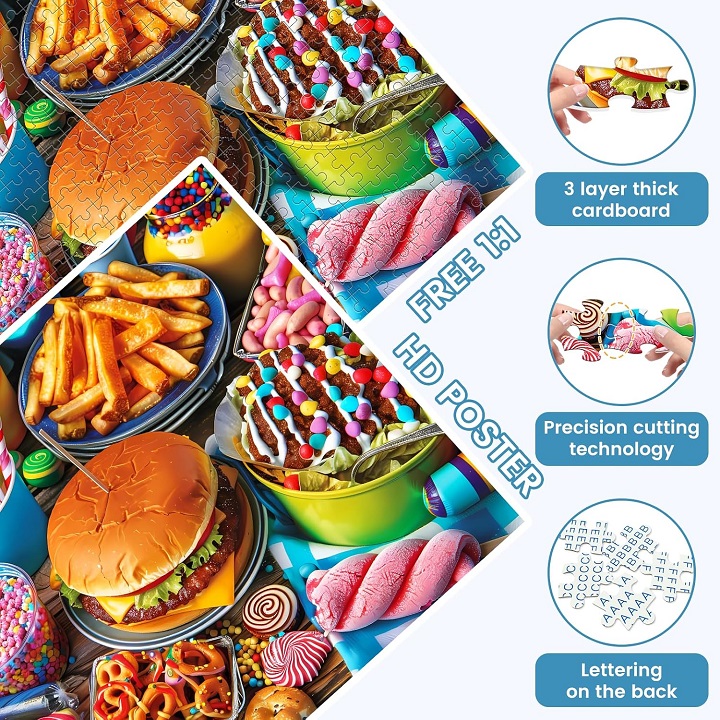
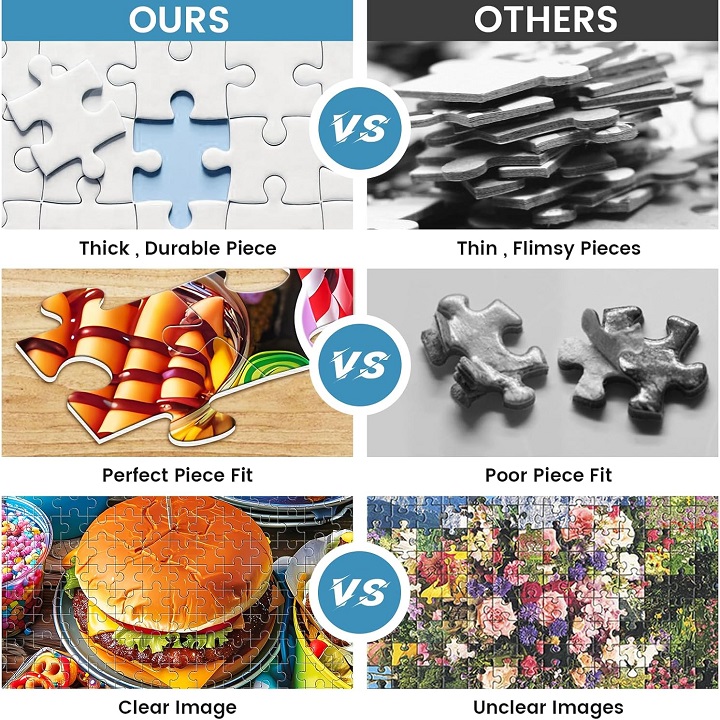
For international buyers, XingKun can be positioned as a custom packaging and printed products factory that supports puzzle-related OEM and ODM projects. The company's website highlights its strength in packaging boxes, playing cards, and printed products, which is useful for brands that want a coordinated product presentation. That broader manufacturing base can also support branding consistency across puzzle boxes, inserts, sleeves, and retail-ready packaging. [xkdisplay]
The most effective way to present XingKun in SEO content is to emphasize:
- Custom puzzle box packaging.
- Flexible OEM and ODM service.
- Export-oriented production.
- Visual consistency across printed products.
- Support for brand owners, wholesalers, and manufacturers.
This framing helps the page rank for commercial-intent searches while also improving user trust.
FAQ
1. What is a jigsaw puzzles factory?
A jigsaw puzzles factory is a manufacturing site that produces puzzles in bulk, usually offering printing, die-cutting, packaging, and quality inspection services for brands and wholesalers.
2. What materials are best for custom puzzles?
Paperboard and cardboard are the most common choices because they are cost-effective and eco-friendly, while premium or specialty projects may use recycled board or FSC-certified materials. [storeyourcode]
3. What is the difference between OEM and ODM puzzle manufacturing?
OEM means the buyer provides the concept or design and the factory produces it. ODM means the factory offers existing designs or platforms that the buyer can customize for their market.
4. How do I check puzzle quality before bulk production?
Request a sample, inspect image clarity, piece fit, box strength, and print consistency, then approve the sample before mass production.
5. Why is packaging important for jigsaw puzzles?
Packaging affects protection, branding, shelf appeal, and gifting value, so it often has a direct impact on sales performance.
6. How do I choose the right factory for export orders?
Look for clear communication, stable lead times, documented quality control, custom packaging support, and experience with overseas shipping requirements.
Conclusion
Choosing the right jigsaw puzzles factory is a strategic decision, not just a sourcing step. The best partner combines manufacturing reliability, customization strength, and packaging expertise so your puzzle product can compete in a growing global market. If your goal is to build a serious puzzle brand, focus on proof, process, and presentation. [sourcy]
References
- [Custom Puzzle Manufacturer – XingKun] [xkdisplay]
- [Jigsaw Puzzle Market Size, Trends & Forecast, 2026-2033 – Coherent Market Insights] [storeyourcode]
- [Retailer Guide: Best-Selling Jigsaw Puzzle Trends in 2026 – Sourcy] [sourcy]


