Content Menu
● Anime Badge Materials Comparison: Choosing the Right Type
>> 1. Enamel Badges (Hard Enamel vs Soft Enamel)
>> 2. Tinplate Badges (Button Pins)
>> 3. Acrylic Badges
>> 4. PVC or Rubber Badges
● MOQ Explained: Why It Matters for Japanese Buyers
>> What is MOQ?
>> Typical MOQ Range for Custom Anime Badges
>> Why MOQ Matters in Japan
>> How XingKun Supports Low MOQ Needs
● Anime Badge Production Lead Time and Sampling Process
>> Standard Production Timeline
>> Sampling Process: Why It's Critical
● How to Reduce Risk When Ordering Custom Anime Badges
>> 1. Verify Supplier Credentials
>> 2. Use Clear Technical Specifications
>> 3. Request Pre-Production Samples
>> 4. Confirm Quality Control Standards
>> 5. Plan Logistics Early
● New Insight: Packaging Strategy for Anime Badge Sales
>> Recommended Packaging Options
● Case Example: Successful Badge Launch in XingKun
● Why Work with XingKun for Custom Anime Badges
>> Key Advantages
● Conclusion
● FAQ
>> 1. What is the best material for custom anime badges?
>> 2. Can I order multiple designs with low MOQ?
>> 3. How long does it take to produce custom anime badges?
>> 4. Are acrylic badges popular in Japan?
>> 5. How can I ensure quality when ordering from overseas?
● References
Japan's anime industry continues to dominate global pop culture, with licensed merchandise forming a significant portion of revenue streams. Badges (also called pin badges or can badges) are especially popular because they are:
Affordable to produce at scale
Highly collectible and customizable
Compact for logistics and retail display
Suitable for events, promotions, and retail bundles
For B2B buyers such as anime studios, retailers, and event organizers, custom badges offer:
Flexible design adaptation for seasonal releases
High margin potential in retail settings
Easy bundling with other merchandise like playing cards, packaging boxes, or stickers
From a manufacturing perspective, badges are also efficient to produce, making them ideal for low MOQ custom badges programs.
Anime Badge Materials Comparison: Choosing the Right Type
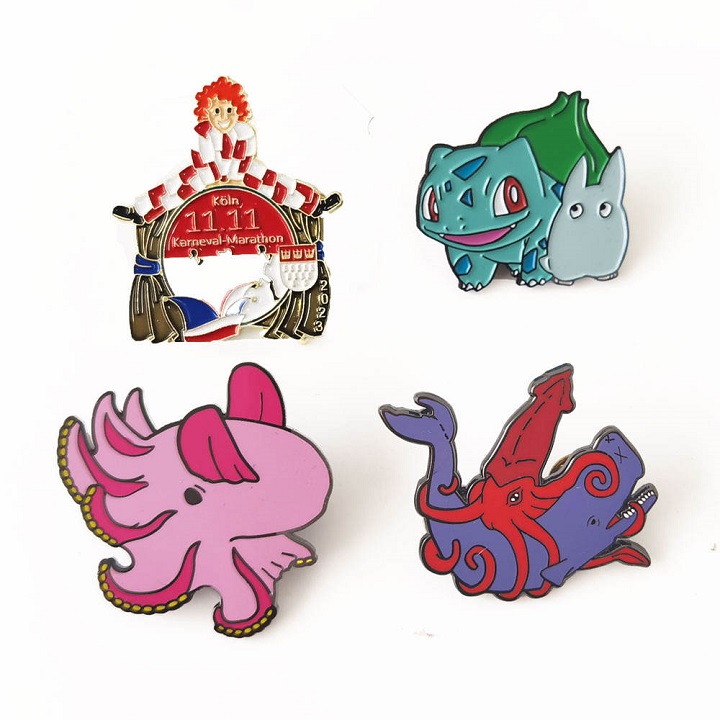
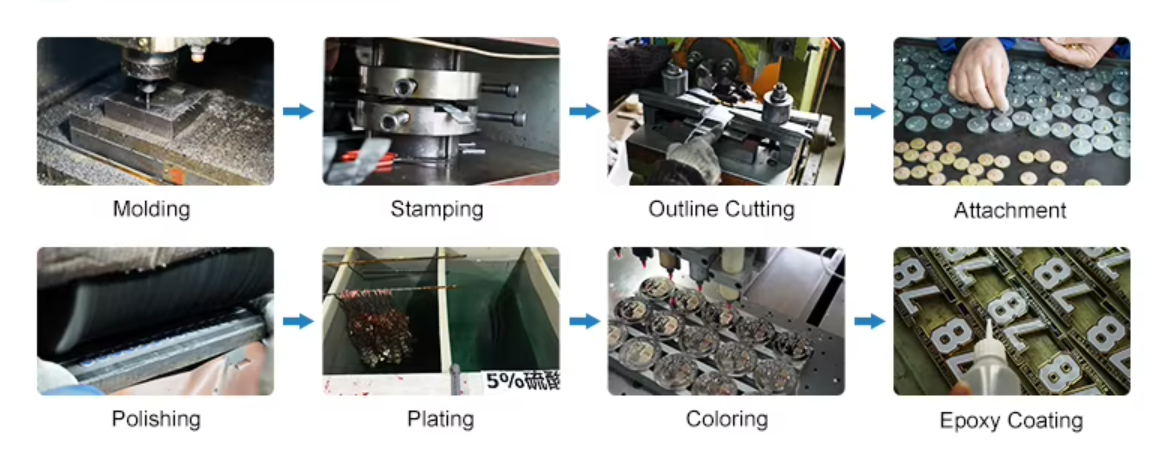
Selecting the correct material directly affects cost, durability, and perceived value. Below is a practical anime badge materials comparison based on factory production insights.
1. Enamel Badges (Hard Enamel vs Soft Enamel)
Best for: Premium branding, official licensed merchandise
Hard Enamel
Smooth, polished surface
Scratch-resistant and durable
Higher cost due to multiple polishing steps
Common in high-end anime collaborations
Soft Enamel
Textured surface with raised metal edges
More affordable than hard enamel
Offers vibrant color contrast
Popular for fan merchandise and mid-tier retail
Expert Tip: Japanese buyers often prefer hard enamel for licensed IP because it aligns with strict quality expectations.
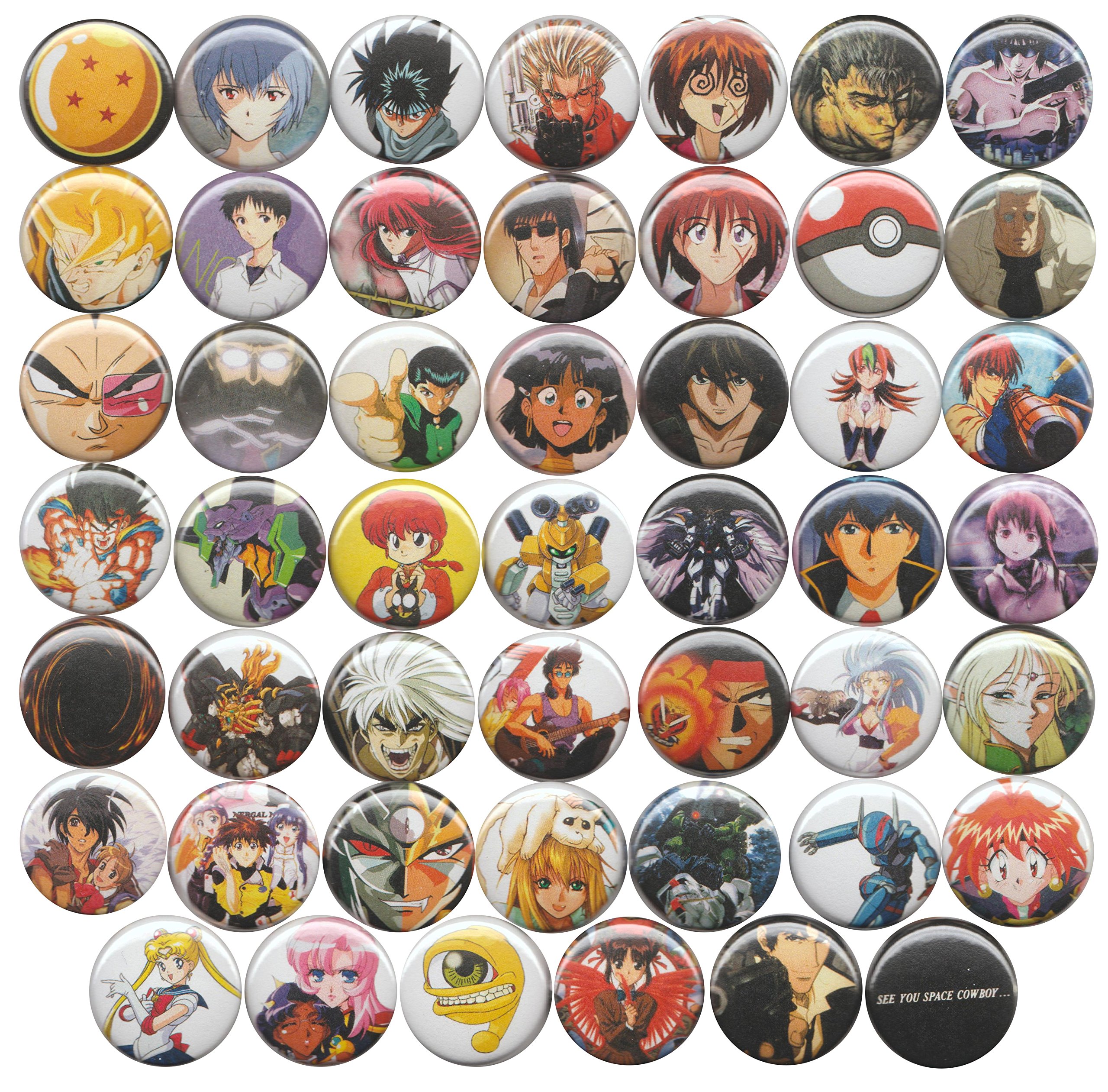
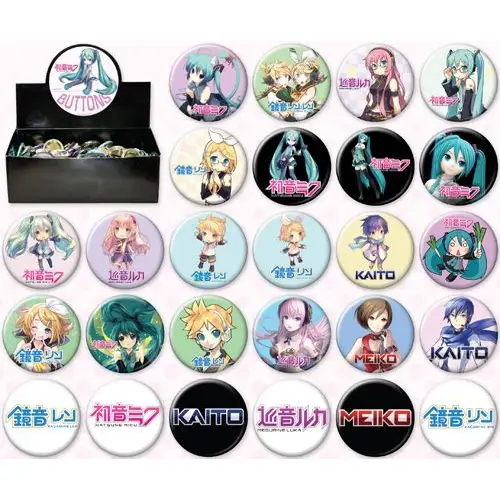
2. Tinplate Badges (Button Pins)
Best for: Mass production, promotional campaigns
Lightweight and cost-effective
Printed paper insert with protective plastic film
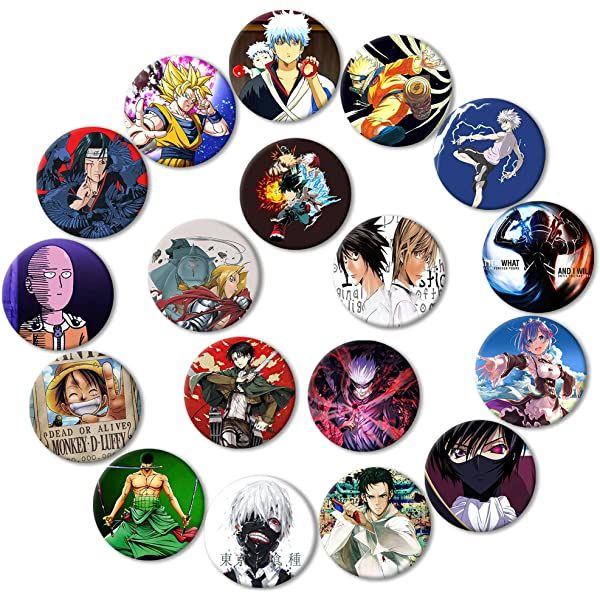
Available in multiple sizes (e.g., 44mm, 58mm, 75mm)
Ideal for anime events, gachapon-style sales, and giveaways
Advantages for Japan market:
Extremely popular in anime conventions
Easy to produce in bulk with low MOQ custom badges options
3. Acrylic Badges
Best for: Creative designs and layered effects
Transparent or colored acrylic base
UV printing allows detailed artwork
Can include holographic or glitter effects
Lightweight and modern aesthetic
Trend Insight: Acrylic badges are increasingly popular in custom anime badges Japan due to their versatility and ability to mimic standees.
4. PVC or Rubber Badges
Best for: Soft-touch designs and casual merchandise
Flexible and durable
Waterproof and weather-resistant
Often used for backpacks or outdoor accessories
Limitations: Less commonly used in Japan's premium anime market due to lower perceived value compared to enamel or acrylic.
MOQ Explained: Why It Matters for Japanese Buyers
MOQ (Minimum Order Quantity) is a key factor in B2B sourcing decisions. Japanese buyers tend to be cautious and data-driven, making MOQ flexibility especially important.
What is MOQ?
MOQ is the minimum number of units a factory requires per order to ensure cost efficiency in production.
Typical MOQ Range for Custom Anime Badges
Enamel badges: 100–300 pieces per design
Tinplate badges: 50–100 pieces per design
Acrylic badges: 100–200 pieces per design
Why MOQ Matters in Japan
Market testing: Japanese buyers often test multiple designs in small batches
Inventory control: Limited storage space in retail environments
Risk management: Avoid overproduction of unproven designs
How XingKun Supports Low MOQ Needs
As a factory experienced in B2B custom anime merchandise, XingKun offers:
Flexible MOQ for trial orders
Mixed design production within one batch
Scalable production for successful designs
Anime Badge Production Lead Time and Sampling Process
Understanding anime badge production lead time helps buyers plan product launches and avoid delays.
Standard Production Timeline
1. Design Confirmation (1–3 days)
Final artwork approval and technical adjustments
2. Sampling (5–7 days)
Pre-production sample for quality check
3. Mass Production (10–20 days)
Depends on quantity and complexity
4. Quality Inspection & Packaging (2–5 days)
5. Shipping (5–10 days international)
Total Lead Time: Typically 20–35 days
Sampling Process: Why It's Critical
Sampling ensures:
Color accuracy
Material quality
Structural integrity
Best Practice for Japanese Buyers:
Always request a physical sample, not just digital proof
Approve Pantone color matching when needed
Test packaging compatibility (especially for retail display)
How to Reduce Risk When Ordering Custom Anime Badges
Sourcing internationally comes with risks, but these can be minimized with the right approach.
1. Verify Supplier Credentials
Check factory certifications (ISO, BSCI, etc.)
Review export experience with Japan
Request client references
2. Use Clear Technical Specifications
Provide detailed requirements including:
Size and thickness
Material type
Printing method
Packaging format
3. Request Pre-Production Samples
Never skip this step. It helps avoid:
Color mismatches
Material defects
Incorrect dimensions
4. Confirm Quality Control Standards
Ask about:
Inspection procedures
Defect tolerance levels
Rework or refund policies
5. Plan Logistics Early
Choose between air freight and sea shipping
Factor in customs clearance time
Ensure proper labeling for Japanese regulations
New Insight: Packaging Strategy for Anime Badge Sales
A major gap in many sourcing guides is packaging. In Japan, packaging significantly affects perceived value.
Recommended Packaging Options
OPP bags with header cards for retail display
Custom printed backing cards for branding
Blind box packaging for collectible series
Gift boxes for premium sets
Industry Insight: Buyers who invest in packaging often see 20–40% higher retail value perception.
Case Example: Successful Badge Launch in XingKun
A mid-sized anime retailer sourced custom anime badges using acrylic material with holographic effects.
Key strategies:
Ordered 10 designs with low MOQ
Used blind box packaging to encourage repeat purchases
Launched during a seasonal anime event
Result:
85% sell-through rate within 3 weeks
Reorder placed with increased volume
Why Work with XingKun for Custom Anime Badges
Shenzhen XingKun Packing Products Co., Ltd. offers integrated manufacturing for:
Badges
Packaging boxes
Printed books
Stickers and cards
Key Advantages
OEM & ODM capabilities
Experience with Japanese quality standards
Flexible MOQ and fast turnaround
One-stop solution for merchandise and packaging
Explore product details here:
https://www.xkdisplay.com/badges.html
Conclusion
Custom anime badges remain a cornerstone of anime merchandise, especially in the Japanese B2B market where quality, flexibility, and reliability are essential. By understanding anime badge materials comparison, managing low MOQ custom badges, and planning for accurate anime badge production lead time, buyers can significantly reduce risk and improve profitability.
Working with an experienced manufacturer like XingKun ensures that every step—from design to delivery—is optimized for success in a competitive and detail-oriented market like Japan.
FAQ
1. What is the best material for custom anime badges?
Hard enamel is best for premium quality, while tinplate and acrylic are ideal for cost-effective mass production.
2. Can I order multiple designs with low MOQ?
Yes, many factories like XingKun allow mixed designs within a single order to support market testing.
3. How long does it take to produce custom anime badges?
Typically 20–35 days, including sampling and mass production.
4. Are acrylic badges popular in Japan?
Yes, they are increasingly popular due to their versatility and modern appearance.
5. How can I ensure quality when ordering from overseas?
Request samples, verify supplier credentials, and confirm quality control standards before production.
References
1.Japan External Trade Organization (JETRO) – Anime Industry Insights https://www.jetro.go.jp
2.Statista – Anime Market Revenue Data https://www.statista.com/topics/3615/anime-industry-in-japan/
3.Alibaba Manufacturing Guides – MOQ and Production https://seller.alibaba.com
4.XingKun Product Page – Custom Badges https://www.xkdisplay.com/badges.html
5.Packaging Strategies in Retail – McKinsey Insights https://www.mckinsey.com


