Content Menu
● Why E-commerce Packaging Matters
● Main Goals of Effective Packaging
● Common Packaging Problems in Online Sales
● Choosing the Right Packaging Materials
● How to Design Packaging That Works
● Packaging and Brand Experience
● Sustainability in Packaging
● A Better Way to Think About Packaging
● Packaging for Fragile and High-Value Products
● Packaging and Warehouse Efficiency
● Choosing a Packaging Partner
● Packaging Checklist Before Launch
● Conclusion
● FAQ
>> 1. What is e-commerce packaging?
>> 2. Why is packaging so important for online brands?
>> 3. What packaging works best for fragile products?
>> 4. How can packaging be made more sustainable?
>> 5. What is the role of stickers and labels?
>> 6. How can I improve the unboxing experience?
● References
Why E-commerce Packaging Matters
In online retail, packaging is often the first physical interaction a customer has with a brand. That means it affects more than product safety. It influences how customers judge quality, reliability, and attention to detail. A well-made package can create trust before the product is even opened.
Packaging also plays a direct role in shipping performance. The right structure helps reduce breakage, prevents unnecessary movement inside the box, and supports smoother fulfillment. At the same time, it can help control costs by reducing oversized cartons, excess filler, and inefficient packing steps.
For brands that sell across different markets, packaging must do several jobs at once. It needs to protect the product, represent the brand, and remain practical for warehouse and logistics teams.
Main Goals of Effective Packaging
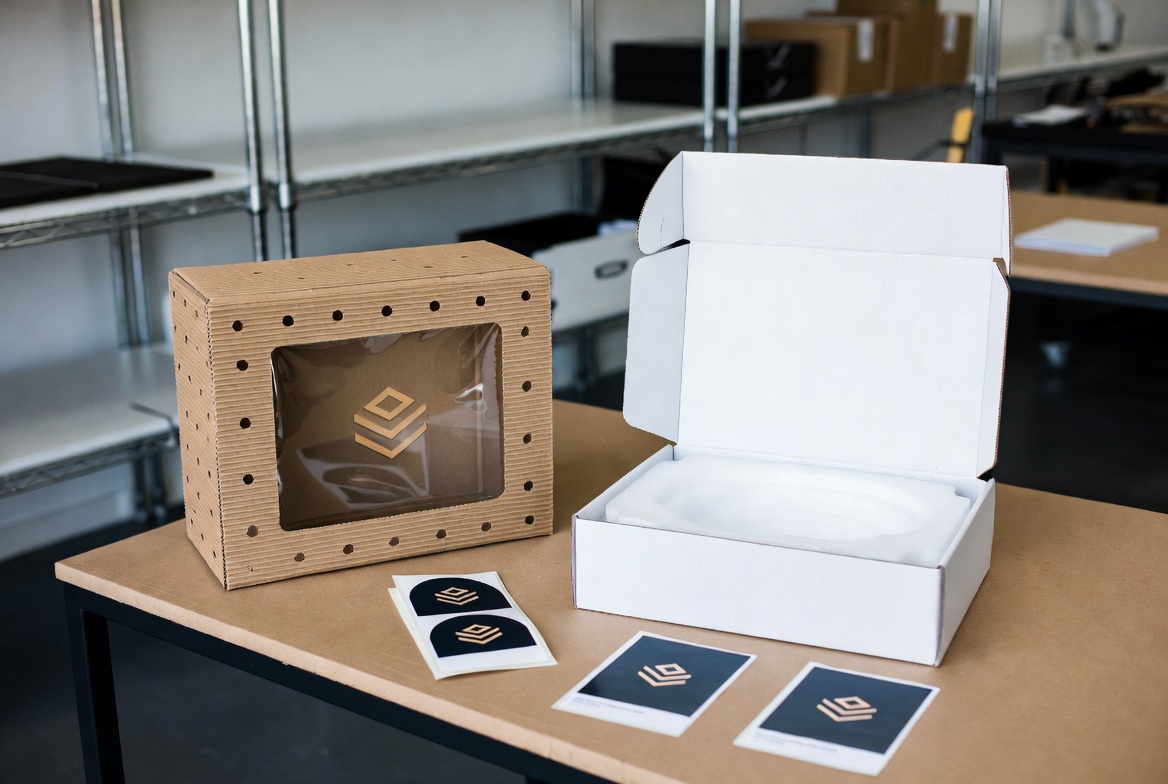
A strong e-commerce packaging system should support four core goals:
- Protection: Keep products safe during storage, handling, and delivery.
- Efficiency: Make packing faster, cleaner, and more cost-effective.
- Branding: Present the product in a way that reinforces brand identity.
- Sustainability: Reduce unnecessary material use and improve recyclability.
When these goals work together, packaging becomes a business asset rather than a simple container.
Common Packaging Problems in Online Sales
Many packaging problems begin when a box is chosen for appearance instead of performance. Oversized cartons, weak inserts, poor sealing, and low-quality printing can all create avoidable issues.
Typical problems include:
- Damaged products caused by impact or shifting during transport.
- Higher shipping costs from packaging that is too large or too heavy.
- Weak first impressions from plain or unattractive packaging.
- Customer frustration caused by difficult-to-open boxes.
- Waste concerns caused by excessive plastic or unnecessary layers.
These problems are especially common in categories such as cosmetics, electronics, bottles, glass products, accessories, and premium gifts.
Choosing the Right Packaging Materials
The right packaging material depends on the product, shipping route, and brand positioning. There is no single format that works for every business.
| Packaging Type | Best Use | Main Advantage |
| Corrugated boxes | General e-commerce, fragile goods, export shipments | Strong protection and wide sizing flexibility |
| Mailer boxes | Cosmetics, gifts, subscriptions, premium goods | Better presentation and easy opening |
| Inserts and dividers | Bottles, electronics, glass items | Prevents movement inside the box |
| Cushioning materials | Delicate or high-value products | Absorbs shock during transit |
| Stickers and labels | Branding, shipping, product identification | Flexible, low-cost, and highly useful |
For many brands, stickers and labels are just as important as the box itself. They support branding, barcode management, shipping workflows, and product identification without requiring a full redesign of the package.
How to Design Packaging That Works
Good packaging design is both visual and functional. It should make the product look professional while also helping the package perform well during transport and handling.
Keep these principles in mind:
- Use a clear visual hierarchy so the brand and product are easy to identify.
- Choose colors and typography that match the brand style.
- Make the structure practical for packing, stacking, and opening.
- Ensure the print quality is sharp, consistent, and durable.
- Avoid unnecessary decorative elements that add cost without adding value.
A thoughtful package helps customers feel that the brand is organized, reliable, and worth remembering.
Packaging and Brand Experience
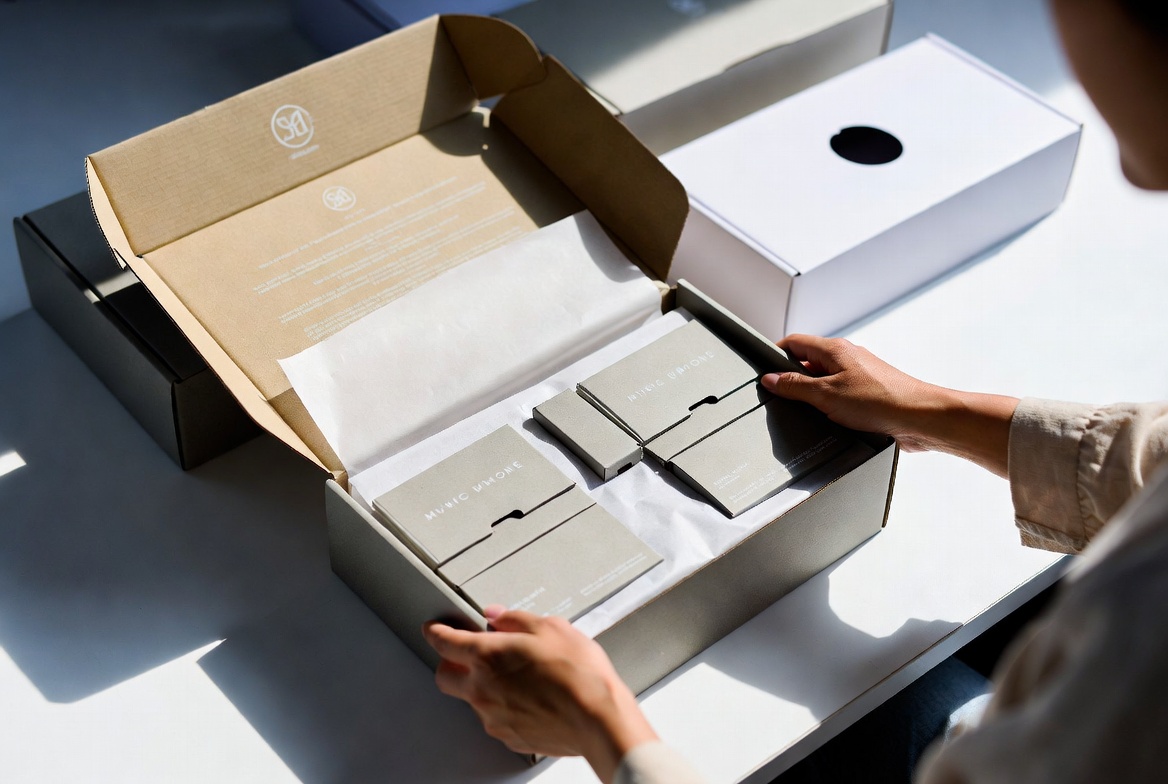
Packaging has become part of the product experience itself. Customers often remember how a package looks, feels, and opens just as much as the product inside. For online brands, that makes packaging a powerful touchpoint.
A strong unboxing experience usually includes:
- Clean and attractive outer packaging.
- Easy opening without frustration.
- A neat interior presentation.
- Branded inserts, thank-you notes, or care instructions.
- Packaging that feels consistent with the product value.
When the packaging experience is positive, customers are more likely to reorder, recommend the brand, or share their experience with others.
Sustainability in Packaging
Sustainability is now a major expectation in packaging. Many buyers want packaging that uses fewer materials, includes recyclable components, or avoids unnecessary plastic. Brands that respond to this expectation can improve perception while also reducing waste.
Practical ways to improve sustainability include:
- Using right-sized boxes instead of oversized cartons.
- Choosing recyclable corrugated board.
- Reducing plastic fillers where paper alternatives can work.
- Printing recycling instructions clearly on the package.
- Designing packaging that uses fewer separate parts.
Sustainable packaging does not need to sacrifice presentation. In many cases, a cleaner and simpler structure creates a more premium impression.
A Better Way to Think About Packaging
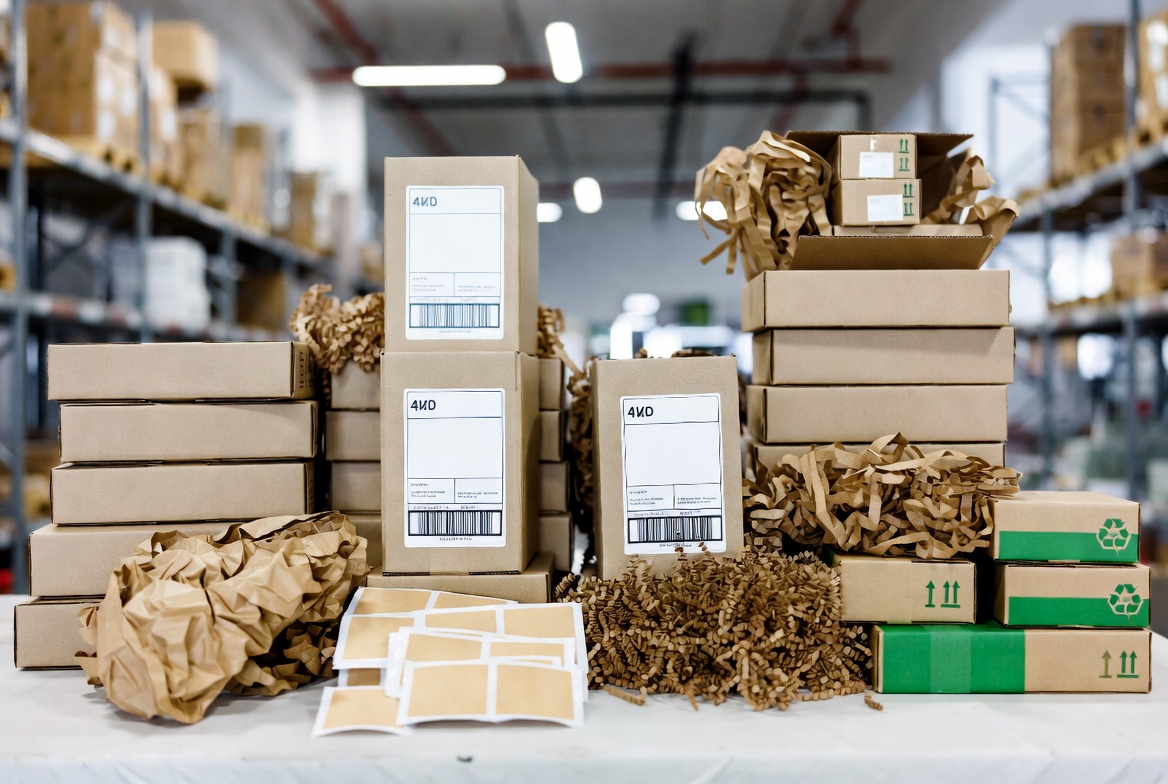
The best packaging strategies are built like systems, not single products. That means the box, insert, label, and print design should all work together.
High-performing brands usually:
1. Test packaging before full production.
2. Match box size closely to the product.
3. Use branded labels or stickers to strengthen recognition.
4. Standardize packaging formats across product lines.
5. Review damage rates, packing time, and customer feedback regularly.
This approach makes packaging more reliable and easier to manage as the business grows.
Packaging for Fragile and High-Value Products
Fragile products need more than a nice-looking box. They need packaging that prevents movement, absorbs impact, and protects surfaces from scratches or pressure.
Best practices include:
- Using foam inserts, bubble wrap, or air cushions for cushioning.
- Selecting cartons with enough strength for shipping conditions.
- Keeping the product tightly fitted inside the box.
- Avoiding empty space that allows the item to shift.
- Marking fragile packages clearly when needed.
For premium items, the packaging should also reflect the value of the product. A protective structure can still look refined and professional.
Packaging and Warehouse Efficiency
Packaging can save time in fulfillment operations when it is designed properly. A package that is easy to assemble, seal, and label helps teams work faster and more consistently.
Efficiency improves when you:
- Use standard carton sizes across product lines.
- Keep label placement simple and consistent.
- Avoid overly complicated folding or sealing steps.
- Reduce the amount of filler needed.
- Make packaging instructions easy for staff to follow.
Better packaging design can reduce packing errors and improve throughput, especially in high-volume operations.
Choosing a Packaging Partner
A good packaging supplier should do more than produce boxes. They should understand how packaging affects protection, branding, and fulfillment.
Look for a partner that offers:
- Custom packaging boxes.
- Stickers and labels for branding and logistics.
- Flexible printing and finishing options.
- Support for different product categories.
- Experience with export and international delivery requirements.
For brands that serve multiple markets, supplier consistency is essential. Packaging should arrive on time, meet quality expectations, and scale with demand.
Packaging Checklist Before Launch
Before you approve a packaging design, check the following:
- Does it protect the product during transit?
- Is the size appropriate for shipping efficiency?
- Does the design support brand recognition?
- Is the material choice aligned with sustainability goals?
- Can warehouse staff pack it quickly and easily?
- Does it create a good customer experience?
- Are labels and stickers placed clearly and correctly?
This checklist helps you avoid packaging that looks good on paper but fails in practice.
Conclusion
E-commerce packaging should do more than hold a product. It should protect the item, support the brand, simplify operations, and create a strong first impression. When designed well, packaging becomes part of the customer experience and part of the brand story.
For businesses that sell online, especially in B2B, export, or premium product categories, the right packaging solution can improve efficiency and strengthen trust at the same time. Choosing the right box, label, insert, and print style is an investment in both performance and presentation.
If your business needs custom packaging boxes, stickers, or labels for e-commerce products, now is the right time to review your packaging structure, material choice, and branding needs. A well-planned packaging solution can help you reduce damage, improve presentation, and create a smoother customer journey.
FAQ
1. What is e-commerce packaging?
E-commerce packaging is packaging designed for products sold online. It protects the product during shipping and also supports branding and customer experience.
2. Why is packaging so important for online brands?
Packaging helps reduce damage, improve shipping efficiency, and shape the customer's first physical impression of the brand.
3. What packaging works best for fragile products?
Fragile products usually need strong outer boxes, inner inserts, and cushioning materials such as foam, bubble wrap, or air pillows.
4. How can packaging be made more sustainable?
Use recyclable materials, reduce excess packaging, choose right-sized boxes, and replace plastic fillers with paper-based alternatives where possible.
5. What is the role of stickers and labels?
Stickers and labels support branding, shipping, product identification, and workflow organization. They are also a cost-effective way to customize packaging.
6. How can I improve the unboxing experience?
Use clean packaging, easy opening features, branded inserts, and a neat interior layout that feels thoughtful and consistent.
References
- [PackageIt: E-commerce Essentials: Packaging Solutions for Online ...]
- [Google Search Central: Creating Helpful, Reliable, People-First Content]
- [Google Search Central: E-A-T and quality rater guidelines update]
- [iPrint360: E-Commerce Packaging Trends 2026]
- [IPG: 2026 Packaging Trends Report]
- [Lil Packaging: Top Ecommerce Packaging Trends To Watch 2026]
- [GWP Group: Tips for successful branded packaging]
- [Evoke: Brand Packaging Design Guide]


