Content Menu
● Why Chemical Resistant Labels Matter
● What Makes a Label Chemical Resistant
● Best Materials for Harsh Environments
● Industries That Depend on Them
● Compliance and Safety Needs
>> Practical compliance checklist
● How to Choose the Right Label
● Latest Market Direction
● Expert Buying Tips
● What We Recommend at XingKun
● Conclusion
● FAQ
>> 1. What are chemical resistant labels used for?
>> 2. Which material is best for chemical resistant labels?
>> 3. Are chemical resistant labels the same as GHS labels?
>> 4. Do these labels work on drums and outdoor containers?
>> 5. How do I know if a label will survive my chemicals?
>> 6. Can chemical resistant labels include barcodes and QR codes?
● References
Chemical resistant labels are designed to keep barcodes, warnings, asset IDs, and compliance text readable after exposure to solvents, cleaners, oils, moisture, heat, and abrasion. For manufacturers, labs, automotive suppliers, and chemical producers, the right label is not a cosmetic choice—it is part of safety, traceability, and regulatory compliance. [osha]
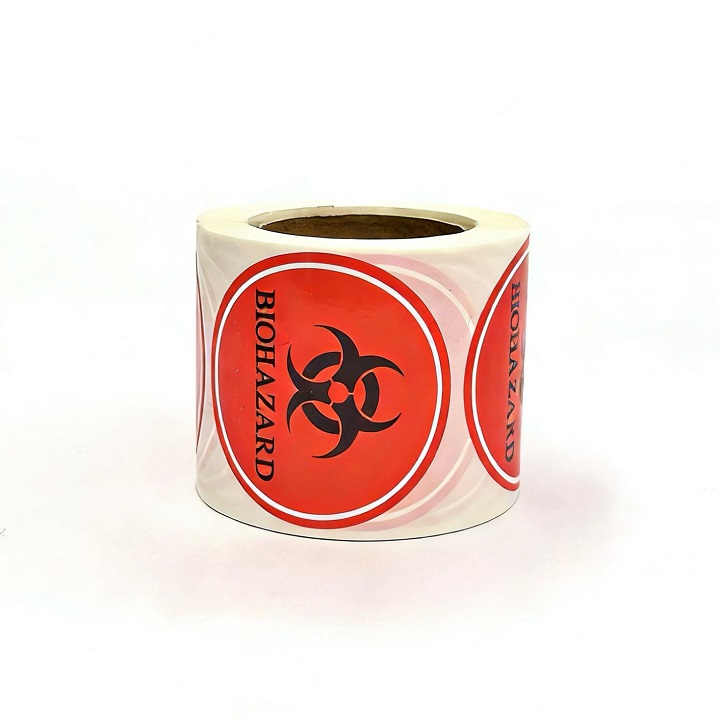
Why Chemical Resistant Labels Matter
In harsh environments, a standard paper label can smear, peel, crack, or dissolve. Once that happens, product identification and hazard communication become unreliable, which can create operational delays and compliance risk. [osha]
Chemical resistant labels help solve that problem by pairing a durable face stock with a compatible adhesive and print method. In practice, they are used wherever repeated wiping, splash exposure, or aggressive cleaning is common, including drums, lab containers, machine panels, and industrial assets. [imageteklabels]
What Makes a Label Chemical Resistant
A true chemical resistant label is not just "thicker" or "stronger." Its performance depends on three linked parts: the face material, the adhesive, and the ink or print technology. [3m.co]
Common durable constructions include polyester, polypropylene, and specialty films, often paired with permanent acrylic adhesives for better long-term bonding. Some industrial products are also designed for overlamination or specific certification programs when extreme exposure is expected. [hisco]
Best Materials for Harsh Environments
| Material | Strengths | Typical Use Cases |
| Polyester | Strong abrasion and chemical resistance, stable for industrial use hisco+1 | Equipment labels, asset tags, warning labels |
| Polypropylene | Flexible, economical, moderate chemical resistance polyonics+1 | Logistics, packaging, general industrial labels |
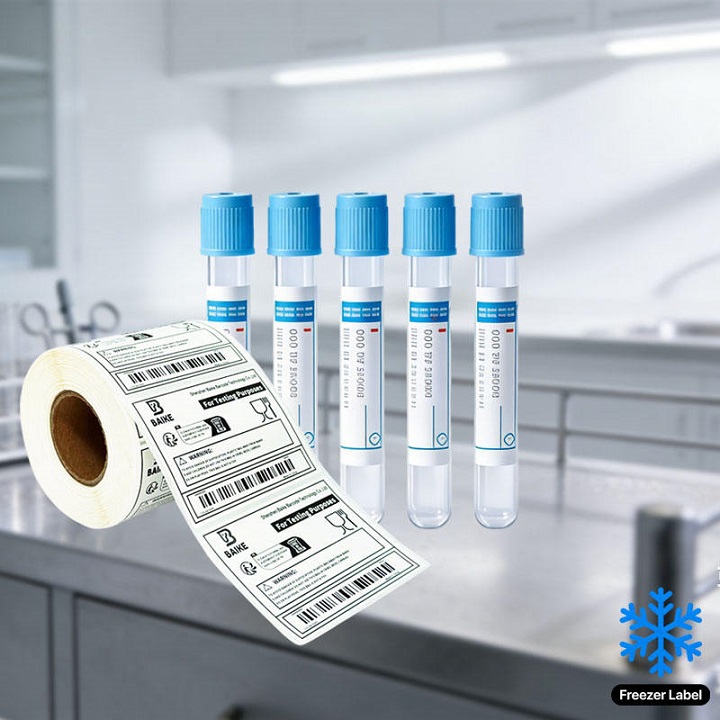
| Chemical-resistant polypropylene | Better for labs and GHS workflows fishersci+1 | Vials, tubes, sample containers |
| Overlaminated constructions | Extra protection against scuffs, UV, and chemicals 3m | Industrial nameplates, equipment graphics |
Polyester is often the safest all-round choice when the environment is unpredictable and long service life matters. Polypropylene can be a smart option when budget matters and the exposure level is moderate rather than extreme. [polyonics]
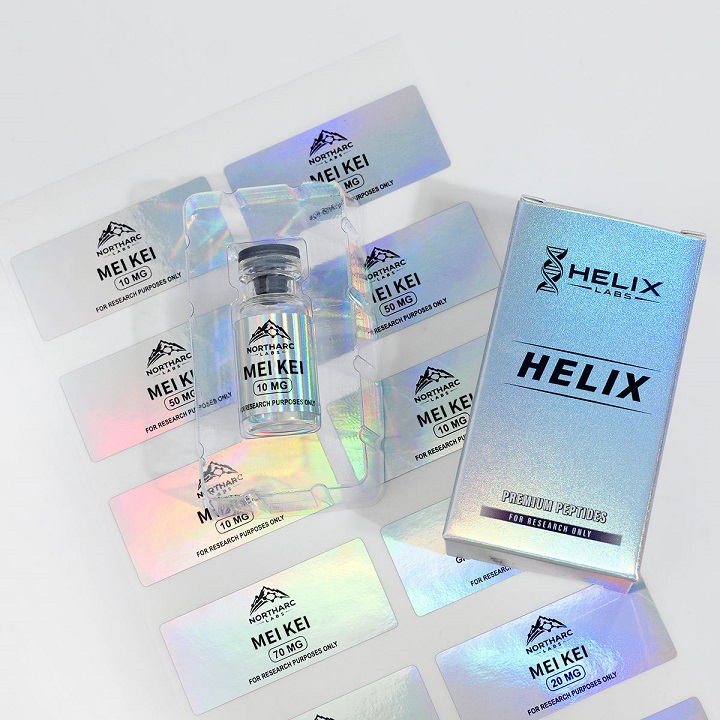
Industries That Depend on Them
Chemical resistant labels are widely used in laboratories, pharmaceuticals, chemical manufacturing, automotive, oil and gas, and industrial cleaning operations. They are especially valuable on drums, reagent bottles, maintenance tags, and safety labels where unreadable text can create serious process issues. [monarchgraphics]
For labs, labels must often survive disinfectants, alcohol wipes, cold storage, and frequent handling. For industrial packaging, the label may need to hold up to solvents such as acetone, MEK, xylene, or toluene, depending on the application. [fishersci]
Compliance and Safety Needs
If a label is used for hazardous chemicals, durability is only half the job. It must also carry the right content and remain legible under the rules that apply in the target market. [osha]
In the U.S., OSHA's Hazard Communication Standard requires labels to include the chemical identity and hazard information, along with other required elements. For chemical drums and export shipments, industry buyers often look for BS 5609-related durability expectations, especially where marine transport or severe weather exposure is involved. [label.averydennison]
Practical compliance checklist
1. Confirm the target market and applicable standard.
2. Match the label face stock to the chemicals involved.
3. Choose an adhesive that bonds to the substrate you use.
4. Test print readability after solvent exposure and wiping.
5. Verify barcode scan performance after environmental aging.
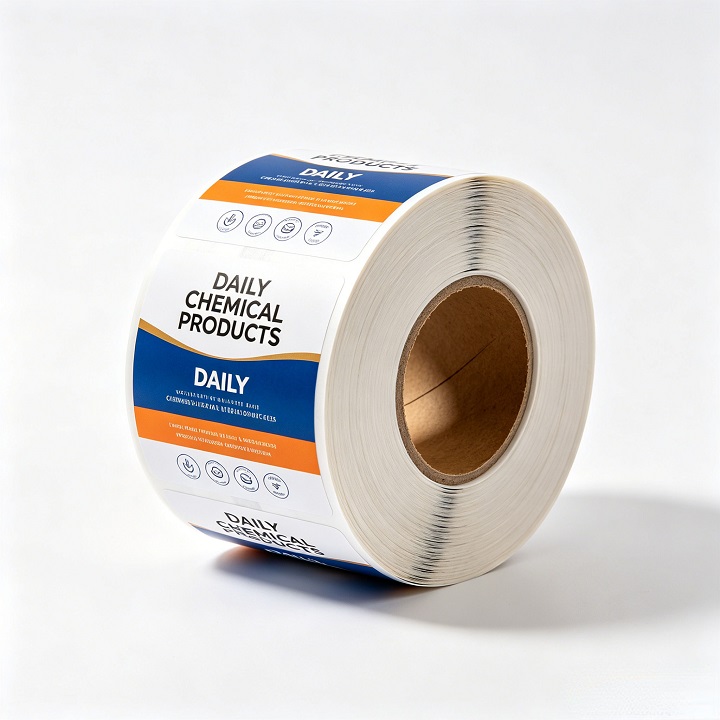
How to Choose the Right Label
The best chemical resistant label depends on the surface, the chemical exposure, and the required service life. A label for a glass lab vial is very different from a label for a painted metal drum or a textured plastic housing. [bradyid]
Use this simple selection logic:
- For heavy chemical exposure, start with polyester or a specialty chemical-resistant film. [hisco]
- For lab identification, prioritize chemical resistance plus cold-temperature performance. [bradyid]
- For drum and hazardous material labels, focus on durability, adhesion, and compliance documentation. [pcc-ltd]
- For general industrial use, consider polypropylene when you need a balance of cost and performance. [lltlabels]
Latest Market Direction
The market for chemical-resistant and GHS-related labeling continues to expand as safety communication becomes more regulated and globally standardized. Recent market commentary points to steady growth through the next decade, reflecting rising demand from manufacturing, pharma, logistics, and chemical handling industries. [openpr]
That trend matters for buyers because it signals a shift from "good enough" labels to engineered labeling systems. In other words, more companies now want labels that are traceable, compliant, machine-readable, and stable across the full product life cycle. [jessupmfg]
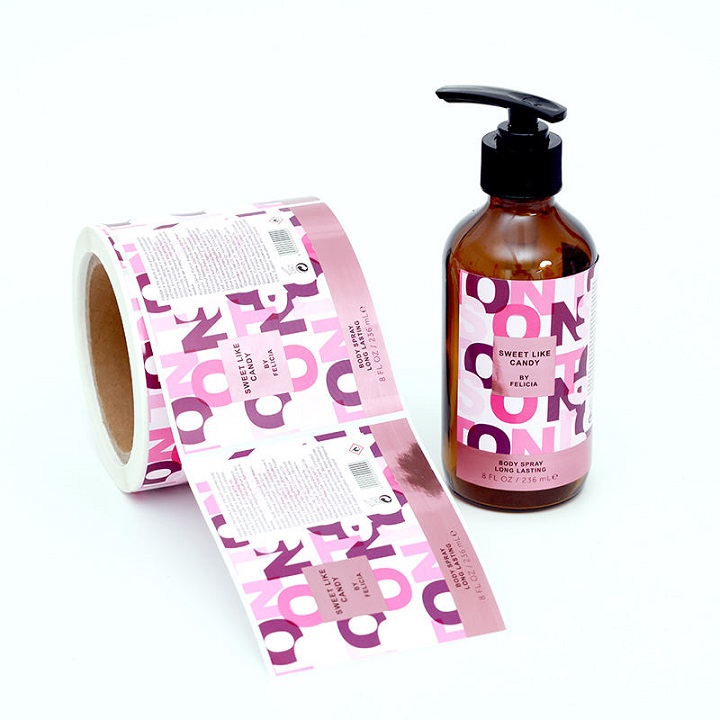
Expert Buying Tips
From a production standpoint, the most common failure is not the label film itself—it is the mismatch between the environment and the whole label system. A chemically resistant face stock can still fail if the adhesive is wrong, the print ribbon is weak, or the label is applied before the surface is clean and dry. [3m.co]
A reliable sourcing process should include:
- Chemical exposure testing.
- Adhesion testing on the real substrate.
- Barcode and text durability checks.
- Temperature and humidity validation.
- Compliance document review. [webstore.ansi]
What We Recommend at XingKun
For OEM and ODM buyers, chemical resistant labels should be treated as a custom-engineered product, not a commodity. The right solution should be built around your container material, cleaning process, transport route, and regulatory target market.
For buyers searching for a supplier, XingKun can position this product as a custom industrial labeling solution for labs, chemical packaging, machine identification, and durable product traceability. If your project requires private labeling, multilingual content, or export-oriented packaging coordination, a tailored specification sheet is usually the fastest way to reduce sampling time and improve approval rates.
Conclusion
Chemical resistant labels are essential for any operation where identification must survive solvents, wiping, moisture, heat, and repeated handling. The best results come from matching the right material, adhesive, and print system to the real-world exposure, while also accounting for compliance requirements in the destination market. For industrial buyers, the smartest approach is to test early, specify clearly, and treat label performance as part of product safety and brand reliability. [computype]
FAQ
1. What are chemical resistant labels used for?
They are used to keep labels readable on containers, equipment, and packaging that may be exposed to solvents, cleaners, oils, or moisture. [imageteklabels]
2. Which material is best for chemical resistant labels?
Polyester is often the strongest all-round option, while specialty polypropylene works well for some lab and general industrial applications. [fishersci]
3. Are chemical resistant labels the same as GHS labels?
Not exactly. GHS labels are a type of safety label format, while chemical resistant labels describe the durability needed to keep those labels readable in harsh conditions. [osha]
4. Do these labels work on drums and outdoor containers?
Yes, many are designed for drums, industrial containers, and outdoor exposure, especially when paired with the right adhesive and qualification testing. [label.averydennison]
5. How do I know if a label will survive my chemicals?
You should test the exact label construction against the actual chemicals, cleaning agents, and temperature conditions used in your process. [bradyid]
6. Can chemical resistant labels include barcodes and QR codes?
Yes, and in many industrial workflows they should, provided the print system and surface remain readable after exposure. [computype]
References
1. [OSHA Hazard Communication - Overview] [osha]
2. [OSHA Hazard Communication Standard: Labels and Pictograms] [osha]
3. [Future Market Insights: Global GHS Label Market] [futuremarketinsights]
4. [Brady M21-375-488 Chemical Resistant Polyester Label] [hisco]
5. [Brady Chemical Resistant Cryogenic Polypropylene Labels] [fishersci]
6. [ImageTek Labels: Chemical Resistant Labels for Industrial and Durable Goods Manufacturing] [imageteklabels]
7. [3M Overlaminate Label Materials] [3m.co]
8. [Brady Label Material Guide] [bradyid]
9. [Polyonics Label Material Types Guide] [polyonics]
10. [Premier adds new products for BS 5609: 2024 accreditation] [pcc-ltd]


