Content Menu
● Why Safety Comes First in Children's Book Printing
>> Key Safety Questions to Ask Your Printer
● Child-Safe Inks, Coatings, and Adhesives
>> Recommended Ink and Coating Combinations
● Best Paper Options for Children's Books
>> Paper for Board Books
>> Paper for Picture Books
>> Paper for Activity and Coloring Books
● Durable Binding Options for Children's Books
>> Binding Comparison
>> Board Book Binding: The Safest Choice for Ages 0–3
>> When to Choose Hardcover Binding
● A Practical Specification Checklist
● Expert Insight: The Most Common Production Mistakes
>> 1. Using Thin Paper for Toddler Books
>> 2. Choosing Standard Perfect Binding for Daily Classroom Use
>> 3. Ignoring the Difference Between a Book and a Book-Toy
>> 4. Over-Laminating Every Page
● How to Balance Cost, Safety, and Quality
● Quality Control Steps Before Mass Production
● Conclusion
● FAQ
>> 1. What is the safest binding for a children's book?
>> 2. What paper is best for children's picture books?
>> 3. Are children's books required to meet CPSIA requirements?
>> 4. Are soy-based inks better for children's books?
>> 5. How many pages can a saddle-stitched children's book have?
>> 6. Should children's book corners be rounded?
● References
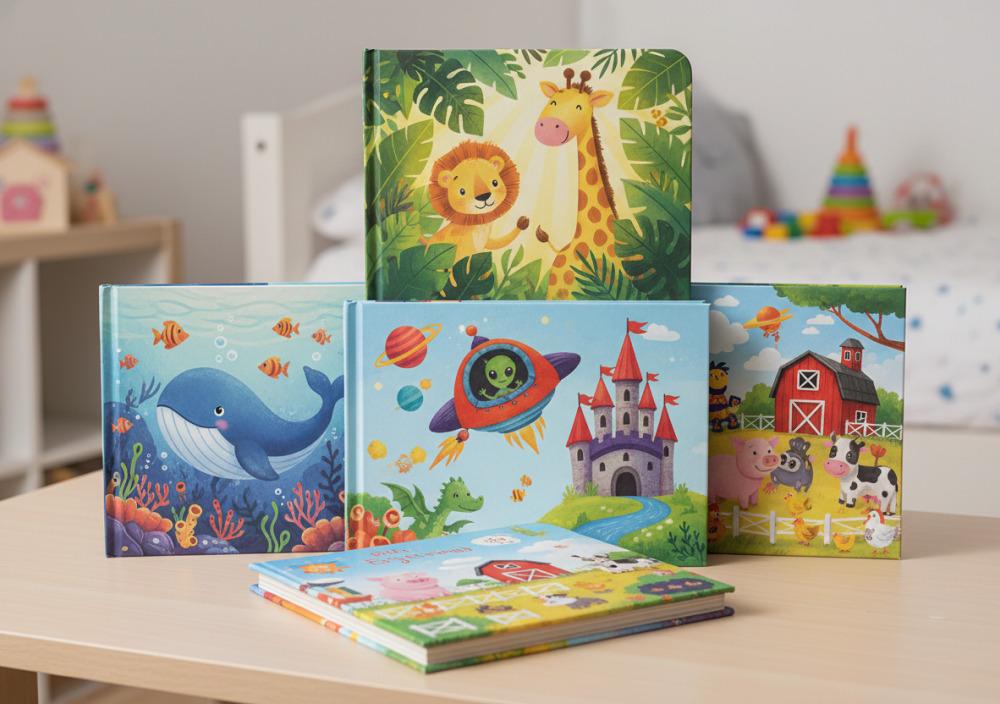
Choosing the right children's book printing specification is not only a design decision—it is a safety, durability, and compliance decision. The best children's books combine child-safe inks and coatings, age-appropriate paper, rounded corners, and a binding method that survives repeated handling by young readers.
As a manufacturer serving publishers, brands, and educational buyers, we see the same issue repeatedly: a beautiful book concept can fail in the market if the pages tear easily, the spine cracks, or the product cannot meet the safety expectations of its destination market. This guide explains how to specify a children's book that is safe, durable, print-ready, and commercially viable.
Why Safety Comes First in Children's Book Printing
Children's books are handled differently from adult books. Babies chew corners, toddlers bend pages, preschoolers pull at bindings, and classroom books may be read hundreds of times. For these reasons, material selection and construction quality matter as much as illustration and story.
Safety requirements also depend on the product type. In the United States, the CPSC explains that "ordinary books" printed on paper or cardboard with conventional inks, binding, and finishing may qualify for an exemption from total lead-content testing. However, that exemption does not apply to books with inherent play value, books designed or intended for children aged three or younger, or books packaged with toys or non-book components. [cpsc]
This distinction is critical. A standard picture book and an interactive cloth book, bath book, sound book, or novelty book may follow very different compliance paths.
Key Safety Questions to Ask Your Printer
Before production, ask these questions in writing:
- Are the inks, coatings, adhesives, and laminating films suitable for the target age group?
- Does the book contain plastic, metal, foam, sound modules, or other non-paper components?
- Are corners rounded, especially for board books and books for children under three?
- Are staples fully concealed or avoided where young children may access them?
- Can the supplier provide material declarations, test reports, or support for a Children's Product Certificate where applicable?
- Will the finished book withstand moisture, bending, tearing, and repeated page-turning?
A responsible printer should not simply say "child-safe." It should identify the market, age range, product construction, and applicable documentation.
Child-Safe Inks, Coatings, and Adhesives
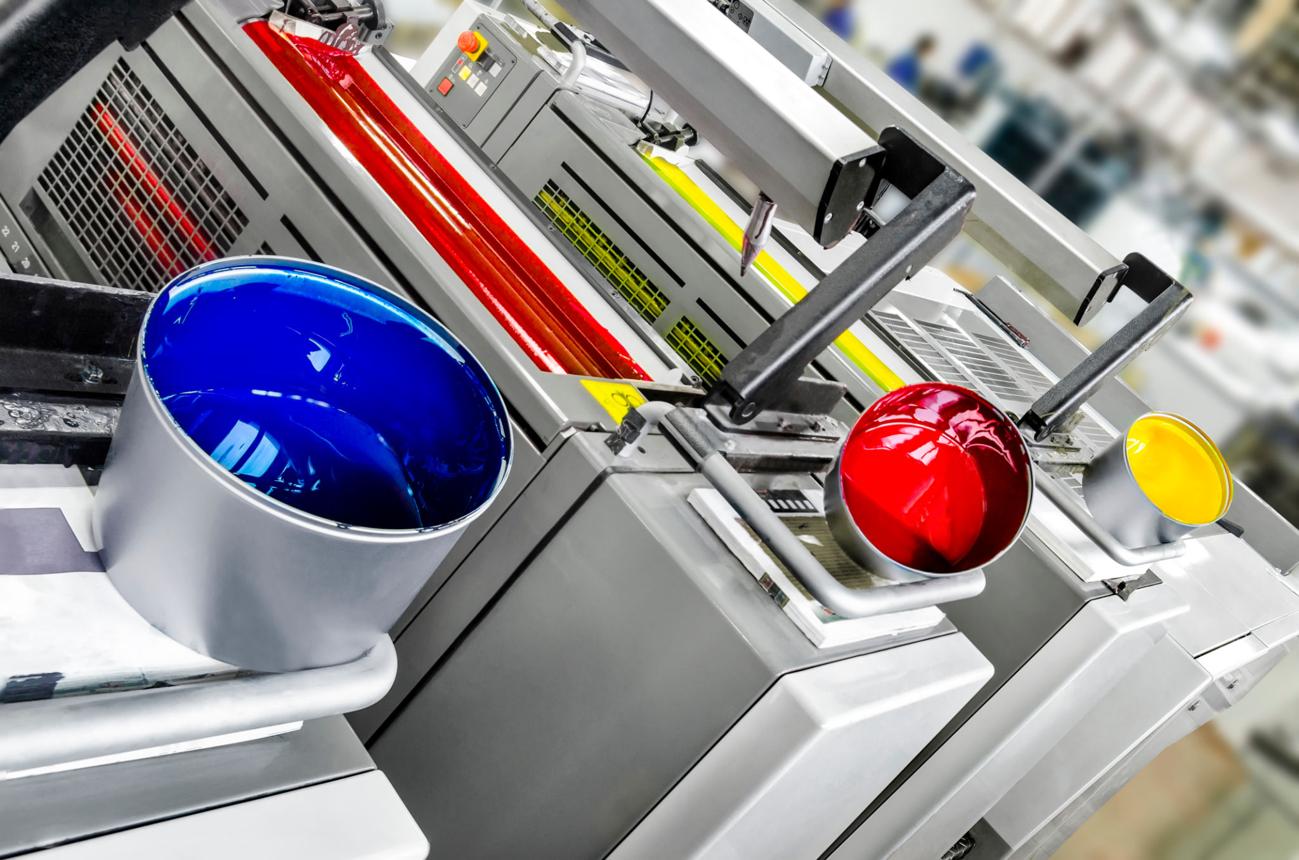
Ink and finishing choices affect both safety and visual quality. For children's products, we generally recommend soy-vegetable-based inks or water-based inks for interior printing, particularly for board books, baby books, and early-learning titles.
XingKun offers water-based and soy-vegetable-based ink options, alongside conventional oil-based, fluorescent, Pantone, and metallic ink systems. For a children's title, the correct choice depends on the age group, color requirements, coating system, and regulatory needs. [xkdisplay]
Recommended Ink and Coating Combinations
| Book type | Recommended ink | Recommended finish | Why it works |
| Baby board book | Soy-vegetable or water-based ink | Matte or anti-scratch lamination | Durable, wipeable, and suitable for frequent handling |
| Toddler picture book | Soy-vegetable ink | Matte lamination | Reduces glare while protecting illustrations |
| Preschool activity book | Water-based ink | Aqueous coating | Suitable for books intended for coloring or writing |
| Premium gift picture book | Soy-vegetable or Pantone ink | Soft-touch or spot UV | Adds shelf appeal while retaining a premium feel |
| Pop-up or novelty book | Project-specific ink system | Lamination plus reinforced construction | Requires additional safety review for moving parts |
Important: A coating should improve durability without creating a stiff, brittle, or easily delaminating surface. For toddler books, we prefer a flexible matte or anti-scratch lamination over a heavy gloss finish.
Best Paper Options for Children's Books
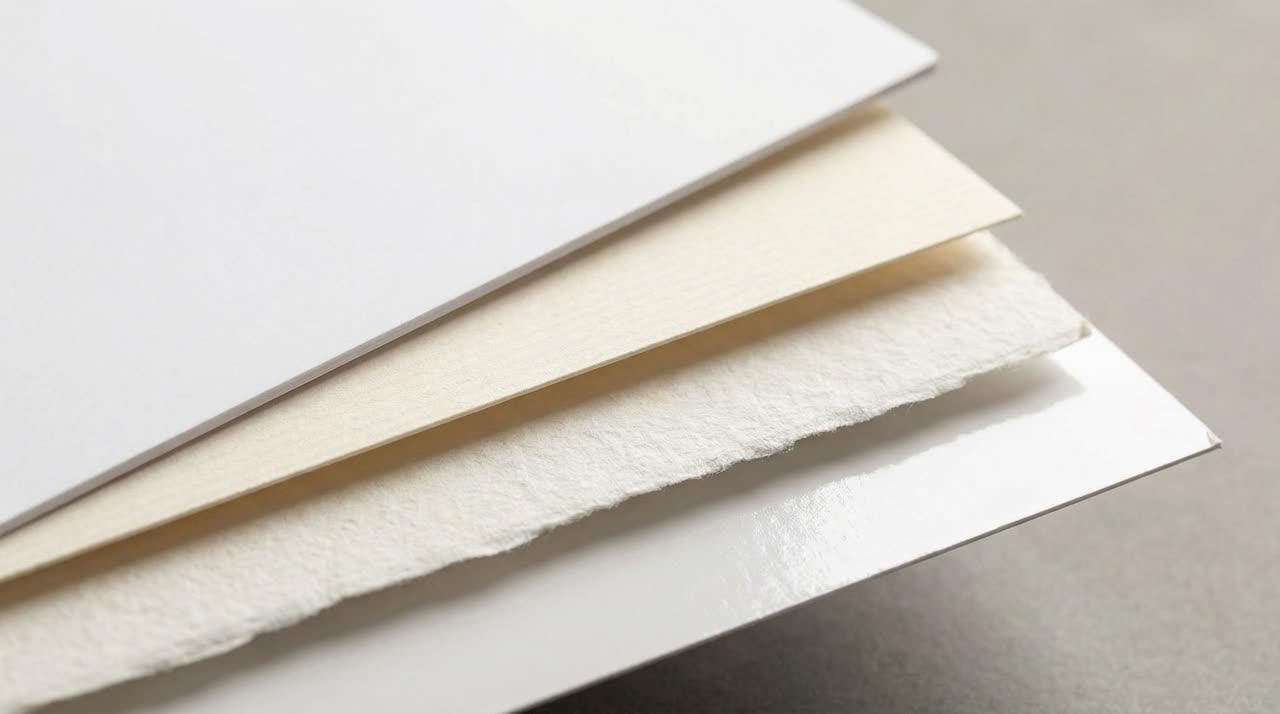
Paper selection determines how a book feels, how colors reproduce, how long it lasts, and how well it opens. There is no single "best" paper for every children's book; the right choice depends on the reader's age and the book's intended use.
Paper for Board Books
For babies and toddlers, board books are usually the safest and most durable format. They use thick paperboard pages rather than thin text paper, making them resistant to tearing, bending, and spills.
Common board-book constructions include:
- 350gsm C1S mounted to 350gsm C1S, creating a strong double-sided board page.
- 400gsm C1S or higher for extra rigidity and longevity.
- 2mm greyboard or equivalent thick board for premium, highly durable toddler books.
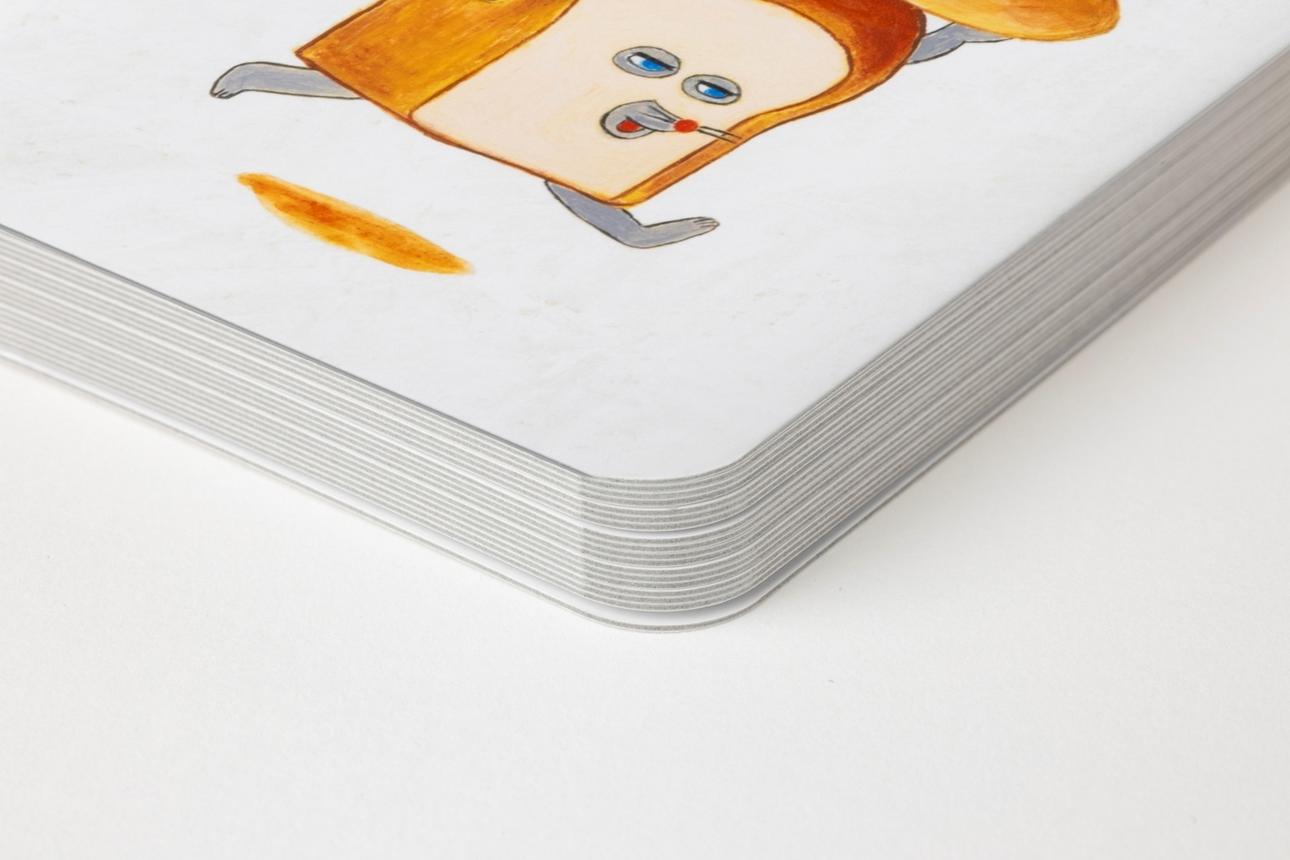
- Rounded corners to reduce sharp edges and extend page life.
Industry guidance commonly identifies 2mm greyboard, or a double-layer construction around 350gsm x 2, as a practical board-book specification. XingKun's children's book materials include SBS C1S, SBS C2S, kraft boards, CCNB, recycled CCNB, textured paper, and specialty papers, giving brands flexibility across price tiers and visual styles. [xkdisplay]
Paper for Picture Books
For children aged approximately four to eight, 128gsm to 157gsm matte coated paper is a widely used interior stock. It provides strong color reproduction, a smooth reading surface, and enough substance for repeated handling. [mainlandprinting]
A practical specification is:
- 128gsm matte coated paper for standard picture books.
- 157gsm matte coated paper for premium picture books or frequently handled classroom titles.
- 100lb text paper or equivalent for durable softcover children's books.
- 100lb cover stock or higher for covers that need extra structure. [printingcenterusa]
Paper for Activity and Coloring Books
Activity books require a different approach. If children will color, write, or draw directly on the pages, avoid heavy coated stock because markers and some pens may smear or fail to absorb properly.
Better options include:
- Uncoated offset paper for crayons, pencils, and many markers.
- 80gsm to 120gsm uncoated paper for coloring pages.
- Heavier cover stock for the front and back covers.
- Perforated pages if the book includes tear-out activities, cards, or crafts.
Durable Binding Options for Children's Books
Binding is where many children's books fail. A book may look excellent on arrival but develop loose pages, cracked spines, or exposed staples after only a few weeks of use. The correct binding method should match the page count, paper thickness, reader age, and usage environment.
Binding Comparison
| Binding method | Best use case | Typical page range | Durability | Safety consideration |
| Board book binding | Babies and toddlers | Often 8–36 pages | Very high | Use non-toxic adhesive and rounded corners |
| Saddle stitch | Short booklets, coloring books | Commonly up to about 48–64 pages | Low to medium | Staples must be secure and concealed where appropriate |
| Perfect binding | Longer softcovers | Often from about 28 pages | Medium | Avoid for very thin, high-handling toddler books |
| Smyth-sewn perfect binding | Premium softcover picture books | Longer formats | High | More durable than standard glue binding |
| Hardcover case binding | Keepsakes, libraries, premium editions | Wide range | High | Strong protection and premium shelf appeal |
| Wire-O or spiral | Workbooks and activity books | Flexible | Medium to high | Ensure coil ends are safely finished |
Saddle stitching is economical and allows a booklet to open relatively flat, but it is generally better suited to shorter titles and may be less appropriate for very young children because of staple exposure. Perfect binding creates a printable spine and suits longer softcovers, but it is less durable than case binding and can crack when used on very thin, heavily handled books. [printingcenterusa]
Board Book Binding: The Safest Choice for Ages 0–3
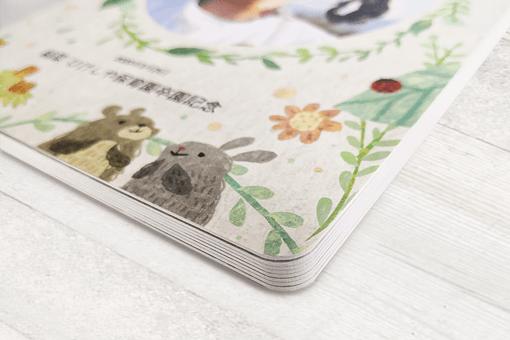
For children under three, we usually recommend board book binding. It uses rigid mounted pages, rounded corners, and durable adhesive construction. This format resists tearing and makes pages easier for small hands to turn. [xinyiprint]
A strong board-book specification should include:
- Thick mounted paperboard pages.
- Rounded corners on every page.
- Flexible yet strong child-appropriate adhesive.
- Matte or anti-scratch lamination.
- No loose attachments, sharp edges, or easily detachable components.
- A page count appropriate for the target age; shorter books are easier for toddlers to manage.
When to Choose Hardcover Binding
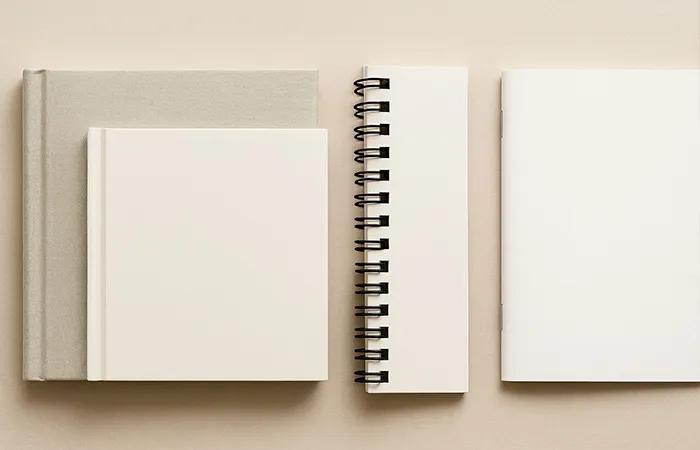
Hardcover case binding is ideal when the book is intended to become a keepsake, library title, gift edition, or high-circulation classroom resource. It protects pages better than a softcover and creates a more premium retail presentation. [printingcenterusa]
For a durable hardcover children's book, consider:
- A sturdy greyboard case.
- Wrapped printed cover or cloth cover material.
- Smyth-sewn or reinforced interior binding for longevity.
- Matte lamination for protection against fingerprints and moisture.
- Rounded corners for younger readers.
A Practical Specification Checklist
Use this checklist before approving a children's book for production.
1. Define the reader age. A book for a 10-month-old requires a very different construction from one for a seven-year-old.
2. Confirm the market. U.S., EU, UK, Australian, and other markets may have different documentation and safety expectations.
3. Select the format. Board book, paperback, hardcover, activity book, or novelty book.
4. Choose paper thickness. Prioritize durability for younger readers.
5. Select ink and coating. Favor water-based or soy-vegetable-based systems for young-child products.
6. Approve a physical dummy. Check page turn, spine strength, corner rounding, color, and lamination.
7. Run a pre-production sample. Test bending, rubbing, moisture exposure, and repeated opening.
8. Document compliance. Retain material declarations, test reports, and certificate references.
9. Plan packaging. Protective cartons reduce edge damage during international shipping.
10. Schedule a final inspection. Check binding strength, glue coverage, alignment, and surface finish.
Expert Insight: The Most Common Production Mistakes
From a manufacturing perspective, the most frequent children's book problems are preventable.
1. Using Thin Paper for Toddler Books
A 128gsm coated sheet may be perfect for a five-year-old's picture book, but it is usually too thin for a toddler board book. Thin pages tear, curl, and become difficult for small hands to turn.
Better approach: Use mounted board pages for ages 0–3 and reserve lighter text stocks for older children.
2. Choosing Standard Perfect Binding for Daily Classroom Use
Perfect binding is suitable for many softcover children's books, but it is not always the best choice for a workbook that will be opened flat every day. Thin perfect-bound books can crack at the spine under repeated use. [publishingxpress]
Better approach: Use saddle stitch for short activity booklets, Wire-O for workbooks, or sewn binding for premium softcovers.
3. Ignoring the Difference Between a Book and a Book-Toy
A standard paper book and a book with a plush cover, sound button, puzzle piece, or bath-safe construction are not the same compliance category. The CPSC specifically excludes books with inherent play value and books intended for children aged three or younger from the ordinary-book testing exemption. [cpsc]
Better approach: Classify the product correctly before sampling and production.
4. Over-Laminating Every Page
Lamination improves durability, but excessive gloss lamination can create glare, make writing difficult, and increase cost. It can also feel less premium on certain matte art styles.
Better approach: Use matte or soft-touch lamination for storybooks and reserve gloss or spot UV for covers and selected design elements.
How to Balance Cost, Safety, and Quality
A successful children's book does not need to be the most expensive book on the shelf. It needs to be appropriate for its reader and usage environment.
| Budget level | Recommended specification | Best for |
| Economy | Saddle-stitched booklet, uncoated or light coated paper | Coloring books, short story booklets, promotional titles |
| Standard | Perfect-bound softcover, 128–157gsm matte coated interior | Picture books, early readers, educational titles |
| Premium | Hardcover or Smyth-sewn binding, thicker coated paper, matte lamination | Gift books, keepsakes, library editions |
| Maximum durability | Board book with mounted pages, rounded corners, anti-scratch lamination | Baby books, toddler books, bath-adjacent or high-handling formats |
For brands selling internationally, we recommend investing more in binding and corner treatment than in decorative finishes. A book that survives real use generates better reviews, fewer returns, and stronger long-term brand trust.
Quality Control Steps Before Mass Production
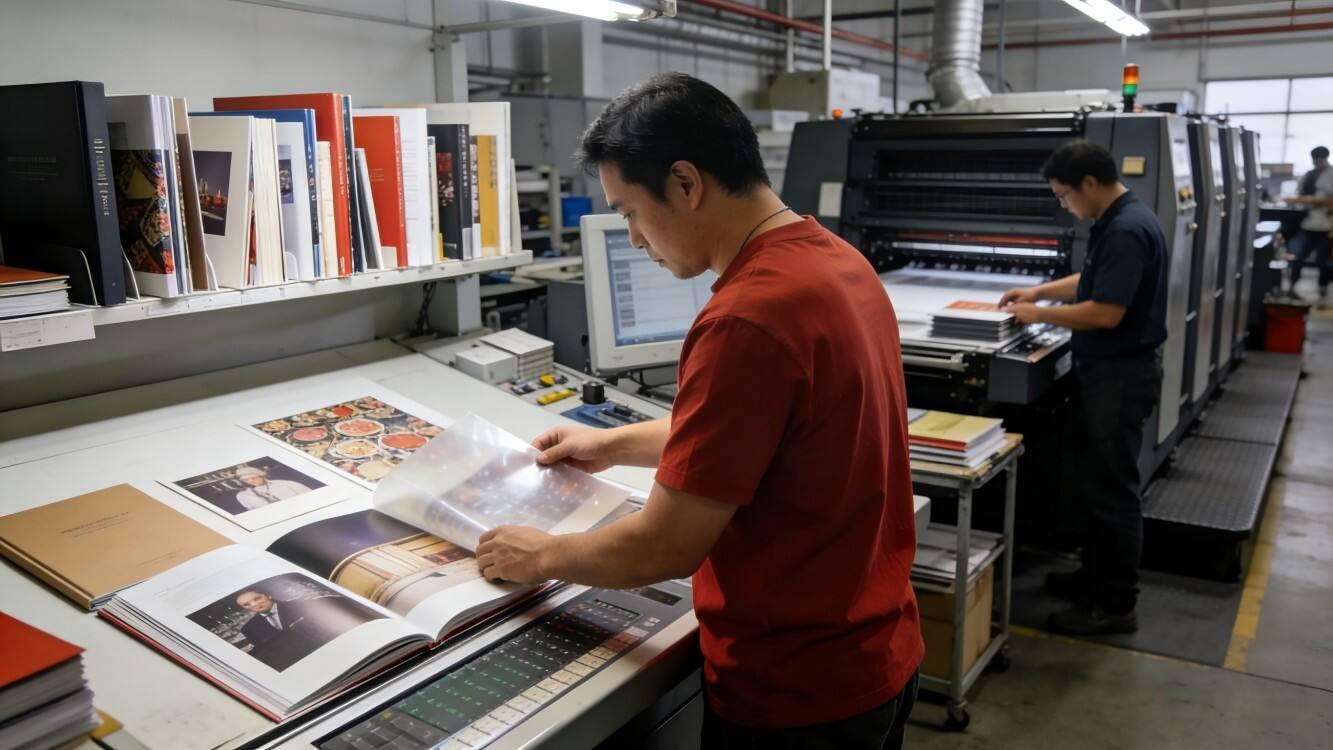
A professional children's book printer should include these checkpoints:
- Pre-press proof: Confirms color accuracy, image resolution, bleed, and font embedding.
- Paper and material approval: Verifies stock weight, coating, opacity, and finish.
- Blank dummy: Checks page count, spine thickness, trim size, and binding feasibility.
- Printed sample: Reviews color, registration, lamination, and finishing.
- Durability test: Simulates page-turning, bending, rubbing, and light moisture exposure.
- Final random inspection: Checks glue coverage, staple security, corner rounding, alignment, and packaging.
At XingKun, children's book projects can be produced with digital, offset, or UV printing, with finishing options including aqueous coating, UV coating, spot gloss UV, soft-touch coating, varnish, lamination, anti-scratch lamination, hot foil stamping, embossing, and debossing. These options allow publishers to create everything from simple classroom booklets to premium gift editions. [xkdisplay]
Conclusion
Successful children's book printing requires a balance of safety, durability, visual quality, and cost control. For babies and toddlers, choose thick board pages, rounded corners, child-appropriate adhesives, and protective matte lamination. For older children, 128gsm to 157gsm matte coated paper with perfect binding, sewn binding, or hardcover case binding is often a stronger choice.
The most important step is to match the specification to the reader. A book designed for a toddler must survive chewing, bending, and spills; a classroom workbook must open flat and endure daily use; a gift picture book must look premium and remain durable over time. By defining the age group, market, paper stock, ink system, and binding method early, publishers can avoid costly revisions and create books children enjoy—and parents trust.
If you are planning a custom children's book, board book, activity book, or hardcover picture book, XingKun can help you select the right materials, binding method, and compliance-ready production specification. Request a quote and printed sample today to test your concept before mass production.
FAQ
1. What is the safest binding for a children's book?
For babies and toddlers, board book binding is usually the safest and most durable option. It uses thick mounted pages, rounded corners, and strong adhesive rather than exposed staples. For older children, hardcover or sewn binding offers excellent durability. [xinyiprint]
2. What paper is best for children's picture books?
For standard picture books, 128gsm or 157gsm matte coated paper is a common choice because it reproduces illustrations well and withstands repeated handling. For premium or high-circulation titles, heavier coated paper or a hardcover format may be more suitable. [mainlandprinting]
3. Are children's books required to meet CPSIA requirements?
It depends on the product. The CPSC states that ordinary paper-based books may qualify for an exemption from total lead-content testing, but the exemption does not apply to books with play value, books intended for children aged three or younger, or books sold with toys or non-paper components. Always confirm the product classification and required documentation before production. [cpsc]
4. Are soy-based inks better for children's books?
Soy-vegetable-based and water-based inks are commonly selected for children's books because they support a more child- and environmentally conscious production approach. However, ink choice should always be assessed together with coatings, adhesives, laminates, age grading, and destination-market requirements. [xkdisplay]
5. How many pages can a saddle-stitched children's book have?
Saddle stitching is generally best for shorter books, often up to approximately 48 to 64 pages depending on paper thickness and construction. It is cost-effective and opens relatively flat, but it is less durable than board book, sewn, or hardcover binding. [taylor]
6. Should children's book corners be rounded?
Yes, especially for board books and books intended for children under three. Rounded corners reduce sharp edges, improve handling safety, and help prevent corner damage during repeated use. [mainlandprinting]
References
1. U.S. Consumer Product Safety Commission, "Children's Books": [https://www.cpsc.gov/FAQ/Childrens-Books] [cpsc]
2. Taylor Corporation, "A Guide to Printing Children's Books": [https://www.taylor.com/blog/a-guide-to-printing-childrens-books] [taylor]
3. PrintingCenterUSA, "The Complete Guide to Children's Book Printing": [https://www.printingcenterusa.com/blog/the-complete-guide-to-childrens-book-printing/] [printingcenterusa]
4. Publishing Xpress, "Board Book Printing for Children: 2026 Buying Guide": [https://www.publishingxpress.com/blog/board-book-printing-for-toddler-and-baby-picture-books/] [publishingxpress]
5. Mainland Printing, "Children's Book Printing: Sizes, Paper & Safe Binding": [https://www.mainlandprinting.com/childrens-book-printing-guide/] [mainlandprinting]
6. Xinyi Printing, "Book Binding Types": [https://xinyiprint.com/support/book-binding-types/] [xinyiprint]
7. PRC Book Printing, "Children's Book Printing Services": [https://prcbookprinting.com/children-book-printing/] [prcbookprinting]
8. XingKun Printing Products, "Children's Book": [https://www.xkdisplay.com/childrens-book.html] [xkdisplay]


