Content Menu
● What Are Custom Vinyl Stickers?
● Why Material Selection Matters
● Main Vinyl Sticker Materials
>> Calendered Vinyl
>> Cast Vinyl
>> White Vinyl
>> Clear Vinyl
>> Removable Vinyl
>> Specialty Vinyl and Film Effects
● Vinyl Sticker Finishes: Gloss, Matte, and Specialty
>> Gloss Finish
>> Matte Finish
>> Soft-Touch and Textured Finishes
>> Holographic and Metallic Finishes
● Adhesive Options for Custom Vinyl Stickers
>> Permanent Adhesive
>> Removable Adhesive
>> Repositionable Adhesive
>> Adhesive Strength and Surface Preparation
● How Long Do Custom Vinyl Stickers Last?
>> Factors That Reduce Sticker Lifespan
● Best Uses for Custom Vinyl Stickers
>> Product Packaging and Branding
>> Bottles, Tumblers, and Reusable Products
>> Laptops, Helmets, and Personal Devices
>> Vehicles, Equipment, and Outdoor Signage
>> Retail Windows and Seasonal Campaigns
>> Merchandise, Events, and Collector Products
● How to Specify Custom Vinyl Stickers
>> A Practical Sample-Approval Process
● Sustainability Considerations
● Common Mistakes to Avoid
● Conclusion
● FAQ
>> 1. Are custom vinyl stickers waterproof?
>> 2. What is the difference between cast and calendered vinyl?
>> 3. Should I choose gloss or matte finish for vinyl stickers?
>> 4. Can vinyl stickers be used on cars and outdoor equipment?
>> 5. How do I prevent vinyl stickers from peeling?
>> 6. What artwork files do I need for custom vinyl sticker printing?
● References
Custom vinyl stickers are one of the most versatile branding tools for product packaging, retail promotions, equipment labeling, bottles, laptops, vehicles, and outdoor signage. The best sticker is not simply a printed shape; it is a carefully matched combination of vinyl film, adhesive, ink system, laminate, and die-cut format. Choosing these elements correctly determines whether a sticker stays vibrant for years or begins to fade, curl, or peel after a few months.
As a custom printing and packaging manufacturer serving global brands, wholesalers, and OEM/ODM buyers, XingKun sees a consistent pattern: buyers who define the application environment first achieve better sticker performance and lower total cost. This guide explains the main vinyl sticker materials, surface finishes, adhesive options, durability factors, and best-use scenarios so procurement teams can specify custom vinyl stickers with confidence.
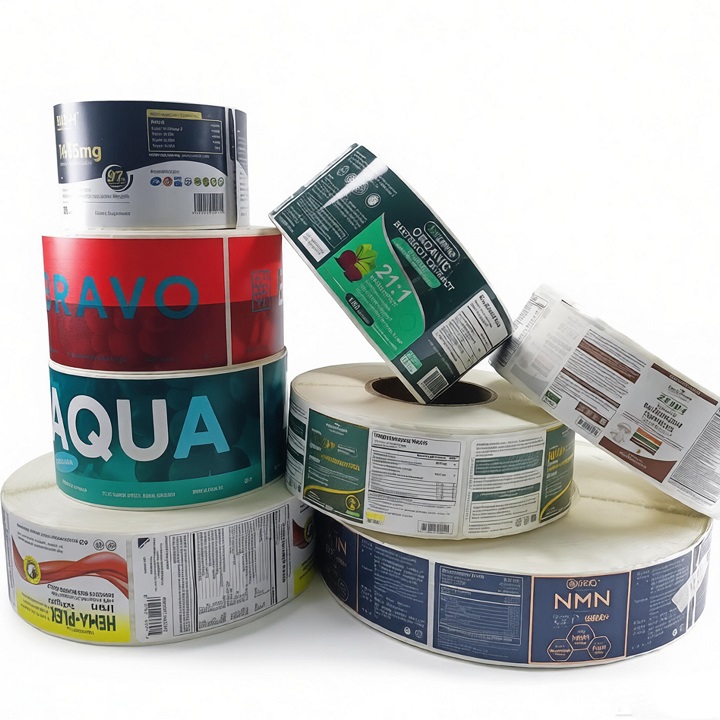
What Are Custom Vinyl Stickers?
Custom vinyl stickers are pressure-sensitive decals made from a flexible plastic film—most commonly PVC vinyl, polypropylene (PP), or other synthetic films—printed with custom artwork and cut to a required shape. Unlike paper stickers, vinyl stickers resist moisture, tearing, and many common surface abrasions.
A typical custom vinyl sticker has four layers:
- Face film: The printable vinyl layer that carries the design.
- Adhesive: Permanent, removable, or repositionable glue depending on the application.
- Release liner: The backing paper or film that protects the adhesive before application.
- Protective finish or laminate: An optional gloss, matte, or specialty layer that improves scratch, UV, and moisture resistance.
Vinyl stickers are widely used because they combine durability, design flexibility, waterproof performance, and relatively low unit cost at production quantities. They are especially suitable for branded merchandise, cosmetics, food-adjacent packaging, promotional giveaways, industrial equipment, and custom packaging seals.
Why Material Selection Matters
The word "vinyl" is often used as a shorthand for any durable sticker material, but it can describe very different film constructions. A sticker intended for a short-term retail promotion does not need the same film, adhesive, or laminate as a decal applied to outdoor machinery or a curved bottle.
Three questions should guide material selection:
1. Where will the sticker be applied? Glass, plastic, metal, painted surfaces, paperboard, textured equipment, or curved containers.
2. How long must it last? A few weeks, one year, three to five years, or longer.
3. What conditions will it face? Water, sunlight, friction, refrigeration, cleaning chemicals, heat, or repeated handling.
For example, a glossy laminated vinyl sticker may be ideal for a water bottle, while a removable low-tack vinyl is better for temporary window promotions. Premium cast vinyl is generally the better choice for vehicle graphics and complex curves because it conforms more easily than standard calendered vinyl.
Main Vinyl Sticker Materials
Calendered Vinyl
Calendered vinyl is produced by rolling PVC into a thin sheet. It is a cost-effective and widely used material for custom stickers, labels, window graphics, promotional decals, and short- to medium-term outdoor applications.
Key characteristics include:
- Good print quality and color reproduction
- Suitable for flat or gently curved surfaces
- Lower cost than cast vinyl
- Common outdoor service life of roughly 3–5 years, depending on film grade, ink, lamination, exposure, and surface preparation
- Best for promotional stickers, packaging accents, window decals, product labels, and indoor branding
Calendered vinyl is usually the most practical choice for standard custom sticker orders. For most product, packaging, and merchandise applications, a premium calendered vinyl with a protective laminate provides an excellent balance of appearance, durability, and budget.
Cast Vinyl
Cast vinyl is manufactured by casting a liquid vinyl formulation onto a carrier and curing it into a thinner, more dimensionally stable film. It is more expensive than calendered vinyl but offers superior conformability and long-term outdoor performance.
Key characteristics include:
- Excellent flexibility and conformity to curves, channels, and uneven surfaces
- Better dimensional stability and less shrinkage over time
- Often specified for vehicle graphics, fleet identification, boats, and premium exterior signage
- Outdoor durability commonly estimated at 7–10 years for high-quality film systems, though real-world results depend on installation and exposure
- Best for long-term decals, curved surfaces, and demanding outdoor environments
For a sticker applied to a flat laptop, toolbox, or product box, cast vinyl may be unnecessary. But for a curved helmet, vehicle door, or outdoor equipment panel, cast vinyl can prevent edge lifting and premature failure.
White Vinyl
White vinyl is the default choice when artwork needs strong color contrast and opacity. The white face film prevents the color of the underlying surface from showing through the printed design.
Use white vinyl when:
- The sticker includes light colors, white text, or detailed illustrations
- It will be applied to colored glass, plastic, metal, or packaging
- Brand colors must remain accurate
- The design needs a solid background
White vinyl is especially effective for cosmetics, beverage bottles, electronics, and premium packaging where logo clarity is critical.
Clear Vinyl
Clear vinyl creates a "no-label" look because the sticker background is transparent. It works particularly well on glass jars, transparent bottles, windows, acrylic displays, and clear packaging.
Important production considerations:
- White ink is often required beneath colored artwork to maintain legibility.
- Clear vinyl can show air bubbles more easily if the application surface is not smooth and clean.
- It is ideal for minimalist designs, window decals, and premium product decoration.
- A clear laminate can add protection while preserving transparency.
Clear vinyl is not always the lowest-cost option because it may require more careful printing and finishing. However, it delivers a high-end visual effect that many beauty, beverage, and lifestyle brands value.
Removable Vinyl
Removable vinyl uses a lower-tack adhesive that allows the sticker to be removed with less residue than a permanent adhesive. It is useful for temporary campaigns, seasonal windows, rental properties, retail displays, and promotional packaging.
Typical applications include:
- Window sale decals
- Temporary event signage
- Seasonal packaging promotions
- Wall graphics
- Short-term product sampling campaigns
Removable does not mean reusable indefinitely. Repeated removal, dusty surfaces, heat, and long exposure can reduce adhesion and affect clean removal.
Specialty Vinyl and Film Effects
Beyond standard white and clear films, custom stickers can use specialty materials and finishes to create a distinctive shelf presence.
Popular options include:
- Holographic vinyl: Creates a rainbow-like iridescent effect.
- Metallic vinyl: Produces a silver, gold, or brushed-metal appearance.
- Glitter vinyl: Adds sparkle for cosmetics, entertainment, and gift products.
- Reflective vinyl: Improves visibility in low-light environments.
- Textured vinyl: Simulates leather, carbon fiber, or other premium surfaces.
- Static-cling film: Adheres temporarily to smooth glass without adhesive.
Specialty materials are powerful for limited editions, influencer merchandise, beauty packaging, and collector products. They should be selected for brand impact, not only for novelty, because some effects can reduce text legibility or increase production complexity.
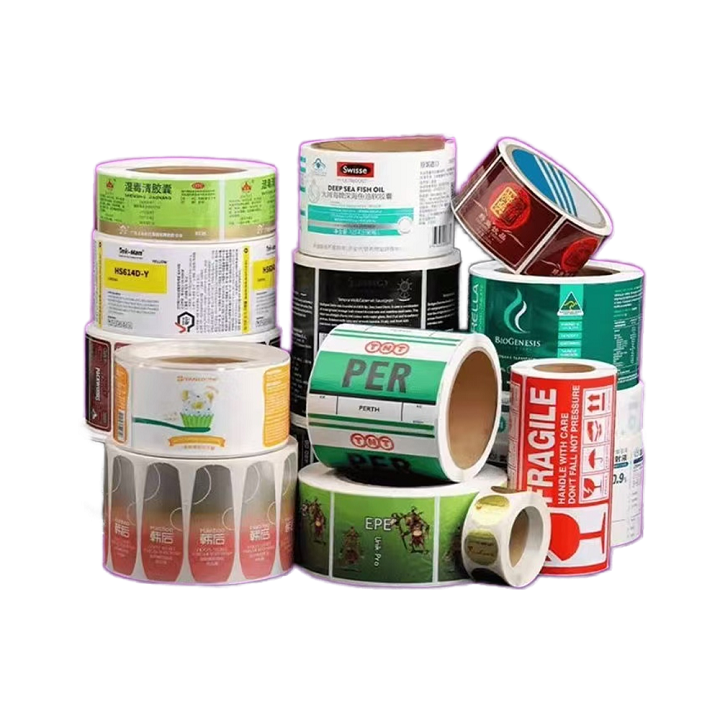
Vinyl Sticker Finishes: Gloss, Matte, and Specialty
The finish affects both appearance and durability. In many cases, the finish is applied as a lamination layer over the printed vinyl, which protects the ink from abrasion, moisture, and UV exposure.
Gloss Finish
A gloss finish creates a shiny, high-contrast surface that makes colors appear brighter and more saturated. It is a strong choice for promotional stickers, children's products, beverage branding, and colorful merchandise.
Benefits include:
- Enhanced color vibrancy
- Strong visual impact
- Good resistance to moisture and dirt when laminated
- Easy-to-clean surface
Gloss is ideal when the goal is attention. It is especially effective for bold logos, illustrations, and promotional giveaways.
Matte Finish
A matte finish has a smooth, non-reflective surface. It creates a softer, more premium, and contemporary look while reducing glare.
Benefits include:
- Reduced glare under retail lighting
- A refined, understated appearance
- Better readability for fine text
- A premium feel for luxury, minimalist, and artisan brands
Matte laminated vinyl is often chosen for cosmetics, specialty food, stationery, and high-end packaging. It can also hide minor fingerprints better than gloss in some applications.
Soft-Touch and Textured Finishes
Soft-touch lamination adds a velvety surface feel and is popular for premium packaging, cosmetics, and boutique merchandise. Textured finishes can create tactile differentiation, but they may be less suitable for stickers that must withstand frequent rubbing or cleaning.
Before choosing a specialty finish, request a physical sample. Tactile finishes can look excellent in a digital mockup but behave differently after die-cutting, application, or exposure to moisture.
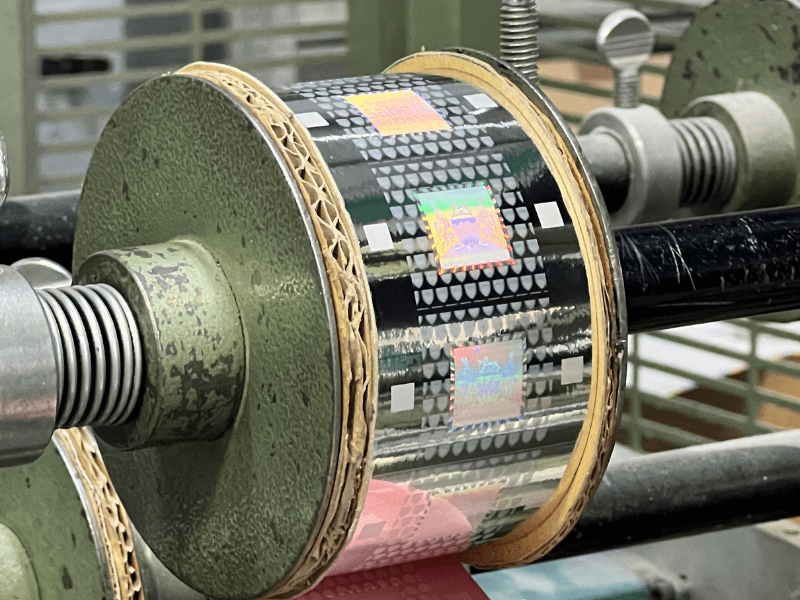
Holographic and Metallic Finishes
Holographic and metallic finishes create immediate visual distinction. They work well for:
- Anime and entertainment merchandise
- Limited-edition product labels
- Beauty and fashion packaging
- Event merchandise
- Collector cards and promotional seals
These finishes are best used as an accent rather than across an entire complex design. For example, a holographic background can make a white logo or dark text stand out dramatically.
Adhesive Options for Custom Vinyl Stickers
The adhesive is as important as the film. A beautiful sticker that peels at the edges creates a poor brand impression.
Permanent Adhesive
Permanent adhesive is designed for long-term application. It is the standard choice for product labels, equipment decals, branded merchandise, and outdoor signage.
Use permanent adhesive when:
- The sticker should remain in place for months or years
- The product will be handled frequently
- The sticker is part of the packaging design
- Safety, branding, or identification information must stay attached
Removable Adhesive
Removable adhesive is designed for temporary use and easier removal. It is suitable for window promotions, short-term packaging, and retail displays.
Repositionable Adhesive
Repositionable adhesive allows limited adjustment during application. It is useful for wall decals, large-format graphics, and displays where alignment matters.
Adhesive Strength and Surface Preparation
Even the best adhesive can fail on a dirty, oily, textured, or curved surface. Before mass production, test the sticker on the actual substrate.
Best practices include:
- Clean the surface with isopropyl alcohol where appropriate.
- Avoid applying stickers to dusty, waxy, or silicone-coated surfaces.
- Allow freshly painted surfaces to fully cure before application.
- Use firm, even pressure from the center outward.
- Test curved surfaces, especially bottles, helmets, and rounded containers.
How Long Do Custom Vinyl Stickers Last?
There is no single lifespan for every vinyl sticker. Durability depends on the complete construction: film type, ink, laminate, adhesive, substrate, installation quality, and exposure conditions.
As a practical planning range:
| Application | Typical Material and Finish | Expected Performance |
| Indoor product or packaging sticker | Calendered vinyl, gloss or matte laminate | Several years indoors |
| Water bottle or laptop sticker | White vinyl with laminate | 2–5 years with normal care |
| Outdoor promotional decal | Calendered vinyl with UV-resistant laminate | Around 3–5 years |
| Vehicle or curved-surface decal | Cast vinyl with protective overlaminate | Often 5–10 years, depending on system |
| Temporary window promotion | Removable vinyl | Weeks to months |
Industry sources commonly describe laminated vinyl stickers as lasting roughly 2–5 years outdoors, while premium cast vinyl systems can reach 7–10 years in suitable conditions. 3M product documentation for certain cast graphic films cites outdoor durability of up to 9 years under its MCS Warranty program, subject to approved materials, application, and warranty conditions. [3m]
Factors That Reduce Sticker Lifespan
- UV exposure: Direct sunlight accelerates fading and adhesive aging.
- Abrasion: Friction from bags, tools, dishwashers, or repeated handling wears down the print.
- Moisture and cleaning chemicals: Harsh detergents can attack edges and inks.
- Temperature changes: Freeze-thaw cycles and heat can stress adhesive bonds.
- Surface texture: Rough or porous surfaces reduce contact area and adhesion.
- Poor application: Trapped air, dust, or insufficient pressure can cause lifting.
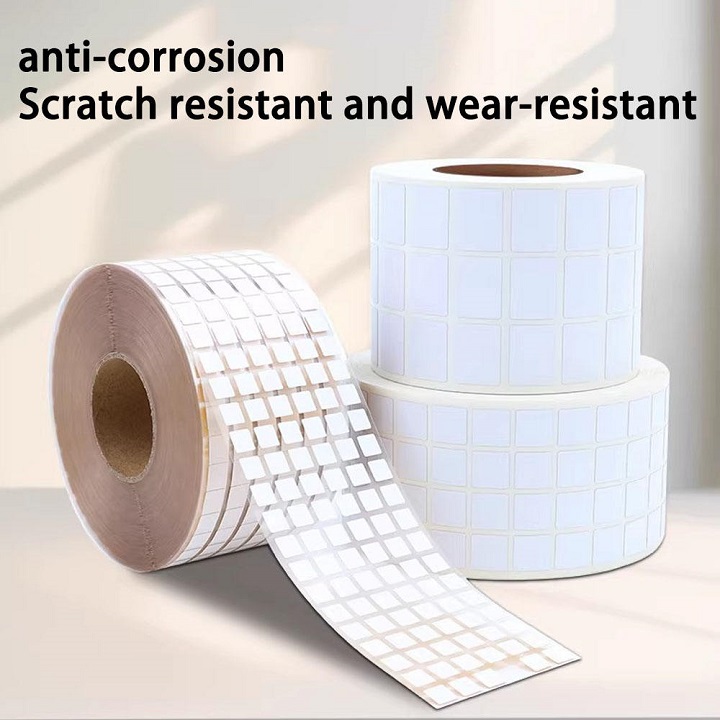
Best Uses for Custom Vinyl Stickers
Product Packaging and Branding
Custom vinyl stickers are widely used as seals, closure labels, ingredient highlights, promotional badges, and decorative packaging accents. They allow brands to update packaging without reprinting entire boxes or bags.
Common examples include:
- "Limited Edition" seals
- Logo stickers for boxes and mailers
- Ingredient or usage instructions
- Tamper-evident closure labels
- Seasonal promotional stickers
- QR-code stickers linking to product pages
For e-commerce brands, vinyl stickers can turn a plain shipping box into a branded unboxing experience.
Bottles, Tumblers, and Reusable Products
Water bottles, tumblers, cosmetics containers, and travel products need stickers that resist moisture and handling. A white vinyl sticker with a durable laminate is often the safest choice.
For drinkware, specify:
- Waterproof vinyl or synthetic film
- Permanent adhesive
- Gloss or matte laminate
- Die-cut shape with smooth edges
- Hand-wash guidance for long-term durability
Laptops, Helmets, and Personal Devices
Laptop stickers, helmet decals, and personal-device branding require resistance to friction and occasional cleaning. A die-cut vinyl sticker with a protective laminate performs better than an uncoated paper sticker.
For this use case, avoid overly intricate cut lines with very thin details, because they can lift or tear during handling.
Vehicles, Equipment, and Outdoor Signage
Outdoor applications demand more rigorous specifications. Choose a UV-resistant film, weather-resistant adhesive, and protective overlaminate. For curved vehicle panels, cast vinyl is usually preferable to standard calendered vinyl.
Suitable uses include:
- Fleet logos and contact information
- Machinery identification labels
- Safety and warning decals
- Outdoor promotional signage
- Toolboxes and equipment panels
Retail Windows and Seasonal Campaigns
Retail windows benefit from removable or low-tack vinyl. These stickers can promote seasonal sales, new collections, store events, and holiday campaigns without leaving difficult residue.
For window graphics, consider whether the design should be viewed from one side or both sides. Clear vinyl with white ink can create an elegant one-way visual effect.
Merchandise, Events, and Collector Products
Stickers are a low-cost, high-impact merchandise category for concerts, anime properties, gaming brands, cafés, and creator businesses. Holographic, glitter, metallic, and clear vinyl options can increase perceived value.
For collector-oriented products, packaging protection matters as much as the sticker itself. Consider individual poly bags, backing cards, or custom sticker sheets to prevent scratching during shipping.
How to Specify Custom Vinyl Stickers
A clear specification reduces sampling time and prevents costly misunderstandings. When requesting a quote from a sticker manufacturer, provide the following details:
1. Final size and shape: Include dimensions, corner radius, and whether the cut is die-cut or kiss-cut.
2. Material: White vinyl, clear vinyl, cast vinyl, calendered vinyl, PP, or specialty film.
3. Finish: Gloss, matte, soft-touch, holographic, metallic, or textured.
4. Adhesive: Permanent, removable, or repositionable.
5. Application surface: Glass, plastic, metal, painted metal, paperboard, or curved container.
6. Environment: Indoor, outdoor, refrigerated, high-friction, or chemical exposure.
7. Quantity: Production volume strongly affects unit price and printing method.
8. Artwork files: Vector AI, PDF, or EPS files with outlined fonts and CMYK or Pantone color references.
9. Cut line: Supply a separate 100% magenta cut line where required.
10. Packaging requirement: Sheet, roll, individual pieces, poly bag, or retail-ready packaging.
A Practical Sample-Approval Process
Before full production, follow this five-step approval process:
1. Review a digital proof for size, color, text, bleed, and cut line.
2. Request a printed sample on the intended material and finish.
3. Apply the sample to the real product surface.
4. Test real conditions: rubbing, water contact, sunlight, cleaning, and temperature changes.
5. Approve a retained sample as the production quality benchmark.
This process is especially important for export buyers. A sticker that performs well in a showroom may behave differently in a humid warehouse, on a refrigerated product, or under intense sunlight.
Sustainability Considerations
Sustainability is becoming a more important purchasing criterion for global brands. Traditional PVC vinyl remains durable and cost-effective, but buyers increasingly ask about PVC-free films, recyclable liners, reduced solvent inks, and responsible adhesive choices.
When evaluating sustainable sticker options, ask suppliers about:
- PVC-free PP or PET film alternatives
- Water-based or UV-curable ink systems
- Liner recycling options
- Minimum order quantities for eco-materials
- Compliance documentation and material safety data
- Durability, because a longer-lasting sticker can reduce replacement waste
Sustainability should not be treated as a single label. The most responsible choice depends on the application: a durable laminated sticker that lasts for years may create less waste than a low-cost sticker that must be replaced repeatedly.
Common Mistakes to Avoid
- Choosing material before defining the application. Start with the surface, environment, and lifespan.
- Using clear vinyl without planning white ink. Light artwork can disappear on colored surfaces.
- Skipping lamination for outdoor or handled stickers. The laminate protects the ink from UV and abrasion.
- Ignoring substrate testing. Adhesion varies significantly across glass, plastic, metal, and coated surfaces.
- Overcomplicating die-cut shapes. Extremely thin points and tiny isolated elements can tear or lift.
- Ordering based only on unit price. A slightly higher-cost laminate can prevent replacement costs and customer complaints.
Conclusion
Custom vinyl stickers are a powerful, flexible branding solution—but their performance depends on informed specification. Calendered vinyl is cost-effective for most flat or gently curved applications, while cast vinyl is the better choice for demanding curves and long-term outdoor use. Gloss finishes maximize color impact, matte finishes create a premium low-glare look, and specialty films such as holographic, metallic, and clear vinyl help products stand out.
The most reliable approach is to match the sticker construction to its real-world environment: choose the film for the surface, the adhesive for the lifespan, and the laminate for the conditions it must survive. For brands, wholesalers, and OEM buyers, a well-specified vinyl sticker is not just decoration—it is a durable extension of the product and packaging experience.
If you are planning a custom vinyl sticker project, prepare your artwork, application surface, quantity, and durability requirements, then request a material recommendation and printed sample before mass production. A small sampling investment can protect your brand presentation across thousands of units.
FAQ
1. Are custom vinyl stickers waterproof?
Yes. Most vinyl stickers are water-resistant, and laminated vinyl stickers offer stronger protection against moisture, splashes, and surface abrasion. However, prolonged soaking, pressure washing, dishwashing, or harsh chemicals can still affect adhesive performance and edge sealing.
2. What is the difference between cast and calendered vinyl?
Calendered vinyl is rolled into a sheet and is more economical, making it suitable for flat or gently curved surfaces. Cast vinyl is cured in a thinner, more stable form and conforms better to complex curves, making it suitable for vehicle graphics and long-term outdoor applications.
3. Should I choose gloss or matte finish for vinyl stickers?
Choose gloss when you want vivid colors, high contrast, and a promotional look. Choose matte when you want a premium, low-glare, modern appearance. For products handled frequently or used outdoors, either finish should ideally be protected with a durable laminate.
4. Can vinyl stickers be used on cars and outdoor equipment?
Yes, but use a UV-resistant vinyl film, weather-resistant adhesive, and protective overlaminate. For curved vehicle panels or long-term fleet graphics, cast vinyl is generally more reliable than standard calendered vinyl.
5. How do I prevent vinyl stickers from peeling?
Clean and dry the application surface, avoid textured or oily areas, apply firm pressure from the center outward, and allow freshly painted surfaces to cure before application. For curved or high-friction products, test a sample before placing a large order.
6. What artwork files do I need for custom vinyl sticker printing?
Provide vector artwork such as AI, EPS, or print-ready PDF files whenever possible. Convert fonts to outlines, use CMYK or Pantone color references, include bleed where needed, and supply a separate cut line if your supplier requires one.
References
1. 3M, "3M™ Scotchcal™ Translucent Graphic Film 3630," product specifications and MCS Warranty outdoor durability information: [https://www.3m.com/3M/en_US/p/d/b00045813/]
2. Sticker App, "Custom Vinyl Stickers | Waterproof & Durable," material and outdoor lifespan information: [https://stickerapp.com/stickers/materials/vinyl-stickers]
3. PrintRunner, "Vinyl Stickers," durability, finish, and application guidance: [https://www.printrunner.com/vinyl-stickers.html]
4. 4Over4, "Sticker Printing Guide: Materials and Finishes," lamination and material-use guidance: [https://www.4over4.com/guide/sticker-printing-guide-materials-and-finishes]
5. Stickerine, "Cast vs Calendered Vinyl: Which Sticker Material Do You Need?", cast versus calendered vinyl comparison: [https://www.stickerine.com/help/printing-and-quality/cast-vs-calendered-vinyl]
6. Stickerine, "Sticker Printing Equipment, Quality & Price Comparison," laminated vinyl outdoor performance information: [https://www.stickerine.com/help/printing-and-quality]
7. HelloPrint, "Custom Vinyl Stickers UK," polymer and monomer vinyl durability information: [https://www.helloprint.com/en-gb/vinylstickers]
8. XingKun, "Stickers Manufacturer & Supplier," custom sticker and label manufacturing reference: [https://www.xkdisplay.com/stickers-manufacturer.html]


