Content Menu
● Why Adults Choose Challenging Jigsaw Puzzles
● What Makes a Jigsaw Puzzle Difficult?
>> High Piece Counts for Extended Sessions
>> Repetitive Colours and Textures
>> Irregular Piece Shapes
>> Repeated Patterns and Similar Objects
>> Minimalist and Monochrome Artwork
● Best Adult Puzzle Themes for Serious Puzzlers
>> Fine Art and Museum Puzzles
>> World Maps and Historical Maps
>> Landscapes and Cityscapes
>> Animals, Nature, and Wildlife
>> Anime and Licensed Character Puzzles
>> Collage and Pattern Puzzles
● Choosing the Right Puzzle Material
>> Cardboard Jigsaw Puzzles
>> Wooden Jigsaw Puzzles
>> Specialty and Three-Dimensional Puzzles
● A Practical Difficulty-Selection Framework
● How to Design a Custom Puzzle for Adults
>> Step 1: Select a Suitable Image
>> Step 2: Match the Image to the Piece Count
>> Step 3: Prepare a Digital Proof
>> Step 4: Confirm Cutting and Assembly Specifications
● Manufacturing Quality and Packaging Considerations
● Sustainable Adult Puzzle Development
● Adult Puzzle Packaging That Converts
● Common Mistakes to Avoid
>> Treating Piece Count as the Only Difficulty Measure
>> Making Unsupported Health Claims
>> Ignoring Artwork Rights
>> Overlooking Retail Packaging
>> Offering Too Few Difficulty Options
● How to Order Custom Jigsaw Puzzles
● Why Work With XingKun?
● Conclusion
● FAQ
>> 1. What is the best piece count for an adult jigsaw puzzle?
>> 2. Are 1,000-piece puzzles difficult?
>> 3. What are the best challenging puzzle themes for adults?
>> 4. Can I manufacture custom photo jigsaw puzzles in bulk?
>> 5. What material is best for adult jigsaw puzzles?
>> 6. How do I make a custom puzzle more difficult?
>> 7. Can completed puzzles be framed?
>> 8. Are jigsaw puzzles proven to improve cognition?
>> 9. How should a brand package a custom jigsaw puzzle?
>> 10. What information should I send to a custom puzzle manufacturer?
● References
Best jigsaw puzzles for adults are not simply the ones with the highest piece count. The right challenging puzzle combines an engaging image, well-designed piece shapes, reliable material quality, precise cutting, and a difficulty level that feels rewarding rather than frustrating.
For retailers, publishers, game brands, museums, gift companies, and promotional-product distributors, adult jigsaw puzzles also offer strong opportunities for custom printing, personalized gifts, licensed artwork, educational products, and premium packaging. This guide explains how to choose difficult jigsaw puzzles, what makes a puzzle genuinely challenging, and how brands can develop custom puzzle products that customers want to complete, display, and purchase again.
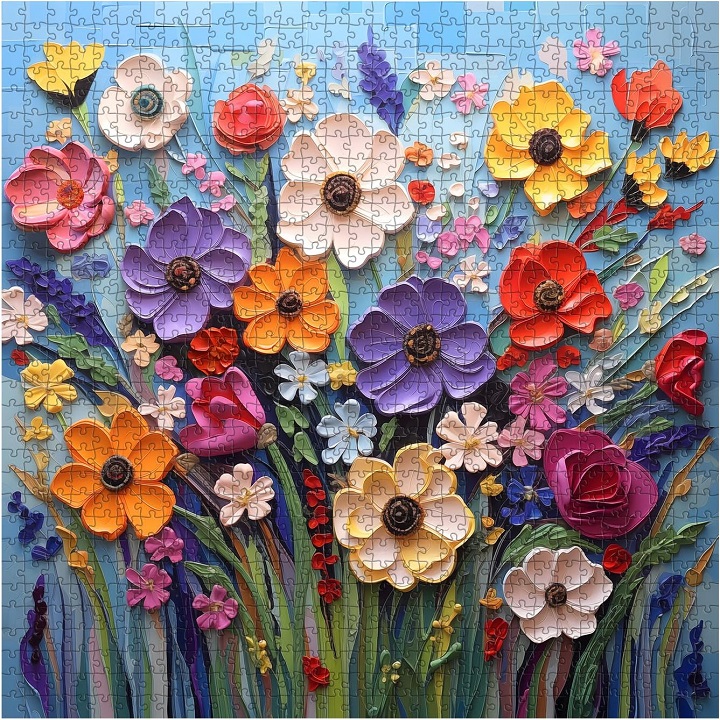
Why Adults Choose Challenging Jigsaw Puzzles
Adult puzzlers are often looking for more than a way to pass time. A demanding puzzle can create a focused, screen-free activity that supports relaxation, social interaction, and a sense of achievement.
Research published in *Frontiers in Aging Neuroscience* found that jigsaw puzzling engages several visual and spatial abilities. The study also reported an association between lifetime puzzle experience and visuospatial cognition, while cautioning that the findings do not prove that short-term puzzling directly causes lasting cognitive improvement. [pubmed.ncbi.nlm.nih]
This distinction matters. A jigsaw puzzle should not be marketed as a medical treatment or guaranteed cognitive-training product. However, it can reasonably be positioned as:
- A screen-free leisure activity.
- A way to practise visual attention and spatial reasoning.
- A social activity for families, couples, and friends.
- A mindful hobby that encourages sustained concentration.
- A collectible product featuring art, photography, licensed characters, or brand imagery.
The global adult-puzzle category is also attracting commercial interest. One market report estimates that the global jigsaw puzzle market was valued at USD 2.23 billion in 2025 and projects continued growth through 2034, with demand for complicated adult puzzles identified as an important market driver. Market reports vary considerably in their market definitions and forecasts, so businesses should treat these figures as directional rather than universal. [fortunebusinessinsights]
What Makes a Jigsaw Puzzle Difficult?
Piece count is the most visible measure of difficulty, but it is not the only one. A 1,000-piece puzzle with a highly detailed city scene may be easier than a 500-piece puzzle containing a large area of the same blue sky.
The main difficulty factors include:
High Piece Counts for Extended Sessions
For many adult puzzlers, piece count is the starting point:
| Piece count | Typical audience | General experience |
| 100–300 pieces | Beginners and casual puzzlers | Shorter sessions and accessible challenge |
| 500 pieces | Intermediate adults | Manageable challenge with moderate detail |
| 1,000 pieces | Experienced adults | A popular balance of challenge and completion time |
| 1,500–2,000 pieces | Advanced puzzlers | Longer projects requiring more space and organisation |
| 3,000+ pieces | Expert and collector audiences | Immersive, multi-session challenges |
These are practical categories rather than strict standards. Image complexity, piece size, shape variety, and cutting quality can make a major difference.
A 1,000-piece puzzle is often a strong commercial choice because it feels substantial without requiring the commitment associated with a 2,000- or 5,000-piece puzzle. For custom photo puzzles, 500 and 1,000 pieces are especially versatile formats for gifts, retail products, events, and promotional campaigns.
Repetitive Colours and Textures
Large areas with limited visual variation are difficult to assemble. Examples include:
- Blue sky.
- Ocean water.
- Snow.
- Desert sand.
- Dark backgrounds.
- Grass and foliage.
- Brick walls.
- Clouds.
- Repeating geometric patterns.
These images create a strong challenge because many pieces share similar colours and textures. A product page should describe this honestly. "A calming ocean image" and "a difficult ocean puzzle with subtle colour variation" appeal to different buyers.
Irregular Piece Shapes
Traditional grid-like cuts can make pieces easier to sort and predict. Irregular or "random cut" pieces create more uncertainty and increase the challenge.
However, irregular shapes must be carefully manufactured. If every piece is difficult to identify because of poor cutting or inconsistent edges, the experience becomes frustrating rather than satisfying. A premium adult puzzle should offer variety without sacrificing clean interlocking performance.
Repeated Patterns and Similar Objects
Puzzles with repeated windows, flowers, books, faces, tiles, or ornaments can be visually attractive but challenging to assemble. Repetition reduces the usefulness of image recognition and forces the puzzler to rely on:
- Piece shape.
- Edge configuration.
- Colour transitions.
- Texture direction.
- Small changes in shading.
Minimalist and Monochrome Artwork
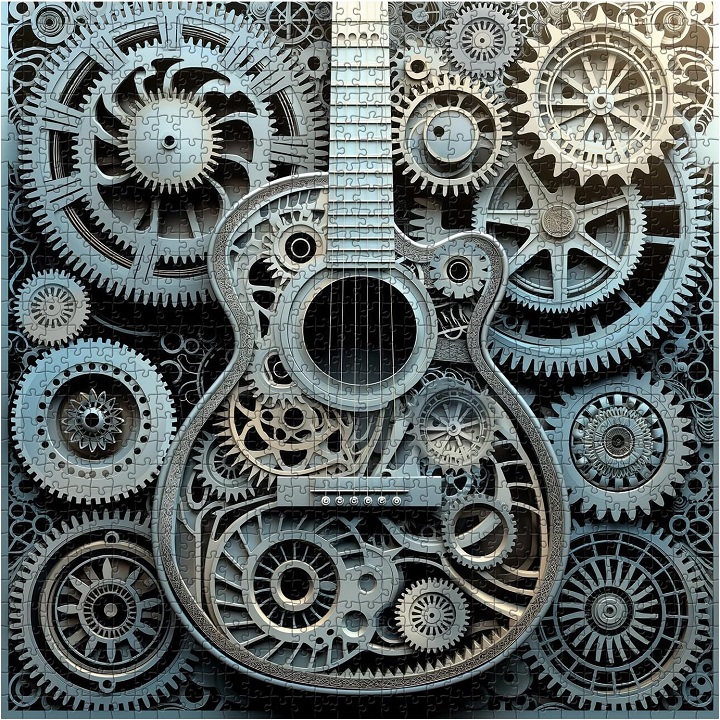
Minimalist designs are popular among experienced puzzlers because they remove obvious visual shortcuts. A nearly monochrome image may require a slower, methodical strategy.
These puzzles work particularly well for premium collections, art reproductions, design-led brands, and adult hobby shops. The packaging should clearly communicate the intended difficulty so that buyers understand the product before purchase.
Best Adult Puzzle Themes for Serious Puzzlers
The best theme depends on the customer's interests and preferred type of challenge. The following categories are strong candidates for adult-focused collections.
Fine Art and Museum Puzzles
Paintings and illustrations create a natural connection between puzzling and art appreciation. Popular directions include:
- Classical paintings.
- Impressionist landscapes.
- Surrealist artwork.
- Modern graphic art.
- Botanical illustrations.
- Architectural drawings.
- Gallery and museum collections.
Art puzzles can also function as collectible reproductions. The completed image may be glued, framed, and displayed as wall décor.
For commercial production, brands must confirm that the artwork is either owned, licensed, or in the public domain. Famous names or artwork should not be used in product listings without checking intellectual-property rights.
World Maps and Historical Maps
Map puzzles appeal to travellers, geography enthusiasts, educators, and families. They can be challenging because of repeated land colours, coastlines, labels, and small geographic details.
Custom map puzzles can be developed for:
- Tourism boards.
- Universities.
- Museums.
- Educational publishers.
- Travel companies.
- Local heritage organisations.
- Corporate gifts.
A map puzzle can also combine entertainment with educational content, but labels must remain legible at the final printed size.
Landscapes and Cityscapes
Mountain ranges, skylines, villages, libraries, and historic streets are reliable adult-puzzle themes. They offer a mixture of identifiable objects and difficult areas.
A well-balanced landscape typically includes:
- A clear focal subject.
- Several colour zones.
- Enough texture variation.
- A visually attractive finished image.
- Areas that require advanced sorting and comparison.
Animals, Nature, and Wildlife
Animal puzzles remain broadly appealing, but difficulty varies by image. A close-up portrait of a tiger with high contrast may be easier than a crowded rainforest scene.
For challenging adult products, consider:
- Camouflaged animals.
- Flocks of birds.
- Dense forests.
- Coral reefs.
- Tropical plants.
- Night-time wildlife scenes.
- Collages containing multiple species.
Anime and Licensed Character Puzzles
Anime puzzles can attract collectors and fans, particularly when the artwork includes detailed environments, multiple characters, or hidden visual elements.
For brands considering anime merchandise, licensing is essential. A factory can manufacture a custom puzzle, but the customer or rights holder must normally provide authorised artwork and permission for commercial use.
Collage and Pattern Puzzles
Collage puzzles combine many small images into one larger composition. They are suitable for customers who enjoy visual discovery and repeated sorting.
Pattern puzzles may include:
- Vintage labels.
- Food and beverage illustrations.
- Books.
- Travel posters.
- Fashion items.
- Colour swatches.
- Decorative tiles.
- Seasonal ornaments.
These themes can support gift shops, lifestyle brands, museum stores, and online retailers.
Choosing the Right Puzzle Material
Material quality directly affects the customer's perception of difficulty and value. Weak material, poor lamination, or inaccurate cutting can make even a beautiful image feel cheap.
Cardboard Jigsaw Puzzles
Cardboard is the most common option for retail and promotional puzzles. It offers:
- Efficient production for medium and large quantities.
- Good printability.
- Lower shipping weight than wood.
- Flexible custom box options.
- Attractive unit economics for wholesale orders.
For adult products, the board should be rigid enough to resist bending during sorting and assembly. A laminated surface can help protect the printed image, but the finish should avoid excessive glare.
Wooden Jigsaw Puzzles
Wooden puzzles create a premium tactile experience. They are suitable for:
- Luxury gifts.
- Limited editions.
- Museum products.
- High-end décor brands.
- Keepsake and heirloom products.
Wooden puzzles may support special piece shapes, including themed "whimsy" pieces. They generally require more careful specification, including board thickness, edge finishing, moisture protection, and packaging protection.
Specialty and Three-Dimensional Puzzles
Three-dimensional puzzles create a different experience from traditional flat jigsaws. They may form buildings, sculptures, vehicles, or other structures.
These products require precise engineering and clear assembly instructions. They should not be described as ordinary jigsaw puzzles unless the product genuinely uses interlocking flat pieces.
A Practical Difficulty-Selection Framework
Before ordering or recommending an adult puzzle, evaluate five dimensions:
1. Piece count: How long should the experience last?
2. Image complexity: Is the artwork detailed, repetitive, or low contrast?
3. Piece design: Are the pieces traditional, irregular, or themed?
4. Physical format: Will customers have enough table space?
5. Target user: Is the product for a beginner, hobbyist, collector, or expert?
A useful product-development approach is to create a three-level range:
| Product level | Recommended specification | Positioning |
| Accessible challenge | 500 pieces, clear image zones | Beginner-friendly adult puzzle |
| Serious challenge | 1,000 pieces, detailed artwork | Core adult hobby product |
| Expert challenge | 1,500–2,000+ pieces, complex image and irregular cut | Collector or advanced puzzler edition |
This structure gives customers a clear path to progress and allows retailers to build a broader product assortment.
How to Design a Custom Puzzle for Adults
Custom jigsaw puzzles can be made from photographs, illustrations, maps, brand artwork, educational diagrams, or licensed characters. The image must be evaluated before production rather than simply uploaded and printed.
Step 1: Select a Suitable Image
A strong puzzle image should have enough detail to remain interesting after division into hundreds of pieces.
Check the following:
- Resolution and sharpness.
- Colour contrast.
- Subject placement.
- Fine details.
- Repeated areas.
- Text legibility.
- Rights and licensing.
- Cropping requirements.
Images with a single large, empty area may be attractive as posters but disappointing as difficult puzzles.
Step 2: Match the Image to the Piece Count
The image should be designed around the final format. A highly detailed illustration may support 1,000 pieces, while a simple logo may work better as a 100- or 300-piece promotional puzzle.
For custom photo puzzles:
- 500 pieces often suits gifts and moderate sessions.
- 1,000 pieces offers a stronger challenge and more detail.
- 1,500 pieces or more works for advanced hobbyists and collaborative projects.
Step 3: Prepare a Digital Proof
A digital proof should show:
- Final dimensions.
- Image placement.
- Bleed and trim areas.
- Box artwork.
- Branding.
- Warning text where applicable.
- Reference image or insert design.
The buyer should approve the proof before mass production begins. This reduces the risk of incorrect cropping, colour problems, missing text, or unauthorised artwork.
Step 4: Confirm Cutting and Assembly Specifications
Important technical questions include:
- What is the finished puzzle size?
- What board or wood thickness is available?
- Which cutting pattern will be used?
- Are the pieces random cut or grid-based?
- Will the puzzle include a reference poster?
- How are loose pieces protected inside the box?
- What inspection process is used?
- How are replacement pieces handled?
A manufacturer should also provide a sample or pre-production approval when the order involves a new design, premium materials, or a significant retail launch.
Manufacturing Quality and Packaging Considerations
A challenging puzzle must still be easy to handle. Quality problems can undermine the entire user experience.
Key quality-control points include:
- Print sharpness: Fine details should remain clear at the final size.
- Colour consistency: Production samples should be compared with the approved proof.
- Board flatness: Warped material can prevent proper assembly.
- Cut accuracy: Pieces should separate cleanly without excessive paper tear.
- Fit: Pieces should interlock without being too loose or impossibly tight.
- Piece count: The final quantity must be verified.
- Dust removal: Loose paper dust should not accumulate inside the box.
- Packaging security: The inner bag or container should protect pieces during shipping.
- Box strength: Retail packaging should resist crushing and corner damage.
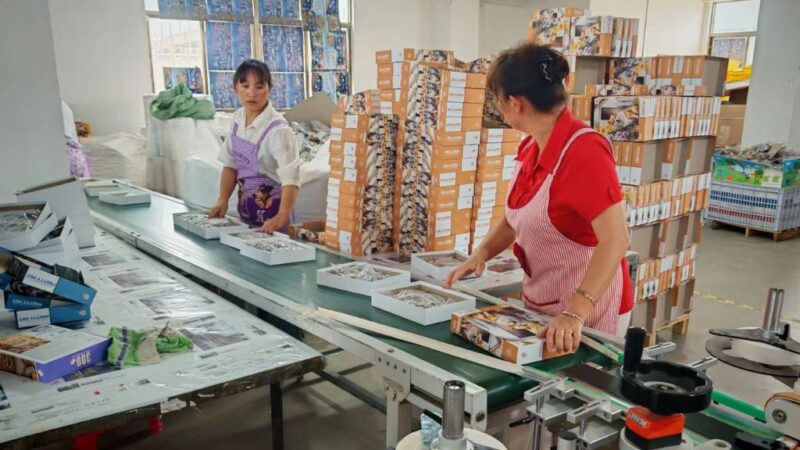
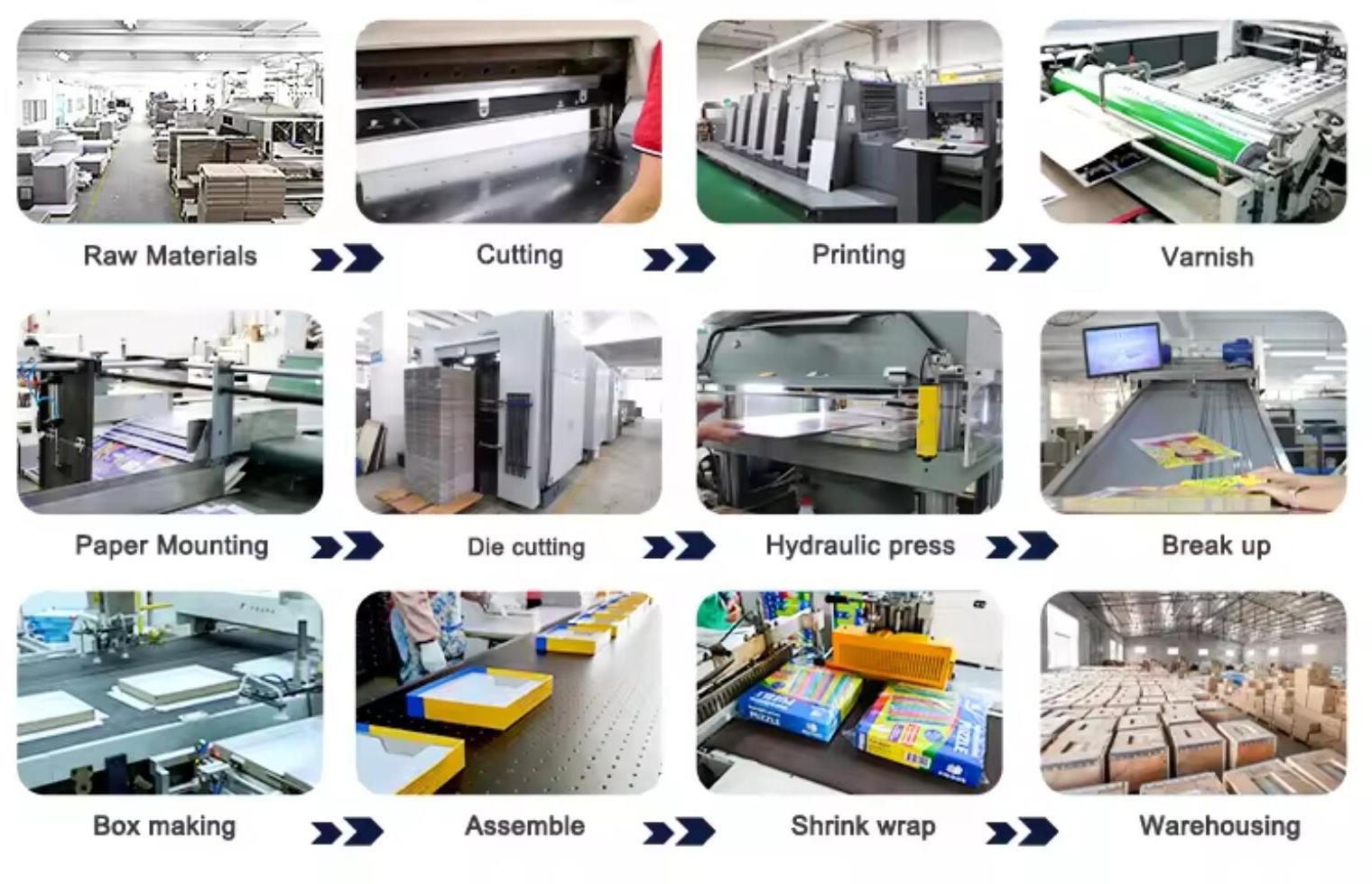
The XingKun product page describes a custom-puzzle workflow that includes image optimisation, layout, digital proofing, printing, cutting, inspection, packaging, final assembly, and shipping preparation. It also presents categories such as art, landscape, animal, anime, map, collage, food, seasonal, and children's puzzles. [xkdisplay]
For a professional product page, avoid publishing unsupported precision claims such as an exact defect rate, colour difference, or cutting tolerance unless the factory has documented inspection records and can consistently meet those specifications.
Sustainable Adult Puzzle Development
Sustainability is increasingly relevant to packaging buyers and consumers. A responsible product claim should identify the material or certification rather than relying on vague phrases such as "green" or "eco-friendly."
Potential options include:
- Recycled paperboard.
- Responsibly sourced paper.
- Water-based or lower-impact printing options, where technically suitable.
- Plastic-reduced inner packaging.
- Right-sized shipping cartons.
- Recyclable paper inserts.
- FSC-certified materials when certification and chain-of-custody requirements are properly met.
The Forest Stewardship Council provides information on certified packaging and the certification process. Businesses should verify the specific certification status of the material, supplier, and product before placing an FSC claim on packaging or marketing pages. [us.fsc]
Sustainable design also includes reducing unnecessary packaging volume. A smaller, well-protected box can reduce storage and shipping impact while improving warehouse efficiency.
Adult Puzzle Packaging That Converts
Packaging is one of the most important sales tools for a puzzle displayed online or on a retail shelf. It should immediately answer three questions:
1. What does the completed image look like?
2. How difficult is the puzzle?
3. Why is this product worth buying?
A strong puzzle box can include:
- A large, accurate image of the finished puzzle.
- Piece count displayed prominently.
- Recommended age range.
- Difficulty level.
- Finished dimensions.
- Material information.
- A short story about the artwork.
- Brand identity.
- Sustainability information where verified.
- A reference image inside the box.
- Care and storage instructions.
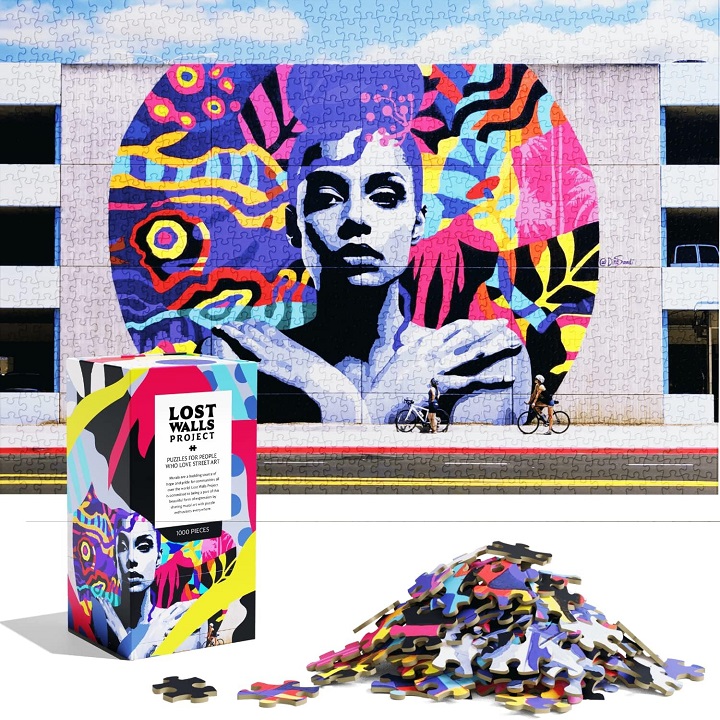
For online sales, product photos should show the box, puzzle pieces, completed image, scale, and packaging details. Buyers often hesitate when they cannot judge the finished size or material quality.
Common Mistakes to Avoid
Treating Piece Count as the Only Difficulty Measure
A 1,000-piece puzzle is not automatically difficult. Describe the artwork, texture, and cut style so buyers know what to expect.
Making Unsupported Health Claims
Avoid claims that puzzles prevent dementia, cure stress, or guarantee improved intelligence. Research can support careful statements about cognitive engagement, but it does not justify medical promises. [pubmed.ncbi.nlm.nih]
Ignoring Artwork Rights
Custom manufacturing does not transfer copyright ownership. The customer must confirm that the submitted photograph, artwork, logo, character, or map can legally be reproduced.
Overlooking Retail Packaging
A good puzzle in weak packaging may arrive damaged or fail to attract attention. Packaging needs its own design, testing, and quality-control process.
Offering Too Few Difficulty Options
A single product may appeal to only one experience level. A range of 500-, 1,000-, and 1,500-piece puzzles can support customer progression and repeat purchases.
How to Order Custom Jigsaw Puzzles
For wholesale or OEM/ODM projects, prepare the following information before requesting a quotation:
- Puzzle piece count.
- Finished puzzle dimensions.
- Material preference.
- Artwork format and resolution.
- Box style and size.
- Quantity.
- Target market.
- Required certifications.
- Packaging requirements.
- Delivery destination.
- Desired sample and production timeline.
Ask the manufacturer to confirm the quotation's inclusions. These may include artwork checking, proofing, sampling, tooling, printing, cutting, packing, inspection, and export packaging.
For brands launching a new collection, start with a controlled sample order. Use customer feedback to evaluate:
- Difficulty.
- Image appeal.
- Piece fit.
- Box durability.
- Print quality.
- Completion time.
- Repeat-purchase potential.
Why Work With XingKun?
Shenzhen XingKun Packing Products Co., Ltd. provides OEM and ODM services for custom printed products and packaging. Its product information highlights approximately 20 years of production experience and a workflow covering custom puzzle design, printing, cutting, inspection, packaging, and shipping preparation. [xkdisplay]
XingKun's broader custom-printing capabilities can be relevant to brands that want to coordinate puzzles with:
- Custom packaging boxes.
- Playing cards.
- Printed books.
- Stickers and labels.
- Promotional products.
- Retail inserts.
- Gift packaging.
For an adult-puzzle project, the most useful next step is to provide the artwork, piece count, quantity, preferred material, box concept, and target market. The factory can then advise on production feasibility, sample requirements, packaging structure, and suitable specifications.
Ready to develop a challenging adult jigsaw puzzle? Contact XingKun for a custom quotation and production consultation.
Conclusion
The best jigsaw puzzles for adults who love a challenge combine meaningful artwork, appropriate piece counts, varied visual detail, reliable materials, and precise manufacturing. A 1,000-piece puzzle is often a practical centre point, but advanced buyers may prefer 1,500 pieces, 2,000 pieces, irregular cuts, monochrome artwork, or highly repetitive patterns.
For brands, the opportunity extends beyond the puzzle itself. Custom artwork, premium packaging, licensed themes, educational applications, sustainable materials, and carefully structured difficulty levels can turn a standard puzzle into a differentiated product line.
The strongest development process begins with the target customer and works backward: define the desired challenge, select a suitable image, match the piece count, proof the artwork, validate the materials, and test the finished product. With the right specifications and quality controls, custom adult jigsaw puzzles can become attractive retail products, memorable gifts, promotional items, and collectible editions.
FAQ
1. What is the best piece count for an adult jigsaw puzzle?
A 1,000-piece jigsaw puzzle is a popular choice for adults because it provides a substantial challenge without requiring the space and commitment of a very large puzzle. Beginners may prefer 300 or 500 pieces, while experienced puzzlers may choose 1,500 pieces or more.
2. Are 1,000-piece puzzles difficult?
They can be. Difficulty depends on the artwork, colour variation, piece shape, and cutting pattern. A detailed image with clear colour zones may be easier than a 500-piece puzzle containing a large area of sky, water, or repeated texture.
3. What are the best challenging puzzle themes for adults?
Popular challenging themes include fine art, world maps, architectural scenes, dense landscapes, wildlife, collages, monochrome designs, and intricate patterns. The best choice depends on whether the buyer prefers visual discovery, repetition, realism, or abstract difficulty.
4. Can I manufacture custom photo jigsaw puzzles in bulk?
Yes. Custom puzzle manufacturers can produce photo puzzles for gifts, retail, events, corporate promotions, schools, museums, and marketing campaigns. Buyers should confirm piece count, finished size, board thickness, box design, artwork rights, sampling, and quality-control requirements.
5. What material is best for adult jigsaw puzzles?
Cardboard is practical for most retail and wholesale products because it supports high-quality printing and efficient production. Wood is more suitable for premium, collectible, or limited-edition puzzles. The best material depends on budget, positioning, durability requirements, and target quantity.
6. How do I make a custom puzzle more difficult?
Increase the piece count, use a detailed or repetitive image, introduce varied piece shapes, reduce obvious visual sections, or select a low-contrast or monochrome design. Difficulty should remain enjoyable; excessive visual similarity or poor cutting can create frustration.
7. Can completed puzzles be framed?
Yes. Many adult puzzles are glued and framed as decorative artwork. The box or product page should state the completed dimensions so customers can select a suitable frame.
8. Are jigsaw puzzles proven to improve cognition?
Research indicates that jigsaw puzzling engages visual and spatial abilities and has been associated with visuospatial cognition. However, current evidence should not be presented as proof that puzzles prevent dementia or guarantee cognitive improvement. [pubmed.ncbi.nlm.nih]
9. How should a brand package a custom jigsaw puzzle?
Use a strong box with a clear finished-image preview, piece count, dimensions, difficulty information, material details, and brand identity. The packaging should protect the puzzle during shipping and help customers understand the product before purchase.
10. What information should I send to a custom puzzle manufacturer?
Send the artwork, piece count, finished size, material preference, box style, quantity, target market, delivery location, and any certification or packaging requirements. A digital proof and production sample are recommended for new products.
References
1. [XingKun — Jigsaw Puzzles and Custom Puzzle Production]
Product categories, custom-puzzle workflow, manufacturing information, packaging options, and OEM/ODM positioning.
2. [Jigsaw Puzzling Taps Multiple Cognitive Abilities and Is a Potential Protective Factor for Cognitive Aging — Frontiers in Aging Neuroscience]
Peer-reviewed research on the relationship between jigsaw puzzling, visuospatial cognition, and cognitive aging.
3. [Jigsaw Puzzles as Cognitive Enrichment — ClinicalTrials.gov]
Study registration and research design for evaluating the effects of jigsaw puzzling on cognition and well-being.
4. [Jigsaw Puzzle Market Size, Share & Growth Report — Fortune Business Insights]
Market-size estimates, adult-segment discussion, and industry growth projections. Market figures should be treated as third-party estimates and compared with other methodologies.
5. [FSC Packaging]
Information about certified packaging, responsible forest products, and FSC certification requirements.


