Content Menu
● Book Printing Turnaround Time at a Glance
● What Determines How Long Book Printing Takes?
>> 1. Printing Method: Digital vs. Offset
>> 2. Book Quantity and Page Count
>> 3. Binding Style
>> 4. Paper, Cover Materials, and Finishing
>> 5. File Quality and Prepress Approval
● The Custom Book Printing Timeline: Stage by Stage
>> Stage 1: Specification and Quotation
>> Stage 2: Artwork Preflight and Proofing
>> Stage 3: Material Preparation and Production Scheduling
>> Stage 4: Printing, Binding, and Finishing
>> Stage 5: Quality Control and Export Packing
>> Stage 6: International Shipping and Customs
● How to Reduce Book Printing Lead Time Without Reducing Quality
>> 1. Finalize Specifications Before Artwork Begins
>> 2. Use a Print-Ready File Checklist
>> 3. Consolidate Feedback Into One Approval
>> 4. Choose Standard Materials for Urgent Orders
>> 5. Order a Sample Early for New Programs
● A Realistic Launch Planning Example
● Why XingKun Is a Practical Partner for Custom Printed Books
● Conclusion
● FAQ
>> 1. How long does it take to print 100 books?
>> 2. How long does offset book printing take?
>> 3. Is digital printing faster than offset printing?
>> 4. Why does hardcover book printing take longer?
>> 5. Can I receive my custom book order within two weeks?
>> 6. What is the fastest way to reduce book printing delays?
>> 7. Should I order a physical proof before mass printing?
● References
Book printing can take anywhere from 3 business days to 8 weeks or more, depending on the printing method, order quantity, book format, binding, proofing requirements, finishing, and shipping destination. For most custom commercial book projects, a realistic production plan is 7–15 business days for standard digital books and 15–30 business days for offset-printed books, excluding international freight and customs clearance.
For overseas publishers, brand owners, educational companies, and wholesalers, the most important question is not simply "How long does book printing take?" It is: Which stages control the timeline, and how can you prevent avoidable delays? At XingKun, we help OEM and ODM customers plan custom printed book projects from file review through production, quality inspection, export packing, and shipment.
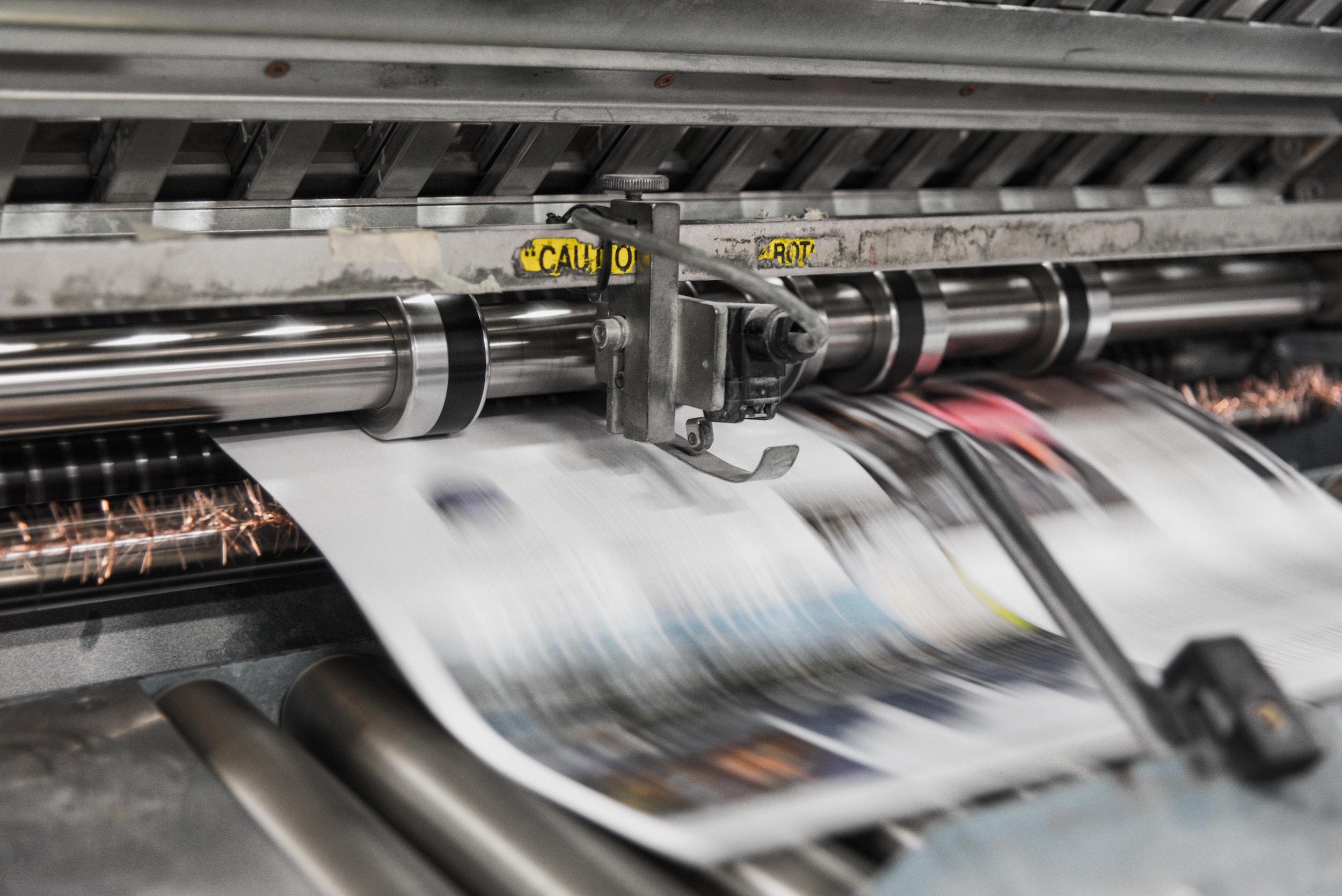
Book Printing Turnaround Time at a Glance
The total lead time for printed books includes more than press time. It begins when the printer receives your files and specifications, and it ends when the finished books are packed and ready to ship.
| Book Type or Production Method |
Typical Production Time* |
Best For |
Main Timeline Factors |
| Print-on-demand paperback |
3–5 business days |
Individual orders and fast replenishment |
Queue volume, book format, shipping |
| Short-run digital paperback |
5–10 business days |
Samples, training manuals, small launches |
File readiness, page count, binding |
| Digital hardcover book |
10–20 business days |
Premium short runs and gift books |
Case binding, drying, assembly |
| Offset paperback book |
15–25 business days |
Medium and high-volume orders |
Plate setup, paper sourcing, folding, binding |
| Offset hardcover book |
20–30+ business days |
Art books, children’s books, premium publishing |
Case-making, special materials, hand assembly |
| Complex custom book project |
25–45+ business days |
Board books, pop-up books, books with inserts |
Engineering, sampling, specialty finishing |
\*These are practical planning ranges after final artwork and specifications are approved. Actual lead time varies by project, factory capacity, material availability, quality requirements, and destination.
As a market reference, one print-on-demand provider states normal book production of 3–5 business days, while another reports that orders typically print and ship within 2–3 business days. These fast ranges apply mainly to standardized on-demand products, not necessarily to custom OEM books with special paper, custom sizes, premium binding, inserts, or export packaging. [help.lulu]
For custom factory production, publishers should build their launch calendar around the complete supply-chain timeline, not only the time the press is running.
What Determines How Long Book Printing Takes?
A book may look simple from the outside, but it is a multi-stage manufactured product. Small decisions made during design and quotation can affect days or even weeks of production time.
1. Printing Method: Digital vs. Offset
The printing method is one of the largest variables in book printing turnaround time.
Digital printing transfers files directly to a digital press. It does not require traditional printing plates, so setup is faster. This makes it suitable for short runs, test editions, advance reader copies, internal manuals, workbooks, and urgent replenishment orders.
Typical digital-book advantages include:
- Faster preparation after file approval
- Lower setup cost for small quantities
- Easier version changes and variable content
- Practical for short-run custom books
- Faster route for paperback books with standard specifications
Offset printing is generally the better choice for larger quantities because it can provide excellent color consistency and lower unit costs at scale. However, offset production requires more preparation, including plate-making, press setup, color adjustment, drying or curing, folding, gathering, binding, trimming, and inspection.
Industry guidance commonly places digital production around 5–10 business days and offset production around 15–25 business days, while more complex offset jobs can extend to several weeks. [swiftprinting]
Expert planning tip: Do not choose digital printing only because the book is urgent. Compare the unit price, minimum order quantity, color expectations, binding style, and future reorder plan. A slightly longer offset lead time may create a better total landed cost for a high-volume launch.
2. Book Quantity and Page Count
Quantity influences both production scheduling and finishing capacity.
A 100-copy digitally printed paperback may move quickly if the files are ready and the factory has available capacity. A 20,000-copy offset run requires paper planning, press scheduling, folding, collating, binding, quality control, and packing coordination.
Page count also matters because it affects:
- Paper consumption and sourcing
- Press time
- Folding signatures
- Binding complexity
- Spine width
- Carton quantity and export packing
- Total shipment weight and volume
For example, a 64-page saddle-stitched booklet normally moves faster than a 256-page sewn hardcover book. The hardcover project may require printed sheets, folding, sewn signatures, case-board preparation, cover wrapping, casing-in, pressing, curing, trimming, and final inspection.
3. Binding Style
Binding is often the stage that surprises first-time buyers. Printing pages can be relatively fast; turning those pages into a durable, retail-ready book may take longer.
| Binding Type |
Typical Speed |
Common Uses |
Production Considerations |
| Saddle stitching |
Fast |
Magazines, catalogs, thin booklets |
Best for lower page counts in multiples of four |
| Perfect binding |
Fast to moderate |
Paperbacks, novels, manuals |
Glue curing, spine strength, cover scoring |
| PUR perfect binding |
Moderate |
Premium paperbacks, heavier paper |
Stronger adhesion, but may require additional curing |
| Spiral or wire-o binding |
Moderate |
Workbooks, planners, cookbooks |
Punching, wire insertion, manual handling |
| Sewn binding |
Moderate to slower |
High-quality textbooks, art books |
Signature folding and sewing add production stages |
| Case binding / hardcover |
Slower |
Children’s books, art books, gift books |
Boards, cover wrap, endpapers, casing-in, pressing |
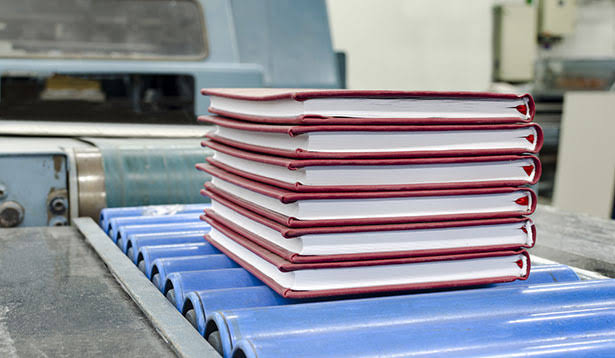
Hardcover books generally take longer than paperbacks because the cover is manufactured separately and then assembled with the printed text block. Some print providers explicitly note that hardcovers may need extra production time due to binding and curing. [help.lulu]
If your launch date is fixed, choose the binding method during the quotation stage rather than after the interior pages are finalized. Changing from perfect binding to hardcover later can change the spine calculation, cover artwork, packaging plan, and entire production schedule.
4. Paper, Cover Materials, and Finishing
Standard materials are easier to schedule. Custom materials create more sourcing and testing work.
A straightforward book may use:
- Standard uncoated or coated text paper
- Standard C1S or C2S cover stock
- Matte or gloss lamination
- One-color or full-color printing
- Standard cartons
A premium custom printed book may add:
- Specialty textured paper
- FSC-certified paper requirements
- Black or colored core paper
- Foil stamping
- Embossing or debossing
- Spot UV
- Die-cut windows
- Ribbon markers
- Elastic bands
- Slipcases
- Belly bands
- Stickers, inserts, cards, or separate packaging boxes
Each added process may improve shelf appeal, but it also introduces another production queue and inspection point. For example, foil stamping requires a die and setup; a die-cut cover requires tooling and alignment checks; a slipcase requires its own board, printing, wrapping, and assembly process.
If an FSC claim or logo is required, the paperwork must also be handled correctly. FSC labeling depends on a documented chain of custody through the material supply chain and compliant label use—not merely on purchasing paper described as FSC. [4over4]
5. File Quality and Prepress Approval
Many book printing delays begin before printing starts.
A print-ready file helps the factory complete preflight checks quickly. A file with missing fonts, low-resolution images, incorrect bleed, RGB colors, broken links, or an incorrect spine width may require revisions and re-approval.
For commercial print preparation, common requirements include:
- CMYK color mode for print-oriented artwork
- 300 DPI images at final printed size
- 0.125 inch / 3 mm bleed when artwork reaches the trim edge
- Embedded or outlined fonts
- Correct trim size and page count
- Separate cover file with the correct spine width
- PDF/X-1a or PDF/X-4, where requested by the printer
Print-file preparation guides commonly recommend 300 DPI imagery, embedded fonts, CMYK setup, and bleed beyond the trim line to reduce production risks. [img]
Practical rule: Every file revision restarts part of the prepress workflow. If several stakeholders approve artwork sequentially, build that approval time into your calendar before you request a shipping date.
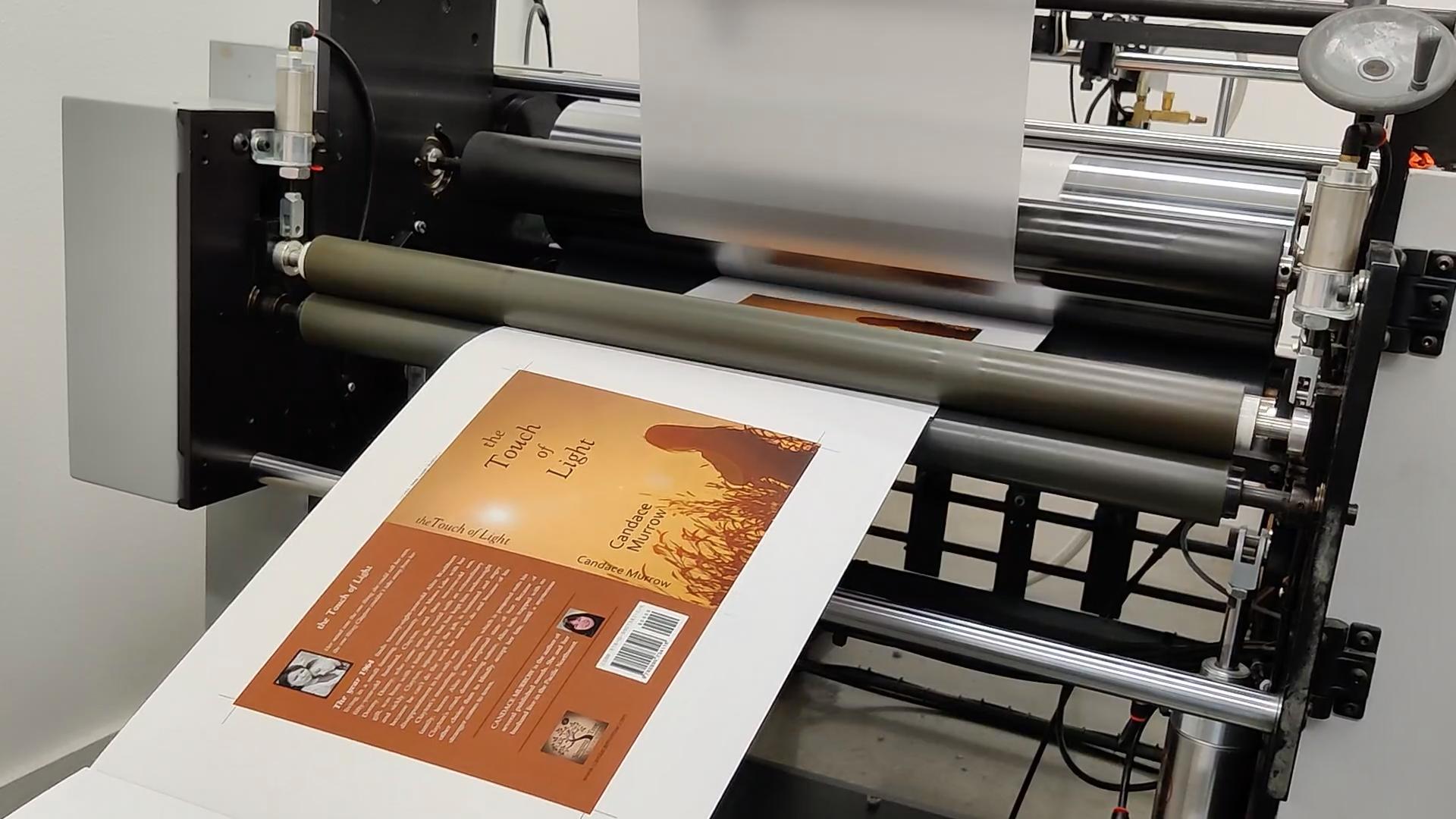
The Custom Book Printing Timeline: Stage by Stage
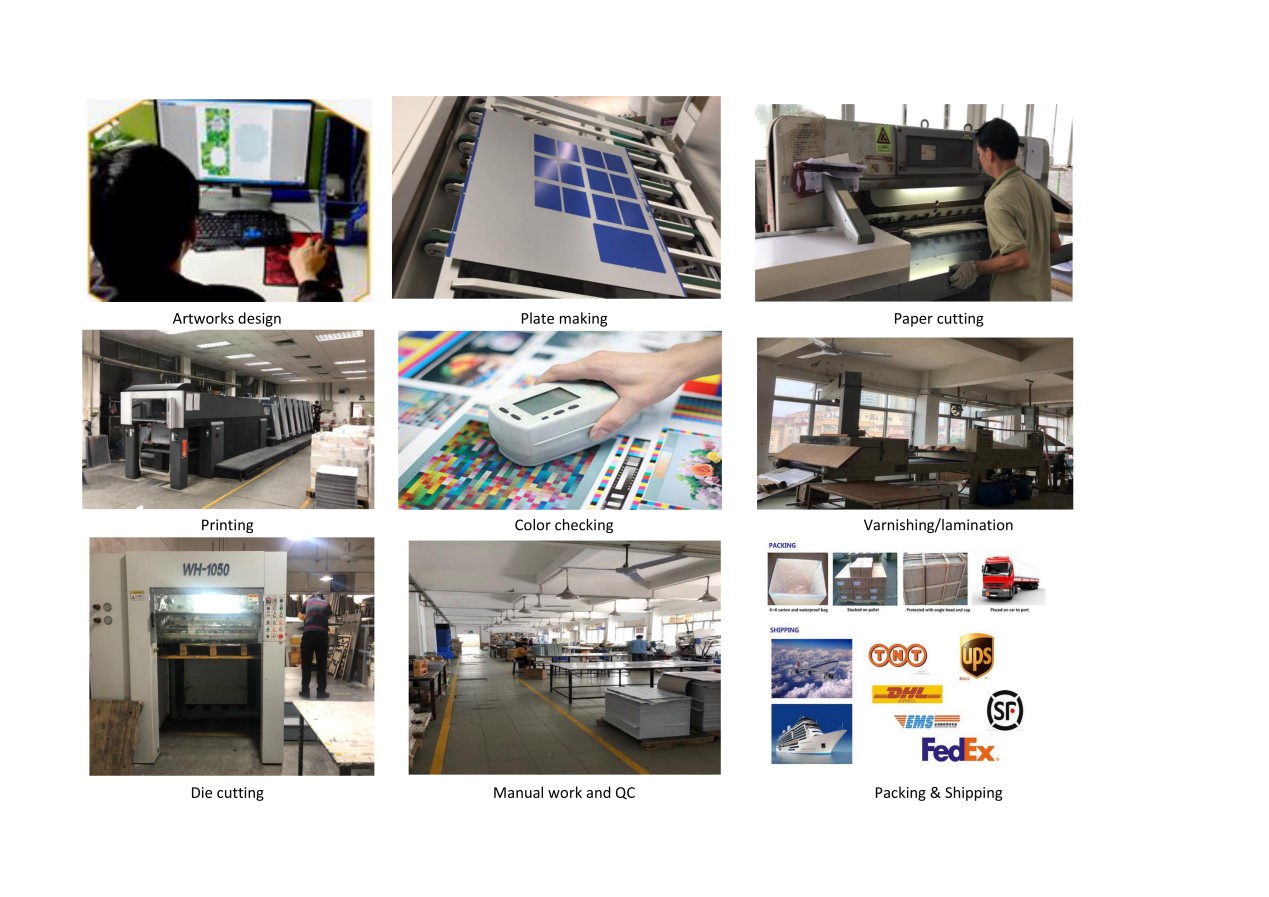
For a custom book project, the timeline is best understood as a controlled workflow.
Stage 1: Specification and Quotation
Before the factory can provide an accurate lead time, it needs a complete specification.
A useful request for quotation should include:
- Finished book size
- Quantity
- Page count
- Interior and cover color requirements
- Paper type and paper weight
- Binding method
- Cover finish
- Special processes
- Packing requirements
- Destination country or port
- Required delivery date
- Whether a physical sample is needed before mass production
At XingKun, providing this information early helps our team recommend an appropriate manufacturing route and identify whether a project is better suited to digital printing, offset printing, or a hybrid production plan.
Estimated timing: 1–3 business days for a complete quotation and technical review, depending on complexity.
Stage 2: Artwork Preflight and Proofing
Prepress teams check the files for technical issues before the order enters production. This includes page dimensions, bleed, resolution, fonts, color setup, pagination, barcode positioning, cover layout, spine width, and binding compatibility.
Proofing normally takes one of two forms:
- Soft proof: A PDF or digital proof used to review spelling, layout, pagination, and general content
- Hard proof: A physical printed sample used to evaluate materials, color expectation, finishing, construction, and usability
A proof is a preliminary version of the printed product that helps the customer and printer agree on the expected result before mass production. For sophisticated books, a hard-copy proof can be particularly valuable, but shipping the proof and waiting for feedback add time. [formaxprinting]
Estimated timing: 1–3 business days for soft-proof review; 5–10+ days when a physical dummy or pre-production sample must be made and shipped internationally.
Stage 3: Material Preparation and Production Scheduling
After final approval, the factory schedules paper, board, cover materials, ink, lamination film, and special finishing components. For standard books, materials may be readily available. For custom projects, the sourcing window can be longer.
Material planning becomes especially important when you need:
- A specific paper brand, shade, or texture
- Certified material documentation
- Unusual board thickness
- Custom cloth, PU, or linen cover material
- Imported specialty paper
- Custom ribbon colors
- Specialty foil colors
- Unique packaging inserts
Estimated timing: 1–5 business days for standard materials; longer for special-order materials.
Stage 4: Printing, Binding, and Finishing
This is the visible production stage, but it is not a single action. Offset books may pass through printing, drying, folding, gathering, sewing or gluing, casing-in, trimming, and finishing.
Digital books can move faster because they eliminate plate-making and can begin after approved files are processed. However, fast printing does not eliminate binding, curing, quality checks, or packing.
Estimated timing:
- Standard digital paperback: 3–10 business days
- Standard offset paperback: 10–20 business days
- Premium hardcover: 15–30 business days
- Special construction book: 20–45+ business days
Stage 5: Quality Control and Export Packing
Before shipment, books should be checked for key quality points such as:
- Trim accuracy
- Page sequence
- Binding strength
- Cover alignment
- Lamination quality
- Color consistency within agreed tolerance
- Foil, embossing, or spot-UV registration
- Carton count
- Carton strength and shipping marks
For B2B orders, export packing deserves attention. A well-made book can still arrive damaged if the carton design, palletization, moisture protection, or loading plan is poor.
Estimated timing: 1–3 business days, depending on order size and inspection requirements.
Stage 6: International Shipping and Customs
Production lead time is not delivery lead time.
The shipment method has a major impact on the total calendar:
| Shipping Method |
Typical Transit Planning Range |
Best For |
| Express courier |
3–7 days |
Samples, urgent small cartons |
| Air freight |
5–12 days |
Time-sensitive medium shipments |
| Rail or multimodal freight |
15–35 days |
Certain regional trade lanes |
| Sea freight |
20–45+ days |
Larger-volume cost-sensitive orders |
These are planning ranges only. Transit may change due to vessel schedules, port congestion, customs clearance, peak-season capacity, weather, destination handling, and local delivery arrangements.
Important: Always separate your requested date into three milestones: factory-ready date, cargo departure date, and final delivery date. This prevents the common mistake of treating "production completed" as "books delivered."
How to Reduce Book Printing Lead Time Without Reducing Quality
The fastest book project is usually the one that is prepared correctly before production starts.
1. Finalize Specifications Before Artwork Begins
Designing first and deciding the manufacturing method later creates rework. Confirm the trim size, page count, paper, binding, and cover construction before the designer builds the final files.
For example, a 200-page perfect-bound book needs a different cover-spine calculation than a 200-page sewn hardcover printed on a different paper weight.
2. Use a Print-Ready File Checklist
Before submitting files, confirm:
- The final page count is correct
- Blank pages are intentional
- Text, images, and barcodes are inside the safe area
- Bleed is included where artwork reaches the edge
- Images are high resolution at print size
- Fonts are embedded or outlined
- The cover matches the approved spine width
- The final PDF has been checked page by page
- Your version number and file name are clear
A well-prepared PDF is one of the simplest ways to avoid production interruption.
3. Consolidate Feedback Into One Approval
Multiple reviewers often create the longest delay. Instead of sending small edits in several rounds, assign one project owner to collect feedback, resolve conflicts, and send one consolidated marked-up file or approval decision.
Best practice: Define who has final sign-off before the proof is sent.
4. Choose Standard Materials for Urgent Orders
If speed is the priority, use stocked paper and standard finishing options. A standard matte-laminated paperback will normally move faster than a book requiring custom imported paper, foil stamping, die-cut windows, and a slipcase.
This does not mean premium books are impractical. It means the project timeline should match the product ambition.
5. Order a Sample Early for New Programs
For a first order, a sample is often the most cost-effective form of risk control. It helps verify color, paper feel, binding, dimensions, packaging, and user experience before thousands of copies are produced.
For recurring books, maintain an approved "golden sample" and documented specifications. This can reduce approval time for future reorders.
A Realistic Launch Planning Example
Imagine a brand plans to launch a 128-page full-color hardcover recipe book with a matte laminated case, gold foil title, sewn binding, and a custom printed mailer box.
A rushed plan might allow only two weeks from file completion to customer delivery. That is high risk.
A more reliable planning model would be:
1. Week 1: Confirm specifications, quotation, and production files
2. Week 2: Preflight, sample or proof review, final approval
3. Weeks 3–5: Offset printing, folding, sewing, case-making, foil stamping, casing-in, trimming, and inspection
4. Week 6: Export packing and cargo booking
5. Weeks 7–10: International freight, customs, and final delivery, depending on the selected shipping route
This type of project may be produced faster in some cases, but a professional launch plan should include buffer time. The buffer protects the customer experience when there are approval revisions, material changes, weather disruptions, peak-season congestion, or shipping delays.
Why XingKun Is a Practical Partner for Custom Printed Books
XingKun supports overseas brands, publishers, wholesalers, and product companies that need more than standard book printing. We combine custom book manufacturing with related packaging capabilities, helping customers coordinate printed books, packaging boxes, stickers, inserts, playing cards, and promotional components within a single OEM or ODM supply workflow.
Our team can support projects involving:
- Custom paperback and hardcover books
- Children's books and educational books
- Catalogs, manuals, workbooks, and training materials
- Art books, coffee-table books, and gift books
- Custom packaging boxes and book slipcases
- Book inserts, stickers, cards, and bundled accessories
- Custom materials, finishes, sizes, and export packaging
The strongest way to control your book printing timeline is to share your requirements early. With clear specifications, production-ready files, and a realistic freight plan, your factory can give you a more reliable schedule and reduce costly revisions.
Need a custom book printing quote? Send XingKun your book size, page count, quantity, binding preference, paper requirements, cover finish, packaging needs, and destination country. Our team can evaluate the production method, recommend a practical lead time, and provide an OEM/ODM solution tailored to your market.
Conclusion
So, how long does book printing take? For a simple digitally printed paperback, production may take only a few business days after final file approval. For a custom offset hardcover with premium materials, special finishing, and export packaging, the complete manufacturing process can take several weeks.
The key is to plan beyond press time. Build your schedule around artwork approval, proofing, material availability, binding, finishing, quality inspection, packing, shipping, and customs. By finalizing specifications early and choosing a printing partner experienced in custom manufacturing, you can protect your launch date while maintaining the quality your brand expects.
FAQ
1. How long does it take to print 100 books?
For 100 standard paperback books, digital printing may take approximately 5–10 business days after files are approved. A hardcover, special paper, custom finishing, or physical proof requirement can extend the schedule. The final delivery date will also depend on your shipping method and destination.
2. How long does offset book printing take?
Offset book printing commonly takes about 15–25 business days for standard projects after artwork approval, while complex hardcover books, specialty finishing, and larger production volumes may require more time. Offset includes plate setup, press scheduling, printing, drying or curing, folding, binding, trimming, and inspection. [swiftprinting]
3. Is digital printing faster than offset printing?
Yes. Digital printing is generally faster because it does not need conventional printing plates and can begin after digital files are processed. It is often suitable for short runs and urgent projects, whereas offset printing is more cost-effective for larger quantities but usually has a longer setup and production cycle. [gaschprinting]
4. Why does hardcover book printing take longer?
Hardcover books require additional manufacturing steps. The text block must be printed and bound, while the rigid cover is separately made from boards, wrap material, endpapers, and finishing components. These parts are assembled during casing-in and may require pressing and curing time. [help.lulu]
5. Can I receive my custom book order within two weeks?
It may be possible for a simple short-run digital paperback with print-ready files, standard materials, no physical sample, and express shipping. However, a two-week delivered timeline is usually unrealistic for custom offset books, hardcovers, specialty finishes, or sea freight shipments. Confirm the complete factory and shipping schedule before committing to a launch date.
6. What is the fastest way to reduce book printing delays?
The fastest approach is to provide complete specifications and production-ready files, approve proofs promptly, use standard stocked materials, avoid late design changes, and consolidate internal feedback into one final approval. Planning freight at the same time as production also reduces last-minute logistics delays.
7. Should I order a physical proof before mass printing?
For a new book program, premium product, color-sensitive artwork, or complicated binding and packaging, a physical proof is strongly recommended. It adds time but can prevent larger losses caused by color, material, assembly, or layout issues in the final production run. Physical proofs are especially useful because they let you inspect a real printed object rather than only a screen preview. [colorhousegraphics]
References
1. Lulu, "[Printing: The Basics]" — Production timing reference for print-on-demand books, including the stated 3–5 business-day normal production window. [help.lulu]
2. IngramSpark, "[Book Order Frequently Asked Questions]" — Reference for typical print-and-ship timing of 2–3 business days for eligible orders. [ingramspark]
3. Swift Printing, "[Commercial Book Printing: Ultimate Guide 2026]" — Reference for digital and offset production ranges and the impact of binding and finishing complexity. [swiftprinting]
4. Laguna Digital, "[How Long Does Book Printing Take?]" — Reference for offset printing setup requirements and the added time associated with hardcover projects. [lagunadigital]
5. Gasch Printing, "[How Long Does It Take to Print a Book?]" — Reference for differences between offset and digital printing, and the effect of binding and finishing. [gaschprinting]
6. IMG.LY, "[Print-Ready PDF Guide: PDF/X Standards Explained]" — Reference for print-ready file practices, including 300 DPI image resolution, bleed, and embedded fonts. [img]
7. Bookmobile, "[Printing Offset: Offset Proofs Explained]" — Reference for soft proofs, color contract proofs, and content-proof options in offset book production. [bookmobile]
8. Forest Stewardship Council information summarized by 4OVER4, "[Printing on FSC Paper and Using the FSC Logo]" — Reference for FSC chain-of-custody requirements and compliant printed-product labeling. [4over4]


