Content Menu
● Why Retail Displays Need Regular Refreshing
● The Main Signs It Is Time to Change a Display
>> 1. The Display Is Damaged, Faded, or Incomplete
>> 2. Your Brand Identity or Product Message Has Changed
>> 3. A New Product, Variant, or Bundle Is Launching
● Recommended Refresh Frequency by Display Type
● How to Build a Retail Display Refresh Calendar
>> Step 1: Map Your Commercial Moments
>> Step 2: Separate Permanent and Temporary Components
>> Step 3: Confirm Production and Logistics Deadlines
>> Step 4: Prepare a Store-Level Maintenance Routine
● How to Measure Whether a Display Should Be Replaced
● Expert Design Principles for Easier Refreshes
● Create a Retail Display Program That Stays Relevant
● Frequently Asked Questions
>> How often should temporary retail displays be replaced?
>> How often should permanent retail displays be updated?
>> When should seasonal retail displays be installed?
>> Should every retail display be replaced for a new promotion?
>> What is the most important factor in a retail display refresh?
>> How can brands reduce the cost of frequent display changes?
● References
Retail displays should be refreshed when they no longer communicate the right message, support the current product mix, or present your brand at its best. For most brands, the right schedule is not a fixed calendar rule—it is a practical decision based on display type, campaign duration, store conditions, inventory, and shopper response.
A fresh retail display can do more than make a store look updated. It can help shoppers notice a product, understand an offer quickly, and feel more confident about purchasing. Research on in-store display formats also indicates that display location and format can affect category purchase incidence, with end-cap placements showing particularly strong effects in the cited study.
For brands, distributors, and retail teams, the objective is simple: replace what is no longer working before it becomes invisible.
Why Retail Displays Need Regular Refreshing
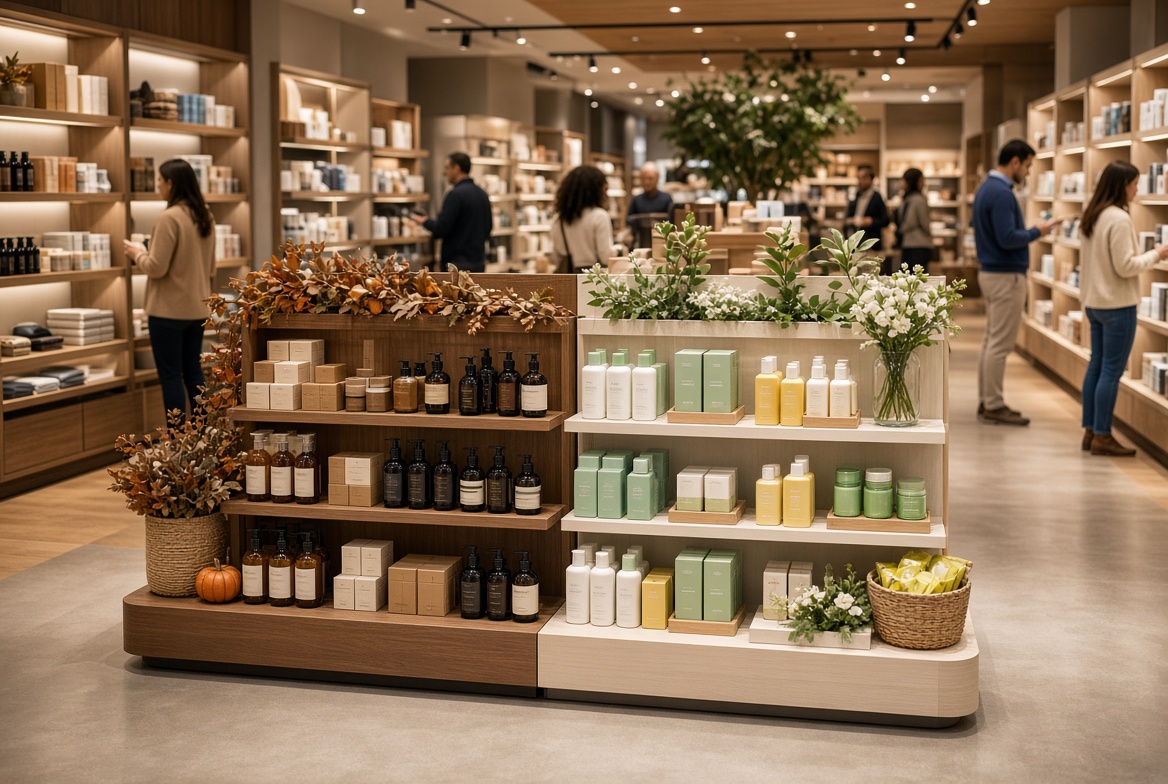
A display is a physical brand touchpoint. It works only when shoppers can quickly recognize the product, understand the message, and see that the presentation is relevant to the moment.
When the graphics are faded, the structure is damaged, the promotion has expired, or the product assortment has changed, the display can create the opposite effect. Instead of supporting perceived quality, it may make the brand look neglected.
Regular updates help brands:
- Reduce display fatigue among repeat shoppers
- Keep campaign messages aligned with current pricing and promotions
- Support launches, seasonal events, and new product ranges
- Protect brand consistency across different retail locations
- Replace worn graphics before they reduce perceived product value
- Improve stock visibility and product accessibility
- Give retailers a practical reason to create new focal points in-store
A display does not need to be completely rebuilt every time. In many cases, the most efficient approach is to retain the structural base and update the header card, shelf strips, side panels, product trays, promotional message, or seasonal graphics.
This modular approach gives brands more flexibility while helping control production, shipping, and installation costs.
The Main Signs It Is Time to Change a Display
Rather than replacing displays on instinct alone, use clear triggers. A retail display should be reviewed when one or more of the following situations occurs.
1. The Display Is Damaged, Faded, or Incomplete
Damage is the most obvious reason for replacement. Torn corrugated panels, bent shelves, scratched acrylic, faded print, peeling graphics, and missing components all affect how shoppers perceive the product.
This is especially important for temporary cardboard displays placed in busy aisles, near checkouts, or in high-touch retail environments. These units can receive daily contact from store staff, delivery teams, shopping carts, and customers.
Check for:
- Crushed corners or weakened structures
- Curling, peeling, or discoloured printed graphics
- Empty shelves that make the display look abandoned
- Unstable trays or leaning products
- Obsolete price labels or promotional claims
- Missing instructions, product information, or brand elements
A clean, fully stocked, stable display communicates care. A damaged one can signal that the product is old, low-value, or poorly managed.
2. Your Brand Identity or Product Message Has Changed
A brand refresh should not stop at digital assets or packaging. If the logo, colour system, product claim, target customer, or visual direction changes, retail displays should be reviewed immediately.
Old displays may contain outdated product information or visual elements that no longer match current packaging. This creates confusion at the shelf, especially when a shopper sees a new pack design next to an old display graphic.
Update retail displays when you introduce:
- A new logo or brand colour palette
- Revised packaging or label designs
- New product benefits or certifications
- New pricing architecture
- A repositioned target audience
- Updated compliance, safety, or sustainability statements
Consistency matters at the point of purchase. The shopper should be able to connect the display, packaging, price message, and wider campaign within seconds.
3. A New Product, Variant, or Bundle Is Launching
New product launches are one of the strongest reasons to refresh a display. A new flavour, size, formula, colour, or bundle needs a clear visual introduction, particularly when the category is crowded.
A launch display should answer three questions quickly:
1. What is new?
2. Why should the shopper care?
3. Which product should they pick up first?
Avoid placing too many messages on one panel. Use one hero product, one primary benefit, and one clear action. For example:
> "New Travel Size — Hydration Wherever You Go"
That message is easier to process than a display covered with technical features, multiple product claims, and competing calls to action.
For a multi-product launch, create a visual hierarchy:
| Display Element | Primary Role |
| Header card | Introduces the campaign or launch message |
| Hero product position | Directs attention to the priority SKU |
| Side panels | Explains benefits, usage, or brand story |
| Shelf trays | Organizes products and improves replenishment |
| Price or offer sign | Encourages an immediate purchase decision |
| QR code | Connects shoppers to product details, tutorials, or offers |
Recommended Refresh Frequency by Display Type
Different display materials and retail purposes require different refresh schedules. A temporary display designed for a short promotion should not be managed the same way as a long-term metal fixture.
| Display Type | Typical Refresh Timing | What Usually Changes |
| Window display | Every 4–8 weeks | Theme, hero products, graphics, promotional message |
| Temporary cardboard floor display | Every 2–8 weeks | Entire unit, printed panels, product assortment |
| Counter display | Every 4–12 weeks | Product selection, headers, price cards, messaging |
| End-cap display | Per campaign or promotion cycle | Display graphics, featured SKUs, offer message |
| Permanent wood, metal, or acrylic fixture | Every 6–18 months for major updates | Graphics, headers, shelves, product layout, accessories |
| Seasonal display | Before each seasonal campaign | Theme, colour palette, offers, product range |
| Trade show display | Before every event | Messaging, product samples, printed panels, lead-generation elements |
These ranges are planning benchmarks, not strict rules. A display in a high-traffic supermarket may need attention every week, while a fixture in a premium specialty store may remain effective for longer if it is well maintained and relevant.
How to Build a Retail Display Refresh Calendar
The best display programs are planned before the campaign becomes urgent. A structured calendar helps marketing, purchasing, production, logistics, and store teams work from the same timeline.
For major retail moments, campaign planning should begin months before installation. Industry guidance notes that larger seasonal events may require several months of advance planning when creative development, manufacturing, logistics, and installation are considered.
Step 1: Map Your Commercial Moments
Start with the events that matter to your category and customers. These may include:
- New Year promotions
- Valentine's Day
- Spring launches
- Easter
- Back-to-school campaigns
- Summer travel periods
- Halloween
- Black Friday and year-end promotions
- Christmas and gifting campaigns
- Local holidays and regional events
- Distributor meetings and trade shows
Not every event needs a completely new display. Focus on the occasions with strong product relevance and enough sales opportunity to justify the change.
Step 2: Separate Permanent and Temporary Components
A cost-effective system often combines a durable base with interchangeable printed elements.
For example, a brand may use:
- A long-term metal or acrylic frame
- Replaceable corrugated header cards
- Swappable shelf trays
- Seasonal side panels
- Slide-in price strips
- Product-specific inserts
This approach reduces waste and makes future updates faster. It also allows retailers to keep a consistent in-store footprint while giving campaigns a fresh appearance.
Step 3: Confirm Production and Logistics Deadlines
A strong design can still fail if the display arrives late, incomplete, or without clear installation instructions.
Before approving artwork, confirm:
- Final store list and quantity by location
- Product dimensions and load requirements
- Retailer compliance requirements
- Display assembly method
- Packing configuration and carton markings
- Delivery windows
- Installation responsibility
- Replacement-part plan
- Photo-based setup instructions
For international retail programs, allow extra time for approvals, sampling, production, quality checks, shipping, customs clearance, and local distribution.
Step 4: Prepare a Store-Level Maintenance Routine
A display refresh is not only a marketing project. It also requires store execution.
Create a simple checklist for staff or field teams:
- Is the display fully stocked?
- Are products faced forward and easy to reach?
- Are the printed panels clean and undamaged?
- Is the price message current?
- Are all required components present?
- Is the display located in the approved position?
- Does the unit still look complete from a shopper's viewpoint?
Daily recovery and regular checks are particularly important for seasonal displays. Practical retail guidance recommends replacing faded or curling signage promptly and making small weekly updates to maintain presentation quality.
How to Measure Whether a Display Should Be Replaced
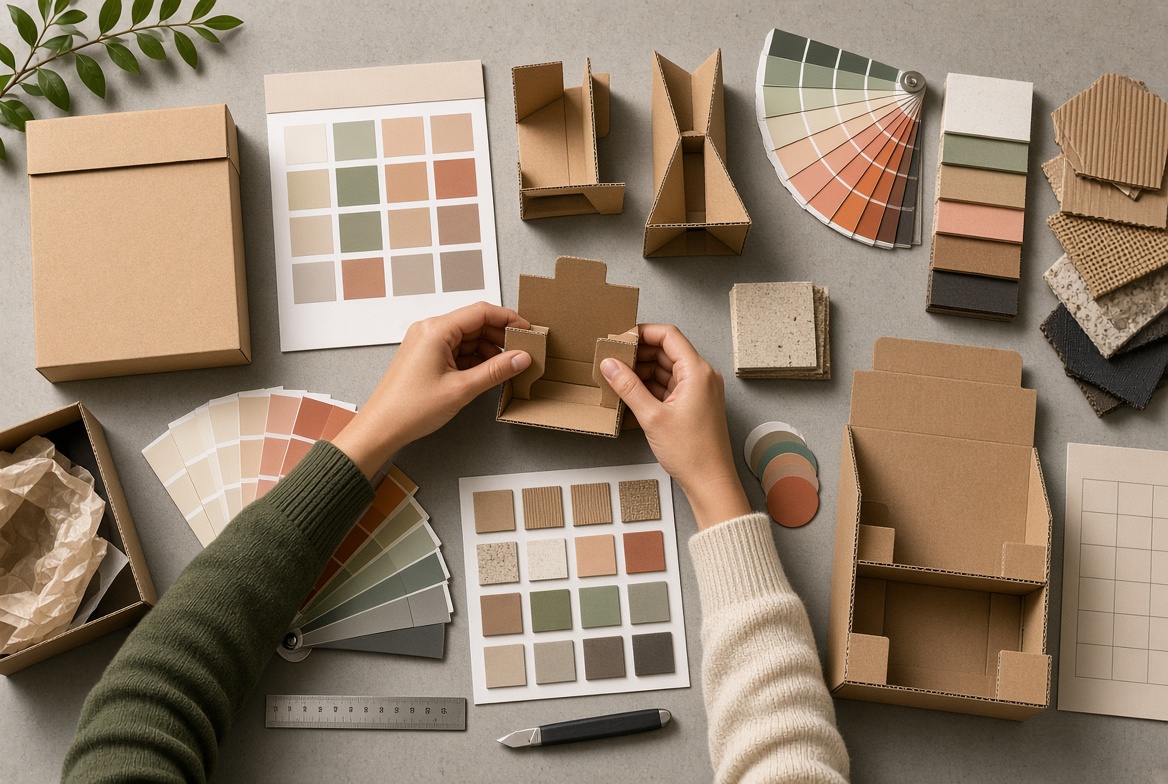
Do not rely only on appearance. A display may look attractive but still fail to generate meaningful engagement or sell-through.
Track practical performance indicators before and after each refresh:
- Sell-through rate of featured products
- Sales uplift compared with a normal shelf location
- Inventory depletion speed
- Average basket value
- Attachment rate for complementary products
- Store compliance rate
- Number of replenishment requests
- Customer questions or staff feedback
- Display damage and replacement frequency
- Traffic past the display, where available
A simple test can be highly valuable. Try two display messages across comparable stores, such as:
- "New Formula for Daily Hydration"
- "Hydration That Lasts All Day"
Keep the product range, location, and campaign period consistent. Then compare product movement, customer response, and replenishment demand. Over time, this creates a more reliable understanding of which messages, formats, and structures work for your brand.
Expert Design Principles for Easier Refreshes
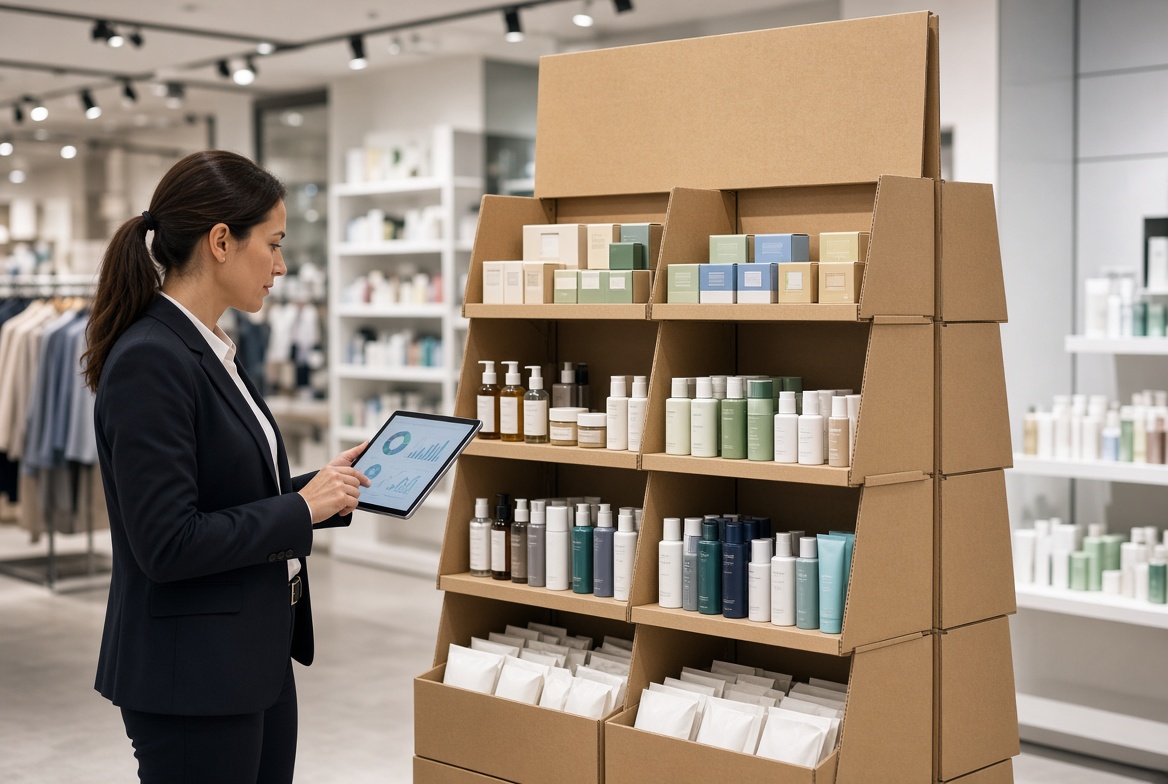
After more than 20 years of producing printed packaging and display products for brands and distributors, one practical lesson remains consistent: a display should be designed for its full retail life, not only for its launch-day appearance.
A good retail display needs to be visually appealing, but it must also be easy to pack, ship, assemble, replenish, clean, and update.
When planning a display refresh, prioritize:
- Clear hierarchy: One campaign message should dominate the visual field
- Strong structural fit: The unit must safely support the real product weight
- Easy replenishment: Store staff should refill products without disrupting the display
- Print durability: Choose materials and finishes suitable for the retail environment
- Simple assembly: Reduce tools, loose parts, and complicated instructions
- Flexible graphics: Use replaceable panels where campaigns change frequently
- Retail-ready packing: Ensure components arrive organized, protected, and clearly labelled
For corrugated cardboard displays, high-quality printing, accurate die-cutting, reliable folding structure, and protective packaging are essential. For longer-term fixtures, consider durable materials such as acrylic, metal, wood, or mixed-material constructions with replaceable printed graphics.
Create a Retail Display Program That Stays Relevant
Refreshing retail displays is not about changing everything as often as possible. It is about making timely, purposeful improvements that help shoppers notice the product and understand the offer.
At Shenzhen XingKun Packing Products Co., Ltd., we have more than 20 years of experience producing display stands, printed packaging, and custom printed products for brands and distributors in over 30 countries and regions. Our team can help turn your retail concept into practical, production-ready display solutions—from temporary corrugated floor displays and counter units to printed promotional materials and customized packaging.
Share your display concept, product dimensions, target retail channel, and expected quantity with us to receive a tailored recommendation for materials, structure, printing, packing, and production.
Frequently Asked Questions
How often should temporary retail displays be replaced?
Temporary retail displays are commonly replaced at the end of a promotion, often within two to eight weeks. Replace them sooner if they become damaged, depleted, outdated, or visually inconsistent with the current campaign.
How often should permanent retail displays be updated?
Permanent fixtures can remain in place for six to 18 months or longer, depending on their condition and relevance. However, their graphics, headers, shelf messaging, and product layouts should be reviewed more frequently.
When should seasonal retail displays be installed?
Install seasonal displays before shoppers begin actively looking for the relevant products. For larger campaigns, begin planning several months in advance and ensure production and delivery are complete before the retail launch window.
Should every retail display be replaced for a new promotion?
No. A modular system can often be refreshed with new printed headers, side panels, tray inserts, or product messaging. This can reduce cost while maintaining a fresh campaign appearance.
What is the most important factor in a retail display refresh?
Relevance is the most important factor. The display should match the current product, price, campaign, season, and brand message. A display that is structurally sound but commercially outdated still needs attention.
How can brands reduce the cost of frequent display changes?
Use reusable structural components with replaceable printed graphics. Standardize dimensions where possible, develop a campaign calendar early, and consolidate production runs to improve efficiency.
References
1. [Creative Displays Now — Chapter 2: How Often Should You Refresh Your Displays?]
2. [Han, Y. et al. — Impact of Different Types of In-Store Displays on Consumer Purchase Incidence]
3. [INSEAD — Measuring the Value of Point-of-Purchase Marketing]
4. [Pivotal Retail — Adapting Visual Merchandising for Seasonal Campaigns]
5. [Mimeo — How to Build a Seasonal Retail Display Program]
6. [Journal of Retailing and Consumer Services — Exploring the Effectiveness of Point-of-Purchase Displays]


