Content Menu
● Why Custom Packaging Matters in E-Commerce
>> The three jobs of e-commerce packaging
● Start With the Product, Not the Box Design
>> Match packaging structure to product risk
● Choose the Right Packaging Material
>> Corrugated board
>> Folding carton board
>> Rigid boxes
>> Paperboard, kraft, and molded pulp
● Right-Size the Packaging to Reduce Cost and Waste
>> How to right-size packaging
● Design for the Shipping Journey
>> Key transit risks to design for
>> Practical protection methods
● Balance Branding With Practicality
>> Branding elements worth investing in
● Make Sustainability Specific, Not Vague
>> Avoid greenwashing
● Calculate the True Cost of Custom Packaging
>> Total packaging cost checklist
● Use a Sample and Transit Test Before Mass Production
● A Step-by-Step Custom Packaging Selection Process
● Common Custom Packaging Mistakes to Avoid
● Conclusion
● FAQ
>> 1. What is the best custom packaging for e-commerce?
>> 2. How much clearance should I leave inside a custom box?
>> 3. Is custom packaging worth the cost for small e-commerce brands?
>> 4. What packaging material is most sustainable for e-commerce?
>> 5. How can I reduce shipping damage with custom packaging?
>> 6. Should e-commerce packaging include inserts?
● References
Choosing custom packaging for e-commerce is not only a design decision. It is a protection, logistics, branding, sustainability, and conversion decision. The right custom box protects your product in transit, reduces returns, communicates brand value at the unboxing moment, and keeps shipping costs under control.
As a packaging manufacturer working with overseas brands, wholesalers, and producers, we see the same pattern repeatedly: brands often begin with artwork and colors, but the most successful buyers start with product dimensions, shipping conditions, target market, and total landed cost. This guide explains how to choose custom e-commerce packaging in a structured way—whether you sell cosmetics, electronics, apparel, toys, playing cards, jigsaw puzzles, books, or subscription products.
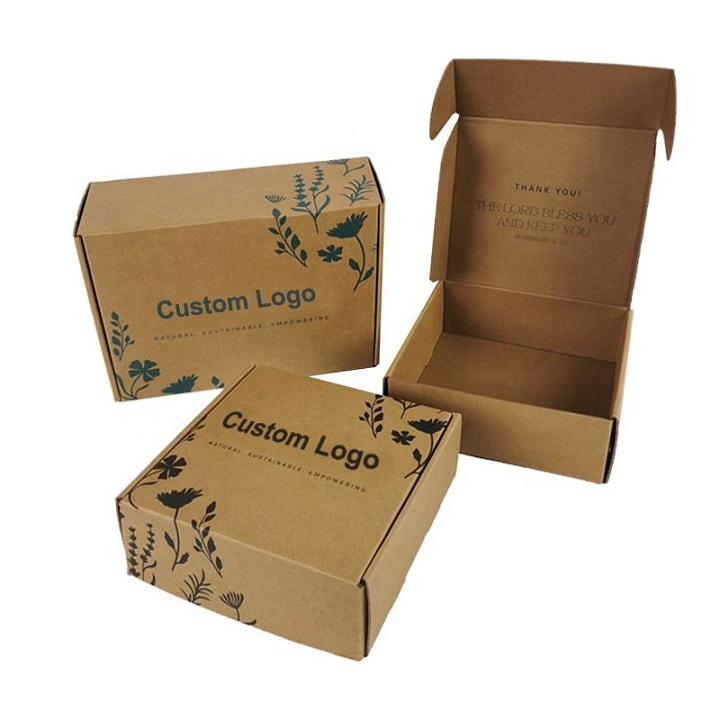
Why Custom Packaging Matters in E-Commerce
In physical retail, packaging competes on a shelf. In e-commerce, packaging competes in a delivery van, on a customer's doorstep, and in an unboxing video.
Custom packaging is your first physical brand touchpoint. A generic mailer may deliver the product, but it rarely reinforces premium positioning, product quality, or brand recall. Packaging design influences purchase decisions for 72% of consumers, according to Dotcom Distribution data cited by industry sources. [launchmystore]
Packaging also affects repeat purchases. Mondi's 2025 eCommerce trend report found that 59% of consumers say packaging influences repeat purchases, while 95% prioritize protective packaging. [mondigroup]
The three jobs of e-commerce packaging
Every custom packaging project should accomplish three jobs:
1. Protect the product through handling, sorting, vibration, compression, and last-mile delivery.
2. Present the brand through structure, print quality, materials, inserts, and unboxing experience.
3. Control cost and waste through right-sizing, material efficiency, flat-pack design, and recyclability.
If packaging fails at job one, the brand suffers immediately through damage claims and refunds. If it fails at job two, it loses an opportunity to build loyalty. If it fails at job three, margins shrink at scale.
Start With the Product, Not the Box Design
The most common packaging mistake is choosing a box style before fully understanding the product's vulnerabilities.
Before requesting a quotation, prepare a product specification sheet that includes:
- Product length, width, height, and weight
- Fragile components, such as glass, ceramic, screens, or folded paper
- Surface-finish risks, such as scratching, scuffing, or color transfer
- Moisture sensitivity
- Temperature sensitivity
- Required certifications or compliance labels
- Retail-ready versus direct-to-consumer requirements
- Expected shipping method: courier, air freight, sea freight, or Amazon FBA
For example, a custom jigsaw puzzle may appear simple, but its packaging must protect the box corners, keep puzzle pieces from shifting, and prevent the lid from separating during transit. A custom playing-card tuck box may need a different inner tray, shrink wrap, or cellophane overwrap depending on whether it ships individually or inside a larger master carton.
Match packaging structure to product risk
| Product type | Main packaging risk | Recommended packaging approach |
| Apparel | Wrinkles, moisture, presentation | Poly mailer, rigid mailer, folding carton, tissue paper |
| Cosmetics | Leakage, breakage, premium perception | Rigid box, folding carton, molded insert, blister or tray |
| Electronics | Impact, static, scratches | Corrugated box, EVA foam, molded pulp, anti-static bag |
| Books | Bent corners, spine damage | Rigid mailer, corrugated wrap, book-style box |
| Playing cards | Box crushing, edge wear | Tuck box, rigid two-piece box, shrink wrap, master carton |
| Jigsaw puzzles | Crushed corners, loose pieces | Rigid box, inner tray, shrink wrap, corrugated outer box |
| Candles or glassware | Breakage, leakage | Corrugated box, dividers, molded pulp, foam inserts |
Rule of thumb: the more fragile or premium the product, the more important the internal structure becomes. A beautiful outer box cannot compensate for poor internal protection.
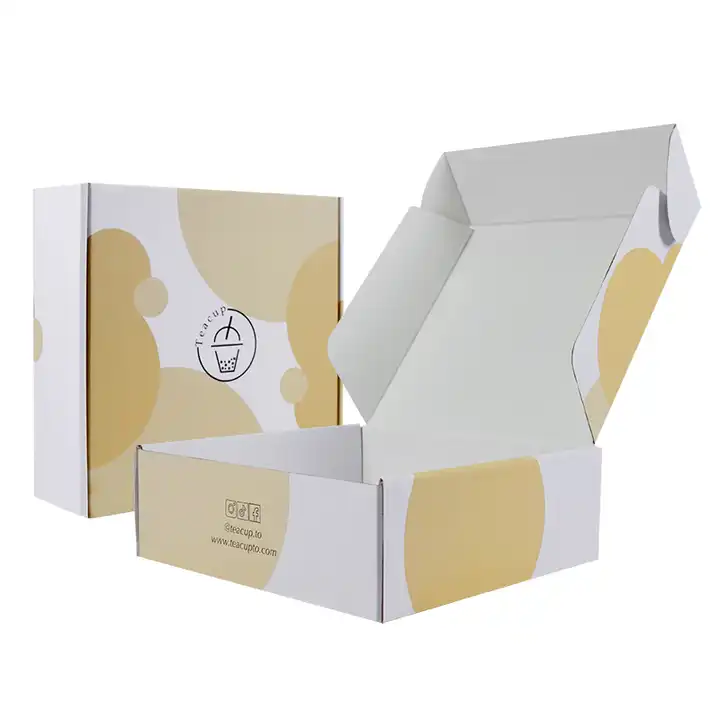
Choose the Right Packaging Material
Material selection determines durability, print quality, sustainability profile, unit cost, and shipping weight. There is no universally "best" material—only the best material for your product, budget, and brand promise.
Corrugated board
Corrugated board is the workhorse of e-commerce shipping. It is strong, lightweight, recyclable in most markets, and suitable for mailers, shipping boxes, and master cartons.
Use corrugated packaging when:
- The product ships directly to consumers
- Protection during transit is the priority
- You need custom-printed shipping boxes or mailers
- You want a cost-efficient solution for higher volumes
For heavier or fragile items, consider double-wall corrugated board or reinforced edges. For lightweight products, single-wall board is usually sufficient.
Folding carton board
Folding cartons are ideal for retail-facing products such as cosmetics, supplements, stationery, playing cards, and small electronics. They offer excellent printing surfaces and support premium finishes such as matte lamination, spot UV, foil stamping, embossing, and soft-touch coating.
Use folding cartons when:
- The product is relatively light and non-fragile
- Shelf presentation matters
- You need detailed branding and premium finishes
- The carton will be placed inside a protective shipping box
Rigid boxes
Rigid boxes deliver the strongest premium impression. They are commonly used for luxury cosmetics, jewelry, board games, gift sets, high-end puzzles, and collector products.
Use rigid boxes when:
- Perceived value must be high
- The product has a high retail price
- The unboxing experience is central to the brand
- The product needs substantial structural protection
The trade-off is cost and shipping volume. Rigid boxes are usually more expensive than folding cartons and take up more space unless designed to ship flat.
Paperboard, kraft, and molded pulp
Kraft paper, paperboard, and molded pulp are increasingly used for sustainable e-commerce packaging. Consumer research supports this direction: 62% of European consumers prefer online orders to arrive in paper packaging, according to Two Sides' 2025 Trend Tracker survey. [thepackagingportal]
However, "eco-friendly" does not automatically mean suitable. Molded pulp may protect a candle jar well, but it may not suit a high-gloss cosmetic set that requires a luxury surface finish. The best sustainable solution is usually the one that uses the least material while still protecting the product.
Right-Size the Packaging to Reduce Cost and Waste
Right-sizing is one of the highest-ROI improvements in custom e-commerce packaging. Oversized boxes increase material use, dimensional weight charges, void fill, warehouse space, and carbon footprint.
Mondi's research found that 90% of consumers favor brands using recyclable, right-sized e-commerce packaging. Shorr's 2025 survey similarly found that minimal packaging was the most desired sustainable feature, valued by 61% of shoppers. [mondigroup]
How to right-size packaging
1. Measure the finished product accurately, including irregular shapes, handles, caps, and accessories.
2. Add only necessary clearance for inserts, protective layers, and easy removal.
3. Design the inner fit first, then build the outer box around it.
4. Test different box styles—mailer box, tuck-end box, two-piece box, or sleeve-and-tray format.
5. Calculate dimensional weight, not only actual weight.
6. Review pallet efficiency if shipping in bulk to distributors or marketplaces.
A box that is 10 mm too large in every direction may seem minor, but across thousands of shipments it can significantly increase freight cost and void-fill consumption.
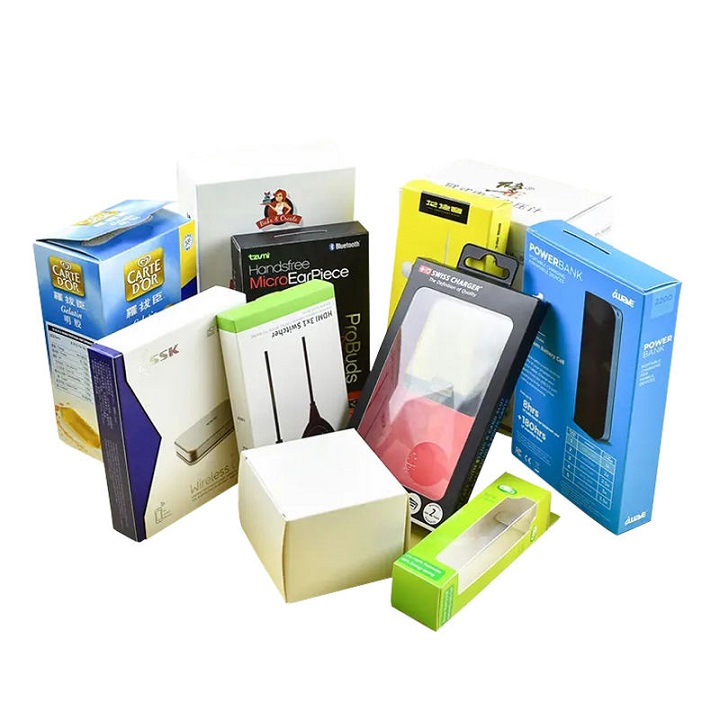
Design for the Shipping Journey
E-commerce packaging must survive more than a showroom. It passes through automated sorting systems, trucks, warehouses, delivery vehicles, and sometimes multiple handoffs.
Damage remains a material commercial risk. Industry packaging guidance estimates that 3–4% of U.S. e-commerce shipments arrive damaged, while damage-related returns account for roughly 20% of e-commerce returns. Other research cited by packaging sources found that 51% of consumers are unlikely to repurchase after receiving a damaged product. [graphicpkg]
Key transit risks to design for
- Compression: stacking pressure in trucks, containers, and warehouses
- Impact: drops during sorting and last-mile delivery
- Vibration: movement during road, air, and sea transport
- Moisture: humidity, rain exposure, and condensation
- Temperature: heat-sensitive cosmetics, food, adhesives, or electronics
- Pilferage: visible high-value products or weak closures
Practical protection methods
- Use corrugated dividers for multiple glass bottles, jars, or fragile components.
- Add molded pulp trays for sustainable product positioning.
- Use EVA foam for high-value electronics or precision items.
- Apply shrink wrap or overwrap for playing cards, puzzles, books, and boxed sets.
- Use corner protectors for rigid boxes and premium printed packaging.
- Seal with tamper-evident tape or stickers where product integrity matters.
Do not rely on artwork alone. A structural prototype and a transit test are essential before mass production.
Balance Branding With Practicality
Custom packaging should look distinctive, but it must also be practical to produce, pack, ship, and recycle.
Branding elements worth investing in
- Logo placement: Keep the primary logo visible but avoid covering structural folds or barcodes.
- Color system: Use brand colors consistently across the box, insert, tape, and tissue paper.
- Interior printing: A printed inside lid or message card can elevate perceived value at low cost.
- Finishes: Matte lamination feels refined; spot UV adds contrast; foil stamping signals luxury.
- Unboxing sequence: Consider what the customer sees first, second, and third.
- Insert cards: Use them for brand story, usage instructions, warranty details, or a reorder incentive.
Avoid over-designing. Too many finishes can increase cost, extend production time, and complicate recycling. A clean structure, strong typography, and one or two premium finishes often outperform a crowded design.
Make Sustainability Specific, Not Vague
Sustainability is now a mainstream expectation, but vague claims can damage trust. Mondi found that only 50% of consumers trust online brands' environmental claims, even though 90% favor recyclable and right-sized packaging. [mondigroup]
Instead of saying "eco-friendly packaging," state exactly what makes it more sustainable:
- Made from recycled corrugated board
- Printed with soy-based or water-based ink
- Plastic-free construction
- Recyclable in standard paper streams
- Right-sized to reduce void fill
- FSC-certified paperboard, where applicable
- Designed for reuse or easy recycling
Shorr's 2025 report found that 70% of consumers prefer packaging with clear sustainability labels. Clear disposal instructions are especially valuable because customers often want to recycle correctly but do not know how. [shorr]
Avoid greenwashing
Do not claim a package is "100% sustainable" unless you can substantiate the claim across materials, inks, adhesives, coatings, and end-of-life handling. A more credible message is:
> "This mailer is made from recyclable corrugated board and printed with water-based inks. Please remove any tape before recycling."
Specific language builds trust. General claims do not.
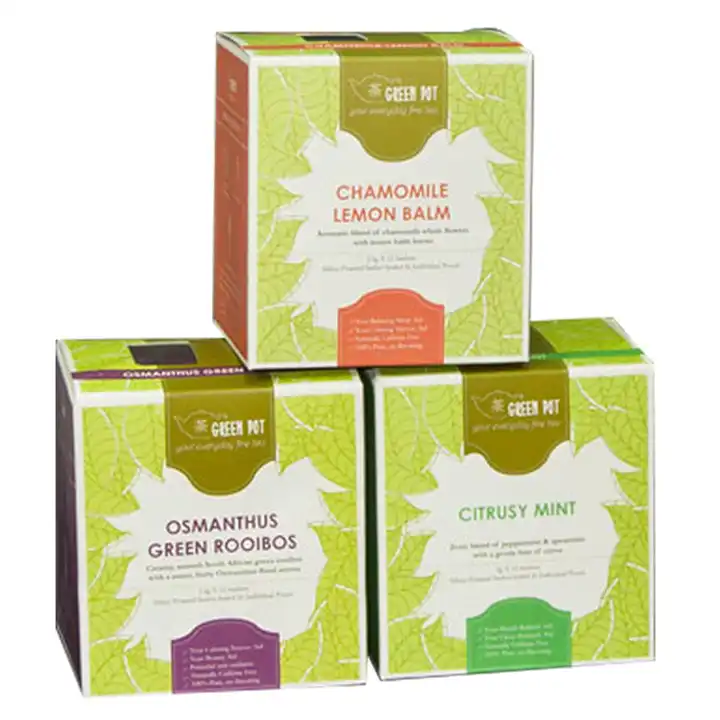
Calculate the True Cost of Custom Packaging
The printed unit price is only one part of packaging cost. A lower per-unit price can become expensive if it increases freight, damage, labor, or returns.
Total packaging cost checklist
| Cost category | What to include |
| Unit cost | Box, insert, tape, label, tissue, sticker, ribbon |
| Freight cost | Actual weight, dimensional weight, pallet utilization |
| Packing labor | Time to fold, insert, close, label, and seal |
| Damage cost | Replacement product, return freight, customer service |
| Storage cost | Flat-pack efficiency and warehouse space |
| Compliance cost | Labels, warnings, barcodes, market-specific requirements |
| Brand value | Repeat purchase potential and social sharing |
For example, a slightly more expensive rigid box may be justified for a premium gift set if it reduces damage, improves perceived value, and supports a higher retail price. Conversely, an elaborate box may be wasteful for a low-cost consumable that ships in high volume.
Evaluate packaging as a profit system, not a single SKU.
Use a Sample and Transit Test Before Mass Production
A digital mockup is useful for design approval, but it cannot prove that packaging will perform in real logistics conditions.
Before placing a bulk order, request:
1. White sample: Confirms size, structure, and fit.
2. Printed sample: Confirms color accuracy, material, finish, and assembly.
3. Pre-production sample: Uses final materials and production processes.
4. Drop test: Simulates handling impacts.
5. Compression test: Checks stacking strength.
6. Vibration test: Useful for electronics, cosmetics, glass, and assembled products.
7. Real shipping test: Send samples through your actual courier route.
At XingKun, we recommend that B2B buyers test packaging with the actual product, actual insert, and actual shipping method. A package that works for a domestic courier may fail in international air freight or sea freight.
A Step-by-Step Custom Packaging Selection Process
Use this process when launching a new product or upgrading existing packaging.
1. Define the product profile: dimensions, weight, fragility, finish sensitivity, and accessories.
2. Clarify the sales channel: DTC, Amazon, retail, wholesale, subscription, or marketplace.
3. Set protection requirements: drop height, stacking load, moisture exposure, and transit route.
4. Choose packaging hierarchy: primary packaging, inner protection, and outer shipping packaging.
5. Select material and structure: corrugated, folding carton, rigid box, mailer, or composite solution.
6. Design for right-sizing: minimize empty space without compromising protection.
7. Plan branding and unboxing: logo, colors, interior print, insert card, and finishing.
8. Confirm sustainability claims: material source, recyclability, ink, coating, and disposal guidance.
9. Request samples: white sample, printed sample, and pre-production sample.
10. Run transit testing: drop, compression, vibration, and real-route shipping.
11. Calculate total landed cost: unit price, freight, labor, damage rate, and storage.
12. Approve final specifications: dieline, artwork, Pantone colors, material GSM, finish, quantity, and packing instructions.
This process reduces costly revisions and helps ensure the packaging works in the real world—not only in a design file.
Common Custom Packaging Mistakes to Avoid
- Choosing style before protection: A premium-looking box that arrives damaged damages the brand.
- Ignoring dimensional weight: A lightweight product can still incur high shipping charges because of box size.
- Using too much void fill: It increases waste, cost, and customer frustration.
- Overcomplicating assembly: Complex boxes slow down packing and increase labor cost.
- Using unclear sustainability claims: Specific, verifiable statements perform better.
- Skipping sample approval: Color, structure, and material issues are much cheaper to fix before mass production.
- Designing only for the product, not the supply chain: Packaging must work in warehouses, courier networks, and customer homes.
Conclusion
Choosing custom packaging for e-commerce requires balancing protection, branding, sustainability, logistics, and cost. Start with the product's real-world risks, select materials based on transit and presentation needs, right-size the structure, and validate the design through samples and shipping tests.
The best custom packaging is not necessarily the most decorative or the cheapest. It is the packaging that arrives intact, represents the brand clearly, minimizes waste, and helps turn a one-time buyer into a repeat customer. For brands selling custom boxes, playing cards, jigsaw puzzles, books, stickers, or other printed products, packaging should be treated as a strategic part of the product experience—not an afterthought.
If you are planning a new custom packaging project, prepare your product dimensions, quantity, target market, and preferred packaging style, then request a structural recommendation and sample before mass production.
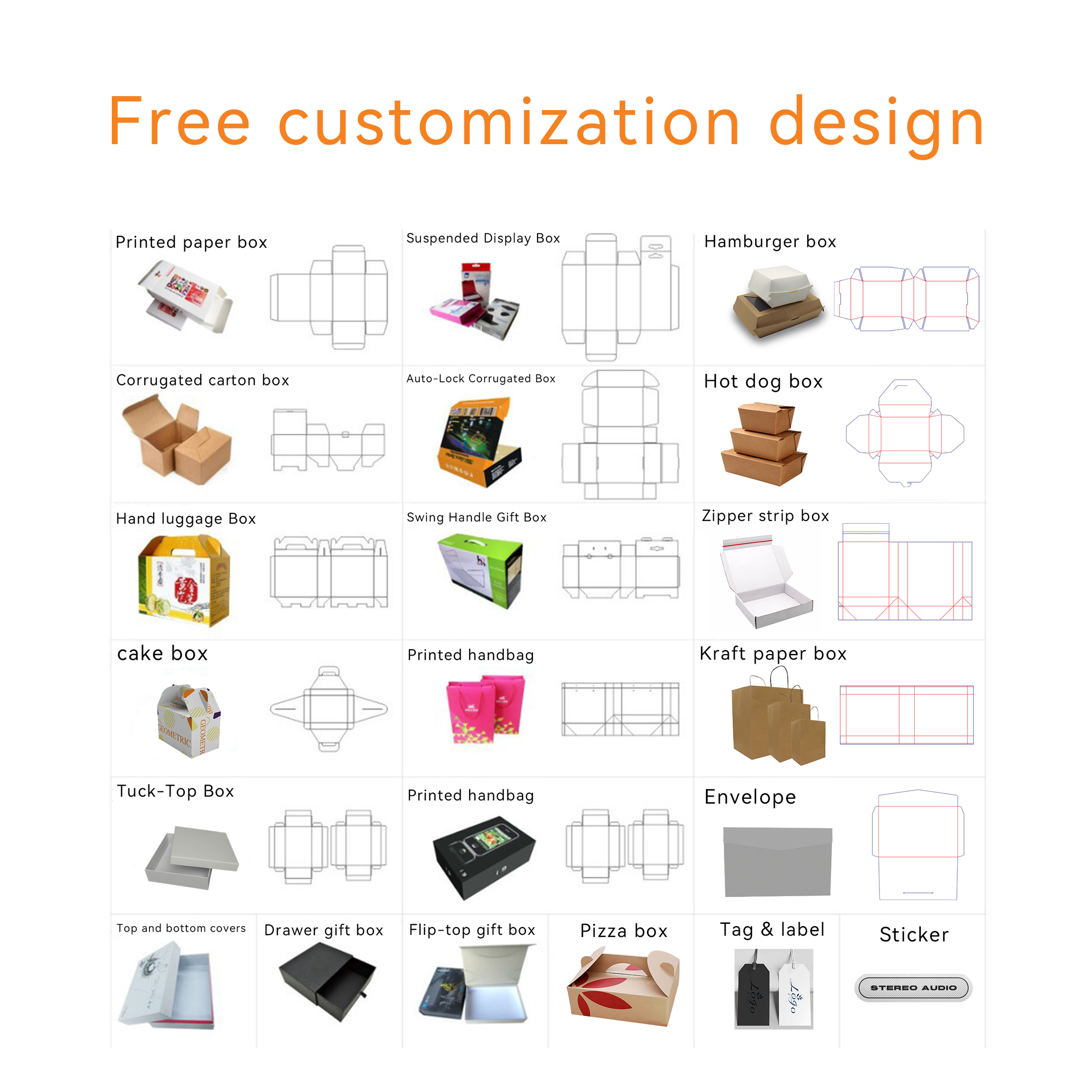
FAQ
1. What is the best custom packaging for e-commerce?
There is no single best option. Lightweight apparel often works well in poly mailers or folding cartons, while fragile cosmetics, electronics, puzzles, and premium gift sets usually need corrugated boxes, rigid boxes, or molded inserts. Choose based on product fragility, shipping method, brand positioning, and total cost.
2. How much clearance should I leave inside a custom box?
A common starting point is 2–5 mm of clearance for a snug product fit, plus additional space for inserts or protective layers. Fragile products may require more structured clearance. Always confirm the final fit with a physical sample rather than relying only on product measurements.
3. Is custom packaging worth the cost for small e-commerce brands?
Yes, if it improves protection, perceived value, or repeat purchases. Start with a simple custom mailer, folding carton, or branded shipping box rather than a complex rigid structure. As order volume grows, you can add inserts, interior printing, and premium finishes.
4. What packaging material is most sustainable for e-commerce?
Recyclable corrugated board, paperboard, kraft paper, and molded pulp are common sustainable choices. However, sustainability depends on the full design: material source, coatings, inks, adhesives, size, and recyclability. Right-sized, plastic-free, clearly labeled packaging is often more credible than a generic "eco-friendly" claim.
5. How can I reduce shipping damage with custom packaging?
Use appropriate board strength, internal inserts, dividers, corner protection, shrink wrap, and tamper-evident seals. Most importantly, conduct drop, compression, vibration, and real-route shipping tests before mass production. Packaging should be tested with the actual product and actual courier conditions.
6. Should e-commerce packaging include inserts?
Inserts are valuable when they improve protection, organization, or the unboxing experience. Use molded pulp, corrugated dividers, foam, or paperboard trays for fragile products. Use branded cards for instructions, thank-you messages, care guidance, or repeat-purchase incentives.
References
1. Mondi Group, "Packaging is the new brand statement according to the sixth annual Mondi Group eCommerce trend report" — [https://www.mondigroup.com/news-and-insight/2025/packaging-is-the-new-brand-statement-according-to-the-sixth-annual--mondi-group-ecommerce-trend-report/]
2. Mondi Group, "Why eco-conscious eCommerce packaging drives brand loyalty" — [https://www.mondigroup.com/news-and-insight/2025/a-sustainable-shift-why-eco-friendly-ecommerce-packaging-drives-brand-loyalty/]
3. Graphic Packaging, "The eCommerce Packaging Playbook: Protect, Right-Size, Delight" — [https://www.graphicpkg.com/resources/the-ecommerce-packaging-playbook-protect-right%E2%80%91size-delight/]
4. Packaging Dive, "E-commerce shoppers seek value, sustainable packaging" — [https://www.packagingdive.com/news/ryder-ecommerce-survey-value-discount-sustainable-packaging/760248/]
5. Shorr Packaging, "The 2025 Sustainable Packaging Consumer Report" — [https://www.shorr.com/resources/blog/sustainable-packaging-consumer-report/]
6. Two Sides / The Packaging Portal, "Consumers favour sustainable packaging for online and in-store purchases" — [https://www.thepackagingportal.com/industry-news/consumers-favour-sustainable-packaging-for-online-and-in-store-purchases/]
7. McKinsey & Company, "Sustainability in packaging—across the value chain, and in 2025 and beyond" — [https://www.mckinsey.com/industries/packaging-and-paper/our-insights/sustainability-in-packaging-across-the-value-chain-and-in-2025-and-beyond]
8. 4OVER4, "Packaging Industry Statistics & Trends 2026" — [https://www.4over4.com/statistics/packaging-industry-market-data-and-trends]


