Content Menu
● What Is the Tarot Game?
● The Tarot Deck Explained
● Goal of the Game
● Player Setup and Distribution
● Card Values
● Bidding and Contracts
● Role of the Fool Card
● Gameplay Rules
● Counting Points and Scoring
● Strategy Tips for Beginners
● Variations of the Tarot Game
● Playing Online and Digitally
● Cultural Significance
● Conclusion
● FAQ About Playing Tarot
>> 1. What is the main difference between tarot for gaming and fortune-telling?
>> 2. How many players are best for tarot?
>> 3. Is tarot hard to learn?
>> 4. Can tarot be played online?
>> 5. What’s the most valuable card?
Tarot isn’t only about fortune-telling—it’s also a centuries-old card game played for fun, skill, and strategy. While modern players often associate tarot cards with mysticism, the traditional tarot deck was originally created for a trick-taking game that became popular in Europe during the 15th century. This article will guide you through everything you need to know about how to play the tarot game: the rules, strategies, scoring, and even variations across countries.
What Is the Tarot Game?
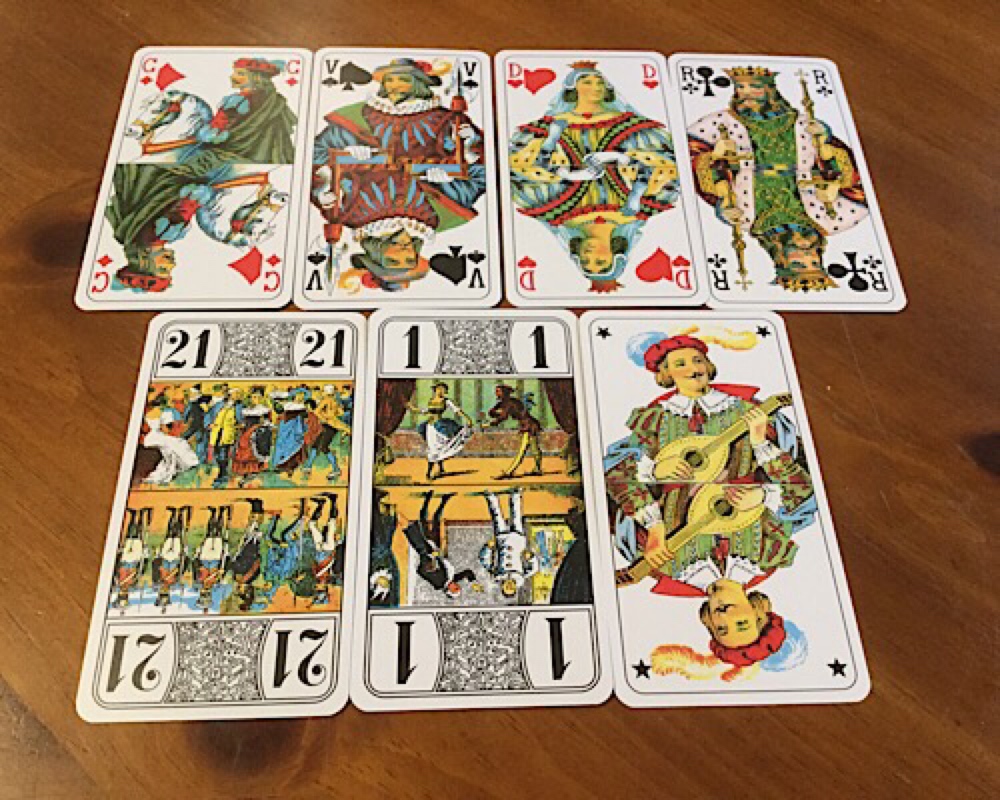
Tarot is a trick-taking card game, similar in spirit to bridge, spades, or hearts. It is most commonly played in France and parts of Central Europe, where it’s considered a social and competitive pastime rather than a mystical practice.
The game uses a special tarot deck containing 78 cards divided into four suits and a set of 22 trump cards. Players try to win tricks, score points with specific cards, and manage hidden contracts that make gameplay both strategic and thrilling.
The Tarot Deck Explained
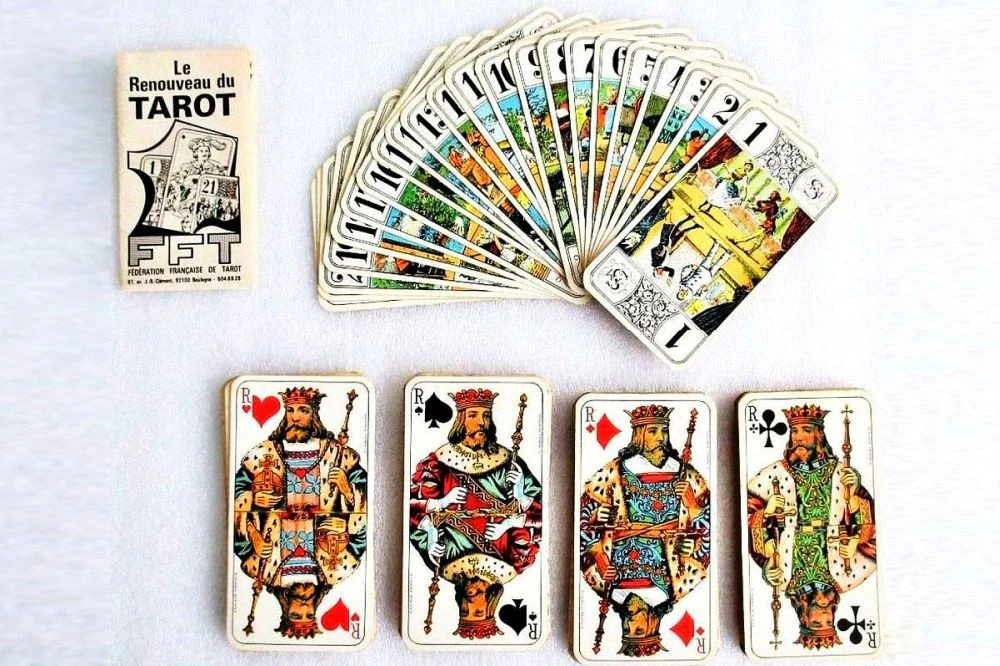
A standard tarot deck for play (not fortune-telling) includes:
56 suit cards, divided into:
Four suits: Swords, Cups, Coins, and Batons (sometimes adapted as Spades, Hearts, Diamonds, and Clubs).
Numbers from 1 to 10, plus four court cards: King, Queen, Knight, and Jack.
22 trump cards, numbered from 1 to 21, plus one special card — the Fool (Le Mat).
These 22 trumps act as the “atouts” or trump suit, outranking all regular suits.
Goal of the Game
The main goal is to win tricks that contain the most valuable cards and meet your “contract” (your declared goal and playing style for the hand).
In general terms:
You win by scoring more points than your opponents.
High-value cards (like Kings, Queens, and the Fool) earn bonus points.
Picking the correct contract, predicting your success, and managing trumps are key to victory.
Player Setup and Distribution
Tarot can be played with 3 to 5 players, though the 4-player version (French Tarot) is the most common and balanced.
1.Dealer shuffles and deals all 78 cards.
2.Depending on the number of players:
3 players: Each receives 24 cards, with 6 set aside for the “Dog.”
4 players: Each receives 18 cards; 6 go to the “Dog.”
5 players: Each gets 15 cards; 3 are reserved.
The Dog (or Le Chien) is a small pile of cards placed face down in the center. It will later influence scoring or hand composition.
Card Values
Each card has a point value that matters during scoring. Here’s a general reference table:
| Card Type | Point Value |
| King | 4.5 |
| Queen | 3.5 |
| Knight | 2.5 |
| Jack | 1.5 |
| Other suit cards | 0.5 |
| Trumps (except special ones) | 0.5 |
| The Fool | Special (acts as an “excuse”) |
Total points available per game: 91 points.
Bidding and Contracts
After dealing, the bidding phase begins. Each player can announce a contract representing their challenge level and the risk they’re willing to take.
Common contracts (from lowest to highest):
1.Petite (Small) — A low-risk bid; hope to win modestly.
2.Pousse (Push) — A medium-risk contract with balanced reward.
3.Garde (Guard) — A strong promise to score high.
4.Garde Sans (Guard Without the Dog) — You play without using the Dog cards.
5.Garde Contre (Guard Against the Dog) — Even higher risk, as the Dog is automatically scored against you.
The highest bid wins, and that player becomes the Declared Player (the Taker). Others form a temporary Defense alliance.
Role of the Fool Card
The Fool (or Le Mat) is one of the most special cards in tarot play. It doesn’t belong to any suit or trump and acts as a wild card, allowing you to avoid losing an important card. When you play the Fool, you don’t win the trick, but you get to reclaim it after the round, replacing it with a small-value card from your pile later.
Gameplay Rules
Gameplay consists of multiple tricks—smaller rounds where each player plays one card.
1.Leading a Trick: The Taker leads first by playing any card.
2.Following Suit: Each player must play a card from the same suit if possible.
3.Using Trumps: If you can’t follow suit, you must play a trump.
4.Playing the Fool: The Fool can be used to skip a trick without losing an important card.
5.Winning Tricks: The highest trump or the highest value in the leading suit wins.
The player who wins a trick collects the cards and leads the next round.
Counting Points and Scoring
After all cards are played, the Taker adds up their points. The winning threshold depends on the number of “Oudlers” (key tarot trumps) they captured.
| Number of Oudlers | Minimum Points Needed |
| 0 | 56 |
| 1 | 51 |
| 2 | 41 |
| 3 | 36 |
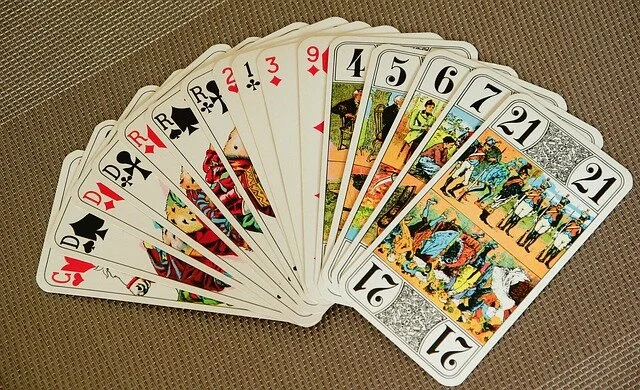
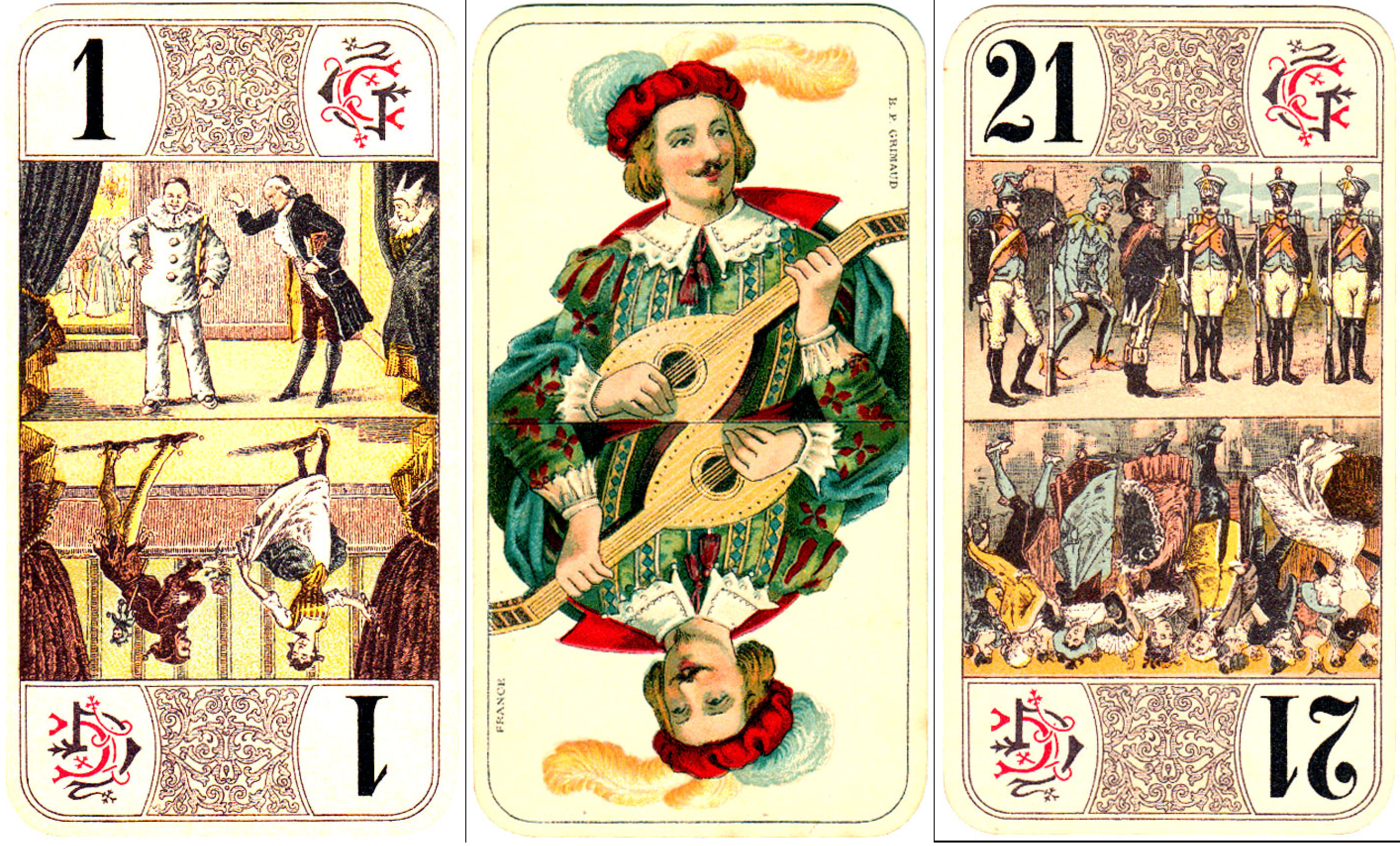
The Oudlers are:
The Fool
Trump 1 (the Small one)
Trump 21 (the Big one)
Scoring bonuses include:
Poignée (Handful): Declaring extra trumps in hand.
Petit au bout (Small at the End): Winning the last trick with the lowest trump.
Slam: Winning all tricks (rare, but highly rewarding!).
Strategy Tips for Beginners
Success in tarot requires both skill and intuition. Consider these strategies:
Track trumps carefully. Managing trumps is crucial to control gameplay.
Protect your Oudlers. Keeping them safe increases your winning chances.
Blend intuition with logic. Tarot is partly psychological—predict other players’ moves.
Balance aggression and caution. Don’t bid too high unless your hand supports it.
Watch your Dog cards. They can change your fortune dramatically.
Variations of the Tarot Game
While the French Tarot is the most classic version, others exist:
Italian Tarocchi: Features a more elaborate deck and slower strategy.
Austrian Königrufen: Played with partners and a reduced deck.
Swiss Troccas: Involves complex contracts and partnership systems.
Each variation changes the flavor of play but retains the same tarot logic.
Playing Online and Digitally
Modern tarot can also be played online or via mobile apps. This makes it easier for new players to practice. Websites like Trickster Tarot or apps like Tarot Club Online simulate realistic bidding and gameplay environments.
Cultural Significance
Beyond the game itself, tarot holds cultural symbolism. It bridges art, history, and community through intricate designs and centuries of tradition. Whether around a coffee table or a gaming app, tarot connects generations through strategy and imagination.
Conclusion
Learning how to play the tarot game opens a door into a centuries-old tradition that blends logic, artistry, and social fun. With patience, strategy, and luck, tarot offers one of the most fascinating experiences in card gaming—a mix of competition and conversation that keeps players returning for more.
FAQ About Playing Tarot
1. What is the main difference between tarot for gaming and fortune-telling?
Tarot for gaming uses the same cards but focuses on trick-taking strategy, not divination.
2. How many players are best for tarot?
Four players create the most balanced game, though it can be played with three or five.
3. Is tarot hard to learn?
Not really. Once you understand the role of trumps and the Fool, it becomes quite intuitive.
4. Can tarot be played online?
Yes! Many online platforms and apps allow multiplayer tarot games with authentic rules.
5. What’s the most valuable card?
The Fool, Trump 21, and Trump 1 are the most crucial, as they reduce the points needed to win.


