Content Menu
● What Are Printed Hang Tags?
● Why Printing Hang Tags Matters for Brands
>> Strengthen Brand Recognition
>> Communicate Product Information
>> Support Promotional Campaigns
>> Improve the Unboxing Experience
● Common Types of Custom Hang Tags
● Choosing the Right Hang Tag Material
>> Coated Cardstock
>> Uncoated Cardstock
>> Kraft Paper
>> Recycled Paper
>> Synthetic or Plastic Materials
● How to Choose the Best Printing Method
>> Digital Printing
>> Offset Printing
>> Screen Printing
>> Foil Stamping and Specialty Finishing
● Hang Tag Design Principles That Improve UX
>> Build a Clear Information Hierarchy
>> Keep Text Short and Legible
>> Design Both Sides Strategically
>> Consider Actual Product Placement
● Artwork Preparation for Printing Hang Tags
● A Practical Hang Tag Ordering Workflow
>> Step 1: Define the Use Case
>> Step 2: Select Size and Shape
>> Step 3: Choose Material and Thickness
>> Step 4: Select Printing and Finishing
>> Step 5: Approve a Proof
>> Step 6: Confirm Production and Packing
● New Opportunity: Smart and Sustainable Hang Tags
>> QR Codes for Product Engagement
>> NFC and Serialized Tags
>> Sustainable Design Decisions
● Quality Control for Wholesale and OEM Orders
● Why Choose XingKun for Custom Hang Tags?
● Conclusion
● FAQs About Printing Hang Tags
>> 1. What are printing hang tags used for?
>> 2. What is the best material for custom hang tags?
>> 3. What size should custom hang tags be?
>> 4. Can I print a QR code on a hang tag?
>> 5. Which printing method is best for small orders?
>> 6. Which printing method is best for large quantities?
>> 7. Can hang tags include foil stamping or embossing?
>> 8. What artwork file should I submit?
>> 9. Do hang tags need a physical proof?
>> 10. Does XingKun offer OEM and ODM hang tag production?
● References
Printing hang tags is an effective way for apparel brands, retailers, gift companies, jewelry businesses, and product manufacturers to communicate brand identity, product information, pricing, and promotional messages. A well-designed custom hang tag does more than identify a product—it adds a physical brand touchpoint that can influence how customers perceive quality.
For international brands, wholesalers, and manufacturers looking for reliable custom hang tag printing, Shenzhen XingKun Packing Products Co., Ltd. (XingKun) provides OEM and ODM production for clothing hang tags, retail swing tags, jewelry tags, gift tags, bottle-neck tags, folded tags, and other printed packaging products. With approximately 20 years of manufacturing experience, XingKun also produces custom packaging boxes, playing cards, jigsaw puzzles, printed books, stickers, and related paper products. [xkdisplay]
What Are Printed Hang Tags?
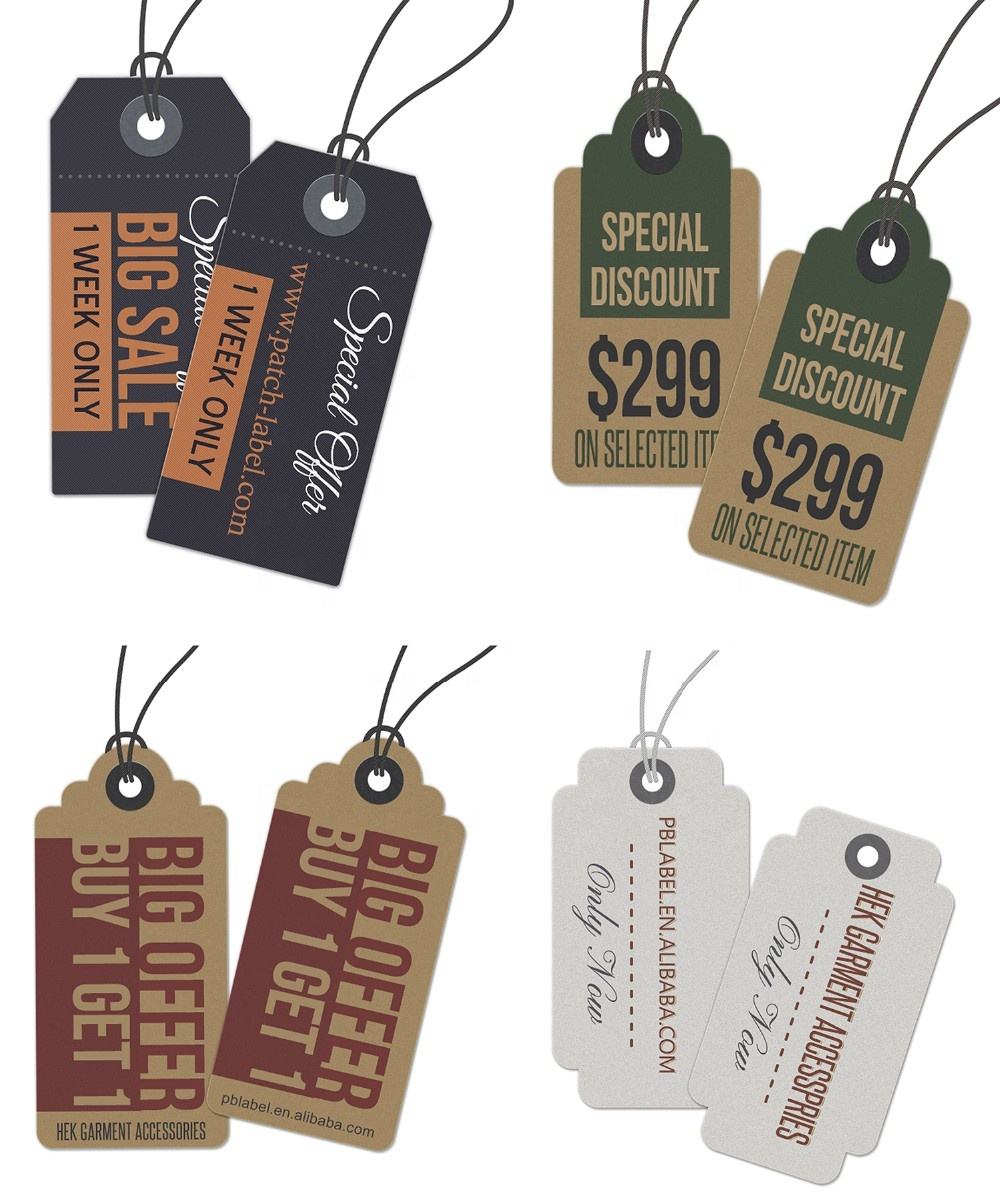
Printed hang tags are small cards or labels attached to a product with a string, cord, plastic fastener, adhesive, or another attachment system. They are commonly used for:
- Apparel and fashion products.
- Jewelry and accessories.
- Shoes, handbags, and leather goods.
- Home décor and handmade products.
- Gifts, beverages, and specialty foods.
- Electronics and promotional merchandise.
- Retail packaging and limited-edition products.
Unlike a permanent product label, a hang tag is usually removable. This makes it suitable for displaying price, size, product features, care instructions, barcode information, brand storytelling, and promotional offers.
The most effective hang tags combine three functions:
1. Identification: They show the brand, product name, size, or style number.
2. Information: They communicate materials, care instructions, origin, or usage details.
3. Marketing: They reinforce the brand image and encourage customers to take action.
In a retail environment, the tag may be one of the first physical elements a customer touches. Its paper thickness, printing quality, typography, color, and finish therefore contribute to the product's perceived value.
Why Printing Hang Tags Matters for Brands
A hang tag occupies limited space, but it can support several important business objectives.
Strengthen Brand Recognition
A consistent hang tag design helps customers recognize your products across stores, online orders, trade shows, and wholesale channels. Use the same:
- Logo treatment.
- Brand colors.
- Typography.
- Icon style.
- Tone of voice.
- Packaging materials.
For example, a sustainable clothing company may use recycled kraft stock, muted colors, and concise environmental messaging. A luxury jewelry brand may choose thick white cardstock, foil stamping, and a minimalist layout.
Communicate Product Information
A tag gives customers quick access to information without opening the packaging. Depending on the product category, this may include:
- Product name.
- Size or model.
- Material composition.
- Care instructions.
- Price.
- SKU or barcode.
- Country of origin.
- Warranty information.
- Authenticity code.
- Website or customer-service details.
The information should be prioritized. Customers should understand the most important message within a few seconds.
Support Promotional Campaigns
Custom printed hang tags can promote:
- New product launches.
- Seasonal sales.
- Loyalty programs.
- Limited editions.
- Gift-with-purchase campaigns.
- Social media accounts.
- Product registration.
- QR-code campaigns.
A short call to action such as "Scan to view the collection" is usually more effective than placing a long paragraph on a small tag.
Improve the Unboxing Experience
For e-commerce brands, printed hang tags can become part of the unboxing experience. A branded tag attached to a garment, gift, or accessory can make the item look more carefully prepared and easier to share on social media.
The tag should match other packaging elements, including:
- Custom packaging boxes.
- Paper bags.
- Tissue paper.
- Thank-you cards.
- Stickers.
- Product inserts.
This coordinated approach creates a more professional brand system instead of a collection of unrelated packaging components. [sunshinepackagings]
Common Types of Custom Hang Tags
The best format depends on the product, information required, attachment method, and brand positioning.
| Hang tag type | Typical application | Main advantage |
| Rectangular hang tags | Apparel, retail products, accessories | Efficient, versatile, and economical |
| Die-cut hang tags | Specialty products and creative brands | Creates a distinctive silhouette |
| Circle hang tags | Gifts, handmade goods, cafés, lifestyle products | Friendly and visually approachable |
| Folded hang tags | Products requiring more information | Provides additional printable space |
| Rounded-corner tags | Fashion, cosmetics, boutique products | Softer and more refined appearance |
| Jewelry hang tags | Rings, necklaces, bracelets, watches | Compact format for small products |
| Gift tags | Gifts, seasonal products, celebrations | Supports personalization and gifting |
| Bottleneck hang tags | Wine, spirits, sauces, and beverages | Fits around a bottle neck |
| Retail swing tags | Clothing and department-store products | Suitable for barcode and price display |
| Manila or kraft tags | Handmade, organic, and industrial products | Natural and practical appearance |
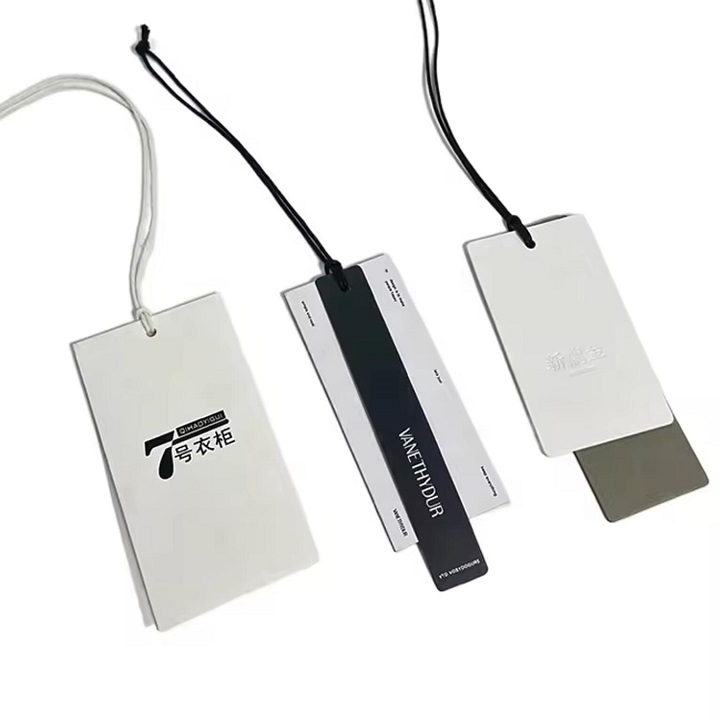
XingKun's product range includes clothing hang tags, rectangular tags, die-cut tags, circle tags, folded tags, rounded-corner tags, oval tags, jewelry tags, gift tags, bottleneck tags, half-circle tags, retail swing tags, and manila tags. [xkdisplay]
Choosing the Right Hang Tag Material
Material affects the tag's appearance, stiffness, durability, sustainability profile, and printing performance.
Coated Cardstock
Coated cardstock provides a smooth surface for sharp images, solid colors, and detailed typography. It is suitable for:
- Fashion brands.
- Retail products.
- Cosmetics.
- Promotional campaigns.
- Full-color branding.
Gloss-coated stock creates a bright and reflective surface. Matte-coated stock offers a softer, more understated finish.
Uncoated Cardstock
Uncoated paper has a natural texture and is often easier to write on. It works well for:
- Minimalist brands.
- Boutique products.
- Artisan goods.
- Product notes.
- Handwritten messages.
Because ink can behave differently on uncoated paper, a physical proof is recommended when color accuracy is important.
Kraft Paper
Kraft hang tags are popular with organic, handmade, and environmentally conscious brands. Their brown or natural appearance communicates a simple, authentic, and earthy visual style.
However, kraft paper changes the appearance of printed colors. Light tones may appear less vibrant, and white ink may be necessary when the design requires strong contrast.
Recycled Paper
Recycled cardstock can support a brand's sustainability positioning. Before making environmental claims, confirm the paper's actual certification, recycled content, recyclability, and local disposal conditions.
A reliable supplier should be able to clarify:
- Paper composition.
- Recycled content.
- Basis weight or thickness.
- Available certifications.
- Printing ink options.
- Finishing and recycling compatibility.
Synthetic or Plastic Materials
Plastic or synthetic tags are suitable when the product may encounter moisture, abrasion, or outdoor conditions. They may be used for:
- Sportswear.
- Outdoor products.
- Industrial goods.
- Swimwear.
- Reusable products.
The trade-off is that some plastic materials may complicate recycling. Select them only when durability creates a clear functional benefit.
How to Choose the Best Printing Method
Different printing methods suit different quantities, artwork types, and budgets.
Digital Printing
Digital printing is suitable for:
- Short and medium runs.
- Multiple designs.
- Variable data.
- Prototypes.
- Seasonal launches.
- Personalized tags.
It usually requires less setup than traditional methods, making it practical for brands testing a new product or ordering several versions in smaller quantities.
Offset Printing
Offset printing is often preferred for larger production runs requiring consistent color reproduction. It can be cost-efficient when the quantity is high and the artwork remains stable.
It is particularly useful for:
- Large apparel collections.
- Retail programs.
- Standardized brand tags.
- Large wholesale orders.
- Designs with carefully controlled spot colors.
Screen Printing
Screen printing deposits a relatively thick layer of ink and can create bold, striking results. It may be appropriate for selected substrates, fabric tags, or special visual effects.
Foil Stamping and Specialty Finishing
Foil stamping adds metallic or colored foil to selected areas. It is often used for:
- Logos.
- Product names.
- Borders.
- Limited-edition messages.
- Luxury packaging.
Other finishing options include:
- Embossing.
- Debossing.
- Spot UV.
- Matte lamination.
- Gloss lamination.
- Soft-touch lamination.
- Textured paper.
- Die cutting.
- Rounded corners.
- Perforation.
A common mistake is adding too many effects at once. In many cases, one strong premium finish produces a cleaner and more memorable result than combining foil, embossing, spot UV, and multiple paper textures.
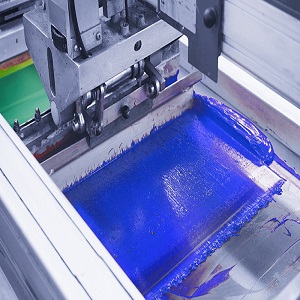
Digital Print Offset Print Silk Screen Print
Hang Tag Design Principles That Improve UX
Build a Clear Information Hierarchy
A customer should know what to read first. A practical hierarchy is:
1. Brand logo or name.
2. Product name or key benefit.
3. Size, price, or product code.
4. Supporting information.
5. QR code or call to action.
Do not give every element the same visual weight. Large logos, oversized headlines, and dense paragraphs can compete with one another.
Keep Text Short and Legible
Hang tags are small. Avoid using the tag as a full product brochure.
Use:
- Short sentences.
- High-contrast text.
- Readable font sizes.
- Adequate line spacing.
- Clear icons.
- Sufficient white space.
If more information is required, consider a folded hang tag or connect the tag to a mobile landing page through a QR code.
Design Both Sides Strategically
Two-sided printing provides additional space without increasing the physical size of the tag.
A useful structure is:
- Front: logo, product name, visual identity, and primary message.
- Back: price, size, barcode, care information, website, or QR code.
The front should create recognition. The back should answer practical questions.
Consider Actual Product Placement
A tag should look appropriate when attached to the product. Before approving production, test:
- The tag's proportion relative to the product.
- Whether the tag covers important product details.
- Whether the cord is too short or too long.
- Whether the barcode faces outward.
- Whether the hole position causes the tag to rotate.
- Whether the corners catch on fabric or packaging.
A design that looks attractive on a computer screen may appear oversized or difficult to read in a real retail setting.
Artwork Preparation for Printing Hang Tags
Correct artwork preparation reduces delays, color issues, and cutting errors.
Before submitting files, confirm the following:
- Use CMYK color mode for standard print production.
- Provide vector artwork when possible.
- Use a minimum resolution of 300 DPI for raster images.
- Convert fonts to outlines or embed them correctly.
- Add bleed according to the manufacturer's specification.
- Keep important text and logos inside the safe zone.
- Place die-cut lines, perforations, and foil areas on clearly named layers.
- Provide Pantone references when exact color matching is important.
- Check barcode and QR-code readability at actual size.
- Confirm the final trim size and hole position.
Many commercial printers recommend extending background artwork beyond the trim line and keeping essential elements away from the cutting edge. The exact bleed and safe-zone requirements should always be confirmed with the selected manufacturer. [aura-print]
A Practical Hang Tag Ordering Workflow
A structured workflow helps international buyers control quality and cost.
Step 1: Define the Use Case
Identify:
- Product category.
- Attachment method.
- Indoor or outdoor use.
- Required information.
- Expected handling conditions.
- Retailer or marketplace requirements.
Step 2: Select Size and Shape
Common formats include approximately 2 × 3.5 inches, 2 × 2 inches, and 2 × 3 or 2 × 4 inches. These are general starting points rather than universal standards. Jewelry, apparel, and bottle-neck applications may require different dimensions. [xkdisplay]
Step 3: Choose Material and Thickness
Compare coated cardstock, uncoated paper, kraft paper, recycled paper, and synthetic options. Request material samples when tactile quality is important.
Step 4: Select Printing and Finishing
Choose digital or offset printing based on quantity and design variation. Then specify any requirements for:
- Lamination.
- Foil stamping.
- Embossing.
- Spot UV.
- Die cutting.
- Perforation.
- Stringing.
- Fastener attachment.
Step 5: Approve a Proof
A digital proof confirms layout but may not accurately represent final color, texture, stiffness, or finish. For important launches, request a physical pre-production sample.
Inspect:
- Color balance.
- Logo position.
- Text accuracy.
- Hole placement.
- Die-cut edges.
- Finish registration.
- Barcode and QR-code scanning.
- Cord strength.
- Tag rotation when attached.
A hardcopy proof is especially useful for checking spelling, cutting, scoring, perforation, and alignment before the full run. [psprint]
Step 6: Confirm Production and Packing
The final specification should include:
- Quantity by design.
- Individual packing requirements.
- Bundling instructions.
- Carton quantity.
- Shipping marks.
- Delivery address.
- Required delivery date.
- Inspection standard.
New Opportunity: Smart and Sustainable Hang Tags
The hang tag market is developing beyond simple branding and pricing. A 2026 market report estimates that the global apparel printing labels and hang tags market was valued at approximately USD 778 million in 2024 and may reach approximately USD 907 million by 2032. The same report identifies recycled materials, QR codes, NFC technology, and digital printing as notable development areas. [24marketreports]
QR Codes for Product Engagement
A QR code can direct customers to:
- Product details.
- Care videos.
- Size guides.
- Authenticity verification.
- Warranty registration.
- Loyalty programs.
- Brand stories.
- Sustainability information.
The code should have sufficient contrast and a clear quiet zone. Always test it on the final substrate and finish rather than only on a screen.
NFC and Serialized Tags
For premium or high-value products, serialized QR codes or NFC tags may support:
- Product authentication.
- Supply-chain tracking.
- Warranty registration.
- After-sales service.
- Digital product passports.
- Consumer engagement.
These features require more coordination than standard printing. The tag design, data system, landing page, and privacy policy should be planned together.
Sustainable Design Decisions
Sustainability is not only a material choice. It also involves:
- Right-sizing the tag.
- Reducing unnecessary layers.
- Avoiding incompatible coatings.
- Selecting recyclable attachment components.
- Limiting production waste.
- Ordering quantities based on realistic demand.
- Using digital printing for controlled short runs.
A smaller tag made from a suitable recyclable material may have a lower overall impact than an oversized tag with multiple decorative layers.
Quality Control for Wholesale and OEM Orders
For large or recurring orders, quality control should be defined before production.
Important checkpoints include:
- Paper or substrate specification.
- Finished size tolerance.
- Color consistency.
- Print registration.
- Text and barcode accuracy.
- Hole diameter and position.
- Die-cut smoothness.
- Lamination adhesion.
- Foil coverage.
- Embossing depth.
- String or fastener attachment.
- Packing quantity.
For repeat orders, retain an approved reference sample. It can help the factory and buyer compare future production against the same visual and physical standard.
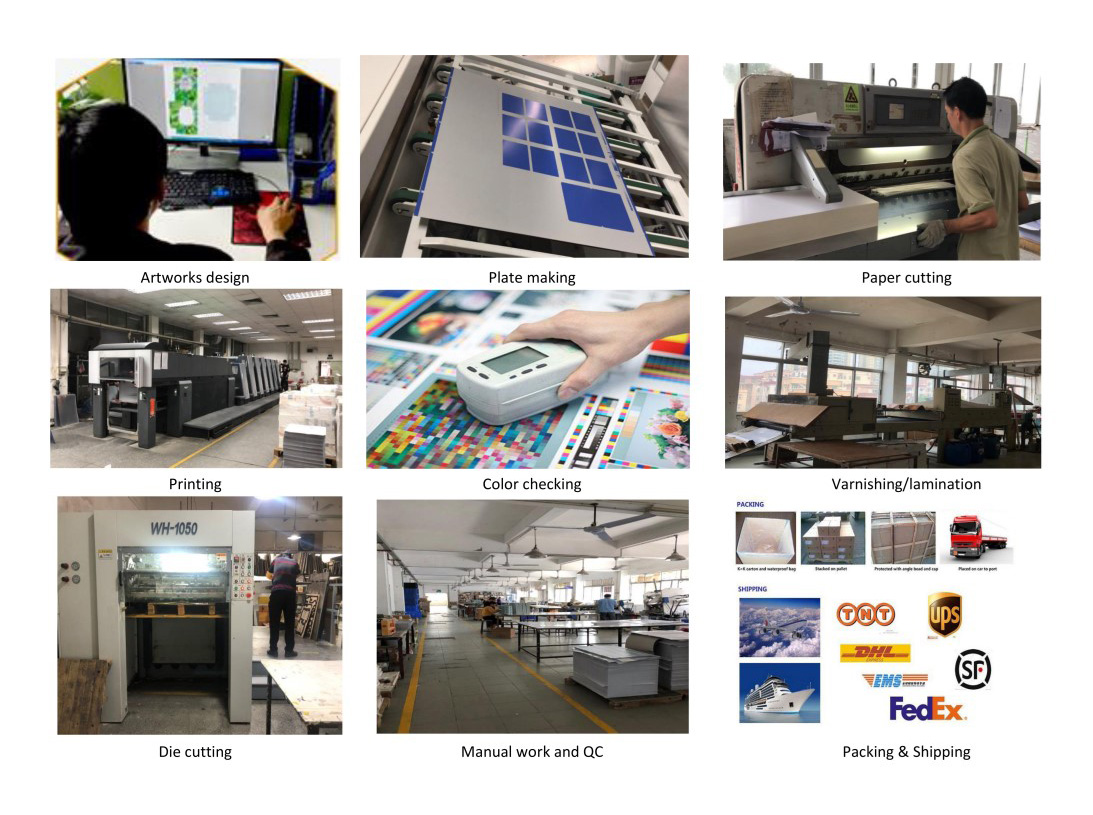
XingKun describes its process as covering design, material selection, printing, special finishing, die cutting, hole punching, attachment, quality inspection, and packaging. This integrated workflow can be useful for brands that want one supplier to coordinate both hang tags and wider printed packaging projects. [xkdisplay]
Why Choose XingKun for Custom Hang Tags?
Shenzhen XingKun Packing Products Co., Ltd. serves overseas brands, wholesalers, and manufacturers through OEM and ODM production. Its broader product capabilities include:
- Custom packaging boxes.
- Playing cards.
- Jigsaw puzzles.
- Printed books.
- Stickers.
- Hang tags and retail swing tags.
- Related paper and promotional products.
This product range allows buyers to coordinate multiple packaging components through one manufacturing partner. For example, an apparel brand may order matching clothing hang tags, folding cartons, stickers, and thank-you cards with a unified color and design system.
When requesting a quotation, provide:
- Finished size.
- Material and thickness.
- Printing sides.
- Quantity per design.
- Finishing requirements.
- Hole and attachment details.
- Artwork format.
- Packaging requirements.
- Delivery destination.
- Target delivery date.
For a more accurate quotation, ask about sample availability, production lead time, color matching, minimum order quantity, inspection procedures, and shipping options.
Conclusion
Professional printing hang tags combine brand identity, product information, retail functionality, and customer engagement in a compact format. The right result depends on more than attractive artwork. Brands must also select an appropriate material, printing method, finish, attachment system, information hierarchy, and quality-control process.
For short runs and multiple designs, digital printing offers flexibility. For larger standardized orders, offset printing may provide efficient and consistent production. Kraft, recycled, coated, uncoated, and synthetic materials each serve different brand and product requirements.
The most reliable approach is to define the use case first, prepare technically correct artwork, approve a physical sample, test all machine-readable elements, and inspect the finished product against an agreed specification. If you need custom hang tags together with boxes, cards, puzzles, books, or stickers, contact XingKun to discuss your OEM or ODM packaging project and request a tailored quotation.

FAQs About Printing Hang Tags
1. What are printing hang tags used for?
Printing hang tags are used to display brand identity, product names, sizes, prices, materials, care instructions, barcodes, QR codes, promotional messages, and other product information. They are common in apparel, jewelry, accessories, gifts, retail goods, and specialty products.
2. What is the best material for custom hang tags?
The best material depends on the application. Coated cardstock is suitable for colorful retail designs, kraft paper suits natural and handmade brands, recycled paper supports sustainability positioning, and synthetic materials are useful when moisture or abrasion resistance is required.
3. What size should custom hang tags be?
Common starting sizes include approximately 2 × 3.5 inches, 2 × 2 inches, and 2 × 3 or 2 × 4 inches. The correct size depends on the product, required information, attachment position, and desired visual effect. A physical mock-up can help confirm the proportion.
4. Can I print a QR code on a hang tag?
Yes. QR codes can link to product information, care instructions, a website, authenticity verification, warranty registration, or a promotion. Test the code on the actual printed material and finish before approving mass production.
5. Which printing method is best for small orders?
Digital printing is generally suitable for small and medium quantities, multiple designs, prototypes, and variable information. It normally requires less setup than offset printing and offers greater flexibility for short production runs.
6. Which printing method is best for large quantities?
Offset printing is often suitable for large quantities with stable artwork and consistent color requirements. The most cost-effective option depends on the number of designs, paper, finishing, color specifications, and production schedule.
7. Can hang tags include foil stamping or embossing?
Yes. Foil stamping, embossing, debossing, spot UV, lamination, textured stock, and die cutting can all be used to create a more distinctive appearance. For cost and design control, it is usually better to select one or two finishes with a clear purpose.
8. What artwork file should I submit?
Vector PDF, AI, or EPS files are usually preferred. Use CMYK colors, convert fonts to outlines, provide 300 DPI images when raster elements are used, include the required bleed, and place die-cut or special-finish instructions on separate layers.
9. Do hang tags need a physical proof?
A physical proof is strongly recommended for premium products, large quantities, complex finishing, exact color requirements, or new materials. It allows you to evaluate color, thickness, texture, hole position, QR-code scanning, and attachment performance before mass production.
10. Does XingKun offer OEM and ODM hang tag production?
Yes. XingKun provides OEM and ODM custom printing and packaging services for overseas brands, wholesalers, and manufacturers. Buyers can request customized sizes, shapes, materials, finishes, attachments, packaging, and coordinated products such as boxes, playing cards, puzzles, books, and stickers. [xkdisplay]
References
1. [XingKun — Hang Tags and Custom Printing & Packaging Manufacturer] — Product categories, customization capabilities, production process, material options, finishing methods, and company information.
2. [CBF Label — Step-by-Step Guide to Designing Custom Hang Tags] — Design hierarchy, typography, layout, and brand presentation guidance.
3. [CBF Label — Custom Hang Tags for Accessories] — Premium materials, focused finishing, QR-code testing, and physical sample recommendations.
4. [PsPrint — Hang Tag Printing Techniques] — Stock selection, durability, perforations, holes, and hardcopy proof considerations.
5. [PsPrint — Hang Tag Design Essentials] — Layout, information density, folded tags, templates, and visual impact.
6. [AURA Print — Custom Clothing Hang Tag Design Guide] — CMYK preparation, bleed, safe zones, resolution, file formats, and common dimensions.
7. [Dutch Label Shop — Custom Hang Tags: Materials and Costs Guide] — Information planning, materials, finishes, and functional design considerations.
8. [24MarketReports — Apparel Printing Labels and Hang Tags Market Forecast] — Market-size estimates and reported trends involving recycled materials, smart labels, QR codes, NFC, and digital printing.


