Content Menu
● What Makes Kraft Paper Bags Strong
● Where Coated Paper Bags Gain the Edge
● Kraft vs Coated: Side-by-Side Comparison
● The GSM Factor Most Buyers Overlook
● Lamination Type Changes the Durability Equation
● How We Test Durability Before Mass Production
● Market Context: Why This Decision Matters More Now
● Which One Should You Choose?
● Frequently Asked Questions
● References
Kraft paper bags generally outperform coated paper bags in raw tensile strength and tear resistance, while coated bags win on moisture resistance and print durability — the right choice depends on your product weight, shelf life, and brand presentation needs.
After more than two decades manufacturing tote bags and printed packaging for brands and distributors across 30+ countries, we at Shenzhen XingKun Packing Products Co., Ltd. get asked this exact question almost weekly. Retailers, cosmetics brands, and food companies all want a bag that looks premium but survives real-world handling. This guide breaks down the science, the trade-offs, and the practical decision-making process based on what we've tested on our own production floor.
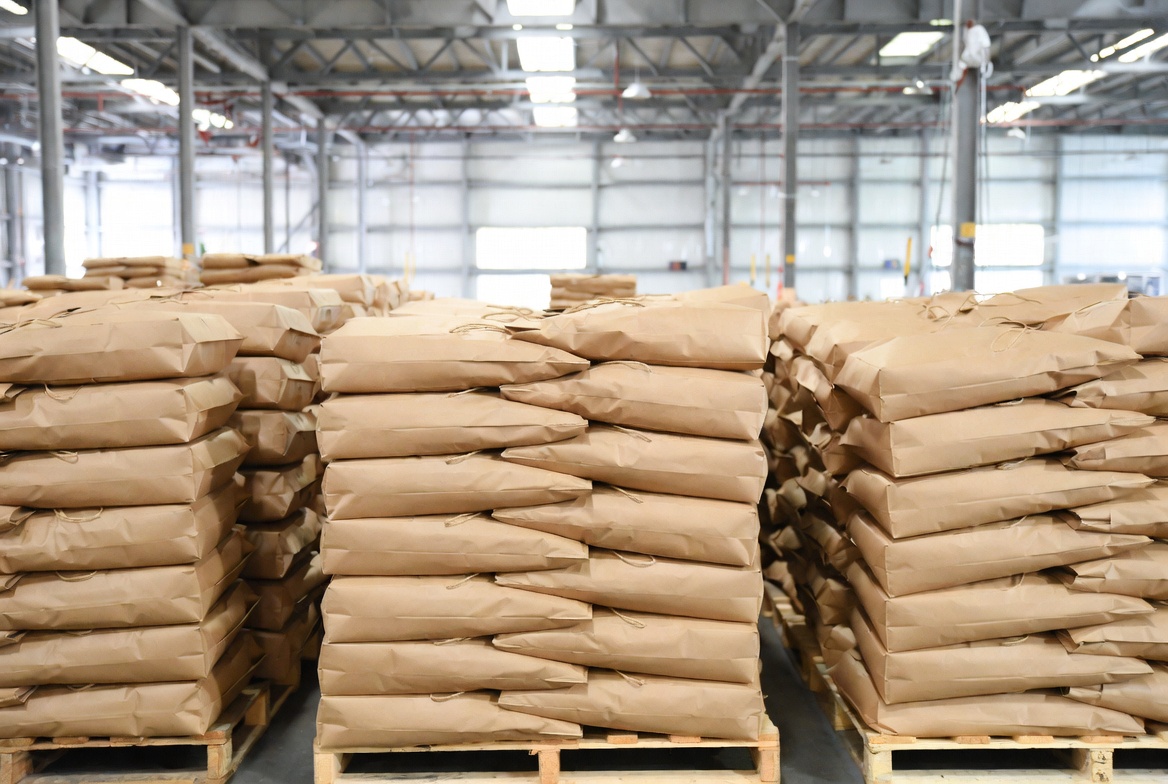
What Makes Kraft Paper Bags Strong
Kraft paper is produced through a chemical pulping process that preserves long wood fibers, which is why the word "kraft" — German for "strength" — became its namesake. These long fibers interlock tightly, giving kraft paper superior tensile strength and tear resistance compared to many other paper grades.
Key strength factors for kraft bags:
- Basis weight (GSM): Tensile strength rises in a near-linear relationship with GSM, so a 120 GSM kraft sheet significantly outperforms a 50 GSM sheet in load-bearing capacity.
- Bursting strength: Kraft paper used in bags typically tests between 1.5 and 5.0 kg/cm² on the Mullen burst scale, depending on thickness and grammage.
- Fiber length: Unbleached kraft retains longer cellulose fibers than recycled or coated stock, which directly improves puncture resistance.
- Biodegradability: Kraft bags break down naturally in roughly 4-6 weeks under proper composting conditions, which matters for brands prioritizing end-of-life impact.
Where Coated Paper Bags Gain the Edge
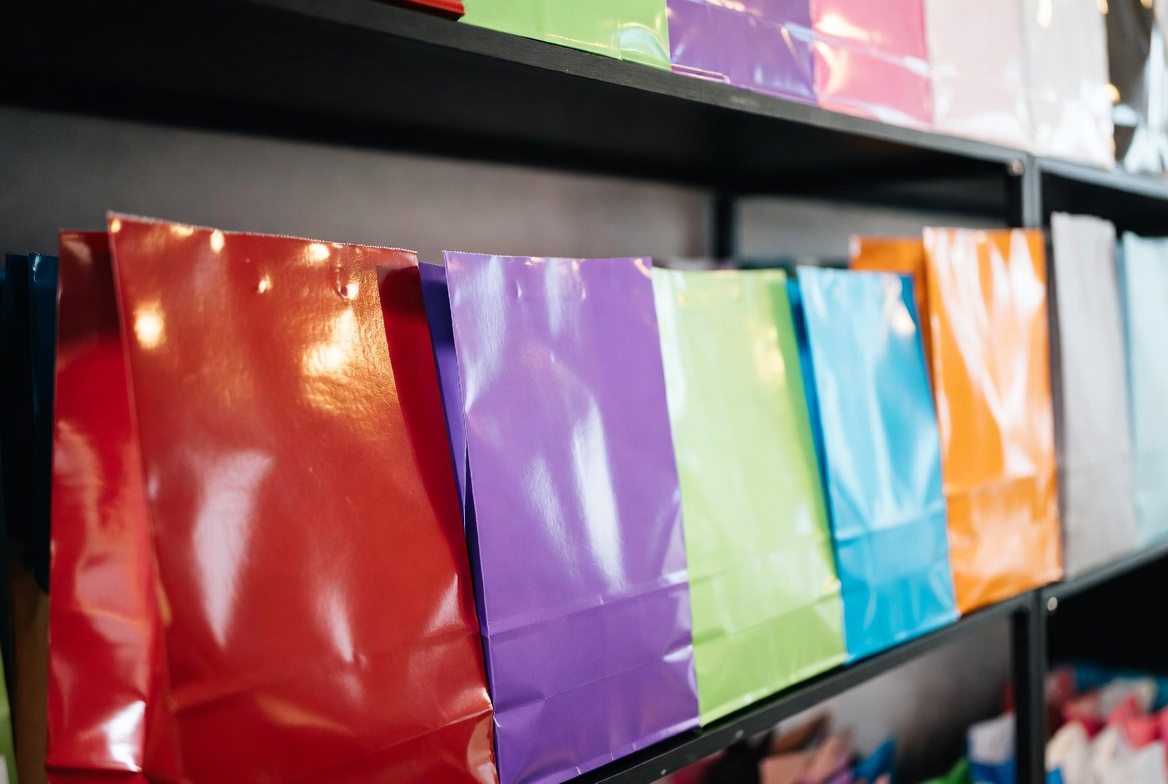
Coated paper bags apply a thin layer — often a glossy or matte laminate — over the base paper substrate. This coating does not add much raw fiber strength, but it changes how the bag performs in everyday use.
Coating benefits worth knowing:
- Water and stain resistance: The lamination layer creates a smooth barrier that repels moisture and keeps ink from smudging, which raw kraft cannot do on its own.
- Scuff and scratch protection: Gloss lamination in particular resists fingerprints, scuffing, and repeated handling better than matte or uncoated finishes.
- Print vibrancy: Coated stock holds color more accurately, making it the go-to choice for brands that rely on bold graphics or photography on the bag surface.
- Trade-off: Coated bags are typically less biodegradable because the plastic laminate interferes with natural decomposition, and they cost more per unit to produce.
Kraft vs Coated: Side-by-Side Comparison
| Factor |
Kraft Paper Bags |
Coated Paper Bags |
| Tensile/tear strength |
High, scales with GSM |
Moderate, depends on base paper |
| Water resistance |
Low unless treated |
High, especially with gloss lamination |
| Scratch/scuff resistance |
Moderate |
High |
| Print vibrancy |
Muted, rustic tone |
Sharp, high-gloss color |
| Biodegradability |
4-6 weeks under proper conditions |
Slower, laminate layer resists breakdown |
| Typical use case |
Grocery, hardware, food-to-go, eco-brands |
Cosmetics, retail fashion, gift bags, luxury goods |
| Relative unit cost |
Lower |
Higher due to lamination step |
The GSM Factor Most Buyers Overlook
Many buyers compare "kraft vs coated" as if paper type alone decides durability, but GSM (grams per square meter) is often the bigger variable. A 150 GSM coated bag can outlast a 60 GSM kraft bag even though kraft is the stronger base material.
Practical GSM benchmarks we use in production:
1. 80-100 GSM — light retail bags for boutiques, single-use gifting.
2. 100-130 GSM — standard grocery and food-service bags, moderate load.
3. 130-180 GSM — heavy-duty industrial or multi-item retail bags.
4. 180 GSM+ — luxury and reusable tote-style bags meant for repeated trips.
Lamination Type Changes the Durability Equation
Not all coated bags perform the same. The finish applied — gloss versus matte — creates measurably different durability outcomes, a detail most comparison articles skip entirely.
Gloss lamination generally delivers better water resistance and wear resistance, making it the practical choice for bags handled frequently or exposed to humid environments. Matte lamination offers a premium, understated look and still provides some moisture protection, but it scratches more easily from fingernails or metal contact. If your product line touches water — think cosmetics, beverages, or seafood packaging — gloss coating is the safer bet. If your brand leans into a soft, tactile premium feel, matte remains popular despite the slight durability trade-off.
How We Test Durability Before Mass Production
At our facility, we do not rely on lab specifications alone. Real-world testing catches problems that paper mill data sheets miss.
Our pre-production testing steps:
1. Request certified GSM and Mullen burst reports from paper suppliers holding FSC, PEFC, or ISO 14001 certification.
2. Run small-batch sample bags using the exact final material and print method before committing to full production.
3. Check ink absorption and fold accuracy on the sample run, since die-cutting and folding stress the paper differently than flat sheet testing.
4. Test adhesive/paste bonding strength at handle attachment points, which is often where bags fail before the paper itself tears.
5. Simulate load conditions by filling sample bags to intended capacity and carrying them repeatedly to check handle pull-through and side-seam stress.
This process has helped us catch weak paste bonding and uneven coating adhesion issues before they reached a client's warehouse — problems that never show up in a standard GSM spec sheet.

Market Context: Why This Decision Matters More Now
The global paper bag packaging market was valued at roughly USD 7.64 billion in 2025 and is projected to grow to about USD 8.05 billion in 2026, continuing toward USD 12.73 billion by 2034 at a 5.90% CAGR. This growth is driven largely by plastic bag bans and brand demand for recyclable retail packaging, which means durability complaints and returns carry a bigger reputational cost than ever for brands scaling internationally.
Which One Should You Choose?
There is no universal winner — the right pick depends entirely on how the bag will be used.
- Choose kraft if your priority is raw strength, biodegradability, and a natural aesthetic for grocery, hardware, or eco-conscious retail.
- Choose coated (gloss) if the bag must resist water, frequent handling, or humid storage conditions, such as cosmetics or beverage packaging.
- Choose coated (matte) if brand presentation and a soft premium feel matter more than maximum scratch resistance.
- Increase GSM on either option if the bag needs to carry heavier loads or survive repeated reuse.
If you're specifying bags for an international product line, working with a manufacturer that tests both paper strength and coating performance under real shipping conditions saves costly reprints and customer complaints down the line. Our team at Shenzhen XingKun Packing Products Co., Ltd. has run this exact comparison for clients across 30+ countries — reach out to our team with your product specs and we'll recommend the paper grade, GSM, and coating that fits your durability and budget requirements.
Frequently Asked Questions
Is kraft paper stronger than coated paper?
In raw tensile and tear strength, yes — kraft's long fiber structure typically outperforms coated stock at the same GSM. But coated bags often win on scratch and moisture resistance, so overall durability depends on the bag's intended use.
Are kraft paper bags waterproof?
No, untreated kraft paper absorbs moisture and weakens when wet. Some manufacturers add a water-resistant coating to kraft bags to address this without switching to full lamination.
How long does it take for a kraft paper bag to decompose?
Under proper composting conditions, kraft paper bags typically break down in about 4 to 6 weeks, making them a strong option for brands prioritizing sustainability.
What GSM should I choose for a heavy-duty retail bag?
For bags carrying moderate to heavy loads, 130-180 GSM is generally recommended, while lightweight gifting or boutique bags can use 80-100 GSM.
Is gloss or matte lamination more durable?
Gloss lamination generally offers better water resistance and wear resistance, making it more durable for frequently handled or moisture-exposed bags, while matte offers a premium look with slightly lower scratch resistance.
References
1. Paper Bag Materials & Finishes: What US/EU Buyers Need to Know — https://www.google.com
2. 5 Data-Backed Insights: How Does Basis Weight (GSM) Affect Paper Bag Strength — https://www.google.com
3. Bursting Strength Test 101: The Secret to Paper Durability — https://www.google.com
4. Matte Lamination vs Gloss Lamination: What's the Real Difference — https://www.google.com
5. Comparing Matte vs Gloss Lamination for Packaging — https://www.google.com
6. Kraft Paper Bag Sustainability — https://www.google.com
7. How to Choose Paper for Paper Bags — https://www.google.com
8. Paper Bags Packaging Market Size, Share, Growth Report — https://www.google.com


