Content Menu
● What Is Stock Packaging?
>> When Stock Packaging Makes Sense
● What Is Custom Packaging?
>> What Custom Packaging Controls
● Custom Packaging vs Stock Packaging: Key Differences
● Why Packaging Design Affects Buying Decisions
>> The Brand Experience Advantage
● The Real Cost: Price Per Box Is Not Total Cost
>> Hidden Costs of Stock Packaging
>> Hidden Value of Custom Packaging
● A Practical Decision Framework
>> 1. Define the Product Risk
>> 2. Calculate Total Landed Cost
>> 3. Match Packaging to Demand Certainty
>> 4. Consider Brand Positioning
● Hybrid Packaging: A Smarter Middle Ground
● Expert Insight: Start Small, Scale Deliberately
● Sustainability Should Be Designed, Not Assumed
● How XingKun Supports OEM and ODM Packaging
● Common Mistakes to Avoid
● Conclusion
● FAQs
>> 1. Is custom packaging always more expensive than stock packaging?
>> 2. When should a startup choose stock packaging?
>> 3. Does custom packaging reduce shipping costs?
>> 4. Can stock packaging still look branded?
>> 5. What information should I provide for a custom packaging quote?
>> 6. Is custom packaging better for e-commerce brands?
● References
Custom packaging vs stock packaging is one of the most important decisions a product brand can make. Stock packaging is fast, inexpensive, and ideal for testing or urgent fulfillment; custom packaging is designed around your product and brand, delivering stronger shelf impact, better protection, and lower unit costs at scale. The right choice depends on your order volume, launch timeline, product fragility, brand positioning, and total landed cost—not packaging price alone. [pluspackaging]
At Shenzhen XingKun Packing Products Co., Ltd. (XingKun), we work with international brand owners, wholesalers, and manufacturers that need OEM and ODM packaging for boxes, playing cards, jigsaw puzzles, books, stickers, and related printed products. In practice, the best packaging program is often not "custom versus stock," but a deliberate mix of both. [xkdisplay]
What Is Stock Packaging?
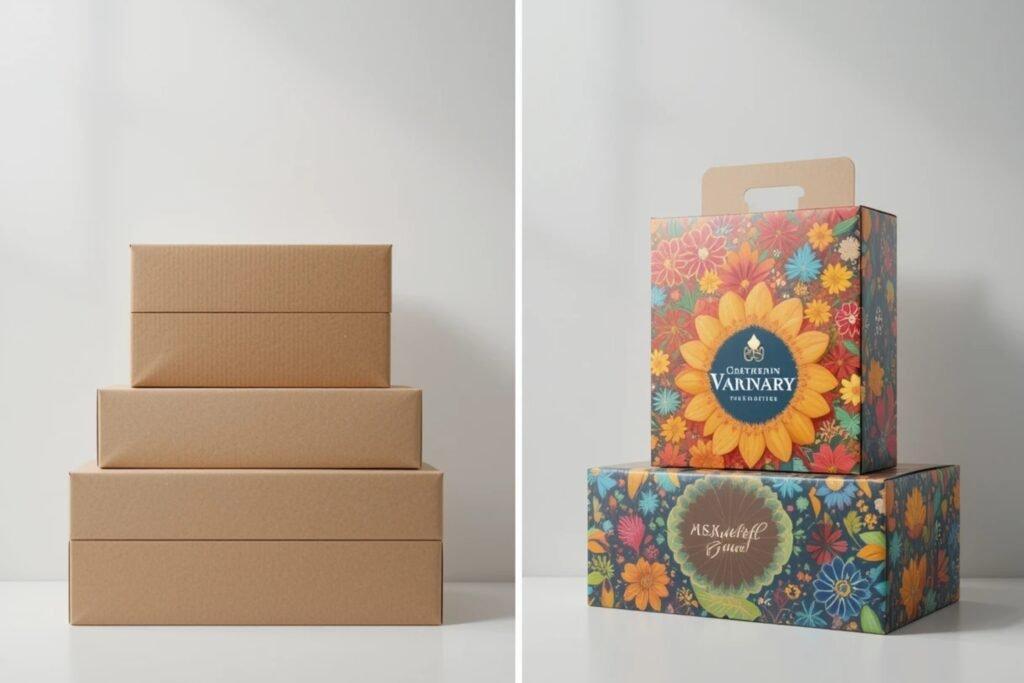
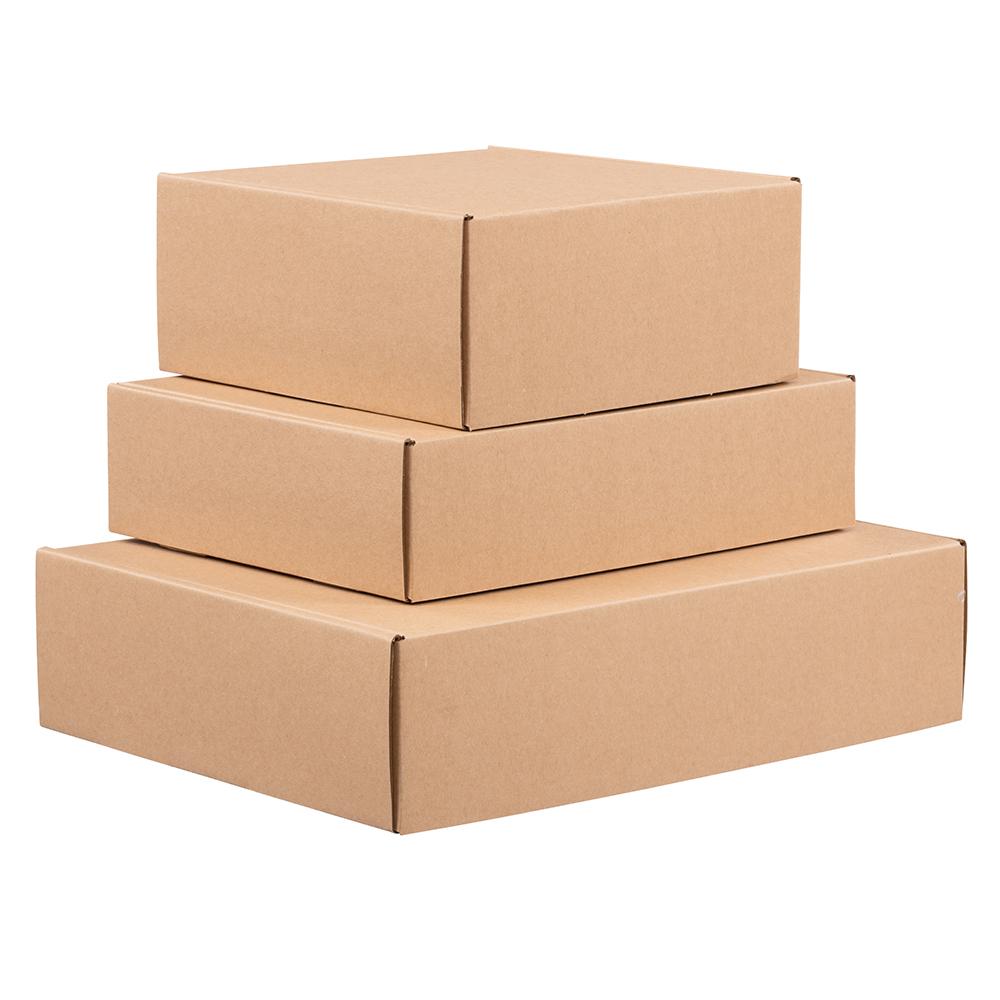
Stock packaging is ready-made, off-the-shelf packaging produced in standard sizes, materials, colors, and structures. Common examples include generic mailers, folding cartons, rigid gift boxes, corrugated shipping boxes, envelopes, and standard card tuck boxes. [pluspackaging]
Because these formats are already tooled and often inventoried, stock packaging can usually be sourced quickly and in small quantities. It is especially useful when demand is uncertain, products change frequently, or a business needs to ship samples, limited runs, or replacement inventory without committing to a large production run. [pluspackaging]
When Stock Packaging Makes Sense
- You are testing a new product or market. You can validate demand before investing in custom dies, artwork, or large minimum quantities. [pluspackaging]
- You need packaging immediately. Stock packaging is commonly available within days rather than the multi-week lead time often required for custom production. [pluspackaging]
- Your product is durable and standard-sized. A generic box may provide adequate protection without a tailored insert or structural design. [refinepackaging]
- You need to minimize upfront risk. Stock packaging avoids tooling, plates, die setup, and design fees. [bottlesourcecorp]
- Your SKUs change frequently. Standard formats can support multiple products, seasonal offers, or changing product dimensions. [dnpackaging]
What Is Custom Packaging?
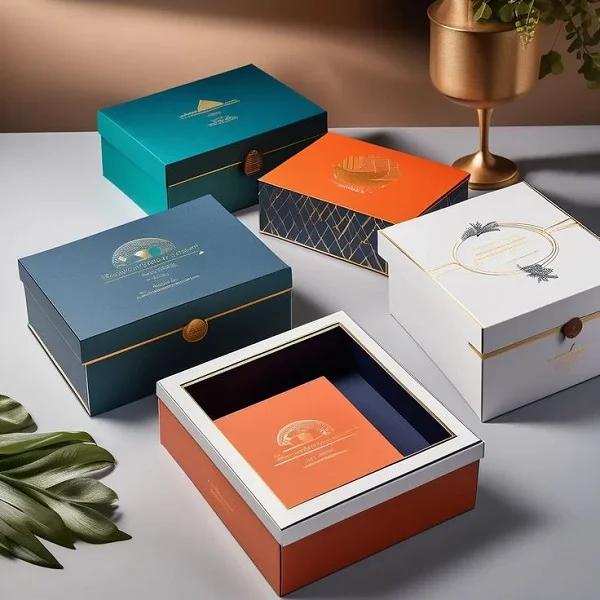
Custom packaging is engineered for a specific product, brand, and customer experience. It can include a custom structural design, exact internal dimensions, branded artwork, specialty materials, inserts, closures, foil stamping, embossing, spot UV, lamination, and other premium finishes. [dnpackaging]
Custom does not always mean creating a completely new package from zero. It can also mean modifying a proven structure—such as adding a brand-specific insert, changing the board grade, adjusting the closure, or applying a distinctive print finish—to meet a product's protection and presentation needs. [bottlesourcecorp]
What Custom Packaging Controls
| Packaging element | What you can control |
| Structure | Box style, dimensions, closures, inserts, compartments, and product fit |
| Materials | Paperboard, corrugated board, specialty paper, recycled content, and coatings |
| Printing | Full-color artwork, logos, typography, product information, and regulatory details |
| Finishes | Matte or gloss lamination, foil stamping, embossing, debossing, spot UV, and soft-touch coatings |
| Customer experience | Unboxing sequence, inserts, instructions, gift presentation, and retail display |
| Logistics | Right-sized cartons, reduced void fill, protective inserts, and more efficient packing |
Custom packaging gives brands more control over dimensions, structure, graphics, materials, inserts, and finishes, while stock packaging usually relies on existing sizes and limited decoration such as labels, tape, stamps, or simple printing. [dnpackaging]
Custom Packaging vs Stock Packaging: Key Differences
| Factor | Stock packaging | Custom packaging |
| Initial cost | Low; no tooling, die, or design setup usually required. | Higher upfront investment for design, sampling, tooling, plates, or die setup. |
| Unit cost at scale | Often higher per unit as volume grows. pluspackaging | Lower per-unit cost when volumes justify the setup investment. |
| Minimum order quantity | Can be very small, sometimes 1–25 units. pluspackaging | Often 250–1,000+ units, depending on the format and process. pluspackaging |
| Lead time | Fast; commonly 1–3 business days for available inventory. pluspackaging | Longer due to design, sampling, approval, tooling, and production. |
| Branding | Limited; usually requires labels, sleeves, stickers, or secondary branding. | Full-surface branding, premium finishes, and a cohesive brand experience. |
| Product protection | May require void fill or adjustments because dimensions are generic. | Can use product-specific cavities, inserts, board grades, and closures. dnpackaging |
| Shipping efficiency | May create wasted space and require more filler. | Right-sizing can reduce void fill, packing time, and dimensional-weight exposure. |
| Best use case | Testing, urgent replenishment, low-volume runs, uncertain demand. | Established products, premium positioning, fragile goods, retail, and repeat programs. dnpackaging |
Why Packaging Design Affects Buying Decisions
Packaging is not merely a container. It is a sales interface, a protection system, and often the first physical touchpoint a customer has with your brand.
In a 2018 survey cited by Meyers, 72% of American consumers said product packaging design influenced their purchase decisions, while 67% said packaging materials did. Other industry research summarized by Creative Retail Packaging reports that packaging influences 85% of in-store purchase decisions and that 70% of consumers view packaging as key to a brand's image. [meyers]
For a brand selling playing cards, puzzles, books, stickers, or premium gift boxes, this matters because the package communicates quality before the customer touches the product. A well-designed custom box can signal attention to detail, justify a higher price, and make the product feel gift-ready. [creativeretailpackaging]
The Brand Experience Advantage
Custom packaging lets a brand control the full sensory experience: color consistency, paper texture, structural opening, insert placement, and the moment a customer reveals the product. This is particularly valuable for:
- Retail products competing for attention on crowded shelves. [dnpackaging]
- E-commerce brands seeking a memorable unboxing experience. [refinepackaging]
- Gift-oriented products such as playing cards, puzzles, and premium stationery. [xkdisplay]
- Fragile or high-value goods that need tailored protection. [dnpackaging]
- Subscription or repeat-purchase products where consistent presentation builds recognition. [pluspackaging]
The Real Cost: Price Per Box Is Not Total Cost
A common mistake is comparing only the quoted price per box. Stock packaging may look cheaper on day one, but it can create hidden costs later.
Hidden Costs of Stock Packaging
- Void fill and cushioning: Generic dimensions may leave empty space that requires paper, air pillows, foam, or bubble wrap. [refinepackaging]
- Packing labor: Staff may spend more time selecting the right box, adding filler, and securing the product. [refinepackaging]
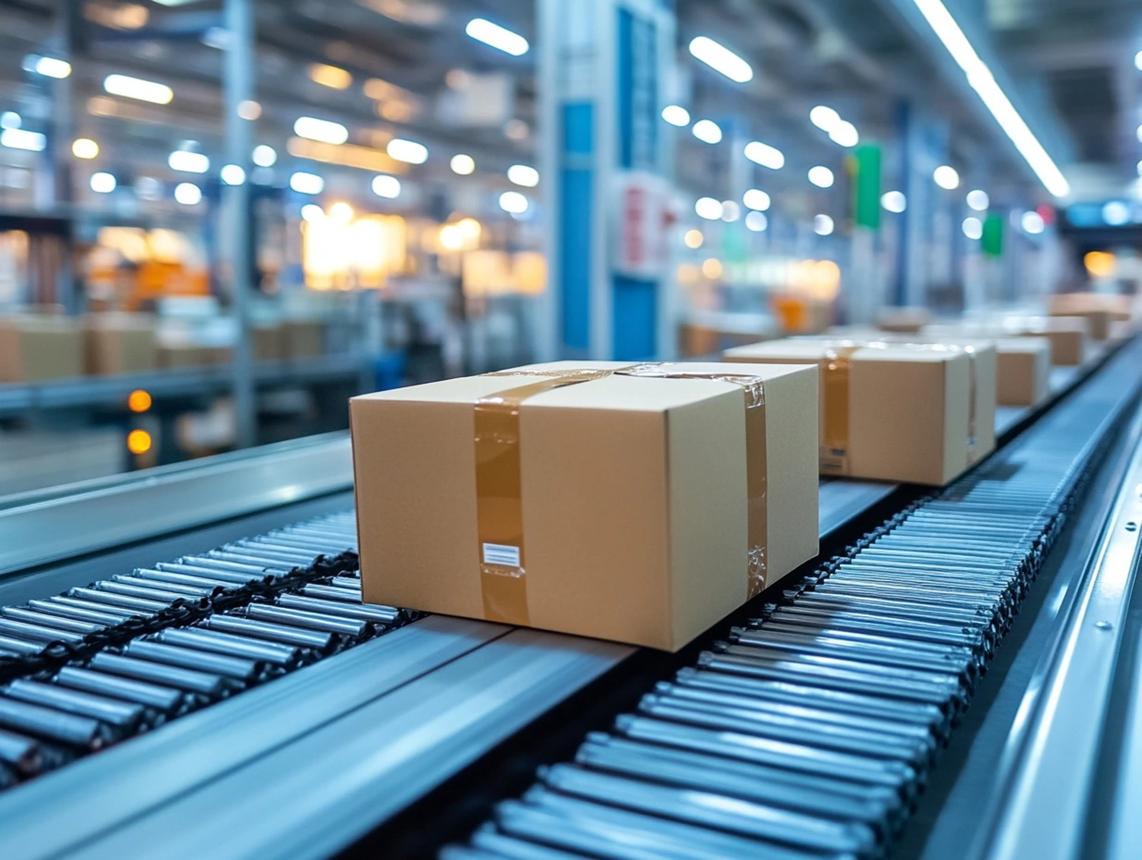
- Freight exposure: Oversized cartons can increase dimensional weight, which many carriers use for billing. [refinepackaging]
- Damage and returns: Poor fit can allow movement during transit, increasing damage risk. [dnpackaging]
- Secondary branding: Labels, stickers, sleeves, or printed tape may be needed to achieve a branded look. [dnpackaging]
Hidden Value of Custom Packaging
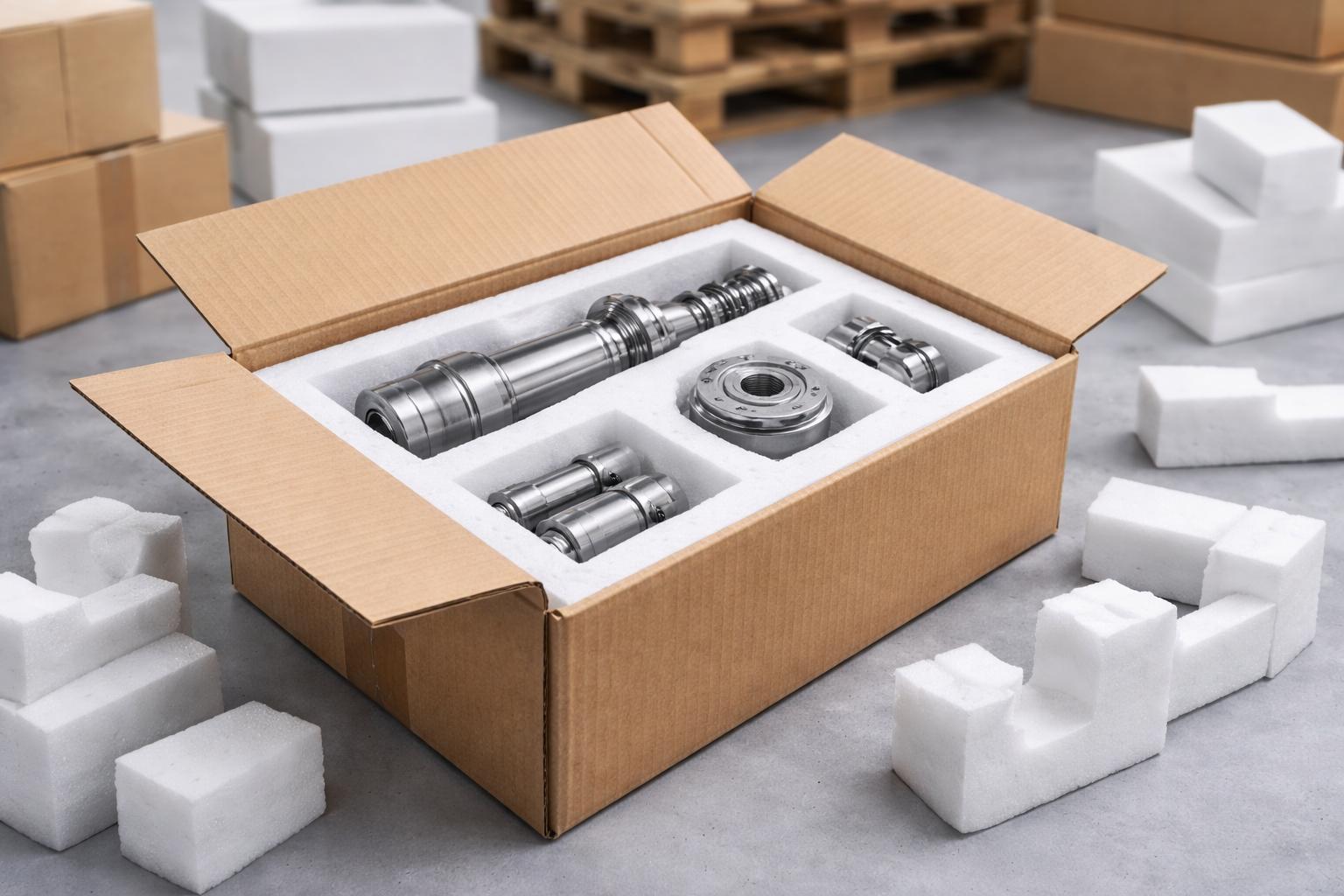
Custom packaging can reduce wasted space, cut void fill, improve protection, and make packing more efficient. At sufficient volume, those operational savings can offset part of the initial setup cost. [pluspackaging]
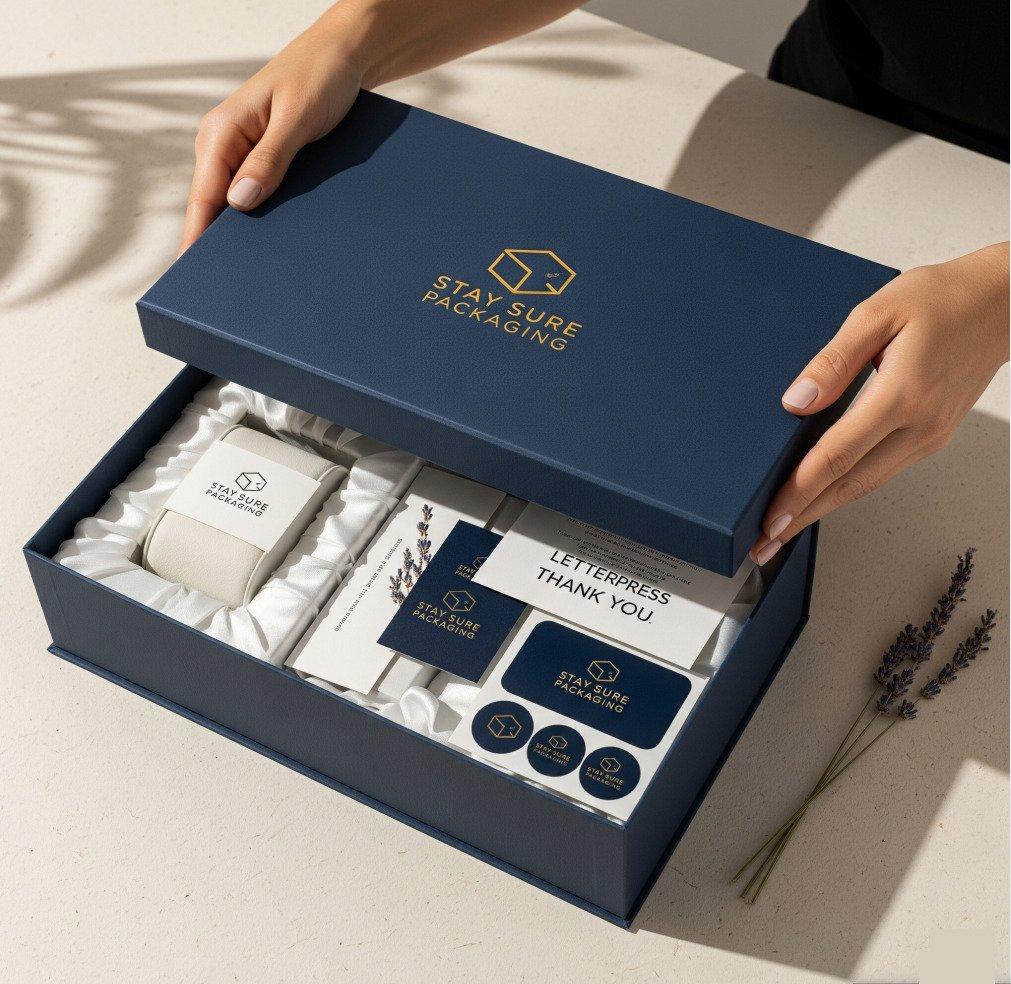
For example, a custom rigid box designed for a premium card deck can hold the deck, rulebook, and accessories securely without excess filler. That reduces material waste, protects corners and edges, improves presentation, and creates a more premium unboxing experience.
A Practical Decision Framework
Use this framework before choosing between custom packaging vs stock packaging.
1. Define the Product Risk
Ask whether the product can be damaged by movement, compression, moisture, light, or rough handling. Fragile, high-value, irregularly shaped, or premium products usually justify a custom structure or insert. [dnpackaging]
2. Calculate Total Landed Cost
Include more than the packaging unit price:
1. Packaging purchase price
2. Tooling, dies, plates, artwork, and sampling
3. Void fill and protective materials
4. Packing labor
5. Freight and dimensional-weight charges
6. Damage, returns, and replacement costs
7. Storage and inventory carrying costs
8. Branding materials such as labels or sleeves
A stock box with a low purchase price can become expensive if it requires extra filler, labels, labor, and freight space. [bottlesourcecorp]
3. Match Packaging to Demand Certainty
If demand is uncertain, start with stock packaging or a hybrid approach. If you have repeat orders, predictable volumes, and a stable SKU, custom packaging becomes easier to justify because setup costs are spread across more units. [pluspackaging]
4. Consider Brand Positioning
If your product competes primarily on price, stock packaging may be appropriate. If it competes on design, gifting, quality, collectibility, or customer experience, custom packaging is usually a stronger strategic investment. [bottlesourcecorp]
Hybrid Packaging: A Smarter Middle Ground
Many growing brands should not choose between fully stock and fully custom packaging. A hybrid strategy combines the speed of standard formats with selective customization.
Examples include:
- Stock mailer plus custom insert: Use a standard outer carton with a branded insert that secures the product.
- Stock box plus custom sleeve or label: Add brand identity without committing to a fully custom structure.
- Custom inner tray plus standard outer box: Protect the product precisely while keeping the outer package simple.
- Custom printed stock format: Use an existing box structure but apply your own artwork, colors, and finish.
- Custom packaging for hero SKUs, stock packaging for replenishment: Invest in custom design for flagship products while using stock packaging for samples, spare parts, or low-volume items.
Hybrid packaging can create differentiation through selected custom elements while avoiding the full cost and lead time of a completely new package. [bottlesourcecorp]
Expert Insight: Start Small, Scale Deliberately
From an OEM packaging perspective, the most successful brands usually follow a staged approach:
1. Validate with stock or lightly branded packaging. Test the market, product dimensions, and customer response.
2. Develop a custom prototype. Confirm structure, material, print quality, insert fit, and unboxing experience.
3. Run a controlled first production batch. Use the batch to test packing efficiency, transit performance, and customer feedback.
4. Optimize before scaling. Reduce excess material, improve insert design, and refine artwork or finishes.
5. Move to repeat custom production. At stable volume, custom packaging can deliver better economics and stronger brand consistency. [pluspackaging]
This approach reduces risk while preserving the long-term advantages of custom packaging.
Sustainability Should Be Designed, Not Assumed
Sustainability is not simply about choosing "eco-friendly" material. It also depends on material efficiency, recyclability, transport efficiency, and end-of-life design.
Custom packaging can support sustainability when it eliminates unnecessary void fill, uses right-sized structures, reduces damaged goods, and enables mono-material or easily separable designs. However, a custom package with excessive layers, mixed materials, or oversized dimensions can create more waste than a simpler stock alternative. [dnpackaging]
When evaluating a supplier, ask about:
- Recycled or responsibly sourced paper options
- Soy-based or water-based inks where appropriate
- Minimal ink coverage and avoidable laminates
- Recyclable or mono-material structures
- Right-sized cartons and inserts
- Sample approval before mass production
- Packaging specifications that support efficient palletization and shipping
How XingKun Supports OEM and ODM Packaging
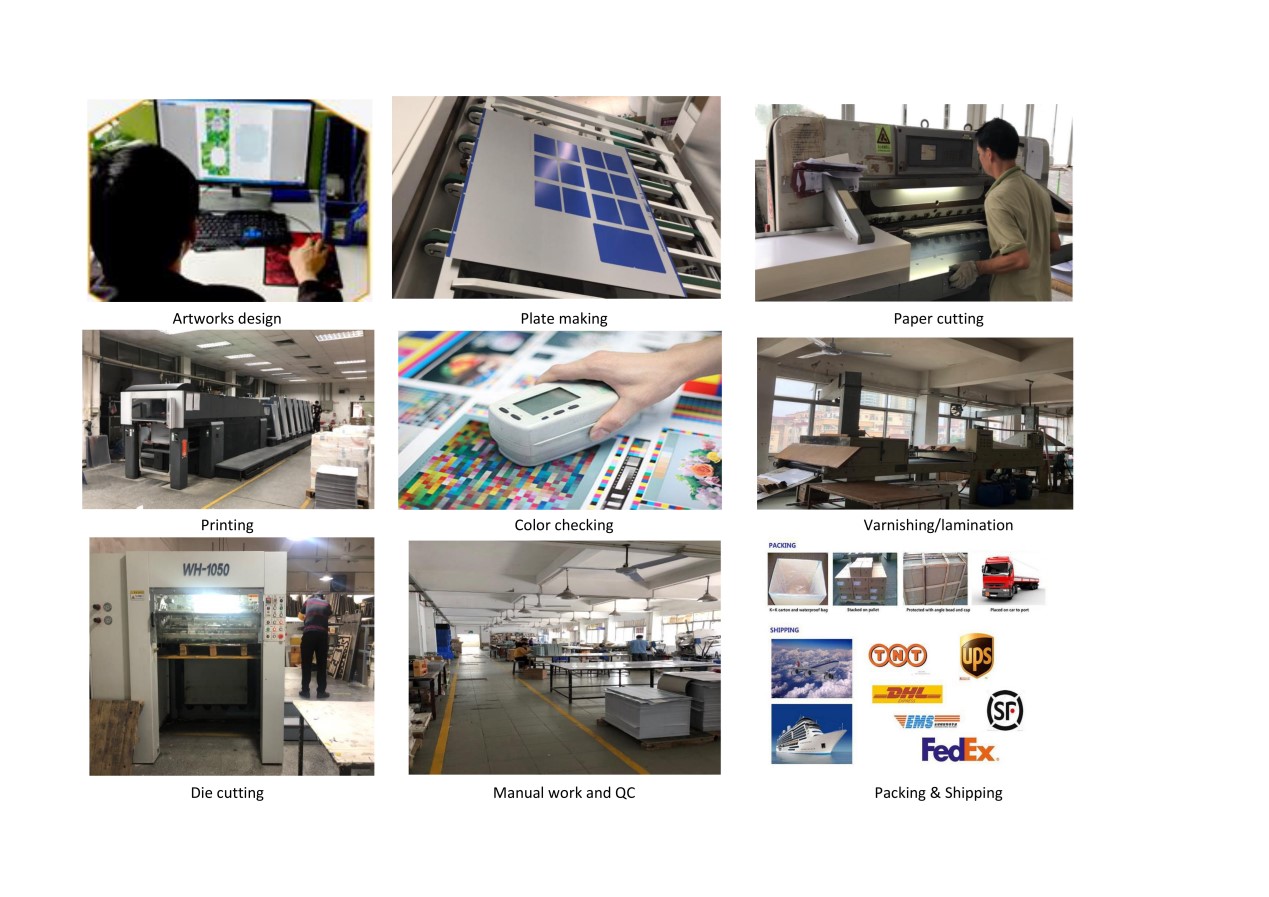
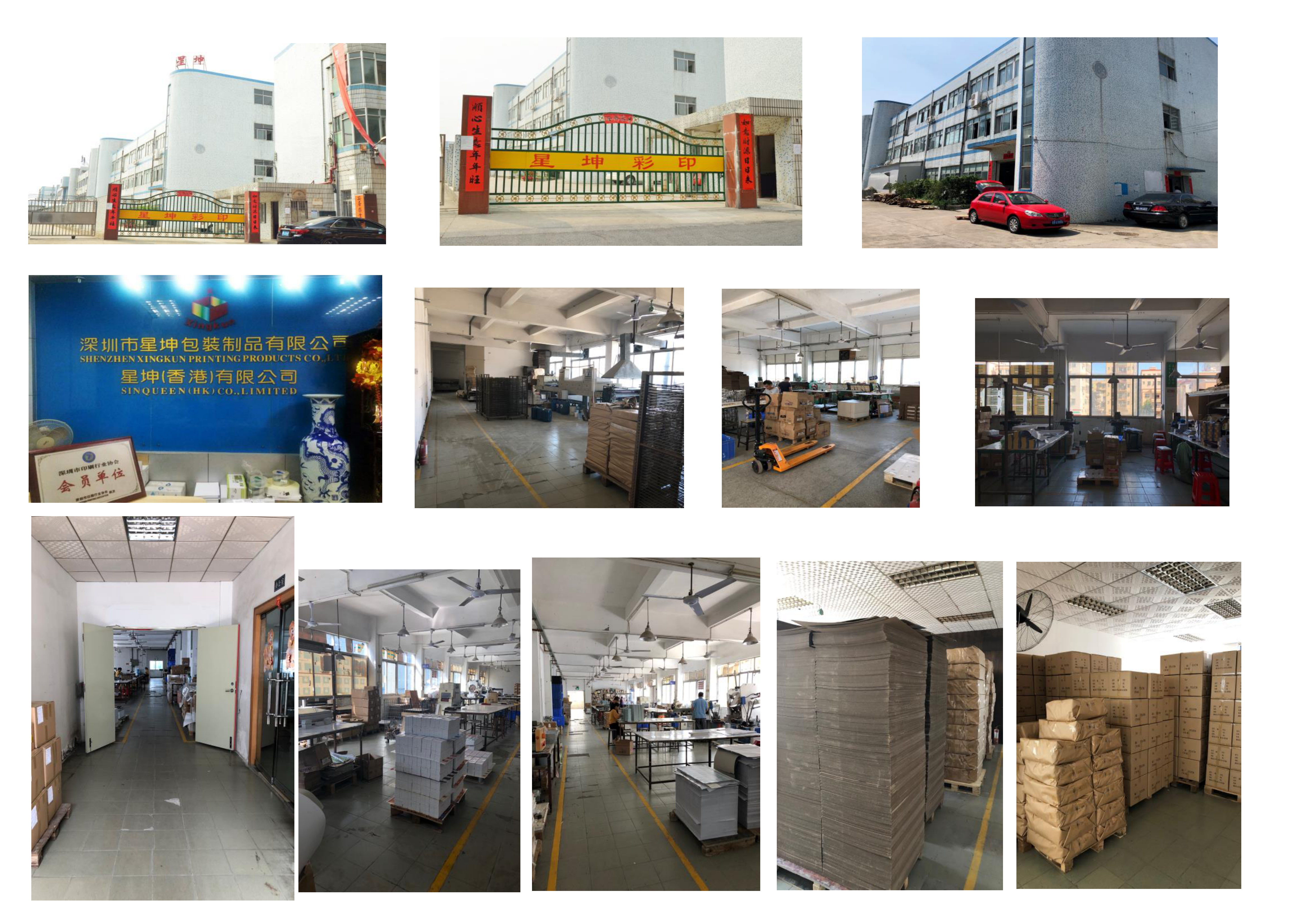
XingKun provides OEM and ODM manufacturing support for custom packaging boxes, playing cards, jigsaw puzzles, printed books, stickers, and related printed products. The company's packaging capabilities are designed to help brands translate a product concept into a manufacturable, brand-consistent packaging solution. [xkdisplay]
For international buyers, a capable manufacturing partner should be able to support:
- Custom structural engineering: Box styles, dimensions, inserts, closures, and product-fit development.
- Material consultation: Paperboard, corrugated board, specialty papers, coatings, and finishing options.
- Prepress and color management: Artwork preparation, proofing, and print-quality control.
- Sampling and approval: Physical samples before committing to a full production run.
- OEM and ODM production: Manufacturing to the buyer's specifications, artwork, and brand requirements.
- Scalable production: Consistent quality across repeat orders and larger volumes. [xkdisplay]
For a brand launching a premium card game, for example, XingKun can help develop the tuck box or rigid box, select board stock, engineer an insert, print the artwork, and coordinate the complete packaging program.
Common Mistakes to Avoid
- Choosing custom packaging too early. Do not invest in tooling before validating demand and finalizing the product specification. [pluspackaging]
- Choosing stock packaging for a premium product. Generic packaging can undermine perceived value and require extra branding work. [dnpackaging]
- Ignoring dimensional weight. A larger box can cost more to ship even if it weighs less. [refinepackaging]
- Over-designing the package. Extra layers, inserts, and finishes should serve protection, usability, or brand value—not complexity for its own sake. [dnpackaging]
- Comparating suppliers only on unit price. Evaluate samples, material quality, print consistency, lead time, communication, and total landed cost. [bottlesourcecorp]
- Neglecting reorder economics. Ask whether setup charges repeat on future orders and how unit pricing changes at different volumes. [pluspackaging]
Conclusion
Custom packaging vs stock packaging is not a universal either-or decision. Stock packaging is the better choice when speed, flexibility, low upfront commitment, and uncertain demand matter most. Custom packaging is the better choice when product protection, brand differentiation, premium presentation, shipping efficiency, and repeat volume are strategic priorities. [pluspackaging]
For most growing brands, the strongest approach is a phased packaging strategy: use stock or hybrid packaging to test and launch, then move selected high-volume or high-value SKUs into custom packaging once the product, artwork, and demand are stable. This approach controls risk while building a distinctive, scalable brand experience. [pluspackaging]
If you are developing custom packaging boxes, playing cards, jigsaw puzzles, printed books, or stickers, XingKun can help you evaluate the right structure, material, print finish, and OEM production path for your market. [xkdisplay]
Ready to compare custom and stock packaging for your product? Request a packaging consultation and sample proposal from XingKun to receive material recommendations, structural options, and a production-ready OEM/ODM solution. [xkdisplay]
FAQs
1. Is custom packaging always more expensive than stock packaging?
Not necessarily over the full product lifecycle. Custom packaging usually has higher upfront costs because of design, sampling, tooling, or setup, but its per-unit cost can become competitive or lower at higher volumes. Stock packaging is usually cheaper for small quantities and urgent needs. [pluspackaging]
2. When should a startup choose stock packaging?
Startups should consider stock packaging when testing a new product, fulfilling small orders, managing uncertain demand, or shipping samples. It avoids major setup costs and allows the business to validate the market before committing to custom tooling. [pluspackaging]
3. Does custom packaging reduce shipping costs?
It can. A custom box designed around the product can reduce empty space, void fill, packing time, and dimensional-weight exposure. However, unusual shapes or inefficient case packing can increase freight costs, so the design must be tested for logistics as well as appearance. [bottlesourcecorp]
4. Can stock packaging still look branded?
Yes. Stock packaging can be branded with labels, stickers, sleeves, printed tape, stamps, or limited printing. However, it generally offers less control over structure, material, finish, and the overall unboxing experience than custom packaging. [dnpackaging]
5. What information should I provide for a custom packaging quote?
Provide product dimensions and weight, product photos or dielines, desired box style, quantity, material preference, printing requirements, finishing requirements, destination market, delivery timeline, and any regulatory or barcoding needs. This helps a manufacturer recommend an appropriate structure and provide a more accurate quotation. [dnpackaging]
6. Is custom packaging better for e-commerce brands?
Often, yes—especially for premium, fragile, giftable, or repeat-purchase products. Custom packaging can improve protection, reduce filler, strengthen the unboxing experience, and reinforce brand recognition. But stock packaging may still be appropriate for low-volume testing or fast-moving generic shipments. [pluspackaging]
References
1. Plus Packaging, "Stock Packaging vs Custom Packaging: Which Is Right? 2026" — [https://www.pluspackaging.com/blog/packaging-inspiration/stock-packaging-vs-custom-packaging/]
2. DN Packaging, "Custom Packaging vs Stock Packaging: Difference, Pros and Cons" — [https://www.dnpackaging.com/packaging/custom/stock/]
3. DN Packaging, "Custom Packaging: Definition, Importance, Types, Materials …" — [https://www.dnpackaging.com/packaging/custom/]
4. Meyers, "How Does Product Packaging Impact Consumer Buying Behavior?" — [https://meyers.com/meyers-blog/how-does-packaging-affect-consumer-behavior/]
5. Creative Retail Packaging, "How to Use Custom Packaging as a Marketing Tool" — [https://creativeretailpackaging.com/packaging-insights/packaging-marketing-tool/]
6. Refine Packaging, "Cost Comparison: Custom vs. Stock Packaging" — [https://refinepackaging.com/blog/cost-comparison-custom-vs-stock-packaging/]
7. Packos, "Custom vs Stock Packaging: Which Is Right?" — [https://packos.ai/blog/custom-vs-stock-packaging.html]
8. Bottle Source, "Stock Packaging vs Custom" — [https://bottlesourcecorp.com/en-us/blogs/news/stock-packaging-vs-custom]
9. Packhit, "Custom Packaging: Definition, Importance, Types, Material …" — [https://packhit.com/packaging/custom/]
10. Shenzhen XingKun Packing Products Co., Ltd., "Custom Packaging Boxes, Gift Boxes Manufacturer" — [https://www.xkdisplay.com/packaging-boxes-manufacturer.html]


