Content Menu
● The Role of Brass Name Plates in Luxury Hospitality
● Brass Name Plates vs. Common Hotel Sign Materials
>> Brass Name Plates vs. Acrylic Hotel Signs
>> Brass Name Plates vs. Stainless Steel Signs
>> Brass Name Plates vs. Aluminum Signs
>> Brass Name Plates vs. Printed Labels
● Why Brass Fits Premium Hotel Brand Expectations
>> A Premium Visual Signal
>> A Tactile Guest Experience
>> A Finish That Can Evolve Gracefully
● The Hospitality Signage Details That Matter Most
>> Plate Thickness and Edge Treatment
>> Finish Selection
>> Typography and Legibility
● Practical Brass Name Plate Specification Checklist
● Brass Name Plates and Operational Value
>> Long-Term Replacement Planning
>> Cleaning and Maintenance
>> Hygiene Considerations
● How Hotels Can Build a Cohesive Signage System
● Choosing a Brass Name Plate Manufacturer
● Final Thoughts
● FAQ
>> Are brass name plates suitable for hotel room doors?
>> Do brass name plates require frequent maintenance?
>> What is the best brass finish for a modern luxury hotel?
>> Can brass name plates include logos and custom room numbers?
>> Are brass name plates appropriate for humid hotel areas?
>> Can brass signage meet accessibility requirements?
>> How can a hotel keep future replacement brass plates consistent?
>> What is the difference between solid brass name plates and brass-effect labels?
● References
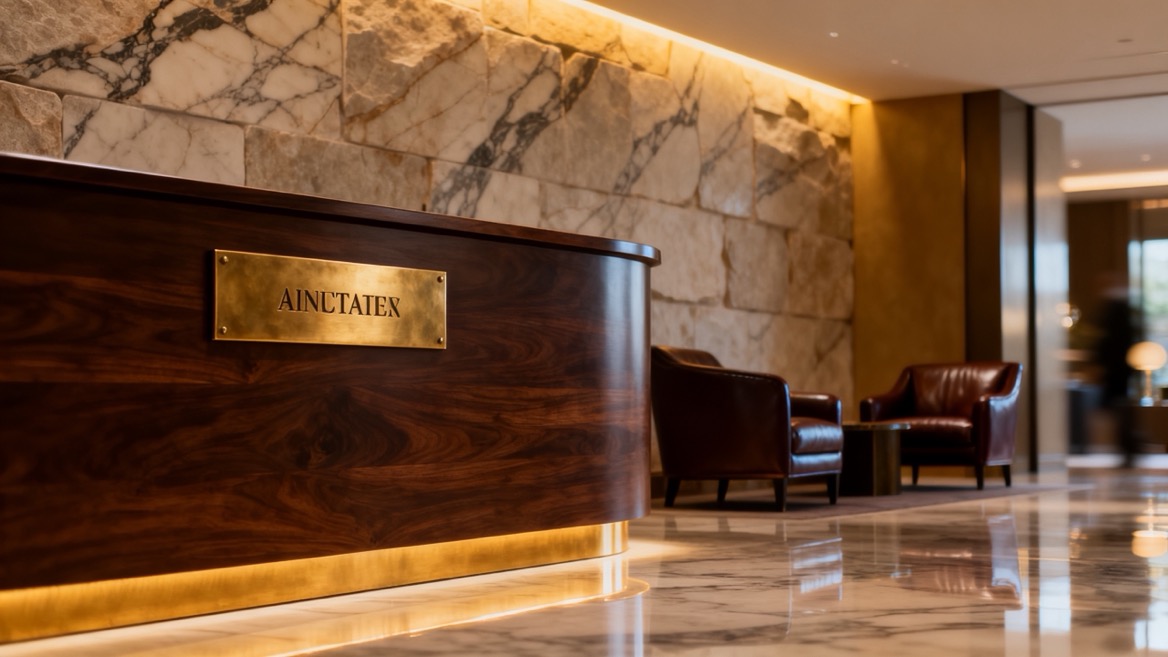
Premium hotels choose brass name plates because they communicate permanence, craftsmanship, and quiet luxury at the exact moments when guests form an impression of the property. From room numbers and suite plaques to spa signs, concierge desk identifiers, restroom markers, and executive meeting-room plates, brass gives hotel signage a warm, substantial, and highly customized character that lightweight alternatives often cannot match.
For hotel owners, designers, procurement teams, and brand managers, the decision is not simply brass name plates versus generic signs. It is a comparison between a material that can become part of the hotel's architectural identity and a short-term visual solution that may need frequent replacement. Brass combines a distinctive golden tone, precise engraving potential, corrosion resistance, and long service life—qualities that make it especially appropriate for luxury hospitality environments.
At Shenzhen XingKun Packing Products Co., Ltd., we have worked with brands and distributors across more than 30 countries and regions. With over 20 years of production experience in custom printed products, stickers, labels, packaging, and branded identification solutions, we understand an essential hospitality principle: every physical touchpoint speaks for the brand. A name plate may be small, but its material, finish, typography, edge treatment, and installation quality can shape whether a space feels carefully designed or merely furnished.
The Role of Brass Name Plates in Luxury Hospitality
A premium hotel experience is built through a sequence of details. Guests may first notice the entrance plaque, lobby directory, elevator signs, room numbers, suite labels, and door hardware before they consciously evaluate the furniture or amenities. These elements guide movement, establish visual order, and reinforce the hotel's positioning.
Brass name plates have a particular advantage in this environment because the material has visual depth. It reflects light softly rather than appearing flat. It can be polished to a mirror-like brightness, brushed for a contemporary satin finish, antiqued for a heritage atmosphere, or chemically darkened to create contrast with engraved lettering.
For luxury hotels, signs should do more than display information. They should support the overall atmosphere.
A well-designed brass hotel name plate can communicate:
- Exclusivity through weight, finish, and dimensional detail
- Consistency across guest rooms, public areas, and back-of-house zones
- Craftsmanship through clean engraving, deep etching, or raised lettering
- Warmth through brass's golden and copper-rich visual tone
- Longevity through a durable material choice and replaceable design system
- Brand recognition through custom logos, typography, icons, and color accents
In practical terms, brass can turn a simple "Suite 1208" sign into a branded hospitality object. The guest may not analyze the alloy, font, or finish. However, they notice the overall feeling: solid, refined, intentional, and memorable.
Brass Name Plates vs. Common Hotel Sign Materials
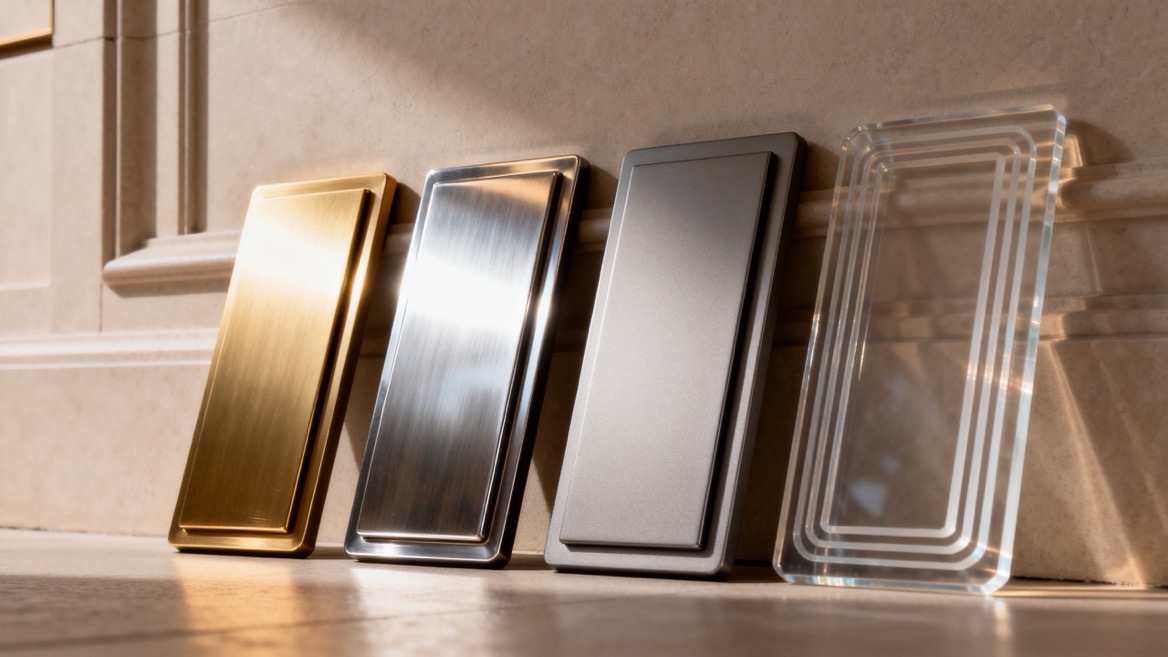
Premium hotels can choose from many materials for room signs and wayfinding systems, including acrylic, aluminum, stainless steel, wood, plastic laminate, zinc alloy, and printed vinyl. Each has a role. However, they do not create the same guest perception or long-term performance profile as brass.
| Feature | Brass Name Plates | Acrylic Signs | Aluminum Signs | Stainless Steel Signs | Printed Vinyl Labels |
| Luxury perception | High; warm, substantial, classic | Moderate; clean but often lightweight | Moderate; modern and practical | High; sleek but cooler in tone | Low to moderate |
| Visual warmth | Strong golden tone | Depends on color and print | Usually cool metallic | Cool silver-gray appearance | Depends on print design |
| Custom engraving | Excellent | Possible, but less tactile | Good | Good, though harder to process | Not engraved |
| Durability | High with suitable finish and care | Can scratch or crack | Good | Excellent | Limited in high-touch areas |
| Weight and tactile quality | Solid and premium | Lightweight | Lightweight to medium | Solid and contemporary | Very lightweight |
| Aging character | Develops a natural patina | May yellow or show scratches | Can oxidize or dull | Maintains a consistent industrial look | Can peel, fade, or lift |
| Best hotel style fit | Luxury, boutique, heritage, resort, classic-modern | Budget, lifestyle, temporary installations | Business, airport, large-scale standardized properties | Contemporary luxury, minimalist urban hotels | Temporary promotions, low-cost identification |
Brass Name Plates vs. Acrylic Hotel Signs
Acrylic is popular because it is flexible, lightweight, and cost-efficient. It can be laser-cut, printed, layered, colored, and shaped into many forms. For budget hotels, temporary projects, event spaces, or frequently updated signage, acrylic can be a practical choice.
However, acrylic lacks the natural density of metal. Even when acrylic is printed in a metallic color, it does not offer the same tactile experience as solid brass. A guest touching a brass room number feels a cool, substantial material. A guest touching an acrylic plaque usually feels a lighter, more manufactured surface.
Acrylic also has limitations in high-contact settings. Over time, clear acrylic may show fine scratches, dust, fingerprints, or edge wear. Dark acrylic can look elegant, but hotel operators must carefully control contrast and lighting to maintain legibility.
Best use for acrylic: Temporary signs, seasonal promotions, low-traffic areas, child-friendly zones, or large projects with strict budget constraints.
Best use for brass: Signature areas, suite numbers, reception plaques, premium guest floors, heritage interiors, restaurant signs, and permanent branded identifiers.
Brass Name Plates vs. Stainless Steel Signs
Stainless steel has impressive durability and a strong modern image. It performs especially well in high-moisture, high-traffic, and contemporary environments. It is often selected for exterior applications, elevators, modern business hotels, and minimalist interiors.
The important difference is emotional tone. Stainless steel tends to feel cool, precise, and architectural. Brass tends to feel warm, crafted, and welcoming.
A five-star hotel may use stainless steel successfully if its brand identity is urban, technology-forward, and minimal. Yet for many luxury properties, brass creates a more intimate and residential sense of welcome. This is valuable in guest corridors, spa areas, private clubs, boutique hotels, and destination resorts.
Brass is also easier to connect visually with wood, leather, stone, dark marble, velvet, linen, and warm lighting. These are common materials in high-end hospitality design.
Brass Name Plates vs. Aluminum Signs
Aluminum is light, versatile, corrosion resistant, and economical for large signage systems. It is useful for directional signs, outdoor panels, utility labels, parking signs, and standardized wayfinding programs.
For premium guest-facing use, aluminum may require a high-quality coating, anodized finish, or layered construction to avoid appearing too utilitarian. Aluminum can certainly look refined, but it usually does not carry the same visual authority as solid brass.
The difference becomes clearer when a hotel uses small-format plaques. A brass door sign has physical presence even at a compact size. An aluminum plaque can look thin unless it is carefully engineered with thickness, mounting depth, and sophisticated finishing.
Brass Name Plates vs. Printed Labels
Printed labels remain valuable in hotel operations. They are fast to produce, easy to update, and ideal for back-of-house identification, asset tracking, cleaning instructions, safety reminders, and temporary guest information.
However, printed labels should not replace permanent brass name plates in visible luxury areas. A printed label can perform an informational function. A brass plate can perform both an informational and brand-building function.
The strongest hotel signage programs often use both:
- Brass name plates for permanent guest-facing identity
- Durable printed labels for operations, inventory, safety, logistics, and maintenance
- Custom stickers for temporary campaigns, guest welcome kits, packaging, or event branding
- Metallic-effect labels for products that need a premium appearance without the cost of solid metal
This combined approach helps procurement teams control cost without compromising the guest experience.
Why Brass Fits Premium Hotel Brand Expectations
Luxury is often communicated through material honesty. Guests can recognize when a hotel has used real stone, natural timber, quality textiles, leather, and solid metal rather than imitations. Brass contributes to this material language because it is visibly authentic.
Brass is a copper-zinc alloy. Its exact composition can vary by grade, but common brass alloys typically contain substantial copper content, which contributes to the material's warm color, workability, and corrosion resistance. Brass is widely used for architectural hardware, trim, fittings, and decorative details because it can be machined, polished, engraved, and formed into detailed components.
For hotel signage, this provides several benefits.
A Premium Visual Signal
Brass immediately creates contrast in a hotel interior. It can stand out against dark wood, stone, plaster, marble, fabric wallcoverings, or deep-colored doors without requiring oversized graphics.
For example, a brushed brass plate with black-filled engraved numbers may be more visible and more elegant than a large printed acrylic panel. The sign remains understated, yet it is easy for guests to find.
A Tactile Guest Experience
The best hospitality interiors are not designed only for photographs. They are designed for movement, touch, sound, and comfort. Brass adds a tactile dimension because it has real weight and a distinctive surface temperature.
This is especially relevant for:
- Room and suite door numbers
- Elevator floor plaques
- Restroom identifiers
- Spa locker labels
- Restaurant table numbers
- Reserved-seat plaques
- Concierge desk signs
- Club lounge markers
- Meeting-room name plates
- VIP and executive suite identification
A small plaque can be a physical proof point of quality. It tells the guest that the hotel paid attention to details that are easy to overlook.
A Finish That Can Evolve Gracefully
Unlike many synthetic materials, brass can develop patina over time. Some hotel brands see this as a benefit rather than a defect. In heritage, boutique, and resort environments, subtle aging can add richness and authenticity.
However, not every hotel wants visible patina. A modern luxury property may require a clean, consistent appearance. In that case, the supplier should recommend a suitable surface treatment, lacquer, clear protective coating, or regular maintenance process.
The key is to decide early: should the brass age naturally, remain bright, or develop a controlled antique appearance? This decision affects material grade, finish selection, coating, cleaning instructions, and replacement planning.
The Hospitality Signage Details That Matter Most
Choosing brass is only the beginning. A poorly designed brass plate can still look ordinary. High-end results depend on the complete specification.
Plate Thickness and Edge Treatment
Thickness changes perception. Thin metal sheets may be economical, but they can look less substantial when mounted on a guest-room door. Thicker brass plates create stronger shadows, better edge definition, and a more architectural appearance.
Common options include:
- Flat square-cut edges for a clean contemporary look
- Beveled edges for a formal and traditional character
- Rounded corners for a softer hospitality feel
- Raised or layered construction for visual depth
- Hidden mounting for a seamless premium installation
- Decorative screws for a classic club or heritage style
A room number sign is not merely a rectangle of metal. Its edge profile affects how light falls across the surface and how expensive the final result appears.
Finish Selection
Different brass finishes support different hotel concepts.
| Brass Finish | Visual Character | Best Applications |
| Polished brass | Bright, formal, reflective | Grand hotels, classic lobbies, heritage properties |
| Brushed brass | Soft, modern, refined | Boutique hotels, luxury corridors, restaurants |
| Antique brass | Aged, rich, traditional | Resorts, private clubs, historical interiors |
| Satin brass | Low-glare, balanced, elegant | Room numbers, spa signs, meeting rooms |
| Blackened brass | Dramatic, contemporary, high-contrast | Urban luxury hotels, bars, premium suites |
| Clear-coated brass | Protected and consistent | High-touch areas requiring lower maintenance |
For practical hotel use, brushed or satin brass is often a strong choice. These finishes reduce visible fingerprints and micro-scratches compared with highly polished surfaces while retaining the warmth associated with brass.
Typography and Legibility
Luxury signage must never sacrifice clarity for style. Guests need to identify rooms, exits, restrooms, and amenities quickly, particularly in unfamiliar corridors or low-light environments.
A successful brass name plate should consider:
- Letter size and numeral height
- Contrast between text and background
- Viewing distance
- Corridor lighting
- Font weight and spacing
- Tactile elements where needed
- Braille requirements in applicable jurisdictions
- Mounting height and placement consistency
Accessibility requirements can affect sign height, contrast, tactile content, character spacing, and placement. Hotel wayfinding systems should be specified with applicable local accessibility requirements in mind rather than treating compliance as an afterthought.
A beautiful sign that guests cannot read is not premium. It is a design failure.
Practical Brass Name Plate Specification Checklist
Hotel procurement teams can reduce errors by preparing a clear specification before requesting quotations. The more precise the brief, the easier it is for a manufacturer to recommend the right production method, material thickness, packaging, and quality-control process.
Use this checklist before placing an order:
1. Define the installation area: interior, exterior, humid spa zone, pool area, restaurant, corridor, or guest-room door
2. Confirm the plate dimensions, thickness, shape, corner style, and mounting method
3. Select the finish: polished, brushed, antique, satin, blackened, coated, or uncoated
4. Provide approved artwork in vector format, including logos, icons, fonts, room numbers, and variable data
5. Decide how information will be produced: laser engraving, mechanical engraving, chemical etching, UV print, raised letters, or color fill
6. Confirm legibility requirements, including contrast, tactile lettering, Braille, and installation height where relevant
7. Request a physical pre-production sample for review before full production
8. Establish a numbering system that allows future room additions or replacements without changing the design language
9. Specify individual protective packaging to prevent scratches during international shipping and site installation
10. Order a small replacement reserve for future maintenance, room renumbering, or renovation work
For global hospitality projects, packaging is especially important. Brass surfaces can be damaged by friction during transport. Protective film, individual sleeves, foam separation, and strong export cartons help preserve the final finish from factory to installation site.
Brass Name Plates and Operational Value
It is easy to focus only on the visual side of brass. Yet premium hotels also consider total ownership cost. A cheaper sign may have a lower purchase price but create higher long-term costs through replacement, inconsistent appearance, difficult cleaning, or brand dilution.
Brass name plates can offer value when they are specified correctly.
Long-Term Replacement Planning
Hotel signage is rarely static. Rooms can be renumbered. Amenities can change. Restaurants may be rebranded. Floors may be renovated. A good supplier relationship makes it easier to reproduce a matching plate years later.
To support this, hotels should retain:
- Approved artwork files
- Material and finish samples
- Pantone or color-fill references
- Font specifications
- Mounting details
- Production records
- Room-number lists and change logs
This is where experienced manufacturing support becomes valuable. Consistency across repeat orders is as important as the quality of the first batch.
Cleaning and Maintenance
Brass requires an appropriate care plan. Abrasive cleaners can damage protective coatings or change the surface finish. Strong chemicals may also create uneven discoloration.
For routine cleaning, hotel teams should generally use a soft microfiber cloth and a mild, non-abrasive cleaning method appropriate to the finish specified by the supplier. Uncoated brass may naturally darken or develop patina, while coated brass is intended to retain a more stable appearance.
Do not assume that every brass plaque should be polished aggressively. In many luxury interiors, a soft satin finish or controlled antique tone is part of the original design intent.
Hygiene Considerations
Brass and other copper-based alloys have been studied for antimicrobial activity, and research has found that brass surfaces can show greater antimicrobial activity than stainless steel in certain contexts. However, this property should not be positioned as a substitute for established hotel cleaning, disinfection, and hygiene procedures.
For a hotel, the practical message is simple: brass can be a thoughtful material choice for touchpoints, but its most reliable benefits remain its appearance, workability, durability, and ability to support a premium spatial experience.
How Hotels Can Build a Cohesive Signage System
The strongest hotel identity systems use brass name plates as part of a broader family of branded elements. Instead of selecting each sign independently, the hotel should establish a coordinated material and typography program.
A cohesive system may include:
- Brass room numbers and suite plaques
- Matching reception desk name plates
- Elevator floor indicators
- Spa and wellness area markers
- Branded restaurant reservation plaques
- Directional signs with brass accents
- Metal labels for guest amenities
- Premium packaging labels for retail products
- Custom stickers for welcome gifts, event kits, and seasonal campaigns
- Durable back-of-house labels for storage, equipment, and operational control
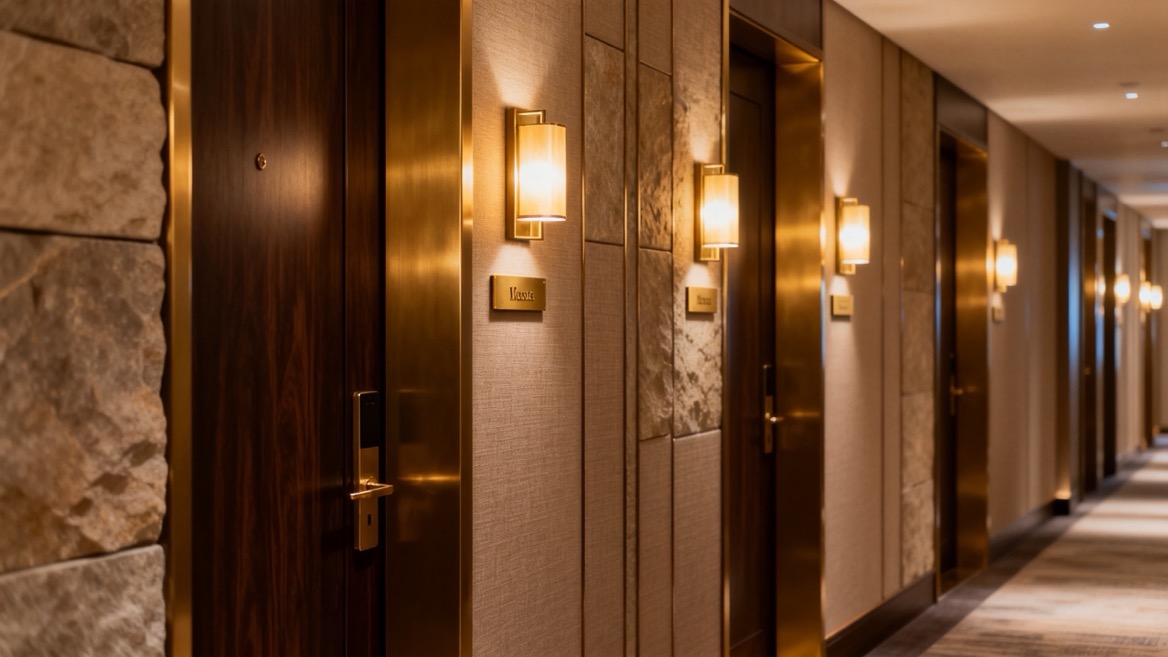
For example, a boutique hotel with dark walnut doors, warm stone walls, and soft indirect lighting might use brushed brass room numbers with black-filled engraving. The same brass tone could appear on the lobby directory, restaurant table markers, and spa locker plates. The hotel's retail candle packaging could use a metallic brass-effect label, creating a recognizable visual thread between the physical space and guest take-home products.
That consistency makes the brand feel intentional. It also improves the guest journey because information is presented through familiar colors, forms, and materials.
Choosing a Brass Name Plate Manufacturer
A reliable supplier should do more than quote a unit price. The supplier should help the hotel or distributor identify the right material, finish, process, artwork setup, packaging method, and quality-control standard.
When evaluating a manufacturer for custom brass name plates, ask these questions:
- Can the supplier provide samples before mass production?
- What brass grades and thicknesses are available?
- Which engraving and finishing methods are recommended for the intended application?
- Can the supplier handle variable information, such as room numbers and multilingual text?
- How will color fill, logos, and fine details be checked?
- What protective packaging is used for polished or brushed surfaces?
- Can the supplier support repeat orders with matching finish consistency?
- Are custom stickers, labels, packaging, and related branded products also available?
- What is the process for confirming artwork, production samples, and final inspection?
- Can the supplier support international shipping requirements and distributor packaging needs?
At Shenzhen XingKun Packing Products Co., Ltd., our production background in custom printing, labels, stickers, packaging, and branded product solutions allows us to support projects that require both visual consistency and production practicality. Whether you need premium identification plaques, metallic-effect labels, custom packaging, or coordinated promotional materials, the objective remains the same: create a finished product that reflects the quality level your customer expects.
Final Thoughts
Premium hotels prefer brass name plates because brass helps turn ordinary identification into a meaningful part of the guest experience. It offers warmth where stainless steel can feel cold, permanence where acrylic can feel temporary, and material authenticity where printed imitations may fall short.
The best result comes from more than selecting brass. It requires careful decisions about thickness, finish, typography, contrast, mounting, maintenance, packaging, and future replacement needs. When these details are managed as one system, brass name plates become a durable expression of hospitality, not just a sign on a door.
If you are developing a hotel signage program, upgrading room-number plaques, or sourcing coordinated branded labels and packaging, share your artwork, dimensions, material expectations, and target application with Shenzhen XingKun Packing Products Co., Ltd. Our team can help you evaluate suitable finishes, production methods, packaging options, and customized solutions for your market.
FAQ
Are brass name plates suitable for hotel room doors?
Yes. Brass name plates are highly suitable for hotel room doors because they create a premium appearance, support engraved room numbers, and can be produced in brushed, satin, polished, antique, or darkened finishes. For guest corridors, a satin or brushed finish is often preferred because it reduces the visibility of fingerprints and small scratches.
Do brass name plates require frequent maintenance?
Maintenance requirements depend on whether the brass is coated, uncoated, polished, brushed, or antiqued. Clear-coated brass generally needs gentle routine cleaning. Uncoated brass may develop natural patina and may require periodic care if the hotel wants to maintain a bright finish. Avoid harsh abrasives and strong chemicals unless they are approved for the specific finish.
What is the best brass finish for a modern luxury hotel?
Brushed brass and satin brass are often excellent choices for modern luxury hotels. They offer a refined low-glare appearance, pair well with stone and wood interiors, and are less likely to show fingerprints than mirror-polished brass. Blackened brass can also work well in dramatic, contemporary, and urban hotel interiors.
Can brass name plates include logos and custom room numbers?
Yes. Custom brass name plates can include hotel logos, room numbers, suite names, arrows, icons, QR codes, multilingual text, and decorative borders. Production methods may include laser engraving, mechanical engraving, chemical etching, color fill, raised lettering, or layered construction, depending on the design and budget.
Are brass name plates appropriate for humid hotel areas?
They can be appropriate, but the material grade, coating, installation location, and maintenance plan must be considered carefully. For spas, pool-adjacent areas, bathrooms, coastal resorts, or other high-humidity environments, request guidance on corrosion resistance and protective finishes before production.
Can brass signage meet accessibility requirements?
Brass can be used as the base material for accessible signage, including signs with tactile characters and Braille. However, the final sign must be designed around applicable local requirements for contrast, character dimensions, tactile elements, mounting height, and placement. Accessibility needs should be confirmed during the design stage.
How can a hotel keep future replacement brass plates consistent?
Keep approved vector artwork, finish samples, material specifications, font details, mounting information, and previous production records. Ordering a small reserve quantity with the original production batch can also reduce future matching concerns.
What is the difference between solid brass name plates and brass-effect labels?
Solid brass name plates are real metal components with weight, depth, engraving potential, and long-term architectural value. Brass-effect labels are usually printed or metallic-film labels designed to imitate the color of brass. They are useful for packaging, temporary applications, promotional materials, and cost-sensitive projects, but they do not provide the same tactile or structural quality as solid brass.
References
1. [Metal Supermarkets — What Are the Common Applications of Brass?]
2. [IQS Directory — What Is Brass? Types, Properties, and Applications]
3. [PubMed Central — Brass Alloys: Copper-Bottomed Solutions against Hospital-Acquired Infections]
4. [ACS Environmental Science & Technology Water — Comparison of the Antimicrobial Activity of Brass versus Stainless Steel]
5. [Mario Contract Lighting — Hotel Wayfinding Signs: Supporting Navigation, Accessibility, and Guest Experience]
6. [Impact Signs — ADA Signs for Rooms and Wayfinding]
7. [Creative Sign Designs — Hotel and Hospitality Signage Solutions]
8. [Horizen BrandWorks — Hospitality Signage and Luxury Hotel Wayfinding]


