Content Menu
● Understanding Business Card Sizes
● Standard Business Card Size
>> Dimensions in Different Units
● Variations in Business Card Sizes
>> Common Variants
>> International Sizes
● Importance of Bleed in Business Card Design
>> Recommended Bleed Dimensions
>> Why Bleed Matters
● Considerations When Choosing a Business Card Size
>> Practicality
>> Design Space
>> Audience Preferences
>> Industry Standards
>> Branding Consistency
● Designing Your Business Card
>> Key Design Elements
>> Visual Hierarchy
>> Imagery and Graphics
>> Tools for Design
● Printing Options for Business Cards
>> Digital Printing
>> Offset Printing
>> Specialty Printing Techniques
● Eco-Friendly Business Cards
>> Sustainable Materials
>> Digital Business Cards
● Networking Strategies Using Business Cards
>> Timing Your Exchange
>> Creating Opportunities
● The Psychology Behind Business Card Design
>> Color Psychology
>> Font Choices
● Cultural Considerations in Business Card Exchange
>> Japan's Etiquette
>> Middle Eastern Practices
● Final Thoughts on Effective Business Cards
● Conclusion
● Related Questions
>> 1. What is the standard size of a business card?
>> 2. Are there different sizes for business cards?
>> 3. What does "bleed" mean in printing?
>> 4. How can I design my own business card?
>> 5. Do business card sizes differ internationally?
● Citations:
Understanding Business Card Sizes
Business cards are essential tools for networking and marketing, representing individuals and their brands. The size of a business card is critical as it influences the card's practicality, design, and overall effectiveness. This article delves into the standard sizes of business cards, variations across different regions, design considerations, and tips for creating effective business cards.
Standard Business Card Size
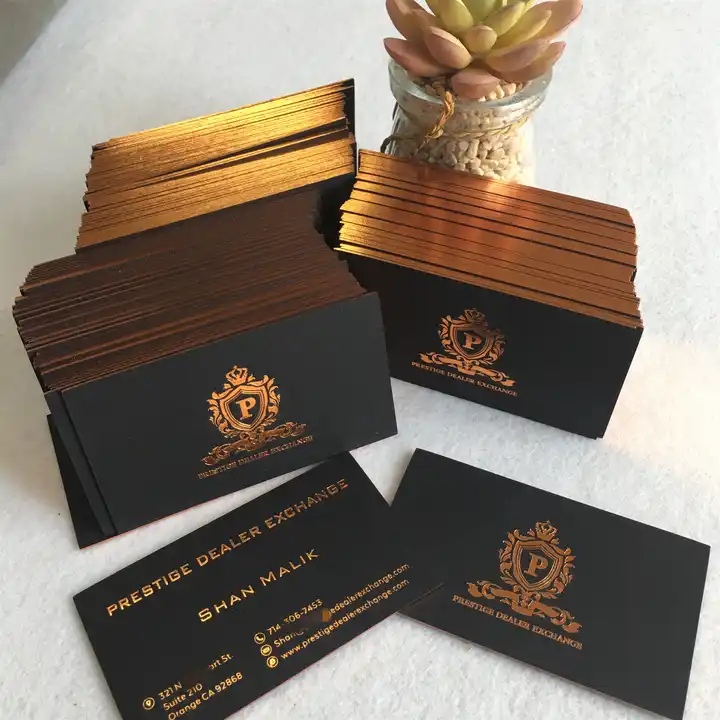
The standard business card size in North America is 3.5 inches by 2 inches (or 89 mm by 51 mm). This size is widely accepted because it fits easily into wallets and cardholders, making it convenient for sharing and storing.
Dimensions in Different Units
- Inches: 3.5" x 2"
- Millimeters: 89 mm x 51 mm
- Centimeters: 8.9 cm x 5.1 cm
- Pixels: Typically designed at 1050 px x 600 px for digital purposes.
Variations in Business Card Sizes
While the standard size is prevalent, various other sizes exist to cater to different needs and preferences:
Common Variants
- Slim Cards: 1.75" x 3.5" (45 mm x 89 mm) – ideal for loyalty or appointment cards.
- Square Cards: 2" x 2" (51 mm x 51 mm) – unique and eye-catching.
- Tall Cards: 2" x 3.5" (51 mm x 89 mm) – offers more vertical space for design elements.
- Custom Shapes: Die-cut cards can take on various forms to enhance brand identity.
International Sizes
Different countries have their own preferred sizes:
- UK Standard Size: Approximately 3.35" x 2.17" (85 mm x 55 mm).
- European Standard Size: Commonly around 85 mm x 55 mm, similar to credit card dimensions.
- Australian Standard Size: Typically 90 mm x 55 mm, which is slightly larger than the UK standard.
Importance of Bleed in Business Card Design
When designing a business card, incorporating a bleed area is crucial. A bleed is an extra area added to the dimensions of the card that ensures no important design elements are cut off during printing.
Recommended Bleed Dimensions
For standard cards, if including bleeds:
- Final Size with Bleed: 3.75" x 2.25" (95 mm x 57 mm).
Why Bleed Matters
Having a bleed prevents unsightly white edges that can occur if the cutting process is not perfectly aligned. It allows your design to extend all the way to the edge of the card, creating a polished and professional look.
Considerations When Choosing a Business Card Size
When selecting a business card size, consider the following factors:
Practicality
- Ensure that the card fits comfortably in wallets or cardholders.
Design Space
- A larger card provides more space for creative designs but may be less practical.
Audience Preferences
- Understand your target audience's preferences regarding card size and style.
Industry Standards
- Certain industries may favor specific sizes or styles that reflect professionalism or creativity.
Branding Consistency
- The size of your business card should align with your overall branding strategy. For example, if your brand is known for being innovative and modern, you might opt for unique shapes or sizes that stand out.
Designing Your Business Card
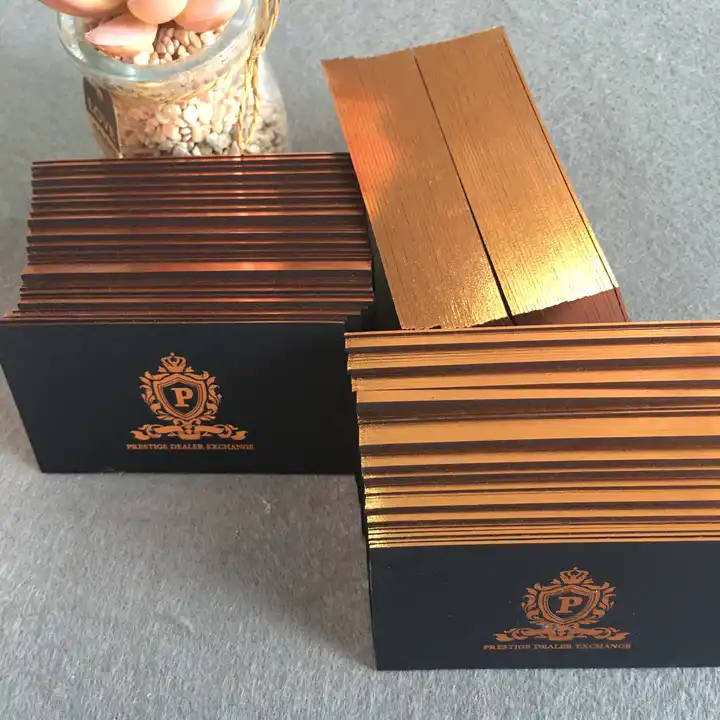
Creating an effective business card involves thoughtful design choices that reflect your brand identity.
Key Design Elements
- Logo Placement: Ensure your logo is prominent but not overwhelming.
- Typography: Choose fonts that are legible and align with your brand's personality.
- Color Scheme: Use colors that resonate with your brand while ensuring readability.
Visual Hierarchy
Establishing a clear visual hierarchy is vital in design. Important information such as your name, title, and contact details should be easily identifiable at a glance.
Imagery and Graphics
Using images or graphics can enhance your business card's appeal but should be used judiciously to avoid cluttering the design.
Tools for Design
You can use online templates or hire professional designers to create visually appealing business cards. Popular design tools include Adobe Illustrator, Canva, and Vistaprint.
Printing Options for Business Cards
Once you have designed your business card, the next step is printing it. There are several options available:
Digital Printing
Digital printing is cost-effective for small runs and allows for quick turnaround times. It's ideal for businesses that need cards printed on demand.
Offset Printing
Offset printing produces high-quality prints and is more economical for larger quantities. This method uses plates to transfer ink onto paper, resulting in vibrant colors.
Specialty Printing Techniques
Consider exploring specialty printing techniques such as:
- Foil Stamping: Adds metallic or glossy finishes to specific areas of the card.
- Embossing/Debossing: Creates a raised or recessed effect on the surface of the card.
- Spot UV Coating: Applies a glossy finish to specific areas while leaving others matte.
Eco-Friendly Business Cards
With growing environmental concerns, many businesses are opting for eco-friendly materials when printing their business cards.
Sustainable Materials
Look for options like recycled paper or sustainable wood pulp that minimize environmental impact while still providing quality results.
Digital Business Cards
As technology advances, digital business cards are becoming increasingly popular. They can be easily shared via smartphones and reduce paper waste significantly.
Networking Strategies Using Business Cards
Business cards are not just pieces of paper; they are powerful networking tools when used effectively.
Timing Your Exchange
Knowing when to hand out your business card can make a significant difference:
- After introducing yourself at networking events.
- When concluding a conversation where you've made a meaningful connection.
Creating Opportunities
Don't wait for someone to ask for your card; offer it proactively during discussions about mutual interests or potential collaborations.
The Psychology Behind Business Card Design
The way you design your business card can evoke certain feelings or perceptions about you and your brand:
Color Psychology
Colors play an essential role in how people perceive your brand:
- Blue often conveys trustworthiness.
- Red can evoke excitement or urgency.
Understanding color psychology can help you choose hues that resonate with your audience's emotions effectively.
Font Choices
The font style you select also communicates messages about professionalism:
- Serif fonts often convey tradition and reliability.
- Sans-serif fonts are seen as modern and clean .
Cultural Considerations in Business Card Exchange
When exchanging business cards internationally, it's crucial to understand cultural norms surrounding this practice:
Japan's Etiquette
In Japan, presenting a business card (or "meishi") involves both hands and should be treated with great respect—never write on it in front of the person who gave it to you .
Middle Eastern Practices
In some Middle Eastern cultures, it's customary to offer your right hand when giving or receiving a business card as it symbolizes respect .
Understanding these cultural nuances can help avoid misunderstandings during international networking events .
Final Thoughts on Effective Business Cards
A well-designed business card serves as an extension of yourself—your personality, professionalism, and creativity all come through in its design . As we've explored throughout this article:
1. The importance of selecting an appropriate size cannot be overstated.
2. Thoughtful design choices enhance both aesthetics and functionality .
3. Understanding cultural nuances ensures successful exchanges globally .
Investing time into creating an impactful business card will undoubtedly pay off in establishing connections that could lead to future opportunities .
Conclusion
In conclusion, understanding the standard sizes and variations of business cards is essential for effective networking and marketing. The most common size is 3.5 inches by 2 inches, but alternatives exist to suit different preferences and needs. Incorporating design elements like bleeds and considering practicality will enhance the effectiveness of your business cards.
When designing your business card, pay attention to key elements such as typography, color schemes, and branding consistency to create a lasting impression on potential clients or partners. Additionally, explore various printing options to find what best suits your needs while considering eco-friendly alternatives that align with modern values.
Related Questions
1. What is the standard size of a business card?
The standard size of a business card in North America is 3.5 inches by 2 inches (89 mm by 51 mm).
2. Are there different sizes for business cards?
Yes, common variations include slim cards (1.75" x 3.5"), square cards (2" x 2"), tall cards (2" x 3.5"), and custom die-cut shapes.
3. What does "bleed" mean in printing?
Bleed refers to an extra area added to the dimensions of a printed piece to ensure that no important design elements are cut off during trimming.
4. How can I design my own business card?
You can use online templates or graphic design software to create your own business card or hire a professional designer.
5. Do business card sizes differ internationally?
Yes, different countries have their own preferred sizes; for example, the UK standard is approximately 3.35" x 2.17" (85 mm x 55 mm).
Citations:
[1] https://www.moo.com/blog/inspiration/business-card-size-and-dimension-guide
[2] https://www.novell.com/zh-cn/documentation/suse10/pdfdoc/suse10_ref/suse10_ref.pdf
[3] https://www.uprinting.com/business-card-sizes.html
[4] https://archive.org/stream/shengwuxueyushen00qiuj/shengwuxueyushen00qiuj_djvu.txt
[5] https://www.48hourprint.com/business-card-sizes.html
[6] https://github.com/hiyouga/LLaMA-Factory/blob/main/data/alpaca_zh_demo.json/
[7] https://www.brandly.com/blog/standard-business-card-size/
[8] https://www.cnblogs.com/apachecn/p/18462332
[9] https://www.goldimageprinting.com/content/standard-business-card-sizes.html


