Content Menu
● Quick Answer: Which Name Plate Lasts Longer?
● Acrylic Name Plates: Strengths, Limits, and Expected Life
>> Why Acrylic Name Plates Are Popular
>> Where Acrylic Can Fail Earlier
>> Best Uses for Acrylic Name Plates
● Metal Name Plates: Why They Usually Last Longer
>> Main Advantages of Metal Name Plates
>> Aluminum Name Plates
>> Stainless Steel Name Plates
>> Brass and Zinc Alloy Name Plates
● Acrylic vs Metal Name Plates: Detailed Durability Comparison
● The Marking Method Can Matter More Than the Material
>> More Durable Marking Options
● Real-World Selection Guide
>> Choose Acrylic Name Plates If You Need
>> Choose Metal Name Plates If You Need
● How to Specify a Name Plate for Maximum Service Life
● Expert Recommendation for Buyers
● Request a Custom Name Plate Sample
● FAQ
>> 1. Are acrylic name plates waterproof?
>> 2. Do metal name plates rust?
>> 3. How long do anodized aluminum name plates last outdoors?
>> 4. Is acrylic better than metal for indoor signs?
>> 5. What is the best material for machine name plates?
>> 6. Can a QR code be printed on a metal name plate?
>> 7. Which is more cost-effective: acrylic or metal name plates?
● References
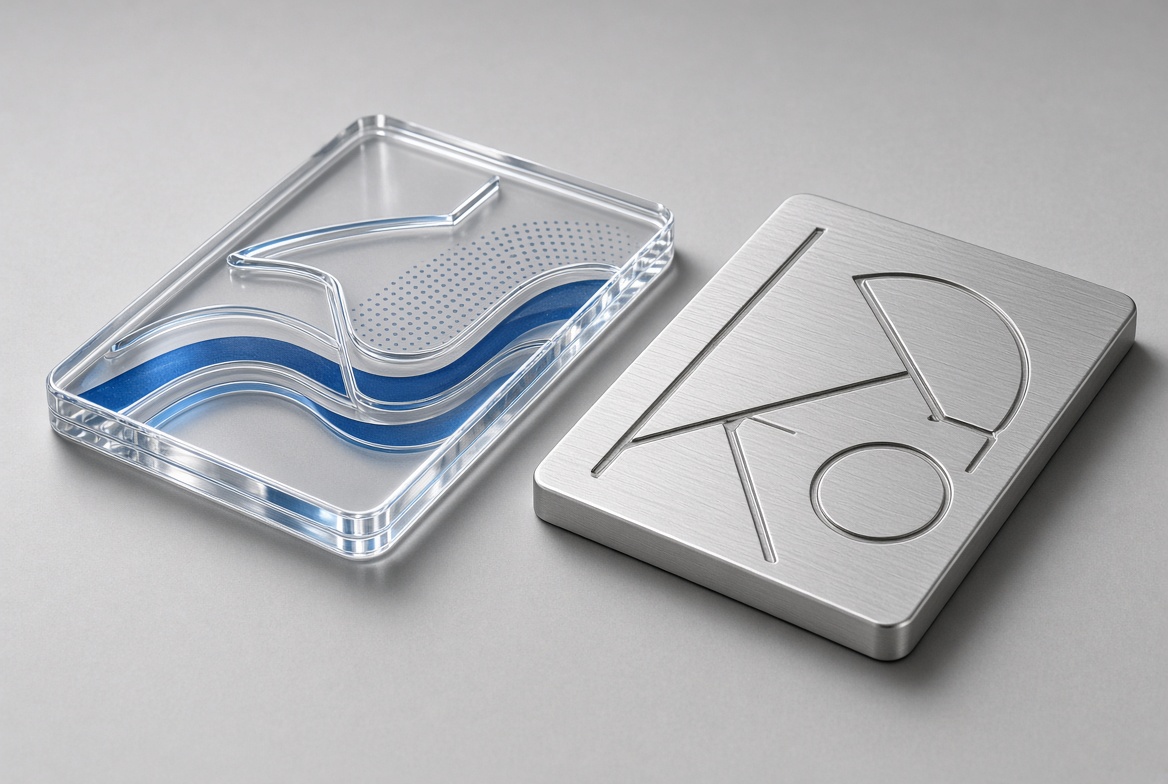
When buyers compare acrylic name plates vs metal name plates, the real question is not simply which material looks better on day one. It is which one will remain readable, securely mounted, and visually professional after years of sunlight, cleaning, handling, moisture, temperature changes, and industrial use.
From more than 20 years of producing custom badges, labels, packaging, and printed products for international brands and distributors, our team at Shenzhen XingKun Packing Products Co., Ltd. has seen one consistent pattern: metal name plates usually last longer in demanding environments, while acrylic name plates can be an excellent long-lasting choice for indoor, protected, and appearance-led applications.
The best option depends on where the name plate will be used, how it will be marked, and what kind of wear it must withstand. A polished acrylic plate on an indoor office wall may look exceptional for years. But a machine identification plate exposed to UV, oil, abrasion, salt air, and repeated cleaning needs a much more robust solution—usually anodized aluminum, stainless steel, or another purpose-selected metal.
Quick Answer: Which Name Plate Lasts Longer?
For most industrial, outdoor, and high-contact applications, metal name plates last longer than acrylic name plates.
Metal is generally stronger against:
- Impact and bending
- Abrasion and repeated handling
- Extreme heat and cold
- Outdoor ultraviolet exposure
- Industrial chemicals, oil, and solvents
- Long-term attachment by screws, rivets, or welding
However, acrylic should not be dismissed as a short-life material. High-quality cast acrylic, especially when UV-stabilized and correctly installed, can perform well in covered outdoor areas and many indoor commercial settings. Acrylic also does not rust, making it useful where visual clarity, smooth edges, layered effects, and modern branding matter more than heavy-duty mechanical resistance.
The practical decision is simple:
| Application |
Better Material |
Why |
| Office door signs |
Acrylic |
Clean, modern, customizable appearance |
| Reception and retail displays |
Acrylic |
Premium visual depth and color flexibility |
| Indoor equipment labels |
Acrylic or metal |
Depends on cleaning, heat, and handling |
| Factory machinery name plates |
Metal |
Better abrasion, heat, and chemical resistance |
| Outdoor equipment identification |
Metal |
Stronger weather and UV performance |
| Marine or coastal use |
Stainless steel or treated aluminum |
Better corrosion resistance |
| Electrical panels |
Anodized aluminum |
Durable, lightweight, legible marking |
| Luxury product badges |
Acrylic or metal |
Depends on desired finish and brand positioning |
Acrylic Name Plates: Strengths, Limits, and Expected Life
An acrylic name plate is usually made from PMMA, commonly called acrylic, plexiglass, or acrylic glass. It is valued for its glossy surface, transparency, color options, and ability to create layered or three-dimensional branding effects.
For corporate signage, desk name plates, room numbers, display labels, awards, retail fixtures, and decorative badges, acrylic is often one of the most attractive materials available.
Why Acrylic Name Plates Are Popular
Acrylic offers several practical and visual advantages:
- Lightweight, making it easy to mount with adhesive, standoffs, or screws
- Highly customizable, with clear, frosted, colored, mirrored, fluorescent, and matte options
- Easy to laser engrave, print, cut, and laminate
- Modern appearance, especially for layered logos and raised lettering
- Good moisture resistance, because acrylic itself does not rust
- Good clarity, making it suitable for reception signs and premium displays
Acrylic can also be manufactured in multiple thicknesses. Thin acrylic is suitable for flat labels and badges, while thicker sheets can create a high-end dimensional effect. For visual branding projects, this flexibility is often more important than maximum physical toughness.
Where Acrylic Can Fail Earlier
The main limitation of acrylic is that it is a rigid plastic. It can crack or chip after hard impact, particularly around drilled holes, sharp corners, or thin unsupported areas.
Acrylic may also show wear through:
- Surface scratches
- Edge chipping
- Yellowing or discoloration under long-term sunlight
- Fading of surface-applied print
- Crazing or cracking after exposure to unsuitable cleaners
- Warping risk in high-heat environments
- Adhesive failure if the mounting surface is not prepared correctly
Not all acrylic sheets perform the same way. Material formulation matters. Research on long-term outdoor weathering has found that standard PMMA can retain useful properties over extended exposure, while impact-modified PMMA can experience more noticeable surface degradation and reduced mechanical performance under weathering conditions.
That distinction is important for buyers. A low-cost acrylic name plate and a professionally specified UV-stable cast acrylic name plate may look similar at delivery, yet perform very differently over time.
Best Uses for Acrylic Name Plates
Choose acrylic when the plate will be used in a relatively controlled environment and visual presentation is a priority.
Good applications include:
- Hotel room signs
- Office door name plates
- Reception logos
- Retail displays
- Exhibition panels
- Indoor wayfinding signs
- Desk name plates
- Decorative brand badges
- Product presentation boards
- Covered entrance signage
For these uses, acrylic can offer an excellent balance of lifespan, visual appeal, and production cost.
Metal Name Plates: Why They Usually Last Longer
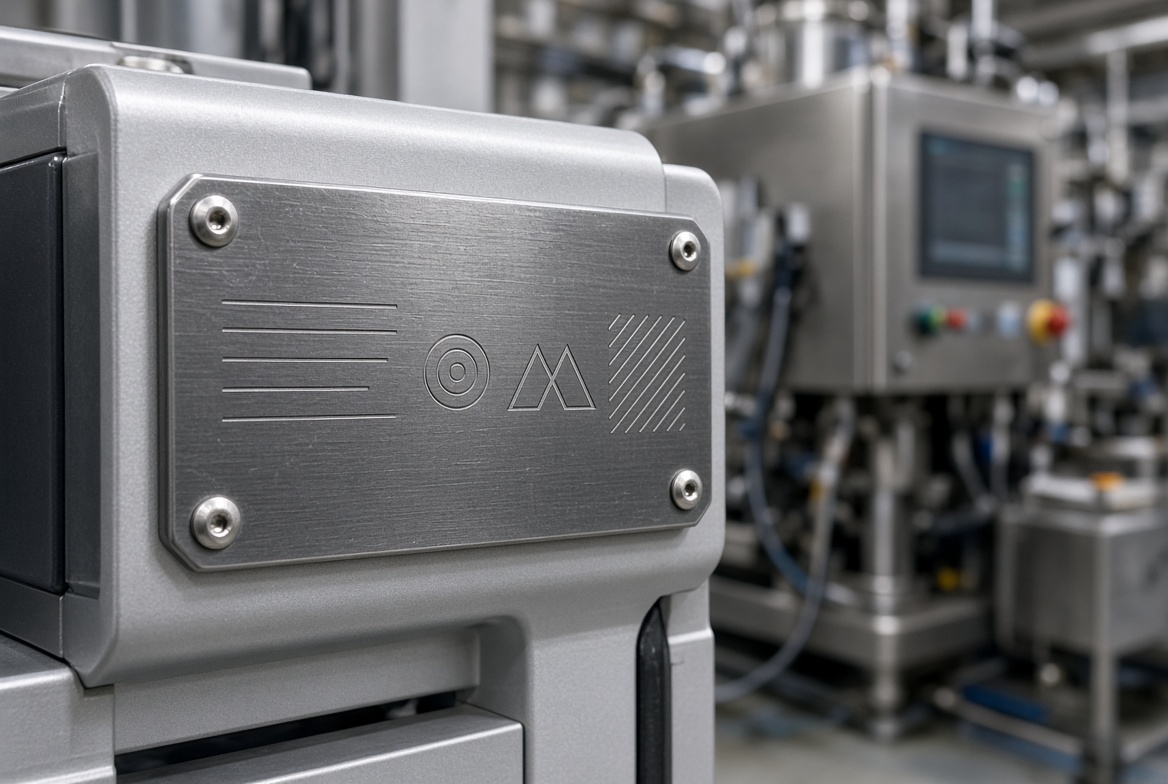
Metal name plates are the preferred option when a product must survive real-world wear instead of simply looking attractive in a controlled setting. They are widely used for machinery, industrial equipment, electrical panels, vehicles, tools, appliances, safety identification, asset tags, and outdoor installations.
The word "metal" covers several materials, including aluminum, stainless steel, brass, zinc alloy, copper, and steel. Each has different strengths, but aluminum and stainless steel are the most common choices for durable name plate production.
Main Advantages of Metal Name Plates
Metal name plates are valued because they provide:
- Higher mechanical strength
- Better impact resistance
- Greater resistance to bending and deformation
- Strong long-term readability
- Better performance under heat
- More secure mechanical mounting
- Superior resistance to frequent contact and cleaning
- More professional industrial appearance
A metal plate can be engraved, embossed, etched, screen printed, digitally printed, laser marked, chemically etched, or photo-anodized. The marking method is as important as the base material.
For example, anodized aluminum has an oxide layer created as part of the metal surface rather than simply added as a top coating. This improves resistance to routine abrasion and corrosion, especially when the anodized layer is properly sealed.
Aluminum Name Plates
Aluminum is one of the most practical materials for custom metal name plates because it is lightweight, corrosion-resistant, cost-effective, and easy to process.
Common aluminum name plate finishes include:
- Brushed aluminum
- Matte aluminum
- Mirror aluminum
- Painted aluminum
- Anodized aluminum
- Embossed aluminum
- Photo-anodized aluminum
For most industrial buyers, anodized aluminum name plates are the strongest all-around choice. The anodic layer becomes integrated with the aluminum substrate, helping the plate resist wear, moisture, chemicals, and outdoor exposure.
Some photo-anodized aluminum systems are designed for demanding identification applications and are rated for approximately 20 years or more outdoors when properly specified.
Stainless Steel Name Plates
Stainless steel is often the best option for severe environments. It costs more and is heavier than aluminum, but it provides excellent strength, heat resistance, and corrosion resistance.
Stainless steel is especially suitable for:
- Food processing equipment
- Marine equipment
- Outdoor electrical cabinets
- Medical equipment
- High-temperature machinery
- Chemical processing environments
- Heavy-duty vehicles
- Premium appliance badges
For coastal regions, stainless steel can be a safer choice than untreated metal because salt spray can accelerate corrosion. However, even stainless steel needs the correct grade, surface finish, mounting design, and cleaning process for the environment.
Brass and Zinc Alloy Name Plates
Brass and zinc alloy are often selected for decorative rather than extreme-duty applications.
Brass creates a classic, premium appearance and can be engraved or embossed for luxury packaging, furniture, hotel hardware, trophies, and heritage-style branding. Zinc alloy is frequently used for raised 3D badges because it can be die-cast into detailed shapes.
These materials can last a long time, but they need appropriate finishing. Brass may tarnish without protective treatment, while zinc alloy often requires plating, painting, or clear coating to maintain its appearance.
Acrylic vs Metal Name Plates: Detailed Durability Comparison
The following comparison helps purchasing teams select the material based on actual use conditions rather than appearance alone.
| Factor |
Acrylic Name Plates |
Metal Name Plates |
| Impact resistance |
Moderate; can crack under sharp impact |
High; especially stainless steel and thicker aluminum |
| Scratch resistance |
Moderate; surface can scratch |
High with anodizing, etching, or suitable coating |
| Outdoor lifespan |
Good in protected conditions |
Excellent when correctly specified |
| UV resistance |
Good with UV-stable material, but may discolor over time |
Excellent with anodized, etched, or protected finishes |
| Chemical resistance |
Varies by chemical; some solvents can damage acrylic |
Generally better, especially anodized aluminum and stainless steel |
| Moisture resistance |
Does not rust |
Depends on metal and finish |
| Heat resistance |
Limited compared with metal |
Strong, especially stainless steel |
| Weight |
Very light |
Aluminum is light; steel is heavier |
| Custom appearance |
Excellent for color, transparency, layering |
Excellent for premium, industrial, embossed, and metallic finishes |
| Long-term industrial use |
Limited to moderate-duty environments |
Best choice for demanding applications |
| Cost |
Usually economical for display use |
Varies; can be higher for durable specifications |
The material itself does not decide the full service life. Thickness, printing process, coating, installation method, and exposure conditions can change the result dramatically.
The Marking Method Can Matter More Than the Material
A name plate may use the best material available, yet still fail if its graphics are only printed on the surface without suitable protection.
This is one of the most common procurement mistakes. Buyers often compare acrylic and metal sheets, but they do not ask how the logo, serial number, warning text, or QR code will be applied.
More Durable Marking Options
For applications requiring long-term legibility, consider:
- Laser engraving: Removes or alters the surface to create permanent information
- Chemical etching: Recesses text and graphics into metal
- Embossing: Raises letters or symbols above the plate surface
- Photo-anodizing: Seals images and information beneath an anodic layer
- Engraving with color fill: Improves contrast while retaining recessed detail
- Protected screen printing: Suitable when matched with the right coating system
For example, a surface-printed metal plate may eventually scratch or fade under aggressive cleaning. By contrast, a photo-anodized or deeply engraved aluminum plate keeps information protected within or below the surface.
This is especially important for equipment labels containing:
- Serial numbers
- Compliance information
- Safety warnings
- Voltage ratings
- Operating instructions
- Barcodes and QR codes
- Asset tracking details
- Maintenance schedules
If the information must still be readable after years of use, specify a durable marking method from the beginning.
Real-World Selection Guide
Here is a practical way to choose between acrylic and metal name plates.
Choose Acrylic Name Plates If You Need
- A stylish indoor or covered-use sign
- Clear, frosted, colorful, or layered visual effects
- A lightweight material for adhesive mounting
- A cost-effective solution for office, retail, hospitality, or display projects
- A modern appearance with laser-cut shapes
- A plate with limited exposure to heat, chemicals, and rough handling
Choose Metal Name Plates If You Need
- Outdoor durability
- Long-term equipment identification
- Resistance to physical impact and abrasion
- Resistance to oil, solvents, and industrial cleaning
- Secure screw, rivet, or bolt mounting
- High-temperature performance
- Permanent serial numbers and compliance information
- A premium industrial or automotive appearance
For outdoor and high-traffic locations, metal—particularly aluminum or stainless steel—typically provides better long-term performance than acrylic.
How to Specify a Name Plate for Maximum Service Life
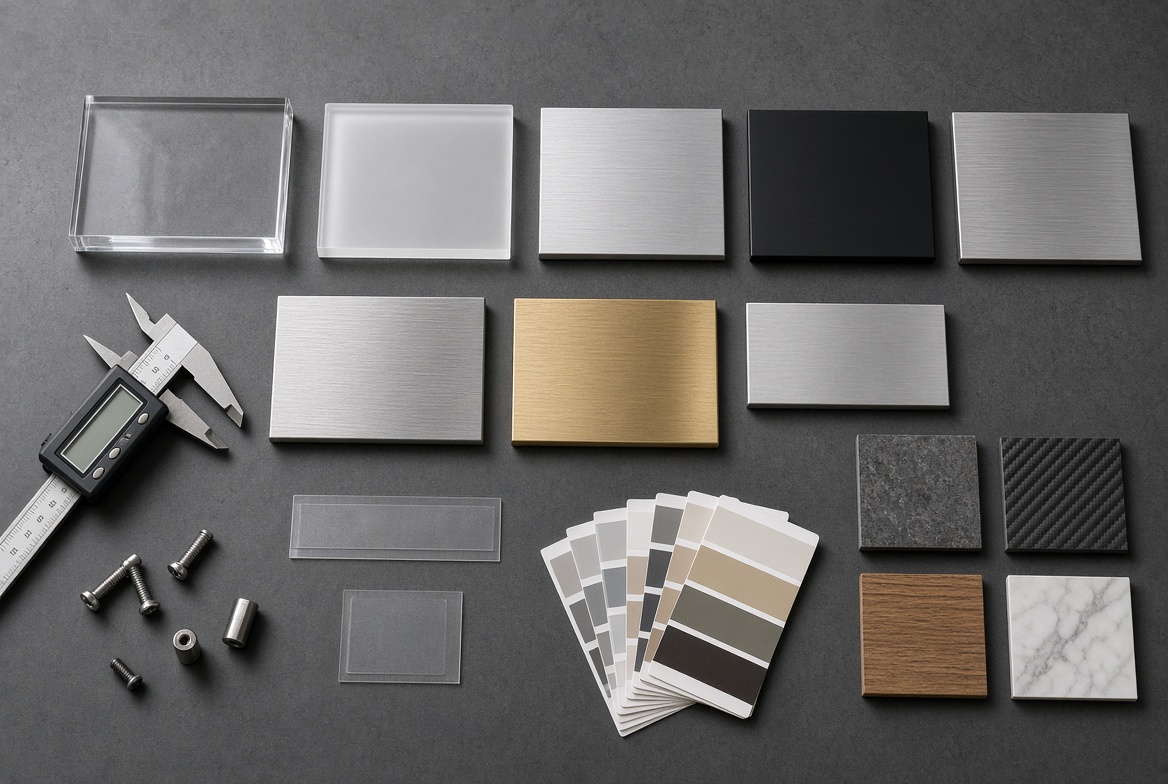
A durable name plate begins with the right specification. Instead of asking only for "metal" or "acrylic," provide the manufacturer with clear details about use conditions.
Use this five-step checklist before requesting a quotation:
1. Define the environment.
Is the plate installed indoors, outdoors, near the sea, inside a factory, on a vehicle, or near chemicals?
2. Identify the exposure risks.
Consider UV light, rain, humidity, salt spray, abrasion, oil, heat, cleaning chemicals, and impact.
3. Choose the correct substrate.
Acrylic may be suitable for protected visual signage. Anodized aluminum or stainless steel is better for industrial and outdoor use.
4. Select a durable marking process.
Ask whether the graphics are surface printed, engraved, etched, embossed, or sealed beneath an anodic layer.
5. Specify mounting requirements.
Adhesive is convenient, but screws, rivets, and bolts often provide greater long-term security in harsh environments.
A clear specification reduces replacement costs, prevents field failures, and helps suppliers recommend the right material before production begins.
Expert Recommendation for Buyers
If your name plate is mainly a branding or informational element in an indoor space, acrylic offers strong visual value. It is clean, versatile, lightweight, and ideal for modern presentation.
If the name plate identifies machinery, supports safety compliance, carries serial numbers, faces regular cleaning, or will remain outdoors for years, choose metal. In most cases, anodized aluminum offers the best balance of cost, weight, corrosion resistance, and durability, while stainless steel is the stronger option for severe environments.
The most durable solution is not always the thickest or most expensive plate. It is the plate designed around the actual working environment.
At Shenzhen XingKun Packing Products Co., Ltd., we help brands and distributors evaluate material, finish, printing process, size, thickness, attachment method, and packaging before bulk production. This approach helps ensure that every custom badge or name plate looks right at delivery—and continues performing throughout its intended service life.
Request a Custom Name Plate Sample
Need a reliable solution for machinery, electronics, vehicles, retail displays, packaging, promotional products, or branded equipment?
Contact Shenzhen XingKun Packing Products Co., Ltd. today to discuss your custom acrylic or metal name plate project. Share your artwork, application environment, target quantity, dimensions, and preferred finish, and our team can recommend a material and production method matched to your durability, appearance, and budget requirements.
FAQ
1. Are acrylic name plates waterproof?
Acrylic itself has good moisture resistance and does not rust. However, waterproof performance also depends on the printing method, adhesive, mounting holes, edge treatment, and whether water can reach the back of the plate.
2. Do metal name plates rust?
Some metals can rust or corrode, especially untreated steel. Aluminum naturally resists corrosion, anodized aluminum provides enhanced protection, and stainless steel offers strong corrosion resistance. The right metal should be selected based on moisture, salt exposure, and chemical conditions.
3. How long do anodized aluminum name plates last outdoors?
Service life depends on UV exposure, coating quality, marking method, cleaning chemicals, salt spray, installation, and physical wear. Standard anodized aluminum may provide around 10 to 12 years of outdoor performance in suitable conditions, while specialized photo-anodized systems may be designed for 20 years or more.
4. Is acrylic better than metal for indoor signs?
Often, yes. Acrylic is popular for indoor signs because it provides a clean, contemporary look, offers transparent and colored options, and can be made into layered designs. Metal remains preferable where indoor signs face heavy contact, cleaning, heat, or industrial conditions.
5. What is the best material for machine name plates?
For most machinery, anodized aluminum is a strong choice because it is lightweight, durable, corrosion-resistant, and suitable for permanent markings. Stainless steel may be better for high heat, aggressive chemicals, marine conditions, or severe mechanical exposure.
6. Can a QR code be printed on a metal name plate?
Yes. QR codes can be printed, laser marked, etched, or photo-anodized on metal. For reliable long-term scanning, the code needs sufficient contrast, correct size, a durable marking process, and a finish that avoids excessive glare.
7. Which is more cost-effective: acrylic or metal name plates?
Acrylic is often more cost-effective for decorative indoor signage and short-to-medium-duty projects. Metal may cost more initially, but it can be more economical over the product lifecycle when replacement, downtime, fading, and compliance risks are considered.
References
1. [National Research Council Canada — Weatherability of Acrylic-Based Plastics in Long-Term Outdoor Exposure]
2. [Metal Marker Manufacturing — Custom Anodized Aluminum Nameplates]
3. [Aluma Photo-Plate — Metal Name Plate and Control Panel Plate Durability]
4. [Avery Dennison Performance Polymers — Weathering and Durability]
5. [Avery Dennison — High Performance Acrylic Technology]
6. [UID2GO — Anodized Aluminum Labels, Nameplates, and Tags]
7. [Precision Reprographics — Acrylic vs. Metal Signs]
8. [Signs By Tomorrow — Acrylic Signs vs Metal Signs: Pros, Cons, and Pricing]


