| Availability: | |
|---|---|
| Quantity: | |
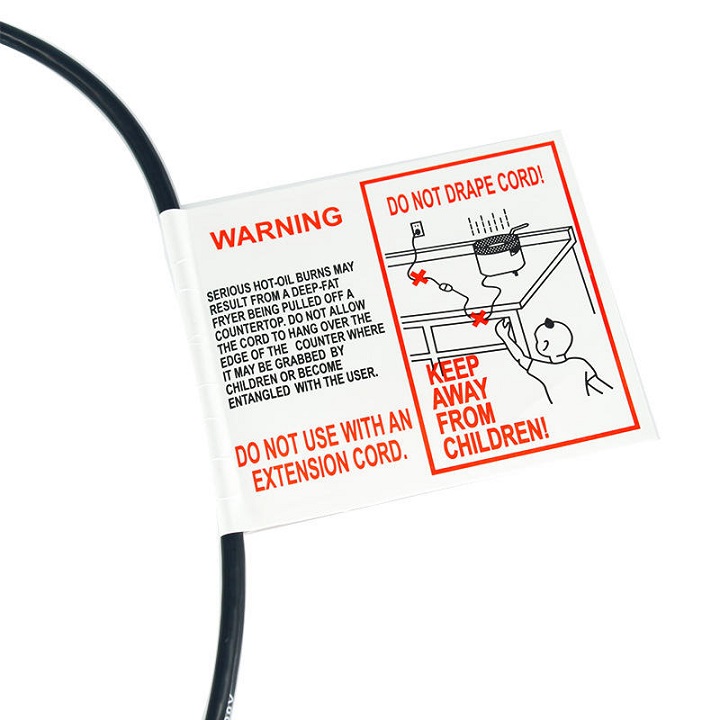
![]() | Enhanced Safety Compliance One of the most significant advantages of Flame Retardant Labels is their ability to promote compliance with safety regulations. In many industries, particularly those dealing with hazardous materials, adhering to fire safety standards is not just an option but a legal requirement. By using these labels, businesses can demonstrate their commitment to meeting these crucial regulations, thereby protecting employees, customers, and assets. This compliance not only mitigates the risk of fire hazards but also helps in avoiding costly fines and legal repercussions associated with non-compliance. Moreover, using flame retardant labels aids in creating a safer working environment, fostering peace of mind among staff and enhancing overall workplace safety culture. |
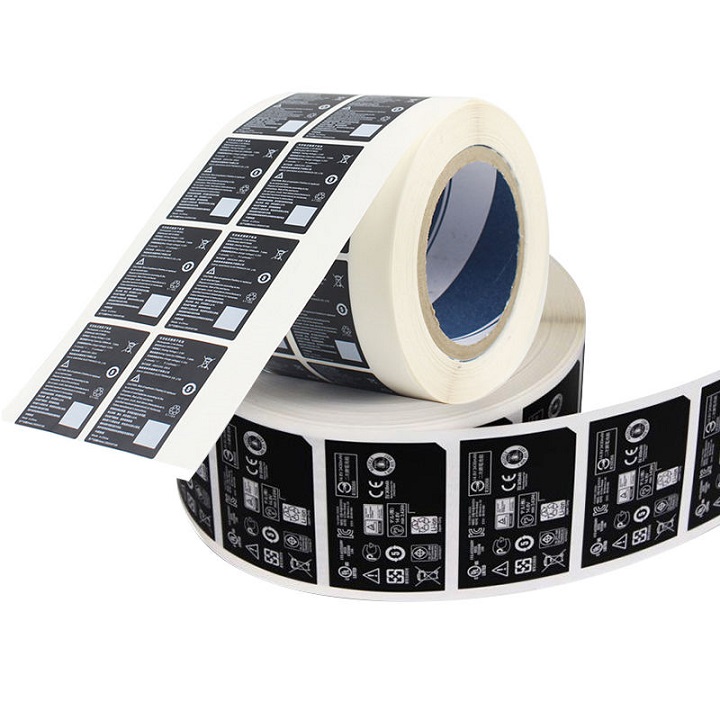
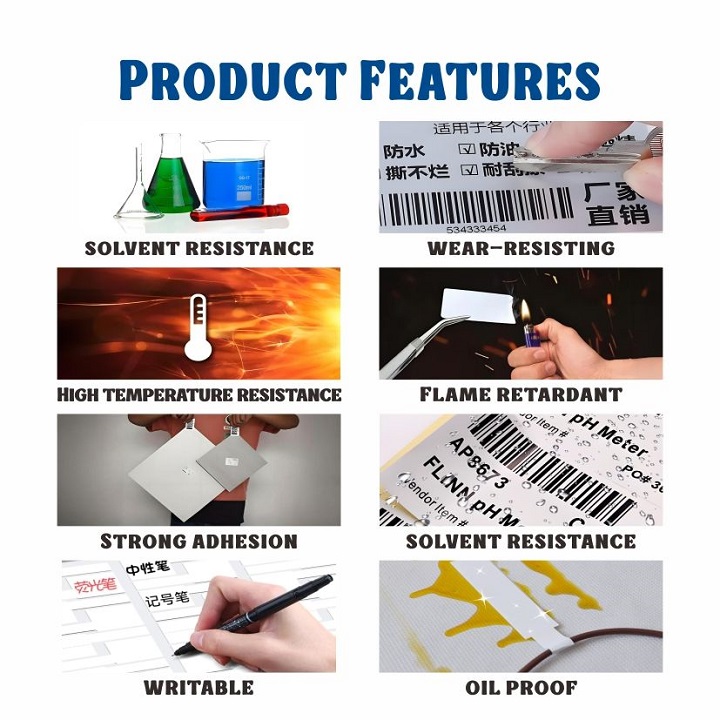
Durability and Reliability Flame Retardant Labels are engineered for durability, making them suitable for a variety of applications. Constructed from high-quality materials, these labels are resistant to fading, tearing, and other forms of damage, ensuring that they remain legible over time. This reliability is crucial in environments where conditions may be harsh, such as factories, warehouses, or outdoor settings. The labels maintain their flame-retardant characteristics even when exposed to extreme temperatures or chemicals, providing long-lasting performance. Consequently, businesses can rely on these labels to perform consistently without the need for frequent replacement, thus saving both time and costs associated with maintenance and procurement. | ![]() |
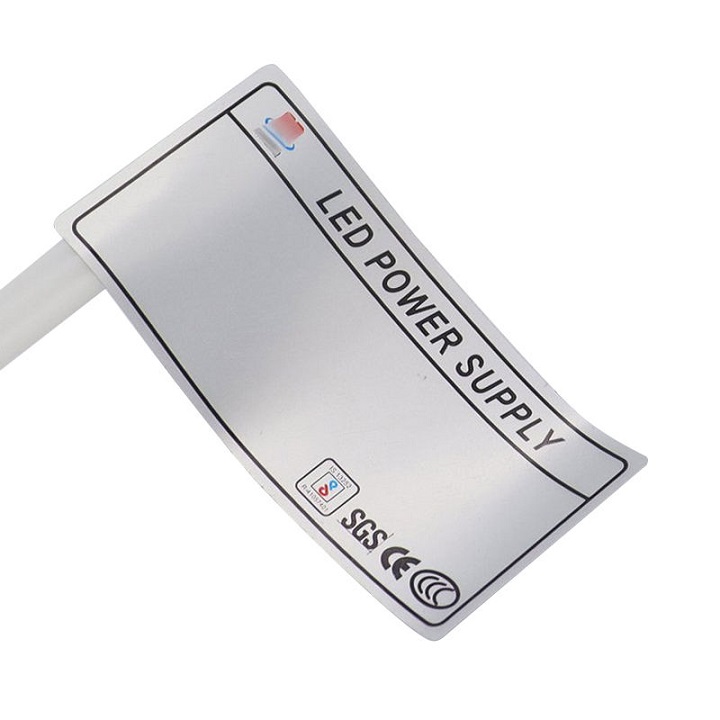
![]() | Versatile Applications Flame Retardant Labels are incredibly versatile, making them an ideal choice for a wide range of industries. Whether for use in textiles, electronics, industrial equipment, or construction materials, these labels can be adapted to meet the specific needs of various sectors. Their ability to withstand different environmental conditions means they can be successfully utilized both indoors and outdoors, broadening their applicability. Additionally, these labels can be customized with specific fire safety information, logos, or other important details, ensuring that they serve not only as safety indicators but also as branding tools. This versatility allows businesses to integrate flame retardant labels seamlessly into their existing products and safety protocols without extensive modifications. |
Hot tags: fire retardant label, fire retardant tag, flame resistant tags, flame retardant tag, fire retardant stickers, flame retardant stickers, flame retardant polyester label, polyimide flame retardant label, thermal transfer flame retardant label, custom flame retardant label printing, wholesale, cheap, discount, manufacturers, suppliers, factory, made in China
| Materials | ![]() | ![]() | ![]() | ![]() |
| HDPE | LDPE | PET | PLA | |
![]() | ![]() | ![]() | ![]() | |
| PP | HIPS | PETG | White Kraft | |
![]() | ![]() | ![]() | ||
| Aluminum Foil | Holographic | Natural Brown Kraft | ||
| Printing Methods | ![]() | ![]() | ![]() | ![]() |
| Digital Print | Flexography Print | Gravure Print | UV Print | |
| Inks | ![]() | ![]() | ![]() | ![]() |
| Water-based Inks | Soy-Vegetable Based Inks | Fluorescent Color Inks | Oil Based Inks | |
![]() | ![]() | |||
| Pantone | Pantone Metallic | |||
| Finishing | ![]() | ![]() | ![]() | ![]() |
| Hot Foil Stamping | Lamination | Spot Gloss UV | UV Coating |
Waterproof labels give brands a practical way to protect product information and premium packaging appearance in wet, cold, humid, oily, or high-handling environments. This in-depth guide explains how to select custom waterproof labels by material, adhesive, print method, finish, and application condition. Learn the differences between BOPP, vinyl, polyester, and flexible films; avoid label failure; understand BS 5609 and UL considerations; and source reliable OEM waterproof labels for bottles, cosmetics, food, household products, industrial equipment, and more.
Discover what truly determines the cost of printing a book, from page count and paper weight to binding, color, finishing, order quantity, and international shipping. This expert guide helps publishers, brands, wholesalers, educators, and self-publishers compare custom book printing quotes with confidence. Learn how to reduce unit cost without sacrificing quality, when to choose digital or offset printing, and how to prepare a professional print-ready file for your next custom book project.
Learn how much a cardboard box weighs, what affects empty and packed box weight, and how board grade, flute type, dimensions, inserts, and dimensional shipping charges influence your packaging costs. Get practical guidance for choosing lightweight, protective custom boxes.
Learn how to mail a bubble mailer safely with expert packing, sealing, addressing, labeling, postage, and shipping tips. Compare bubble mailers vs. shipping boxes and prevent damage.
Discover how much custom packaging costs in 2026. Compare folding cartons, mailer boxes, rigid boxes, and pouches; understand tooling, printing, freight, order volume, and practical ways to reduce total packaging costs.
A practical 2026 guide to 10 China-based house name plate manufacturers and custom-production suppliers. Compare material capabilities, MOQ flexibility, certifications, OEM support, and sourcing risks. Learn how to verify factories, inspect samples, prevent material substitution, and manage freight for durable custom house signs.
Foldable tote bags and rigid shopping bags serve different retail purposes. This in-depth guide compares materials, durability, print options, freight efficiency, product protection, customer experience, and brand value to help retailers choose the right custom bag format for promotions, everyday use, premium packaging, and gifting.
Custom printed tote bags offer more than carrying convenience: they turn reusable packaging into a visible, long-term brand asset. This comparison explains how branded and plain bags differ in cost, customer recall, design flexibility, reuse value, materials, print methods, campaign tracking, and ideal business applications.
Compare acrylic name plates and metal name plates for durability, appearance, cost, outdoor use, chemical resistance, and industrial performance. Learn when to choose acrylic, anodized aluminum, or stainless steel, plus practical specification tips for long-lasting custom name plates.
What is the standard playing card size? The most common answer is poker size: 2.5 × 3.5 inches, or 63.5 × 88.9 mm. But choosing custom playing-card dimensions involves more than following a familiar format. This expert guide compares poker and bridge card sizes, explains print-ready artwork requirements, bleed and safe-area planning, materials, finishes, packaging fit, and manufacturing quality control. Use it to select the right format for branded decks, games, promotions, tarot cards, and educational products.
Electronic product packaging design must do more than look attractive. It needs to protect sensitive devices from impact, vibration, moisture, and electrostatic discharge while creating a premium unboxing experience and supporting efficient global shipping. This guide explains how to choose the right box structure, inserts, materials, print finishes, testing approach, and sustainability strategy for electronic products. Learn practical packaging design steps for consumer electronics, accessories, components, and OEM or ODM projects.
Discover everything about candle labels: heat-resistant materials (vinyl, BOPP, PET), US/EU/UK compliance (FPLA, CLP), standard sizes, design best practices, and custom OEM/ODM manufacturing. Learn why matte white vinyl is the industry standard, how to avoid peeling labels, and how XingKun Packing Products helps candle brands scale with durable, compliant, fully customizable labels starting from 500 pieces. Perfect for startups and established brands targeting global markets.
Learn how to turn your company logo into a custom metal badge, enamel pin, lapel pin, magnetic name badge, or collectible promotional product. This in-depth guide explains how to choose badge materials, enamel types, metal plating, attachment options, and retail packaging. It also covers vector artwork preparation, Pantone color matching, proof approval, manufacturing steps, quality control, and magnet safety considerations. Discover how XingKun supports OEM and ODM custom badge projects for global brands, wholesalers, and manufacturers.
Custom product hang tags turn ordinary retail goods into branded, information-rich products that customers can understand and trust. This in-depth guide explains how to choose materials, dimensions, printing methods, finishes, barcode and QR-code layouts, attachment options, and compliance-aware information for custom printed hang tags. Learn practical design rules, common sourcing mistakes, sustainability-claim considerations, and a professional pre-production checklist. Discover how XingKun helps global brands create OEM and ODM hang tags that enhance retail presentation and packaging performance.
Choosing the right jigsaw puzzle piece count affects difficulty, customer satisfaction, product value, and retail positioning. This guide helps brands, wholesalers, and manufacturers select the best puzzle format for children, families, casual adults, and experienced hobbyists. Learn how age, artwork complexity, finished puzzle size, completion time, material quality, and packaging influence the ideal count—from simple 12-piece children’s puzzles to premium 2,000-piece collector editions.
For a Middle Eastern luxury chocolate brand, XingKun created premium gift packaging with precise Pantone color control, gold foil stamping, and multi-level embossing. Using Heidelberg offset presses, CNC brass dies, and constant-temperature foil stamping, the packaging achieved over 98% color consistency across production batches. Anti-scratch matte lamination and tactile textures helped meet luxury retail standards and secure high-end department store approval.
For a North American skincare DTC brand, XingKun developed 100% plastic-free packaging for fragile glass bottles using molded pulp inserts, FSC-certified paperboard, soy-based inks, and a corrugated air-buffer layer. The solution passed 1.2-meter ISTA 1A drop testing, reducing breakage from 2.5% to 0.05% while supporting recyclability claims and ESG compliance for European market entry.
For a European cosmetics brand’s holiday collection, XingKun developed a collapsible magnetic rigid box featuring hidden N52 magnets and precision interlocking corners. The flat-pack structure reduced container usage from 8 to 2.5 units, saving an estimated $45,000 in freight and warehousing costs. It also passed 1,000 opening/closing tests while maintaining a premium unboxing experience.
Discover why customers respond to custom retail displays and how brands can use POP, endcap, counter, floor, pallet, and shelf-ready displays to improve product discovery, strengthen brand visibility, support faster decisions, encourage cross-selling, and create better in-store shopping experiences.
Learn how to design durable, compliant industrial equipment labels for machinery, electrical products, medical devices, and global markets. Explore label content, materials, traceability, safety marking, and a practical pre-production checklist.