Content Menu
● Why Custom Boxes with Logo Matter
● What "Custom Boxes with Logo" Includes
● Choose the Right Box Type
>> Mailer boxes
>> Rigid boxes
>> Folding cartons
>> Corrugated shipping boxes
● How to Get Custom Boxes with Your Logo
>> 1. Define your product and packaging goal
>> 2. Create a logo-ready artwork package
>> 3. Select material and structure
>> 4. Choose printing and finishing
>> 5. Request a physical sample
>> 6. Confirm specifications before mass production
● How Much Do Custom Boxes with Logo Cost?
● Sustainability Without Greenwashing
● A Practical OEM/ODM Workflow
● Common Mistakes to Avoid
● How to Measure Packaging Performance
● Why Work With XingKun
● Conclusion
● FAQ
>> 1. What is the minimum order quantity for custom boxes with a logo?
>> 2. What file format should I provide for my logo?
>> 3. Can I print my logo inside the box as well as outside?
>> 4. Are custom boxes with a logo recyclable?
>> 5. How long does custom box production take?
>> 6. Should I choose foil stamping or full-color printing for my logo?
● References
Custom boxes with a logo turn everyday product packaging into a brand asset. They protect your product, communicate your positioning, and make the delivery moment more memorable—especially for e-commerce, retail, gifts, cosmetics, food, and subscription businesses. [grandviewresearch]
At XingKun, we help global brands develop OEM and ODM custom packaging boxes—from logo mailer boxes and gift boxes to rigid presentation boxes, corrugated shipping cartons, and specialty packaging. This guide explains how to get branded packaging that is practical, print-ready, cost-controlled, and aligned with your brand. [xkdisplay]
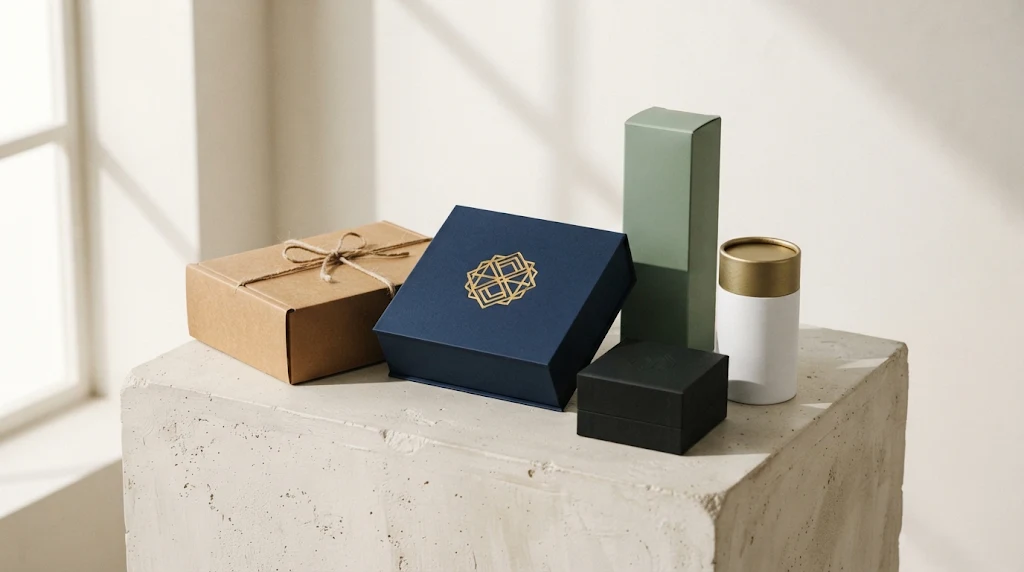
Why Custom Boxes with Logo Matter
A logo is more than decoration. On a well-designed box, it signals ownership, quality, and consistency before the customer sees the product inside.
Custom packaging can support:
- Brand recognition: Repeated exposure to your logo, colors, typography, and visual style builds familiarity.
- Perceived value: Premium finishes and structured boxes can make a product feel more considered and gift-worthy.
- Product protection: The right board grade, inserts, closures, and box style reduce damage during shipping.
- Marketing reach: Packaging is a physical touchpoint that customers may photograph, share, or keep.
- Retail differentiation: On a crowded shelf, a distinctive logo and clear product story can support faster recognition.
The custom packaging market was valued at about USD 39.7 billion in 2025 and is projected to reach USD 59.6 billion by 2033, reflecting sustained demand for packaging that combines branding, protection, and customer experience. [grandviewresearch]
What "Custom Boxes with Logo" Includes
"Custom boxes with logo" can mean far more than printing a logo on a standard carton. A complete branded packaging solution usually includes structure, material, graphics, finish, inserts, and compliance information.
| Element | What to decide | Why it matters |
| Box style | Mailer, folding carton, rigid box, corrugated shipper, display box | Determines protection, opening experience, and cost |
| Material | SBS paperboard, kraft, corrugated board, specialty paper | Affects durability, print quality, sustainability, and feel |
| Logo placement | Lid, front panel, side, inside flap, tape, tissue, sticker | Controls visibility and unboxing sequence |
| Printing method | Offset, digital, flexo, screen printing | Balances image quality, color consistency, and volume |
| Finishing | Matte, gloss, soft-touch, foil, spot UV, embossing | Creates a premium or distinctive brand feel |
| Inserts | Foam, molded pulp, cardboard, blister, fabric | Protects fragile or high-value products |
| Regulatory details | Barcode, ingredients, warnings, recycling symbols | Helps meet market-specific labeling requirements |
XingKun offers custom design, material selection, sample production, mass production, quality inspection, and delivery as part of its packaging manufacturing workflow. [xkdisplay]
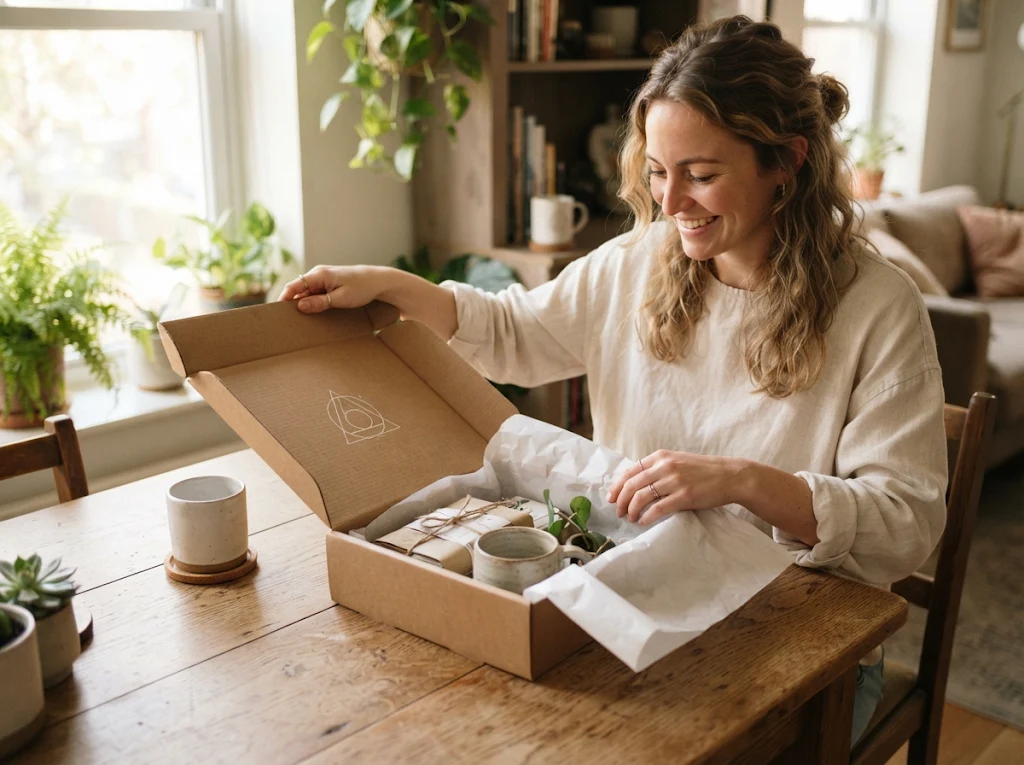
Choose the Right Box Type
The best custom box is not necessarily the most expensive one. It is the box that matches your product's size, fragility, sales channel, and brand promise.
Mailer boxes
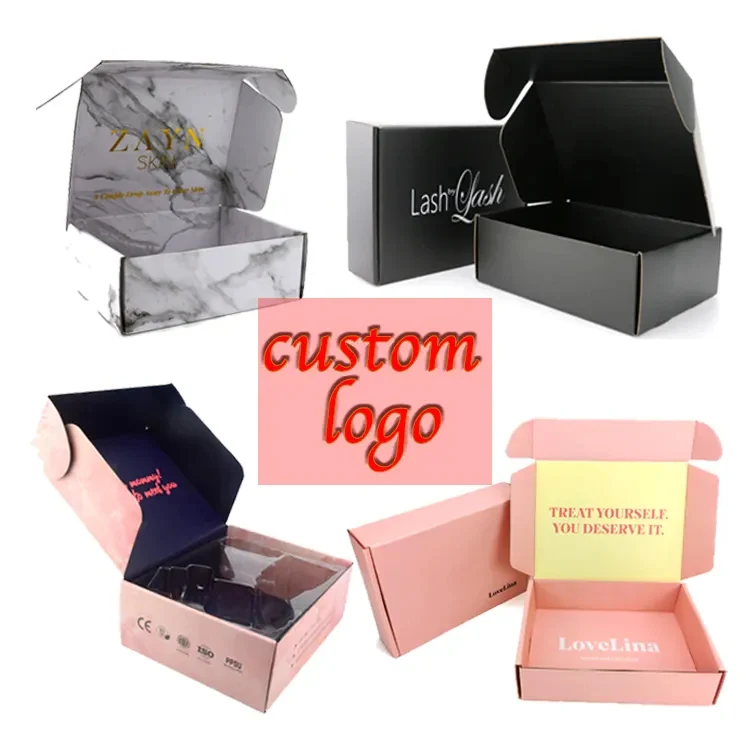
Mailer boxes are ideal for e-commerce brands shipping apparel, beauty products, small electronics, accessories, and subscription items. They are easy to assemble, can be printed inside and outside, and create a strong branded delivery experience.
Use a mailer box when you need:
- A clean, recognizable unboxing moment
- Moderate protection for non-fragile products
- Branding on the exterior and interior
- A relatively efficient shipping-friendly format
Rigid boxes
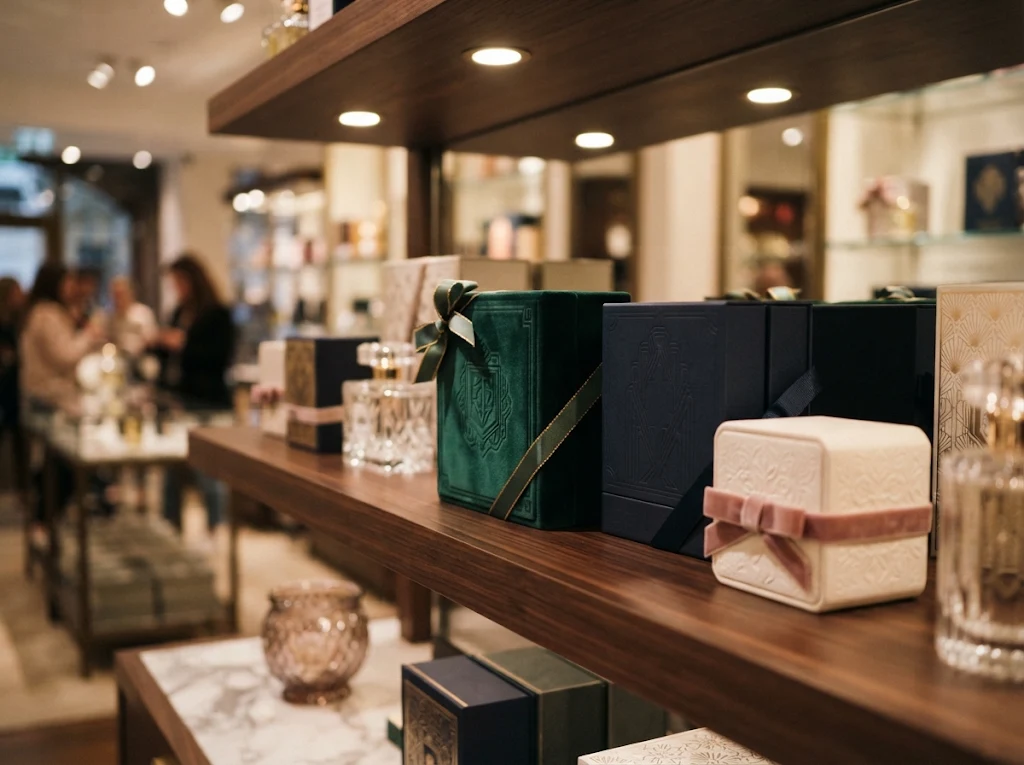
Rigid boxes suit luxury goods, jewelry, perfume, premium cosmetics, electronics, and gift sets. They use thicker, sturdier construction and can include magnetic closures, ribbon pulls, foam inserts, and specialty surface finishes.
Use a rigid box when:
- The product has a high perceived value
- Protection and presentation are equally important
- You want a keepsake-style package
- Retail display and gifting are central to the purchase
Folding cartons
Folding cartons are common for cosmetics, food, supplements, stationery, toys, and retail products. They are lightweight, efficient to ship flat, and suitable for high-volume production.
Use folding cartons when:
- You need retail-ready packaging
- Product weight and dimensions are manageable
- You need detailed product information on panels
- Cost efficiency at scale is important
Corrugated shipping boxes
Corrugated boxes prioritize transit protection. They are appropriate for heavier products, fragile goods, multi-item orders, and export shipments.
Use corrugated packaging when:
- Products need stacking strength
- Shipments face long transit or handling
- You need protective void fill or inserts
- You are shipping B2B cartons or e-commerce orders
XingKun produces packaging across categories including gift boxes, presentation boxes, magnetic boxes, cosmetic boxes, jewelry boxes, food boxes, corrugated boxes, mailer boxes, and folding boxes. [xkdisplay]
How to Get Custom Boxes with Your Logo
1. Define your product and packaging goal
Start with facts, not artwork. Your supplier needs accurate information to recommend the correct structure and quote accurately.
Prepare:
- Product dimensions, weight, and fragility
- Number of units per box
- Sales channel: retail, e-commerce, wholesale, subscription, or gift
- Target market and compliance requirements
- Desired brand feeling: minimal, premium, playful, natural, technical, or luxurious
- Expected order quantity and reorder frequency
- Budget range per unit
- Delivery destination and required lead time
Expert tip: Do not design the box before confirming the product's final dimensions. A 2–3 mm change in product size can affect insert fit, closure strength, shipping cost, and production waste.
2. Create a logo-ready artwork package
A professional packaging supplier needs more than a JPEG. Provide editable, high-resolution files so your logo prints cleanly at production size.
Your artwork package should include:
- Vector logo file, preferably AI, EPS, SVG, or PDF
- CMYK color values for print
- Pantone references for brand-critical colors
- Font files or outlined text
- High-resolution images, if applicable
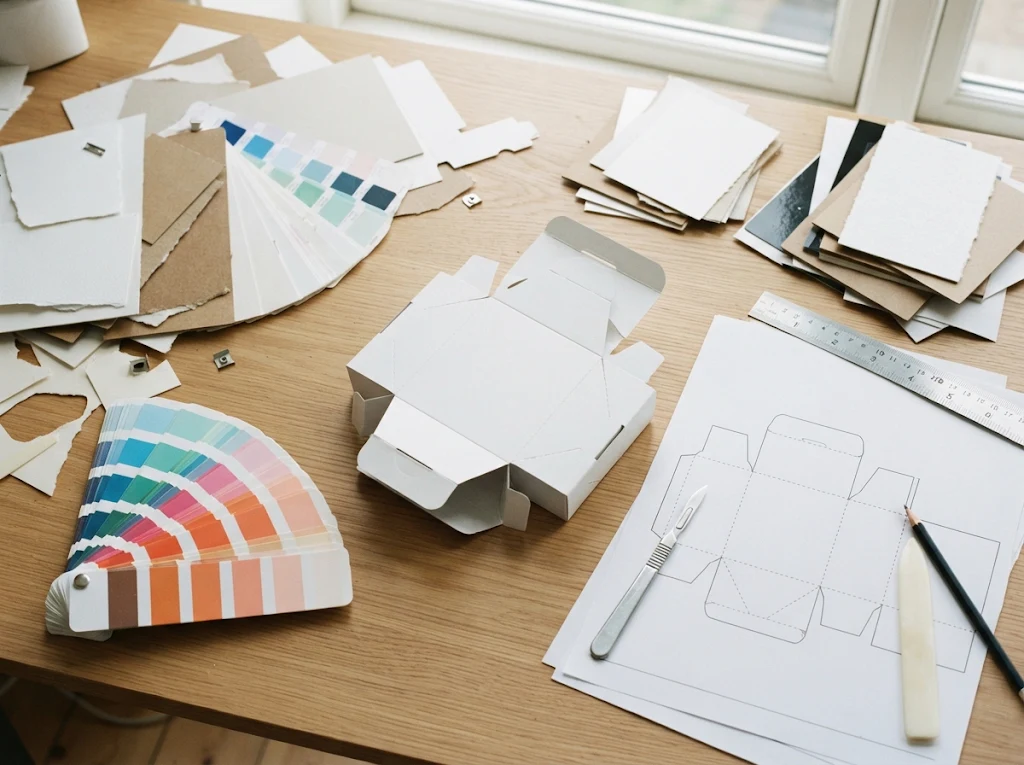
- Dieline template or requested box dimensions
- Placement guide showing logo position, size, and safe margins
- Approval of trademark use and licensing, if applicable
A logo used on packaging can also serve as evidence of trademark use in commerce. The USPTO notes that, for goods, a mark may appear on the product, its container, or associated labeling and packaging. [uspto]
3. Select material and structure
Material selection should balance appearance, protection, sustainability, and budget.
| Material | Best for | Advantages | Considerations |
| SBS / coated paperboard | Cosmetics, retail cartons, premium folding boxes | Smooth print surface, strong color reproduction | Less suitable for heavy products |
| Kraft paperboard | Eco-oriented brands, food, stationery | Natural look, recyclable options | Brown base can affect color accuracy |
| Corrugated board | Shipping, subscription, fragile goods | Strong protection, stacking strength | Larger minimum footprint; flute texture affects fine print |
| Rigid board | Luxury, jewelry, gifts, premium sets | Premium feel and durability | Higher cost and shipping weight |
| Specialty paper | High-end gift and presentation boxes | Distinctive texture and appearance | May require careful handling and finishing |
XingKun offers cardboard, corrugated board, plastic, and metal material options, with digital printing, laser cutting, die cutting, and automated production lines used in its manufacturing process. [xkdisplay]
4. Choose printing and finishing
Your logo does not need multiple effects to look premium. The right combination depends on your brand and production volume.
Common options include:
- Offset printing: Best for consistent color and detailed graphics at higher volumes.
- Digital printing: Useful for short runs, prototypes, personalized packaging, and faster turnaround.
- Foil stamping: Adds metallic shine to a logo or key design element.
- Spot UV: Creates contrast between matte and glossy areas.
- Embossing or debossing: Adds tactile depth to a logo.
- Soft-touch lamination: Creates a velvety surface, often used for premium boxes.
- Inside printing: Turns the box opening into part of the brand experience.
Practical rule: Use one hero finish—such as foil, embossing, or spot UV—rather than combining every effect. Restraint usually produces a cleaner, more premium result.
5. Request a physical sample
Never approve a complex custom box based only on a 3D rendering. A physical sample verifies color, material stiffness, print registration, closure fit, insert protection, and the actual unboxing experience.
Before approving production, test:
- Logo color under store and daylight conditions
- Box strength after packing and handling
- Insert fit and product movement
- Opening and closing experience
- Print alignment on seams and folds
- Barcode scan reliability
- Shipping performance with representative products
- Retail shelf visibility, if applicable
XingKun's production workflow includes needs analysis, design, material selection, sample production, mass production, quality inspection, and delivery. [xkdisplay]
6. Confirm specifications before mass production
A clear specification sheet prevents misunderstandings and protects both buyer and manufacturer.
Include:
- Exact box dimensions: length x width x depth
- Material type, thickness, and color
- Printing method and number of printed colors
- Finishing specification
- Logo placement and minimum clear space
- Insert type and dimensions
- Closure method
- Packing configuration
- Quantity, unit price, tooling fees, and lead time
- Quality standards and acceptable tolerance
- Shipping terms and destination
How Much Do Custom Boxes with Logo Cost?
Pricing depends on structure, material, print coverage, finishing, order quantity, inserts, and logistics. A simple one-color logo on a kraft mailer box will cost far less than a rigid magnetic box with foil stamping, foam insert, and custom tissue.
Main cost drivers include:
- Order quantity: Higher volumes usually reduce the unit price but increase upfront investment.
- Box style: Rigid boxes generally cost more than folding cartons or mailer boxes.
- Material and board thickness: Heavier board improves protection but raises material and freight cost.
- Number of colors: Full-color printing costs more than one- or two-color logo printing.
- Special finishes: Foil, embossing, soft-touch coating, and custom inserts add cost.
- Tooling: Custom die-cut shapes, embossing plates, and special structures may require tooling.
- Freight: Box dimensions and weight directly affect shipping cost, particularly for international orders.
Cost-saving approach: Start with a simple logo mailer or folding carton, validate demand, then upgrade to premium finishes or rigid structures as volume grows.
Sustainability Without Greenwashing
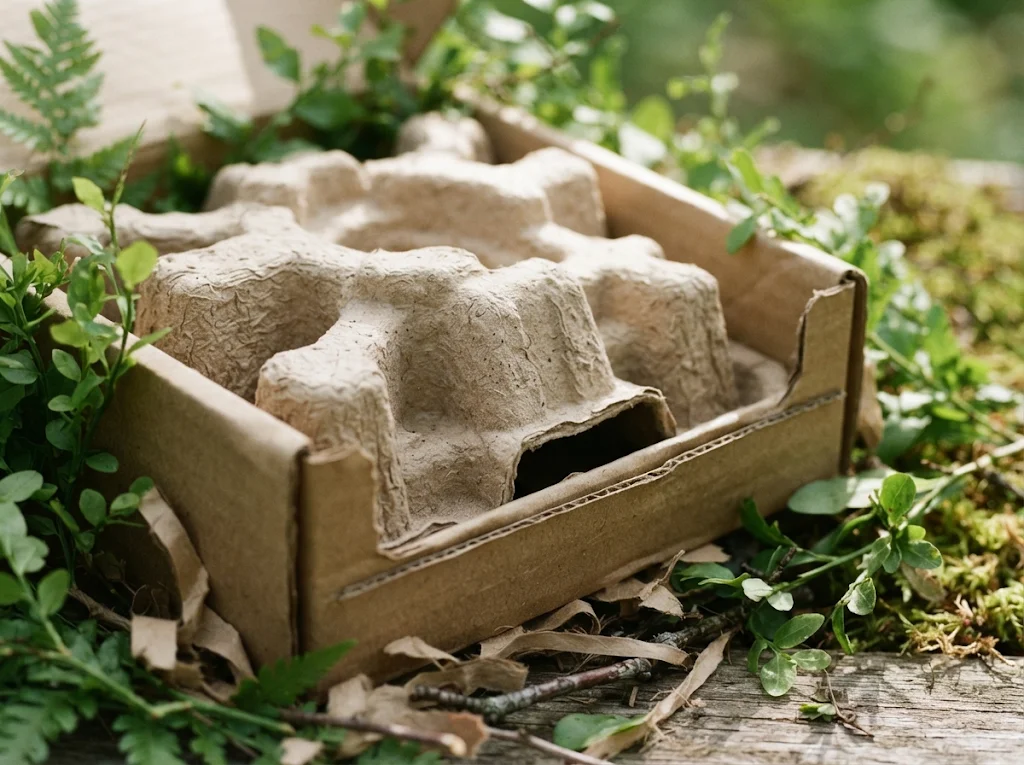
Sustainable packaging should be specific, verifiable, and practical. Avoid vague claims such as "eco-friendly" unless you can substantiate them.
For paper-based packaging, consider:
- Recyclable paperboard or corrugated materials
- Reduced ink coverage and fewer laminations where possible
- Soy-based or water-based inks, where suitable for the application
- Mono-material structures that are easier to recycle
- Right-sized boxes to reduce material use and shipping volume
- FSC-certified paper or board, where supply-chain certification is available
FSC states that its chain-of-custody certification verifies processes for producing and trading FSC-certified products, and that certified businesses may use FSC trademarks under the applicable framework. [fsc]
Important: "Recyclable" does not automatically mean a package will be recycled in every market. Local collection systems, coatings, adhesives, mixed materials, and contamination all affect real-world recyclability.
A Practical OEM/ODM Workflow
A reliable custom packaging project usually follows this sequence:
1. Brief the manufacturer: Share product details, brand assets, quantities, target market, and budget.
2. Receive structural advice: Confirm box style, board grade, dimensions, inserts, and closure.
3. Review a dieline: Check panel sizes, bleed, fold lines, glue areas, and print placement.
4. Approve artwork: Confirm colors, fonts, logos, barcodes, and required legal text.
5. Produce a sample: Evaluate physical quality and functionality.
6. Run a pilot or first production order: Validate consistency before scaling.
7. Inspect and ship: Conduct final quality checks, pack securely, and arrange logistics.
8. Collect feedback and improve: Track damage, customer feedback, returns, and repeat-purchase behavior.
This process reduces costly revisions and helps ensure that the final box protects the product while representing the brand accurately.
Common Mistakes to Avoid
- Designing before finalizing product dimensions. This often causes poor fit, excess material, or shipping inefficiency.
- Using low-resolution logo files. Pixelated artwork cannot be fixed reliably during printing.
- Ignoring color differences across materials. The same Pantone color can look different on kraft, coated paperboard, and corrugated board.
- Overloading the design. Too many fonts, colors, patterns, and effects reduce clarity.
- Choosing a box only for appearance. A beautiful box that arrives damaged damages the brand.
- Skipping a physical sample. Digital proofs cannot fully test stiffness, closures, inserts, and print registration.
- Making unsupported environmental claims. Use specific, substantiated language rather than broad "green" claims.
How to Measure Packaging Performance
Treat custom boxes as a business investment, not merely a printing expense.
Track:
- Damage or return rate: A reduction indicates improved protection or right-sizing.
- Customer feedback: Look for comments on presentation, quality, and ease of opening.
- Repeat purchase rate: Compare cohorts before and after a packaging upgrade, where data allows.
- Social sharing and user-generated content: Monitor branded unboxing posts and tagged content.
- Cost per shipped order: Include box, insert, print, labor, freight, and waste.
- Conversion or average order value: Useful when packaging supports premium positioning or gifting.
Industry research suggests that packaging can influence how consumers perceive brand quality and whether they share the unboxing experience; one cited study found that 41% of consumers felt more excited opening premium packaging, while 51% viewed the brand as more upscale. [tealpackaging]
Why Work With XingKun
Shenzhen XingKun Packing Products Co., Ltd. provides OEM and ODM packaging solutions for brands, wholesalers, and manufacturers worldwide. Beyond custom boxes, XingKun also produces playing cards, jigsaw puzzles, printed books, stickers, and related printed packaging products. [xkdisplay]
For custom boxes with a logo, XingKun can support:
- Custom structural design and dieline development
- Material recommendations for retail, e-commerce, food, cosmetics, and gift applications
- Offset, digital, and specialty printing options
- Foil stamping, embossing, spot UV, lamination, and other finishing effects
- Custom inserts, magnetic closures, tear strips, and premium box structures
- Sample approval, mass production, quality inspection, and export delivery
- Scalable production for both new brands and established global buyers
XingKun positions its service around custom design, efficient production, fast delivery, and eco-friendly material options. [xkdisplay]
Conclusion
Custom boxes with a logo are one of the most direct ways to make your product recognizable, protected, and more memorable. The best packaging balances brand design, structural protection, production efficiency, sustainability, and cost control.
Start with accurate product specifications, prepare print-ready logo artwork, choose a box structure suited to your sales channel, and always approve a physical sample before mass production. For brands seeking an experienced OEM/ODM packaging partner, XingKun can help turn a logo and product brief into a complete custom packaging solution.
Ready to create custom boxes with your logo? Share your product dimensions, target quantity, and brand artwork with XingKun to receive a tailored packaging recommendation and quotation.
FAQ
1. What is the minimum order quantity for custom boxes with a logo?
MOQ varies by box style, material, printing method, and finishing. Digital printing may support smaller runs, while offset printing, custom dies, foil stamping, and rigid structures usually become more cost-effective at higher volumes. Ask your supplier for MOQ based on your exact specifications.
2. What file format should I provide for my logo?
Provide a vector file such as AI, EPS, SVG, or print-ready PDF. Also include CMYK values, Pantone references where color accuracy matters, outlined fonts, and a placement guide. Avoid relying only on a low-resolution JPEG or PNG.
3. Can I print my logo inside the box as well as outside?
Yes. Inside printing is popular for mailer boxes, gift boxes, and premium packaging because it extends the branded experience after the customer opens the package. Confirm whether you want full inside coverage, a pattern, a thank-you message, or a logo on the inner flap.
4. Are custom boxes with a logo recyclable?
Many paperboard and corrugated boxes can be recycled, but recyclability depends on the material, coatings, inks, adhesives, inserts, and local recycling rules. For a stronger sustainability position, use mono-material paper-based packaging where possible and verify any environmental claim before printing it on the box.
5. How long does custom box production take?
Lead time depends on design complexity, sampling, material availability, order quantity, finishing, and shipping destination. A typical workflow includes needs analysis, design, material selection, sampling, mass production, quality inspection, and delivery; complex custom structures require more time than standard stock-style boxes. [xkdisplay]
6. Should I choose foil stamping or full-color printing for my logo?
Choose foil stamping when you want a metallic, premium accent and your logo works well as a simple mark. Choose full-color printing when your logo includes gradients, photography, detailed illustrations, or multiple brand colors. Many brands combine a full-color base print with a small foil logo for emphasis.
References
- [XingKun — Packaging Boxes Manufacturer] — Company service overview, box categories, materials, production workflow, and OEM/ODM capabilities. [xkdisplay]
- [Grand View Research — Custom Packaging Market Size & Share Report] — Market size and growth estimate for custom packaging. [grandviewresearch]
- [GlobeNewswire — Customized Packaging Market Growth, Trends, Key Segments, and Regional Dynamics] — Market context on branded unboxing, protection, and omnichannel packaging. [globenewswire]
- [Teal Packaging — 2026 Custom Packaging & Ecommerce Packaging Statistics] — Statistics on unboxing behavior and consumer response to premium packaging. [tealpackaging]
- [USPTO — Specimens: Refusal and How to Overcome Refusal] — Guidance on using packaging as evidence of trademark use. [uspto]
- [USPTO — Basic Facts About Trademarks] — Trademark use on goods, containers, labels, and packaging. [uspto]
- [Forest Stewardship Council — Paper & Packaging] — FSC certification, chain of custody, and responsible paper packaging sourcing. [fsc]
- [Forest Stewardship Council — Paper, Print & Packaging] — Supply-chain transparency and responsible sourcing for paper packaging. [us.fsc]


