Content Menu
● Why Custom Card Boxes Matter in Modern Packaging
● What Is a Custom Card Box?
● Benefits of a Custom Card Box
● Common Types of Card Boxes
● Materials That Work Best
● Printing and Finishing Options
● Design Rules That Improve Sales
● What Buyers Ask Before Ordering
● How to Choose the Right Supplier
● Industry Insight: What Has Changed Recently
● Production Workflow for Custom Card Boxes
● Why XingKun Is a Strong Manufacturing Partner
● CTA: Start Your Custom Project
● Conclusion
● FAQ
>> 1. What is the best material for a custom card box?
>> 2. Can I customize the size of the card box?
>> 3. Which finishing options make the box look more premium?
>> 4. Is a tuck box a good choice for playing cards?
>> 5. Why should overseas buyers work with a Chinese packaging factory?
>> 6. How can custom card boxes help SEO and sales?
● References
A custom card box is more than a container. For brands, it is a practical packaging solution, a marketing asset, and a direct extension of product quality. When designed well, it protects cards, improves shelf appeal, and creates a stronger customer experience from the first touch. [venntov]
Why Custom Card Boxes Matter in Modern Packaging
In today's packaging market, customers judge products quickly. The box is often the first physical interaction a buyer has with your brand, which makes custom packaging a critical part of product presentation. A custom card box can help businesses communicate quality, category, and brand identity before the customer even opens it. [foremostmedia]
For card-based products, the packaging must do three jobs at once: protect the cards, organize them neatly, and present them in a way that feels premium. That is why card boxes are used for playing cards, business cards, collectible cards, flashcards, gift card sets, educational cards, and retail display packaging. XingKun's product page emphasizes protection, organization, and visual appeal as the core value of its card box solutions. [qrolic]
What Is a Custom Card Box?
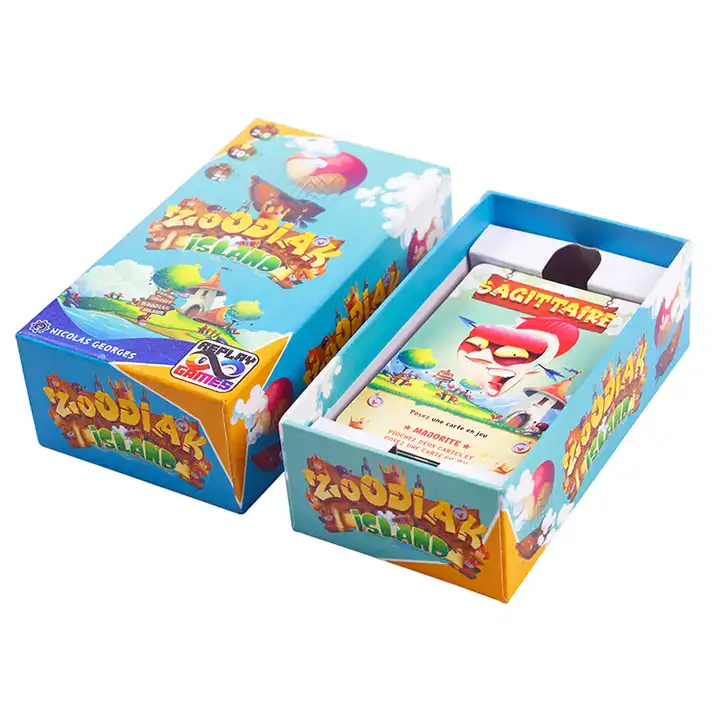
A custom card box is a packaging box designed specifically for cards, built around the dimensions, branding, usage, and shipping needs of the product inside. It may be a tuck box, rigid box, folding carton, sleeve box, or a box with custom inserts depending on the application. [qrolic]
For example, a playing card deck usually needs a compact tuck-style box, while a premium collectible card set may require a stronger rigid box with inserts. A business card box may focus on simple elegance and easy access, while retail packaging for card accessories may require hanger cards or display-friendly structures. XingKun's packaging range and materials list show that multiple box styles, finishes, and insert options are available for different use cases. [venntov]
The key idea is that a custom card box is not one-size-fits-all. It should be designed around product size, target market, branding style, and distribution channel. That is where OEM and ODM packaging expertise becomes valuable. [qrolic]
Benefits of a Custom Card Box
A professionally designed custom card box creates measurable business value. It protects the product, improves branding, and can even reduce returns caused by damaged packaging. It also supports e-commerce, retail, gift, and collector markets where presentation is part of perceived value. [freightamigo]
Here are the main benefits:
Better product protection. A well-constructed box helps prevent dust, bending, corner damage, and surface wear. XingKun highlights durable materials and secure closure as key protective functions. [qrolic]
Stronger brand identity. Custom printing lets you use logos, color systems, artwork, and product messaging in a consistent way. That consistency improves recognition on shelves and in unboxing experiences. [foremostmedia]
Higher perceived value. Premium finishes such as soft-touch coating, foil stamping, embossing, or UV effects can make a simple card set feel more premium. XingKun lists these finishing options in its packaging capabilities. [qrolic]
More sales potential. Better packaging often supports higher conversion rates because it looks more trustworthy and more giftable. E-commerce and retail shoppers both respond to packaging that feels intentional and polished. [getpassionfruit])
More flexibility for product lines. Custom packaging allows short runs, seasonal editions, and multiple versions of the same deck or card set without changing the product itself. [yotpo]
Common Types of Card Boxes
Different products need different box styles. Choosing the right format early makes the rest of the project easier, because the structure affects printing, inserts, assembly, shipping, and cost. [qrolic]
| Box Type | Best For | Key Advantage |
| Tuck box | Playing cards, trading cards | Compact, cost-effective, familiar retail look |
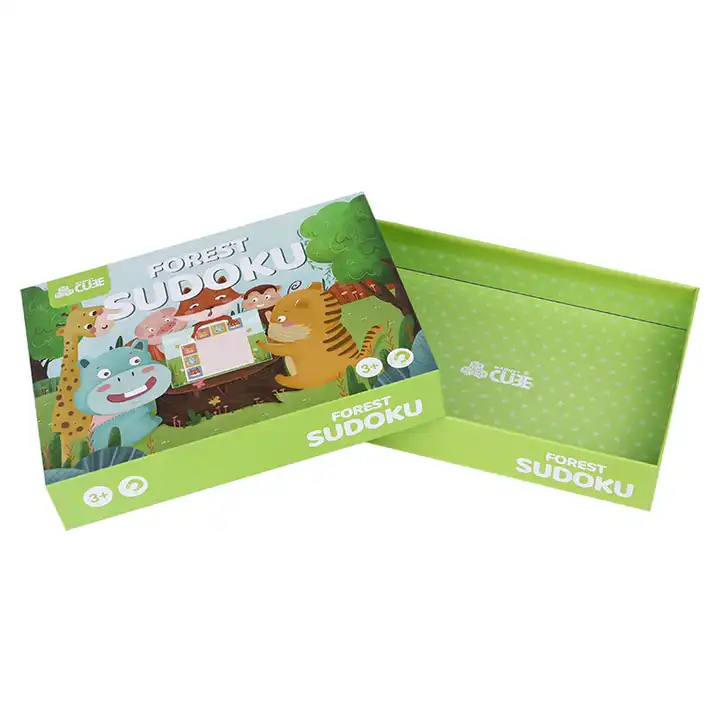
| Rigid box | Premium card sets, collector items | Strong structure and luxury feel |
| Folding carton | Retail card products, promotional kits | Efficient for high-volume production |
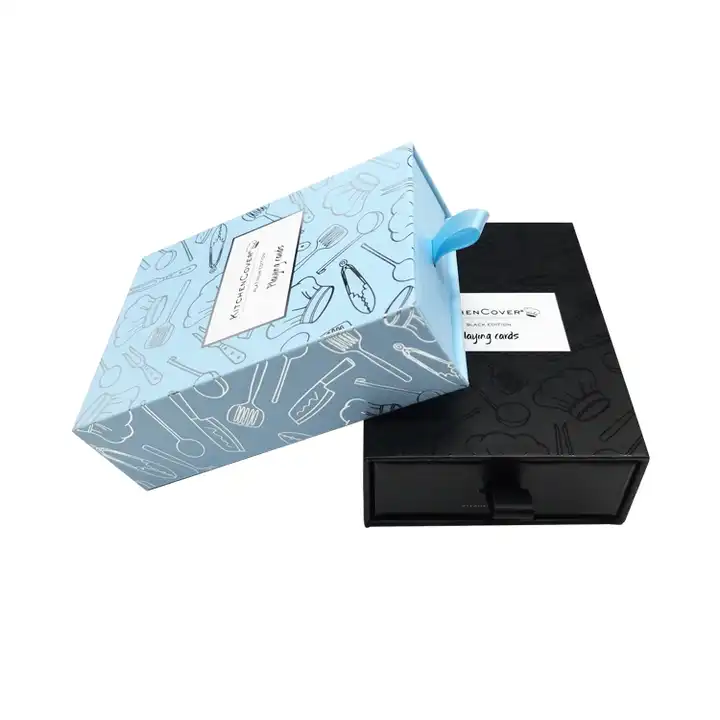
| Sleeve box | Gift sets, specialty editions | Elegant unboxing and layered presentation |
| Window box | Display-focused retail packaging | Lets customers see part of the product |
| Box with inserts | Card decks with accessories | Keeps items fixed and organized |
XingKun's material and add-on list shows that divider inserts, blister inserts, and paperboard inserts are available, which is useful for cards that need extra stability or a more polished presentation. [qrolic]
Materials That Work Best
Material selection affects durability, print quality, environmental positioning, and cost. A custom card box for retail use should balance appearance with structural performance. XingKun lists a broad range of paperboard and specialty materials, including SBS, kraft, CCNB, textured paper, metallic paper, holographic options, and recycled alternatives. [qrolic]
Common material choices include:
SBS / white board. Good for clean printing, crisp branding, and premium retail presentation.
Kraft paper. Suitable for natural, eco-friendly, or handcrafted brand positioning.
CCNB / recycled board. Useful when you want a balance of printability and sustainability.
Specialty paper. Ideal for premium collections, luxury editions, or gift packaging.
Laminated paperboard. Helps improve surface protection and scuff resistance.
The best material depends on the product's weight, storage needs, and brand promise. A luxury game publisher may want a different finish than a mass-market flashcard brand. [qrolic]
Printing and Finishing Options
Printing quality is one of the biggest differentiators in packaging. A custom card box should not only look sharp, but also reproduce brand colors consistently across large orders. XingKun supports offset printing, digital printing, UV printing, and Scodix digital enhancement, which makes it possible to serve both short-run and large-scale projects. [qrolic]
Popular finishing options include:
Aqueous coating for basic protection and a clean surface.
UV coating for gloss and visual impact.
Spot gloss UV to emphasize logos or design details.
Soft-touch coating for a premium tactile feel.
Lamination for added durability and scuff resistance.
Foil stamping for metallic accents and luxury branding.
Embossing or debossing to create texture and depth.
These finishes are especially useful when the packaging itself is part of the product experience. In markets like collectibles, gifts, and premium stationery, the tactile feel of the box can influence how customers evaluate the whole brand. [venntov]
Design Rules That Improve Sales
A good custom card box is not just visually attractive. It is designed to support both usability and purchasing behavior. That means the layout, typography, size, and front-panel messaging should all work together. [freightamigo]
Use these design rules:
1. Lead with one clear message. The front panel should quickly tell buyers what is inside and why it matters.
2. Keep typography readable. Small retail packaging often fails when text is too decorative or too dense.
3. Use brand color consistently. Color consistency builds recall and helps the box stand out in a crowded category.
4. Design for shelf and screen. The box should look good both in stores and in product photos.
5. Balance beauty and function. Strong design should not interfere with opening, stacking, or storage.
If your packaging needs to sell in both retail and online environments, the design has to work hard in photos, thumbnails, and unboxing videos. That is increasingly important for card products shared through social media and marketplace listings. [ivapoker]
What Buyers Ask Before Ordering
Packaging buyers usually want answers to the same core questions before they place an order. Addressing these in your content improves UX, reduces friction, and supports SEO because it helps answer high-intent search queries. [yotpo]
The most common questions are:
What is the minimum order quantity?
Can I get a sample before mass production?
Which box style is best for my card product?
Can I customize the size, insert, and print finish?
How long does production take?
Do you offer OEM and ODM services?
For a manufacturer like XingKun, these are not just sales questions. They are trust questions. A detailed product page should make it easy for a buyer to understand production capacity, material choices, and customization options without needing multiple follow-up emails. [venntov]
How to Choose the Right Supplier
Selecting the right supplier is often more important than selecting the box style itself. A strong supplier should be able to advise on structure, materials, print methods, and shipping requirements while also maintaining quality control. XingKun positions itself as a custom packaging and printing manufacturer with more than 20 years of production experience, which is an important trust signal for B2B buyers. [venntov]
When comparing suppliers, evaluate these factors:
| Evaluation Factor | What to Look For |
| Manufacturing experience | Proven track record in packaging production |
| Customization ability | Size, structure, materials, printing, and finishing |
| Sampling support | Ability to produce proofs or prototypes |
| Communication speed | Clear quoting and responsive project management |
| Quality control | Consistency across batches |
| Export readiness | Experience with overseas shipping and B2B documentation |
For overseas buyers, communication and reliability matter as much as price. A slightly higher unit cost may still be the better business decision if the supplier can deliver stable quality, reliable lead times, and fewer production errors. [foremostmedia]
Industry Insight: What Has Changed Recently
The packaging industry is changing in three important ways. First, buyers expect more personalization, even for relatively simple packaging formats. Second, brands are using packaging more strategically for content marketing and unboxing experiences. Third, sustainable material choices are becoming more important in B2B procurement. [getpassionfruit])
This means a custom card box should now be planned as part of a broader brand system, not as an afterthought. If the box supports storytelling, protects the product, and looks strong on camera, it can influence both conversion and repeat purchase behavior. [getpassionfruit])
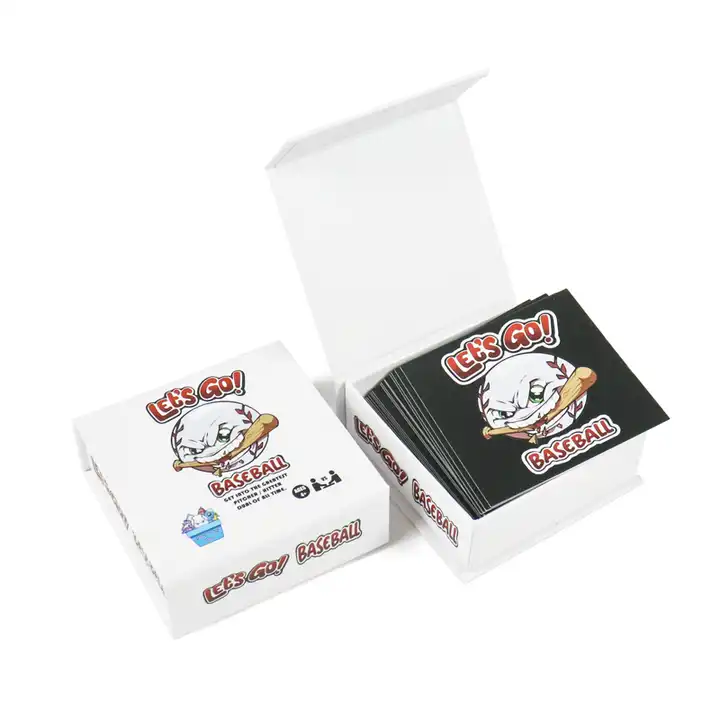
A practical example: a trading card brand may launch a limited-edition set with a soft-touch tuck box, foil logo, and custom insert. That packaging can make the product feel collectible, increase gift appeal, and strengthen the brand's resale value in the eyes of enthusiasts. This is where packaging becomes part of the product, not just its outer shell. [ranktracker]
Production Workflow for Custom Card Boxes
A clear production workflow improves quality and reduces miscommunication. For B2B buyers, understanding the process also makes sourcing easier and helps set realistic timelines. XingKun's service model suggests an end-to-end packaging workflow that includes custom design, printing, and production support. [venntov]
A standard workflow looks like this:
1. Project brief. Share card size, quantity, target market, and branding requirements.
2. Structural planning. Choose box style, thickness, and insert needs.
3. Artwork preparation. Adjust dielines and print-ready files.
4. Sampling. Review a proof or sample before mass production.
5. Production. Print, finish, cut, fold, and assemble.
6. Quality check. Confirm print accuracy, dimensions, and surface quality.
7. Packing and shipping. Prepare cartons for export or distribution.
This workflow is especially useful for overseas brands that need consistent communication across design, production, and logistics teams. It also reduces the risk of costly revision cycles. [venntov]
Why XingKun Is a Strong Manufacturing Partner
For brands seeking custom packaging from China, XingKun offers a strong combination of product variety, printing capabilities, and packaging expertise. Its site highlights custom printing and packaging solutions across boxes, playing cards, printed books, stickers, and puzzles, which suggests broader production experience useful for multi-category brands. [cn.linkedin]
XingKun's card box page also lists a wide range of materials, printing methods, finishes, and insert options, which is especially useful for brands that want to test different market positions. That flexibility supports both cost-sensitive and premium packaging strategies. [qrolic]
For international buyers, the main value is clear: one supplier can support both standard packaging and more advanced brand presentations. That can simplify procurement, improve consistency, and make scaling easier over time. [cn.linkedin]
CTA: Start Your Custom Project
If you are building a new card product or upgrading an existing one, the best next step is to define your box style, material, finish, and order volume. Then request a custom quote and sample plan so you can compare structure and printing quality before mass production. XingKun's packaging page is a direct starting point for custom card box development and OEM/ODM inquiries. [venntov]
Conclusion
A custom card box is one of the most efficient ways to increase perceived value, protect your product, and strengthen brand recognition. When the structure, materials, printing, and finish are aligned with your target market, the box becomes part of the customer experience rather than just packaging. [foremostmedia]
For brands selling playing cards, business cards, gift sets, or collectible card products, the right box can improve retail performance and support premium positioning. For manufacturers and wholesalers, it also creates a scalable packaging system that can adapt to different product lines and seasonal campaigns. [ranktracker]
FAQ
1. What is the best material for a custom card box?
The best material depends on the product and brand position, but SBS, kraft, CCNB, and specialty paper are common choices for card packaging. XingKun lists multiple paperboard and specialty options, including recycled and premium materials. [qrolic]
2. Can I customize the size of the card box?
Yes. A custom card box is usually built around the exact dimensions of the card deck or card set. That helps improve fit, protection, and shelf presentation. [qrolic]
3. Which finishing options make the box look more premium?
Soft-touch coating, foil stamping, embossing, UV coating, and spot gloss are among the most effective premium finishes. XingKun offers several of these options on its packaging page. [qrolic]
4. Is a tuck box a good choice for playing cards?
Yes. A tuck box is one of the most common formats for playing cards because it is compact, practical, and cost-effective. It works well for both retail and wholesale applications. [qrolic]
5. Why should overseas buyers work with a Chinese packaging factory?
A Chinese packaging factory can offer strong customization, competitive pricing, and production scalability, especially for OEM and ODM orders. XingKun also emphasizes long production experience and broad packaging capabilities. [cn.linkedin]
6. How can custom card boxes help SEO and sales?
They help because packaging affects product perception, click-through appeal, and unboxing value. Search-friendly product pages that clearly explain the box type, use case, and customization options also capture more long-tail traffic. [yotpo]
References
1. XingKun Card Box Product Page [qrolic]
2. XingKun Company/Product Category Page [venntov]
3. XingKun LinkedIn Profile [cn.linkedin]
4. E-E-A-T guidance for product content [venntov]
5. Ecommerce product description best practices [freightamigo]
6. Ecommerce EEAT guidance [getpassionfruit])
7. Long-tail keyword strategy [yotpo]
8. Manufacturing SEO and E-E-A-T [foremostmedia]
9. Subscription box SEO and on-page optimization ideas [qrolic]
10. Collectible card SEO insights [ranktracker]
11. Custom playing cards marketing insight [ivapoker]


