Content Menu
● What Are Custom POP Display Stands?
● POP vs. POS: Why the Difference Matters for Sales
● Why Custom Display Stands Outperform Stock Fixtures
● How Custom POP Displays Influence Shopper Behavior
● Inside the Custom Display Development Process
>> 1. Design Strategy
>> 2. Structural and Graphic Design
>> 3. Prototyping and Testing
>> 4. Printing and Finishing
>> 5. Manufacturing, Packing and Distribution
● Expert Design Principles for High‑Converting Display Stands
>> Visual and Structural Best Practices
>> Merchandising and Maintenance Guidelines
● Case‑Style Illustration: From Generic Shelf Space to Custom Stand
● Why Manufacturer Expertise Matters: The XingKun Advantage
● Practical Steps to Launch Your Next Custom Display Project
● When to Choose Different Types of Display Stands
● Action‑Oriented Conclusion: Turn Shelf Space into a Selling System
● FAQs
>> References
As someone who has spent years helping retail and B2B brands improve sell‑through with better in‑store presentation, I've seen well‑designed custom POP display stands turn "invisible" products into top performers almost overnight. When you combine strategic display design with a reliable manufacturing partner like Shenzhen XingKun Packing Products Co., Ltd., those results become repeatable instead of accidental. [popdisplay]
What Are Custom POP Display Stands?
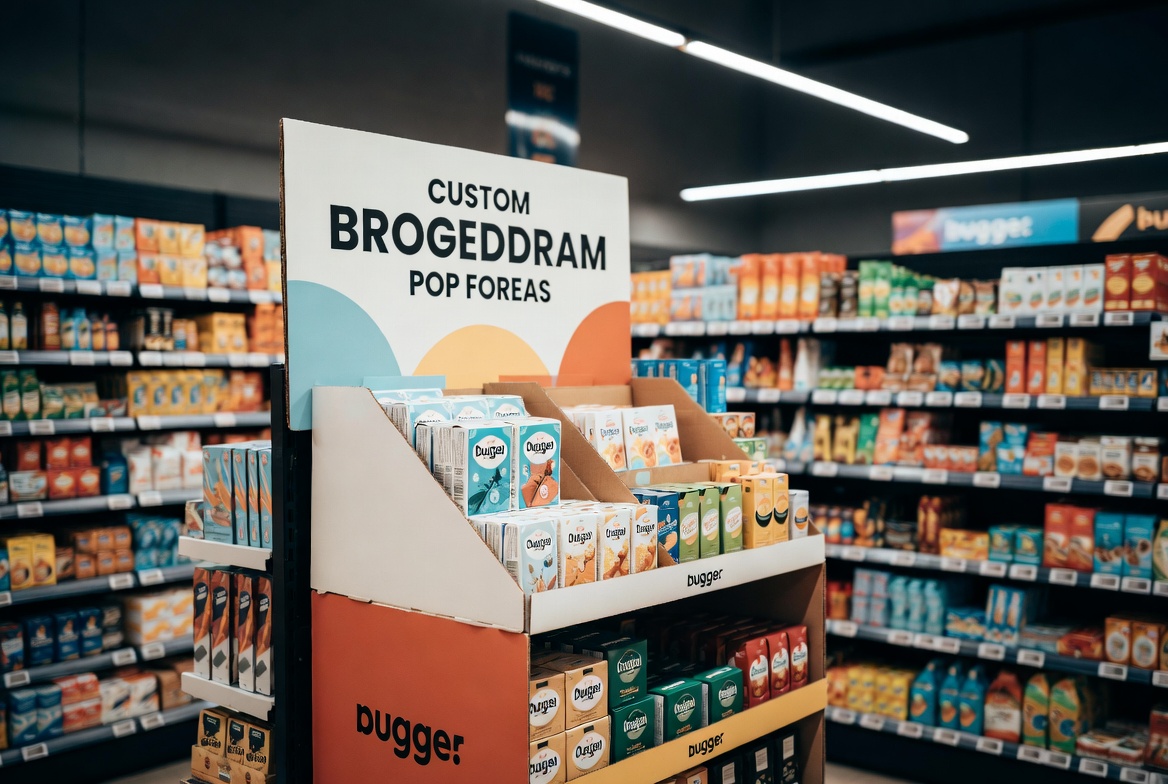
Custom point‑of‑purchase (POP) displays are stand‑alone merchandising units placed in high‑traffic retail zones to showcase specific products or campaigns. Unlike standard shelf space, these displays are designed around your brand, your product dimensions and your marketing goals, not around the limitations of existing fixtures. [popdisplay]
Instead of simply "holding" products, a custom display stand becomes a mini in‑store billboard, combining structure, graphics and messaging to guide shoppers' attention and decisions at the exact moment they are ready to buy. [theglobaldisplaysolution]
POP vs. POS: Why the Difference Matters for Sales
One of the most common misunderstandings I see from brand teams is confusing POP (point of purchase) with POS (point of sale). The distinction is not just academic; it affects where your display stands live and how they perform. [popdisplay]
- POP (Point of Purchase):
Most of the selling floor, including aisle ends, power aisles and category adjacencies where shoppers browse and compare. [popdisplay]
- POS (Point of Sale):
The checkout area, where space is extremely limited and best used for small impulse items like candy, drinks and travel‑size products. [popdisplay]
A custom POP display stand lets you step away from the crowded shelf and meet shoppers earlier in the journey, when they are still exploring and open to switching brands. In contrast, POS racks focus on last‑second add‑ons, which usually means low price points and limited storytelling space. [dimensionaldesign]
For most brands seeking sustained sales lifts, I advise treating POP displays as your primary in‑store marketing asset and using POS displays as tactical support rather than the core strategy. [frankmayer]
Why Custom Display Stands Outperform Stock Fixtures
Stock displays are quick to order but rarely aligned with your brand, product weight, or category positioning. In practice, that means your products risk blending into the background, especially in competitive categories where every brand uses similar off‑the‑shelf stands. [advertisingindustries.com]
Custom POP display stands, by contrast, give you control over:
- Structure and durability – from lightweight fold‑flat cardboard stands for seasonal campaigns to reinforced display stands for heavy or high‑value items. [popdisplay]
- Graphics and messaging – color, logo placement, brand storytelling and benefit‑led copy tailored to each product line. [popdisplay]
- Shopper experience – height, angle, product reachability and signage that match the way your ideal customer actually shops. [gopazo]
For example, heavy electronics or beverage multipacks often require robust cardboard or mixed‑material displays with engineered load‑bearing capacity, something a generic stand cannot guarantee. Likewise, premium cosmetics or collectibles benefit from acrylic or high‑gloss display stands that support a luxury positioning. [theglobaldisplaysolution]
How Custom POP Displays Influence Shopper Behavior
From a behavioral perspective, custom display stands work because they intervene at several critical decision points in the shopper journey. [dimensionaldesign]
1. Breaking visual habits
Shoppers follow established "autopilot" paths in stores, often ignoring standard shelves unless they are planning a specific purchase. A well‑placed custom display disrupts that routine, creating a visual interruption that signals "something new or important is here." [frankmayer]
2. Creating focused attention
By isolating a small number of SKUs on a dedicated stand, you remove visual noise and help shoppers process benefits quickly. Clean graphics, concise claims and a limited SKU count reduce cognitive load and boost conversion. [gopazo]
3. Triggering impulse and trade‑up
Research in in‑store marketing has consistently shown that custom displays can drive double‑digit sales lifts, with some reports citing around 30%+ increases in promoted items when displays are well‑executed. This is especially true for: [frankmayer]
- New product launches
- Limited‑time flavors, colors or bundles
- Value packs or premium "trade‑up" options
4. Reinforcing brand consistency
When your custom displays mirror your e‑commerce visuals, social media and packaging, you get a compounding effect: customers recognize your brand faster and feel more confident choosing you. Consistent brand presentation across channels has been associated with meaningful revenue uplifts. [coregroupdisplays]
Inside the Custom Display Development Process
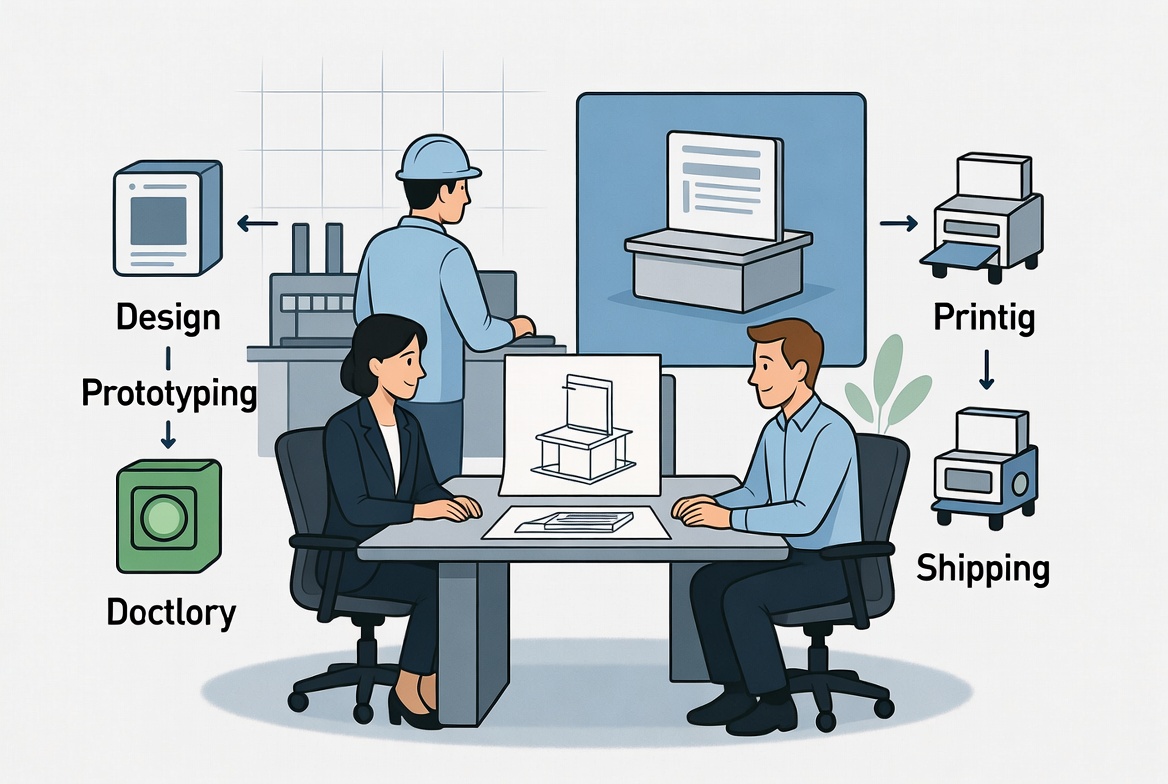
In my experience, brands that treat display development like product development get better, more consistent results. A robust process often looks like this, closely mirroring the workflow used by professional manufacturers. [popdisplay]
1. Design Strategy
Before sketching shapes, you define goals, constraints and store realities. Typical questions include:
- What sales lift or sell‑through speed are we targeting?
- Which retailers and store formats will use this stand?
- What footprint, height and safety constraints apply in those chains?
At this stage, experienced designers translate briefs into structural concepts and graphic directions, ensuring that the proposed stand both reflects the brand and complies with retail standards. [gopazo]
2. Structural and Graphic Design
Designers then create 3D structures and print‑ready artwork that balance aesthetics with practicality. Key decisions include: [popdisplay]
- Material choice (e.g., cardboard, acrylic, mixed media)
- Number of shelves, hooks or compartments
- Knock‑down vs. pre‑assembled formats for shipping and store setup
- Visibility of logos and key claims from different shopper angles
For manufacturers like XingKun, this is where their experience in display stands, packaging boxes, cards and labels helps integrate all printed components into a cohesive system.
3. Prototyping and Testing
Before mass production, a physical prototype is produced so that stakeholders can review proportions, color, stability and ease of assembly. This stage is critical for identifying: [popdisplay]
- Weak points under load
- Awkward angles that hide products
- Assembly steps that are too complex for store staff
Fast prototyping cycles of 3–5 days allow brands to iterate quickly without losing seasonal windows or promotional slots.
4. Printing and Finishing
Using advanced offset or digital printing equipment, the manufacturer applies full‑color graphics, brand elements and protective finishes. High‑end presses, like those used in modern facilities, ensure sharp details and consistent color reproduction across large runs. [popdisplay]
Finishing options—such as matte, gloss, spot UV, embossing or foil—can reinforce perceived value, especially for premium or giftable products.
5. Manufacturing, Packing and Distribution
Once printing is approved, the structure is die‑cut, folded, glued and packed according to retailer requirements. For global brands, reliable lead times, such as 7–15 days for mass production, are essential to align with campaign calendars. [popdisplay]
A mature manufacturing partner will also optimize:
- Flat‑pack dimensions to reduce freight cost
- Clear instructions or pre‑numbered parts to simplify store assembly
- Palletization schemes that protect displays in transit
Expert Design Principles for High‑Converting Display Stands
Over the years, certain design principles consistently separate average displays from those that deliver strong ROI. [igegroup]
Visual and Structural Best Practices
- Prioritize the hero product. Design the structure so one product or range is clearly the focus, not buried among too many SKUs. [coregroupdisplays]
- Use color deliberately. Align colors with your brand and category cues, and ensure strong contrast between background and product for readability. [igegroup]
- Maintain clear hierarchy. Headline, key benefit, price (if used) and call‑to‑action should be immediately legible from a distance. [gopazo]
- Keep it simple. Cluttered displays feel cheap and confuse shoppers; a clean, organized layout almost always outperforms overload. [igegroup]
- Respect ergonomics. Place bestsellers and high‑margin items near eye level and within easy reach. [coregroupdisplays]
Merchandising and Maintenance Guidelines
- Rotate themes seasonally or by campaign to keep displays fresh and relevant. [coregroupdisplays]
- Standardize planograms and setup instructions across stores to maintain visual consistency. [gopazo]
- Keep displays fully stocked—an empty or messy stand damages brand perception and reduces impulse buys. [theglobaldisplaysolution]
- Define clear end‑of‑life rules for displays to avoid diluting impact with worn or outdated fixtures. [gopazo]
Case‑Style Illustration: From Generic Shelf Space to Custom Stand
Imagine a mid‑priced home‑fragrance brand launching a new line of scented candles. On a standard shelf, they sit among dozens of competitors, all in similar jars and price ranges. Sales during the first month are slow, with shoppers either gravitating to low‑priced options or established premium brands.
The brand decides to invest in a custom cardboard display stand featuring:
- A tall, narrow structure with seasonal imagery and a large brand logo at the top
- Three shelves, each dedicated to a different scent family
- Simple messaging: "Try Our New Long‑Lasting Scents" and "Mix Any 3 for a Special Price"
Placed in a high‑traffic aisle end, the stand immediately differentiates the brand, visually groups flavors and offers a clear value proposition. In similar scenarios, brands often see substantial uplifts in unit sales during the promotion period, especially when the display is supported by social or email campaigns directing shoppers to look for it in‑store. [dimensionaldesign]
Why Manufacturer Expertise Matters: The XingKun Advantage
Even the best design fails if the manufacturer cannot execute reliably at scale. This is where a seasoned partner like Shenzhen XingKun Packing Products Co., Ltd. adds real value.
With over 20 years of experience in custom printing and packaging, including display stands, packaging boxes, cards, books, paper bags, stickers and labels, XingKun is structured to support both global brands and fast‑growing distributors. Their vertically integrated capabilities mean you can coordinate display stands and packaging in one project, ensuring visual consistency across all touchpoints.
Key strengths relevant to custom POP displays include:
- Full OEM/ODM support – from structural design to artwork adaptation and pre‑press optimization.
- Advanced Heidelberg printing equipment – delivering high‑quality, color‑accurate graphics suitable for demanding retail environments.
- Fast lead times – 3–5 days for prototypes and around 7–15 days for mass production, ideal for seasonal campaigns and urgent launches.
- Global export experience – serving brands in 30+ countries and regions, with processes tuned to international quality and compliance expectations.
For brands that lack in‑house packaging engineers, this combination of design support, speed and manufacturing control significantly reduces risk while improving the final in‑store execution.
Practical Steps to Launch Your Next Custom Display Project
If you are planning your next in‑store promotion, here is a practical, step‑by‑step approach that aligns marketing objectives with manufacturing realities.
1. Clarify campaign goals.
Define the target uplift (e.g., +20% sales during promotion), store coverage, duration and hero SKUs.
2. Gather inputs for design.
Compile product dimensions, weights, target retailers, branding guidelines and any retailer‑specific constraints.
3. Consult with a display manufacturer.
Share your brief with a partner like XingKun that can translate your marketing objectives into structural and print requirements.
4. Review 3D concepts and structural drawings.
Ask for multiple options that balance cost, ease of assembly and visual impact.
5. Approve artwork and prototype.
Test a real sample in a mock store environment or with a key retail partner to validate stability, visibility and ease of use. [popdisplay]
6. Plan production and logistics.
Confirm lead times, packing configuration and delivery schedule to ensure displays arrive before the campaign start date.
7. Train store teams and monitor execution.
Provide simple setup guides and photos, then track compliance and sales performance by store to optimize future waves. [gopazo]
When to Choose Different Types of Display Stands
Different campaigns and categories demand different display stand types, from simple countertop units to large floor stands. [theglobaldisplaysolution]
| Display type |
Best for |
Key advantages |
| Countertop display stands |
Small, impulse products near POS |
Uses minimal space and boosts add‑on purchases |
| Cardboard floor displays |
Promotions, seasonal launches |
Cost‑effective, lightweight, easy to ship |
| Acrylic display stands |
Premium or collectible items |
High transparency and durable, upscale look |
| Sticker or card stands |
Stickers, cards, small flat items |
Maximizes facing and browsing experience |
| Mixed‑material displays |
Long‑term branded fixtures |
High durability and strong brand presence |
By matching display type to campaign objective and product category, you avoid over‑investing in heavy structures for short campaigns or under‑investing where long‑term presence is needed. [theglobaldisplaysolution]
Action‑Oriented Conclusion: Turn Shelf Space into a Selling System
Custom POP display stands are no longer optional "nice‑to‑have" fixtures; they are core sales tools that connect your brand strategy with real shopper behavior in‑store. When designed around clear goals and executed by an experienced manufacturer, they can consistently deliver higher visibility, stronger brand perception and measurable sales lifts. [frankmayer]
If you want to transform your next promotion from a simple shelf feature into a high‑performing in‑store campaign, now is the right time to start planning your custom display stands. Share your product details, brand assets and timelines with a specialist like Shenzhen XingKun Packing Products Co., Ltd., and turn your ideas into durable, on‑brand displays that stand out in every aisle.
FAQs
1. What is the main difference between stock and custom POP display stands?
Stock stands are generic fixtures designed to fit many products, while custom POP display stands are engineered around your specific products, branding and retailer requirements. Custom stands typically offer better visibility, a more cohesive brand story and stronger sales performance than off‑the‑shelf solutions. [advertisingindustries.com]
2. How much can custom displays really increase sales?
Actual results vary by category and execution, but industry reports and case studies often show double‑digit sales lifts for products supported by well‑designed custom displays, with some mass‑market campaigns reporting increases around 30% for promoted items. The biggest gains usually come from impulse categories, new launches and clear trade‑up offers. [dimensionaldesign]
3. What information do I need before starting a custom display project?
At minimum, you should prepare product dimensions and weights, target store types, campaign timing, brand guidelines and any known retailer restrictions. Providing sales targets and budget ranges also helps manufacturers like XingKun propose structures that balance impact and cost. [gopazo]
4. Why does manufacturer experience matter for display stands?
Experienced manufacturers bring tested structural designs, advanced printing technology and proven workflows, which reduce risk and speed up delivery. They understand load‑bearing, folding, shipping and in‑store setup constraints, ensuring your display looks as good in stores as it did in the design phase. [gopazo]
5. Are cardboard display stands durable enough for heavy products?
Yes—when properly engineered, cardboard display stands can safely support heavy items through reinforced structures, multiple support points and the right material grade. For very heavy or long‑term installations, manufacturers may recommend hybrid solutions or alternative materials such as acrylic or metal components. [coregroupdisplays]
References
1. Creative Displays Now – "Chapter 1: What Are Custom POP Displays?" (How Custom Displays Increase Sales Guide, Stock vs. Custom POP Displays, process overview) – [https://www.creativedisplaysnow.com/guides/how-custom-displays-increase-sales/chapter-1/]
2. Shenzhen XingKun Packing Products Co., Ltd. – Company site and product overview, "Custom High‑End Printed Matters" (display stands, packaging boxes, playing cards, OEM/ODM, equipment and lead times) – [https://www.xkdisplay.com]
3. Frank Mayer – "Adding Custom Retail Displays to In‑Store Marketing Plans" (sales impact, brand consistency) – [https://coregroupdisplays.com/how-do-retail-stores-display-their-merchandise/]
4. POPDisplay – "Do Custom Displays Increase Sales?" (shopper routine disruption, impulse buys, visibility) – [https://popdisplay.me/do-custom-displays-increase-sales/]
5. IGE Group – "Retail Display Tips and Benefits" (storytelling, color and lighting, simplicity) – [https://www.igegroup.com/blog/retail-display-tips-and-benefits/]
6. The Global Display Solution – "Benefits of Using Custom Display Stands in Retail" (customer experience, store navigation and satisfaction) – [https://www.theglobaldisplaysolution.com/news-and-photos/benefits-of-using-custom-display-stands-in-retail/]
7. GoPazo – "Retail Display Standards: A Complete Guide to Effective Store Display Standards" (visual standards, planograms, placement, maintenance) – [https://www.gopazo.com/blog/retail-display-standards]
8. Advertising Industries – "Advantages to Use Custom Display Stands in Retail" (visibility, ideal consumer targeting) – [https://www.advertisingindustries.com.au/blog/5-marketing-advantages-to-use-custom-display-stands-in-retail/]
9. Dimensional Design – "How Can Custom Displays Benefit Your Retail Strategy" (impulse buys, overall sales benefits) – [https://dimensionaldesign.net/blog/how-can-custom-displays-benefit-your-retail-strategy]


