Content Menu
● What Is a POP Display and Why It Still Matters
● Core POP Display Types and Use Cases
>> Floor Displays
>> Countertop Displays
>> Pallet and Island Displays
● From Shelf Talker to Storyteller: Key Benefits of Modern POP Displays
● How to Plan a POP Display Project (Beginner-Friendly Workflow)
>> Step 1: Clarify Objectives and KPIs
>> Step 2: Know Your Shopper and Retail Environment
>> Step 3: Align Structure, Graphics, and Logistics
● Design Principles That Make POP Displays Actually Sell
>> Keep the Message Laser-Focused
>> Use Color and Visual Hierarchy Intentionally
>> Make Displays Easy to Shop and Restock
● Materials, Durability, and Sustainability Considerations
>> Temporary vs Semi-Permanent Displays
>> Sustainability and Recyclability
● Production, Quality Control, and Global Shipping
>> Pre-Production and Prototyping
>> Global Logistics and Flat-Pack Engineering
● Measuring POP Display Performance and Optimizing Over Time
>> Key Metrics to Track
>> Test, Learn, and Scale
● Expert Tips From a Display Stand Manufacturer's Perspective
>> Design for the People Who Assemble It
>> Balance Creativity With Retail Reality
● Practical Checklist for Your First POP Display Project
● Why Partner With an Experienced POP Display Manufacturer
● FAQs About POP Displays and Display Stands
● References
Point-of-purchase (POP) displays and retail display stands have become one of the most powerful tools for brands that want to win attention at the shelf, convert shoppers in seconds, and measure real in-store impact. Drawing on more than 20 years of experience in printing and packaging manufacturing at Shenzhen XingKun Packing Products Co., Ltd., this guide combines hands-on production insight with the latest best practices in POP display design and retail merchandising. [xkdisplay]
What Is a POP Display and Why It Still Matters
A Point-of-Purchase (POP) display is any branded structure used in retail environments to present products, communicate a message, and encourage immediate purchase close to where the transaction happens. These structures include everything from temporary cardboard displays and countertop units to semi-permanent floor stands, pallet displays, and interactive kiosks. [tokinomo]
In an era where shoppers arrive in-store already informed by digital research, effective POP displays are less about overwhelming customers and more about clarifying the final choice in a crowded aisle. For brand owners, that means every display stand must work as a silent salesperson, aligning structural design, graphics, and placement with clear commercial goals. [kdmpop]
Core POP Display Types and Use Cases
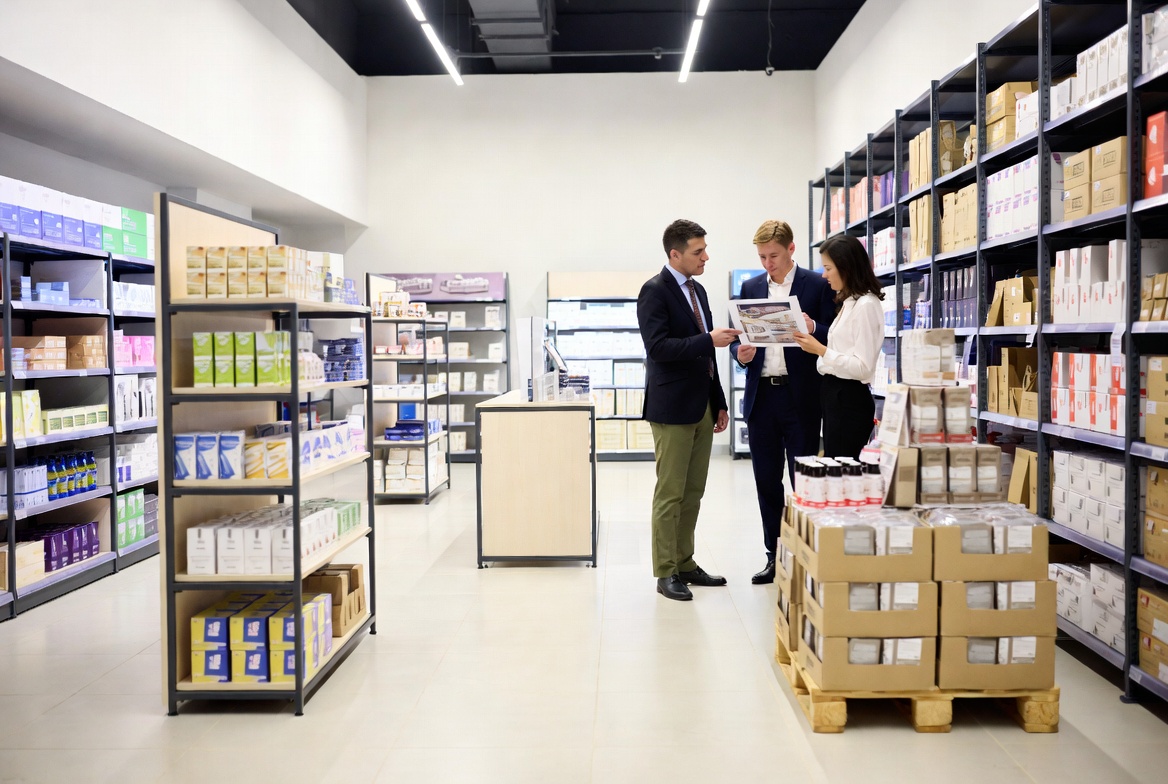
POP displays come in multiple formats, and choosing the right type is often the difference between a successful campaign and wasted budget. Below are the most common structures we see global brands use across more than 30 countries and regions, along with how they typically perform in the field. [xingkun.crpjc]
Floor Displays
Floor-standing displays are free-standing units positioned in high-traffic zones, endcaps, or promotional areas. They are ideal for new product launches, seasonal campaigns, and large packaging that needs visibility and stock capacity. [tokinomo]
Best for:
- Multi-SKU promotions or product families
- High-volume fast-moving consumer goods
- Seasonal themes or limited-time offers
Countertop Displays
Countertop displays sit on checkout counters, pharmacy counters, or reception areas where dwell time is high and decisions are impulsive. They are typically used for small-size, high-margin items such as cosmetics, accessories, confectionery, and trial packs. [tokinomo]
Best for:
- Upsell and add-on items
- Trial-size packaging and samples
- Brand awareness near the point of payment
Pallet and Island Displays
Pallet displays and island displays dominate open floor space, especially in big-box and warehouse retailers. Their advantage lies in mass stocking capacity and 360-degree visibility, which is crucial for large-scale campaigns and cross-merchandising. [kdmpop]
Best for:
- Club-store packs and bulk formats
- Cross-category promotions (e.g., snacks + beverages)
- High-velocity promotions around holidays or big events
From Shelf Talker to Storyteller: Key Benefits of Modern POP Displays
Modern POP and display stands are no longer just "extra shelves"—they are integrated brand experiences that bridge online discovery and offline conversion. When executed strategically, they deliver value at multiple levels. [kdmpop]
Commercial benefits:
- Sales lift at the shelf: Effective displays can significantly increase product visibility and impulse purchases when placed in high-traffic zones. [tokinomo]
- Brand recognition and recall: Cohesive colors, logos, and structures reinforce the brand story and make the product easier to remember. [kdmpop]
- Retailer relationships: Displays that are easy to set up, compliant with store guidelines, and durable improve retailer satisfaction and acceptance rates. [business.qld.gov]
Operational benefits:
- Improved stock organization with clear facings and built-in dividers that help staff replenish faster. [tokinomo]
- Reduced damage and waste when structures are engineered with appropriate board grades and protective features. [xkdisplay]
How to Plan a POP Display Project (Beginner-Friendly Workflow)
For marketers and trade teams new to POP displays, the process can feel complex. Based on our work with global brands and distributors, a structured, step-by-step workflow dramatically improves success. [creativedisplaysnow]
Step 1: Clarify Objectives and KPIs
Before sketching designs, define what success looks like. [tokinomo]
- Are you chasing trial, upsell, or inventory sell-through?
- Is the display meant to introduce a new product, support a promotion, or defend shelf share?
- Which metrics will you track (units sold per week, uplift vs baseline, store compliance rate, or campaign ROI)? [kdmpop]
Clear goals guide everything else—from dimensions to graphics to features like brochure holders or QR codes.
Step 2: Know Your Shopper and Retail Environment
Effective POP begins with a deep understanding of who you're talking to and where the display will live. [engagementgroup.co]
- Shopper profile: age, purchase motivation, price sensitivity, category familiarity. [tokinomo]
- Store type: supermarket, convenience store, pharmacy, DIY, electronics, duty-free, etc. [business.qld.gov]
- Constraints: ceiling height, aisle width, fixture rules, and retailer-specific guidelines. [business.qld.gov]
When we support brands entering new markets, we often adapt the same base structure into multiple versions to handle different store footprints and compliance rules in each region. [xingkun.crpjc]
Step 3: Align Structure, Graphics, and Logistics
Once objectives and context are clear, align structural engineering, graphic design, and supply chain. [creativedisplaysnow]
- Structure: Define size, number of shelves, load-bearing requirements, and assembly method.
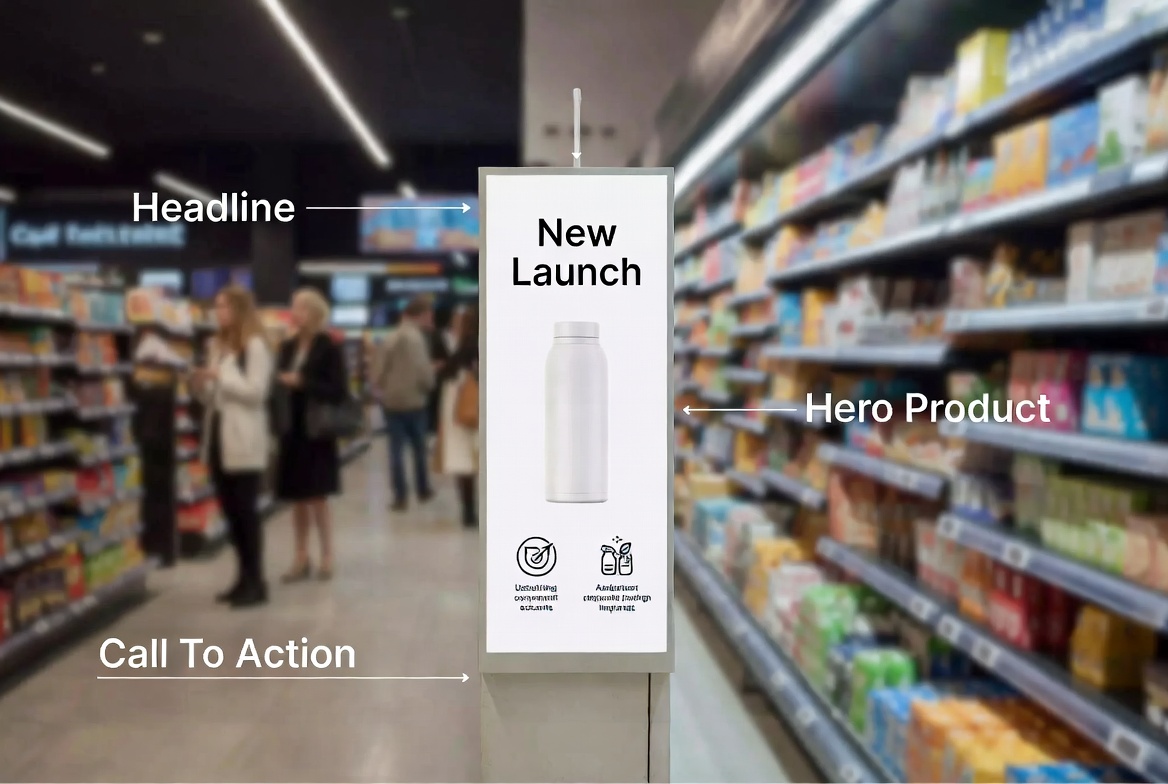
- Graphics: Develop clear, concise messaging (often 5–7 words), strong brand icons, and simple hierarchy. [kdmpop]
- Logistics: Plan how displays will be packed flat, shipped, stored, and installed in-store without damage or complexity. [creativedisplaysnow]
This alignment is where an experienced manufacturer adds the most value, bridging creative ideas and production reality. [xkdisplay]
Design Principles That Make POP Displays Actually Sell
Designing for POP is different from designing for a website or a brochure. You have seconds, not minutes, to capture attention in a visually noisy environment. [engagementgroup.co]
Keep the Message Laser-Focused
Shoppers rarely read long copy in-store, so your primary message must be short, specific, and benefit-led. [engagementgroup.co]
- Use one key headline to answer: "Why this product, right now?"
- Support with one or two secondary points, such as price, promotion, or key feature. [engagementgroup.co]
- Avoid dense paragraphs; instead, use bold phrases and simple icons to guide the eye. [bynder]
Use Color and Visual Hierarchy Intentionally
Colors and layout are not just aesthetic choices—they are performance drivers. [kdmpop]
- Warm colors (reds, oranges) can trigger impulse and urgency, while cool tones can signal health and calm. [kdmpop]
- Contrast between background and product images enhances readability and product recognition. [engagementgroup.co]
- Place logos, hero product visuals, and key claims where the shopper's eye naturally lands at about 1.2–1.5 meters above ground. [kdmpop]
Make Displays Easy to Shop and Restock
Displays that are difficult to shop or maintain quickly fall out of compliance. [engagementgroup.co]
- Keep layouts uncluttered, with clear product segmentation and accessible facings. [creativedisplaysnow]
- Provide open fronts or easy-access shelves so staff can restock without dismantling structures. [kdmpop]
- Include simple visual guides (icons or small printed diagrams) to help staff set up correctly. [creativedisplaysnow]
Materials, Durability, and Sustainability Considerations
As brands and retailers demand more sustainable solutions, material choice plays a central role in POP strategy. [tokinomo]
Temporary vs Semi-Permanent Displays
- Temporary displays (often corrugated board) are designed for short campaigns, typically 4–12 weeks, and prioritize cost efficiency and flexible printing. [tokinomo]
- Semi-permanent displays integrate stronger substrates, coatings, or mixed materials to support campaigns lasting several months, with higher durability expectations. [tokinomo]
An experienced manufacturer can help balance weight load, aesthetic requirements, and budget while maintaining structural integrity. [xingkun.crpjc]
Sustainability and Recyclability
Retailers increasingly ask for clearly labeled recyclable or eco-friendly materials. [tokinomo]
- Choose board grades compatible with local recycling streams and minimize unnecessary plastic or mixed-material components. [tokinomo]
- Design for easy disassembly, so stores can separate materials for proper disposal. [tokinomo]
- Communicate sustainability attributes subtly on the display to support brand positioning without clutter. [tokinomo]
Production, Quality Control, and Global Shipping
A high-performing POP display is only as good as its consistency across all stores, which is why production and QA disciplines matter as much as design. [xkdisplay]
Pre-Production and Prototyping
Before mass production, robust teams insist on physical or digital prototypes. [creativedisplaysnow]
- Structural prototypes confirm load-bearing performance, fit of components, and ease of assembly. [xkdisplay]
- Color proofs validate brand-critical hues and image clarity under realistic lighting conditions. [columnfivemedia]
In our own practice, we often test displays under simulated retail handling—stacking, transport vibration, and repeated assembly—to avoid unpleasant surprises in the field. [xingkun.crpjc]
Global Logistics and Flat-Pack Engineering
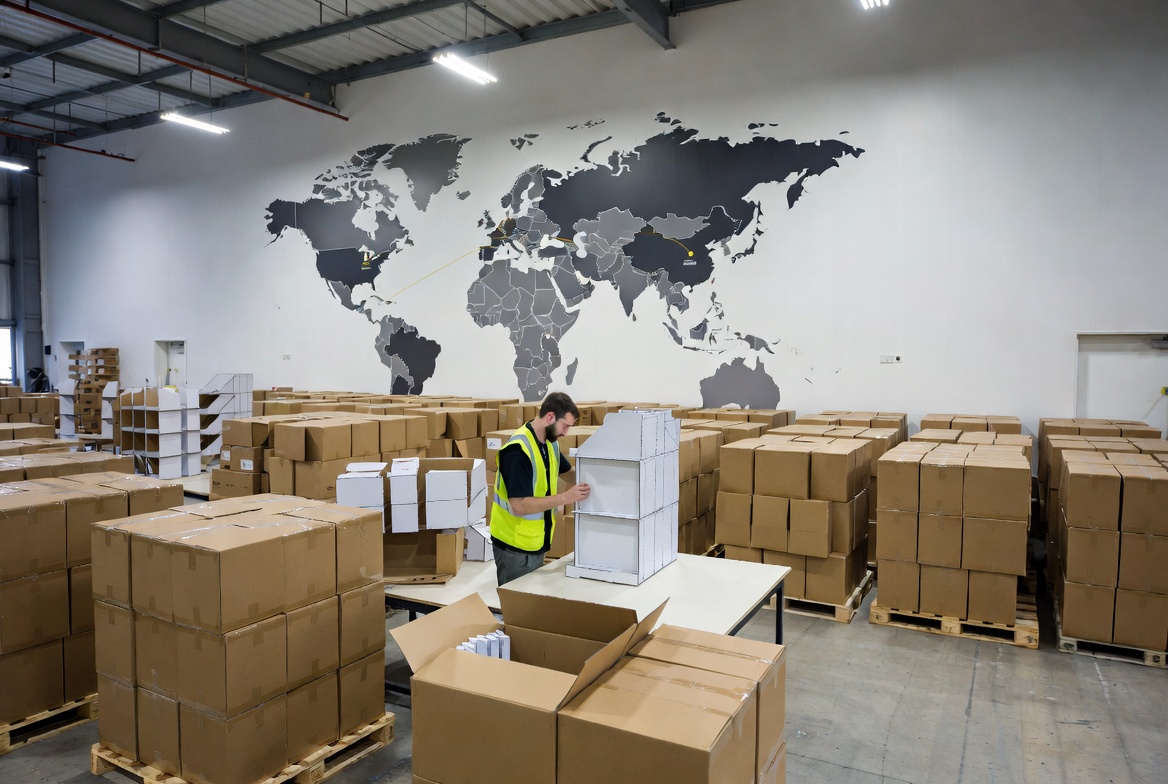
For brands distributing to multiple countries and regions, shipping efficiency is a major cost driver. [xingkun.crpjc]
- Engineering displays to knock down into compact, flat-packed kits reduces freight and storage costs. [kdmpop]
- Clear assembly instructions, often printed directly on inner flaps or included as simple diagrams, reduce store-level errors. [creativedisplaysnow]
- Coordinated timelines between packaging production, product filling, and retailer delivery schedules minimize delays. [solutions.technologyadvice]
Measuring POP Display Performance and Optimizing Over Time
Modern POP programs are iterative. The most successful brands treat each campaign as data input for the next. [solutions.technologyadvice]
Key Metrics to Track
Even a basic dashboard can dramatically improve decision-making.
- Sales uplift: compare product sales with and without display presence. [tokinomo]
- Store compliance rate: percentage of stores that actually installed the display as intended. [business.qld.gov]
- Dwell time and engagement: for interactive or digital elements, track interaction counts or QR scans. [tokinomo]
Over time, this data helps you identify which structures, messages, or placements deliver the best return. [solutions.technologyadvice]
Test, Learn, and Scale
A practical approach is to pilot a display in a limited number of stores, then roll out based on results. [solutions.technologyadvice]
- Test different headlines, color schemes, or product assortments on otherwise similar structures. [kdmpop]
- Adjust future designs around top-performing combinations rather than relying on assumptions. [solutions.technologyadvice]
- Collaborate with your manufacturing partner early so structural changes remain feasible within budget and lead times. [xkdisplay]
Expert Tips From a Display Stand Manufacturer's Perspective
Drawing on long-term cooperation with brands and distributors across over 30 countries and regions, we've observed several practical patterns that consistently predict success. [xingkun.crpjc]
Design for the People Who Assemble It
Many displays are set up not by brand teams, but by store staff under time pressure. [business.qld.gov]
- Keep the number of components as low as possible.
- Use intuitive locking mechanisms instead of complex tools. [creativedisplaysnow]
- Print step-by-step assembly icons on hidden flaps so instructions are never lost. [creativedisplaysnow]
Balance Creativity With Retail Reality
Bold shapes and curves can generate sales lift, especially in categories like beauty and personal care. However, extreme footprints or fragile elements often fail in busy stores. [business.qld.gov]
- Confirm that footprints fit standard gondola or endcap dimensions.
- Avoid protruding parts that are easily damaged during stocking or cleaning. [business.qld.gov]
- Consider how the display looks not only on day one, but after weeks of in-store handling. [business.qld.gov]
Practical Checklist for Your First POP Display Project
To make this guide actionable, use the following checklist when planning your next POP campaign.
1. Define the objective (trial, awareness, upsell, or stock clearance). [solutions.technologyadvice]
2. Choose the display type (floor, countertop, pallet, or custom hybrid). [tokinomo]
3. Map retail constraints: store types, fixture rules, logistics limits. [business.qld.gov]
4. Craft a focused message: one headline, one benefit, one CTA. [engagementgroup.co]
5. Specify materials based on campaign duration and sustainability targets. [tokinomo]
6. Align timelines between creative, production, and shipping. [xkdisplay]
7. Prototype, test, and refine before committing to full volume. [creativedisplaysnow]
8. Train field teams with clear assembly and maintenance instructions. [business.qld.gov]
9. Track performance through sales data, compliance audits, and feedback. [solutions.technologyadvice]
10. Apply learnings to the next generation of displays. [solutions.technologyadvice]
Why Partner With an Experienced POP Display Manufacturer
Finally, while this guide equips beginners with foundational knowledge, the practical complexity of real-world POP programs makes experienced manufacturing partners invaluable. [xingkun.crpjc]
A mature producer with more than two decades in printing and packaging can:
- Translate creative concepts into structurally sound, cost-effective designs that survive transport and in-store handling. [xkdisplay]
- Coordinate multi-country production and shipping with consistent quality and branding. [xingkun.crpjc]
- Offer rapid prototyping, continuous improvement, and consultative support that align POP investments with broader brand and retail strategies. [xkdisplay]
For brands expanding globally, this combination of technical expertise, production capacity, and practical retail understanding is often the missing link between a good idea and a display program that consistently delivers measurable results.
FAQs About POP Displays and Display Stands
Q1: How long should a typical POP display campaign run?
Most temporary POP campaigns run between 4 and 12 weeks, while semi-permanent units can remain in-store for several months depending on retailer guidelines and product life cycle. [business.qld.gov]
Q2: What is the most common mistake in POP display design?
Overloading the display with text and products is one of the most frequent mistakes, which makes messages hard to read and reduces shoppability in fast-paced retail environments. [engagementgroup.co]
Q3: How early should I involve my display manufacturer?
Involving your manufacturer at the concept stage allows them to advise on structure, materials, and logistics, often preventing costly redesigns or compliance issues later. [xingkun.crpjc]
Q4: Are sustainable POP displays more expensive?
Not necessarily; in many cases, optimizing structures for recyclability and flat-packing can reduce total costs, even when using higher-quality board grades or eco-friendly inks. [kdmpop]
Q5: How do I convince retailers to accept my POP displays?
Retailers are more likely to approve displays that are easy to assemble, safe, compliant with store standards, and proven to drive incremental sales without disrupting store operations. [business.qld.gov]
References
1. Bynder – “12 tips for writing SEO-optimized content in 2026” (accessed 2026). https://www.bynder.com/en/blog/12-tips-for-writing-seo-optimized-content/
2. Creative Displays Now – “The Ultimate Beginner’s Guide to POP Displays, Part 4: POP Display Design, Production and Shipping” (accessed 2026). https://www.creativedisplaysnow.com/guides/the-ultimate-beginners-guide-to-pop-displays/pop-display-design-production-and-shipping/
3. Engagement Group – “How to create retail displays that actually sell” (accessed 2026). https://www.engagementgroup.co.nz/blog/how-to-create-retail-displays-that-actually-sell/
4. Shenzhen XingKun Packing Products Co., Ltd – Company page (accessed 2026). http://xingkun.crpjc.com
5. Column Five – “SEO Content Strategy: A Playbook To Win Search Engines” (accessed 2026). https://www.columnfivemedia.com/seo-content-strategy/
6. Tokinomo – “Point of Purchase (POP) Displays: Learn EVERYTHING about them” (accessed 2026). https://www.tokinomo.com/blog/pop-displays
7. Business Queensland – “Retail premises design for effective displays and customer flow” (accessed 2026). https://www.business.qld.gov.au/industries/manufacturing-retail/retail-wholesale/retail-displays
8. KDM – “11 POP Merchandise Display Design Strategies” (accessed 2026). https://www.kdmpop.com/11-pop-merchandise-display-design-strategies/
9. TechnologyAdvice – “The 6 Stages of an SEO-Content Strategy” (accessed 2026). https://solutions.technologyadvice.com/blog/stages-seo-content-strategy/


