Content Menu
● What Are Custom Printed Books?
● Why Custom Printed Books Still Matter
● Strategic Applications by Industry
● Choosing the Right Book Format
>> Popular binding options
>> Common finishing choices
● Paper, Size, and Color Decisions
>> Paper considerations
>> Size considerations
>> Color printing
● SEO and Content Value for Printed Book Brands
● A Practical Production Workflow
● What Makes a High-Quality Custom Printed Book?
● Common Mistakes to Avoid
● How XingKun Supports Custom Printed Books
● Conclusion
● FAQ
>> 1. What are custom printed books used for?
>> 2. What binding is best for custom printed books?
>> 3. How do I choose the right paper for a printed book?
>> 4. Can custom printed books help with marketing?
>> 5. What should I check before approving a print order?
>> 6. Are custom printed books suitable for small businesses?
● References
Custom printed books are more than printed pages bound together. For brands, publishers, educators, and marketers, they are a powerful physical asset that can strengthen trust, improve perceived value, and create a memorable reader experience.
In a world saturated with digital content, a well-made custom printed book can stand out instantly. Whether you need a product catalog, brand storybook, training manual, children's book, coffee-table book, or corporate publication, the right printing strategy can turn content into a premium brand experience.
What Are Custom Printed Books?
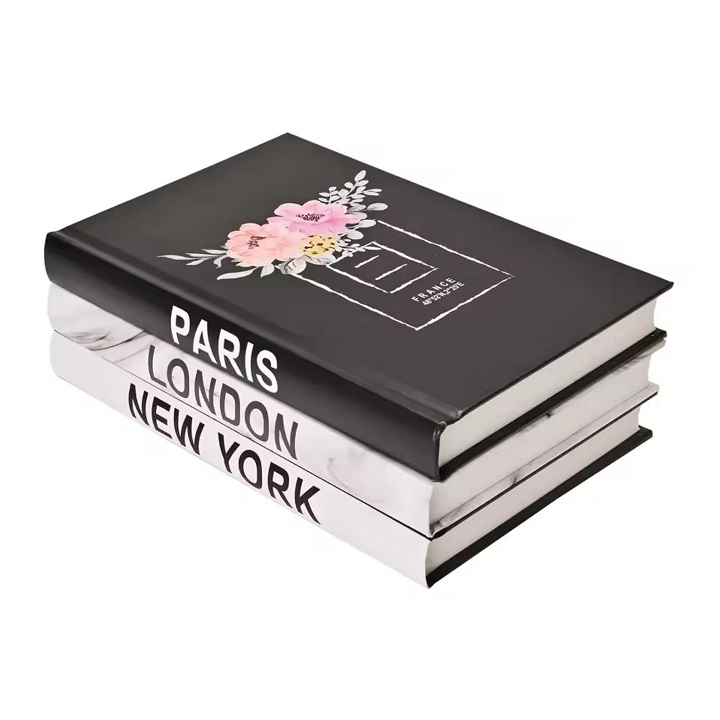
Custom printed books are books produced to match a specific purpose, audience, design, format, and print specification. They are not one-size-fits-all products. Instead, they are tailored by size, paper stock, cover style, binding, finishing, and quantity to support branding or communication goals.
Common use cases include:
Brand marketing books
Corporate annual reports
Product catalogs
Educational books
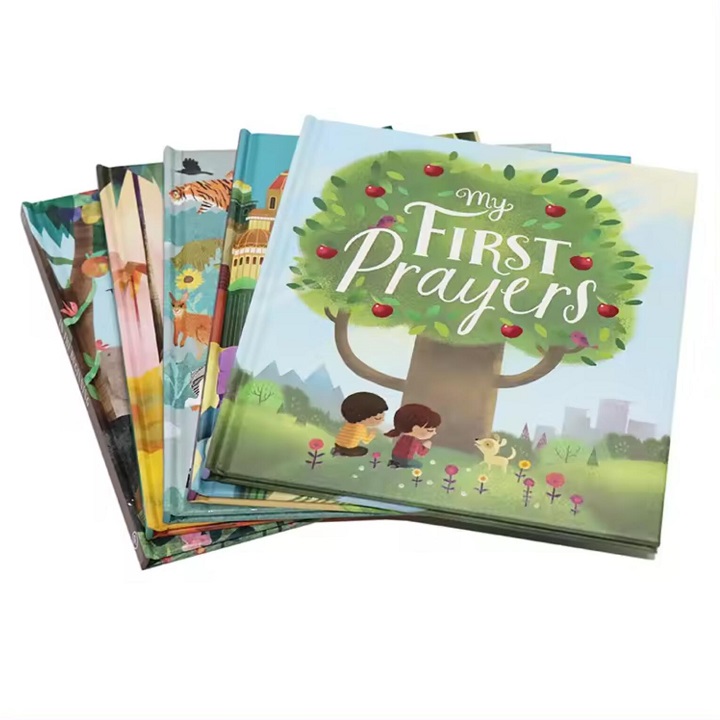
Children's books
Instruction manuals
Cookbooks
Art and photography books
Self-published titles
From an industry perspective, the real value of custom printed books lies in their flexibility. A book can be engineered to look premium, feel durable, and communicate authority in a way that digital formats often cannot.
Why Custom Printed Books Still Matter
Even with the rise of ebooks and online content, printed books continue to deliver a strong tactile and emotional impact. Print can increase attention, improve retention, and elevate how audiences perceive a brand or message.
For businesses, custom printed books are especially effective because they:
Create a premium first impression
Strengthen brand credibility
Support offline sales and presentations
Improve product education
Increase dwell time and engagement
Offer a physical asset for events, retail, and B2B outreach
This is one reason many companies still invest in printed publications for branding and lead generation. A physical book feels more substantial than a flyer or brochure, and that sense of substance can influence trust and buying behavior.
Strategic Applications by Industry
Custom printed books can serve very different goals depending on the industry. The best projects are designed with the end user in mind, not just the artwork.
| Industry | Book Type | Primary Goal |
| Publishing | Hardcover or paperback titles | Reader engagement and retail sales |
| Retail & eCommerce | Product catalog books | Product education and conversion |
| Corporate | Annual reports, brand books | Trust, authority, investor communication |
| Education | Workbooks, textbooks, course manuals | Learning and retention |
| Marketing | Lookbooks, campaign books | Brand storytelling and lead generation |
| Hospitality | Menu books, destination guides | Guest experience and upselling |
| Art & Photography | Portfolio books, exhibition catalogs | Presentation and perceived value |
When the format matches the business purpose, the book performs better. A luxury brand may need thick paper and foil stamping, while a training manual may prioritize clarity, low cost, and durability.

Choosing the Right Book Format
Selecting the right format is one of the most important production decisions. It affects cost, usability, shipping, shelf appeal, and reader experience.
Popular binding options
Perfect binding: Clean, professional, and cost-effective for medium-page books.
Hardcover binding: Premium and durable, ideal for high-value or collectible books.
Saddle stitching: Best for shorter books with fewer pages.
Spiral or wire-O binding: Practical for workbooks, manuals, and reference materials.
Case binding: A high-end hardcover method for premium projects.
Common finishing choices
Matte or gloss lamination
Spot UV
Foil stamping
Embossing or debossing
Soft-touch coating
Rounded corners
Ribbon markers
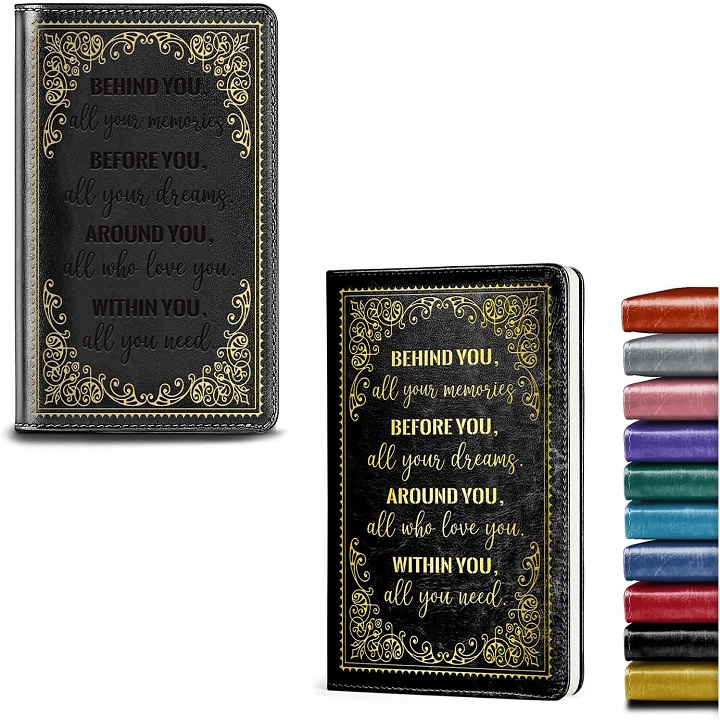
The best finish is not always the most expensive one. The right choice depends on audience expectations. For example, a children's activity book needs usability and durability, while a brand showcase book may benefit more from luxurious tactile details.
Paper, Size, and Color Decisions
Paper and size are not just technical details. They shape how readers interpret the book.
Paper considerations
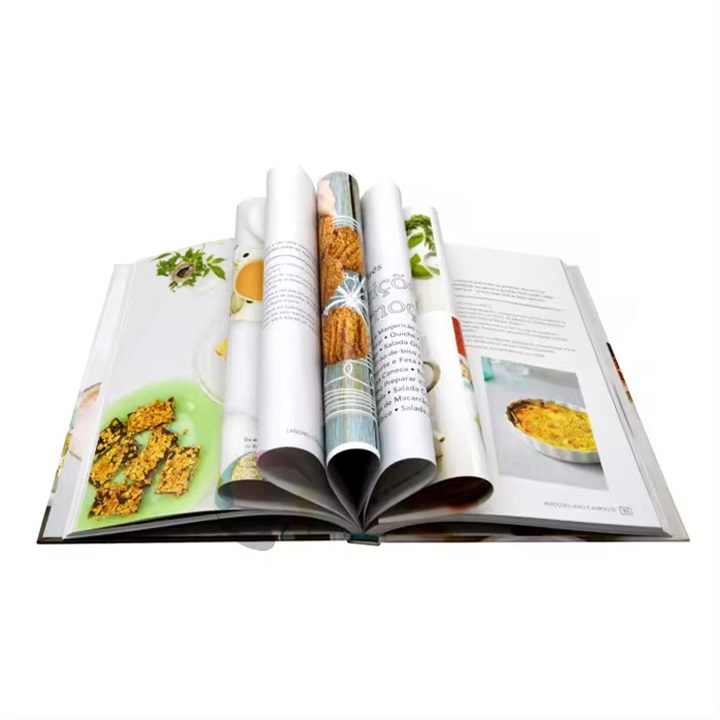
Coated paper improves image sharpness and color vibrancy.
Uncoated paper creates a softer, more natural reading feel.
Thicker paper increases durability and perceived quality.
Lighter paper reduces cost and shipping weight.
Size considerations
A4 / Letter: Suitable for manuals, reports, and catalogs.
Square formats: Popular for lookbooks and visual storytelling.
Custom sizes: Best for brand differentiation and premium positioning.
Color printing
Color choice should match the content and purpose:
Full color for photography, design, and retail-facing content
Black and white for text-heavy internal books
Mixed color systems for cost control
A strong production partner will help balance beauty and practicality. That balance matters because print quality affects not only appearance, but also how easy the book is to use and distribute.
SEO and Content Value for Printed Book Brands
If you are marketing custom printed books online, the surrounding content matters as much as the product itself. Google rewards content that shows expertise, specificity, and useful guidance.
To improve SEO performance:
Use the core keyword custom printed books naturally in the title, intro, and subheadings.
Add long-tail terms such as custom hardcover books, custom printed book manufacturing, printed books for business, and book printing services.
Write for intent, not just keywords. Visitors often want pricing guidance, production tips, and material advice.
Avoid duplicate or generic copy across product pages.
Include helpful visuals, sample descriptions, and process explanations.
This approach aligns with modern E-E-A-T principles because it demonstrates real experience, practical knowledge, and editorial usefulness rather than thin keyword targeting.
A Practical Production Workflow
A structured process reduces errors and improves final quality. In professional printing operations, the best results usually come from clear communication at each stage.
1. Define the book's purpose.
Decide whether it is for retail, marketing, education, or internal use.
2. Choose the format.
Select size, page count, binding, and finish.
3. Prepare the content.
Edit text, finalize images, and confirm all technical specs.
4. Request a proof.
Review a digital or physical sample before mass production.
5. Approve production.
Confirm colors, margins, and finishing details.
6. Print and inspect.
Quality control should cover alignment, color consistency, and binding strength.
7. Package and deliver.
Books should be protected properly during shipping, especially for overseas orders.
This workflow is especially important for OEM and ODM manufacturing, where brand consistency and production accuracy directly affect client satisfaction.
What Makes a High-Quality Custom Printed Book?
A high-quality book is not defined by one element alone. It is the result of consistency across design, materials, printing, and finishing.
Look for these signs of quality:
Sharp text and clean image reproduction
Accurate color matching
Strong binding and page alignment
Smooth trimming and edge finishing
Appropriate paper selection
Durable cover construction
A premium feel that matches the brand
In practice, buyers often notice quality first through touch. The weight of the paper, the texture of the cover, and the way the book opens all contribute to the experience.
Common Mistakes to Avoid
Many custom book projects fail because teams focus only on aesthetics. In reality, production issues often come from weak planning.
Avoid these mistakes:
Using low-resolution images
Ignoring bleed and margin requirements
Choosing the wrong paper for the content
Overdesigning the layout
Skipping proof review
Failing to match the binding to page count
Writing copy without considering reader intent
A beautiful design cannot fix a poor production file. For that reason, prepress preparation is just as important as creative direction.
How XingKun Supports Custom Printed Books
For overseas brands, wholesalers, and manufacturers, choosing the right printing partner is a strategic decision. A capable factory should do more than print pages. It should support design coordination, material selection, quality control, and export-ready packaging.
XingKun's OEM and ODM service model is especially useful for clients who need:
Customized book structures
Flexible order quantities
Professional printing and binding
Brand-aligned packaging
Consistent quality for international markets
If your goal is to create custom printed books that feel premium, communicate clearly, and support your brand positioning, a one-stop production partner can simplify the process and reduce risk.
Conclusion
Custom printed books remain one of the most effective ways to combine content, branding, and physical experience. When planned well, they can educate readers, improve trust, support sales, and elevate how a brand is perceived. The best results come from aligning purpose, format, materials, and production quality from the very beginning.
For businesses that want premium output and smooth OEM/ODM execution, the smartest next step is to work with a printing partner that understands both manufacturing precision and brand storytelling. A strong custom book is not just printed—it is engineered to perform.
FAQ
1. What are custom printed books used for?
Custom printed books are used for publishing, marketing, education, training, product presentation, and brand storytelling. They are designed to serve a specific business or communication purpose.
2. What binding is best for custom printed books?
The best binding depends on the page count and purpose. Perfect binding works well for catalogs and trade books, hardcover is ideal for premium projects, and spiral binding is practical for manuals and workbooks.
3. How do I choose the right paper for a printed book?
Choose coated paper for sharp images and vibrant colors, or uncoated paper for a more natural reading experience. The right choice depends on whether the book is visual, instructional, or text-heavy.
4. Can custom printed books help with marketing?
Yes. They can strengthen brand perception, support offline sales, and create a more memorable customer experience than many digital-only formats.
5. What should I check before approving a print order?
Review the proof carefully for spelling, image resolution, color accuracy, trim lines, margins, and binding details before approving mass production.
6. Are custom printed books suitable for small businesses?
Yes. Small businesses can use them for product catalogs, lookbooks, brand stories, manuals, and client presentations. They are scalable and can be tailored to different budgets.
References
1. Sapid SEO Company. Book Printing SEO Expert.
2. Venntov. Experience Matters: How to write content for Google's E-E-A-T guidelines.
3. PrintBooks Australia. Creative Ways to Use Custom Book Printing for Marketing Your Business.
4. Search Engine Land. The myth of manufacturing author E-E-A-T.
5. XingKun Packing Products Co Ltd LinkedIn. Company profile and printing services.


