Content Menu
● Why Custom Product Boxes Matter
● What "Product Boxes Custom" Really Means
● Core Box Types To Consider
● Key Design Factors
● Materials And Sustainability
● 2026 Packaging Trends
>> Minimalist Premium Design
>> Smart Packaging Features
>> Tactile Finishes
>> Eco-Luxury Positioning
● Practical Workflow For Brands
● Common Mistakes To Avoid
● Industry Example
● Why Work With A Factory Direct Supplier
● How To Choose A Supplier
● Conclusion
● FAQ
>> 1. What does "product boxes custom" mean?
>> 2. Which box type is best for e-commerce?
>> 3. Are custom boxes environmentally friendly?
>> 4. How can custom packaging improve sales?
>> 5. What should I prepare before requesting a quote?
>> 6. Why choose a factory-direct supplier?
● References
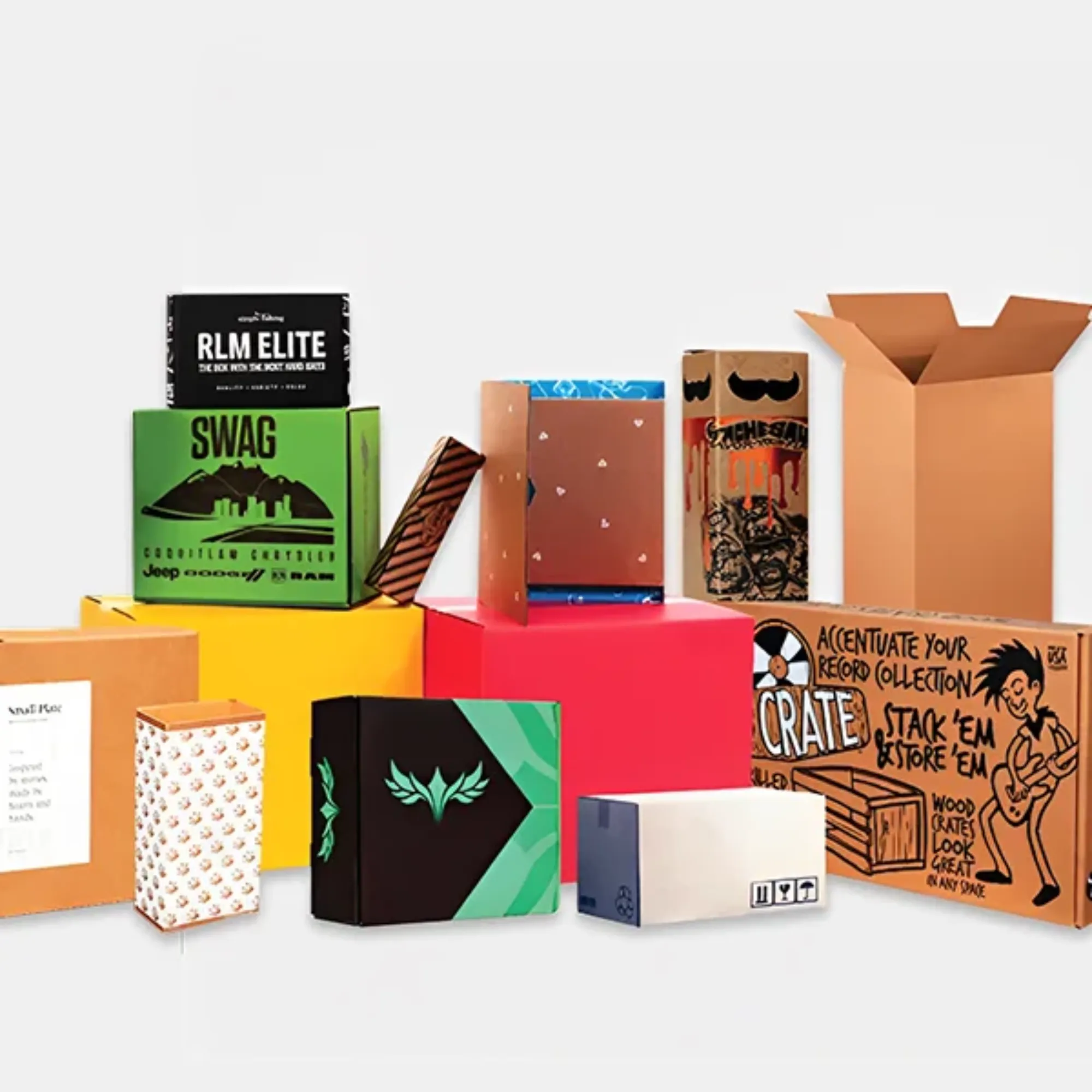
In competitive markets, product boxes custom is no longer just a packaging phrase; it is a growth strategy. A well-designed custom box can reduce damage, improve unboxing, strengthen brand perception, and make your product more memorable from the first touch to the last mile. [giiresearch]
Why Custom Product Boxes Matter
Custom product boxes do more than hold a product. They shape the customer's first physical experience with your brand, and that experience often influences perceived value, repeat purchase intent, and social sharing behavior. The custom packaging market is also expanding because brands increasingly treat packaging as both a marketing tool and a logistics asset. [indexbox]
For brands selling online or through retail channels, packaging must do three jobs at once: protect the product, communicate the brand, and support efficient fulfillment. When those three goals align, packaging becomes a measurable business asset rather than a cost center. [indexbox]
What "Product Boxes Custom" Really Means
The phrase product boxes custom covers more than printing a logo on a standard carton. It includes custom dimensions, structural engineering, substrate selection, finishing, inserts, and print design tailored to a specific SKU or product family. [indexbox]
This matters because a box that is too large wastes material and shipping space, while a box that is too small risks damage or poor presentation. The most effective custom packaging balances product fit, brand storytelling, and supply chain efficiency. [indexbox]
Core Box Types To Consider
Choosing the right box style is the foundation of any custom packaging project. The best structure depends on product weight, retail channel, shipping method, and brand positioning. [indexbox]
| Box Type | Best For | Main Advantage |
| Folding carton | Cosmetics, supplements, small retail items | Lightweight and highly brandable |
| Corrugated box | E-commerce, fragile goods, bulk shipping | Strong protection during transit |
| Rigid box | Luxury items, gifts, premium sets | Premium unboxing experience |
| Die-cut box | Unique products, promotional kits | Precise fit and distinctive appearance |
| Window box | Food, toys, cosmetics, display items | Product visibility at point of sale |
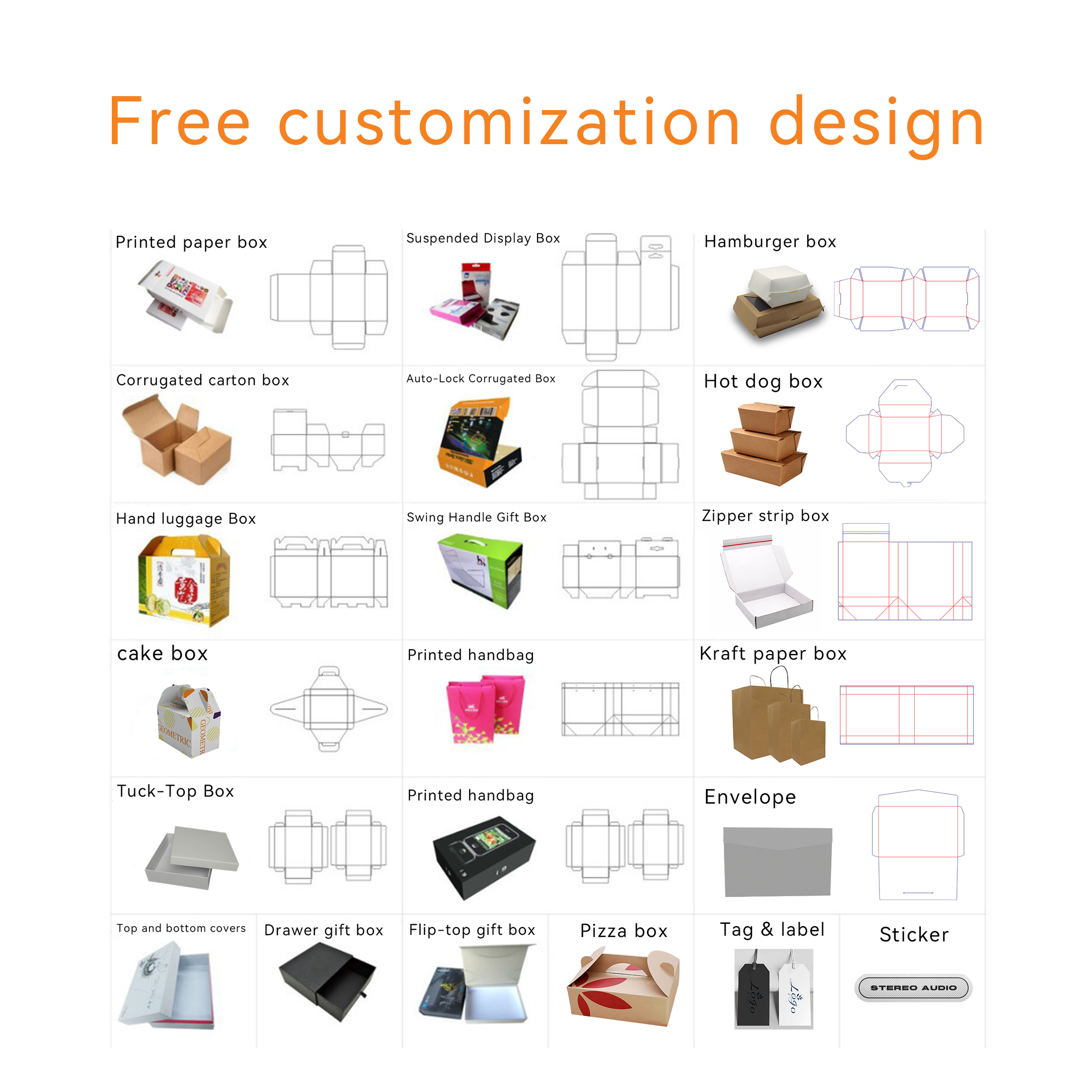
XingKun's packaging box page also highlights common formats such as cardboard boxes, corrugated boxes, die-cut boxes, folding cartons, magnetic closure boxes, and windowed boxes, which makes it a useful reference point for matching structure to use case. [packshion]
Key Design Factors
Designing a high-performing custom box starts with the product itself. Weight, fragility, dimensions, surface finish, and storage conditions should all inform the structure and material choice. [indexbox]
Important design factors include:
- Product fit. The inner cavity should stabilize the item without excessive filler.
- Brand hierarchy. Logo, product name, and key selling points should be visually prioritized.
- Print method. Offset, digital, and specialty printing each suit different volumes and artwork needs.
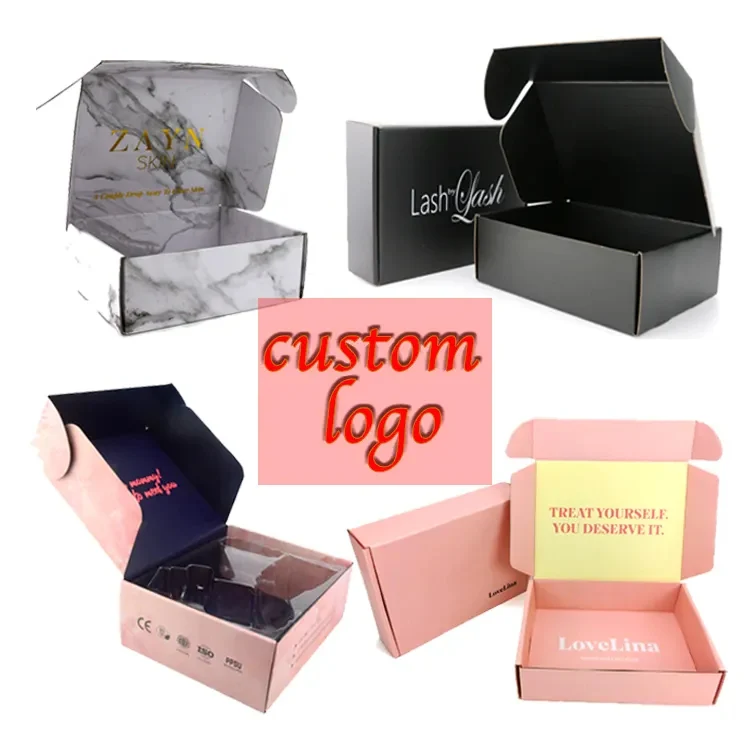
- Finishing. Matte lamination, gloss, embossing, foil, and spot UV can elevate perceived value.
- Assembly efficiency. Flat-pack or self-locking designs can reduce warehouse labor and carton space. [packshion]
A successful box design should look good on a shelf, survive shipping, and assemble quickly in production. If one of those functions fails, the packaging is incomplete. [indexbox]
Materials And Sustainability
Sustainability is now a baseline expectation in custom packaging, not a niche selling point. Market research shows strong demand for recycled content, biodegradable substrates, and mono-material designs that support easier recycling. [giiresearch]
Common material choices include:
- Kraft paperboard. Good for natural, eco-friendly branding.
- Recycled corrugated board. Strong and suitable for shipping.
- FSC-certified paperboard. Useful for brands seeking verified sourcing.
- Premium rigid board. Often used for luxury or high-margin products.
- Molded pulp inserts. Helpful for protection with lower plastic use. [ecoenclose]
Sustainability is also tied to cost control. A right-sized box can reduce void fill, lower dimensional shipping weight, and decrease unnecessary material use, which supports both environmental goals and margin protection. [indexbox]
2026 Packaging Trends
Several trends are shaping custom product boxes in 2026. The strongest direction is toward packaging that is cleaner, smarter, and more functionally efficient. [winpackprinting]
Minimalist Premium Design
Minimalist packaging continues to dominate premium categories because it signals confidence, clarity, and quality. Fewer visual elements can actually improve shelf impact when typography, spacing, and finish are handled well. [healeypackaging.co]
Smart Packaging Features
QR codes and NFC-enabled packaging are becoming more common because they connect the physical box to digital content such as tutorials, product verification, loyalty programs, and authentication. This is especially valuable for high-value, collectible, or frequently counterfeited products. [rushcustomboxes]
Tactile Finishes
Embossing, debossing, soft-touch coatings, and texture-driven surfaces are increasingly used to strengthen the sensory part of the unboxing experience. These finishes make the packaging feel more premium without relying on heavy ornamentation. [paragraph]
Eco-Luxury Positioning
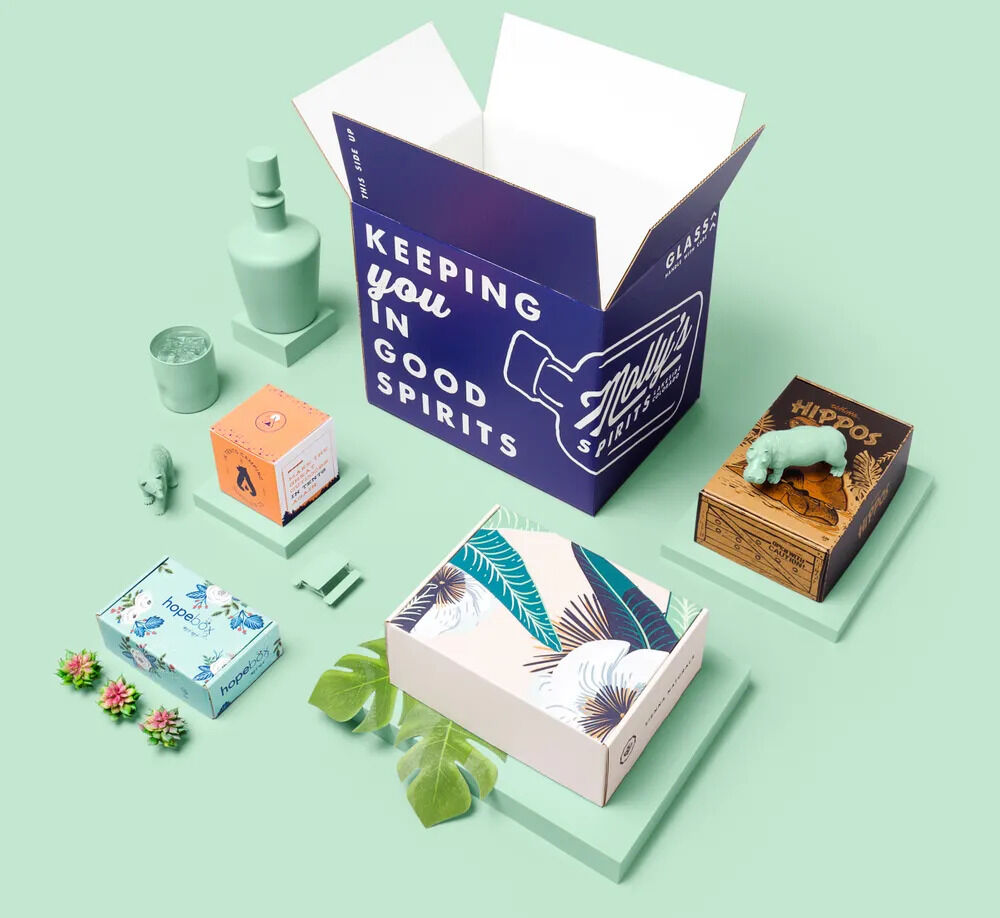
Brands now want packaging that feels premium and responsible at the same time. Recycled paperboard, kraft textures, and compostable or recyclable structures are increasingly paired with refined print and finish choices. [cubitpackaging]
Practical Workflow For Brands
A structured process reduces revisions, delays, and waste. The best custom packaging projects usually follow a disciplined sequence rather than jumping straight into artwork. [indexbox]
1. Define the product requirements. Measure dimensions, weight, fragility, and shipping environment.
2. Select the box structure. Match the style to retail, shipping, or gift presentation goals.
3. Choose material and finish. Balance sustainability, strength, and visual ambition.
4. Prepare dielines and artwork. Ensure print-safe layout and correct bleed margins.
5. Prototype and test. Check fit, drop resistance, print clarity, and assembly speed.
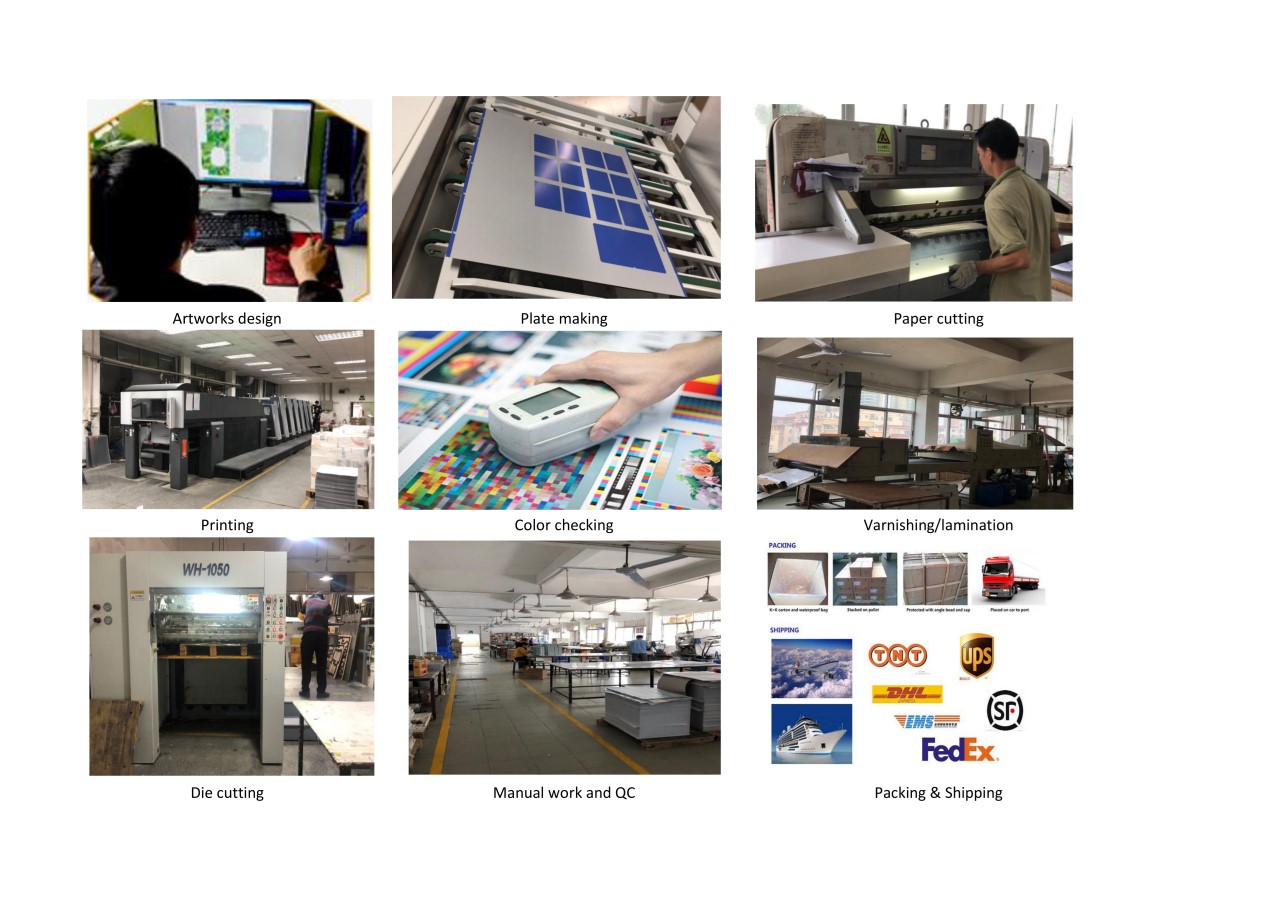
6. Finalize for production. Confirm QC standards, carton count, packing method, and lead time. [packshion]
This workflow is especially important for OEM and ODM buyers, because overseas sourcing often requires tighter communication around specs, samples, and approval milestones. Clear documentation prevents expensive errors later in the run. [indexbox]
Common Mistakes To Avoid
Many packaging problems are not design failures but decision failures. Brands often focus on appearance too early and neglect structure, shipping, or production realities. [indexbox]
Avoid these mistakes:
- Choosing a box size before confirming product tolerances.
- Overusing finishes that inflate cost without improving sales.
- Ignoring carton strength for e-commerce shipping.
- Designing artwork without considering dieline folds and glue areas.
- Forgetting sustainability claims must be accurate and supportable. [ecoenclose]
When these issues are resolved early, the box performs better and the brand saves money across the product lifecycle. [indexbox]
Industry Example
A premium cosmetics brand selling through both retail and DTC channels may use a rigid outer box for display and a custom corrugated mailer for shipping. The retail version emphasizes elegance, while the shipping version prioritizes damage resistance and efficient carton size. [indexbox]
This split approach reflects a broader industry reality: packaging is not one-size-fits-all. The most effective brands often maintain several box formats for different channels, rather than forcing one structure to do everything. [giiresearch]
Why Work With A Factory Direct Supplier
Factory-direct sourcing is often the most efficient route for custom packaging because it gives buyers better control over structure, print, sampling, and cost. It also shortens communication chains, which matters when projects involve custom inserts, branded finishes, or mixed product sets. [indexbox]
Shenzhen XingKun Packing Products Co., Ltd. positions itself as an OEM & ODM packaging factory serving overseas brand owners, wholesalers, and manufacturers across packaging boxes, playing cards, jigsaw puzzles, printed books, and stickers. That breadth matters because it suggests experience with multi-category print production and customized export-oriented workflows. [packshion]
How To Choose A Supplier
Selecting the right supplier should be based on process, not just price. A low quote can become expensive if samples fail, lead times slip, or the finished box does not meet shipping standards. [indexbox]
Use this checklist:
- Can the supplier provide structural guidance, not only printing?
- Do they support samples and pre-production approval?
- Are material options clearly explained?
- Can they handle both short runs and scale-up production?
- Do they understand export packaging requirements and QC standards? [packshion]
The best supplier acts like a packaging partner, not just a factory. That distinction is especially important when the packaging must support brand growth in multiple markets. [indexbox]
Conclusion
Product boxes custom is no longer just about packaging aesthetics; it is about brand positioning, protection, sustainability, and operational efficiency in one system. Brands that treat packaging as a strategic asset usually achieve stronger shelf impact, better shipping performance, and a more memorable customer experience. [giiresearch]
In 2026, the winning formula is clear: choose the right structure, use materials responsibly, design for the real customer journey, and work with a supplier that can turn product requirements into a reliable production plan. [healeypackaging.co]
FAQ
1. What does "product boxes custom" mean?
It means packaging boxes designed specifically for a product's size, protection needs, branding, and distribution channel rather than using a generic box. [indexbox]
2. Which box type is best for e-commerce?
Corrugated boxes are usually best for e-commerce because they provide stronger protection during transit and can be customized for size and branding. [packshion]
3. Are custom boxes environmentally friendly?
They can be, especially when made with recycled content, FSC-certified paperboard, or mono-material structures that are easier to recycle. [cubitpackaging]
4. How can custom packaging improve sales?
It can improve perceived value, strengthen unboxing experience, and make the product more memorable, which supports conversion and repeat purchase behavior. [giiresearch]
5. What should I prepare before requesting a quote?
Prepare product dimensions, quantity, material preference, printing needs, finishing requirements, and delivery destination so the supplier can recommend the right structure and cost. [packshion]
6. Why choose a factory-direct supplier?
Factory-direct sourcing usually gives better control over sampling, customization, cost, and lead time, especially for OEM and ODM projects. [packshion]
References
1. Knowledge Sourcing Intelligence. "Custom Packaging Market - Forecast from 2026 to 2031."
2. Shenzhen XingKun Packing Products Co., Ltd. "Packaging boxes."
3. Packshion. "Top Trends in Packaging Box Manufacturing for 2026."
4. Brown Packaging. "Custom Corrugated Box Trends for 2026."
5. Rush Custom Boxes. "Upcoming Box Packaging Trends for 2026."
6. EcoEnclose. "Custom Shipping Boxes."
7. Healey Packaging. "Top Trends for Your Next Designer Box in 2026."
8. Hot Custom Boxes. "Top 10 Product Packaging Design Trends for 2026."


