Content Menu
● What Separates Luxury Tote Bags From Economy Shopping Bags
● Cost Breakdown: What You Actually Pay Per Unit
● Durability and Real-World Performance
● Market Momentum Behind Luxury Totes in 2026
● Sustainability Pressure Is Reshaping Both Categories
● Industry Case Insight: When Retailers Switch Mid-Season
● A Practical Decision Framework for Retail Buyers
● Manufacturing Considerations Buyers Often Overlook
● Making the Right Call for Your Retail Packaging
● Frequently Asked Questions
● References
Retail brands spend years perfecting a product, then hand the final impression to a bag. After more than two decades producing printed tote bags and shopping bags for buyers across over 30 countries, I have watched procurement teams wrestle with the same question every season: should you invest in luxury tote bags or stick with economy shopping bags for retail packaging? The honest answer depends on your margin structure, your customer's expectations, and how you want your brand remembered after checkout.
This guide breaks down both options from a manufacturing floor perspective rather than a marketing brochure. You will see real cost ranges, material science, durability data, and a practical framework for choosing between luxury tote bags and economy shopping bags based on your specific retail category.
What Separates Luxury Tote Bags From Economy Shopping Bags
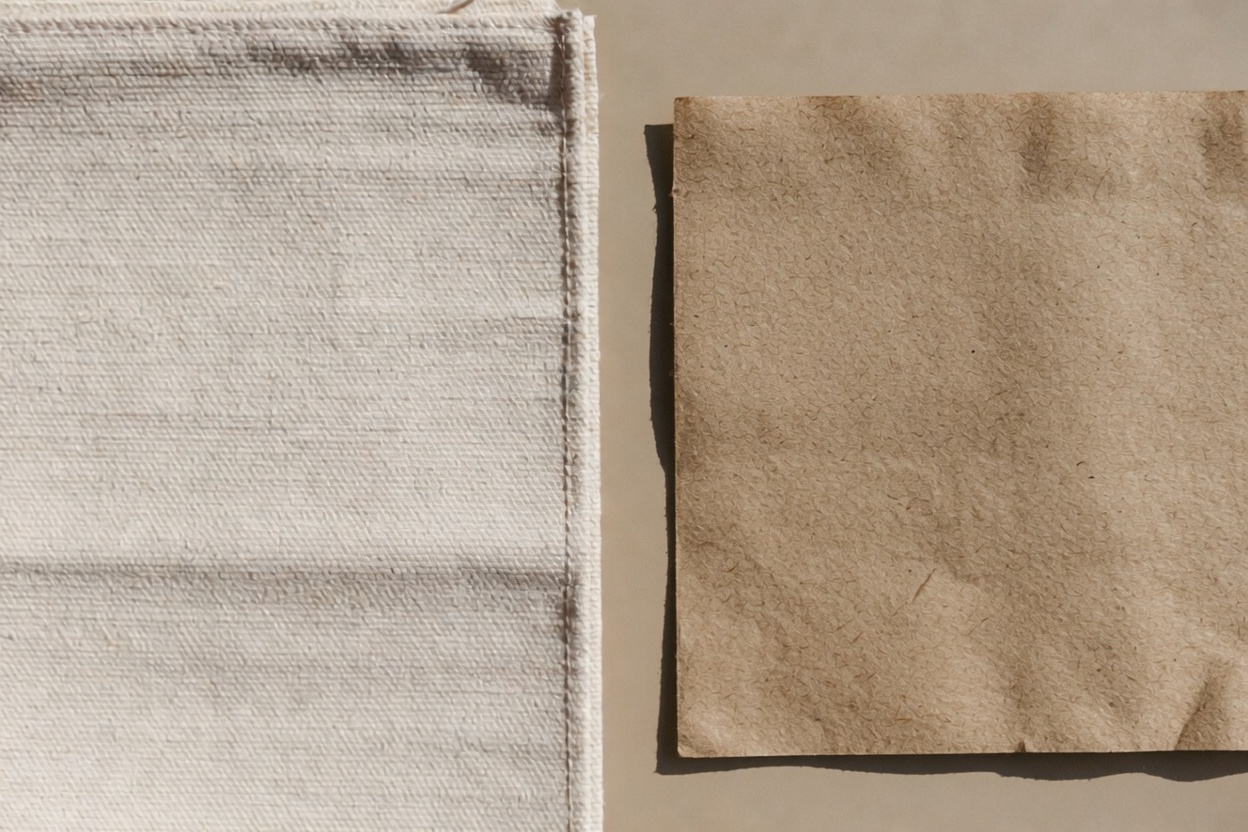
Luxury tote bags are typically constructed from heavyweight cotton canvas, waxed canvas, or premium non-woven fabric with reinforced stitching, rope or webbing handles, and high-resolution printing such as screen printing, UV coating, or foil stamping. Economy shopping bags rely on lighter non-woven polypropylene or kraft paper, simpler single-color printing, and glued rather than stitched seams.
The gap is not just cosmetic. Heavier canvas totes commonly run 10 to 16 ounces per square yard, while standard non-woven promotional bags sit closer to 80 to 100 grams per square meter. That difference shows up immediately in how the bag feels in a customer's hand and how long it survives repeated use.
Cost Breakdown: What You Actually Pay Per Unit
Pricing is where most procurement conversations start, and the spread between these two categories is wide enough to reshape an entire packaging budget.
| Bag Type | Material | Typical Unit Cost (1,000 pcs) | Estimated Lifespan |
| Luxury Tote Bag | Cotton Canvas (10–16oz) | $1.80 to $8.00 | 5 to 8 years |
| Economy Shopping Bag | Non-Woven PP | $0.50 to $2.00 | 1 to 3 years |
| Mid-Tier Option | rPET Non-Woven | 10 to 20% above standard PP | 1 to 3 years, recycled content |
Even though canvas costs roughly five times more per unit, it often delivers a lower cost per impression because it survives ten times longer with regular reuse. A $4.00 canvas tote used weekly for two years can outperform a $0.80 non-woven bag that tears after a handful of trips.
Durability and Real-World Performance
Load capacity tells a story numbers alone cannot. Cotton canvas totes typically hold 12 to 18 kilograms and last 5 to 8 years, while non-woven PP bags handle only 5 to 12 kilograms and last 1 to 3 years. This gap matters most for retailers selling heavier products such as cosmetics sets, wine, or small electronics.
Key performance factors buyers should test before committing to a supplier:
- Tear strength under repeated loading, not just at first use.
- Print rub resistance after handles and fabric flex hundreds of times.
- Colorfastness when exposed to sunlight or moisture during shipping.
- Seam integrity at stress points, especially where handles attach to the body.
- Water resistance for outdoor markets, farmers stalls, or food retail environments.
Market Momentum Behind Luxury Totes in 2026
The tote bag category itself is expanding quickly, and premium segments are pulling ahead of economy alternatives. The global tote bags market was valued near $2.75 billion in 2025 and is projected to reach $4.09 billion by 2034, growing at roughly 4.5% annually. Within that broader market, canvas bags already account for close to 39.6% of total share in 2026, confirming that heavier, premium materials are no longer a niche preference.
Zoom out further and the luxury handbag market, which overlaps significantly with premium tote demand, is expected to grow from $28.9 billion in 2026 to $52.8 billion by 2036, with tote-style bags making up an estimated 33.8% of that product mix in 2026. Oversized and spacious tote silhouettes are also returning to favor in luxury fashion houses this season, reflecting a shift toward function paired with visible craftsmanship.
Sustainability Pressure Is Reshaping Both Categories
Retail buyers can no longer treat sustainability as optional. In 2025, 51% of consumers globally ranked environmental impact as extremely or very important when evaluating packaging, a figure that has held steady since 2020. Recyclability consistently ranked as the single most important packaging trait across nearly every country surveyed.
This pressure explains why recycled PET, or rPET non-woven fabric, now commands a premium of roughly 10 to 20% over standard non-woven PP, reflecting the added cost of certified recycled feedstock. US consumers say they expect to pay about 11% more for eco-friendly packaging, though the real premium retailers charge often reaches closer to 28%. Brands positioning a tote as a premium, reusable alternative to disposable packaging can lean directly into this consumer willingness to pay more.
Industry Case Insight: When Retailers Switch Mid-Season
We have seen apparel and cosmetics clients start a launch with economy non-woven bags for a promotional giveaway, then move to canvas totes once they measure repeat customer engagement. One cosmetics distributor exporting to Europe reduced complaints about torn packaging by switching from 80 gsm non-woven bags to 12oz canvas totes for their flagship gift-with-purchase program, even though unit cost rose. The stronger bag became a walking advertisement customers reused for months, extending brand visibility well beyond the original purchase.
A useful rule of thumb from our production floor: run a pilot order of 500 to 1,000 units before scaling any material choice. Gather direct feedback on how customers actually use the bag in the first 30 days, then negotiate a price-freeze clause with your supplier before committing to a larger volume run.
A Practical Decision Framework for Retail Buyers
Choosing between luxury tote bags and economy shopping bags for retail packaging comes down to five questions:
1. What is your average order value? Higher-ticket items justify a heavier, branded canvas tote.
2. Will customers reuse the bag? Reusable use cases favor canvas or rPET non-woven over single-use PP.
3. What is your per-unit budget at target volume? Non-woven PP saves significantly at bulk quantities above 10,000 pieces.
4. Does your brand rely on visible logo impressions? Longer-lasting bags generate more impressions per dollar spent.
5. Are you shipping internationally? Heavier canvas adds freight weight and cost that lighter non-woven avoids.
Manufacturing Considerations Buyers Often Overlook
Printing technique changes the perceived value of either bag type just as much as the fabric itself. CMYK and Pantone-matched printing preserve exact brand colors, while UV and offset printing add fine detail for logos and patterns. Reinforced bottom panels, rope handles, and gusseted sides also extend a tote's working life regardless of the base material chosen.
Certifications matter more each year as retailers face buyer audits along their supply chain. Look for ISO 9001 for quality management and FSC certification when paper or cotton sourcing sustainability claims are part of your brand story. Confirming these credentials directly with the registering body, rather than trusting a supplier's claim alone, protects a brand from compliance issues later in the process.
Beyond certifications, lead time and communication responsiveness often separate a reliable long-term partner from a one-off vendor. Buyers sourcing from overseas factories should request a full breakdown of landed cost, including unit price, plate or setup fees, freight, and duty, before comparing quotes across suppliers. A transparent quote structure early in negotiations tends to predict smoother production and shipping later in the relationship.
Making the Right Call for Your Retail Packaging
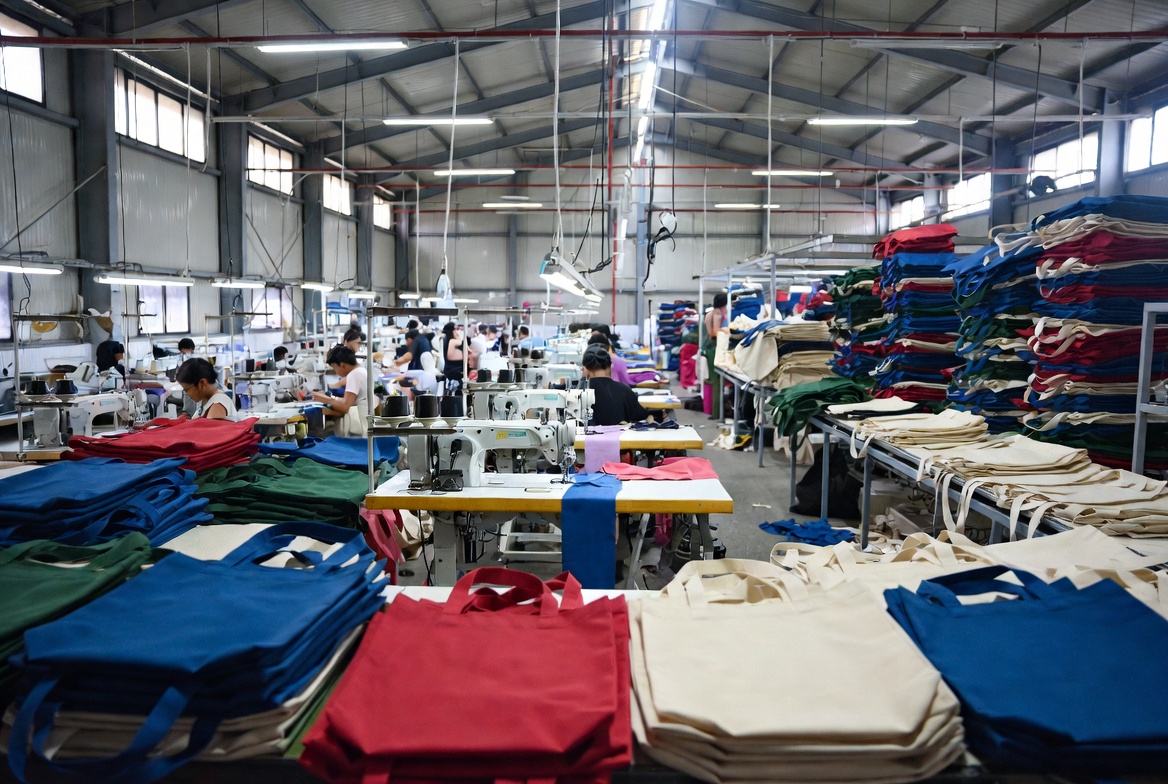
Neither option is universally superior. Luxury tote bags win on brand perception, durability, and long-term cost per impression, while economy shopping bags win on upfront affordability and speed for high-volume promotional runs. The smartest retail packaging strategies often blend both approaches: canvas totes for loyalty programs and gift-with-purchase moments, non-woven bags for everyday transactional packaging.
If you are ready to move from research to a working sample, request a free consultation and sample quote from a manufacturer experienced in both premium and economy tote production before your next purchase order deadline. A short pilot run today can prevent a costly packaging mismatch during your busiest sales season.

Frequently Asked Questions
1. What is the main cost difference between luxury tote bags and economy shopping bags?
Luxury canvas totes typically cost $1.80 to $8.00 per unit depending on weight and printing, while economy non-woven bags range from $0.50 to $2.00 per unit at similar order volumes.
2. Do luxury tote bags really last longer than economy shopping bags?
Yes. Cotton canvas totes generally last 5 to 8 years with regular use, compared to 1 to 3 years for standard non-woven polypropylene bags.
3. Which bag type is better for a sustainability-focused retail brand?
Canvas and rPET non-woven bags better support sustainability messaging since they emphasize reuse and recycled content, aligning with growing consumer demand for recyclable packaging.
4. What minimum order quantity should I expect for custom tote bags?
Industry-standard minimum order quantities for custom printed bags typically start around 1,000 pieces per size or design, though this varies by manufacturer.
5. Can I mix both bag types within one retail packaging strategy?
Yes. Many successful retailers use luxury totes for loyalty programs and gifting moments while relying on economy bags for everyday checkout packaging to balance cost and brand impact.
6. How do I verify a supplier's certifications before placing a bulk order?
Request certificate numbers for ISO 9001 or FSC and verify them directly through the issuing registrar's online database rather than relying on the supplier's documentation alone.
References
1. Tote Bags Market Size, Share & Trends, 2034 — https://www.precedenceresearch.com/tote-bags-market
2. Tote Bags Market Size, Share | Industry Report [2026-2034] — https://www.fortunebusinessinsights.com/tote-bags-market
3. Luxury Handbag Market: Global Industry Analysis — https://www.futuremarketinsights.com/reports/luxury-handbag-market
4. Luxury bag trends 2026: The Designer bags everyone will love — https://www.vestiairecollective.com/journal/trends/luxury-bag-trends-2026/
5. Sustainable packaging: 2025 global consumer views — McKinsey & Company — https://www.mckinsey.com/industries/paper-forest-products-and-packaging/our-insights/sustainable-packaging-2025-global-consumer-views


