Content Menu
● Why printing stickers still matters in 2026
● What printing stickers can do for your business
● Popular sticker types and materials
● Design principles that improve print quality
● Production workflow from file to finished sticker
● A practical checklist for buyers
● New market and trend insights
● How XingKun supports custom sticker projects
● Common mistakes to avoid
● How to choose the right sticker format
● Conclusion
● FAQ
>> 1. What is the best material for printing stickers?
>> 2. What file format should I use for sticker printing?
>> 3. Are die-cut stickers better than sheet stickers?
>> 4. Can stickers be used for packaging seals?
>> 5. Are holographic stickers still popular in 2026?
>> 6. How do I avoid sticker printing mistakes?
● References
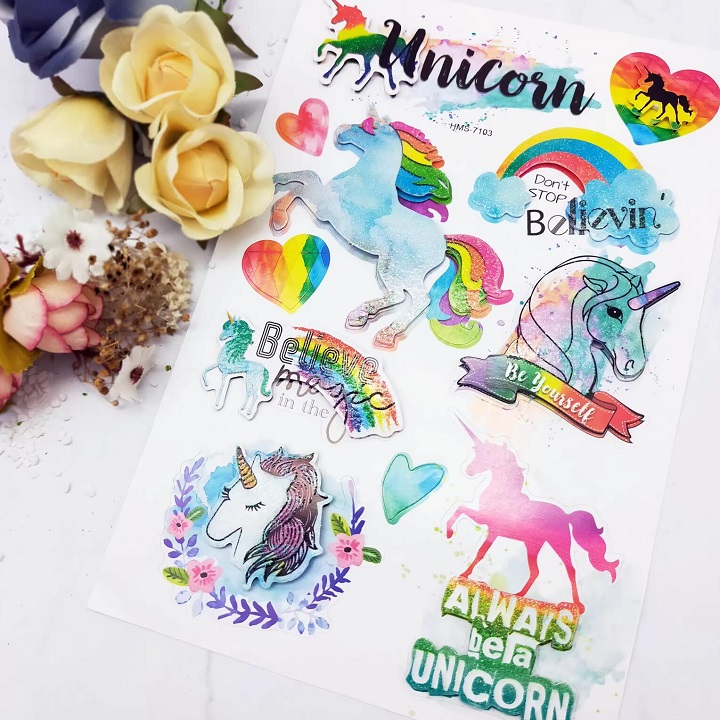
Printing stickers is one of the most flexible and cost-effective ways to turn packaging, products, and promotions into brand assets. For brands that want stronger shelf appeal, better unboxing experiences, and more consistent visual identity, custom sticker printing can do far more than simply "add a logo". [printrunner]
Why printing stickers still matters in 2026
Sticker printing remains highly relevant because brands now need packaging that is both functional and memorable. The personalized stickers market is projected to grow from USD 5.12 billion in 2026 to USD 8.45 billion by 2035, which reflects rising demand for customized, short-run, and brand-driven print products. [towardspackaging]
In 2026, the strongest sticker trends are not just decorative. They combine premium finishes, functional formats, and digital features such as QR codes, NFC, and scratch-reveal elements. That matters because buyers no longer want stickers that only look good; they want stickers that support branding, verification, engagement, and packaging efficiency. [printshop.paperlust]
For OEM and ODM buyers, this shift is important. A well-designed sticker can act as a seal, a label, a promotional insert, a tamper-evident layer, or a product identifier. [xkdisplay]
What printing stickers can do for your business
Custom stickers are used across retail, cosmetics, food packaging, logistics, e-commerce, events, and corporate gifting. They help brands solve both marketing and operational problems at the same time. [xkdisplay]
Common business uses include:
Product branding.
Packaging seals.
Price and barcode labels.
Promotional giveaways.
Event handouts.
Tamper-evident packaging.
Inventory and shipping identification.
Decorative branding on boxes, bottles, and envelopes. [xkdisplay]
A simple example is an unboxing kit for a beauty brand. A logo sticker on the outer mailer, a sealed label on the inner box, and a die-cut promotional sticker inside the package can all reinforce the same brand story without adding much cost.
Popular sticker types and materials
Choosing the right sticker material is one of the most important production decisions. Material affects durability, print quality, adhesive performance, and the final look of the product. [xkdisplay]
| Sticker type | Best for | Key benefit |
| Paper stickers | Indoor packaging, inserts, basic labeling | Affordable and easy to print xkdisplay |
| Vinyl stickers | Outdoor use, bottles, shipping, durable branding | Waterproof and weather-resistant xkdisplay |
| Polyester stickers | Industrial or harsh environments | Tear-resistant and moisture-resistant |
| Foil stickers | Luxury packaging and premium branding | Metallic or holographic impact |
| Die-cut stickers | Logos, icons, custom shapes | Clean shape with no excess background xkdisplay |
| Roll labels | Automated application and mass labeling | Efficient for production lines |
| Sheet labels | Desktop printing and small batches | Convenient for flexible use |
| Clear labels | Transparent packaging and minimalist branding | Blends into the surface xkdisplay |
| Removable stickers | Seasonal promotions and temporary use | Easy to remove without residue xkdisplay |
If your stickers will face moisture, abrasion, or sunlight, vinyl or polyester is usually the safer choice. If your use is mainly indoor and cost-sensitive, paper stickers can be a practical option. [xkdisplay]
Design principles that improve print quality
Good sticker design starts with a clear purpose. According to experienced printing professionals, the most common mistake is designing before defining the sticker's function. [printrunner]
Before creating artwork, ask these questions:
Is this sticker for branding, decoration, sealing, or product labeling?
Will it be handled often or exposed to weather?
Should it feel premium, playful, technical, or minimal?
Will it be printed as a sheet, roll, or die-cut label?
Strong sticker designs usually follow four rules:
1. Keep the message short.
2. Use strong contrast.
3. Leave enough blank space.
4. Match the shape to the artwork.
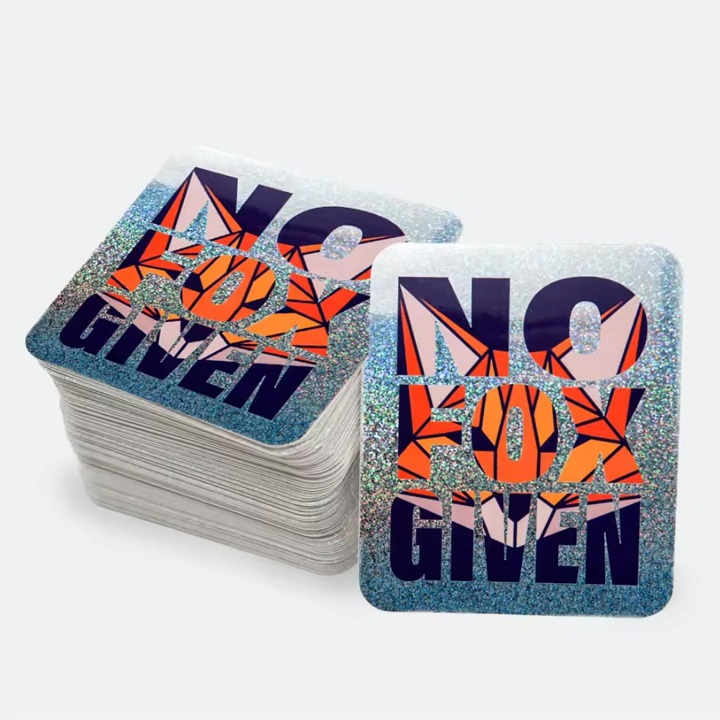
A cluttered sticker is harder to read at small sizes. A simple sticker with a clear logo, limited text, and strong color contrast often performs better than a complex layout. [printrunner]
Production workflow from file to finished sticker
A professional sticker printing process usually follows a clear production sequence. Understanding this workflow helps brands reduce mistakes and save time during sampling and approval. [printrunner]
1. Prepare the artwork.
2. Confirm size, material, and adhesive type.
3. Set the correct color mode and resolution.
4. Add bleed and cut lines.
5. Review a digital proof or sample.
6. Print and cut.
7. Inspect quality.
8. Pack and ship. [printrunner]
For artwork preparation, 300 dpi is a widely recommended minimum for print clarity, and CMYK is generally preferred for print production. If the file includes custom shapes, the cut line must be accurate, especially for die-cut or kiss-cut stickers. [printrunner]
A practical checklist for buyers
Many sticker projects fail not because of printing quality, but because of missing specifications. Use this checklist before placing an order:
Final size and shape.
Indoor or outdoor use.
Desired finish: gloss, matte, foil, clear, holographic, etc.
Adhesive requirement: permanent or removable.
Quantity needed.
Packaging format: sheets, rolls, or individual pieces.
Artwork file format.
Proofing requirement.
Delivery deadline.
For larger packaging programs, it is also wise to request a physical sample before full production. This is especially useful when stickers need to match cartons, labels, or other packaging components.
New market and trend insights
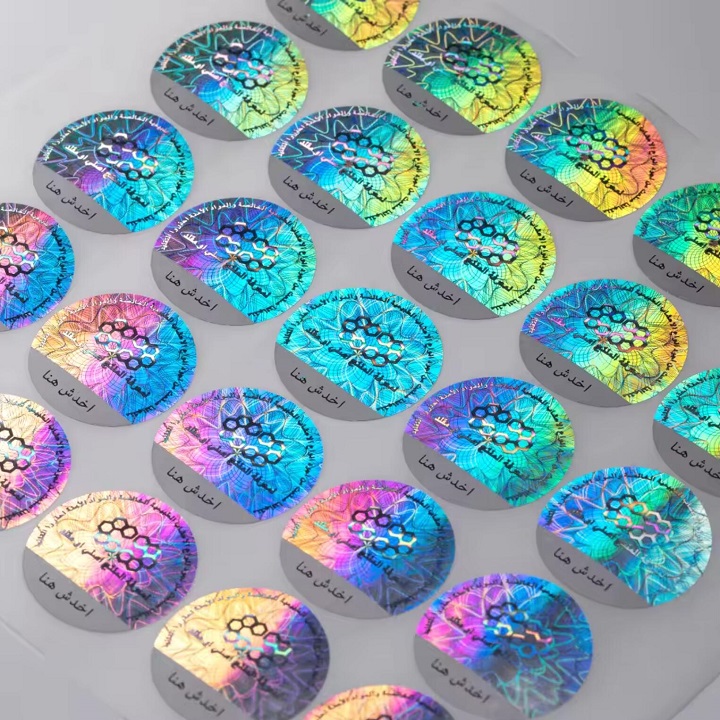
The sticker market in 2026 is moving toward two major directions: premium tactile branding and functional smart labeling. Premium finishes such as holographic and foil are especially popular for beauty, wellness, and lifestyle products, while QR and NFC-enabled stickers are growing because they connect offline packaging with digital engagement. [printshop.paperlust]
This is important for exporters and OEM buyers. A sticker is no longer only a decorative item; it can become part of a wider packaging system. For example, a QR sticker can connect customers to product authentication, installation instructions, a campaign landing page, or a loyalty program.
Sustainability is another important trend in printing. Broader printing industry trends in 2026 continue to emphasize sustainable materials, digital and on-demand production, variable data, and automation. Brands that buy stickers in smaller, smarter batches can reduce waste while keeping packaging fresh and relevant. [trayinc]
How XingKun supports custom sticker projects
As a custom packaging and printing factory, XingKun is positioned to support sticker projects that need both speed and consistency. The company's product range includes stickers and labels, packaging boxes, cards, books, and related printed packaging products, which makes it easier for brands to keep visual style consistent across different items. [cn.linkedin]
That cross-product capability matters when a brand needs:
Stickers that match cartons and inserts.
Labels that align with bottle or jar packaging.
Promotional stickers bundled with playing cards, books, or gift packaging.
OEM/ODM support for recurring campaigns and private-label programs.
For international buyers, this kind of integrated print production can reduce communication errors and simplify sourcing.
Common mistakes to avoid
Even experienced buyers make avoidable sticker-printing errors. The most common ones are usually related to file prep, material choice, and expectations about finish.
Avoid these mistakes:
Using low-resolution artwork.
Forgetting bleed or cut lines.
Choosing paper for outdoor use.
Overcrowding the design.
Picking a finish that clashes with the packaging surface.
Ordering too few test samples.
Ignoring adhesive behavior on curved or textured surfaces.
If the sticker must wrap around a bottle or seal a corrugated carton, the surface matters as much as the design. A sticker that looks great on a flat proof may behave differently in real-world use.
How to choose the right sticker format
The best sticker format depends on how it will be used. A simple decision framework can help:
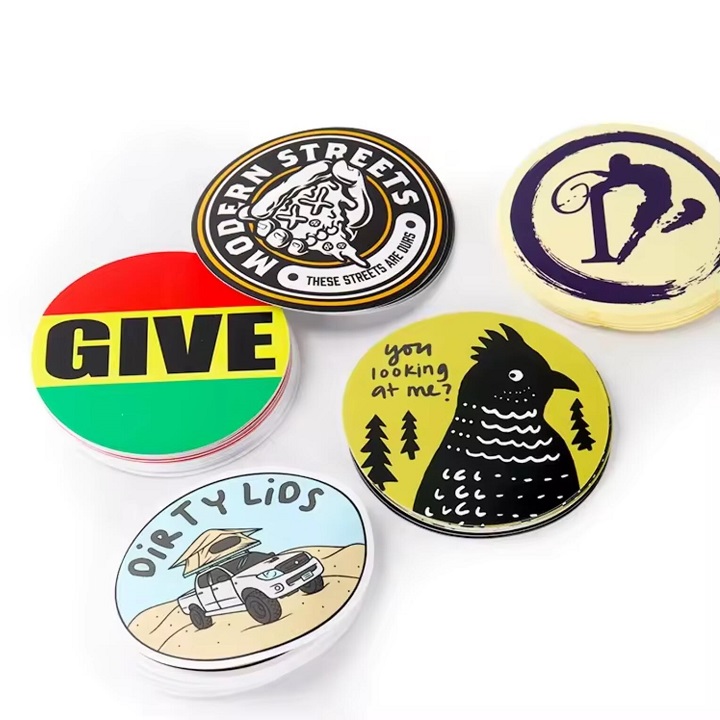
Choose sheet stickers for small sets, promotional giveaways, and desktop-friendly packing.
Choose roll labels for faster manual or automated application.
Choose die-cut stickers when brand presentation is the top priority.
Choose kiss-cut stickers when you want easy peeling and a backing sheet.
Choose clear stickers for a modern, low-visual-noise effect.
Choose foil or holographic stickers when the goal is premium shelf impact. [printshop.paperlust]
If your goal is branding, start with the customer experience. If your goal is logistics, start with workflow efficiency.
Conclusion
Printing stickers is still one of the smartest ways to improve branding, packaging, and customer experience in a single low-cost product. In 2026, the best sticker projects are not only visually attractive but also functional, durable, and aligned with the brand's packaging strategy. [towardspackaging]
For businesses that want custom sticker printing at scale, the key is to match material, adhesive, shape, and finish to the real use case. If you are planning a new packaging run or need a custom OEM/ODM sticker solution, start with a clear brief, request a proof, and choose a supplier that understands both print quality and brand consistency. [printrunner]
FAQ
1. What is the best material for printing stickers?
Vinyl is usually best for durable, waterproof, or outdoor use, while paper is better for low-cost indoor applications. [xkdisplay]
2. What file format should I use for sticker printing?
PDF, PNG, and EPS are commonly accepted print formats, and artwork should generally be prepared at 300 dpi in CMYK mode. [printrunner]
3. Are die-cut stickers better than sheet stickers?
Die-cut stickers are better for premium branding and custom shapes, while sheet stickers are better for multiple designs and easier handling. [xkdisplay]
4. Can stickers be used for packaging seals?
Yes. Stickers are widely used as packaging seals, branding elements, and tamper-evident labels in retail and food-related packaging. [xkdisplay]
5. Are holographic stickers still popular in 2026?
Yes. Holographic and other premium tactile finishes remain a major trend in 2026, especially in beauty, wellness, and lifestyle branding. [printshop.paperlust]
6. How do I avoid sticker printing mistakes?
Use high-resolution artwork, add proper bleed and cut lines, choose the right adhesive and material, and request a proof before production. [printrunner]
References
1. [Personalized Stickers Market Trends & Size 2026-2035] — market forecast and growth outlook [towardspackaging]
2. [How to Design Sticker Sheets (With Expert Tips From a Designer)] — design tips, file prep, bleed, resolution, and production workflow [printrunner]
3. [XingKun Stickers & Labels] — product types, materials, applications, and OEM/ODM-related capabilities [xkdisplay]
4. [Top 10 Sticker Trends in 2026] — 2026 trend direction, premium finishes, and functional sticker formats [printshop.paperlust]
5. [2026 Print Trends in Glen Burnie, MD] — sustainability, digital/on-demand production, personalization, automation [trayinc]
6. [XingKun Packing Products Co Ltd | LinkedIn] — company profile and business scope [cn.linkedin]


