Content Menu
● What Is Short-Run Book Printing?
>> Short Run vs. Print-on-Demand vs. Offset
● How Many Copies Should You Print?
>> 50 Copies: Best for Testing and Events
>> 100 Copies: The Balanced First Production Run
>> 500 Copies: When Unit Economics Improve
● Digital or Offset: How to Choose
● How to Print 50, 100, or 500 Copies: Step-by-Step
>> 1. Define the Book's Purpose
>> 2. Choose the Correct Trim Size
>> 3. Select Interior Paper
>> 4. Choose Binding Based on Page Count
>> 5. Prepare Print-Ready Files
>> 6. Approve a Physical Proof
>> 7. Plan Freight, Customs, and Storage
● Cost Control: A Practical Example
● Industry Insight: Why Short Runs Are Growing
● Common Short-Run Printing Mistakes
● How XingKun Supports Short-Run Book Projects
● Conclusion
● FAQ
>> 1. What is the minimum quantity for short-run book printing?
>> 2. Is digital printing good for 500 books?
>> 3. How much does it cost to print 100 books?
>> 4. Should I choose paperback or hardcover for a short run?
>> 5. Do I need an ISBN for short-run book printing?
>> 6. How long does short-run book printing take?
>> 7. Can I reprint the same book later?
● References
Short-run book printing is the most practical way to produce 50, 100, or 500 copies without committing to a large warehouse order. For most projects, digital printing is the best fit at 50–100 copies, while 500 copies is the "decision zone" where digital and offset should both be quoted. [publishingxpress]
As a manufacturer serving brands, publishers, agencies, and product businesses, I often see buyers lose money not because they chose the wrong printer, but because they chose the wrong quantity, binding, page count, or specification for their actual distribution plan. This guide explains how to plan a short run correctly—from artwork and paper selection to cost control, proofing, and delivery.
What Is Short-Run Book Printing?
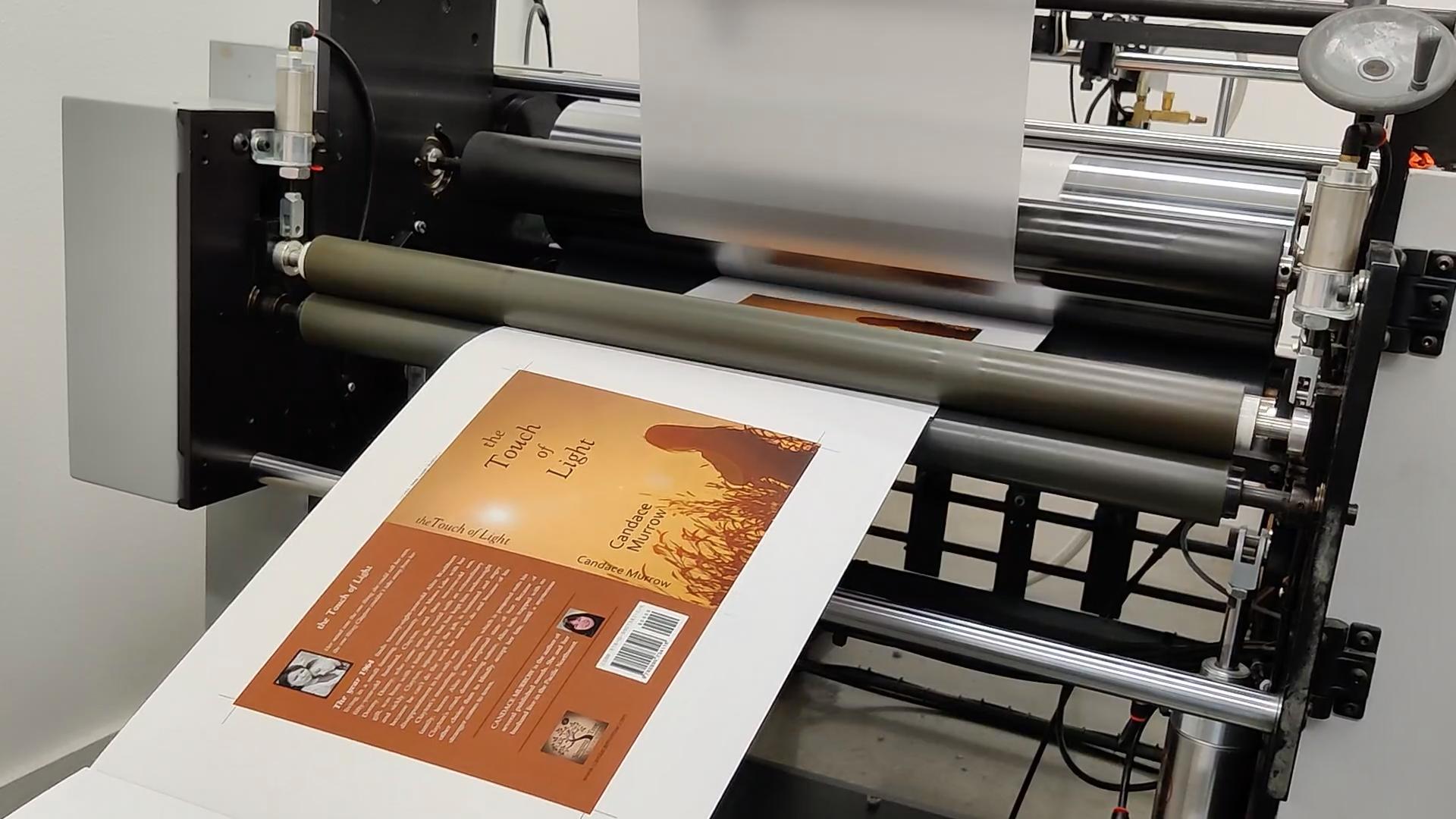
Short-run book printing usually refers to producing a relatively small quantity of finished books—commonly 1 to 500 copies, and sometimes up to 1,000 copies—using digital toner or inkjet presses rather than traditional offset plates. [publishingxpress]
Unlike print-on-demand, which produces one copy after an order is received, a short run produces a batch in advance. This gives you better unit pricing, more control over finishing, and stock ready for launches, events, retail, corporate gifting, or B2B distribution. [publishingxpress]
Short Run vs. Print-on-Demand vs. Offset
| Printing method |
Best quantity |
Main advantage |
Main trade-off |
| Digital short run |
25–500 copies |
Low setup cost, fast turnaround, flexible specifications |
Higher unit cost than offset at scale publishingxpress+1 |
| Print-on-demand |
1 copy at a time |
No inventory risk; prints after each sale |
Highest per-copy cost and limited customization publishingxpress+1 |
| Offset printing |
500–1,000+ copies |
Lowest unit cost at volume; excellent color consistency |
Plate/setup cost and larger minimum commitment publishingxpress+1 |
Key takeaway: If you need fewer than 100 books, digital short-run printing is usually the safest financial choice. At 500 copies, ask your supplier to quote both digital and offset before approving production. [publishingxpress]
How Many Copies Should You Print?
The right quantity depends on your distribution channel, shelf life, cash flow, and risk tolerance. A common mistake is printing 500 copies because the unit price looks attractive, then storing 350 books for two years.
50 Copies: Best for Testing and Events
A 50-copy run is ideal when demand is uncertain or the book has a short promotional window.
Typical uses include:
- Author launch copies, review copies, and advance reader copies
- Conference handouts, training manuals, and workshop materials
- Brand storybooks, product catalogs, and corporate commemorative books
- Limited-edition art books, zines, or collector editions
- First-run tests before a larger reprint
For a standard 200-page, 6 × 9 inch black-and-white perfect-bound paperback, industry estimates place 50-copy digital production at roughly $5–$8 per copy, or about $250–$400 before shipping. [publishingxpress]
Expert advice: At 50 copies, prioritize a clean, durable specification rather than expensive special effects. A well-made paperback with a matte laminated cover often converts better than a costly hardcover that delays your launch.
100 Copies: The Balanced First Production Run
100 copies is often the most balanced quantity for independent authors, small publishers, training teams, and brands testing a new market.
At this quantity, you can usually support:
- A local bookstore or event launch
- Direct sales through your website
- Corporate onboarding or sales-enablement programs
- Influencer, press, and partner distribution
- A controlled retail or Amazon FBA test
Published 2026 estimates suggest a 150-page black-and-white perfect-bound paperback at 100 copies may cost approximately $3.50–$5.50 per copy, or $350–$550 total before shipping. Another industry source estimates $4–$7 per copy for a 200-page 6 × 9 book at 100 copies. [publishingxpress]
Expert advice: If your book is likely to sell steadily, 100 copies gives you enough inventory to measure real demand without excessive storage risk.
500 Copies: When Unit Economics Improve
500 copies is where many buyers begin comparing digital and offset production seriously. Digital remains convenient and flexible, but offset may deliver a lower per-unit price depending on page count, color coverage, binding, and delivery destination. [publishingxpress]
Typical uses include:
- Established authors or publishers with proven demand
- Retail-ready product catalogs and brand books
- Educational workbooks and training programs
- Restaurant menus, cookbooks, and hospitality materials
- Museum, gallery, tourism, and commemorative publications
For a standard 150-page black-and-white paperback, one 2026 cost guide estimates approximately $2.50–$3.50 per copy at 500+ copies, or around $1,250+ total. Another guide estimates $3.00–$5.00 per book at 500 copies using offset production. [ecobookprinting]
Expert advice: At 500 copies, calculate the landed cost per book, not just the factory price. Include proofing, freight, duties, storage, fulfillment, and the cost of unsold inventory.
Digital or Offset: How to Choose
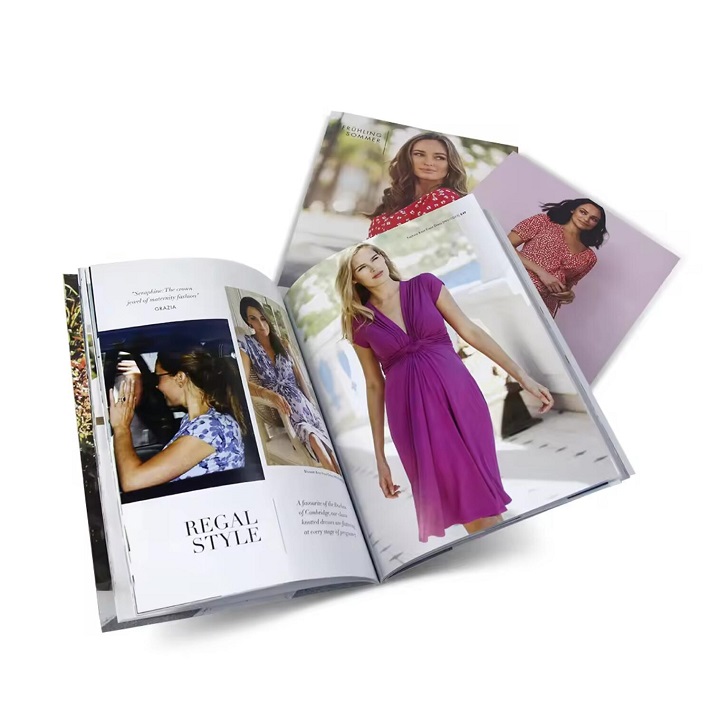
Choose the process based on total production economics, not the lowest quoted unit price alone.
| Decision factor |
Choose digital short run |
Choose offset |
| Quantity |
25–300 copies |
500–1,000+ copies |
| Budget |
Lower upfront cost |
Lower unit cost at scale publishingxpress |
| Turnaround |
Faster; no plate setup |
Longer due to prepress and setup publishingxpress |
| Color |
Excellent for most books |
Stronger for large solid-color areas and precise brand color |
| Reprints |
Easy and economical |
More practical at higher quantities |
| Customization |
Better for variable data or versions |
Less flexible |
Practical rule: For 50 or 100 copies, start with digital. For 500 copies, request both quotations and compare the full cost—including freight and potential reprint risk. [publishingxpress]
How to Print 50, 100, or 500 Copies: Step-by-Step
1. Define the Book's Purpose
Before requesting a quote, define whether the book is for retail sale, corporate use, events, education, gifting, or brand marketing. This decision affects trim size, paper weight, binding, quantity, and packaging.
For example:
- A retail cookbook needs durable binding and a premium cover.
- A training manual may prioritize readability, update frequency, and cost.
- A brand storybook may need premium paper, foil stamping, or a hardcover.
- A conference booklet should be lightweight and easy to distribute.
2. Choose the Correct Trim Size
Common trim sizes include:
- 5 × 8 inches: Novels, memoirs, and compact guides
- 5.5 × 8.5 inches: Fiction, journals, and handbooks
- 6 × 9 inches: The most common trade paperback size
- 7 × 10 inches: Textbooks, manuals, and workbooks
- 8.5 × 11 inches: Reports, catalogs, and visual guides
A larger trim size increases paper consumption and shipping volume. For 500 copies, even a small trim-size change can materially affect freight cost.
3. Select Interior Paper
Paper selection affects cost, readability, durability, and perceived value.
| Paper type |
Best for |
Notes |
| Uncoated woodfree paper |
Novels, manuals, workbooks |
Easy to read and write on |
| Coated art paper |
Photo books, catalogs, cookbooks |
Better image reproduction |
| Cream paper |
Literary books and premium paperbacks |
Softer reading experience |
| Heavyweight paper |
Children’s books and luxury editions |
Increases shipping weight and cost |
For black-and-white novels or manuals, avoid over-specifying paper. For image-led books, invest in coated paper and accurate color proofing instead.
4. Choose Binding Based on Page Count
Binding is one of the biggest cost and durability factors in short-run book printing.
| Binding method |
Recommended page count |
Best for |
| Saddle stitching |
Roughly 8–64 pages |
Booklets, programs, catalogs publishingxpress |
| Perfect binding |
Roughly 48–500+ pages |
Paperbacks, manuals, brand books |
| Hardcover binding |
Usually 64+ pages |
Premium editions, gifts, keepsakes |
| Spiral or Wire-O binding |
Flexible |
Workbooks, manuals, planners |
A 32-page saddle-stitched booklet can cost substantially less than a perfect-bound book of comparable size; one 2026 industry estimate places it at $1.50–$3.00 per unit for a 50-copy run. [publishingxpress]
5. Prepare Print-Ready Files
A professional printer can only be as accurate as the files supplied. Before production, prepare:
- Print-ready PDF with bleed and crop marks
- CMYK color mode for interior and cover
- Embedded fonts and linked images
- Minimum 300 DPI images
- Separate cover file from interior file
- Clear spine calculation for perfect-bound or hardcover books
- Barcode, ISBN, copyright page, and legal disclaimers where applicable
Expert advice: Ask for a printed proof for color-critical books, hardcovers, foil stamping, or premium paper. A digital proof is useful for layout, but it cannot fully show paper texture, binding strength, or metallic finish.
6. Approve a Physical Proof
For 50–100 copies, a proof may feel expensive, but it protects the entire run. For 500 copies, it is essential.
Check the proof for:
- Cover color accuracy
- Image sharpness and contrast
- Paper opacity
- Binding alignment
- Spine text readability
- Trim consistency
- Page order and margins
- Finish quality, such as matte lamination or spot UV
7. Plan Freight, Customs, and Storage
International buyers should request an EXW, FOB, CIF, or DDP quotation and confirm what is included. Freight can become a significant part of the total cost, especially for heavy hardcovers or large-format books.
Before placing an order, confirm:
- Gross weight and carton dimensions
- Shipping method: air, sea, rail, or express
- Import duties and taxes
- Delivery terms and insurance
- Palletization requirements
- Warehouse or fulfillment instructions
Cost Control: A Practical Example
Consider a 200-page, 6 × 9 inch black-and-white perfect-bound paperback.
| Quantity |
Estimated unit cost |
Estimated print subtotal |
Best-fit process |
| 50 copies |
$5–$8 |
$250–$400 |
Digital publishingxpress |
| 100 copies |
$4–$7 |
$400–$700 |
Digital publishingxpress |
| 500 copies |
$2.50–$5.00 |
$1,250–$2,500 |
Digital or offset; quote both |
These figures are planning benchmarks, not fixed quotations. Your final price depends on page count, paper, color pages, cover finishing, binding, proofing, freight terms, and destination.
The most important calculation is not "price per book." It is:
True cost per sellable book = (Printing + proofing + freight + duties + storage)÷Expected sellable copies
If 10% of a 500-copy run becomes damaged, outdated, or unsellable, your effective cost rises immediately.
Industry Insight: Why Short Runs Are Growing
Short-run and print-on-demand production have become more important because publishers and brands want to reduce inventory risk. In Canada's 2025 book market, print-on-demand revenue reportedly grew by 79%, showing strong demand for flexible, lower-inventory publishing models. [publishdrive]
For brands, this trend matters beyond traditional publishing. A company may no longer need to print 5,000 catalogs that become outdated. Instead, it can print 100 high-quality brand books, update the content quarterly, and reprint only what it needs.
This approach supports:
- Lower working-capital requirements
- Faster content updates
- Less obsolete inventory
- More personalized B2B marketing
- Better sustainability through reduced waste
Common Short-Run Printing Mistakes
Avoid these issues before approving production:
- Printing too many copies too early. Start with 50 or 100 copies if demand is unproven.
- Ignoring freight in the unit-cost calculation. A low factory price can disappear after international shipping.
- Choosing hardcover by default. Hardcover looks premium but increases cost, weight, and lead time.
- Using RGB files. Print production requires CMYK files.
- Skipping a physical proof. This is risky for color books, hardcovers, and special finishes.
- Not planning for reprints. Keep final artwork, paper specifications, Pantone references, and production notes organized.
- Underestimating spine width. Page count and paper thickness determine whether spine text is readable.
How XingKun Supports Short-Run Book Projects
Shenzhen XingKun Packing Products Co., Ltd. (XingKun) provides OEM and ODM book printing services for overseas brands, wholesalers, publishers, agencies, and product businesses. We support short-run production across paperback books, hardcover books, manuals, catalogs, children's books, cookbooks, notebooks, and branded publications.
Our team can help you:
- Select the right quantity for your launch or distribution plan
- Compare digital and offset production options
- Recommend paper, binding, and cover finishing
- Check artwork before production
- Provide physical samples or proofs
- Arrange export packaging and international shipping
- Produce coordinated packaging, stickers, cards, and printed materials
Ready to print 50, 100, or 500 copies? Send XingKun your page count, trim size, paper preference, binding method, quantity, and destination country. We will provide a tailored short-run book printing quotation and production recommendation.
Conclusion
Short-run book printing makes professional book production accessible at 50, 100, and 500 copies. Use digital printing for smaller, flexible runs; evaluate offset at 500 copies when demand is proven and unit economics matter. The best result comes from matching quantity to a realistic distribution plan, approving a physical proof, and calculating the true landed cost per book.
For brands and publishers, a short run is not simply a small order—it is a controlled way to test the market, protect cash flow, update content quickly, and reduce waste.
FAQ
1. What is the minimum quantity for short-run book printing?
Many short-run printers can produce from 25 copies, and some digital workflows can print even fewer. For commercial planning, 50, 100, and 500 copies are the most common decision points. [publishingxpress]
2. Is digital printing good for 500 books?
Yes. Digital printing is suitable for 500 copies, especially when you need faster turnaround or flexible specifications. However, offset may be more economical depending on page count, color coverage, and shipping requirements, so request both quotations. [publishingxpress]
3. How much does it cost to print 100 books?
A 150-page black-and-white perfect-bound paperback at 100 copies is commonly estimated at $3.50–$5.50 per copy, or $350–$550 before shipping. A 200-page book may cost more depending on paper and specifications. [publishingxpress]
4. Should I choose paperback or hardcover for a short run?
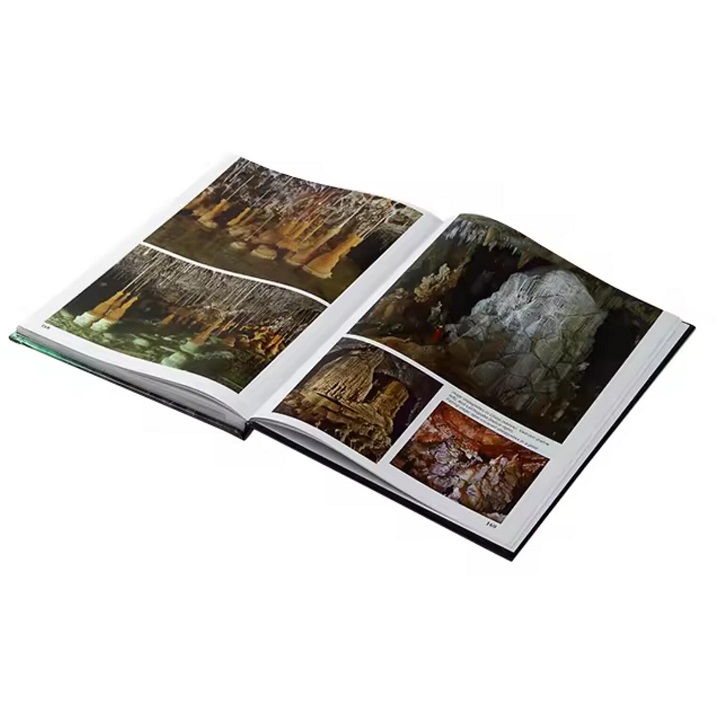
Choose paperback for most first runs, manuals, catalogs, and cost-sensitive projects. Choose hardcover for premium gifts, collector editions, photography books, or brand books where perceived value justifies the higher cost.
5. Do I need an ISBN for short-run book printing?
If you plan to sell the book through bookstores, distributors, or major retail channels, an ISBN is usually required. In the United States, ISBNs are assigned through Bowker, the official U.S. ISBN agency. [illuminationgraphics]
6. How long does short-run book printing take?
Digital short-run production is generally faster than offset because it does not require plate setup. Exact timing depends on proof approval, page count, binding, finishing, and shipping method. [publishingxpress]
7. Can I reprint the same book later?
Yes. Keep your final print-ready files, paper specifications, color standards, cover finish details, and binding instructions. This makes a reprint faster and more consistent.
References
1. Publishing Xpress — *Best Book Printing Options for Short Print Runs 2026*: [https://www.publishingxpress.com/blog/book-printing-options-for-short-print-runs/]
2. Publishing Xpress — *Best Cheap Book Printing for Authors 2026*: [https://www.publishingxpress.com/blog/best-book-printing-for-authors-on-a-tight-budget/]
3. YourBookPress — *How Much Does It Cost to Self-Publish a Book? (2026)*: [https://yourbookpress.com/blog/how-much-does-it-cost-to-self-publish-a-book]
4. Publishing Xpress — *Book Printing for Self-Published Authors 2026*: [https://www.publishingxpress.com/blog/book-printing-for-self-published-authors/]
5. Publishing Xpress — *How to Self-Publish a Book Cheap in 2026*: [https://www.publishingxpress.com/blog/how-to-self-publish-book-on-budget/]
6. Gorham Printing — *Book Printing Pricing and Price Charts*: [https://gorhamprinting.com/prices-book-printing/price-charts.html]
7. MPress Now — *Short Run Book Printing: Costs, Minimums, Turnaround*: [https://mpressnow.com/short-run-book-printing/]
8. EcoPrinting — *How Much Does Book Printing Cost in 2026?*: [https://ecobookprinting.com/book-printing-cost-2026-guide/]
9. QinPrinting — *How Much Does It Cost to Print a Book? [2026 Price Guide]*: [https://www.qinprinting.com/book-printing-cost/]
10. Bowker / Illumination Graphics — *Self-Publishing Resources and ISBN Guidance*: [https://illuminationgraphics.com/resources/]
11. PublishDrive — *Canada Book Market 2025: Print, Ebooks and Audiobooks*: [https://publishdrive.com/canada-book-market-2025-how-canadian-ebooks-print-books-and-audiobooks-performed.html]


