Content Menu
● What Does "Vinyl Sticker Printing Near Me" Really Mean?
● Why Vinyl Is a Preferred Sticker Material
>> Key Benefits of Custom Vinyl Stickers
● Vinyl Sticker Types for B2B Buyers
● How to Choose a Vinyl Sticker Printing Supplier
>> 1. Confirm Manufacturing Capability
>> 2. Review Material and Adhesive Options
>> 3. Request a Physical Sample
>> 4. Evaluate Communication and Project Management
● Expert Insight: The Most Common Vinyl Sticker Mistakes
>> Mistake 1: Choosing Vinyl Without Testing the Surface
>> Mistake 2: Ignoring Lamination
>> Mistake 3: Using the Wrong Adhesive
>> Mistake 4: Underestimating Die-Cut Complexity
>> Mistake 5: Ordering Without a Clear QC Standard
● Practical Guide: How to Order Custom Vinyl Stickers
● How XingKun Supports OEM and ODM Vinyl Sticker Projects
>> Typical XingKun Project Scope
● Industry Case: Vinyl Stickers for an Anime Merchandise Brand
● Cost Factors: What Affects Vinyl Sticker Pricing?
● Quality Control Checklist Before Mass Production
● Sustainability and Material Selection
● How to Get the Best Result From a "Near Me" Search
● Work With XingKun for Custom Vinyl Stickers
● Conclusion
● FAQ
>> 1. What is the difference between die-cut and kiss-cut vinyl stickers?
>> 2. Are vinyl stickers waterproof?
>> 3. How long do custom vinyl stickers last outdoors?
>> 4. What file format should I provide for custom sticker printing?
>> 5. Can I order custom vinyl stickers with my own logo?
>> 6. What is the minimum order quantity for custom vinyl stickers?
● References
Searching for "vinyl sticker printing near me" usually means one thing: you need durable, custom-shaped stickers quickly—and you need a supplier who can control print quality, adhesive performance, and finishing details. For brands, wholesalers, e-commerce sellers, and product manufacturers, the best choice is not always the closest print shop. It is the partner that can deliver consistent OEM/ODM vinyl stickers at the required quality, quantity, and lead time.
As a custom printing and packaging manufacturer, Shenzhen XingKun Packing Products Co., Ltd. (XingKun) works with overseas brand owners, wholesalers, and producers on custom stickers, labels, packaging boxes, playing cards, puzzles, books, and related printed products. This guide explains how to evaluate a "near me" vinyl sticker supplier, what specifications matter most, and how to avoid common quality and logistics problems.
What Does "Vinyl Sticker Printing Near Me" Really Mean?
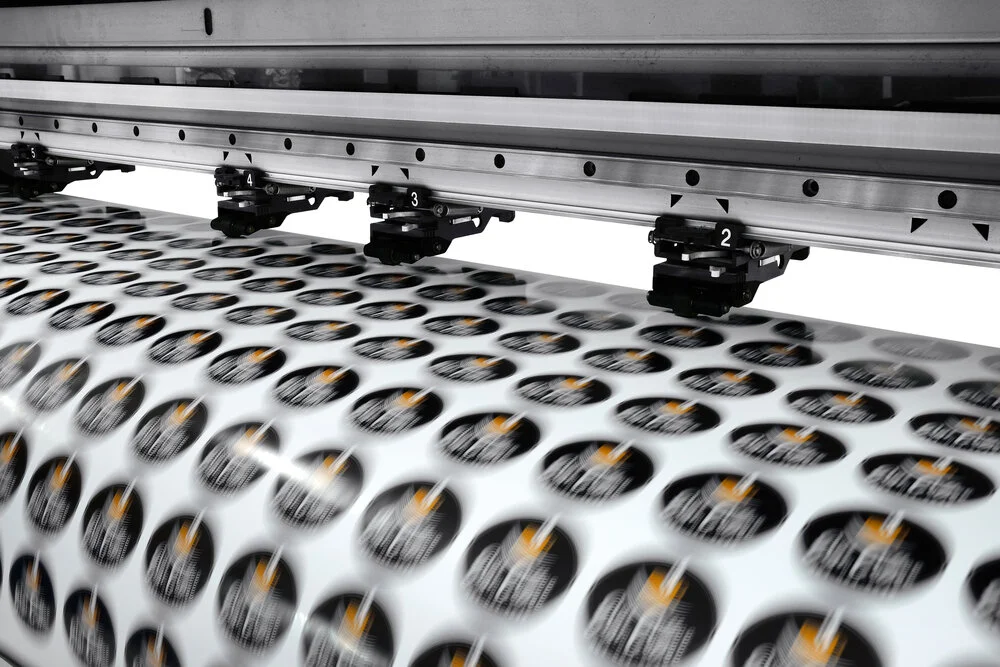
The phrase "vinyl sticker printing near me" is a local-intent search. Buyers often want a supplier they can visit, speak with quickly, receive samples from, or collect finished goods from. However, in custom manufacturing, "near me" should also mean operationally close: responsive communication, accessible proofs, dependable delivery, and a factory capable of handling your order volume.
For a local retail buyer ordering 50 stickers, a nearby digital print shop may be ideal. For a brand ordering 5,000–500,000 die-cut vinyl stickers, the decision shifts toward a manufacturer with:
- Controlled material sourcing
- Professional prepress and color management
- Die-cutting, kiss-cutting, laminating, and finishing equipment
- QC inspection before shipment
- Export packaging and international logistics experience
Vinyl stickers are commonly chosen because vinyl film is water-resistant, durable, and suitable for many indoor and outdoor applications. Industry suppliers describe white vinyl as waterproof and UV-resistant, making it appropriate for outdoor branding, bottles, equipment, vehicles, and promotional products. [uprinting]
Why Vinyl Is a Preferred Sticker Material
Vinyl is not the only sticker material, but it is often the best choice when durability matters. Compared with standard paper stickers, vinyl provides better resistance to moisture, abrasion, and temperature changes.
Key Benefits of Custom Vinyl Stickers
- Water resistance: Vinyl film does not absorb moisture like paper, so it performs better around bottles, refrigerated products, bathrooms, and outdoor environments. [printshop.paperlust]
- Outdoor durability: Properly printed and finished vinyl stickers can last for years outdoors, although actual life depends on sunlight, surface preparation, lamination, and abrasion. [printshop.paperlust]
- Strong adhesion: Permanent acrylic adhesives are commonly used for smooth surfaces such as glass, metal, plastic, painted panels, and machinery. [printshop.paperlust]
- Custom shapes: Vinyl supports precise die-cutting and kiss-cutting, allowing logos, mascots, product silhouettes, and irregular shapes.
- Premium appearance: Glossy or matte lamination can improve scratch resistance, color depth, and perceived product value.
Important: "Waterproof" does not automatically mean dishwasher-safe, fuel-resistant, or suitable for every surface. The complete sticker system—face film, ink, adhesive, laminate, substrate, and application method—determines real-world performance. [printshop.paperlust]
Vinyl Sticker Types for B2B Buyers
Before requesting a quote, identify the sticker format that matches your product and distribution model.
| Sticker Type |
Best Use |
Typical B2B Application |
| Die-cut vinyl stickers |
Individually cut to the artwork outline |
Brand merchandise, packaging seals, product labels |
| Kiss-cut sticker sheets |
Stickers cut through the vinyl but held on a backing sheet |
Retail packs, promotional sets, multi-design collections |
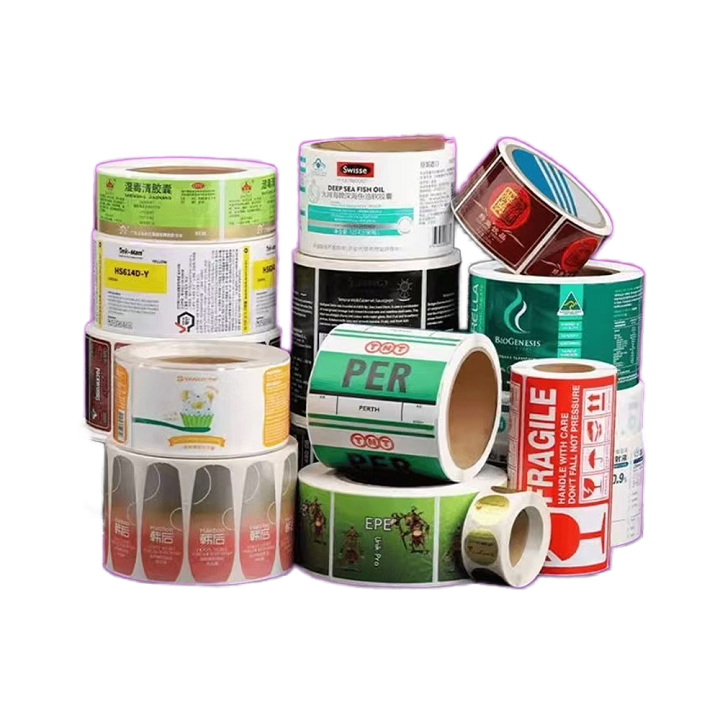
| Roll labels |
High-volume application or machine labeling |
Cosmetics, food, supplements, bottles, logistics |
| Clear vinyl stickers |
“No-label” look on glass, plastic, or colored surfaces |
Beverage bottles, cosmetics, electronics |
| Holographic vinyl stickers |
Eye-catching branding and limited editions |
Anime merchandise, cosmetics, gaming, event products |
| Frosted vinyl stickers |
Semi-transparent premium effect |
Window displays, glass packaging, retail signage |
| Removable vinyl stickers |
Temporary promotions or surfaces requiring clean removal |
Retail promotions, seasonal packaging, rental equipment |
| Permanent vinyl stickers |
Long-term identification and branding |
Industrial equipment, vehicles, tools, outdoor products |
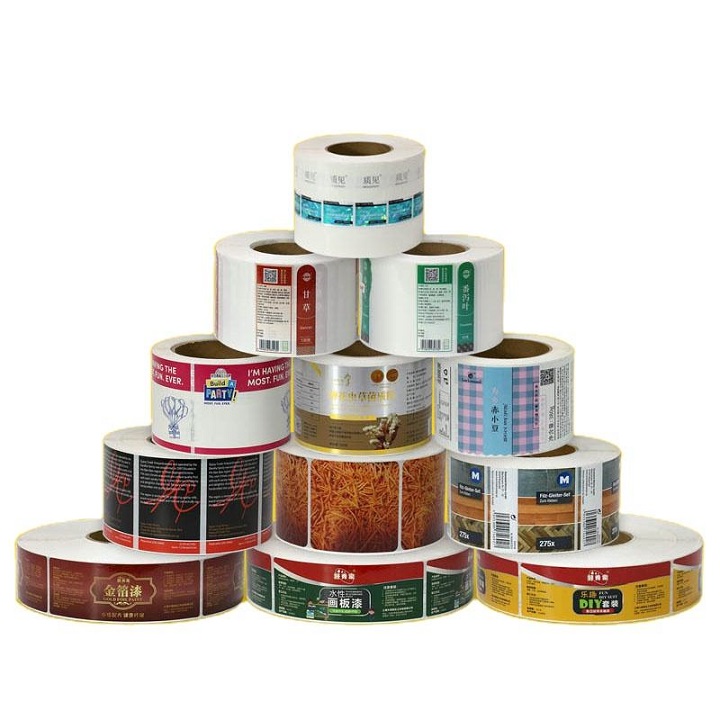
For OEM projects, XingKun can support custom specifications across material, size, shape, printing, adhesive, lamination, and packaging format. The goal is to match the sticker construction to the actual use environment—not simply choose the lowest-cost option.
How to Choose a Vinyl Sticker Printing Supplier
A strong supplier should act like a manufacturing partner, not merely a printer. When comparing results for vinyl sticker printing near me, use the following checklist.
1. Confirm Manufacturing Capability
Ask whether the supplier is a factory, trading company, or hybrid supplier. A manufacturer should be able to explain its production process clearly, including printing method, die-cutting tolerance, lamination options, and inspection standards.
Ask these questions:
- Do you produce vinyl stickers in-house or outsource them?
- What printing methods do you use: digital, offset, flexographic, screen printing, or UV printing?
- Can you supply die-cut, kiss-cut, sheet, and roll formats?
- What is your minimum order quantity (MOQ)?
- Can you match Pantone colors or provide a printed color proof?
- What QC checks are performed before shipment?
2. Review Material and Adhesive Options
A professional supplier should ask about the application before recommending material. For example, a sticker for a cosmetic bottle may need oil and moisture resistance, while a sticker for outdoor equipment needs stronger UV and abrasion performance.
Request clarity on:
- Face material: white vinyl, clear vinyl, holographic film, PP film, or specialty material
- Adhesive: permanent, removable, repositionable, high-tack, or low-tack
- Laminate: gloss, matte, soft-touch, anti-scratch, or UV-protective
- Ink system: CMYK, Pantone matching, white ink, or specialty effects
- Backing paper: standard, writable, freezer-grade, or custom-printed backing
Some suppliers offer permanent, removable, and repositionable adhesives, along with matte or gloss lamination and specialty printing effects such as foil stamping. [htxprint]
3. Request a Physical Sample
Digital proofs are essential, but they cannot fully show adhesive strength, laminate texture, die-cut precision, or how the sticker looks on your actual packaging.
A professional sampling process should include:
1. Submit vector artwork, dieline, size, quantity, and application details.
2. Receive a digital proof showing bleed, safe area, cut line, and color setup.
3. Approve the proof in writing.
4. Request a printed sample or production sample.
5. Test the sample on the real product surface.
6. Approve the golden sample before mass production.
This process reduces misunderstandings and protects both sides before large-volume production.
4. Evaluate Communication and Project Management
For international B2B buyers, communication quality is a major risk factor. A reliable supplier should respond with structured information, not vague promises.
Look for:
- Clear quotation with material, size, quantity, process, and shipping terms
- Realistic production and shipping lead times
- Named contact person or project manager
- Version-controlled artwork files
- Written approval process for proofs and samples
- Transparent handling of revisions or defects
Expert Insight: The Most Common Vinyl Sticker Mistakes
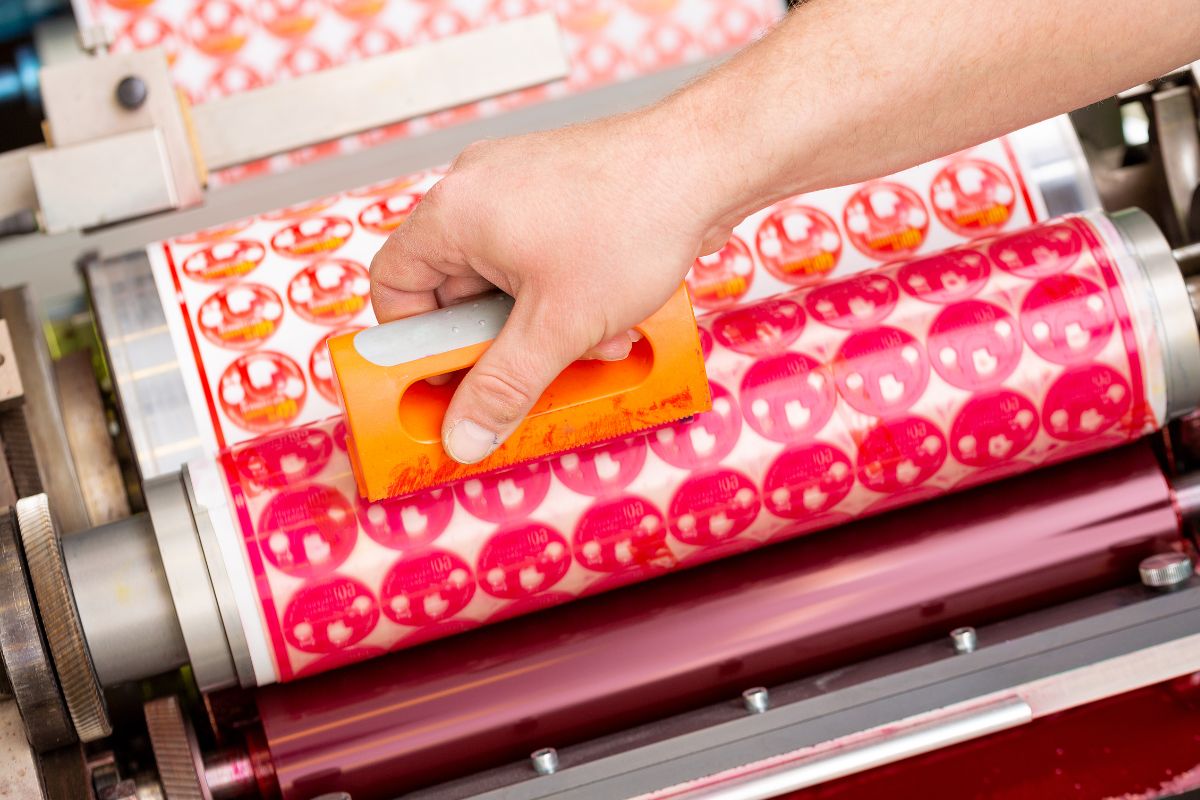
From a manufacturing perspective, many sticker problems are not caused by printing alone. They occur because the specification did not match the end-use environment.
Mistake 1: Choosing Vinyl Without Testing the Surface
A sticker may look perfect on a sample card but fail on a textured, curved, powdery, silicone-coated, or low-energy plastic surface. Always test the actual substrate.
Mistake 2: Ignoring Lamination
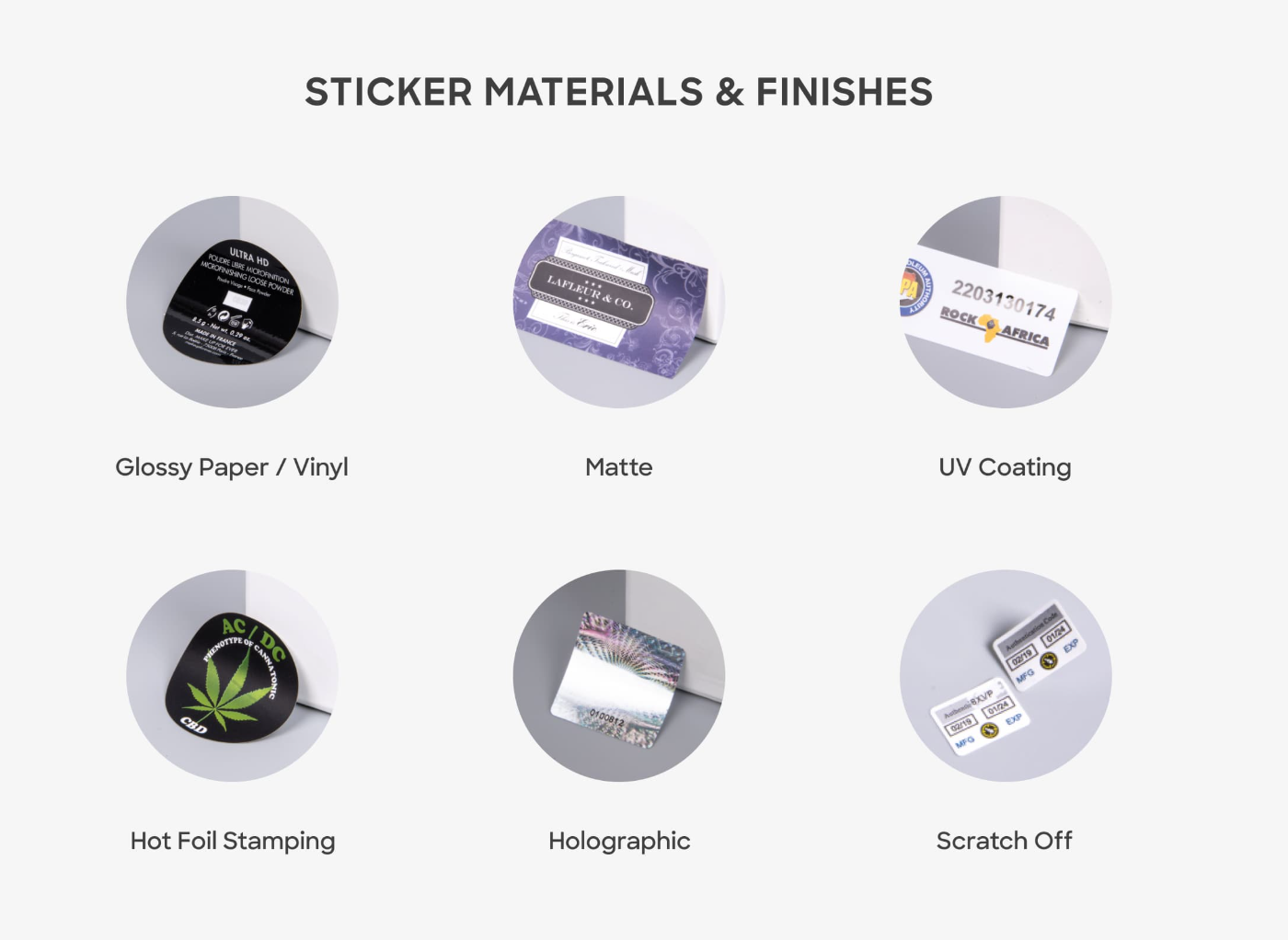
A vinyl face film can be waterproof, but lamination adds protection against scratching, fading, chemicals, and handling damage. Glossy laminate is often used for UV protection and vibrant color, while matte laminate creates a premium, non-glare finish. [stickerapp]
Mistake 3: Using the Wrong Adhesive
Permanent adhesive is excellent for long-term branding but may damage delicate surfaces when removed. Removable adhesive is safer for temporary promotions but may not survive moisture, heat, or rough handling.
Mistake 4: Underestimating Die-Cut Complexity
Very thin letters, sharp corners, tiny negative spaces, and intricate outlines can increase cutting risk. Add a small safety margin around fine details and avoid ultra-thin strokes where possible.
Mistake 5: Ordering Without a Clear QC Standard
Define acceptable tolerances before production. For example, agree on color variation limits, cut-line accuracy, adhesive residue standards, and packaging requirements.
Practical Guide: How to Order Custom Vinyl Stickers
Use this step-by-step process to reduce delays and obtain a more accurate quote.
1. Define the application. Will the sticker be used indoors or outdoors? On glass, plastic, metal, paperboard, or a curved bottle?
2. Choose the format. Decide between individual die-cut stickers, kiss-cut sheets, or roll labels.
3. Prepare print-ready artwork. Provide vector files such as AI, PDF, or EPS, with outlined fonts and linked images embedded.
4. Set the final size and shape. Include the cut line, bleed area, and safe zone.
5. Select material and finish. Specify vinyl type, adhesive, laminate, and any special effects.
6. Request a quotation. Provide quantity, destination country, shipping preference, and required delivery date.
7. Approve a proof. Check spelling, color, barcode readability, dieline accuracy, and placement.
8. Test a sample. Apply it to the actual product and test exposure conditions where relevant.
9. Confirm mass production. Approve the final sample and production schedule.
10. Inspect on arrival. Check quantity, packaging, print registration, die-cut accuracy, and adhesive performance.
How XingKun Supports OEM and ODM Vinyl Sticker Projects
XingKun provides custom printing services for international brands and wholesalers, including stickers and labels alongside packaging boxes, playing cards, jigsaw puzzles, printed books, and other printed products. For buyers searching for vinyl sticker printing near me, XingKun positions itself as a manufacturing partner capable of supporting OEM and ODM requirements from artwork development through production and export.
XingKun's sticker manufacturing page presents the company as a stickers manufacturer and supplier serving custom label and sticker buyers. For B2B projects, this matters because sticker production often needs to coordinate with broader packaging: a product box, instruction booklet, hang tag, blister card, or retail display may all require matching colors, materials, and brand standards. [xkdisplay]
Typical XingKun Project Scope
- Custom die-cut vinyl stickers
- Kiss-cut sticker sheets
- Clear, holographic, and specialty stickers
- Product labels and barcode labels
- Promotional stickers for merchandise and events
- Packaging-integrated stickers and seals
- OEM production based on buyer artwork
- ODM support for design, material selection, and specification development
Industry Case: Vinyl Stickers for an Anime Merchandise Brand
Consider a brand selling anime-themed merchandise. The buyer needs character stickers for blind boxes, sticker packs, phone cases, water bottles, and retail displays.
A practical production plan might include:
- Individual die-cut stickers for single-character designs
- Kiss-cut sticker sheets for mixed character collections
- Holographic vinyl for limited-edition releases
- Matte lamination for a premium, non-glare finish
- Permanent adhesive for packaging seals
- Removable adhesive for reusable decorative stickers
- Retail-ready poly bags or custom envelopes for marketplace fulfillment
This approach increases perceived value while keeping production efficient. It also creates upsell opportunities: a single character design can become a sticker, packaging insert, card, puzzle, or boxed collectible.
Cost Factors: What Affects Vinyl Sticker Pricing?
Price is influenced by more than size and quantity. When comparing quotes, make sure suppliers are pricing the same specification.
Main cost drivers include:
- Order quantity: Larger runs usually reduce unit cost through better material utilization and setup efficiency.
- Sticker size: Larger stickers use more material and may require larger press sheets.
- Shape complexity: Complex die-cut shapes can increase tooling and cutting time.
- Material type: Clear, holographic, textured, and specialty vinyl generally cost more than standard white vinyl.
- Printing method: Pantone matching, white ink, foil, spot UV, and special effects add cost.
- Lamination: Protective laminate improves durability but adds material and process cost.
- Finishing: Individual cutting, sheeting, roll conversion, and custom packaging affect labor and lead time.
- Shipping terms: Air freight is faster but more expensive; sea freight is more economical for large volumes but requires longer planning.
Quality Control Checklist Before Mass Production
Before approving production, confirm the following:
- Artwork is vector-based and print-ready.
- Fonts are outlined and images are embedded.
- Bleed and safe margins are correct.
- CMYK, RGB, or Pantone color requirements are clearly stated.
- Barcode size, quiet zone, and scan testing are confirmed if applicable.
- Die-line matches the final sticker shape.
- Adhesive type is suitable for the application surface.
- Lamination finish is approved.
- Sample has been tested in the real use environment.
- Packaging, carton size, and shipping marks are confirmed.
Sustainability and Material Selection
Sustainability is increasingly important in packaging and printed merchandise. Vinyl remains widely used because of its durability, but buyers should also ask about responsible material choices, recyclability limitations, and reduced-packaging options.
Practical sustainability actions include:
- Reducing sticker size where possible
- Using FSC-certified paper backing where appropriate
- Consolidating sticker sheets to reduce waste
- Choosing recyclable outer packaging
- Avoiding unnecessary plastic bags for retail-ready products
- Selecting durable materials that extend product life and reduce replacement waste
A responsible manufacturer should be transparent about material composition and help buyers balance durability, cost, branding, and environmental goals.
How to Get the Best Result From a "Near Me" Search
If you need stickers urgently, search locally—but do not stop at proximity. Compare at least three suppliers using the same specification sheet. Ask each one for:
- A written quotation
- A material recommendation
- A proofing process
- A sample policy
- Production lead time
- Shipping cost and Incoterms
- QC and replacement policy
Then choose the supplier that offers the best combination of quality control, communication, customization capability, and total landed cost.
Work With XingKun for Custom Vinyl Stickers
If you are a brand owner, wholesaler, e-commerce seller, or product manufacturer looking for dependable custom vinyl sticker printing, XingKun can support your OEM/ODM project with custom materials, shapes, adhesives, finishes, and export-ready packaging.
Send your artwork, sticker size, quantity, application surface, and destination country to request a tailored quotation and sample plan. The more clearly you define the end-use environment, the faster XingKun can recommend the right vinyl construction and production process.
Conclusion
Searching for vinyl sticker printing near me is a smart starting point, but the best supplier is the one that can reliably translate your design into a durable, brand-consistent product. Focus on the complete specification: vinyl type, adhesive, lamination, die-cut format, surface compatibility, and quality control. For B2B buyers, a manufacturer with OEM/ODM capability can reduce risk, improve consistency, and coordinate stickers with the rest of your packaging system. XingKun supports custom sticker and label projects for international brands, wholesalers, and producers, helping turn artwork into production-ready vinyl stickers. [xkdisplay]
FAQ
1. What is the difference between die-cut and kiss-cut vinyl stickers?
A die-cut sticker is cut completely through both the vinyl and backing paper, creating an individual sticker. A kiss-cut sticker is cut only through the vinyl layer, leaving the backing sheet intact. Kiss-cut formats are ideal for sticker sheets, multi-design packs, and retail merchandise.
2. Are vinyl stickers waterproof?
Vinyl itself is water-resistant because it does not absorb moisture like paper. However, full waterproof performance also depends on the ink, adhesive, lamination, and application surface. For outdoor or high-moisture use, request a laminated vinyl sticker and test it on the actual product. [printshop.paperlust]
3. How long do custom vinyl stickers last outdoors?
Outdoor life varies by sunlight exposure, climate, abrasion, and finish. Some suppliers estimate 3–5 years outdoors with proper application, while laminated vinyl products may be rated for roughly 2–5 years depending on construction and conditions. [printshop.paperlust]
4. What file format should I provide for custom sticker printing?
Provide a vector file whenever possible, such as AI, EPS, or print-ready PDF. Convert fonts to outlines, embed images, include bleed, and clearly mark the die-cut line. If your design includes a barcode, provide the barcode separately or confirm scan requirements with the manufacturer.
5. Can I order custom vinyl stickers with my own logo?
Yes. OEM vinyl sticker production is based on your artwork, logo, size, shape, material, and finish requirements. ODM support can also include help with design development, material selection, dieline creation, and product recommendations.
6. What is the minimum order quantity for custom vinyl stickers?
MOQ depends on sticker size, material, printing method, die-cut complexity, and finishing. Simple digital-printed stickers may have lower MOQs, while custom-shaped, laminated, or specialty-effect stickers may require higher quantities. Request a quote based on your exact specification.
References
1. UPrinting — Vinyl Stickers: Print Custom Vinyl Decals: [https://www.uprinting.com/vinyl-sticker-printing.html]
2. Paperlust Print Shop — Custom Vinyl Stickers: Waterproof for Australian Outdoors: [https://printshop.paperlust.co/products/vinyl-stickers]
3. Paperlust Print Shop — Waterproof Stickers for Outdoor Use: Materials That Last: [https://printshop.paperlust.co/blog/waterproof-stickers-for-outdoor-use-materials-that-last]
4. StickerApp — Custom Vinyl Stickers: Waterproof & Durable: [https://stickerapp.com/materials/vinyl-stickers]
5. Hongtaixiang Packaging — ODM & OEM Capabilities: [https://www.htxprint.com/odm--oem-capabilities]
6. Shenzhen XingKun Packing Products Co., Ltd. — Stickers Manufacturer & Supplier: [https://www.xkdisplay.com/stickers-manufacturer.html]


