Content Menu
● What Is a POP Display and Why Does It Matter?
● Key Reasons Brands Choose POP Displays
>> They Capture Attention at the Critical Moment
>> They Reinforce Brand Identity Without a Salesperson
>> They Are Cost-Effective Compared to Other Marketing Channels
>> They Adapt to Any Retail Environment
● Industry Data and Emerging Trends for 2026
● Types of POP Displays and When to Use Them
● How to Evaluate a POP Display Manufacturing Partner
● A Manufacturer's Perspective: What Most Guides Miss
● Ready to Upgrade Your Retail Presence?
● Frequently Asked Questions
● References
Choosing the right POP display can be the difference between a product that sits ignored on a shelf and one that flies off it. As a packaging and display manufacturer with over 20 years in the industry, we've seen firsthand how a well-engineered point-of-purchase display transforms foot traffic into real revenue.
This guide breaks down exactly why brands invest in POP displays, what separates high-performing designs from mediocre ones, and how to choose a manufacturing partner who won't let you down when the order deadline hits.
What Is a POP Display and Why Does It Matter?
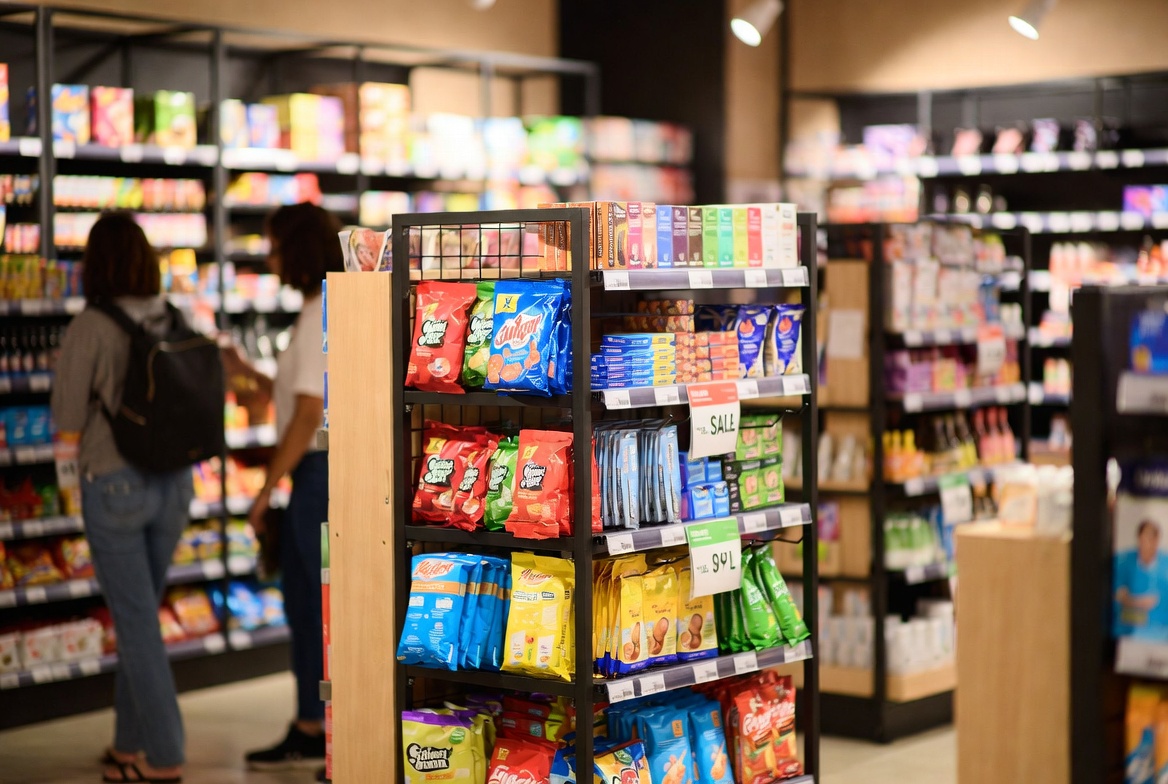
A POP (point-of-purchase) display is a marketing fixture — cardboard, acrylic, wood, or metal — positioned in-store to promote a product at the exact moment a shopper is deciding what to buy. Unlike advertising that shapes opinions weeks before a purchase, a POP display works in the final seconds of the buying decision.
Data backs this up. Brands using point-of-sale displays have reported sales increases of up to 140% compared to competitors without them. Signage-supported displays alone have shown a 20% sales lift over bare-shelf presentations. Retail analysts also project the global POP display market to grow at roughly 5.8% CAGR, driven by rising demand for experiential, in-store brand moments.
Key Reasons Brands Choose POP Displays
They Capture Attention at the Critical Moment
Shoppers make most purchase decisions inside the store, not before. A well-placed display interrupts the "autopilot" browsing mode and pulls shoppers into active decision-making. Apple's minimalist in-store tables and L'Occitane's sensory open-shelf setups are proof that display design directly shapes buying behavior.
They Reinforce Brand Identity Without a Salesperson
A display acts as a silent salesperson. It communicates brand tone, product benefits, and visual identity 24/7, without payroll costs. Barnes & Noble uses thematic POP displays to spotlight bestsellers and new releases, driving exploration that mirrors its community-focused brand identity.
They Are Cost-Effective Compared to Other Marketing Channels
Compared to paid media or influencer campaigns, POP displays offer a one-time production cost with long-lasting, repeated exposure at the shelf level — the exact location where the final purchase decision happens.
They Adapt to Any Retail Environment
Modular POP display systems can be resized, rebranded, or restocked seasonally, which matters more than ever now that shortened product lifecycles and frequent seasonal campaigns demand faster turnaround from manufacturers.
Industry Data and Emerging Trends for 2026
Retail display strategy has moved well beyond "make it colorful and hope it sells." Below are the trends currently reshaping how brands and manufacturers approach display design.
| Trend | What It Means for Brands |
| Storytelling-driven design | Displays now function as mini brand narratives, not just product holders |
| Sustainability priority | Recycled materials and eco-messaging directly on the display resonate with buyers |
| Data-driven layout decisions | IoT sensors track shopper dwell time and touch points to refine display placement |
| Modular, adaptable systems | One base structure serves multiple SKUs, retailers, and seasonal campaigns |
| Faster production cycles | Agile manufacturing partners are essential as launch windows shrink |
Brands focusing on precision, storytelling, and performance — rather than generic stands — are the ones winning shelf space in competitive retail categories in 2026 and 2027.
Types of POP Displays and When to Use Them
Not every display fits every retail goal. Here's a practical breakdown based on two decades of production experience:
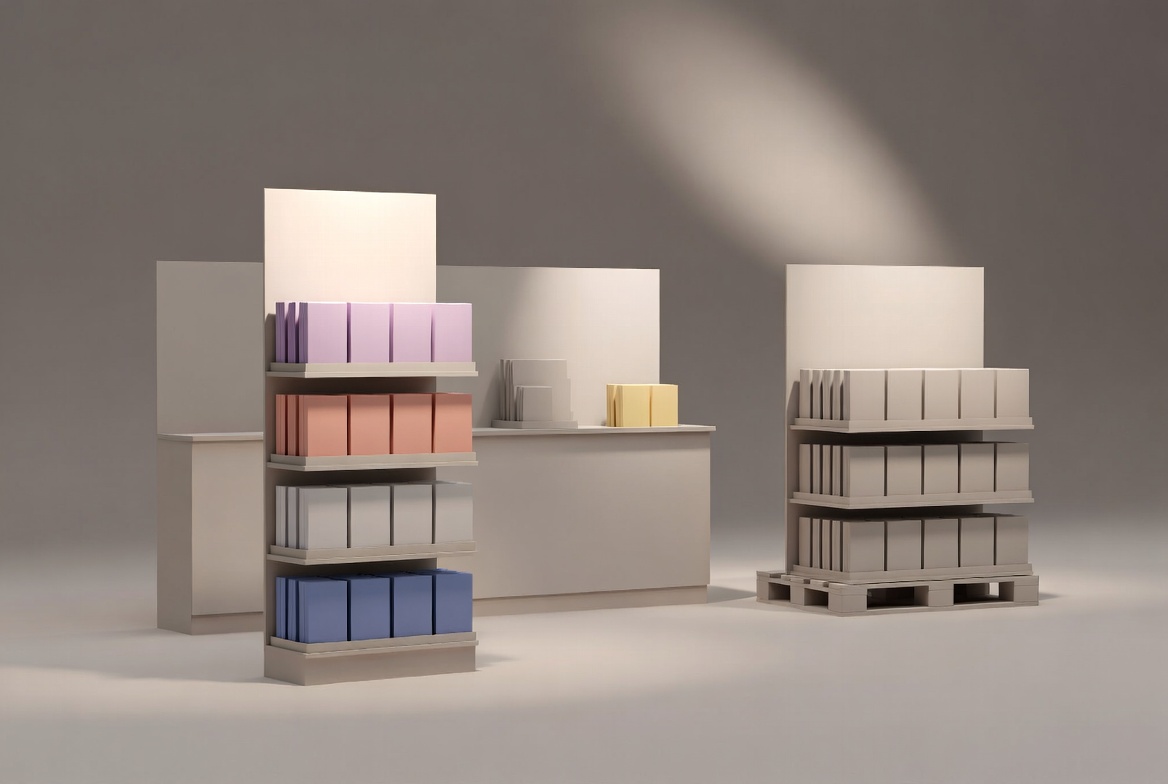
- Floor displays — Best for standalone product launches or seasonal promotions needing maximum visibility.
- Countertop displays — Ideal for impulse-buy items placed near checkout counters.
- Shelf-edge displays — Useful for reinforcing product visibility within existing shelving without requiring extra floor space.
- Pallet displays — Suited for bulk retailers and warehouse-style stores needing high-volume presentation.
- Digital/interactive displays — Growing in adoption for tech, cosmetics, and electronics brands seeking engagement metrics.
How to Evaluate a POP Display Manufacturing Partner
Choosing a manufacturer is not just about price. Durability, turnaround speed, and material sustainability determine whether your investment actually performs on the retail floor. Third-party durability testing before shipment prevents costly in-store failures and retailer chargebacks.
When evaluating a supplier, consider:
1. Export experience — Manufacturers serving multiple countries understand varying retailer compliance and shipping standards.
2. Material sustainability options — Recyclable cardboard and eco-certified materials are increasingly requested by international retailers.
3. Prototype and sampling speed — Faster sampling means faster market testing.
4. Structural testing — Displays should survive transit, restocking, and months of in-store handling without collapsing.
5. Design flexibility — The ability to customize dimensions, branding, and finishing for different retail formats.
A Manufacturer's Perspective: What Most Guides Miss
Most beginner guides focus purely on design aesthetics. In practice, the biggest point-of-purchase failures come from production and logistics gaps, not creative shortcomings. A display that looks stunning in a rendering can collapse during transit if structural engineering wasn't validated early.
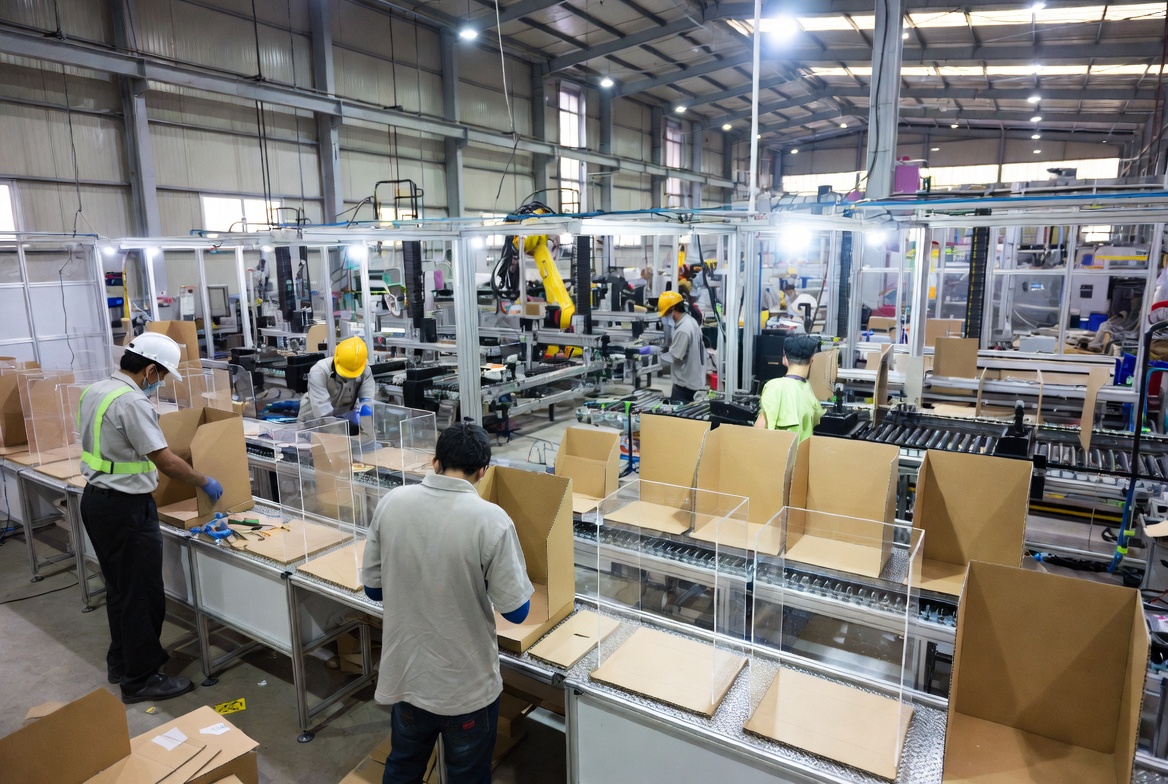
Over two decades of producing display stands for brands and distributors across more than 30 countries, the most consistent success factor has been early collaboration between design and manufacturing teams — testing structural integrity, material weight tolerance, and flat-pack shipping efficiency before mass production begins. Skipping this step is the single most common cause of costly reorders.
Ready to Upgrade Your Retail Presence?
A display is only as strong as the manufacturing behind it. If your brand needs a display partner with two decades of production experience and proven delivery to over 30 countries, request a custom quote today and let's build a display strategy that performs where it counts — on the shelf.
Frequently Asked Questions
What is the average cost of a custom POP display?
Costs vary widely based on material, size, and order volume, typically ranging from a few dollars per unit for cardboard displays in bulk to significantly more for premium acrylic or interactive digital units.
How long does it take to manufacture a custom POP display?
Production timelines generally range from three to six weeks depending on design complexity, material sourcing, and order quantity, though experienced manufacturers can expedite for urgent seasonal launches.
Are cardboard POP displays as effective as more expensive materials?
Yes, cardboard displays remain highly effective for cost-conscious campaigns and are increasingly favored for their recyclability and lighter shipping weight.
Can one POP display design work across multiple retail chains?
Modular designs can often be adapted with minor branding or dimension adjustments to meet different retailers' shelf and floor requirements without a full redesign.
How do I measure whether my POP display is actually working?
Track foot traffic near the display, engagement (people who stop and interact), and sales conversion rate before and after installation to calculate real ROI.
References
1. Benchmarc Retail, "10 Game-Changing Trends Shaking Up POP Displays" — https://www.benchmarcretail.com/post/10-game-changing-trends-shaking-up-pop-displays
2. Dragonfly AI, "The Art of Point-of-Sale Displays: Captivating Shopper Attention in Retail" — https://dragonflyai.co/resources/blog/the-art-of-point-of-sale-displays-captivating-shopper-attention-in-retail


