Content Menu
● Why custom printed playing cards matter
● Market trends shaping 2026
● Choosing the right card format
>> Common format options
● Materials and finishes
>> Practical material guidance
● Design rules that protect print quality
>> File setup essentials
● Printing methods explained
>> When each method makes sense
● OEM and ODM production workflow
>> A practical factory workflow
● Quality control checklist
● Use cases that sell
>> High-potential use cases
● How to make your deck stand out
>> Ways to add unique value
● Buyer mistakes to avoid
>> Common mistakes
● Working with XingKun
● Conclusion
● FAQ
>> 1. What is the best size for custom printed playing cards?
>> 2. What file format should I use for printing?
>> 3. Which material is best for premium custom decks?
>> 4. Can custom playing cards be used for education?
>> 5. Why should I work with an OEM/ODM factory?
>> 6. Are custom playing cards still in demand in 2026?
● References
Custom printed playing cards are no longer just a novelty item. They are now a powerful branding tool, a collectible format, a learning aid, and a premium product category for brands that want something tactile, memorable, and highly shareable. For overseas brands, wholesalers, publishers, game studios, and promotional buyers, the right deck can combine design, utility, and long-term brand value in one compact product. [kkplayingcard]
If you are planning a deck for retail, corporate gifting, education, magic, or card games, this guide explains how to choose the right specs, avoid common production mistakes, and work with an OEM/ODM factory efficiently. [xkdisplay]
Why custom printed playing cards matter
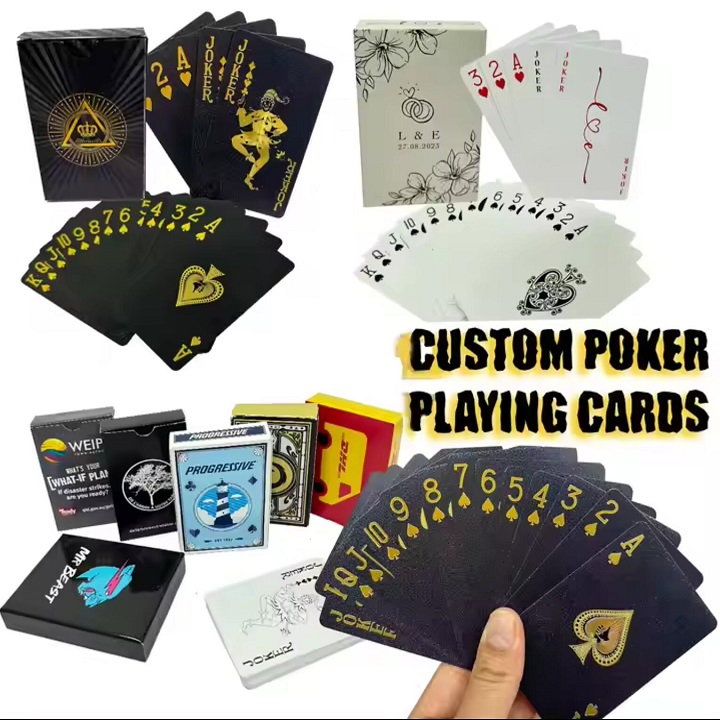
A deck of playing cards is one of the most versatile printed products a brand can create. It is portable, affordable to ship, easy to gift, and naturally encourages repeat handling, which means repeated exposure to your brand, artwork, or message. That is why custom printed playing cards are used across entertainment, promotions, education, casino branding, events, and collector markets. [fortunebusinessinsights]
From an SEO and product-strategy perspective, this product also fits multiple high-intent search intents: custom playing cards, custom printed playing cards, personalized playing cards, promotional card decks, and OEM playing card manufacturer. If your business sells packaging or print products, adding cards to your product line can raise average order value and create stronger cross-selling opportunities. [lyngames]
Market trends shaping 2026
The playing cards market continues to grow because of collectability, social gaming, premium gifts, and custom branding demand. A recent market report from Fortune Business Insights describes promotional or custom playing cards as a distinct usage segment and lists online/e-commerce as an important distribution channel. This matters because buyers are increasingly looking for small-batch runs, niche themes, and premium packaging rather than only standard mass-market decks. [wjplayingcard]
Three trends are especially important in 2026:
Sustainability: Eco-conscious buyers increasingly expect recyclable paper stocks, water-based coatings, and reduced plastic in packaging. [linkedin]
Micro-niche themes: Collectors and communities now respond strongly to highly specific themes, from art and history to subcultures and hobby-led decks. [wjplayingcard]
Interactive experience: QR codes, AR add-ons, and storytelling decks can turn a simple product into a multi-touch brand experience. [fortunebusinessinsights]
For brands, this means a deck should not be designed as "just cards." It should be treated as a product experience with a clear audience, a story, and a reason to be kept, shared, or collected. [linkedin]
Choosing the right card format
Before designing artwork, decide what kind of deck you actually need. The best format depends on the audience, reading distance, handling preference, and intended use. A poker-size deck is the most familiar choice, while bridge size is narrower and often better for certain trick-handling or portability needs. [spingold.co]
Common format options
| Format | Typical Use | Strength |
| Poker size | Standard games, retail decks, promotions | Familiar, versatile, easy to handle |
| Bridge size | Card games, magic, compact decks | Narrower grip, comfortable handling spingold |
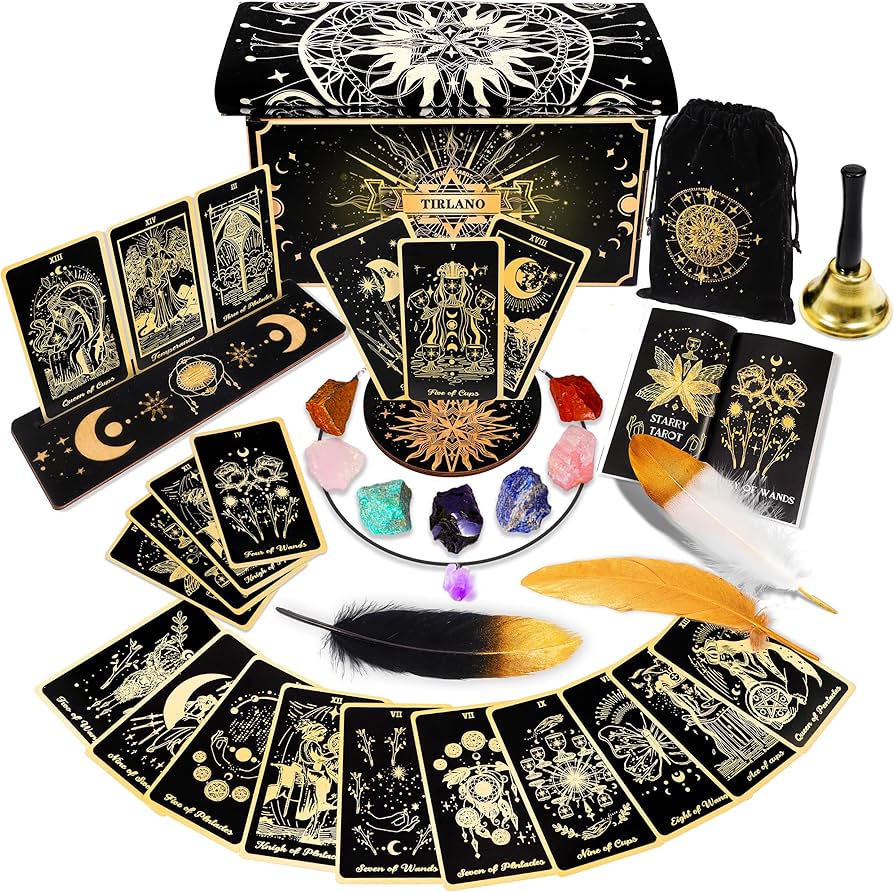
| Tarot or oracle size | Spiritual, lifestyle, self-help decks | Larger surface for imagery and text |
| Educational flash size | Learning cards, vocabulary decks | Better readability and teaching use |
| Jumbo size | Events, presentations, learning tools | High visibility and impact spingold |
For most international buyers ordering custom printed playing cards, the safest commercial choice is poker size unless the design concept clearly requires a different format. [spingold.co]
Materials and finishes
Material choice affects feel, durability, opacity, shuffle performance, and perceived value. Industry sources describe paper, card stock, plastic, and specialty materials as common categories in the playing cards market. XingKun also states that its playing cards can be produced in high-quality paper stock, plastic-coated paper, PVC, or premium cardstock, with different handling characteristics depending on the use case. [xkdisplay]
Practical material guidance
Paper or card stock: Best for promotional, retail, educational, and most custom printed playing cards.
Plastic-coated paper: Better durability and smoother handling for regular play.
PVC or plastic cards: Better moisture resistance and longer life, but a different hand feel.
Premium finishes: Linen texture, matte, gloss, foil stamping, embossing, or spot UV can make a deck feel collectible or gift-worthy. [kkplayingcard]
For premium decks, finish selection is as important as artwork. A beautiful deck can still feel cheap if the coating is wrong or the surface is too slippery, too glossy, or too thin. For gaming, magicians, and cardistry, handling usually matters more than decorative effects; for corporate gifting or collectibles, presentation often matters more than shuffle speed. [kkplayingcard]
Design rules that protect print quality
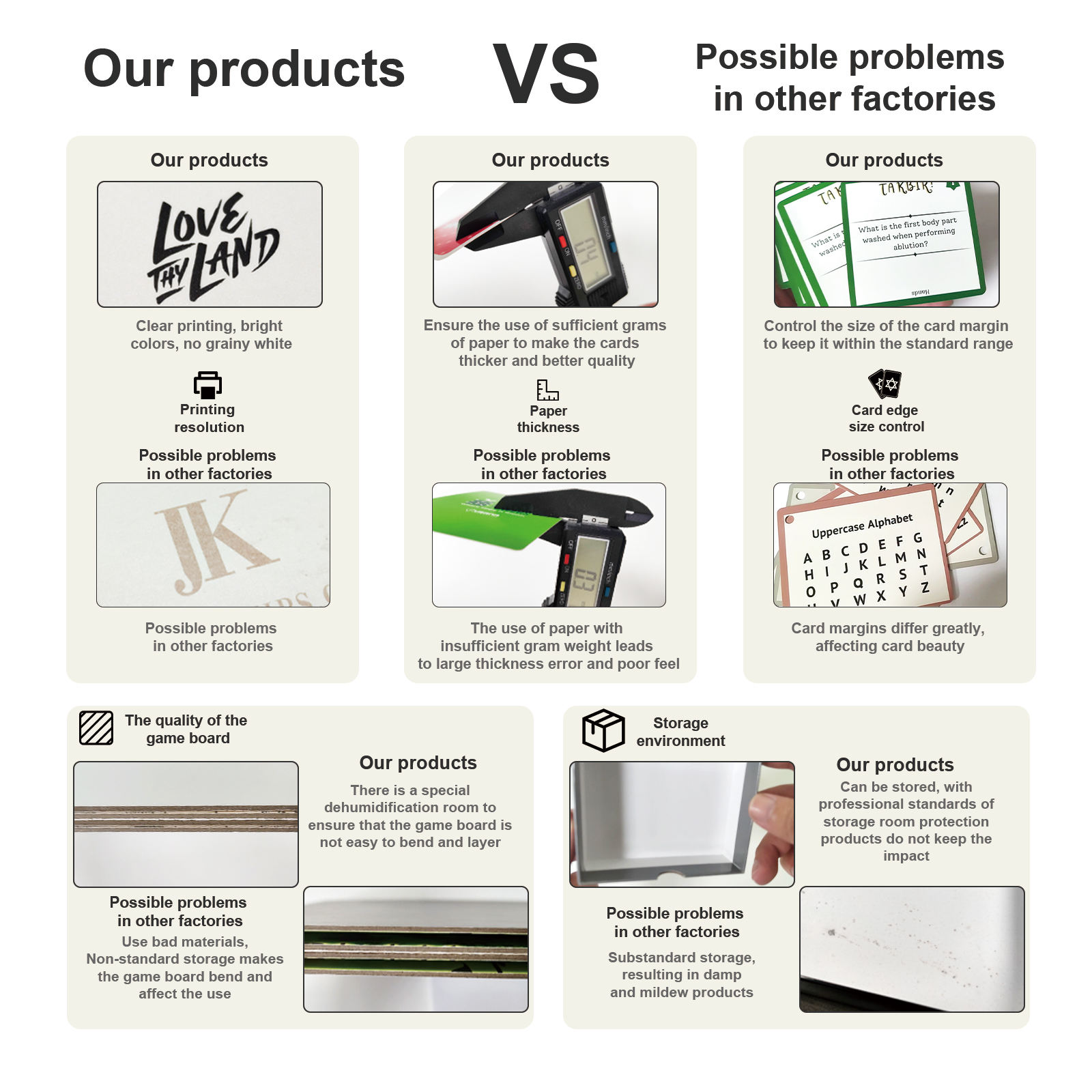
Good design for custom printed playing cards is not only about creativity. It is also about printing discipline, layout consistency, and readability. A strong deck uses a clear hierarchy, consistent icon placement, and enough contrast to remain legible after trimming and handling. [spingold.co]
File setup essentials
Use 300 DPI resolution for print-ready artwork. [spingold.co]
Work in CMYK color mode, not RGB. [spingold.co]
Include bleed around the trim area so there are no white edges after cutting. [spingold.co]
Keep key text and symbols inside the safe zone. [spingold.co]
Design the card back with the same care as the faces, because buyers notice both. [spingold.co]
A useful rule from card design practice is to prototype early and test the deck physically before full production. This is especially important for games, educational cards, and decks with small text, because screen layouts can look fine while printed cards may feel crowded or unreadable. [thoughtfuldane]
Printing methods explained
The three most common printing approaches for custom printed playing cards are offset printing, digital printing, and specialty methods for premium finishes. Offset printing is typically preferred for medium to large runs because it delivers consistency and color control at scale. Digital printing is useful for smaller runs, samples, or prototype decks where speed matters more than unit cost. [linkedin]
When each method makes sense
1. Offset printing
Best for larger orders, retail decks, and repeat production.
2. Digital printing
Best for prototypes, short runs, and fast market testing.
3. Specialty finishing
Best when the deck must feel premium, collectible, or giftable.
The right method should match the deck's commercial purpose. A demo deck for a trade show does not need the same finishing complexity as a limited-edition collector deck or a branded gift set. [fortunebusinessinsights]
OEM and ODM production workflow
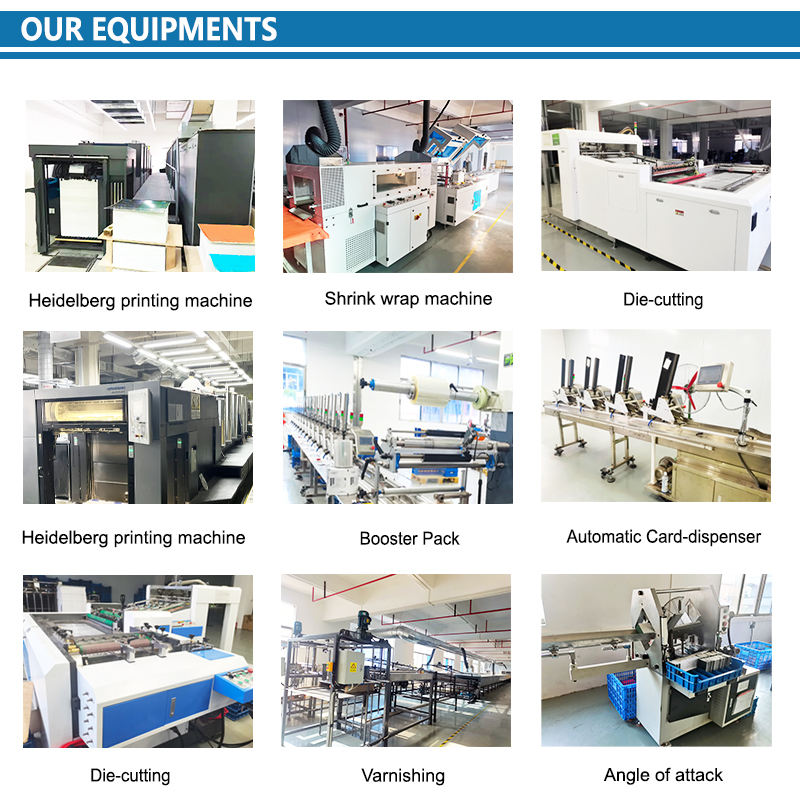
For overseas buyers, the biggest value often comes from a factory that can manage the whole process from concept to shipment. XingKun presents itself as a professional custom printing manufacturer with more than 20 years of experience, offering design, production, and OEM services for cards, boxes, books, puzzles, stickers, and related packaging products. That broad capability is valuable for buyers who need the cards and packaging to match one another visually and commercially. [xkdisplay]
A practical factory workflow
1. Define the use case.
Decide whether the deck is for retail, education, promotion, gaming, gifting, or collecting.
2. Confirm specifications.
Choose size, card count, stock, coating, packaging, and add-ons.
3. Prepare artwork.
Build front, back, tuck box, and any inserts or instruction cards.
4. Review a sample.
Check color, cut accuracy, finish feel, and reading clarity.
5. Approve mass production.
Lock the artwork and production standard before the full run.
6. Inspect and ship.
Confirm quality control, packing, and export logistics.
For OEM and ODM buyers, the best factories are not only printers. They are solution providers that can help reduce rework, simplify packaging coordination, and protect the final brand presentation. [lyngames]
Quality control checklist
A custom deck can fail even if the design is good. Common problems include misaligned cuts, inconsistent color, dull finish, warped cards, weak corners, and unreadable text. That is why quality control should be planned before production starts, not after the finished deck arrives. [linkedin]
Use this checklist before placing a bulk order:
Confirm exact card size and card count.
Check bleed and safe zone across all files.
Review one physical proof or sample.
Test shuffle feel and corner rounding.
Confirm box fit and packaging strength.
Inspect the first production sample against the approved proof.
If the project is for international B2B buyers, quality control should also cover shipping performance. Cards are lightweight but sensitive to moisture, pressure, and box deformation, so outer cartons and internal packing matter as much as the printed surface. [xkdisplay]
Use cases that sell
Custom printed playing cards succeed because they can serve many industries at once. XingKun's product page highlights decks for traditional gameplay, themed collections, tarot-style sets, novelty cards, educational cards, and special-use decks. That broad variety makes the format valuable for retailers, brands, schools, event organizers, and content creators. [kkplayingcard]
High-potential use cases
Retail and collector decks.
Limited editions, artist collaborations, and themed series.
Corporate branding.
Trade-show gifts, client presents, and brand storytelling tools.
Education.
Vocabulary cards, math decks, language learning, and classroom games.
Entertainment and gaming.
Tabletop games, poker products, magic decks, and cardistry decks.
Events and tourism.
Weddings, destination souvenirs, festivals, museums, and local promotions.
This flexibility is one reason custom decks remain attractive even in a digital-first era. A well-made physical deck creates a tactile experience that digital formats cannot fully replace. [wjplayingcard]
How to make your deck stand out
If you want your deck to compete in a crowded market, the concept must feel more specific than "custom cards with a logo." Buyers respond to decks with a clear story, a visual system, and a practical reason to exist. The strongest decks usually combine one of these elements: artistic value, utility, fandom, personalization, or premium craftsmanship. [wjplayingcard]
Ways to add unique value
Create a theme rooted in culture, history, travel, or a niche hobby.
Add QR codes that link to tutorials, rules, or brand pages.
Use packaging as part of the storytelling, not just as protection.
Offer a matching tuck box, rigid box, or display box for premium appeal.
Include multilingual instructions if you sell globally.
A strong example is a brand deck for an international company: the cards can feature products, service steps, or brand values on each card face, while the box carries a premium visual identity. That creates both memorability and utility. [xkdisplay]
Buyer mistakes to avoid
Even experienced buyers make predictable errors when ordering custom printed playing cards. The most expensive mistake is usually not the printing itself, but the lack of clarity before production begins. A rushed brief often leads to redesigns, delays, and higher unit costs. [thoughtfuldane]
Common mistakes
Designing before confirming the final card count.
Using RGB files instead of CMYK.
Forgetting that the back design matters.
Placing text too close to edges.
Choosing a finish that hurts readability.
Ordering a deck that is too thin for the intended use.
The simplest way to avoid these issues is to finalize the product goal first, then build the technical specifications around that goal. This is especially important for overseas procurement teams that need predictable lead times and stable QC standards. [lyngames]
Working with XingKun
For brands that need one supplier for cards, boxes, and broader print collateral, XingKun can be positioned as a practical OEM/ODM partner. The company states that it specializes in custom printed products including packaging boxes, playing cards, books, stickers, labels, and puzzles, supported by design and production teams as well as advanced printing equipment. Its playing card page also covers a wide range of card categories and custom printing applications, from standard decks to novelty, education, and themed products. [linkedin]
That makes XingKun a fit for buyers who want more than a single product. It is especially relevant when the playing cards must be coordinated with packaging, inserts, and branded presentation materials. In B2B procurement, this kind of integration often reduces communication friction and helps keep the final product consistent across the entire line. [lyngames]
Conclusion
Custom printed playing cards are a compact but high-impact product for branding, retail, education, gaming, and gifting. The best results come from aligning design, material, print method, packaging, and use case before production begins. If you want a deck that feels professional and sells well, treat it as a complete product system rather than a single printed item. [fortunebusinessinsights]
FAQ
1. What is the best size for custom printed playing cards?
Poker size is the most common and versatile option, while bridge size works well for narrower handling and some magic or game uses. [linkedin]
2. What file format should I use for printing?
Print-ready artwork should be prepared in 300 DPI, CMYK mode, with bleed and safe zone correctly set up. [spingold.co]
3. Which material is best for premium custom decks?
Premium card stock with the right coating is usually the best choice for a high-end feel, while PVC or plastic options suit durability-focused projects. [fortunebusinessinsights]
4. Can custom playing cards be used for education?
Yes. Educational decks are a common use case for learning language, numbers, memory, and classroom activities. [linkedin]
5. Why should I work with an OEM/ODM factory?
An OEM/ODM factory can manage design, printing, finishing, packaging, and shipping coordination, which is useful for consistent B2B production. [lyngames]
6. Are custom playing cards still in demand in 2026?
Yes. Market reports and trend coverage show continued demand from collectors, social gaming, premium gifts, and custom promotional products. [wjplayingcard]
References
1. XingKun Playing Cards product page — https://www.xkdisplay.com/playing-cards.html [linkedin]
2. XingKun official website — https://www.xkdisplay.com/zh-CN/ [xkdisplay]
3. Fortune Business Insights, Playing Cards Market Report — https://www.fortunebusinessinsights.com/playing-cards-market-111933 [fortunebusinessinsights]
4. Spingold, The Ultimate Guide on How to Make Playing Cards — https://spingold.co.uk/the-ultimate-guide-on-how-to-make-playing-cards/ [spingold.co]
5. WJPC, Themed Playing Cards Design Inspirations For 2026 — https://wjplayingcard.com/the-art-of-themed-playing-cards-2026/ [wjplayingcard]
6. Kuo Kau Paper Products, Custom Playing Cards — https://www.kkplayingcard.com/en/product-c159287/Custom-Playing-Cards.html [kkplayingcard]
7. LYN Games, Custom Playing Card Manufacturer — https://lyngames.com/custom-playing-card-manufacturer/ [lyngames]
8. XingKun printed cards news page — https://www.xkdisplay.com/zh-CN/news/Printed-cards.html [xkdisplay]


