Content Menu
● What Does GSM Mean for Paper Tote Bags?
● Paper Tote Bag GSM Ranges at a Glance
● Choose GSM Based on Product Weight
>> Lightweight Products: 80–120 GSM
>> Medium-Weight Products: 120–180 GSM
>> Heavy or Premium Products: 180–300 GSM
● GSM Is Not the Same as Carrying Capacity
>> Handle Design Changes the Recommendation
● Compare Kraft Paper and Coated Paper
>> Kraft Paper Tote Bags
>> Coated Art Paper Tote Bags
● How Finishing Affects the Right GSM
>> Lamination
>> Foil Stamping and Embossing
>> Full-Colour Printing
● A Practical GSM Selection Process
>> Step 1: Calculate the Packed Weight
>> Step 2: Identify the Bag's Real Purpose
>> Step 3: Select the Paper Family
>> Step 4: Engineer the Handles and Reinforcement
>> Step 5: Request a Physical Prototype
● Avoid Over-Specifying GSM
● Paper Tote Bag Sustainability Considerations
● Common GSM Mistakes to Avoid
>> Choosing GSM Before Confirming Bag Size
>> Ignoring Handle Reinforcement
>> Using Recycled Paper Without Testing
>> Specifying Luxury GSM for a Value Retail Product
>> Forgetting Freight and Storage Cost
● Final Recommendation
● FAQs
>> What GSM is best for paper tote bags?
>> Is higher GSM always better for paper bags?
>> What GSM should I use for a clothing paper bag?
>> What GSM is suitable for luxury paper tote bags?
>> Can a 120 GSM paper tote bag carry heavy products?
>> Which is stronger: kraft paper or coated art paper?
>> Should I use recycled paper for paper tote bags?
>> How do I test the right GSM before production?
● References
Choosing the right GSM for paper tote bags is one of the most important decisions in custom packaging development. At Shenzhen XingKun Packing Products Co., Ltd., we have spent more than 20 years producing printed paper bags and packaging for brands and distributors in over 30 countries and regions. From our production experience, the best paper tote bag GSM is not simply the highest number—it is the weight that delivers the right balance of carrying strength, appearance, print performance, cost, and customer experience.
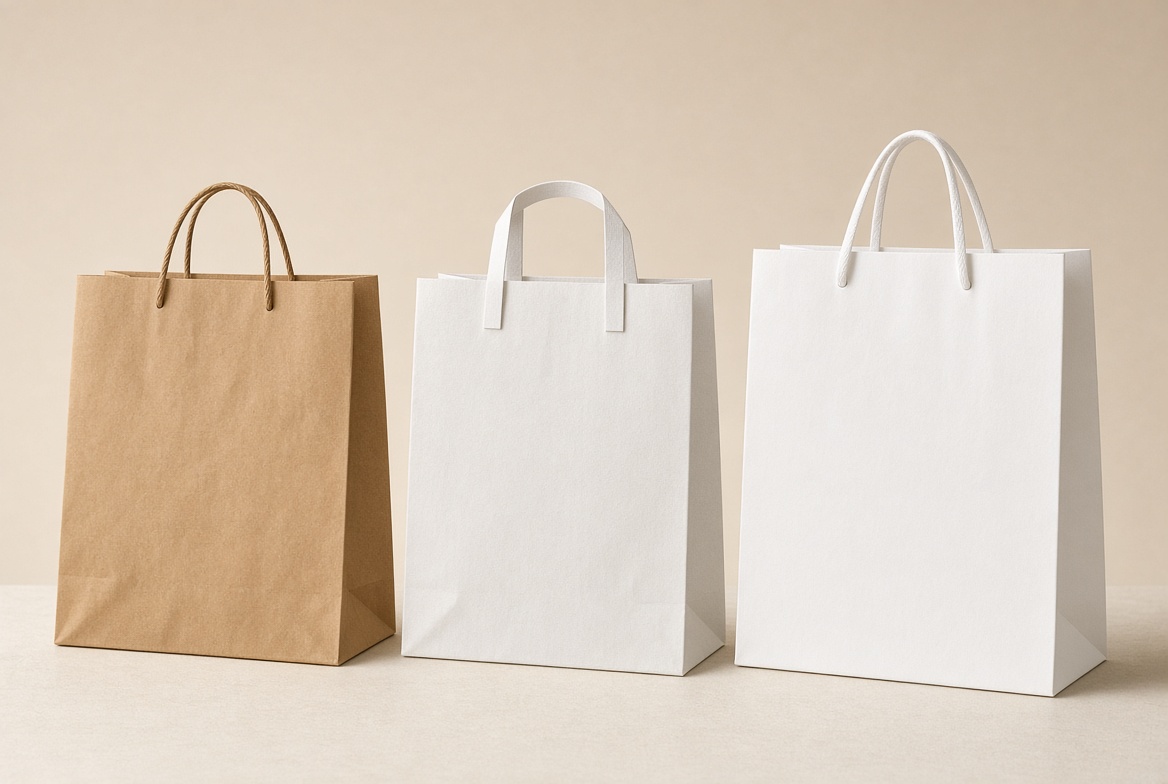
GSM means grams per square meter. It measures the weight of paper, but it should not be treated as a standalone indicator of tote bag quality. A 120 GSM kraft paper tote bag can be highly reliable for everyday retail use, while a 250 GSM coated paper tote bag may be ideal for a premium fashion, cosmetics, jewelry, or gift brand. The correct choice depends on the product inside, bag size, handle construction, paper type, finishing process, and expected reuse cycle.
What Does GSM Mean for Paper Tote Bags?
GSM stands for grams per square meter. In practical terms, it tells a buyer how much one square meter of paper weighs.
For example:
- 100 GSM paper weighs 100 grams per square meter.
- 150 GSM paper weighs 150 grams per square meter.
- 250 GSM paper weighs 250 grams per square meter.
Higher GSM usually means heavier and often thicker paper. However, it does not automatically guarantee a stronger paper tote bag. Paper fibre quality, virgin or recycled content, kraft structure, moisture exposure, handle reinforcement, bottom construction, and the bag's dimensions all influence real-world performance.
A common purchasing mistake is to choose a high GSM paper bag without considering how the bag will actually be used. This can raise material cost, shipping cost, and production difficulty without producing a better customer experience.
The right question is not, "What is the strongest GSM?" It is:
> "What GSM gives my paper tote bag enough strength and the right brand presentation for its intended product?"
Paper Tote Bag GSM Ranges at a Glance
The table below provides a practical starting point for selecting paper tote bag GSM. Actual suitability should always be confirmed with a physical sample and load test.
| Paper Tote Bag GSM |
Typical Characteristics |
Recommended Uses |
Common Paper Choices |
| 80–100 GSM |
Lightweight, flexible, economical |
Bakery items, accessories, lightweight gifts, small takeaway products |
Kraft paper, recycled kraft |
| 100–120 GSM |
Standard retail strength, good cost control |
Apparel, cosmetics, small home goods, promotional items |
Brown kraft, white kraft |
| 120–150 GSM |
Stronger body and better durability |
Clothing, shoes, books, medium gift products |
Kraft paper, art paper |
| 150–180 GSM |
Premium feel with higher load confidence |
Boutique retail, beauty products, gift packaging |
White kraft, coated art paper |
| 180–250 GSM |
Rigid, high-end, excellent print surface |
Luxury retail, fashion, jewelry, premium events |
Coated art paper, specialty paper |
| 250–300 GSM |
Heavy, structured, presentation-focused |
Luxury gifts, high-value products, branded presentation bags |
Art card, textured specialty paper |
For many retail programs, 100–150 GSM is the most practical range. It can provide an attractive balance between performance and total procurement cost. For premium retail packaging, 180–250 GSM is often selected for its stronger visual presence and more substantial hand feel.
Choose GSM Based on Product Weight
Product weight should be the first filter when selecting paper tote bag GSM. However, buyers should evaluate the total packed weight, not just the item itself.
A lightweight silk scarf may weigh very little, but a rigid gift box, catalogue, tissue paper, ribbon, and protective inserts can significantly increase the final carrying weight. Similarly, a bag used for a single garment may later be reused by customers to carry books, groceries, or personal items.
Lightweight Products: 80–120 GSM
Paper tote bags in this range are suitable for products that are light, compact, and unlikely to create sharp pressure points.
Typical applications include:
- Scarves, socks, stationery, and small accessories
- Bakery goods and dry food items
- Small cosmetics and skincare products
- Event giveaways and promotional merchandise
- Lightweight apparel
For these uses, kraft paper is often a strong choice because its long fibres can deliver dependable tear resistance at relatively moderate GSM. A well-made 100 GSM virgin kraft bag with properly glued handles may outperform a higher-GSM recycled paper bag with weak fibre bonding.
Medium-Weight Products: 120–180 GSM
This range is widely used for retail paper tote bags. It suits products that need better body, a more premium visual effect, and stronger resistance at the handles and bottom.
Typical applications include:
- Folded apparel and footwear
- Books and catalogues
- Gift boxes
- Medium-sized beauty products
- Homeware and lifestyle products
- Branded retail shopping bags
For many apparel and gift retailers, 120–150 GSM kraft paper or 157 GSM coated art paper is a practical specification. It provides enough structure for quality printing while keeping the bag easy to fold, ship, and store.
Heavy or Premium Products: 180–300 GSM
High-GSM paper tote bags are often selected for premium branding, heavy boxed goods, and products where presentation is part of the purchase experience.
Typical applications include:
- Premium fashion and luxury accessories
- Fragrance and beauty gift sets
- Jewelry boxes
- Wine and specialty food gifts
- Corporate gift programs
- High-value product launches
A 210 GSM or 250 GSM paper tote bag can create a substantial, premium impression. Yet the material should be paired with suitable reinforcement. For example, a heavy paper bag carrying a gift box may still fail if the rope handle is poorly knotted, the handle patch is too small, or the bottom card is insufficient.
GSM Is Not the Same as Carrying Capacity
A paper tote bag's load capacity depends on the entire construction system. From a manufacturing perspective, we evaluate the following elements together:
- Paper GSM and fibre strength
- Bag width, gusset, and height
- Product weight and weight distribution
- Handle type and attachment method
- Bottom card thickness
- Top reinforcement card
- Glue quality and bonding area
- Laminated or unlaminated surface
- Moisture exposure during use
- Recycled content and paper consistency
For example, a narrow, tall bag carrying a heavy box creates more stress near the handle area than a wider bag carrying the same weight. The two bags may use identical paper GSM, but their performance can be very different.
Handle Design Changes the Recommendation
Handle selection can influence the appropriate paper tote bag GSM as much as paper choice.
| Handle Type |
Best Use |
GSM Consideration |
| Twisted paper handle |
Everyday retail and eco-focused brands |
Usually works well with 100–150 GSM kraft paper |
| Flat paper handle |
Takeaway, groceries, practical retail use |
Suitable for lighter to medium loads with strong adhesive bonding |
| Cotton rope handle |
Premium apparel, gifts, cosmetics |
Often paired with 157–250 GSM paper and reinforcement cards |
| PP rope handle |
Retail and promotional packaging |
Requires reinforced handle holes for heavier items |
| Ribbon handle |
Luxury gift and beauty packaging |
Best with 180 GSM or higher paper for a structured finish |
| Die-cut handle |
Compact product packaging |
Needs sufficient paper strength around the handle opening |
A rope-handled bag with reinforced top folds and handle patches can safely carry more than a similar bag without reinforcement. This is why a physical sample test is more meaningful than choosing GSM only from a specification sheet.

Compare Kraft Paper and Coated Paper
The two most common material directions for paper tote bags are kraft paper and coated art paper. Their ideal GSM ranges and visual outcomes differ.
Kraft Paper Tote Bags
Kraft paper is valued for its natural appearance, fibre strength, and practical retail performance. It is available in brown, white, virgin, and recycled options.
Advantages include:
- Natural and authentic appearance
- Good tear resistance for its weight
- Suitable for flexographic, screen, and offset printing
- Often more economical than premium coated papers
- Excellent fit for eco-conscious retail positioning
- Strong choice for apparel, food, lifestyle, and everyday shopping bags
For standard retail kraft paper tote bags, 100–150 GSM is often an effective range. Many retail kraft bags use 100–120 GSM paper with twisted or flat handles, while heavier retail applications may require 110–130 GSM or more depending on the design and expected load.
Coated Art Paper Tote Bags
Coated art paper provides a smoother surface and stronger colour reproduction. It is often used when a brand requires crisp logo detail, full-colour imagery, metallic effects, or a refined luxury finish.
Advantages include:
- High-quality print reproduction
- Smooth, uniform surface
- Better fit for detailed artwork and photographic printing
- Compatible with matte lamination, gloss lamination, foil stamping, embossing, and spot UV
- Strong premium retail perception
For coated paper tote bags, 157 GSM, 180 GSM, 210 GSM, and 250 GSM are common choices. A 157 GSM art paper bag may work well for mid-range apparel and gift packaging. A 210 GSM or 250 GSM bag is more suitable when the brand needs a visibly rigid, luxury-style presentation.
How Finishing Affects the Right GSM
Finishing is not just decorative. It changes the feel, flexibility, and production behavior of a paper tote bag.
Lamination
Matte or gloss lamination can improve surface resistance and make colours appear more vivid. However, lamination adds material, changes folding behavior, and may create cracking risks on very heavy paper if scoring and folding are not controlled carefully.
For a premium laminated tote bag, 157–210 GSM art paper is often a balanced choice. It supports premium printing while remaining manageable during folding and handle assembly.
Foil Stamping and Embossing
Foil stamping, embossing, and debossing are most effective when the paper has enough body to hold its shape. Thin paper can wrinkle or lose definition under pressure.
For packaging with complex premium effects, consider:
- 180 GSM or 210 GSM coated art paper
- 200 GSM or higher specialty paper
- Strong top and bottom reinforcement cards
- A pre-production sample to review registration and surface quality
Full-Colour Printing
A heavy paper tote bag is not always necessary for full-colour printing. A well-produced 120 GSM white kraft bag can carry bold graphics successfully. The choice should depend on the desired look:
- Choose kraft paper for an organic, handmade, natural, or sustainable brand feel.
- Choose coated art paper for sharp colours, smooth gradients, and luxury visual impact.
- Choose textured specialty paper when tactile experience matters more than photographic print detail.
A Practical GSM Selection Process
The most reliable approach is to make the decision in sequence instead of selecting a paper weight first.
Step 1: Calculate the Packed Weight
Include everything the customer will carry:
- Product
- Inner box
- Tissue paper
- Gift card
- Ribbon
- Catalogue
- Protective inserts
Then add a safety margin. If the packed product weighs 1.5 kg, do not develop the bag only for 1.5 kg. Consider temporary overload, uneven carrying, and future customer reuse.
Step 2: Identify the Bag's Real Purpose
Ask whether the bag is designed for:
- One-time takeaway use
- Everyday retail carrying
- Gift presentation
- Product protection
- Long-term customer reuse
- Brand visibility after the sale
A luxury shopping bag is not only a carrier. It becomes a visible part of the brand experience. In this case, the added cost of 180–250 GSM paper may be commercially justified.
Step 3: Select the Paper Family
Choose kraft, coated art paper, white card, recycled paper, or specialty paper based on the desired balance of strength, print quality, and appearance.
Step 4: Engineer the Handles and Reinforcement
Do not finalize the GSM before choosing the handle system. Confirm the handle type, hole structure, knot method, top-fold card, bottom board, and glue area.
Step 5: Request a Physical Prototype
A digital rendering cannot reveal stiffness, handle comfort, glue strength, fold quality, or how the bag performs with a real product inside.
Before mass production, test:
1. Loaded carrying performance.
2. Handle pull resistance.
3. Bottom stability.
4. Print colour accuracy.
5. Surface scuff resistance.
6. Folding and opening experience.
7. Carton packing efficiency.
This sample-first approach can prevent costly redesigns, especially for international shipments where replacement timelines are longer.
Avoid Over-Specifying GSM
Higher GSM increases paper consumption and usually raises unit cost, carton weight, freight cost, and storage volume. It can also make the bag harder to fold cleanly.
In our experience, over-specification often happens when buyers use GSM as the only proxy for quality. A 250 GSM bag may look impressive, but it may be unnecessary for a lightweight product such as a T-shirt, scarf, or small cosmetic item.
The smarter approach is to invest where customers can feel the difference:
- Better print quality
- Stronger handle reinforcement
- More refined finishing
- Cleaner fold lines
- Better colour matching
- Thoughtful sizing
- Reliable load performance
For example, a 120 GSM white kraft paper tote bag with a reinforced twisted handle and carefully matched brand colour can provide a stronger commercial result than an oversized 250 GSM bag that is costly, heavy, and inconvenient for the customer.
Paper Tote Bag Sustainability Considerations
Paper tote bags can support a lower-waste packaging strategy when they are designed for practical reuse, responsibly sourced materials, and suitable end-of-life handling. However, material choice should be evaluated carefully rather than assuming every paper bag has the same environmental impact.
Paper-based packaging is often associated with renewable resources, recyclability, and biodegradability, but the overall impact can vary according to fibre source, recycled content, transport distance, energy use, coatings, inks, and the number of times a bag is reused.
To improve the practical value of a paper tote bag:
- Use a GSM that supports repeated use without excessive material.
- Choose durable handles and reinforcement.
- Consider FSC-certified paper where appropriate.
- Avoid unnecessary mixed-material components.
- Use water-based inks or lower-impact finishing options when compatible with the artwork.
- Design a timeless bag customers will want to reuse.
A well-designed 120–150 GSM kraft tote bag may be a more efficient choice than a much heavier bag that is used only once.
Common GSM Mistakes to Avoid
Choosing GSM Before Confirming Bag Size
A large bag needs more structural support than a small bag carrying the same product. Always evaluate the full dimensions and gusset depth.
Ignoring Handle Reinforcement
A high-GSM bag can fail at the handles. Handle patches, top folds, knotting, and glue bonding are essential.
Using Recycled Paper Without Testing
Recycled paper can be a valuable material choice, but its fibre length and consistency may differ from virgin kraft paper. Confirm the actual performance with a load test.
Specifying Luxury GSM for a Value Retail Product
A 250 GSM bag may not improve conversion for a budget retail item. It may simply raise the total packaging cost.
Forgetting Freight and Storage Cost
Higher GSM increases bag weight. For large export orders, that can affect shipping efficiency and warehouse space.
Final Recommendation
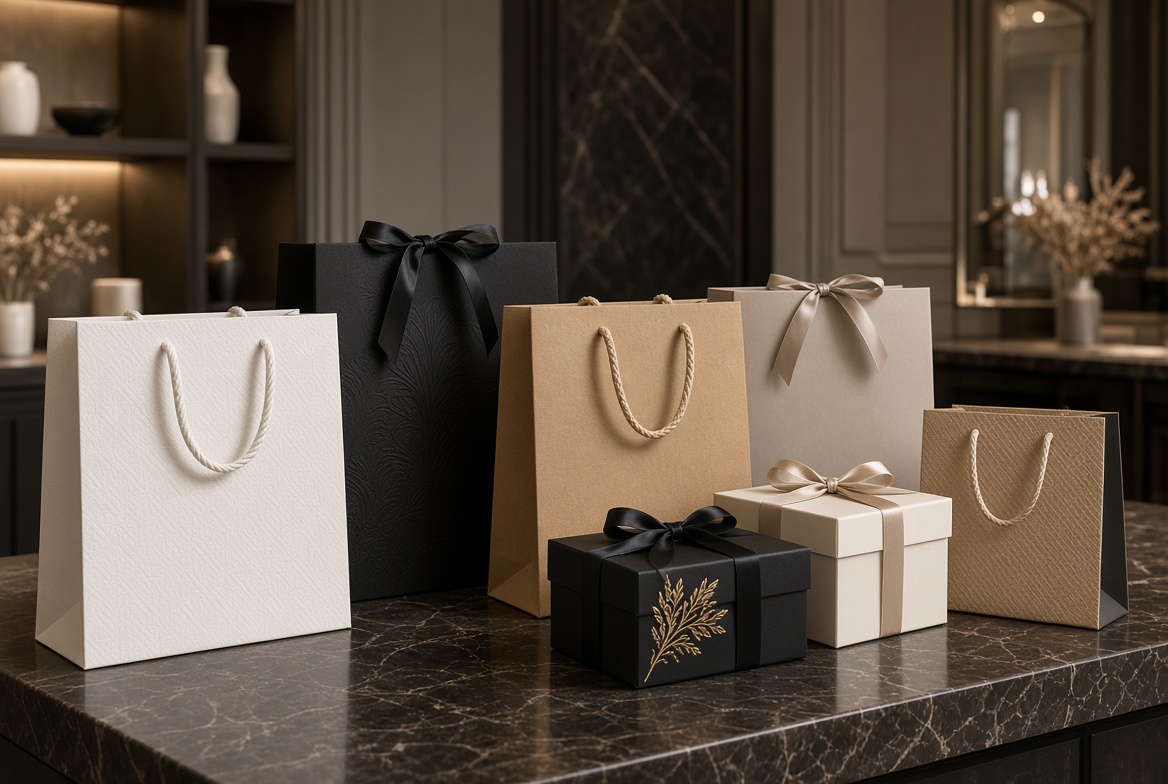
For most standard retail paper tote bags, start with 100–150 GSM kraft paper. It offers a practical combination of durability, cost efficiency, printability, and a natural brand appearance. For premium retail, cosmetics, fashion, gifts, and luxury presentation, consider 157–250 GSM coated art paper with appropriate handle and bottom reinforcement.
The final specification should always be based on the product weight, bag dimensions, handle style, printing requirements, finishing process, and the customer experience you want to create. GSM matters, but the full bag construction determines whether the packaging performs successfully.
At Shenzhen XingKun Packing Products Co., Ltd., we help brands turn a packaging concept into a tested production specification. Send us your product dimensions, estimated packed weight, artwork, target quantity, and preferred finish. Our team can recommend the right GSM, material, handle structure, and printing solution before you place a full production order.
FAQs
What GSM is best for paper tote bags?
For standard retail paper tote bags, 100–150 GSM is usually a reliable starting range. For premium packaging, 157–250 GSM is often more suitable. The final choice depends on the bag size, product weight, handle type, and finishing requirements.
Is higher GSM always better for paper bags?
No. Higher GSM usually creates a heavier and more rigid bag, but it can also increase cost, freight weight, and folding difficulty. The best choice is the lowest GSM that safely meets the required load, appearance, and reuse expectations.
What GSM should I use for a clothing paper bag?
For lightweight clothing, 100–120 GSM kraft paper is often sufficient. For boutique apparel, boxed garments, or premium fashion packaging, 150–210 GSM paper may provide a more refined presentation.
What GSM is suitable for luxury paper tote bags?
Luxury paper tote bags commonly use 180 GSM, 210 GSM, or 250 GSM coated art paper. These weights work well with premium features such as matte lamination, foil stamping, embossing, cotton rope handles, and reinforced bottom cards.
Can a 120 GSM paper tote bag carry heavy products?
It can carry moderate loads when the paper quality, bag dimensions, handles, adhesive bonding, and reinforcement are properly designed. However, heavy products should always be tested using the final bag sample before mass production.
Which is stronger: kraft paper or coated art paper?
Kraft paper often offers strong tear resistance due to its fibre structure, especially for practical retail bags. Coated art paper offers better print clarity and premium appearance but may require more structural reinforcement depending on the load and finish.
Should I use recycled paper for paper tote bags?
Recycled paper can be a suitable choice for brands that prioritize recycled content and a natural visual identity. However, the paper should be tested because fibre strength, surface quality, and colour consistency may differ from virgin paper.
How do I test the right GSM before production?
Request a prototype that matches the final dimensions, paper material, handle type, printing, and reinforcement structure. Test it with the actual packed product and assess handle strength, bottom stability, surface resistance, and overall customer feel.
References
1. [Sustainable Paper-Based Packaging: A Consumer's Perspective]
2. [Paper Bag GSM Guide: Don't Overpay for Thickness]
3. [Kraft Paper Bag Sizes: Machine Production Specifications and Guide]
4. [Paper Bag Material Guide: Kraft Paper vs White Cardboard vs Coated Paper]
5. [Paper Weight Guide: Understanding Thickness and GSM]
6. [Paper Bags and Environmental Impact]
7. [Paper Bag Purchasing Guide]


