Content Menu
● What Is a Custom Retail Display?
● Why Shoppers Like Custom Retail Displays
>> They Reduce Choice Overload
>> They Make Products Easier to Find
>> They Make Shopping More Engaging
>> They Support Confident Decisions
● Why Custom Displays Matter for Brands
>> Build Stronger Brand Recognition
>> Increase Product Visibility
>> Encourage Complementary Purchases
● Choosing the Right Display Type
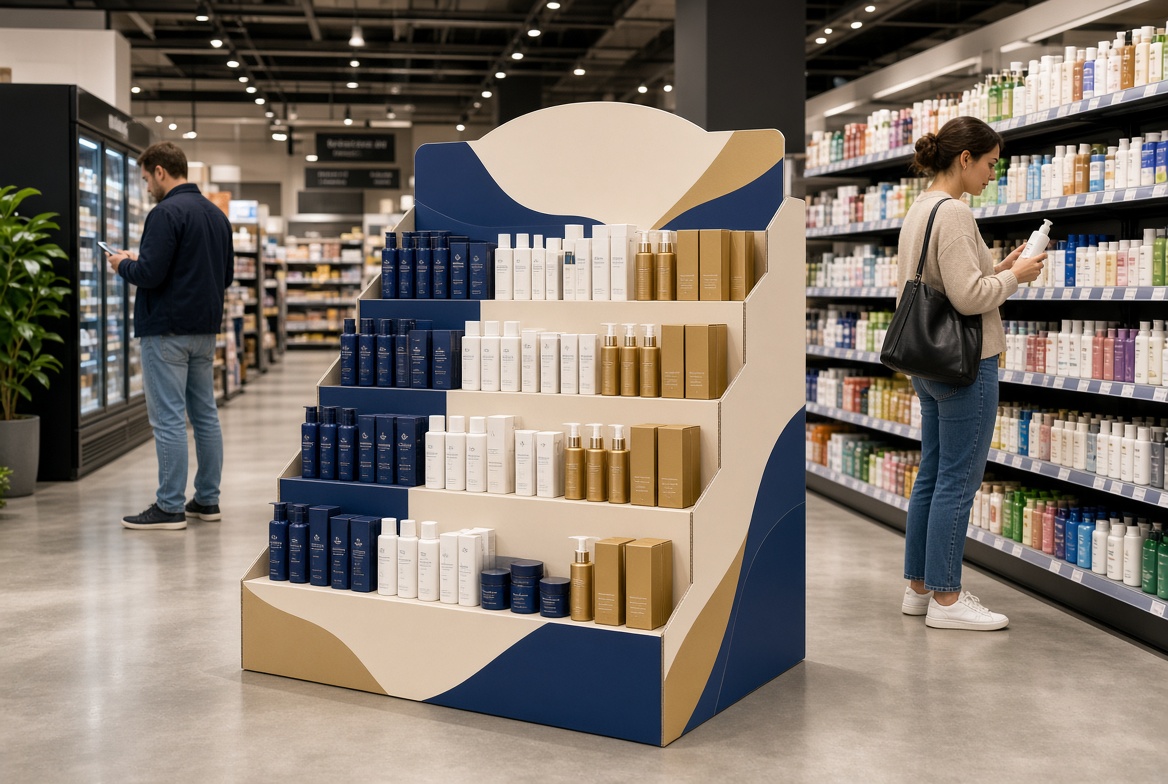
>> Floor Displays for Product Launches and Campaigns
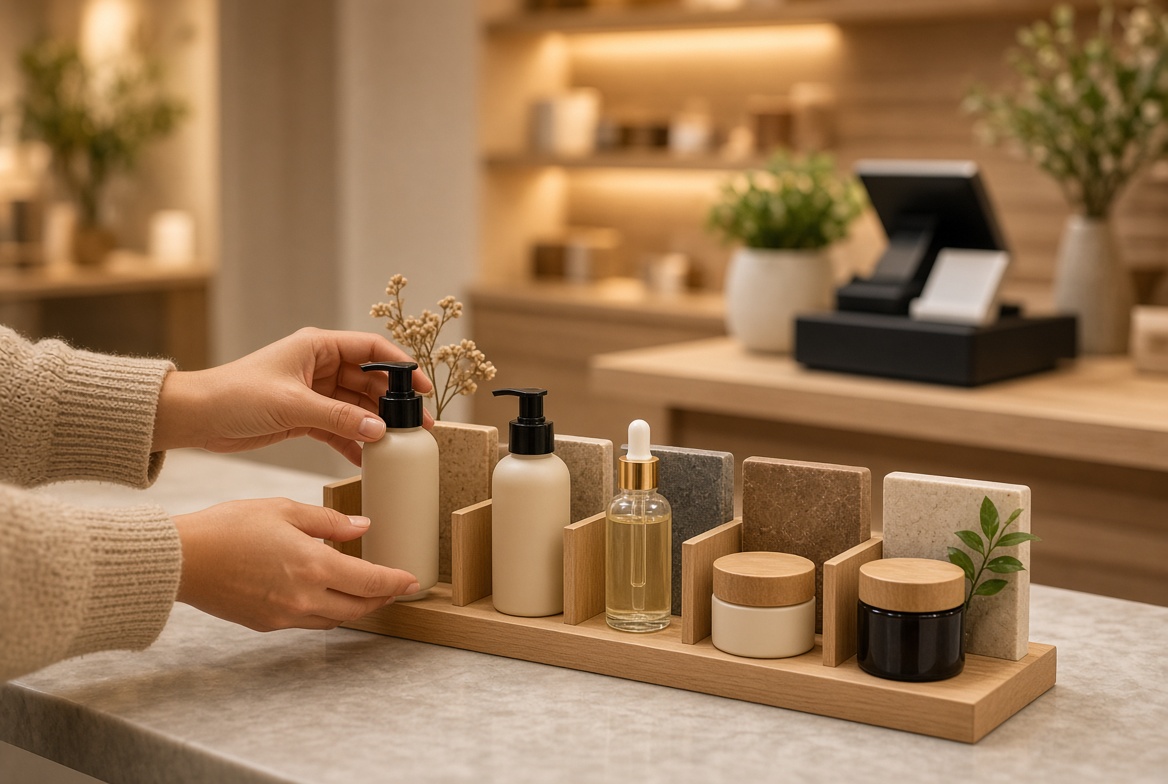
>> Counter Displays for Fast Decisions
>> Endcaps for Category Leadership
● How to Design a Display Customers Actually Use
>> Start With One Shopper Problem
>> Create a Three-Second Message
>> Design for Replenishment and Durability
● Materials and Finishing Options
● Measuring Whether a Retail Display Works
● Work With a Custom Display Manufacturer
● Frequently Asked Questions
>> What is the difference between a POP display and a POS display?
>> Which products are best suited to cardboard retail displays?
>> How long does it take to produce a custom display stand?
>> How can a brand make a retail display more effective?
>> Are custom retail displays recyclable?
>> What information should I provide when requesting a custom display quote?
● References
A well-designed custom retail display does more than hold products. It helps shoppers notice, understand, compare, and confidently choose a product in a busy physical retail environment.
For brands, distributors, and retailers, custom point-of-purchase displays turn limited floor space into a branded selling environment. Whether the goal is introducing a new item, improving shelf visibility, promoting a seasonal campaign, or encouraging add-on purchases, the display must make the customer journey easier—not more complicated.
What Is a Custom Retail Display?
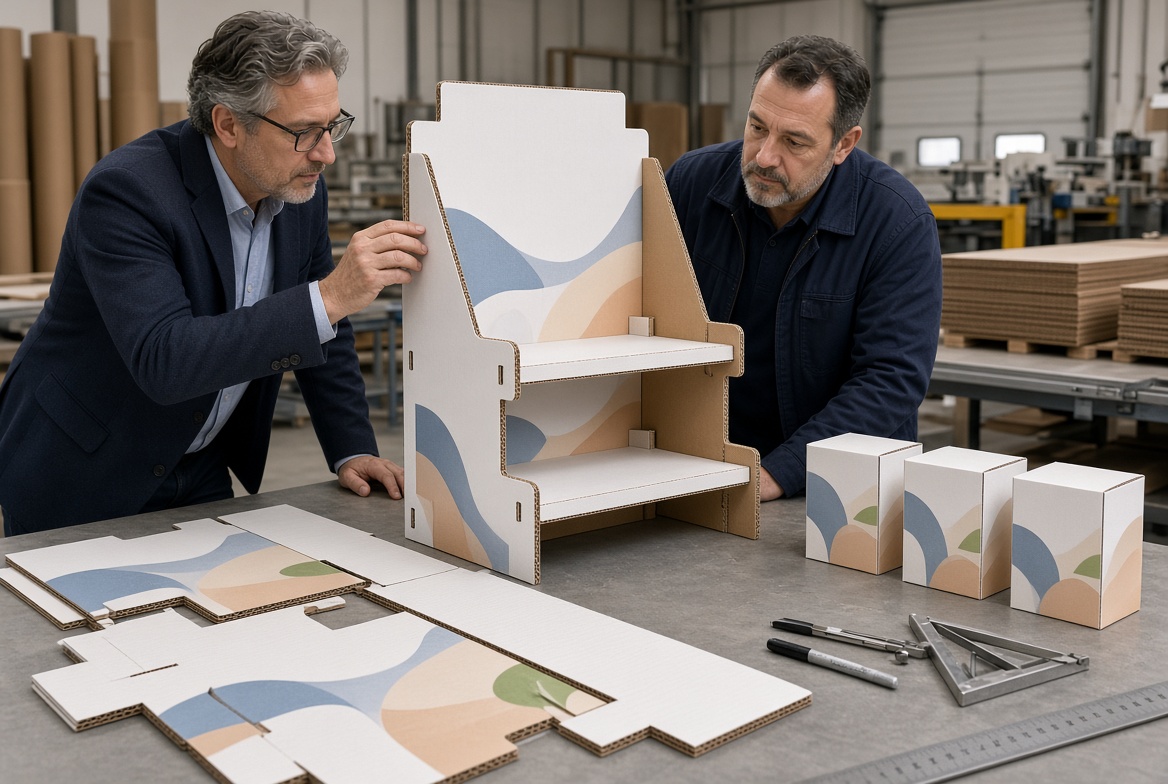
A custom retail display is a branded merchandising unit designed around a specific product, retail environment, shopper need, and campaign objective. It may be temporary or semi-permanent and can be made from corrugated cardboard, paperboard, acrylic, metal, wood, or mixed materials.
Unlike standard shelving, a custom display is built to guide attention and communicate a clear message at the moment shoppers are most likely to make a choice.
Common display formats include:
- Floor displays: Freestanding units for high-volume products, promotions, or product launches.
- Endcap displays: Units placed at the end of an aisle to gain visibility from multiple directions.
- Counter displays: Compact displays for checkout areas, small accessories, samples, or impulse-buy items.
- Shelf-ready displays: Packaging that converts directly into a shelf presentation, reducing setup work.
- Display bins: Open containers that encourage shoppers to browse, touch, and quickly pick up products.
- Pallet displays: Larger-scale units designed for supermarkets, warehouse clubs, and bulk retail.
- Sidekick displays: Slim units attached to shelves or endcaps to feature complementary products.
- Retail signage: Header cards, shelf talkers, hanging signs, and promotional graphics that reinforce product information.
The most effective format depends on the product's size, weight, price point, purchase cycle, retailer requirements, and available space.
Why Shoppers Like Custom Retail Displays
Customers do not usually enter a store looking for more advertising. They want to find the right product with minimal effort. A well-executed retail display supports this goal by making the shopping experience clearer, faster, and more enjoyable.
They Reduce Choice Overload
Modern stores offer many similar products. A shopper comparing several brands of skincare, snacks, tools, beverages, or accessories can quickly feel uncertain.
A custom display narrows the decision. It groups related products, highlights a primary benefit, and creates a visual shortcut.
For example, instead of placing a new travel-size skincare range among hundreds of products on a crowded shelf, a brand can use a countertop display with the message: "Your 3-Step Travel Routine." The shopper immediately understands the product category, intended use, and purchase opportunity.
A good display answers key questions in seconds:
- What is this product?
- Who is it for?
- Why should I consider it?
- What makes it different?
- What should I buy first?
- Is there an offer or bundle available?
When shoppers can understand the offer quickly, they are more likely to explore it.
They Make Products Easier to Find
Convenience is one of the strongest advantages of physical retail. Customers appreciate displays because they bring relevant products closer to where they are already shopping.
A sidekick display near a coffee aisle can feature biscuits or reusable cups. A counter display at checkout can offer batteries, lip balm, gift cards, or small accessories. An endcap can present a complete seasonal collection without requiring shoppers to search multiple aisles.
This improves the shopper experience because the products feel timely and relevant rather than hidden.
They Make Shopping More Engaging
Retail displays can create moments of discovery. Bright graphics, tactile materials, product samples, clear demonstrations, and themed arrangements invite customers to pause and interact.
This matters especially for products that need explanation. A display can show how an item works, compare product variants, communicate ingredients, explain sustainability benefits, or demonstrate usage situations.
A display should not simply be visually loud. It should make the product easier to understand.
They Support Confident Decisions
Shoppers often hesitate when they cannot tell which product suits their needs. Clear display communication can reduce that hesitation.
Helpful information may include:
- Product benefits and key features
- Price and promotional offers
- Product size or quantity
- Usage instructions
- Colour or flavour options
- Compatibility information
- Comparison charts
- QR codes linking to product demonstrations or care instructions
The objective is not to overwhelm the shopper with text. It is to provide the most useful information at the point of decision.
Why Custom Displays Matter for Brands
A branded display gives manufacturers and retailers more control over how a product is presented in-store. Standard shelves are necessary, but they often make products look interchangeable. Custom displays create distinction.
A 2026 consumer survey commissioned by Frank Mayer and Associates found that more than three-quarters of respondents had discovered a new product or brand through a retail display. The same reporting indicated that 63% said displays influenced their choice when comparing similar products or brands.
This suggests that a display is not only a visibility tool. It can influence discovery and comparison at the same time.
Build Stronger Brand Recognition
A custom retail display gives brands a consistent visual space for colour, typography, messaging, product photography, and packaging. This is particularly valuable when products are sold through multiple retailers and markets.
Consistency helps customers recognize the brand across different touchpoints:
- On the shelf
- In promotional areas
- At checkout
- In seasonal retail campaigns
- In distributor showrooms
- At trade events
For emerging brands, a display can create a stronger in-store presence without requiring a permanent store fixture. For established brands, it can reinforce a familiar identity during promotions, launches, and product extensions.
Increase Product Visibility
Retail displays create visual interruption. They help a product stand apart from dense shelves, competing brands, and routine shopping patterns.
However, visibility is not only about using brighter colours or larger graphics. A display must work within the store environment. It should be positioned where relevant shoppers naturally walk, wait, browse, or compare products.
High-visibility placements often include:
| Retail location | Best use case | Typical display format |
| Aisle end | New launches, promotions, seasonal campaigns | Endcap or floor display |
| Checkout zone | Small, low-risk, quick-purchase items | Counter display |
| Category aisle | Product comparison or cross-selling | Sidekick or shelf display |
| Store entrance | Event, seasonal, or brand-building campaigns | Floor display or pallet display |
| Promotional area | Bulk offers and bundled products | Pallet display or dump bin |
The right location must match shopper intent. A display for premium headphones may need time and product education. A display for snacks or travel accessories may benefit more from quick access and simple messaging.
Encourage Complementary Purchases
Displays can increase basket value when they present logical product combinations.
Examples include:
- Shampoo with conditioner and hair masks
- Coffee with biscuits, syrups, or reusable cups
- Paint with brushes, tape, and drop cloths
- Phone cases with cables, chargers, and screen protectors
- Outdoor products with batteries, hydration items, or weatherproof accessories
The principle is simple: place a useful next item where shoppers can easily see it.
This approach should feel helpful, not forced. Complementary products should solve a genuine customer need related to the main purchase.
Choosing the Right Display Type
The best custom POP display balances product needs, retail requirements, brand goals, and production realities.
Floor Displays for Product Launches and Campaigns
Freestanding floor displays work well when a brand needs strong visual impact and sufficient product capacity. They are often used for snacks, beverages, health and beauty products, household goods, toys, and seasonal merchandise.
A floor display should be stable, easy to assemble, and simple for retail staff to replenish. Corrugated cardboard is often a practical option for temporary campaigns because it can be die-cut, printed, packed flat, and customized efficiently.
Counter Displays for Fast Decisions
Counter displays work best for smaller products with a simple value proposition. The shopper should be able to understand the item in just a few seconds.
Strong counter-display products often include:
- Cosmetics and beauty accessories
- Confectionery and snacks
- Phone accessories
- Small tools
- Travel-size products
- Gift items
- Health and personal-care products
Use one primary message, clear pricing, and a product arrangement that makes individual units easy to pick up.
Endcaps for Category Leadership
Endcaps create a valuable opportunity to own a retail moment. They work particularly well for product launches, seasonal ranges, limited-time offers, and bundled solutions.
An effective endcap should use hierarchy:
1. A clear campaign or product headline
2. A strong hero image or product visual
3. Easy-to-read benefit messaging
4. Logical product grouping
5. A visible call to action or promotional message
Avoid filling every available space with copy. A shopper should understand the main idea from several feet away.
How to Design a Display Customers Actually Use
A display can look impressive in a presentation but fail in-store if it is difficult to understand, unstable, poorly stocked, or incompatible with retailer rules. The best designs begin with real retail conditions.
Start With One Shopper Problem
Before choosing colours, materials, or graphics, define the main job of the display.
Examples:
- Help shoppers discover a new product
- Make a promotion easier to notice
- Explain a product with unfamiliar benefits
- Encourage trial-size purchases
- Cross-sell related products
- Improve visibility for a crowded shelf category
- Create a seasonal gift solution
A display with too many objectives often communicates none of them clearly.
Create a Three-Second Message
Most shoppers will not read a long paragraph while moving through an aisle. The primary message should be understood in roughly three seconds.
Use a simple communication structure:
- What: Identify the product or category
- Why: State the main benefit
- Now: Give the reason to act, such as a launch, offer, bundle, or seasonal need
For example:
> Hydration for Every Workout
> Electrolyte tablets with no added sugar
> Try all three flavours today
This gives the shopper a category, a benefit, and a reason to engage.
Design for Replenishment and Durability
Retail success depends on execution after delivery. If a display is hard to replenish, staff may leave it partially empty. If it is too weak for the product load, it may lose shape or become unsafe. If assembly is complicated, retailers may not place it correctly.
Before production, confirm:
- Product dimensions and weight
- Number of units per shelf or tray
- Total load capacity
- Retailer footprint limits
- Display height restrictions
- Assembly time
- Flat-pack shipping requirements
- Replenishment access
- Environmental and recycling expectations
An experienced display manufacturer can help turn these requirements into a structure that is attractive, practical, and production-ready.
Materials and Finishing Options
Material choice affects cost, visual quality, transport efficiency, durability, and the customer's perception of the product.
| Material | Suitable for | Key strengths |
| Corrugated cardboard | Temporary promotions, launches, retail campaigns | Lightweight, printable, customizable, flat-pack friendly |
| Paperboard | Counter displays and lightweight products | Clean print quality and efficient for small formats |
| Acrylic | Cosmetics, electronics, premium accessories | Transparent, durable, polished appearance |
| Metal | Heavy products and long-term fixtures | Strong, stable, reusable |
| Wood | Premium, natural, lifestyle-focused brands | Warm appearance and long-term durability |
| Mixed materials | Premium activations and permanent retail | Combines structural strength with visual impact |
For many promotional retail projects, corrugated cardboard remains a highly flexible choice. It can support custom shapes, branded headers, shelf trays, dividers, and interactive features while remaining efficient to ship in flat-packed form.
Measuring Whether a Retail Display Works
A display should be evaluated as a business tool, not only as a design project. Set measurable targets before launch.
Useful performance indicators include:
- Sales uplift versus a comparable period
- Unit sales per store per week
- Sell-through speed
- Stock replenishment frequency
- Average basket size
- Sales of complementary products
- Store compliance rate
- Number of stores that installed the display correctly
- Customer feedback from store teams or distributors
Where possible, test different display designs, messages, placements, or product combinations in matched store groups. Even a small pilot can reveal whether shoppers respond better to a lower price message, a product demonstration, a stronger colour system, or a simpler product assortment.
Physical retail remains important for discovery and impulse decisions. NielsenIQ reporting cited in 2026 coverage found that 21.6% of impulse snack purchases occurred in stores, compared with 10.7% online. This does not mean every display will generate impulse purchases. It means the store environment gives brands a valuable opportunity to influence shoppers when design, placement, price, and product relevance work together.
Work With a Custom Display Manufacturer
A successful display campaign requires more than a printed graphic. It requires structural engineering, material expertise, prototyping, printing accuracy, quality control, protective packing, and reliable production coordination.
Shenzhen XingKun Packing Products Co., Ltd. has more than 20 years of experience producing display stands and a broad range of printed packaging products. The company supports brands and distributors in more than 30 countries and regions with custom display and packaging solutions.
From initial concept through production, a capable manufacturing partner can help you create retail displays that are aligned with your brand, retailer specifications, product requirements, and shipment plan.
Ready to make your products easier to notice, understand, and buy? Contact Shenzhen XingKun Packing Products Co., Ltd. to discuss your custom retail display project, including structure, materials, printing, packaging, and delivery requirements.
Frequently Asked Questions
What is the difference between a POP display and a POS display?
A POP display is placed near the point where shoppers make product decisions, such as an aisle, endcap, or promotional zone. A POS display is typically located at the checkout area where payment occurs. In practice, the terms are sometimes used interchangeably.
Which products are best suited to cardboard retail displays?
Cardboard retail displays are suitable for many products, including food, beverages, cosmetics, personal care items, toys, accessories, stationery, household products, and lightweight hardware. The structure should be engineered according to the product weight and the expected retail duration.
How long does it take to produce a custom display stand?
Timing depends on display complexity, materials, quantity, prototyping requirements, finishing, packing method, and shipping destination. A clear specification and early structural review help reduce avoidable delays.
How can a brand make a retail display more effective?
Use one clear message, organize products logically, make pricing visible, select the right placement, maintain sufficient stock, and design the structure for easy assembly and replenishment. Testing a pilot version in selected stores can also improve results before a wider rollout.
Are custom retail displays recyclable?
Many corrugated cardboard and paperboard displays can be designed for recycling, depending on coatings, laminations, adhesives, inks, and local recycling systems. Discuss material and finishing choices with the manufacturer before production.
What information should I provide when requesting a custom display quote?
Provide product dimensions, product weight, quantity per display, desired display size, target retail environment, campaign duration, artwork requirements, estimated order quantity, packing preferences, and destination market. Photos of the intended product and retail space are also helpful.
References
1. [Creative Displays Now — Chapter 5: Why Customers Enjoy Custom Retail Displays]
2. [VM+SD — New Consumer Survey Shows That In-Store Displays Influence Brand and Product Awareness]
3. [NielsenIQ coverage: The Future of Impulse Shopping]
4. [Savanta — From Shelf to Screen: What Really Drives Shopper Action?]
5. [Quad — In-Store Retail Media Networks and Digital Displays]
6. [Shop! Association]


