Content Menu
● Why Retail Displays Need a Refresh
● What Makes a Display Work
● Main Retail Display Options
>> Pallet Displays
>> Endcap Displays
>> Sidekick Displays
>> Counter Displays
>> Floor Displays
● Trends Shaping Display Refreshes
>> Modular Systems Are Rising
>> Sustainability Is More Practical
>> Cleaner Displays Improve Shoppability
>> Digital Touchpoints Add Value
● How To Choose the Right Option
● Practical Refresh Process
>> Step 1: Review the Current Setup
>> Step 2: Define the Display's Job
>> Step 3: Choose the Best Format
>> Step 4: Build in Flexibility
>> Step 5: Test Before Full Rollout
● Design Principles That Improve Results
● Why Custom Manufacturing Matters
● Common Mistakes To Avoid
● Conclusion
● FAQ
>> 1. What are the best retail display options for a refresh?
>> 2. How often should retail displays be refreshed?
>> 3. What makes a display more effective?
>> 4. Are modular displays worth it?
>> 5. How do I choose between a temporary and permanent display?
>> 6. Can digital elements help retail displays?
● References
Why Retail Displays Need a Refresh
Retail displays can lose impact over time. When a fixture looks worn, feels outdated, or no longer matches the current promotion, it can reduce attention and weaken the shopping experience. In many stores, the display is one of the first brand signals a shopper sees.
A refresh can help you:
- Improve product visibility.
- Support seasonal or promotional changes.
- Make the store feel more current.
- Reduce display fatigue.
- Create a clearer path to purchase.
The most effective refreshes are not just visual updates. They are also operational improvements that make setup, restocking, and campaign changes easier for store teams.
What Makes a Display Work
A strong retail display does three things well. It attracts attention, communicates value quickly, and helps the shopper understand what to do next. If the display is confusing, too crowded, or hard to shop, it loses effectiveness fast.
The best displays usually have these qualities:
- A clear hero product.
- Simple and readable messaging.
- Strong visual hierarchy.
- Easy access for shoppers.
- A structure that is stable and easy to maintain.
Main Retail Display Options
Different display formats solve different problems. The right choice depends on the product, store type, campaign length, and budget.
| Display type | Best for | Strengths | Refresh value |
| Pallet display | Warehouse clubs, bulk products | High visibility, large branding area | Strong for short promotions |
| Endcap display | Aisle entrances, feature items | High traffic exposure | Easy to rotate by campaign |
| Sidekick display | Small items, impulse buys | Compact and attention-grabbing | Good for frequent updates |
| Counter display | Checkout areas, add-on items | Supports last-minute purchases | Low-cost and simple to refresh |
| Floor display | Seasonal launches, product highlights | Flexible placement | Works well for temporary campaigns |
| Shelf display | Ongoing assortments | Fits into existing store layout | Best when graphics can be swapped |
Pallet Displays
Pallet displays are useful when a brand needs scale and visibility. They work well in large-format retail environments where shoppers expect quick product recognition. Because they cover more floor space, they are best for simple offers and easy-to-understand products.
Endcap Displays
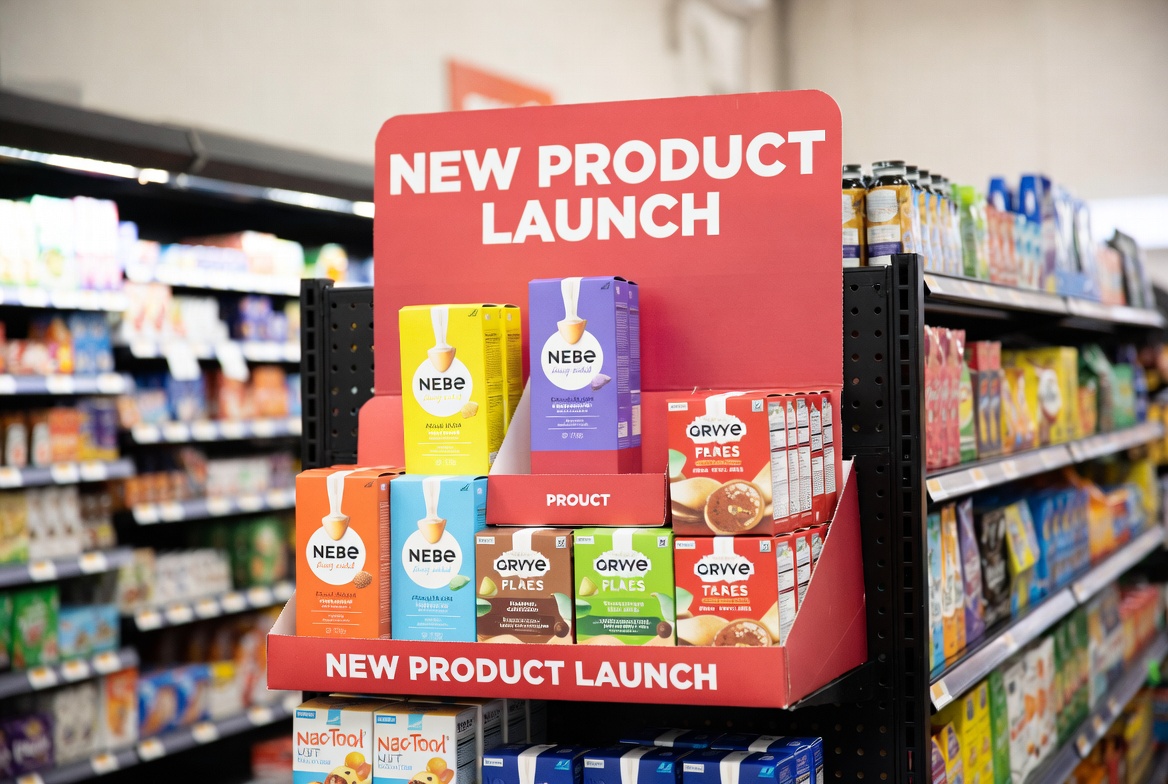
Endcap displays are one of the most valuable formats for a refresh. They sit at the end of aisles, where traffic is strong and attention is high. This makes them ideal for launches, seasonal promotions, and cross-selling.
Sidekick Displays
Sidekick displays are a smart choice when space is limited. They hang beside shelving and work well for smaller products that benefit from impulse purchase behavior. They are also easy to update with new graphics or packaging.
Counter Displays
Counter displays are designed for checkout zones and final decision points. They are effective for low-cost add-on items and products that benefit from close-up visibility. They are also practical because they are usually easy to produce and install.
Floor Displays
Floor displays create a dedicated brand moment in the store. They are often used for new collections, seasonal pushes, or promotional campaigns. When designed well, they can guide shoppers toward a featured product without needing a full shelf reset.
Trends Shaping Display Refreshes
Retail display strategy is changing quickly. In 2026, the strongest trends are modularity, sustainability, cleaner layouts, and more interactive presentation.
Modular Systems Are Rising
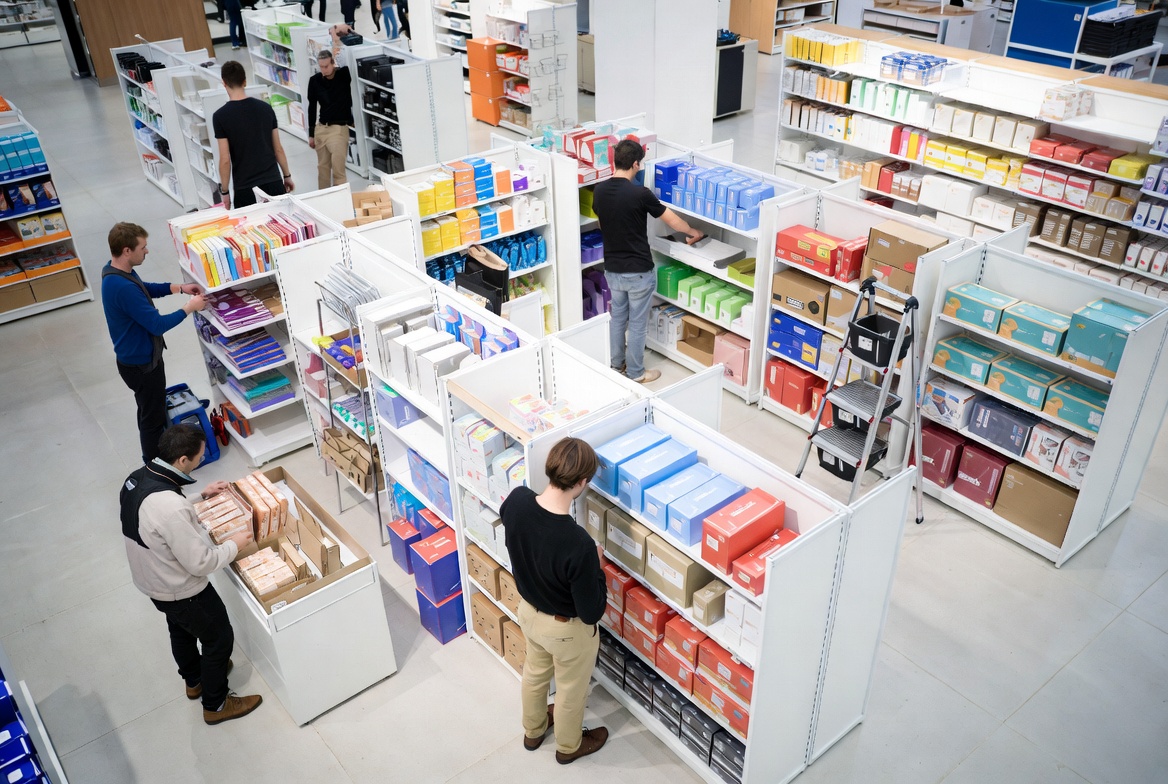
Modular displays make it easier to update a store without rebuilding the entire fixture. Brands can reuse a base structure and swap graphics, trays, or product sections for new campaigns. This reduces waste and gives marketing teams more flexibility.
Sustainability Is More Practical
Sustainability now includes more than just recycled materials. Brands are also looking at reuse, transport efficiency, product life cycle, and the ability to repurpose fixtures for future campaigns. A display that lasts longer often creates better value than one that is cheaper upfront.
Cleaner Displays Improve Shoppability
Less clutter usually means better shopping behavior. Clear sightlines, simpler messages, and stronger product grouping help shoppers understand the offer faster. That makes the display easier to shop and often easier to maintain as well.
Digital Touchpoints Add Value
Some retailers now add QR codes, screens, or simple interactive elements to physical displays. These features can extend product education, support storytelling, and connect in-store shoppers with online content. Even small digital additions can make a display feel more current.
How To Choose the Right Option
Choosing a display should be a structured decision. The wrong format can waste space, confuse shoppers, or create unnecessary labor for store teams.
Use this checklist:
1. Define the campaign goal.
2. Match the display to the product size and category.
3. Consider the retail channel.
4. Decide how often the display needs to change.
5. Review installation and restocking needs.
6. Select materials that fit the environment.
If the display will change often, modular construction is usually the best long-term choice. If the goal is a short-term promotion, a temporary display may be more efficient.
Practical Refresh Process
A better refresh process can save time and improve results. Instead of changing displays randomly, follow a simple workflow.
Step 1: Review the Current Setup
Look at what is working and what is not. Check visibility, stability, product access, and whether the display still matches the campaign message.
Step 2: Define the Display's Job
Every display should have one main purpose. It may need to drive awareness, support a launch, move seasonal stock, or increase impulse sales. The purpose should guide the design.
Step 3: Choose the Best Format
Select the display type that supports the job most efficiently. For example, an endcap is better for high-traffic feature placement, while a counter display is better for small add-on purchases.
Step 4: Build in Flexibility
Use removable graphics, modular parts, interchangeable trays, or reusable structures. This makes future updates faster and more cost-effective.
Step 5: Test Before Full Rollout
Before producing at scale, test the display in a real or simulated retail environment. Check visibility, assembly time, stocking ease, and shopper response.
Design Principles That Improve Results
The best displays reduce friction. Shoppers should understand the offer quickly and move through the decision without effort. That is why product hierarchy, spacing, and message clarity matter so much.
Good display design usually follows these rules:
- Keep the message short.
- Put the hero product in the strongest position.
- Use contrast to highlight the key point.
- Avoid overloading the fixture.
- Make restocking simple for staff.
When a display is easy to understand, it is easier to shop and easier to scale across locations.
Why Custom Manufacturing Matters
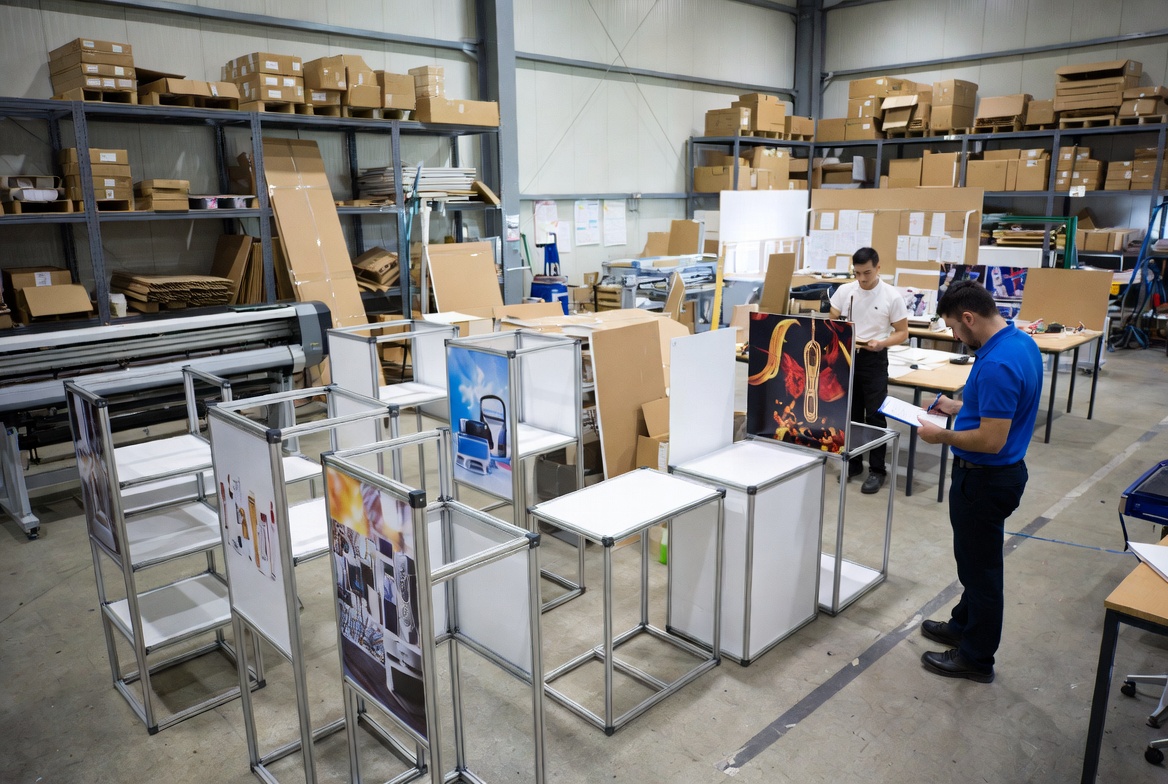
For brands working across different stores or countries, custom manufacturing is often the best path. It allows the display to match product dimensions, retail requirements, and brand presentation standards. It also gives teams more control over structure, print quality, and durability.
For a manufacturer like Shenzhen XingKun Packing Products Co., Ltd., this means combining design, printing, and production into one practical solution. The result is a display that not only looks strong, but also works well in real retail conditions.
Common Mistakes To Avoid
Many refresh projects underperform because they focus too much on appearance and not enough on function. A display can look attractive in a design file and still fail in store.
Avoid these mistakes:
- Adding too much text.
- Using weak or unsuitable materials.
- Ignoring restocking access.
- Designing only for visual appeal.
- Replacing fixtures too often instead of building reusable systems.
Conclusion
The best retail display refresh is one that improves both presentation and performance. Whether you choose an endcap, floor display, counter unit, or modular system, the goal is the same: help shoppers notice the product, understand the offer, and buy with confidence.
For brands that want a stronger retail presence, the next step is to review existing fixtures and identify where a more flexible, durable, and better-structured display system can create more value.
FAQ
1. What are the best retail display options for a refresh?
Endcap displays, floor displays, counter displays, sidekick units, and modular pallet displays are often the most effective because they balance visibility and flexibility.
2. How often should retail displays be refreshed?
The timing depends on the product and store format. Many brands refresh seasonally or whenever the display becomes worn, outdated, or less relevant to the promotion.
3. What makes a display more effective?
A strong display has clear messaging, a visible product focus, easy shopper access, and a structure that is simple to maintain.
4. Are modular displays worth it?
Yes. Modular displays are often more cost-effective over time because they can be reconfigured for new campaigns instead of being fully replaced.
5. How do I choose between a temporary and permanent display?
Choose a temporary display for short campaigns, launches, or seasonal offers. Choose a permanent display when the product and message need long-term presence.
6. Can digital elements help retail displays?
Yes. QR codes, screens, and other digital touchpoints can add information, improve engagement, and connect shoppers with deeper product content.
References


