Content Menu
● Why Jigsaw Puzzles for Kids Still Matter in 2026
● What Kids Learn from Puzzles
● How to Choose the Right Puzzle by Age
● Safety Standards That Parents Expect
● What Makes a Kids Puzzle High Quality
● Design Choices That Improve Play Value
● Custom Puzzle Opportunities for Brands
● Manufacturing Tips for Better Results
● Buying Guide for Distributors and Retailers
● Why This Product Category Sells Well
● How XingKun Can Support Custom Orders
● Conclusion
● FAQ
>> 1. What age is best for Jigsaw Puzzles for Kids?
>> 2. Are jigsaw puzzles really educational?
>> 3. What safety standards matter for kids' puzzles?
>> 4. What materials are best for children's puzzles?
>> 5. Can kids' puzzles be customized for brands?
>> 6. Why do retailers sell so many children's puzzles?
● References
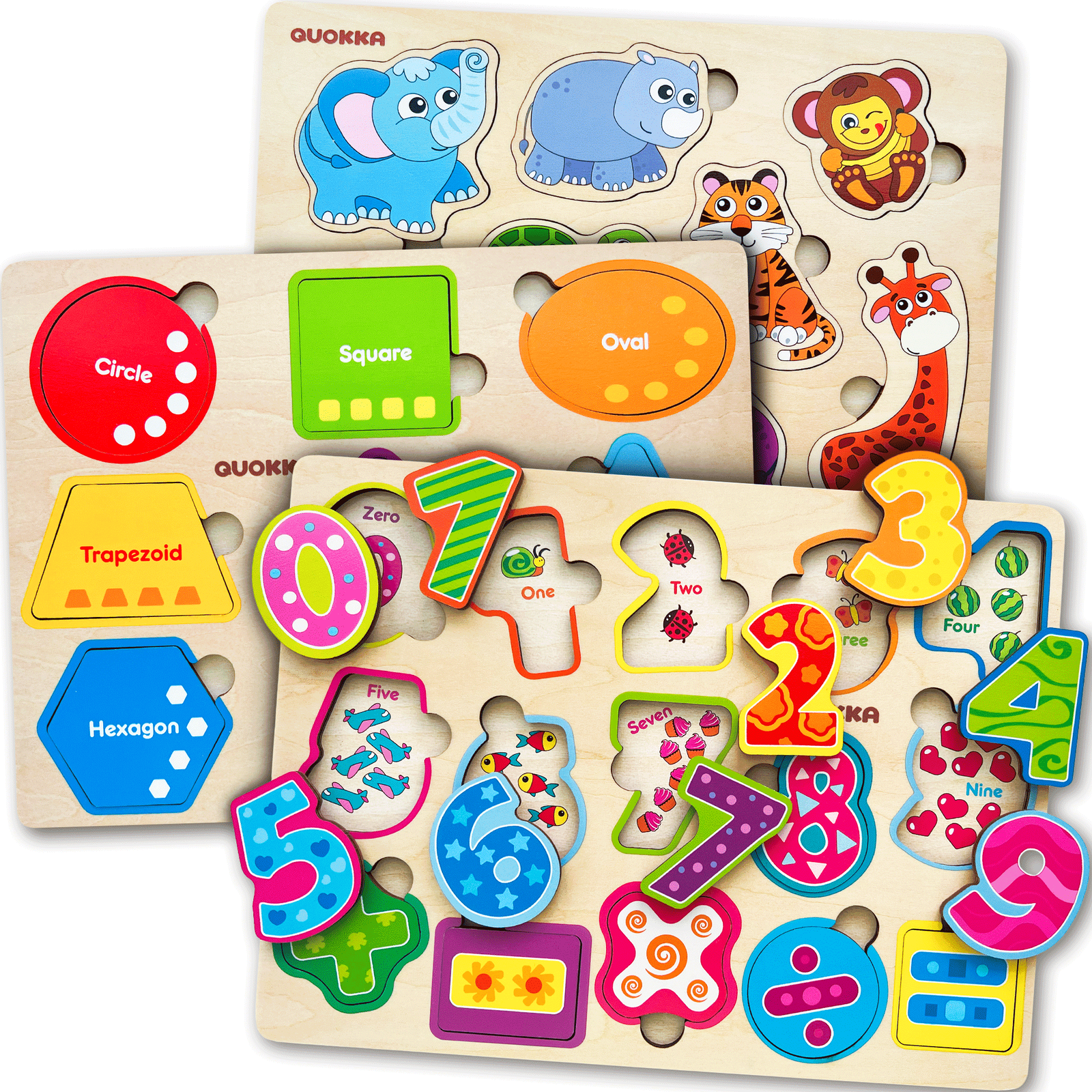
Jigsaw Puzzles for Kids are more than a classic toy. They are a practical learning tool, a family activity, and a product category that continues to grow because parents, educators, and brands all value screen-free engagement, cognitive development, and gift appeal. For manufacturers and buyers, the opportunity is even bigger: well-designed kids' puzzles can combine education, storytelling, brand identity, and safe production in one product.
Why Jigsaw Puzzles for Kids Still Matter in 2026
In a digital-first world, parents are still looking for toys that support hands-on learning and meaningful play. Jigsaw puzzles remain relevant because they offer clear developmental value while staying affordable, repeatable, and easy to personalize. Market research also suggests the broader jigsaw puzzle market continues to expand steadily, with one forecast projecting growth from USD 1.89 billion in 2023 to USD 2.4 billion by 2032 at a CAGR of 2.69%. [marketresearchfuture]
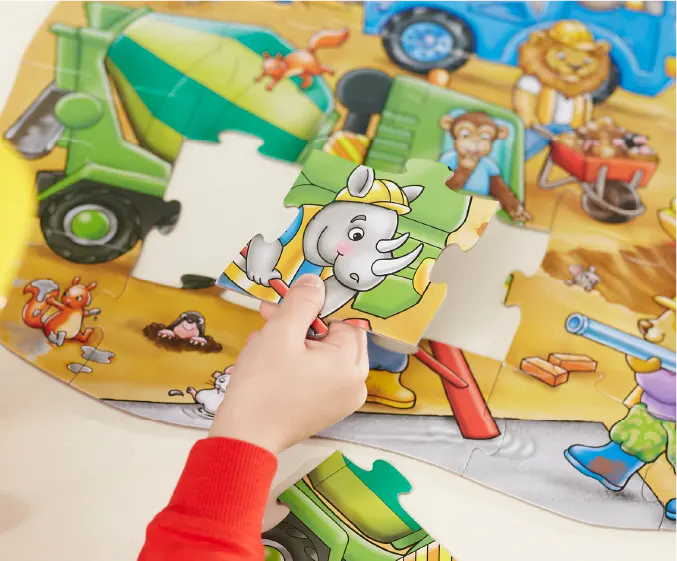
For children, puzzles are especially powerful because they turn learning into a visible, achievable task. A child can see progress piece by piece, which makes the activity naturally rewarding. For brands and retailers, this means puzzles are not just toys; they are educational products with strong emotional and commercial value.
What Kids Learn from Puzzles
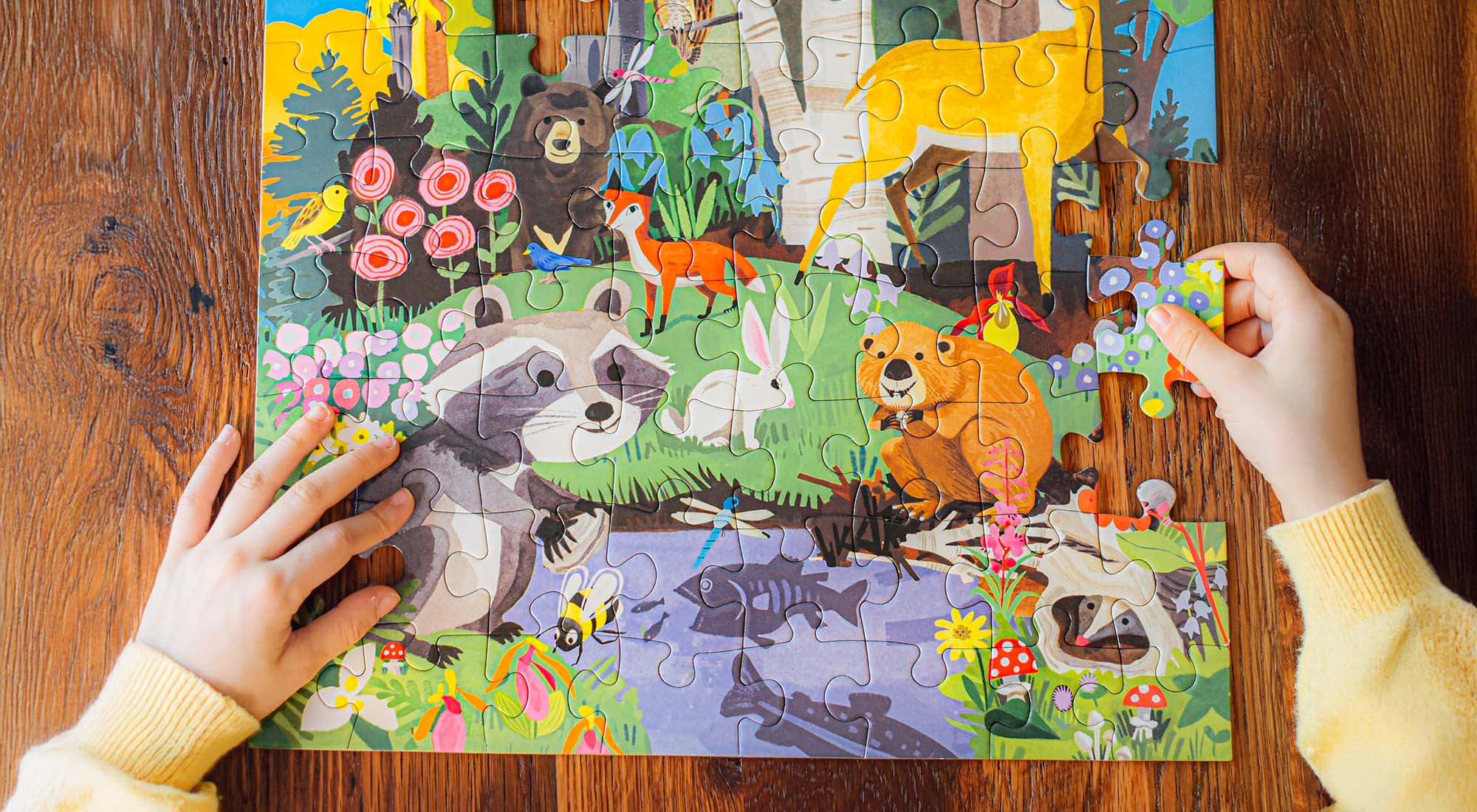
Jigsaw puzzles help children practice a wide range of developmental skills. Educational sources consistently note improvements in hand-eye coordination, fine motor skills, problem-solving, memory, and persistence. These benefits make puzzles a smart choice for both home use and classroom environments. [americanspcc]
Here are the core skills puzzles support:
Hand-eye coordination, as children match pieces visually and physically.
Shape recognition, as they identify edges, corners, and patterns.
Spatial reasoning, as they learn how pieces fit together in a larger image.
Concentration, because successful completion requires sustained attention.
Patience and resilience, since puzzles reward trial, error, and persistence.
Language and storytelling, when adults discuss images, animals, numbers, or scenes while solving.
From an expert product perspective, this is why Jigsaw Puzzles for Kids work so well in educational gift sets, preschool materials, and retail programs focused on early learning. Their value is not limited to entertainment; they are a structured learning experience.
How to Choose the Right Puzzle by Age
One of the biggest mistakes brands and buyers make is offering the wrong piece count for the target age group. A good puzzle must feel challenging, but not frustrating. Age-appropriate design is one of the clearest signals of product quality and user experience.
A practical age guide looks like this:
| Age Group | Suggested Piece Range | Best Puzzle Traits |
| 1–2 years | 2–10 pieces | Very large pieces, simple shapes, bright colors |
| 2–4 years | 12–24 pieces | Thick board, large images, clear outlines |
| 4–5 years | 24–60 pieces | Simple scenes, moderate challenge |
| 5–8 years | 60–100 pieces | More detail, stronger visual variety |
| 8+ years | 100–300+ pieces | Advanced composition, longer play value |
This matches current educational guidance that places toddlers in very low piece counts and increases complexity gradually as attention and spatial ability develop. The best children's puzzles use this progression intentionally, instead of offering one-size-fits-all designs. [thethinkacademy]
Safety Standards That Parents Expect
For children's products, safety is not optional. It is a major trust factor, especially for export markets. In the U.S., ASTM F963-23 became the mandatory toy safety standard through 16 CFR 1250 effective April 20, 2024, and it covers requirements such as choking hazards, sharp edges, and toxic materials for toys intended for children under 14. European toy products must also meet EN71 requirements for mechanical, physical, chemical, and flammability safety. [api-hk]
When developing or buying Jigsaw Puzzles for Kids, buyers should pay close attention to:
Piece size, especially for children under 3.
Non-toxic inks and coatings.
Rounded edges to reduce injury risk.
Durable board thickness to avoid peeling and bending.
Stable packaging that protects pieces during shipping and storage.
Age labeling that matches real developmental use.
For manufacturers, safety should be treated as part of product design, not a final inspection step. That mindset reduces liability, improves customer confidence, and supports long-term brand reputation.
What Makes a Kids Puzzle High Quality
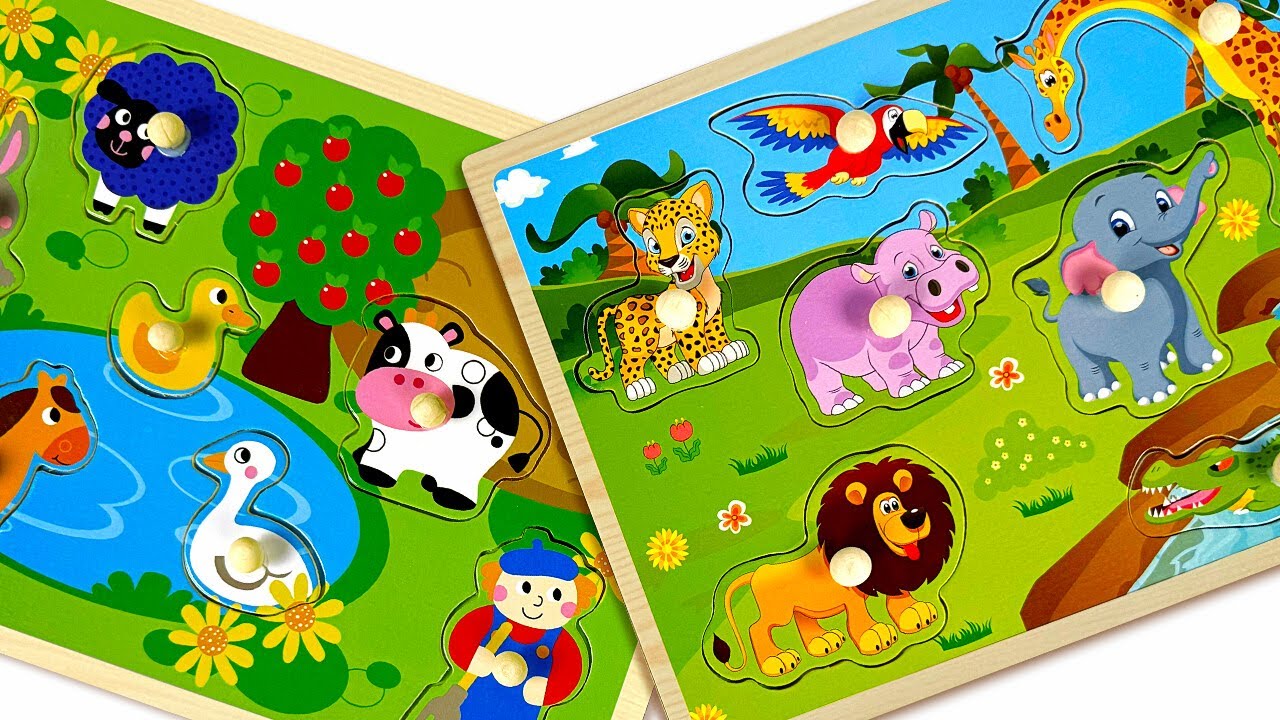
A great children's puzzle feels satisfying from the first touch. The pieces should be easy for small hands to hold, but not so loose that they fail to stay together during assembly. The image should be clear, colorful, and visually balanced, because children rely heavily on visual cues when solving puzzles.
Strong kids' puzzle products usually have these traits:
Thick, durable board stock for repeated use.
Precise die-cutting for a smooth fit.
Vibrant but safe printing using child-friendly inks.
Simple, recognizable artwork with strong contrast.
Well-designed box packaging for storage and gift appeal.
On XingKun's product page, the company highlights durable construction, non-toxic colors, precise cutting, and box packaging as key features of its children's puzzles [web:page1]. That positioning aligns well with what international buyers expect from a dependable OEM/ODM supplier.
Design Choices That Improve Play Value
The best puzzle design starts with the child's experience, not just the image. A puzzle can be beautiful and still perform badly if the visual structure is too busy or the piece logic is too hard. This is where product design becomes a UX discipline.
A child-friendly puzzle should include:
1. A clear main subject, such as animals, vehicles, maps, letters, or favorite characters.
2. Strong color separation, so adjacent pieces are easier to distinguish.
3. Visible borders or scene anchors, especially for beginners.
4. Large repeated shapes, which help children test and learn patterns.
5. Theme consistency, because familiar themes keep attention longer.
For example, a 24-piece puzzle with a bright animal illustration will usually perform better for preschool users than a 24-piece abstract image. The reason is simple: children can understand the scene faster, which lowers frustration and increases completion rates.
Custom Puzzle Opportunities for Brands
For OEM and ODM buyers, children's puzzles are especially attractive because they can be customized in many ways. That makes them suitable for book publishers, toy brands, schools, museums, gift companies, and promotional campaigns.
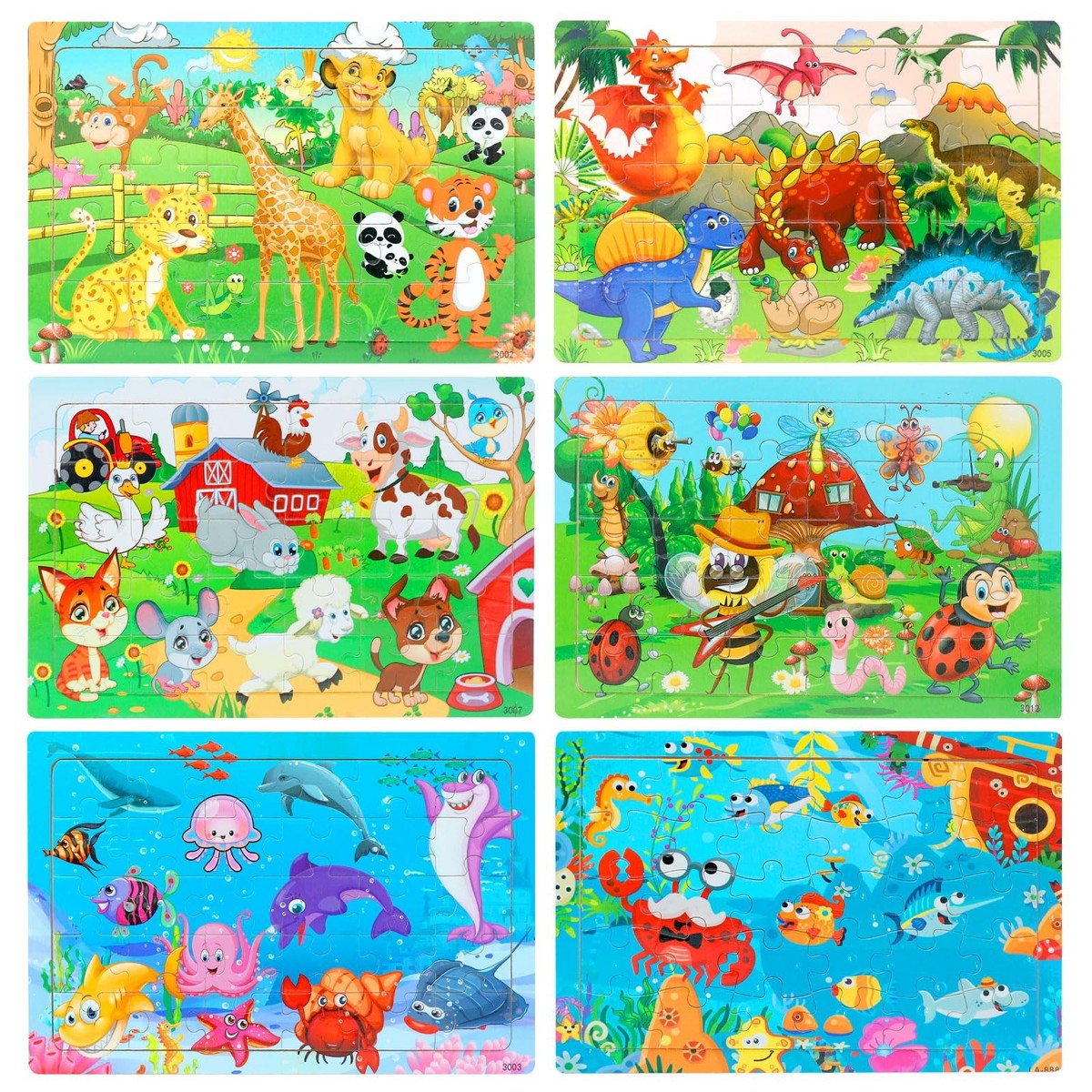
Common customization options include:
Piece count from beginner to advanced.
Puzzle shape, such as round, special shape, or floor puzzle formats.
Box type, including lid-and-base boxes, mailer boxes, paper tubes, or suitcase boxes.
Artwork, including branded characters, educational themes, or photo-based designs.
Materials, such as grey board, white board, black board, or blue board.
Printing and finishing, such as offset printing, digital printing, matte varnish, or glossy varnish [web:page1].
This is where a manufacturer like Shenzhen XingKun Packing Products Co., Ltd. can add value. The company already positions itself as a custom printing and packaging manufacturer with experience in boxes, cards, books, and puzzles, which makes it suitable for brands that need both product and packaging support [web:page1]. [cn.linkedin]
Manufacturing Tips for Better Results
From a factory perspective, kids' puzzles should be built with production stability in mind. Small quality problems become much bigger when a product is intended for children. A slight miscut, weak lamination, or poor color calibration can affect both safety and customer satisfaction.
Here are practical production tips that improve outcomes:
Choose thicker board for better handling and durability.
Use matte or low-gloss finishing to reduce glare and improve image readability.
Keep artwork high resolution so printed details remain sharp.
Test piece fit before mass production to avoid assembly issues.
Use sturdy packaging inserts if the puzzle has many pieces.
Verify compliance early for target export markets.
A useful product-development rule is to prototype first, then refine the piece shape, artwork contrast, and packaging. That process reduces returns and makes the final puzzle more market-ready.
Buying Guide for Distributors and Retailers
If you are sourcing Jigsaw Puzzles for Kids for wholesale or private label sales, focus on more than just price. The lowest-cost option can become expensive if it creates complaints, returns, or compliance problems. Instead, evaluate the supplier on product consistency, packaging quality, customization flexibility, and communication speed.
Before placing an order, ask these questions:
What age group is the puzzle designed for?
What are the exact piece dimensions and total piece count?
Which safety tests or certifications are available?
What board materials and inks are used?
Can the packaging be customized with branding and barcodes?
What is the lead time for samples and bulk production?
If you need a supplier that can handle both custom puzzle manufacturing and packaging, XingKun's product ecosystem is relevant because it already covers packaging boxes, printed books, playing cards, stickers, and puzzles under one production umbrella [web:page1]. That kind of cross-category capability can simplify sourcing for brand owners. [cn.linkedin]
Why This Product Category Sells Well
Children's puzzles perform well because they sit at the intersection of several consumer motivations. Parents want educational value, grandparents want meaningful gifts, and retailers want products with broad age appeal. Puzzles also work for seasonal gifting, preschool education, travel entertainment, and brand merchandising.
They are especially effective because they offer:
Low barrier to entry for first-time buyers.
Broad age flexibility through different piece counts.
High repeatability, since the same puzzle can be played many times.
Strong giftability, because they feel thoughtful and practical.
Excellent customization potential, which supports branding and seasonal campaigns.
In other words, the category is not dependent on trend cycles alone. It remains stable because it serves a timeless need: helping children learn through play.
How XingKun Can Support Custom Orders
If your brand needs custom Jigsaw Puzzles for Kids, XingKun can be positioned as a manufacturing partner for both the puzzle itself and its packaging. The product page indicates the company supports different materials, printing methods, finishing options, and customized box types, with quotation support based on size, quantity, and packaging requirements [web:page1].
That makes it well suited for:
Private label puzzle brands.
Educational toy distributors.
Promotional gift suppliers.
Children's publishing companies.
E-commerce sellers who need branded packaging.
The strongest sourcing strategy is to treat the puzzle and the box as one product system. When image quality, safety, and packaging are aligned, the customer experience improves immediately.
Conclusion
Jigsaw Puzzles for Kids remain one of the most effective screen-free products for learning, gifting, and brand building. They support cognitive development, encourage patience, and give children a rewarding sense of achievement, while also offering strong commercial potential for retailers and OEM buyers. If you are developing a children's puzzle line, the winning formula is simple: age-appropriate piece counts, strong visual design, safe materials, and reliable custom packaging. [thegeniusofplay]
For brands that want to stand out, the opportunity is to combine educational value with professional manufacturing. That is where a supplier with puzzle and packaging expertise can create real competitive advantage.
FAQ
1. What age is best for Jigsaw Puzzles for Kids?
The best age depends on the piece count and the child's development, but many toddlers start with 2–10 pieces, while preschoolers often do well with 12–24 pieces. [swappyprint]
2. Are jigsaw puzzles really educational?
Yes. Research and expert education sources note benefits such as improved hand-eye coordination, spatial reasoning, memory, problem-solving, and persistence. [americanspcc]
3. What safety standards matter for kids' puzzles?
For U.S. markets, ASTM F963-23 is the mandatory toy safety standard under 16 CFR 1250; for the EU, EN71 is the main toy safety framework. [intertek]
4. What materials are best for children's puzzles?
Thick board materials with non-toxic inks and rounded edges are preferred because they improve durability, safety, and ease of use [web:page1]. [samaterials]
5. Can kids' puzzles be customized for brands?
Yes. They can be customized by piece count, artwork, box style, material, finishing, and printing method, which makes them ideal for OEM/ODM projects [web:page1].
6. Why do retailers sell so many children's puzzles?
They are affordable, giftable, educational, and easy to personalize, which gives them broad market appeal across families, schools, and promotional buyers. [marketresearchfuture]
References
1. Market Research Future. "Jigsaw Puzzle Market Size, Trends, Analysis By 2035." [https://www.marketresearchfuture.com/reports/jigsaw-puzzle-market-26289] [marketresearchfuture]
2. Shenzhen XingKun Packing Products Co., Ltd. "Children's Puzzles." [https://www.xkdisplay.com/children-s-puzzles.html] [marketresearchfuture]
3. XingKun Packing Products Co Ltd LinkedIn profile. [https://cn.linkedin.com/company/xingkun-printing-products] [cn.linkedin]
4. API HK. "Toy Testing: How To Comply With EN 71 & ASTM F963." [https://www.api-hk.com/toy-testing-how-to-comply-with-en-71-astm-f963/] [api-hk]
5. Intertek. "US Mandatory Standards for Toys - ASTM F963." [https://www.intertek.com/toys-childrens-products/us-astm-f963-for-toys/] [intertek]
6. The Genius of Play. "Why Jigsaw Puzzles Are Great for Kids." [https://thegeniusofplay.org/tgop/genius/expert-advice/articles/why-jigsaw-puzzles-are-great-for-kids.aspx] [thegeniusofplay]
7. American SPCC. "The Benefits of Puzzle Games for Children's Cognitive and Emotional Growth." [https://americanspcc.org/the-benefits-of-puzzle-games-for-childrens-cognitive-and-emotional-growth/] [americanspcc]
8. Think Academy. "Best Puzzles for Kids: Benefits, Types & Age Guide." [https://www.thethinkacademy.com/blog/best-puzzles-for-kids-benefits-types-age-guide/] [thethinkacademy]
9. Swappy Print. "Puzzle for a 3-Year-Old: How Many Pieces?" [https://swappyprint.com/blogs/little-explorers/puzzles-for-3-year-olds-how-many-pieces] [swappyprint]
10. Stanford Advanced Materials. "ASTM F963: Toy Safety Standards." [https://www.samaterials.com/blog/astm-f963-toy-safety-standards.html] [samaterials]


