Content Menu
● Why Sticker Manufacturing Matters
● What a Sticker Manufacturer Actually Does
● Sticker Materials That Matter
● Die Cut and Kiss Cut Explained
● Printing Methods and Quality Control
● Why Global Brands Source from China
● What Makes a Strong OEM Partner
>> Supplier evaluation checklist
● Latest Market Signals
● How XingKun Fits This Need
● Practical Buying Steps
● Conclusion
● FAQ
>> 1. What is the difference between a sticker and a label?
>> 2. Which material is best for custom stickers?
>> 3. What is the difference between die cut and kiss cut?
>> 4. How do I know if a sticker factory is reliable?
>> 5. Can one factory make stickers and other packaging products?
>> 6. Why does lamination matter for stickers?
● References
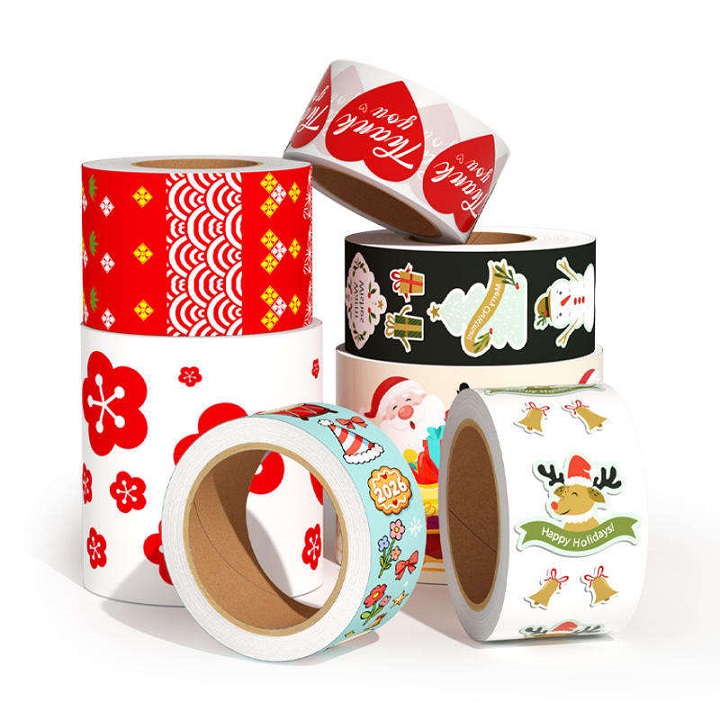
Stickers are one of the most flexible branding tools in modern packaging, and choosing the right manufacturer of stickers can directly affect print quality, shelf appeal, and conversion. For brands that need OEM/ODM support, the best partner is not just a printer — it is a production expert that understands materials, finishing, cut styles, lead times, and brand consistency. [reddit]
Why Sticker Manufacturing Matters
A good sticker is more than a decoration. It can communicate product quality, reinforce brand identity, improve packaging efficiency, and support retail or e-commerce presentation. In practice, the wrong material, weak adhesive, or poor cutting accuracy can make a premium product look cheap and reduce customer trust. [wunderlabel]
For importers, wholesalers, and brand owners, working with an experienced manufacturer also helps reduce sourcing risk. A capable factory should provide stable quality, scalable output, and the ability to adapt designs for different markets and applications. [reddit]
What a Sticker Manufacturer Actually Does
A professional sticker manufacturer usually manages the full production chain, from artwork review and material selection to printing, die cutting, finishing, inspection, and packaging. Common sticker production methods include digital printing, screen printing, laminating, die cutting, and kiss cutting. [comgraphx]
Here is what the process often includes:
1. Artwork preparation. The manufacturer checks resolution, bleed, color mode, and cut lines.
2. Material selection. Paper, vinyl, polypropylene, or specialty stocks are chosen based on use case.
3. Printing. The design is printed with the method best suited to quantity and finish.
4. Cutting. Stickers are die cut or kiss cut depending on the format.
5. Finishing. Lamination, varnish, or special effects may be added for durability and appearance.
6. Inspection and packing. Each batch is checked for color, edges, and adhesion consistency. [nextdayflyers]
Sticker Materials That Matter
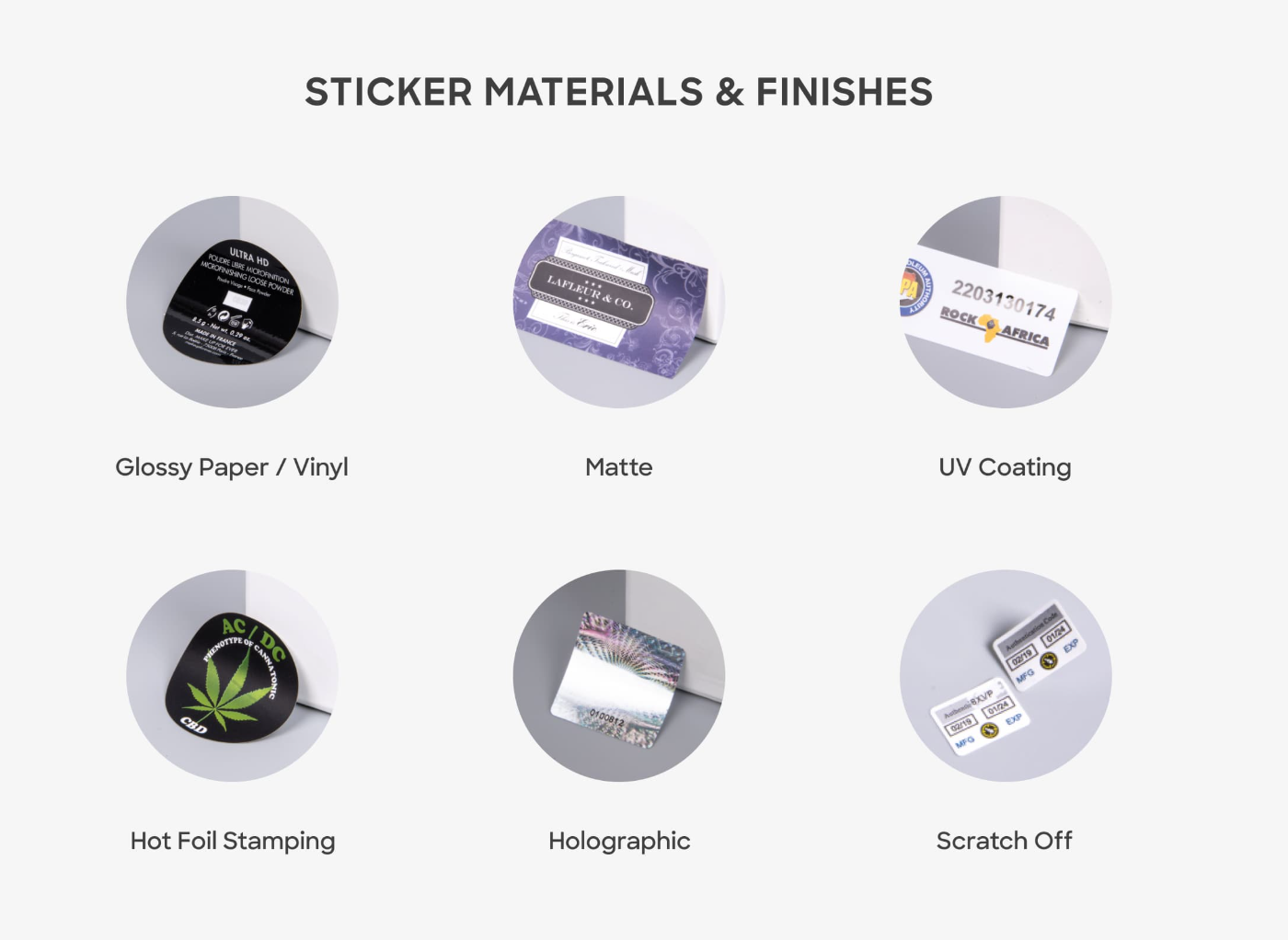
Material choice is one of the biggest factors in sticker performance. Paper stickers are often used for low-cost indoor applications, while vinyl is better for durability, water resistance, and outdoor use. Polypropylene is a popular synthetic option when buyers want a cost-effective label with improved resistance compared with paper. [edgestickers.co]
| Material | Best for | Strengths | Limits |
| Paper | Product packaging, indoor labels | Affordable, easy to print | Less durable, weaker moisture resistance |
| Vinyl | Outdoor stickers, brand decals | Durable, water resistant, long-lasting | Higher cost |
| Polypropylene | FMCG labels, bulk packaging | Cost-effective, splash resistant, rip resistant | Less premium than vinyl in some uses |
| Specialty stocks | Premium campaigns, gift packaging | Unique visual effects | Usually higher cost and longer lead time |
For many brands, the smartest choice is not the most expensive stock, but the one that matches the product environment and brand positioning. That is where an experienced sticker factory adds real value. [reddit]
Die Cut and Kiss Cut Explained
One of the most common buying decisions is whether to choose die cut or kiss cut stickers. Die cut stickers are cut completely through both the sticker and the backing, creating a custom shape with no extra border. Kiss cut stickers are cut through the sticker layer only, leaving the backing intact for easier peeling and presentation on sheets. [coastlabel]
Use die cut stickers when you want a clean standalone branded shape. Use kiss cut stickers when you need multiple stickers on a sheet, easier distribution, or a more retail-friendly presentation. [decals]
Printing Methods and Quality Control
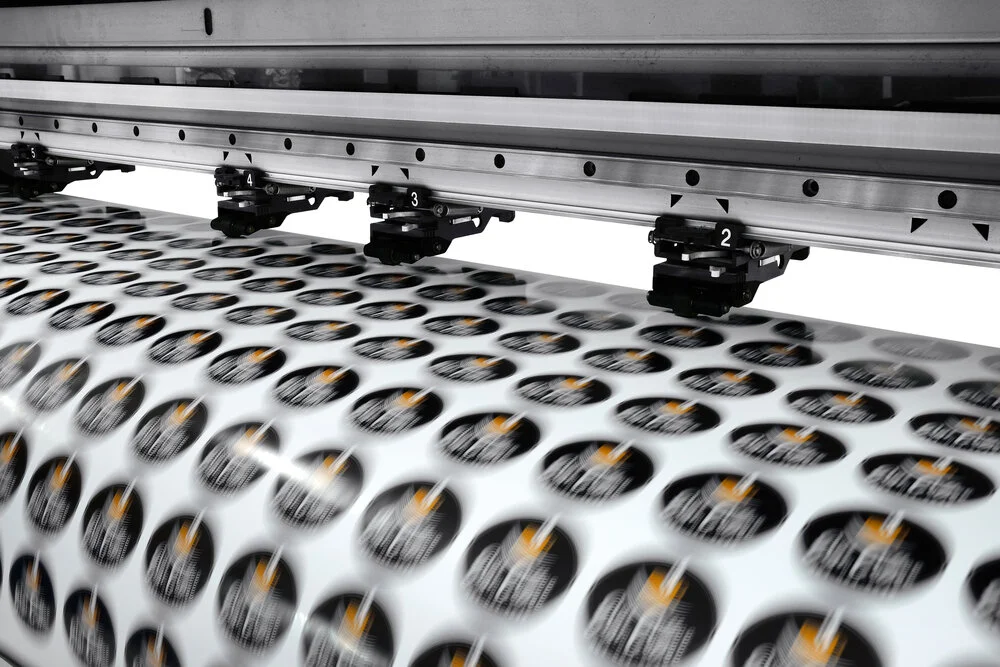
Sticker printing quality depends on both the printing process and the factory's quality control discipline. Digital printing is efficient for short runs and detailed designs, while screen printing can be strong for bold color and durable outdoor applications. Lamination can also improve lifespan by protecting the ink layer. [comgraphx]
A serious manufacturer should control several quality points:
Color consistency across batches.
Sharp cutting edges and accurate registration.
Strong adhesive performance.
Clean lamination without bubbles or wrinkles.
Safe packaging that prevents bending, dust, or damage. [wunderlabel]
This is where many suppliers differ. Some can print stickers, but fewer can consistently deliver commercial-grade packaging-ready output at scale. [reddit]
Why Global Brands Source from China
China remains a major sourcing base for printed packaging because buyers can often combine design support, mass production, and export-ready logistics in one supply chain. For overseas brands, this is especially useful when stickers are only one part of a broader packaging program that also includes boxes, cards, books, tags, and puzzles. [reddit]
Shenzhen XingKun Packing Products Co., Ltd. positions itself as a full-service OEM/ODM factory with more than 20 years of experience in custom printed products, including stickers and labels, packaging boxes, playing cards, books, paper bags, and puzzles. The company also states that it operates advanced Heidelberg printing equipment and serves clients in more than 30 countries. [xkdisplay]
What Makes a Strong OEM Partner
When evaluating a manufacturer of stickers, buyers should look beyond price. The right partner should help you turn packaging ideas into a dependable supply chain. [reddit]
Supplier evaluation checklist
Can the factory support OEM and ODM customization?
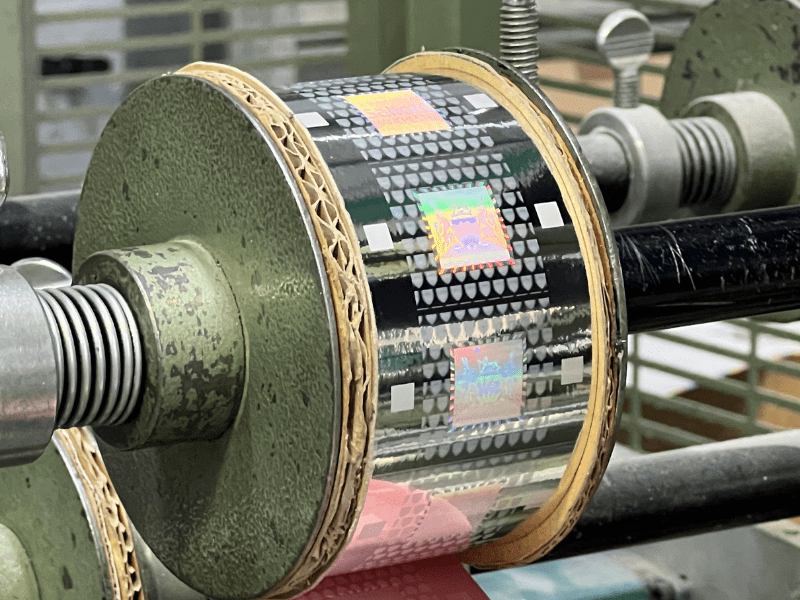
Does it offer multiple materials and finishes?
Can it handle custom shapes, sheet formats, and roll formats?
Does it show clear quality-control standards?
Can it meet your lead time and export requirements?
Does it have experience with international buyers and repeat orders? [xkdisplay]
A factory that can answer these points clearly is usually easier to work with and more reliable over time. For branded products, that reliability matters as much as visual quality. [reddit]
Latest Market Signals
Recent industry content shows continued demand for customizable sticker formats, with buyers paying more attention to material choice, durability, and cutting style. Guides published in 2024 and 2025 also show that consumers and businesses increasingly expect better digital-print quality, faster turnaround, and more flexible small-batch production. [youtube]
Another useful trend is the rising importance of polypropylene and vinyl for use cases where paper is no longer enough. That reflects a broader shift toward packaging that balances brand aesthetics with functional performance. [discountstickerprinting.co]
How XingKun Fits This Need
XingKun's website presents the company as a packaging and print factory focused on custom printed products, including stickers and labels, with support for one-stop OEM service. It also emphasizes quality-first production, professional design support, and fast turnaround for export customers. [xkdisplay]
For buyers searching for a sticker manufacturer that can also support related packaging items, that one-stop model can reduce communication overhead and simplify procurement. This is especially helpful for brands launching product lines that need coordinated boxes, labels, inserts, and promotional materials. [xkdisplay]
Practical Buying Steps
If you are sourcing stickers for a brand or retail line, follow this process:
1. Define the application: product label, promotional sticker, outdoor decal, or packaging seal.
2. Choose the right stock: paper, vinyl, polypropylene, or specialty material.
3. Decide the format: sheet, roll, die cut, or kiss cut.
4. Confirm finishing: gloss, matte, lamination, or special effects.
5. Request a proof and check color, cut alignment, and adhesive performance.
6. Place a pilot order before scaling up. [nextdayflyers]
This approach reduces mistakes and helps you compare suppliers on more than just unit price. It also gives you a better sense of how the factory handles communication, consistency, and customization. [reddit]
Conclusion
A reliable manufacturer of stickers should give you more than printed labels. It should give you material guidance, design support, stable quality, and a production process that matches your market, budget, and brand goals. For global buyers, the best results usually come from factories that combine technical capability with OEM flexibility and export experience. [wunderlabel]
If you are sourcing stickers for packaging, retail, or promotional use, the safest move is to choose a supplier that can prove its material options, production control, and customization range before you place a large order. [reddit]
FAQ
1. What is the difference between a sticker and a label?
A sticker is often used for branding, promotion, or decoration, while a label is more commonly used for product identification, compliance, or packaging information. In manufacturing, the production methods can overlap heavily. [printlab.com]
2. Which material is best for custom stickers?
Paper is best for low-cost indoor use, vinyl is best for durable outdoor use, and polypropylene is a good middle-ground for bulk packaging and splash resistance. The best choice depends on where the sticker will be used. [edgestickers.co]
3. What is the difference between die cut and kiss cut?
Die cut stickers are cut all the way through the backing, while kiss cut stickers are cut only through the top layer and remain attached to the backing sheet. Kiss cut is usually easier for sheet presentation and distribution. [coastlabel]
4. How do I know if a sticker factory is reliable?
Look for clear material options, proofing support, cutting precision, quality-control steps, and export experience. A factory that also offers OEM/ODM service is usually better prepared for long-term brand projects. [xkdisplay]
5. Can one factory make stickers and other packaging products?
Yes. Many factories produce multiple printed packaging items, such as boxes, cards, books, bags, and stickers, which helps brands keep branding consistent across product lines. XingKun is presented this way on its website. [xkdisplay]
6. Why does lamination matter for stickers?
Lamination helps protect printed surfaces from wear, moisture, and fading. It can also improve the overall look and feel of the sticker. [comgraphx]
References
1. XingKun official stickers page: [Stickers Manufacturer & Supplier] [xkdisplay]
2. XingKun official company/about page: [关于我们-Xingkun] [xkdisplay]
3. Comgraphx, "Manufacturing Screen Print Stickers": [Article] [comgraphx]
4. Wunderlabel, "Production of Custom Stickers": [Article] [wunderlabel]
5. NextDayFlyers, "The Ultimate Guide to Kiss-Cut Stickers": [Article] [nextdayflyers]
6. Decals.com, "Die-Cut Stickers vs Kiss-Cut Stickers": [Article] [decals]
7. Edgestickers, "Vinyl or Polypropylene Stickers?": [Article] [edgestickers.co]
8. Printlab, "Stickers Types and Materials": [Article] [printlab.com]
9. Discount Sticker Printing, polypropylene label options: [Article] [discountstickerprinting.co]


