Content Menu
● Why Design Your Own Hang Tags?
● Hang Tags Are a Brand Asset
● Before You Design Your Own Hang Tags
>> 1. What Is the Primary Job of the Tag?
>> 2. Who Will Read It?
>> 3. What Information Must Be Permanent?
● How to Design Your Own Hang Tags Step by Step
>> Step 1: Choose the Tag Format
>> Step 2: Select the Right Size
>> Step 3: Choose a Material That Matches Your Positioning
>> Step 4: Build a Clear Content Hierarchy
>> Step 5: Design for Readability, Not Decoration
>> Step 6: Add Finishing That Supports the Brand
● Add QR Codes That Create Real Value
● Common Mistakes When Designing Custom Hang Tags
>> Too Much Copy
>> Weak Brand Recognition
>> Unverified Sustainability Claims
>> Poor Barcode or QR Code Placement
>> Ignoring Attachment Method
>> Skipping Physical Samples
● A Pre-Production Checklist for Hang Tag Printing
● Work With a Manufacturer That Understands Retail Details
● Conclusion
● FAQ
>> 1. What information should be included on a custom hang tag?
>> 2. What is the best paper for clothing hang tags?
>> 3. Can a hang tag replace a sewn-in clothing label?
>> 4. Should I use a QR code on my hang tag?
>> 5. What is the difference between a hang tag and a product label?
>> 6. Are die-cut hang tags worth the additional cost?
>> 7. How can I make my hang tags look more premium?
● References
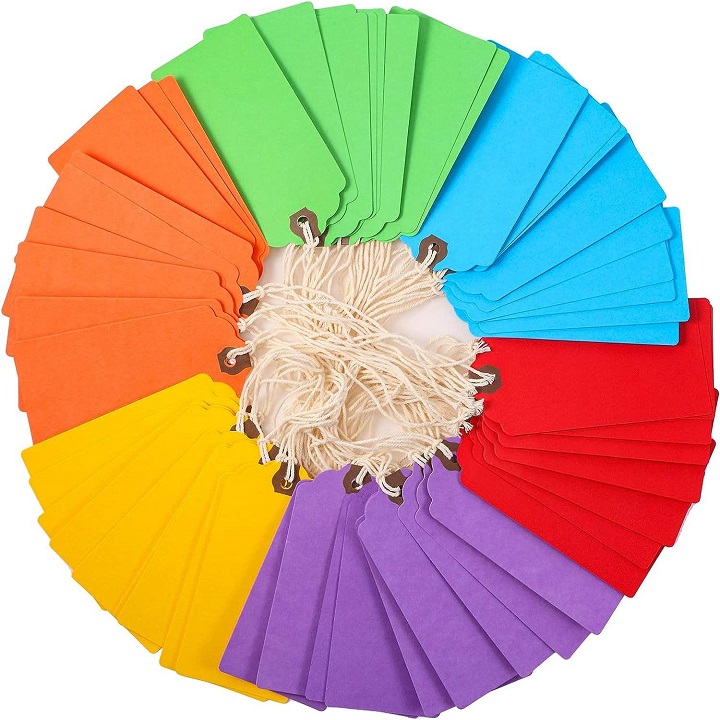
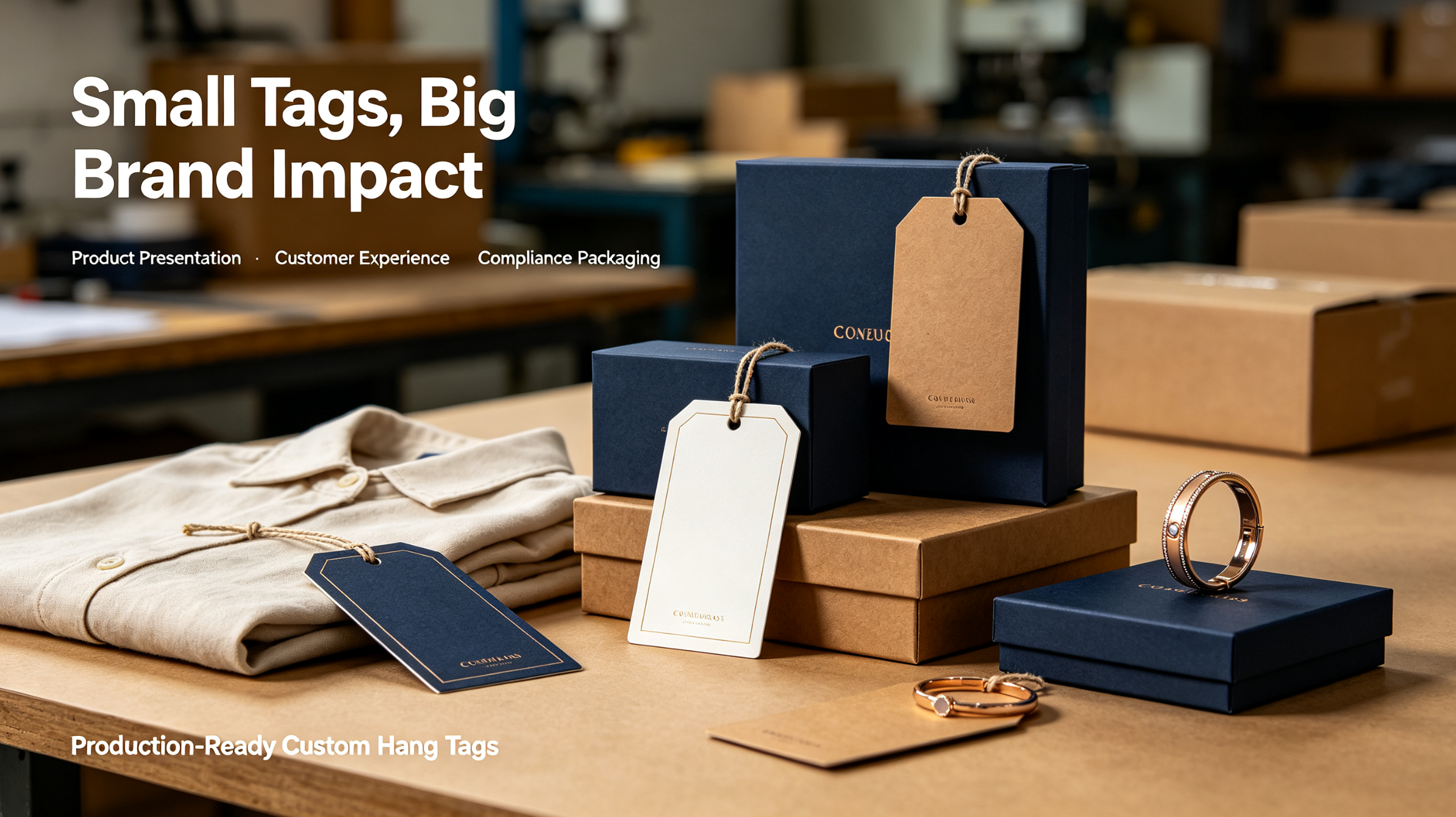
When you design your own hang tags, you are doing more than creating a small piece of printed paper. You are building a physical brand touchpoint that can communicate product value, improve shelf presentation, support compliance information, tell a brand story, and guide customers toward a purchase or digital experience.
For apparel brands, jewelry suppliers, gift companies, cosmetics businesses, food producers, craft sellers, and private-label retailers, custom hang tags can turn ordinary products into more polished, credible, and memorable retail goods. At XingKun, we help overseas brands, wholesalers, and manufacturers develop OEM and ODM hang tags in custom sizes, shapes, materials, colors, finishes, and packaging-ready formats. [xkdisplay]
Why Design Your Own Hang Tags?
A hang tag is a removable printed tag attached to a product by string, ribbon, elastic cord, metal chain, safety pin, or other fastening method. It often carries a logo, price, barcode, product specifications, care information, promotional message, or sustainability statement.
However, the strongest custom hang tag designs do not simply "add information." They help buyers understand a product in seconds.
A well-designed tag can help your brand:
- Create a stronger first impression at retail or during unboxing
- Differentiate similar products on crowded shelves and marketplaces
- Show perceived value through heavier paper, special finishes, and refined typography
- Explain product benefits without changing the primary packaging
- Support product storytelling, including origin, materials, craftsmanship, or mission
- Promote repeat purchases through QR codes, discount codes, social media, or loyalty programs
- Organize product lines with sizes, colors, styles, SKUs, or barcodes
- Provide supplementary information for consumers, wholesale buyers, and retail staff
For a brand selling premium knitwear, for example, a simple uncoated kraft tag may communicate natural materials and handmade positioning. A luxury jewelry brand may instead choose thick black card stock with gold foil, embossed lettering, and a silk ribbon. The information may be similar, but the tactile experience changes the perceived product category.
That is why the question is not only "What should I print on my tag?" It is also:
> What should a customer feel when they pick up my product?
Hang Tags Are a Brand Asset
Many companies treat hang tags as a final production detail. In practice, they should be considered part of the brand system, alongside packaging boxes, stickers, product labels, inserts, business cards, and shipping materials.
A good hang tag connects three things:
| Hang Tag Function |
What It Does |
Example |
| Brand recognition |
Makes the product visually identifiable |
Logo, brand colors, signature pattern |
| Product communication |
Explains what the item is and why it matters |
Material, dimensions, product benefits |
| Retail function |
Helps selling, stocking, and scanning |
Barcode, price field, SKU, collection code |
| Customer engagement |
Creates an action after purchase |
QR code, care guide, registration page |
| Premium presentation |
Adds visual and tactile quality |
Foil, embossing, textured stock, die-cut shape |
| Compliance support |
Provides supplemental information |
Country information, certification statements, warnings |
For fashion products, hang tags are especially useful because customers often hold, inspect, and compare garments before buying. For gift products and handmade items, tags can reinforce authenticity. For consumer packaged goods, they can create a campaign layer without redesigning the whole package.
A hang tag may be small, but it often receives more direct attention than a shipping carton or the back panel of a product box.
Before You Design Your Own Hang Tags
The first mistake brands make is starting with colors, fonts, or decorative effects before defining the purpose of the tag.
Before preparing a design file, answer the following questions.
1. What Is the Primary Job of the Tag?
Choose one main purpose. Secondary messages can support it, but the design should have a clear priority.
Common objectives include:
- Launching a new brand or collection
- Displaying product features
- Providing pricing and barcode information
- Supporting a premium retail presentation
- Communicating sustainable-material claims
- Explaining handmade or limited-edition value
- Sharing a founder story
- Driving traffic to an online store
- Promoting product registration, care instructions, or loyalty rewards
- Helping wholesalers identify product variants
If the tag is intended for wholesale retail distribution, barcode readability and SKU organization may matter more than elaborate decoration. If the product is a high-value gift item, visual texture and unboxing appeal may deserve a larger budget.
2. Who Will Read It?
Your hang tag should be designed for its actual reader, not for an internal marketing meeting.
Consider:
- Retail shoppers: Need quick, benefit-led messages
- Wholesale buyers: Need product codes, unit details, and reliable identification
- E-commerce customers: May use the tag after delivery and scan a QR code
- Gift recipients: Respond well to storytelling and emotional messages
- Compliance teams: Need accurate, controlled wording
- Store associates: Need clean SKU, size, price, and barcode placement
A minimalist luxury audience may appreciate restraint. A children's puzzle brand may benefit from bright visuals, age guidance, playful illustrations, and a QR code linked to instructions or additional activities.
3. What Information Must Be Permanent?
This is a critical distinction for apparel and textile brands.
In the United States, most textile and wool products must carry labels with fiber content, country of origin, and the identity of the manufacturer or another responsible business. Required care information also generally needs to remain with the garment. A removable hang tag can add useful marketing or supplementary content, but it should not be assumed to replace required permanent labeling. [ftc]
For that reason, apparel brands should treat hang tags and sewn-in labels as separate components:
| Component |
Best Use |
| Removable hang tag |
Brand story, product benefits, QR code, promotion, collection name, price |
| Permanently attached label |
Required fiber, origin, manufacturer identity, and care-related information where applicable |
| Packaging insert |
Longer storytelling, loyalty offers, return instructions, campaigns |
| Product sticker |
SKU, inventory control, temporary retail information |
Always verify requirements for your specific product category and destination market with qualified compliance professionals. Regulations differ by country, product type, and claim.
How to Design Your Own Hang Tags Step by Step
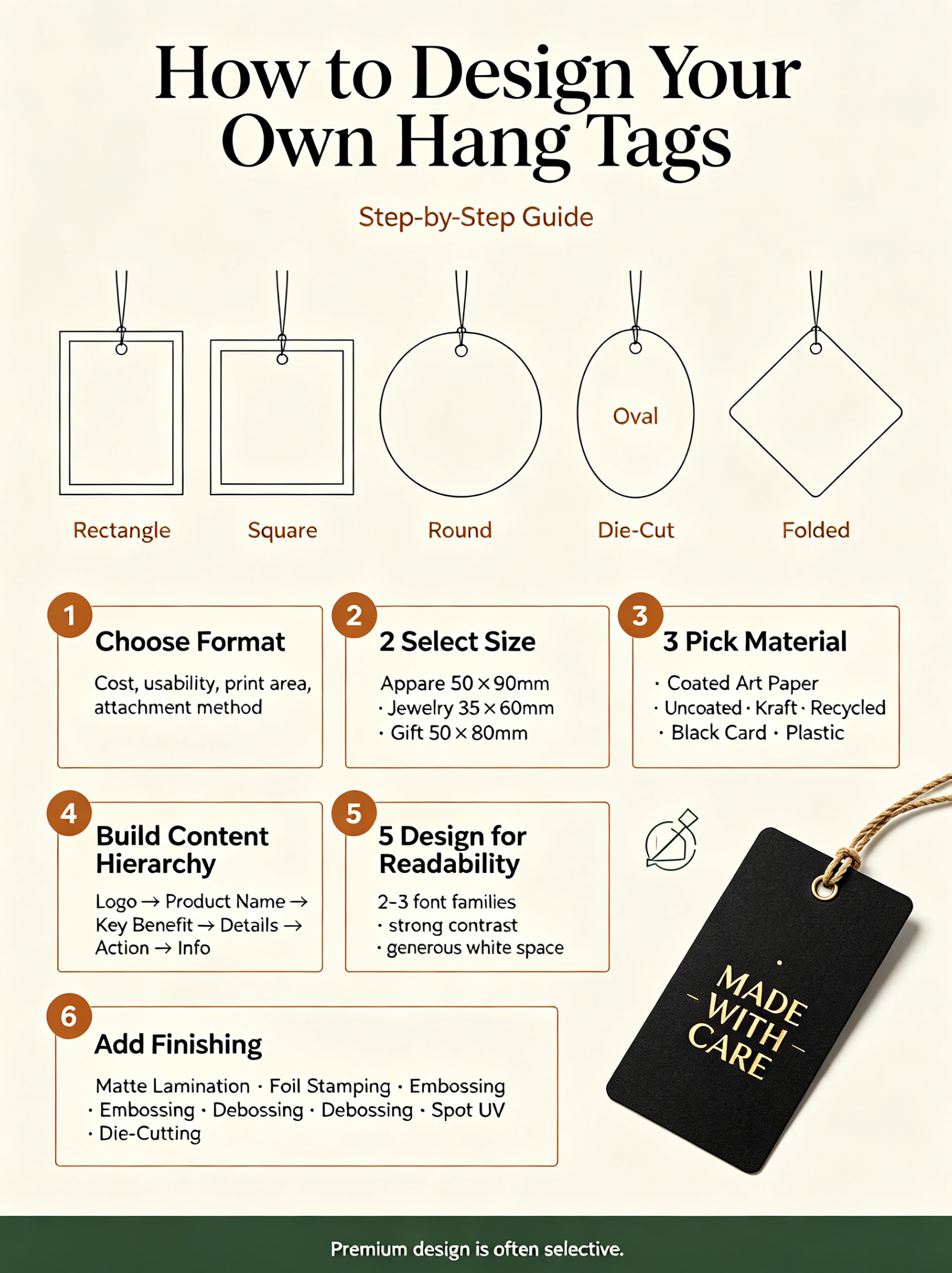
Step 1: Choose the Tag Format
Your format affects cost, usability, print area, finishing options, and attachment method.
Popular formats include:
- Rectangle hang tags for universal retail use
- Square tags for compact and modern branding
- Round hang tags for cosmetics, accessories, and artisan goods
- Oval tags for softer, more decorative presentation
- Die-cut hang tags for a distinctive branded silhouette
- Folded hang tags for brands needing more writing space
- Bottle neck tags for beverages, sauces, oils, and promotional gifts
- Clothing hang tags with a standard punched hole and string
- Multi-layer tags for premium, collectible, or information-rich products
A standard rectangle is usually the most cost-efficient choice. A custom die-cut silhouette can generate stronger visual recognition, but it may increase setup complexity and material waste. Use a custom shape when it genuinely supports your visual identity rather than simply making production more complicated.
Step 2: Select the Right Size
There is no single "best" hang tag size. The right size depends on your product dimensions, amount of content, display environment, and desired perceived value.
Here is a practical starting point:
| Product Type |
Common Starting Tag Size |
Design Priority |
| Apparel and fashion accessories |
50 × 90 mm or 55 × 90 mm |
Branding, size, price, QR code |
| Jewelry and small accessories |
35 × 60 mm or 40 × 70 mm |
Compact product identification |
| Gift products |
50 × 80 mm or 60 × 100 mm |
Storytelling and presentation |
| Premium garments |
60 × 100 mm or folded format |
Material story, care, luxury effect |
| Bottles and jars |
Custom neck-tag format |
Promotion, recipe, limited offer |
| Craft and handmade products |
50 × 70 mm |
Maker story, product details |
| Toys and puzzles |
60 × 90 mm or larger |
Age range, product benefits, safety messaging |
Leave enough white space around text, logos, barcodes, and QR codes. A crowded tag often looks lower quality even if it uses expensive materials.
Step 3: Choose a Material That Matches Your Positioning
Material choice affects tactile perception, durability, print reproduction, and sustainability communication.
At XingKun, custom design hang tags can be developed in standard paper, recycled paper, kraft paper, plastic, and other customized stock options. The company's hang tag services also include specialized shapes, precision printing, die-cutting, and premium finishing possibilities. [xkdisplay]
Common material directions include:
| Material |
Best For |
Key Strength |
| Coated art paper |
Colorful retail graphics and photo-rich designs |
Bright color reproduction |
| Uncoated paper |
Minimalist and premium stationery-like branding |
Natural writing and tactile feel |
| Kraft paper |
Organic, handmade, rustic, and eco-oriented brands |
Natural visual character |
| Recycled paper |
Sustainability-led positioning |
Supports recycled-content storytelling |
| Black card stock |
Luxury fashion, jewelry, cosmetics |
Strong contrast with foil or embossing |
| Specialty textured paper |
Boutique and premium goods |
Distinctive tactile experience |
| Synthetic or plastic tag stock |
Outdoor, wet, or high-wear products |
Water resistance and durability |
If you plan to make FSC-related claims, make sure the material source and claim are properly controlled. FSC explains that chain-of-custody certification tracks certified or controlled forest-based materials through the supply chain, and the FSC label on a finished product indicates the required chain-of-custody conditions have been met. [fsc]
Do not use vague language such as "eco-friendly" unless you can substantiate what that means. Instead, use specific and verifiable wording where applicable, such as "Made with recycled paper" or "FSC-certified paper," provided the claim is accurate and appropriately supported.
Step 4: Build a Clear Content Hierarchy
A strong tag does not force readers to search for the important message. It guides their eye.
Use this order as a starting framework:
1. Brand name or logo
2. Product name
3. One key product benefit or brand promise
4. Supporting details
5. Action item, such as QR code, social handle, or website
6. Operational information, including barcode, SKU, size, or price
For example, a sustainable apparel tag could use this layout:
Front
- Brand logo
- "Organic Cotton Everyday Tee"
- "Soft. Breathable. Built for repeat wear."
Back
- "Made with responsibly sourced materials"
- QR code: "Scan for fabric care and traceability"
- Size, SKU, barcode
- Website and social handle
The first side sells the product. The second side supports the decision and post-purchase experience.
Step 5: Design for Readability, Not Decoration
Typography is one of the most overlooked elements in custom hang tag printing.
Use no more than two or three font families. Keep body copy large enough to read under store lighting. Avoid placing fine text over busy photographs or textures. Maintain contrast between the background and text.
A practical hierarchy might be:
- Large logo or collection name
- Medium product title
- Short benefit statement
- Small operational details
- Clear call to action
Avoid filling every available space. White space communicates control, calm, and quality. It also makes essential information easier to find.
Step 6: Add Finishing That Supports the Brand
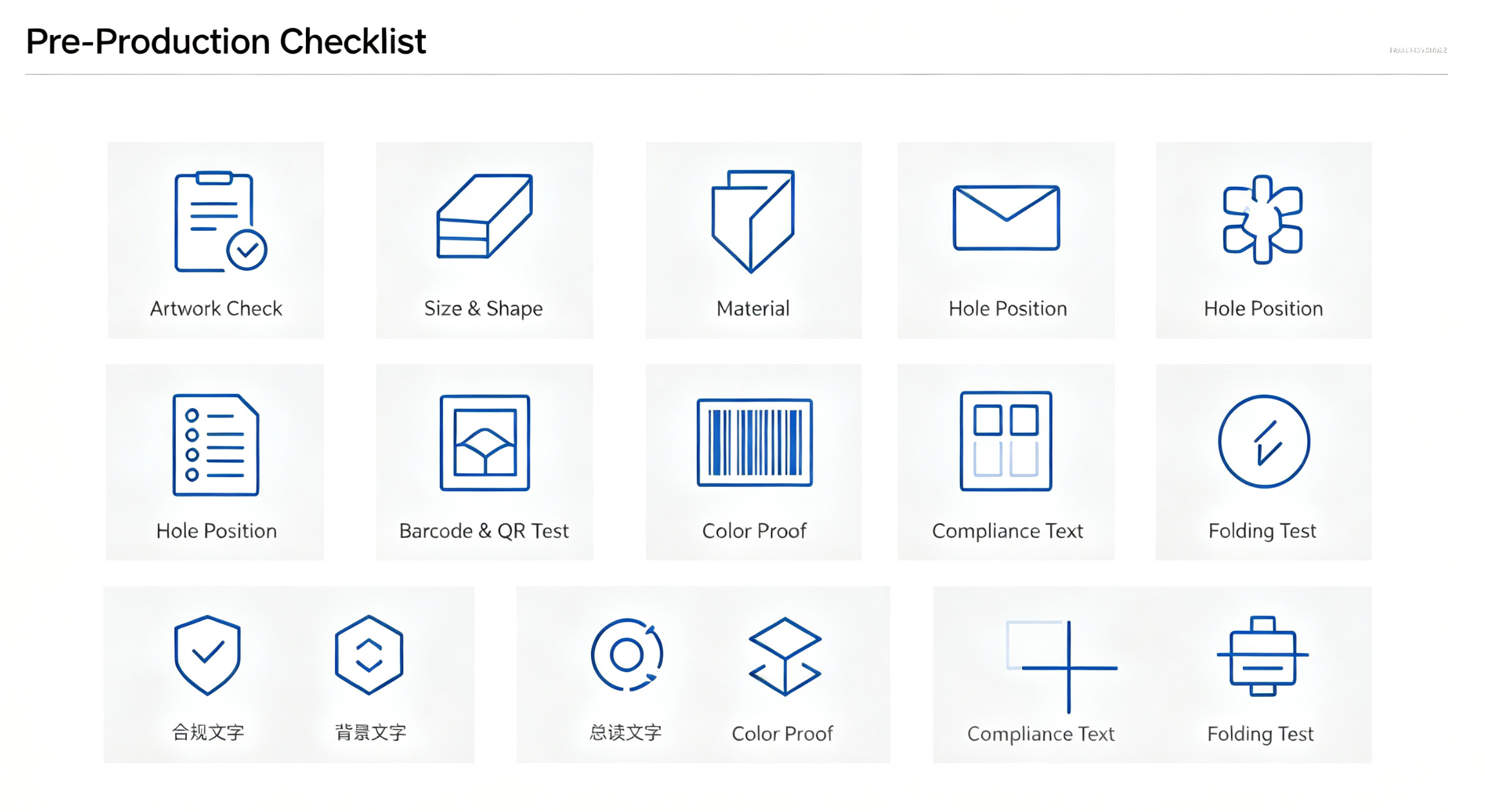
Finishes should reinforce your positioning, not distract from it.
XingKun's referenced hang tag production capabilities include digital printing, die-cutting, foil stamping, embossing, and debossing. These processes allow brands to combine visual print with tactile differentiation. [xkdisplay]
Consider these options:
- Matte lamination: Soft, contemporary, and less reflective
- Gloss lamination: Bright and vibrant, especially for color-heavy designs
- Soft-touch lamination: Velvet-like tactile effect for premium products
- Foil stamping: Metallic accent for logos, borders, or key messages
- Embossing: Raised design elements with physical depth
- Debossing: Pressed-in details with understated elegance
- Spot UV: Gloss contrast on selected printed areas
- Die-cutting: Custom outer shape or decorative cutout
- Rounded corners: Softer appearance and improved resistance to bent corners
- Eyelets or reinforced holes: Better durability for heavier tags or thicker cords
A black tag with a single gold-foil logo may look more luxurious than a tag containing five separate decorative effects. Premium design is often selective.
Add QR Codes That Create Real Value
QR codes have become increasingly useful for connected packaging and product communication. They should not be added merely because they are trendy. A QR code should lead to a useful, mobile-friendly destination.
Potential QR code destinations include:
- Product care instructions
- Product registration
- Warranty activation
- Assembly instructions
- Ingredient or material information
- Brand story video
- Authentication or anti-counterfeit page
- Loyalty program
- User-generated-content campaign
- Reorder page
- Wholesale inquiry page
- Product recycling instructions
GS1 US has highlighted consumer interest in scanning packaging QR codes for product information. In a 2026 survey related to food labels, 66% of respondents said they would scan a QR code to access details such as freshness, ingredients, and shelf life. GS1's Sunrise 2027 initiative also focuses on the industry transition toward more capable 2D barcodes and richer product information. [gs1us]
For brands, the practical lesson is simple: make every scan worthwhile.
Use a QR code only when the destination offers value that cannot fit on the tag. Test it on multiple phone models, maintain sufficient contrast, avoid placing it too close to folds or holes, and do not shrink it until scanning becomes unreliable.
A useful CTA is better than "Scan Me." For example:
- "Scan for care instructions"
- "Scan to verify authenticity"
- "Scan for your 10% next-order reward"
- "Scan to see how this product was made"
- "Scan for assembly and safety guidance"
Common Mistakes When Designing Custom Hang Tags
Too Much Copy
A hang tag is not a brochure. Use concise language and move detailed content to a QR landing page, folded format, or packaging insert.
Weak Brand Recognition
A beautiful tag that does not clearly identify the brand has limited long-term value. Your logo, colors, type style, or signature visual asset should appear consistently.
Unverified Sustainability Claims
Consumers and retail partners increasingly expect clarity. Avoid generic claims that cannot be documented. Be precise about recycled content, responsible sourcing, certifications, or disposal instructions.
Poor Barcode or QR Code Placement
Keep codes away from holes, folds, edges, foil-heavy areas, and low-contrast backgrounds. Always scan-test samples before approving mass production.
Ignoring Attachment Method
The string, ribbon, elastic cord, plastic fastener, or metal chain changes the final presentation. A premium tag attached with a cheap plastic loop may weaken the perceived quality of the full product.
Skipping Physical Samples
A digital proof cannot fully show paper texture, foil shine, embossing depth, hole placement, folding precision, or color differences under retail lighting. Request a physical sample or production proof whenever the project includes special materials or finishes.
A Pre-Production Checklist for Hang Tag Printing
Before sending files to a hang tag manufacturer, confirm the following:
- Final tag size in millimeters or inches
- Single-sided, double-sided, or folded format
- Material type and paper weight
- Color mode and required brand color references
- Bleed area for full-background artwork
- Safe margin around text, holes, and important graphics
- Hole size and exact placement
- String, ribbon, cord, or fastener type
- Finishing requirements, such as foil, embossing, lamination, or spot UV
- Barcode specifications and test requirements
- QR code destination and scan testing
- SKU or variable-data needs
- Packaging method for shipment and assembly
- Compliance review for the intended market
- Approval process for digital proof and physical sample
For large-volume orders, it is also helpful to create a formal specification sheet. This reduces errors between your design team, purchasing department, factory, fulfillment partner, and retailer.
Work With a Manufacturer That Understands Retail Details
A hang tag supplier should do more than print a design file. The supplier should help identify production risks before they become expensive mistakes.
When evaluating a custom hang tag manufacturer, ask:
- Can the supplier recommend materials based on my product category?
- Can it produce custom die-cut shapes and specialized finishes?
- Does it provide digital proofs before production?
- Can it support OEM and ODM projects?
- Can it manage matching items, such as packaging boxes, stickers, labels, cards, and inserts?
- Can it provide consistent color control across multiple printed components?
- Does it understand export packaging and international shipping requirements?
- Can it provide samples before a full production order?
XingKun provides custom design hang tags for applications including clothing, rectangular retail tags, and die-cut tag formats. Its service process describes concept development, material selection, proofing, printing, and finishing, allowing buyers to turn a brand concept into a finished physical product. [xkdisplay]
For brands sourcing from China, consolidating printed components with a single capable factory can also simplify coordination. A matching set of custom packaging boxes, hang tags, stickers, printed inserts, playing cards, puzzle boxes, and books can create a more cohesive customer experience while reducing artwork inconsistency across suppliers.
Conclusion
To design your own hang tags successfully, begin with purpose rather than decoration. Define who will read the tag, what information they need, what emotions you want the product to create, and what action you want the customer to take next.
The most effective custom hang tags combine brand consistency, readable information, suitable material, practical attachment, reliable print production, and a clear next step. Whether your goal is to elevate apparel, gift packaging, jewelry, cosmetics, toys, books, or private-label products, the right tag can make your brand feel more intentional at the exact moment a customer touches the product.
If you are ready to create custom hang tags for retail, wholesale, or promotional products, XingKun can support OEM and ODM development with customized materials, shapes, printing methods, and finishing options. Start by preparing your logo, product information, preferred size, quantity, and reference style—then request a proof or sample before production.
FAQ
1. What information should be included on a custom hang tag?
Most hang tags should include your brand name or logo, product name, one or two key benefits, and relevant product details. Depending on the item, you may also add a barcode, SKU, size, price, QR code, social media handle, website, care message, or sustainability information.
2. What is the best paper for clothing hang tags?
There is no universal best option. Coated paper works well for strong color graphics, uncoated paper creates a refined tactile feel, kraft paper supports a natural look, and thick black or specialty stock is popular for luxury apparel. The best choice depends on your brand positioning, design style, budget, and intended retail environment.
3. Can a hang tag replace a sewn-in clothing label?
Usually, no. In the United States, textile and wool products generally require specified information such as fiber content, country of origin, and responsible-business identity, while care instructions must be provided in a form that remains with the product where required. Hang tags are valuable as supplemental marketing and informational pieces but should not be used as the only location for required permanent disclosures. [ftc]
4. Should I use a QR code on my hang tag?
Use a QR code if it gives the customer meaningful value. Good uses include care instructions, authenticity checks, loyalty rewards, assembly guides, product registration, product videos, and product traceability content. Ensure the linked page is mobile-friendly, current, and directly relevant to the product.
5. What is the difference between a hang tag and a product label?
A hang tag is usually removable and attached with string, ribbon, cord, or a fastener. A product label may be adhesive, sewn in, heat-transferred, or permanently applied to the product or package. Hang tags are often used for branding and retail presentation, while labels are more commonly used for identification, inventory, regulatory disclosures, and care information.
6. Are die-cut hang tags worth the additional cost?
They can be worth it when the custom shape strengthens brand recognition or makes a product more noticeable. For example, a tea brand might use a leaf-shaped tag, while a children's product could use a playful character silhouette. If the shape does not add a clear brand or customer benefit, a standard rectangle may offer better cost efficiency.
7. How can I make my hang tags look more premium?
Use heavier paper stock, clean typography, restrained color use, adequate white space, high-quality strings or ribbons, and selected finishing methods such as foil stamping, embossing, soft-touch lamination, or die-cutting. Focus on a coherent design rather than applying every available finish.
References
1. [XingKun — Design Hang Tags Manufacturer in China]
Product and service information on XingKun's custom hang tags, including material options, clothing and die-cut formats, production workflow, digital printing, foil stamping, embossing, debossing, and customization support. [xkdisplay]
2. [Federal Trade Commission — Apparel and Labeling]
U.S. labeling overview covering textile and wool-product disclosure requirements, including fiber content, country of origin, and manufacturer or responsible-business identity. [ftc]
3. [American Apparel & Footwear Association — U.S. Labeling Resources]
Industry resource page linking to U.S. apparel labeling guidance, including textile, care-labeling, and country-of-origin resources. [aafaglobal]
4. [GS1 US — Survey Finds Consumers Review Food Labels as Prices Rise]
Survey source for consumer interest in scanning QR codes on packaging to access product information. [gs1us]
5. [GS1 US — What Is Sunrise 2027?]
Overview of GS1's industry initiative related to the transition toward smarter, information-rich 2D barcodes. [gs1us]
6. [Forest Stewardship Council — Paper and Packaging]
FSC information on paper and packaging products and chain-of-custody certification. [fsc]
7. [Forest Stewardship Council — Chain of Custody Certification]
Explanation of how FSC chain of custody tracks certified materials through the supply chain to a finished product. [fsc]


